

What is the average life of a camera Complete How-To Guide
Understanding the lifespan of your camera is essential for every photography enthusiast. Generally, a well-maintained camera can last between 5 to 10 years. However, many digital cameras tend to have an average lifespan of around seven years. This timeframe can vary significantly based on usage patterns and environmental conditions.
Knowing how long your camera will last helps in making informed purchasing decisions. A camera represents a significant investment, and understanding its potential longevity ensures you maximize every dollar spent on your gear. Factors like usage frequency and maintenance habits play a crucial role in determining how many years your camera will remain functional.
In this guide, we will explore key elements that influence camera durability. From shutter mechanisms to exposure to the elements, these factors will help you better appreciate your equipment and its life cycle.
Key Takeaways
- Learn about the average lifespan of cameras and its importance for photographers.
- Discover how proper care can extend your camera’s life from 5 to 10 years.
- Understand how usage frequency impacts camera reliability.
- Explore key factors affecting camera longevity, including maintenance.
- Make smarter purchasing decisions based on expected camera lifespan.
Understanding Camera Lifespan: An Overview
A thorough understanding of your camera’s longevity is crucial for any serious photographer. The lifespan of a camera can vary significantly based on several factors. These include how often you use it, the environment it’s in, and its intended purpose.
High-quality cameras from reputable brands often exhibit greater durability. They are designed with superior materials and better craftsmanship. For instance, DSLRs and mirrorless systems typically last between 5 to 10 years when properly cared for.
Understanding camera longevity is essential for photographers. Knowing how long your camera can last helps you use it to its fullest potential. Regular care and mindful usage patterns play a vital role in maintaining your camera’s performance.
Defining Camera Longevity
Camera longevity refers to how long a camera can effectively function before it starts to show signs of wear. This aspect is crucial for photographers investing in new gear, especially in climates like Singapore’s humid environment.
Types of Cameras and Their Expected Durability
Different types of cameras have varying expected lifespans. For example, compact cameras may not last as long as professional DSLRs or mirrorless systems. High-end models often outlast entry-level alternatives due to their robust internal parts and superior build quality.
The type of lens you use also influences your camera’s overall longevity. Handling your equipment with care can significantly extend its life. Additionally, understanding the relationship between a camera’s features and its complexity can help you make informed decisions.
In summary, knowing the factors that affect your camera’s lifespan can lead to better care and ultimately enhance your photography experience.
What is the average life of a camera?
For photographers, knowing the operational lifespan of their camera is key to making informed choices. On average, a camera can last from 5 to 10 years if taken care of properly. Many believe that cameras can last anywhere from three to ten years. Some users report that daily use can reduce their camera’s lifespan to around three years, while others claim they can extend it to ten years with less frequent use.
The life of a camera can vary significantly, typically falling between 3 to 10 years. Hobbyists often keep their cameras for five to ten years, while those who use them less frequently may find theirs lasting three to five years. How often you use your camera greatly influences its longevity; cameras that see regular use tend to wear out faster than those that are used occasionally.
- Get a clear and direct answer based on real-world data collected from thousands of photographers across various skill levels and usage scenarios.
- Understand general lifespan estimates that range from three to ten years, depending on whether you are a daily shooter or an occasional user.
- Learn how the number of photos taken each week directly correlates with how quickly a camera will reach the end of its functional life.
- Discover why hobbyists who shoot a few hundred images per month often see their cameras last for five to ten years while maintaining excellent image quality.
- Explore variability in camera longevity based on whether the equipment is used for professional work, casual family photography, or travel adventures.
- Find out how your specific photography needs and shooting style should influence your expectations for how long your current camera will perform reliably.
- Examine real examples of photographers who have kept the same camera body for over a decade by understanding their usage patterns and commitment to maintenance.
Factors That Influence Camera Longevity
Numerous factors play a role in how many years your camera can reliably function. Understanding these elements helps photographers make informed decisions about their gear. Each factor contributes uniquely to the overall durability and lifespan of your camera.
Usage Patterns and Frequency
Your personal usage patterns significantly affect the wear and tear on your camera. Frequent shooting can lead to quicker degradation of internal components, such as the sensor and shutter mechanism. The more you use your camera, the more likely it is to experience issues over time.
Brand and Model Differences
Different brands and models have varying levels of durability. For instance, professional-grade cameras from brands like Canon, Nikon, and Sony are built with superior materials and technology. These models often last longer than entry-level options due to better construction and engineering philosophies.
Environmental Conditions
The environment in which you use your camera also plays a crucial role in its longevity. Factors such as temperature extremes, humidity, and exposure to dust can significantly impact your camera’s lifespan. For example, high humidity can damage internal electronics, while dust can interfere with moving parts.
Moreover, using protective gear can mitigate some risks associated with challenging weather conditions. Photographers who take care to shield their equipment from the elements often report longer camera lifespans.
The Role of Shutter Count in Estimating Camera Life
The shutter count serves as a vital indicator of your camera’s remaining lifespan. This number represents how many photos your camera has taken throughout its usage. Understanding this metric is crucial for photographers who want to gauge when it might be time to replace their gear.
Every camera model comes with a specific durability rating based on its shutter count. The significance of this count lies in its ability to predict when your camera may need replacement. The lifespan of a shutter varies widely across brands and models. For instance, top-tier models can last anywhere from 50,000 to 500,000 shots.
Generally, cameras with fewer than 150,000 shots tend to perform better. The camera shutter is one of the more delicate components. A shutter failure doesn’t automatically mean you need a new camera, especially if repair costs are reasonable.
- Understand exactly what shutter count means and why it is considered the single most reliable metric for estimating how much life remains in any digital camera body.
- Learn how each time you press the shutter button, the mechanical shutter actuates and incrementally moves your camera closer to its rated lifespan limit specified by the manufacturer.
- Discover the wide range of shutter durability ratings across different models, from entry-level bodies rated for 50,000 actuations to professional workhorses designed to handle over 500,000 photos.
- Explore how the shutter count number serves as an odometer for your camera, giving you a clear picture of how heavily the equipment has been used over time.
- Find out why cameras that have accumulated fewer than 150,000 shutter actuations generally continue to deliver consistent image quality and reliable performance for years to come.
- Examine the relationship between shutter count and the camera’s sensor condition, understanding that both components degrade at different rates based on various factors including usage intensity.
- Learn why a high shutter count does not always mean immediate camera failure and how many photographers continue shooting well beyond the rated life expectancy with proper care.
Typical Shutter Life for Popular Camera Brands
Examining the shutter life of popular camera brands reveals significant differences. Various brands have set their own standards for how long shutters last, leading to notable variations in durability.
Canon and Nikon are two leading brands among photographers. Their shutter life expectations can greatly influence your choice of camera.
Canon vs. Nikon Shutter Life Comparisons
Canon cameras typically have a shutter life rated between 100,000 to 200,000 shots. This range offers reliable service for many years of regular photography use. In contrast, Nikon cameras have earned a reputation for exceptional longevity. Many professional models are rated for 150,000 to 400,000 shutter cycles.
Reliability of Pentax and Sony Cameras
Pentax cameras are well-regarded for their rugged construction. They often withstand drops and rough handling, making them ideal for outdoor photography. Similarly, Sony has established itself as a strong competitor in the mirrorless market, with shutter durability ratings that rival traditional DSLR brands.
Understanding how the build quality of the lens mount and internal shutter mechanism varies between brands can directly affect the overall longevity of your camera system. When selecting a camera, consider which brands offer the best combination of advanced features and long-term durability.
- Compare the typical shutter life expectations between Canon and Nikon, the two most popular camera brands among photographers in Singapore and worldwide.
- Learn that Canon DSLR shutters are generally rated for approximately 100,000 to 200,000 actuations, providing reliable service for many years of regular photography use.
- Discover why Nikon cameras have earned a reputation for exceptional shutter longevity, with many professional models rated between 150,000 and an impressive 400,000 shutter cycles.
- Explore the reliability track record of Pentax cameras, which are particularly valued for their rugged construction and resistance to physical impacts during outdoor photography adventures.
- Understand how Sony has established itself as a consistent performer in the mirrorless camera market, with shutter durability ratings that compete favorably with traditional DSLR brands.
- Examine how the build quality of the lens mount and internal shutter mechanism varies between brands and directly affects the overall longevity of your camera system.
- Find out which brands offer the best combination of advanced features and long-term durability for photographers who want their cameras to last well beyond the average expectation.
Usage Patterns: Professionals vs. Hobbyists
The way photographers use their cameras significantly affects how long those cameras last. Understanding these usage patterns can help both professionals and hobbyists manage their gear effectively.
Average Lifespan for Professional Photographers
Professional photographers often use their cameras intensively. Many take thousands of photos each week, leading to a shorter lifespan for their equipment. Typically, these cameras may last around 3 to 5 years due to the heavy usage.
For instance, wedding and event photographers frequently replace their camera bodies every few years. The intense daily usage can wear out components like the shutter and sensor much faster than average.
Lifespan Expectations for Hobbyists
In contrast, hobbyists generally take fewer photos. Many capture only a few hundred images each month. As a result, their cameras can last significantly longer, often between 5 to 10 years or more with proper care.
The type of photography practiced also plays a role. Whether it’s studio portraiture, landscape, or action sports, each style influences how quickly gear accumulates wear and tear.
Many photographers track their shutter count meticulously. This practice helps them plan for equipment upgrades before critical failures occur, especially during paid assignments.
Moreover, some professionals maintain multiple camera bodies. This strategy distributes the workload and extends the overall lifespan of their photography gear investment.
Ultimately, your personal shooting style and the time spent behind the camera each week should shape your expectations for how long your equipment will remain reliable.
- Understand the stark contrast in camera lifespan between professional photographers who shoot thousands of photos weekly and hobbyists who capture images more occasionally.
- Learn why professional wedding, sports, and event photographers in Singapore typically need to replace their camera bodies every three to five years due to intense daily usage patterns.
- Discover how hobbyists and enthusiast photographers who shoot a few hundred images per month can reasonably expect their cameras to last between five and ten years with proper maintenance.
- Explore how the type of photography you practice — whether studio portraiture, landscape, or action sports — directly influences the rate at which your gear accumulates wear and tear.
- Examine real-world experience from working photographers who track their shutter count meticulously and use this data to plan equipment upgrades before critical failures occur during paid assignments.
- Find out why many professionals keep multiple camera bodies in rotation to distribute the workload and extend the overall lifespan of their photography gear investment.
- Learn how your personal shooting style and the time you spend behind the camera each week should shape your expectations for how long your equipment will remain reliable.
Environmental Impact on Camera Durability
Environmental conditions play a crucial role in determining how long your camera lasts. Factors like temperature extremes, moisture, and dust can significantly affect your gear’s performance and longevity.
Effects of Temperature Extremes
Extreme temperatures can cause various issues for your camera. High heat can lead to the expansion of internal components, resulting in malfunctions. On the other hand, cold temperatures can reduce battery efficiency, impacting performance when you need it most.
Moving between temperature zones can also create condensation inside your camera and lens. This moisture can damage sensitive electronic parts and lead to long-term issues.
Risks from Water and Dust Exposure
Water and dust pose significant risks to photographers. Moisture can cause corrosion and electronic failures, while dust can infiltrate your camera during lens changes. This accumulation can lead to visible spots on your images, degrading quality.
In Singapore’s tropical climate, high humidity and frequent rain present unique challenges. Protective measures, such as using weather-resistant gear and proper storage after use, can help mitigate these risks.
To maintain your camera’s lifespan, consider the following:
- Explore how Singapore’s tropical climate creates unique challenges for maintaining camera durability over many years.
- Understand the specific effects of temperature extremes on your camera’s internal components.
- Learn why cold environments dramatically reduce battery performance.
- Discover the serious risks that water exposure poses to your photography gear.
- Examine how dust particles infiltrate your camera during outdoor shoots.
- Find out which weather-sealed cameras and lenses offer the best protection.
- Learn essential care routines that professional photographers use after shooting in challenging conditions.
How to Check Your Camera’s Shutter Count
Checking your camera’s shutter count is a vital step in understanding its usage. Knowing this number helps you gauge how much wear your camera has experienced over time. There are two main methods to find this information: accessing Exif data and using third-party tools.
Accessing Exif Data
When you take a photo, your camera embeds metadata into the image file. This metadata, known as Exif data, often includes the shutter count. To access this data:
- Open your image file using software like Adobe Photoshop.
- Alternatively, use free tools like ExifTool to view the metadata.
- Look for tags labeled “Shutter Count” or “Image Count” to find the specific number.
Using Third-Party Tools to Read Shutter Count
There are several online services that can help you read your camera’s shutter count easily. Websites like CameraShutterCount.com allow you to upload images and retrieve the shutter count quickly. This method is convenient and effective for photographers who want a straightforward way to check their gear’s usage.
Understanding your shutter count number is essential when buying or selling used photography gear. It provides an objective measure of how heavily the camera has been used. Additionally, regularly checking your shutter count helps you track the rate at which you use your camera. This practice can aid in planning for maintenance or replacement at the right time.
To summarize, here are key points to remember:
- Learn how to check your camera’s shutter count using Exif data.
- Utilize free software tools and online services for quick access to shutter counts.
- Recognize the importance of knowing your shutter count when buying or selling cameras.
- Track your shutter count regularly to manage your camera’s lifespan effectively.
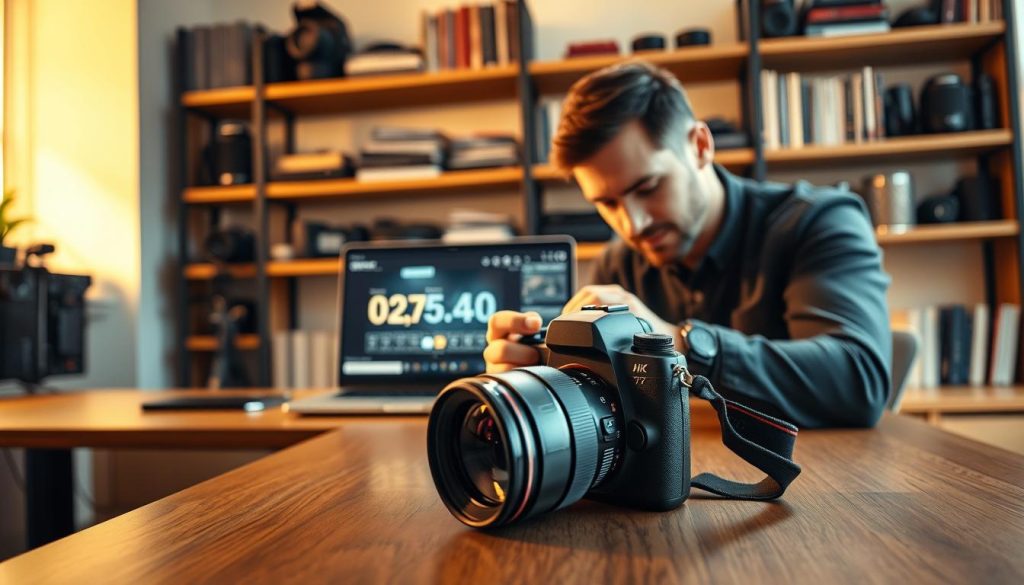
Signs Your Camera May Be Wearing Out
Recognizing the signs that your camera is wearing out can save you time and money. Photographers need to be vigilant about the performance of their gear. Several symptoms can indicate that your camera is approaching the end of its functional life.
Common Symptoms of Camera Wear
Some common signs that your camera may need attention include:
- Inconsistent Focusing: If your camera struggles to focus properly, it may signal internal wear rather than user error.
- Mechanical Noise: Unusual sounds during shutter operation or grinding noises from the lens are serious warning signs.
- Failure to Power On: If your camera fails to turn on intermittently, this could indicate electrical issues.
- Image Quality Deterioration: Gradual degradation in image quality, such as softness or color shifts, may mean your sensor needs assessment.
- Erratic Shutter Behavior: A slow or malfunctioning shutter can be a clear indication that your camera needs to be checked.
If your camera can’t take sharp pictures or shows off colors incorrectly, it’s time to worry. Look for any visible damage, like scratches on the lens or cracks on the body. Catching these issues early can prevent bigger problems later.
When to Seek Professional Assessment
Knowing when to seek professional help is crucial. If you notice any of the symptoms mentioned, consider the following:
- Investing in repair services may make sense if the costs are reasonable compared to the camera’s value.
- Professional technicians perform specific checks to evaluate your camera’s overall health and provide an accurate estimate of its remaining lifespan.
- Proactive care and early intervention can often extend your camera’s useful life and prevent catastrophic failures during important photography sessions.
“Spotting camera problems early can save a lot of hassle and cash.”
How to Extend the Life of Your Camera
Effective camera maintenance is crucial for maximizing its lifespan. Keeping your camera in top shape requires careful attention. By following good care tips, you can ensure your gear works well for a long time.
Start by cleaning the lens regularly with a microfiber cloth. This helps avoid scratches and dust buildup. Additionally, use a blower to remove debris from the camera body and sensors. It’s also important to check the battery contacts for a good connection. Replace old batteries promptly to maintain performance.
Store your camera in a cool, dry spot when not in use. This practice helps avoid moisture damage. Protective accessories are vital for safeguarding your gear. A sturdy camera bag protects it during transport. A quality camera strap lowers the risk of drops. Lens caps and UV filters shield your lenses from scratches and dust. Weather-sealing gear is essential for shooting in various conditions.
Consider these maintenance techniques to help your camera last longer:
- Discover proven maintenance techniques that help your camera last longer and maintain peak image quality throughout its entire lifespan, even in Singapore’s challenging humidity.
- Learn the proper way to clean your camera’s lens and sensor using microfiber cloths, blowers, and specialized cleaning solutions to prevent dust accumulation and scratches.
- Understand why storing your camera in a dry cabinet or airtight container with silica gel packets is essential for preventing fungus growth and moisture damage in tropical climates.
- Explore the most effective protective accessories including padded camera bags, sturdy straps, UV filters, and rain covers that shield your gear from impacts and environmental hazards.
- Find out how regular battery maintenance — including cleaning contacts and avoiding complete discharges — contributes to the overall longevity of your camera’s electronic systems.
- Learn why developing a consistent post-shoot cleaning routine takes only a few minutes but can add years of reliable service to your camera’s life.
- Discover the specific weather-sealing accessories and protective gear that professional photographers in Singapore rely on to shoot confidently during monsoon season and in dusty outdoor environments.
Repairing vs. Replacing Your Camera: Making the Right Choice
When your camera malfunctions, you may find yourself pondering whether to repair it or invest in a new model. This decision can be daunting, especially when considering the sentimental value and functionality of your gear.
Repairing your camera can be a viable option if it still performs well and has a low shutter count. If common issues arise and the repair cost is less than half the price of a new camera, fixing it may be wise. However, if repairs exceed this threshold, it might be time to consider a replacement.
Older cameras lacking modern features may not be worth the investment in repairs. If your camera has a high shutter count or essential parts are failing, buying a new one could be more beneficial.
When Repair Makes Sense
Investing in repair makes financial sense when:
- The repair cost is under half the price of a comparable new camera.
- Your camera has a low shutter count, indicating it has more life left.
- Common problems arise that can be easily fixed, such as minor sensor issues or lens mount damage.
Knowing When to Upgrade Your Equipment
Upgrading your gear is often necessary when:
- Your camera shows signs of significant wear, like erratic shutter behavior or image quality deterioration.
- Modern features and technology can enhance your photography experience.
- Parts for older models become hard to find, making repairs impractical.
Ultimately, the choice between repair and replacement depends on your specific needs as a photographer. Assess your camera’s condition, shutter count, and how well it meets your current photography goals. Making an informed decision can lead to better outcomes for your photography journey.
Durable Camera Brands: Best Buy-it-For-Life Models
Investing in durable camera brands can significantly enhance your photography experience. Choosing a reliable camera ensures you get the most out of your investment. Here, we will explore some of the best brands known for their durability and longevity.
Leica Cameras: Longevity and Warranty Highlights
Leica stands out as a premier brand for photographers seeking longevity. They have an extraordinary commitment to durability, offering repairs for cameras dating back to 1954. Most new digital Leica cameras come with a two-year warranty, which extends to three years when registered online. Their analog M film cameras can benefit from a remarkable 10-year Passport Warranty.
The Leica SL3 features a 60-megapixel sensor with an IP54 durability rating. This model also boasts excellent battery life and phase-detection autofocus, making it a pinnacle of modern camera design.
Hasselblad Medium Format Cameras
Hasselblad is another brand synonymous with quality and durability. Their cameras are designed to last, with repair services available for the first decade after purchase. After ten years, repairs depend on the availability of spare parts, ensuring that your investment can be maintained for years to come.
The Hasselblad 907X CFV 100C is particularly noteworthy. This medium format camera offers a stunning 100-megapixel sensor and a modular design compatible with vintage 500C film bodies. Its build quality and versatility make it a favorite among serious photographers.
Compact Durable Cameras Worth Considering
For those seeking compact options, the Leica DLUX 8 is an excellent choice. This camera features a Micro Four Thirds sensor and is priced under $1,600. It combines legendary Leica build quality with accessibility, making it a durable option for photographers on the go.
When selecting a camera, consider the manufacturer’s warranty terms and repair program availability. Brands like Leica and Hasselblad are recommended for their commitment to longevity and quality. A reliable camera brand can ensure that your gear lasts longer, providing excellent image quality and performance throughout its life.
Staying Ahead: Essential Tips for Maximizing Your Camera’s Lifespan
Caring for your camera can significantly impact its longevity and performance. Regular checks help spot wear and tear early, ensuring that your gear remains in top shape. Simple steps, like cleaning the lens and checking batteries, can prevent big problems later.
Developing a consistent maintenance schedule is crucial. This includes regular sensor cleaning and physical inspections. Tracking your shutter count over time gives valuable data on when your camera may need service or replacement.
Investing in proper storage solutions protects your gear from humidity, which is essential in Singapore. Mindful handling practices also help prevent unnecessary stress on delicate parts. Staying informed about your camera’s needs through professional check-ups can identify potential issues early.
By combining these care techniques, you can keep your camera shooting beautifully for many years to come.
FAQ
How long can I expect my camera to last?
Most cameras can last anywhere from 3 to 10 years, depending on usage, care, and brand quality.
What factors can affect the lifespan of my camera?
Factors include usage patterns, environmental conditions, brand reliability, and maintenance practices.
How does shutter count relate to camera longevity?
Shutter count indicates how many times the shutter has been activated, providing a good estimate of remaining lifespan.
Are professional cameras more durable than consumer models?
Generally, professional cameras are built for higher durability and can withstand more extensive use compared to consumer models.
What are common signs that my camera is wearing out?
Symptoms include inconsistent image quality, mechanical issues, and unusual noises during operation.
How can I extend the life of my camera?
Regular maintenance, proper storage, and using protective accessories can significantly enhance your camera’s longevity.
When should I consider repairing my camera instead of replacing it?
If the repair cost is less than purchasing a new model and the camera still meets your needs, repair is often a wise choice.
What are some durable camera brands to consider?
Brands like Leica, Hasselblad, and certain models from Canon and Nikon are known for their longevity and durability.
How do environmental conditions impact camera durability?
Extreme temperatures, humidity, dust, and water exposure can negatively affect camera components and overall performance.
How can I check my camera’s shutter count?
You can access the shutter count through the camera’s Exif data or by using third-party software designed for this purpose.


