
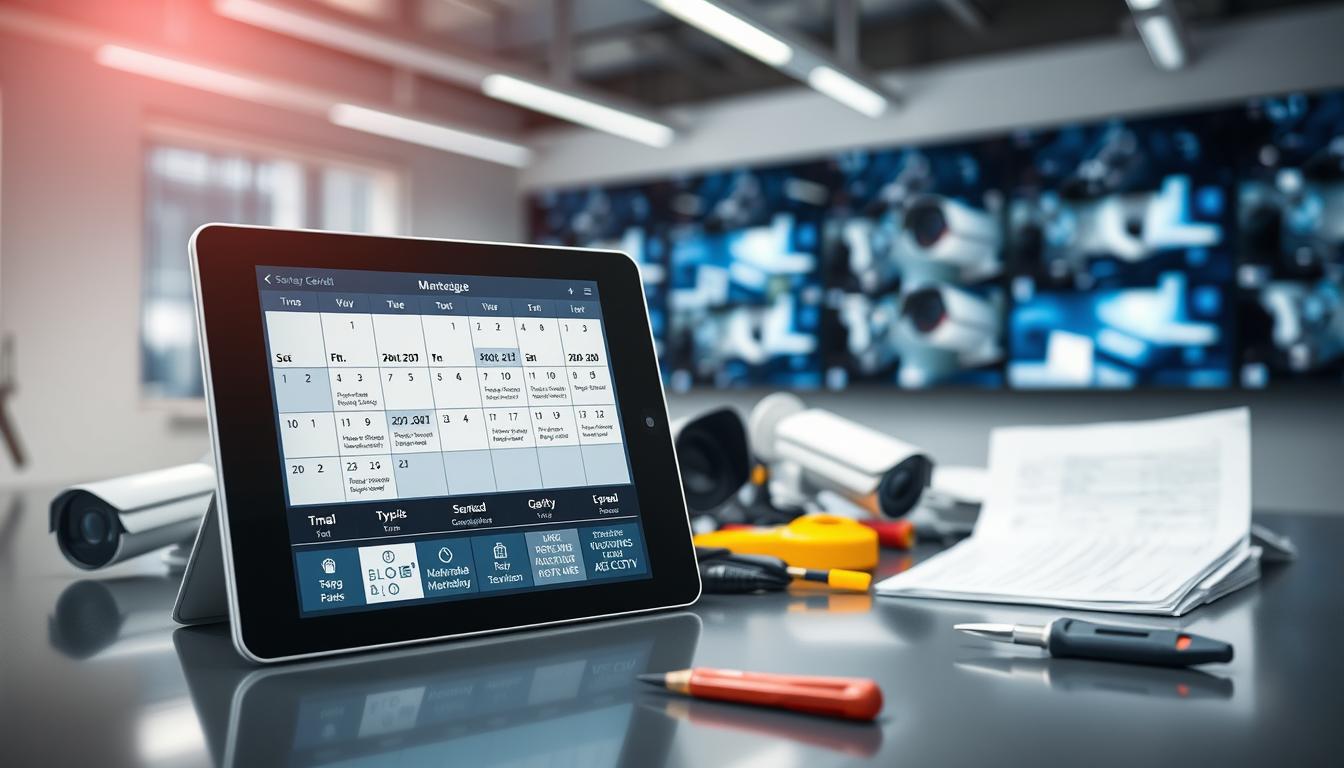
How Often Should CCTV Cameras Be Serviced?
A reliable security system is a cornerstone of safety for homes and businesses. Its effectiveness depends entirely on consistent, proactive care. This guide explores the critical maintenance schedule needed to keep your surveillance investment performing flawlessly.
Data shows that regular maintenance can reduce equipment failures by up to 55%. Furthermore, proactive checks can eliminate nearly a third of potential camera breakdowns. This isn’t just about fixing issues; it’s about preventing them before they create a security gap.
The frequency of care is not a one-size-fits-all answer. A camera monitoring a busy entrance may need cleaning every month or two. A residential unit in a calm area might stay in good shape with less frequent attention. The environment plays a key role.
Committing to a schedule is a powerful cost-saving strategy. It helps your equipment last longer and ensures video quality remains high. This proactive approach keeps your entire CCTV system running smoothly and system reliable.
This article will detail how to create a plan that fits your specific needs. We’ll cover warning signs, optimal checklists, and how professional yearly inspections contribute to long-term performance and peace of mind.
Key Takeaways
- Proactive maintenance can prevent over half of all equipment failures.
- Servicing frequency depends heavily on camera location and usage levels.
- High-traffic areas often require cleaning every one to two months.
- A consistent schedule extends system lifespan and maintains video clarity.
- Early detection of small problems prevents major security lapses and costly repairs.
- Yearly professional inspections are recommended for optimal functionality.
- A well-maintained system is a reliable foundation for any security plan.
The Critical Role of Regular CCTV Maintenance in Security
Beyond mere technology, a well-maintained surveillance setup serves as an active guardian against threats. Its role extends far past simple recording. Consistent upkeep is a fundamental security imperative for any property.
A properly functioning cctv system performs two vital jobs. First, its visible presence deters criminal activity. Second, it provides crucial evidence for investigations after an incident. Both functions fail if the equipment is not working well.
Environmental factors are a constant challenge. In Singapore’s humid and dusty urban setting, lenses can degrade quickly. This leads to blurry images that compromise the entire security system. Regular maintenance directly combats this wear.
Routine checks are a cost-effective strategy. They stop small issues from becoming total system failures. This proactive approach prevents properties from being left vulnerable. It keeps system running reliably when it matters most.
The value of live monitoring is immense. For a surveillance system to be trusted, its feeds must be clear and constant. Maintenance ensures these real-time views remain dependable. It is key keeping your eyes open.
Regular checks help identify problems early. Loose cables, software bugs, or power fluctuations can be fixed before they cause a blackout. This preserves the system’s integrity. Your security camera network is always ready.
There are also practical implications for insurance and liability. A well-documented cctv maintenance history proves the system was operational. This can be vital evidence in legal matters. It shows due diligence in protecting assets.
The core purpose is to deliver identifiable footage. Keeping the cctv system in top shape ensures high video quality. Faces, license plates, and activities are captured accurately. This makes the entire investment worthwhile.
Security is not a static condition. It adapts to new threats and changing environments. Maintaining your equipment is an active process that matches this dynamic need. A schedule to check cctv components is part of that adaptation.
By committing to this care, you ensure the system performs its primary duty. It will last longer, perform better, and provide peace of mind. The following sections detail how to build a practical schedule for this essential task.
Understanding the Lifespan of CCTV Cameras
Every security camera has a finite service life, influenced by technology, environment, and care. Knowing this timeline helps you plan upgrades and budget effectively. It transforms your security system from a short-term purchase into a long-term investment.
Realistic expectations prevent surprise failures. They also underscore the value of proactive care. A well-managed surveillance system delivers peace of mind for years.
Average Lifespan Ranges and Expectations
Most modern cameras operate reliably for 5 to 10 years. This is a general range, not a guarantee. The actual duration depends heavily on the equipment type and its location.
Digital IP cameras typically last longer than old analog models. Advanced electronics and robust construction are the reasons. Indoor units also usually outlive outdoor cameras.
They are shielded from weather and pollution. High build quality is a major factor. Cameras with proper weatherproofing and superior lenses are built to endure.
“The longevity of a surveillance camera is less about luck and more about the choices made during selection, installation, and upkeep.”
Setting a budget for replacement every 5-7 years is a smart practice. This aligns with the lower end of the average lifespan. It ensures your system running smoothly without sudden gaps in coverage.
Factors That Extend or Reduce Camera Longevity
Several key elements directly impact how long your equipment will work better. Build quality, environmental exposure, and installation standards are crucial. The rigor of your cctv maintenance routine is perhaps the most important.
In Singapore, constant humidity and urban dust accelerate wear. Housings can corrode, and lenses get dirty fast. This is why outdoor cameras might need more frequent attention.
Proactive regular maintenance is a powerful tool for extension. Simple regular checks help spot problems early. Cleaning a lens every three months can prevent permanent video quality loss.
Conversely, neglect shortens lifespan drastically. Using indoor-grade equipment outside is a common mistake. Poor cable management or unstable power also causes premature failure.
Regular checks are the key keeping your cctv system in good shape. They help spot minor issues before they become major repairs. This diligence keeps system running reliably.
Assess your cameras’ age and condition periodically. Look for fading image clarity or physical damage. Planning for replacement is part of keeping your entire security infrastructure in systems top shape.
For sustained performance, consider professional security camera maintenance. Experts can perform deeper diagnostics. This ensures your investment continues to protect your property for its full potential lifespan.
Recognizing the Signs Your CCTV System Needs Servicing
A decline in performance is rarely sudden. It announces itself through specific warning signs. Learning to identify these signals is the first step in a responsive maintenance strategy.
Your surveillance system provides physical and digital clues. Strange noises from a camera housing or frequent automatic restarts are clear alerts. These symptoms suggest internal stress or power issues.
Visual inspection is a powerful diagnostic tool. Look for cracked lenses, rust on metal casings, or frayed cable insulation. Blockages like dirt, spider webs, or water droplets on the lens are common.
Performance issues often manifest as lagging or frozen live feeds. The system may seem overloaded or fail to record during motion events. Alerts from the cctv system software itself are direct notifications of operational failure.
Proactive monitoring for these signs allows for timely intervention. It prevents a minor technical glitch from becoming a major security breach. This practice is the key keeping your entire setup working well.
Video Quality Degradation: Blurriness and Pixelation
Clear footage is the primary goal of any security camera. When images become blurry, pixelated, or show color distortion, the system’s core function is compromised. This makes identifying people or license plates nearly impossible.
Dirty lenses are a frequent culprit, especially in dusty urban environments. Internal component failure or signal transmission problems can also cause these issues. Regular lens cleaning helps spot this buildup before it ruins video quality.
Such visual flaws can render footage legally inadmissible. Courts require clear evidence. Maintaining high video quality ensures your recordings remain a reliable source of truth.
A simple check cctv lens clarity every three months can prevent this. It is a basic yet critical part of cctv maintenance. This habit keeps system running at its best.
Camera Outages and Intermittent Failures
Complete blackouts or cameras that disconnect randomly create dangerous blind spots. These outages leave your property vulnerable during the exact moments you need coverage most. They are a direct threat to your security system integrity.
Common causes include faulty power supplies, network connectivity drops, or internal hardware failure. Intermittent problems can be trickier to diagnose than total failures. They often point to loose connections or overheating components.
These failures highlight why regular checks help. Verifying power indicators and network status can spot problems early. Addressing a weak connection is far easier than replacing a dead camera.
Ensuring your cctv system stays in systems top shape means no surprises. A system reliable 24/7 provides genuine peace of mind. It is the foundation of effective property protection.
Recording Gaps and Storage Issues
Discovering missing hours or days in your recorded timeline is a serious red flag. It indicates your DVR or NVR is not archiving data properly. This gap could mean missing critical evidence entirely.
Failing hard drives, software bugs, or incorrect system settings are typical causes. Storage that is overly full can also cause the system to stop recording new footage. These problems early detection is crucial.
Regular maintenance includes checking storage capacity and reviewing recorded timelines. This proactive habit make sure your system is capturing continuous footage. It confirms the hardware is in good shape.
Storage issues are often interconnected with other failures. A faulty drive can cause recording gaps, which then lead to missed events. A comprehensive cctv maintenance plan addresses all these components together.
Recognizing these signs empowers you to act before a failure occurs. It transforms your approach from reactive to proactive. Your security camera network will last longer and perform more reliably as a result.
How Often Should CCTV Be Serviced? Expert Recommendations
Expert guidance on service frequency transforms a vague worry into a concrete, manageable plan. The right schedule is not a single answer but a flexible framework. It adapts to your property’s specific activity levels and security demands.
Industry professionals agree on a tiered approach. This involves monthly, quarterly, and annual service intervals. Each level addresses different needs and ensures your security system remains in systems top shape.
Recommended Service Intervals: Monthly, Quarterly, and Annual
A baseline professional inspection should occur at least once a year. For many cctv systems, bi-annual or quarterly visits are preferable. This proactive rhythm is the key keeping your investment secure.
Monthly checks are ideal for high-stress commercial zones. Think shopping malls, transportation hubs, or industrial loading docks. These quick visits focus on visual inspections and basic functionality tests.
They help spot immediate issues like lens obstructions or physical damage. This frequent attention keeps system running running smoothly in demanding environments.
Quarterly schedules suit standard business premises or residential complexes. Every three months, a more detailed review is conducted. Technicians examine cable connections, storage health, and playback functions.
This interval is excellent for catching wear before it causes failure. It helps your equipment work better and last longer.
Annual servicing is a comprehensive system health audit. It includes thorough cleaning of all components and housings. Firmware updates, performance benchmarking, and backup verification are also standard.
This deep dive make sure the entire surveillance system is optimized. It resets the baseline for another year of reliable operation.
High-Traffic vs. Low-Activity Area Schedules
Usage intensity directly impacts how often cctv components need care. A camera monitoring a busy public space faces more wear. Lens cleanliness, mechanical parts, and storage write cycles are all affected.
For example, a unit at a mall entrance may need cleaning every month. Urban dust and constant motion demand it. A residential door camera, in contrast, might only might need attention every three months.
The goal is to match the cctv maintenance rhythm to the operational reality. A high-traffic schedule prevents grime from degrading video quality. It also lets you spot problems early, like a loose mount from constant vibration.
“Adjust your schedule based on what you see. If a lens gets dirty faster than your quarterly check, move to bi-monthly visits. The environment gives you the best data.”
For low-activity areas, a quarterly check is often sufficient. This maintains the cctv system in good shape without unnecessary cost. The focus shifts to ensuring components haven’t degraded from humidity or age.
These recommendations are a starting point. Always consider the manufacturer’s guidelines and your own observations. Regular checks help you fine-tune the perfect schedule for your property.
Ultimately, establishing this preventive rhythm is how you service cctv effectively. It turns your security camera network into a dependable, long-term asset. You gain control and ensure the system is system reliable when it matters most.
Key Factors Influencing Your CCTV Service Frequency
Moving beyond generic advice, your camera’s service cadence is personalized by its technology, location, and job. Three core variables shape this schedule. Understanding them lets you create a plan that fits your specific security system.
Type of CCTV System: Analog vs. Digital
The technology backbone of your setup dictates distinct care needs. Older analog cameras transmit video signals over coaxial cables. Their maintenance focuses on physical connections.
Loose or corroded connectors can degrade the signal over long cable runs. Regular checks of these points help spot issues before the picture fades. This keeps an analog system running.
Modern digital IP cameras are network devices. They require a dual-layer approach to cctv maintenance. Physical upkeep is still crucial.
However, software and network health are equally important. Firmware updates patch security flaws and add features. Monitoring network switch performance and bandwidth usage ensures smooth data flow.
Neglecting these digital aspects can cause lag or total failure. A modern cctv system needs this comprehensive care to stay in systems top shape.
Environmental Conditions: Weather and Dust Exposure
Location is a powerful driver of service frequency. In Singapore, high humidity, frequent rain, and urban dust create a harsh setting. Outdoor units face the greatest challenge.
Moisture promotes corrosion on metal housings and internal circuits. Dust and pollution coat lenses, destroying video quality rapidly. A camera’s weatherproof seals are constantly tested.
“For outdoor cameras in our climate, visual inspections every four to six weeks are wise. You’re not just cleaning; you’re checking for the first signs of environmental wear.”
This demands more frequent attention. A simple lens wipe every three months might not be enough. Housing inspections for cracks or seal degradation become critical.
Proactive cctv maintenance here prevents costly hardware failure. It spot problems early, like a small leak before it fries the electronics. This diligence is the key keeping your outdoor security camera working well.
Usage Patterns: Continuous vs. Motion-Activated Recording
How hard your system works directly impacts its wear and tear. A surveillance system recording 24/7 puts constant strain on key components. The storage drive and camera sensor have no rest.
This continuous operation can shorten the lifespan of these parts. Motion-activated recording is gentler. The hardware cycles on and off, reducing overall stress.
High-traffic areas that trigger constant recording mimic continuous use. The storage drive writes data almost non-stop. This is a major factor for how often cctv serviced.
Infrared LEDs used for night vision also generate heat. Frequent use can affect surrounding components over time. Systems in busy zones might need more frequent checks on storage health and sensor calibration.
Adjusting your schedule for usage ensures components last longer and work better. It make sure your cctv system remains system reliable under its specific workload.
Combining these factors gives you a clear picture. A digital camera outdoors in a dusty, high-traffic zone needs the most rigorous care. Understanding this lets you design a smart, effective plan.
The Multifaceted Benefits of Regular CCTV Maintenance
Viewing maintenance as an expense overlooks its powerful role as a performance multiplier for your security system. A disciplined regimen delivers tangible returns that go far beyond simple repairs.
These advantages fall into three clear categories: visual clarity, operational reliability, and long-term economy. Investing in care transforms your surveillance system from a passive recorder into an active, dependable asset.
Enhanced Image Quality for Reliable Surveillance
The core purpose of any security camera is to capture identifiable footage. Regular maintenance is the direct path to achieving this. Dust, grime, and moisture are the enemies of clear vision.
A simple wipe every three months can prevent a permanent haze on the lens. This routine cleaning directly protects your video quality. It ensures faces and license plates remain sharp and recognizable.
Upkeep involves more than just cleaning. Technicians check and adjust camera focus, alignment, and infrared settings. This fine-tuning guarantees optimal performance both day and night.
A well-calibrated cctv camera works better in all conditions. This proactive care make sure your evidence is always usable. It keeps the entire system working well when you need it most.
Reduced Risk of System Failures and Downtime
Unexpected outages create dangerous blind spots. Routine inspections of power supplies, cables, and connections prevent these failures. This is how you build a system reliable enough to trust.
Regular checks help catch these issues during a scheduled visit, not during an emergency. Addressing a loose wire is a quick fix. Recovering from a total blackout is a crisis.
“Proactive maintenance isn’t about fixing what’s broken; it’s about ensuring nothing breaks in the first place. This philosophy keeps your security operational 24/7.”
Consistent software and firmware updates are also critical. They patch security vulnerabilities and improve overall stability. This digital care keeps the entire system running smoothly.
This layered approach—physical and digital—keeps your entire system in top shape. It allows you to spot problems early, before they escalate into a security lapse.
Cost Savings from Proactive Repairs and Longevity
The financial argument for cctv maintenance is compelling. The small, planned cost of a service visit avoids large, unplanned bills for emergency repairs. It is a classic case of spending a little to save a lot.
Extending the operational life of cameras, recorders, and storage devices through proper care defers major capital expenditure. Equipment that is well cared for will last longer and work better. This offers significant long-term budget advantages.
Furthermore, a well-maintained cctv system ensures continuous compliance. Many insurance policies and local regulations require functional security systems. Neglect can lead to denied claims or fines.
Establishing the right rhythm to service cctv equipment is key. For guidance on setting this schedule, consider insights on optimal CCTV service frequency.
The ultimate benefit is peace of mind. Knowing your infrastructure is dependable allows you to focus on your property or business. Regular maintenance is the enabler of performance, reliability, and smart economy.
Essential CCTV Maintenance Tips for Optimal Performance
Mastering a few practical routines ensures your security cameras deliver peak performance year after year. This section provides an actionable checklist for owners and technicians. It bridges theory with hands-on tasks that keep your surveillance system in systems top shape.
Implementing these steps fosters a proactive security culture. It maximizes the return on your investment by preventing minor issues from escalating. Your equipment will last longer and work better with consistent care.
Conducting Regular Visual Inspections
A consistent visual inspection routine is your first line of defense. Physically examine each cctv camera for obstructions, damage, or misalignment. This simple habit helps you spot problems early.
Look for spider webs, water droplets inside housings, and corroded mounts. Check for vegetation or new structures blocking the camera’s view. Even a small leaf can degrade video quality significantly.
Regular checks should occur at least every three months. High-traffic or outdoor locations might need monthly attention. Always make sure the camera housing is intact and securely mounted.
Document each inspection with brief notes or photos. Tracking changes over time can reveal recurring issues. This record is key keeping your entire cctv system running well.
Performing Software and Firmware Updates
Digital components require as much care as physical ones. Software and firmware updates are critical for security and performance. They patch vulnerabilities, fix bugs, and sometimes add new features.
Neglecting updates leaves your security system exposed to exploits. It can also cause instability or crashes. A scheduled update routine is essential for a system reliable around the clock.
“Treat firmware updates like a vaccine for your system. They prevent known threats and keep the internal software healthy, which is just as important as a clean lens.”
Create a schedule tied to manufacturer release announcements. Many companies issue patches monthly or quarterly. Before updating, verify compatibility across all components to avoid conflicts.
This proactive digital cctv maintenance keeps system running running smoothly. It ensures your system working optimally with the latest improvements.
Checking Power Supplies and Cable Connections
Power and connectivity form the nervous system of your setup. Intermittent failures often stem from these areas. Regular checks help prevent unexpected outages.
Inspect power adapters for signs of overheating or damage. Test battery backups (UPS units) to ensure they hold charge. A stable power source is fundamental for system working consistently.
Examine all cables for fraying, rodent damage, or loose connectors. For wired systems, check the integrity of BNC or Ethernet connections. Loose plugs are a common cause of signal loss.
For wireless systems, verify signal strength and network security settings. Ensure the Wi-Fi channel is not overcrowded. This check cctv connectivity make sure data transmits without interruption.
Addressing these points helps spot potential failures before they occur. It is a core practice to service cctv equipment effectively between professional visits. Your cctv systems will remain in good shape.
Together, these tips form a robust maintenance foundation. They are designed to keep the system running well and in top shape. Adopting them ensures your surveillance investment remains a dependable asset.
The Value of Professional CCTV Maintenance Services
The complexity of modern security infrastructure often necessitates a partnership between owner vigilance and expert intervention. While routine visual checks are essential, a professional service provides a deeper, technical audit. This layered approach ensures your entire surveillance system operates at its full potential.
Specialists bring tools and knowledge that go beyond basic cleaning. They can diagnose hidden issues, optimize configurations, and future-proof your setup. For business-critical or complex networks, this expertise is not a luxury—it’s a strategic necessity for unwavering security.
Benefits of Hiring Experts: Diagnostics and Technology
Professional technicians possess enhanced diagnostic skills. They use proprietary software to perform comprehensive system health checks. This software can analyze network traffic, hard drive integrity, and camera sensor performance in ways a standard user interface cannot.
This allows them to spot problems early, often before any visible symptoms appear. A subtle drop in data packet integrity or a slight increase in a hard drive’s temperature can be early failure warnings. Catching these signs is the key keeping your cctv system running smoothly.
Experts also have the training to calibrate cameras for optimal performance. They adjust focus, infrared levels, and motion detection zones with precision. This fine-tuning makes each security camera work better and improves overall video quality.
Furthermore, professionals stay current with the latest technology and cybersecurity threats. They ensure your system is configured according to best practices, protecting it from digital intrusions. This knowledge keeps your entire investment in systems top shape.
What to Expect from a Professional Service Visit
A standard professional visit is a thorough process. It begins with an initial assessment and a review of system logs. The technician will then perform physical cleaning of all cameras and housings, removing dust and debris that hinder performance.
Next comes comprehensive component testing. This includes verifying recording functions, playback quality, and motion detection sensitivity. The technician will also test remote access capabilities and check cctv storage integrity to make sure no data is being lost.
“A professional service visit is like a full medical check-up for your security system. We look at the vitals the owner can’t see, ensuring every component from lens to storage is healthy and synchronized.”
Configuration verification is another critical step. Network settings, user permissions, and time/date stamps are checked for accuracy. This attention to detail keeps system running reliably and ensures recorded evidence is forensically sound.
After the visit, you should receive a detailed report. It outlines the system’s health, any issues found and resolved, and recommendations for upgrades. This report is invaluable for tracking performance and planning your budget.
In Singapore, a professional service can address specific environmental challenges. Technicians might recommend more robust weatherproof housing or anti-fog solutions for lenses. This local expertise helps your equipment last longer in humid, dusty conditions.
Engaging a reputable provider like ED Viston (+65 8313 4578) ensures access to this level of care. Their specialists offer tailored solutions and the latest technology. This partnership provides peace of mind, knowing your security is managed by experts.
Ultimately, professional cctv maintenance is an investment in system reliability and longevity. It safeguards the unwavering effectiveness of your security coverage, ensuring it performs flawlessly when you need it most.
Designing a Customized CCTV Maintenance Schedule
The effectiveness of your security network hinges on a schedule designed around its unique demands. Generic plans often miss critical details. A tailored approach ensures your surveillance system remains in systems top shape.
Creating this plan involves two core actions. First, you build a step-by-step strategy for each camera. Second, you establish a rigorous documentation habit. Together, they transform upkeep from a chore into a strategic asset.
Steps to Create a Tailored Plan for Your System
Begin with a full audit of your entire setup. Catalog every security camera, its model, and exact location. Note the environmental exposure and recording mode for each unit.
This inventory is your foundation. It reveals the specific needs of your cctv system. Next, assess risk and usage patterns for each device.
Identify mission-critical cameras and those in harsh conditions. Units in high-traffic areas might need more frequent care. This assessment dictates your inspection priorities.
Based on this data, assign specific frequencies to each component. For example, an outdoor camera in a dusty alley may require cleaning every three months. An indoor lobby unit could follow a bi-annual schedule.
Your final schedule should blend in-house tasks with professional visits. Assign weekly remote feed checks to internal staff. Schedule technician appointments at the intervals you set.
This structured method keeps system running running smoothly. It is the key keeping your investment working well for years.
Documenting Service History for Performance Tracking
Maintaining a detailed service log is non-negotiable. For each cctv camera and the central recorder, record every action. Note the date, work performed, parts replaced, and any observations.
This historical record is invaluable for spotting trends. You might notice a particular lens fogs up every monsoon. A hard drive could show early signs of failure across multiple checks.
“A service log turns data into insight. It shows you not just what was fixed, but what patterns are emerging. This is proactive management at its best.”
Good documentation supports warranty claims and proves due diligence. Insurance companies or courts may require proof of regular maintenance. Your log provides that evidence clearly.
It also aids in budgeting for future upgrades. Seeing which components fail first helps plan replacements. This foresight make sure your budget aligns with real needs.
Use a simple spreadsheet or digital tool to track this information. Keep it accessible and update it after every service. Consistent records help spot problems early and spot problems before they escalate.
A well-documented schedule ensures your cctv systems last longer and work better. It is the final piece in building a system reliable enough to trust completely.
Avoiding Common Mistakes in CCTV Maintenance
The path to a reliable security network is often defined more by the mistakes you avoid than the features you install. Even with the best intentions, several common pitfalls can silently undermine your maintenance efforts. Recognizing and steering clear of these errors is essential for keeping your protection robust.
Two areas in particular demand consistent attention: physical upkeep and digital health. Neglect in either can create vulnerabilities. Let’s examine the most frequent missteps that compromise system reliability.
Neglecting Regular Inspections and Cleanings
One of the biggest errors is installing a surveillance system and then forgetting about it. This “set-and-forget” approach is a recipe for failure. Regular checks help identify small issues before they escalate into major breakdowns.
Without periodic visual inspections, problems go unnoticed. Overgrown foliage can block a camera’s view. Urban dust and grime accumulate on lenses, permanently degrading video quality. Physical damage or vandalism might also be missed.
Skipping scheduled cleanings has direct consequences. A dirty lens scatters light, causing blurry daytime footage and strange halos at night. This makes identification impossible. A simple wipe every three months can prevent this.
Proactive physical care is the key keeping your equipment in good shape. It allows you to spot problems early, like a loose mount or a cracked housing. This diligence keeps system running effectively.
Ignoring Software Updates and Security Patches
Another critical mistake is treating the cctv system software as static. Manufacturers regularly release firmware updates. These are not optional; they are essential cctv maintenance.
Updates often contain vital security patches. They close loopholes that hackers could exploit to disable or spy through your cameras. Ignoring these updates leaves your entire security system exposed to digital intrusion.
“Treating software updates as an inconvenience is a major security risk. Each patch is a layer of defense your system needs to stay secure and stable in a connected world.”
Beyond security, updates fix bugs that cause freezing or crashes. They can improve motion detection accuracy and add useful features. Keeping software current ensures your setup remains in systems top shape.
Adopting a schedule to service cctv software is non-negotiable. It make sure your network running smoothly and working well. This proactive habit helps your investment last longer.
Other common oversights can also weaken your setup:
- Using cheap, incompatible replacement parts that cause further damage.
- Failing to secure physical access to the network video recorder (NVR).
- Not testing backup power supplies and uninterruptible power supplies (UPS) regularly.
A comprehensive cctv maintenance plan addresses all these areas. Regular checks of hardware and software help spot vulnerabilities. They make sure your security camera network is truly dependable.
By understanding and avoiding these pitfalls, you transform care from a reactive chore into a strategic strength. Your cctv systems will deliver consistent, clear protection for years to come.
The Impact of Environmental Conditions on CCTV Upkeep in Singapore
Singapore’s tropical climate presents a distinct set of challenges for surveillance equipment longevity. The combination of high humidity, frequent rain, and dense urban pollution accelerates wear and tear dramatically. A tailored maintenance strategy is essential to combat these relentless environmental factors.
Without a plan adapted to local conditions, even a high-quality security system can fail prematurely. Proactive care is the key keeping your investment in systems top shape. This localized approach ensures your surveillance system remains a dependable asset.
Humidity, Rain, and Urban Pollution Considerations
Consistently high humidity is a primary concern. It can lead to condensation inside camera housings if seals are not perfect. This internal moisture causes lens fogging and promotes corrosion on sensitive electronic circuits.
Frequent and heavy rainfall constantly tests the ingress protection of outdoor units. Over time, rubber seals and gaskets can degrade. Water seepage from a failed seal often results in a short circuit and total hardware failure.
Urban pollution adds another layer of difficulty. Dust, vehicle exhaust particulates, and industrial contaminants create a stubborn film on lenses and housings. This grime scatters light and drastically reduces video quality if not cleaned regularly.
These factors work together to shorten equipment life. Regular checks help you spot problems early, like a slightly cloudy lens or a tiny crack in a housing. Catching these signs allows for simple fixes before major damage occurs.
Adapting Maintenance for Outdoor and Harsh Environments
Adapting your routine starts with smart equipment choices. For new installations, select cameras with high IP ratings like IP66 or IP67 for outdoor use. This provides a strong foundation for resilience against the elements.
For existing cctv systems, consider adding protective accessories. Sunshades can reduce lens glare and minimize water spotting from rain. Installing cameras in partially sheltered locations, like under eaves, also offers significant protection.
“In Singapore’s environment, the maintenance schedule for an exposed outdoor camera cannot be the same as for an indoor unit. You’re not just cleaning; you’re conducting a survival check for the hardware.”
Maintenance frequency must increase for outdoor cameras. An indoor unit might stay in good shape with cleaning every six months. An exposed outdoor camera might need attention every month or two to make sure it’s working well.
Use specialized cleaning techniques for external lenses. A soft cloth with an appropriate solvent can remove oily urban residue without damaging optical coatings. Avoid abrasive materials that could scratch the surface.
Do not forget internal components. Check and clean any ventilation fans or desiccant plugs in pressurized housings. These parts are critical for managing moisture in extreme environments and require regular maintenance.
This adapted, vigilant approach keeps system running running smoothly. It helps your equipment work better and last longer despite harsh conditions. A disciplined plan to service cctv in this way builds a system reliable enough for Singapore’s unique climate.
Legal and Financial Implications of Neglecting CCTV Maintenance
The true cost of neglecting camera maintenance extends into legal and financial territories. It transforms a technical oversight into a significant business and legal risk. Understanding these repercussions is crucial for any property owner.
When a surveillance system fails during an incident, the consequences are severe. Missing or corrupted footage from a theft or assault leaves no evidence. This failure can breach your duty of care in commercial settings.
Legal liability may follow. Courts could hold you responsible for not providing a safe environment. Fines, lawsuits, and reputational damage are real possibilities.

Regulatory non-compliance is another danger. Singapore’s building codes or industry rules often mandate functional security coverage. Ignoring cctv maintenance can lead to revoked licenses or penalties.
Insurance claims face denial if investigations prove poor upkeep. Most policies require a system reliable and in good shape. A lapsed maintenance record gives insurers grounds to refuse payout.
Potential Legal Consequences from System Failures
A broken security camera creates a dangerous blind spot. If an incident occurs there, you have no usable record. This evidentiary gap can be devastating in legal proceedings.
Your obligation to provide safety is called into question. For businesses, this duty of care is a legal standard. A non-functional security system suggests negligence.
“In liability cases, the condition of your security infrastructure is scrutinized. A well-documented maintenance log is often the strongest defense, proving proactive management of risks.”
Authorities may impose fines for non-compliance with safety regulations. Certain premises must have operational surveillance by law. Failure here is not just an operational error but a legal breach.
These scenarios highlight why regular checks help. They make sure your cctv system is always recording properly. This diligence is the key keeping you protected from liability.
Cost of Emergency Repairs and Replacements
Financially, neglect is far more expensive than proactive care. Scheduled maintenance has a predictable, modest cost. Emergency call-outs come with premium rates and surprise invoices.
When a component fails completely, repair is often not an option. Technicians usually replace entire cameras or recorders. This is a much larger capital outlay.
System downtime itself carries hidden costs. Lost productivity or increased pilferage risk can hurt a business. A system running smoothly prevents these indirect losses.
Compare a simple lens cleaning every three months to a full camera replacement. The former keeps system running and preserves video quality. The latter is a major unplanned expense.
Regular maintenance directly lowers the Total Cost of Ownership (TCO). It helps equipment last longer and work better. This proactive approach avoids catastrophic failures.
Viewing upkeep as a necessary operational cost is smart. It is similar to an insurance premium for your security investment. This perspective aligns budget with responsible ownership.
A disciplined schedule to service cctv equipment is essential. It lets you spot problems early, like a fading power supply. Catching this during a check cctv visit saves a huge repair bill later.
Ultimately, consistent care keeps your entire surveillance system in systems top shape. It ensures system working reliably and avoids both legal jeopardy and financial shock. This is the foundation of true risk management.
Tailoring Your CCTV Maintenance Plan for Singapore’s Context
In Singapore, the diverse settings for surveillance demand customized maintenance strategies. A plan that works for a quiet condominium will not suit a busy shopping mall. The local environment and usage patterns define the necessary care rhythm.
This approach ensures your security system remains effective under specific stresses. It focuses resources where they are needed most. Tailoring prevents both under-maintenance and unnecessary expense.
Residential vs. Commercial System Requirements
Home and business surveillance setups have fundamentally different needs. A typical residential cctv system might have two to four cameras. These units monitor entry points with less frequent activity.
Environmental exposure is often lower for indoor home cameras. This allows for a simpler, less frequent schedule. A semi-annual professional inspection is often sufficient to make sure everything is working well.
Homeowners can perform basic DIY tasks between visits. Cleaning lenses and verifying remote app access are simple yet effective. These actions help spot obvious issues like blocked views.
An annual professional audit is still recommended. Experts can identify hidden technical problems. This keeps the home surveillance system in good shape without overwhelming the owner.
Commercial systems are far more complex. They often involve dozens of cameras running continuously. Regulatory obligations, like PDPA compliance for data handling, add another layer.
This complexity demands a rigorous and documented cctv maintenance plan. Businesses should schedule professional checks every three months. This frequency aligns with higher usage and compliance needs.
Continuous recording puts strain on storage drives and sensors. Regular checks can spot problems early, like a failing hard drive. Proactive care is the key keeping a commercial network system running smoothly.
High-Traffic Area Maintenance: Malls and Public Spaces
Public areas like Orchard Road malls, MRT stations, and HDB common areas present extreme challenges. Cameras here face constant vibration, heavy pollution, and potential vandalism. The demands on the equipment are intense.
These systems require very frequent visual inspections. On-site staff might need to check cctv feeds daily for obstructions. A quick look can confirm each camera is still online and clear.
“For cameras in a crowded transit station, visual clarity is non-negotiable. A monthly professional deep-clean isn’t just maintenance; it’s a public safety requirement to ensure every face and license plate is identifiable.”
Professional deep cleaning and servicing might be required monthly. Urban dust and grime accumulate rapidly, destroying video quality. Specialized solvents are needed to remove oily residue without damaging lenses.
Logistical planning is also crucial. Technicians often work after hours to avoid disrupting business operations. They use specialized equipment to safely access and clean cameras mounted at height.
This aggressive schedule helps equipment in harsh environments last longer. It keeps system running reliably despite constant stress. The goal is to ensure every camera provides evidence-grade footage.
Ultimately, the context defines the plan. A one-size-fits-all approach is ineffective in Singapore’s diverse landscape. Tailoring your cctv maintenance strategy ensures optimal security and cost-efficiency for your specific situation.
Ensuring Your CCTV System Stands the Test of Time
The longevity of your security investment hinges on a disciplined and informed care routine. Answering the service question requires assessing your specific surveillance system, environment, and needs to create a tailored schedule.
Combine regular checks you can do yourself with periodic professional servicing. This gold standard approach keeps the entire system running smoothly in top shape. It helps you spot problems early, like a dirty lens or loose connection.
This proactive strategy delivers clear benefits. You achieve high video quality, prevent unexpected downtime, and realize significant cost savings. Your equipment will last longer and perform more reliably.
Remember, upkeep is an ongoing commitment. It adapts as technology evolves and your system ages. Staying informed about advancements ensures your security system remains modern and effective.
In Singapore’s unique environment, this disciplined approach is critical for system reliable performance. Audit your current practices, revise your schedule, and consider expert guidance. A well-maintained system provides unwavering security, peace of mind, and a strong return on investment.
FAQ
What is the recommended frequency for professional CCTV maintenance?
For optimal performance, experts recommend a professional check-up at least every three months. This quarterly schedule helps keep your surveillance system reliable and in good shape. More frequent visual checks by your staff are also advised.
What are the clear indicators that my security cameras need servicing?
Watch for video quality degradation, like blurry or pixelated footage. Camera outages, recording gaps, and storage errors are major red flags. These signs mean your system might need immediate attention from a specialist.
How does regular upkeep extend the life of my surveillance equipment?
Consistent maintenance is the key to making your security system last longer. Regular checks help spot problems early, like dirty lenses or loose cables, before they cause major damage. This proactive care keeps everything running well for years.
Does the environment affect how often I should service my cameras?
Absolutely. In places like Singapore, high humidity, rain, and urban pollution demand more frequent care. Outdoor cameras exposed to harsh conditions require more attention than indoor units to prevent premature failure.
What are the benefits of a scheduled maintenance plan for my business?
A structured plan ensures enhanced image quality and reduces costly downtime. It leads to significant cost savings by preventing emergency repairs. Brands like Hikvision and Axis Communications recommend scheduled service to keep systems at peak performance.
What tasks are included in a standard professional service visit?
A technician will conduct thorough visual inspections, clean camera housings, and verify cable connections. They perform crucial software updates for your DVR or NVR and run diagnostics to ensure all components are working well and the system is running smoothly.


