
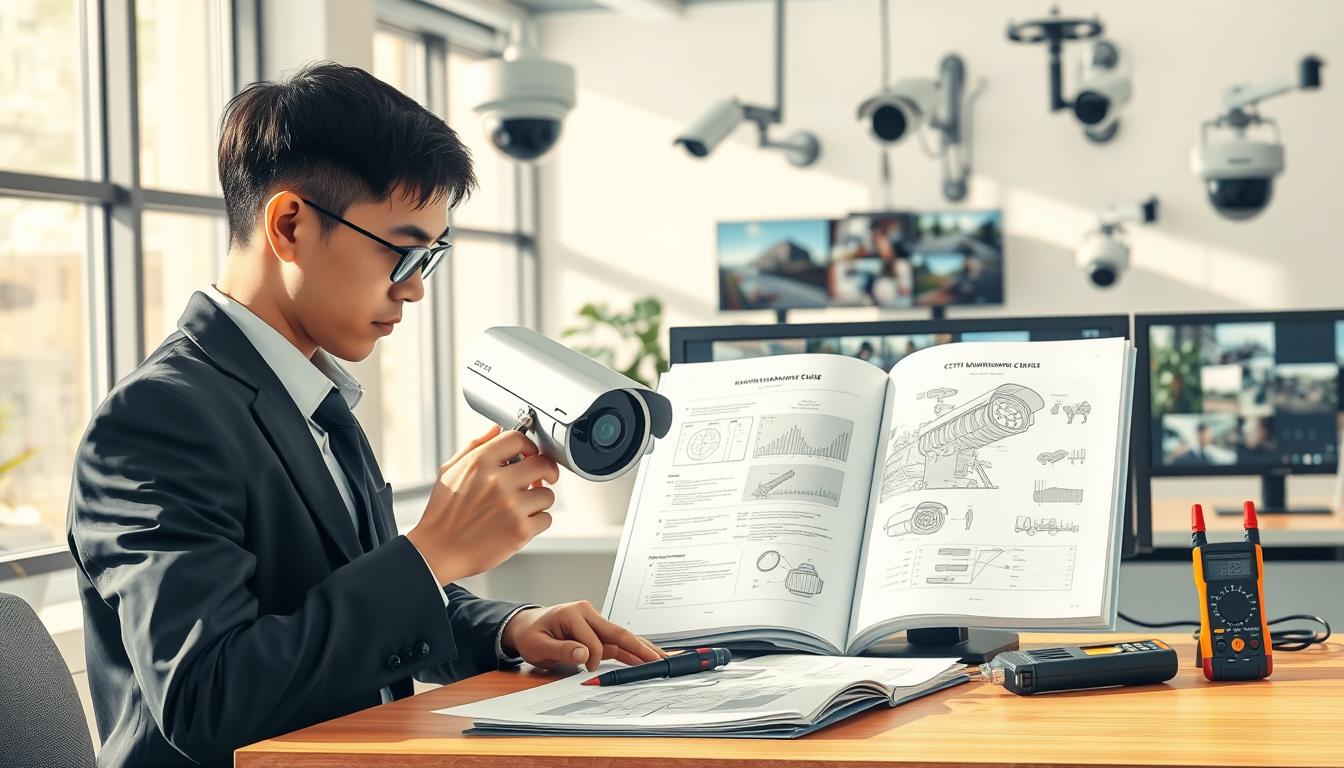
What is CCTV maintenance How-To Guide for Singapore
In recent months, Singapore has witnessed a concerning rise in thefts, with incidents increasing by over 25% in early 2023. This alarming trend highlights the critical need for effective security measures. Regular upkeep of surveillance systems plays a vital role in safeguarding properties. Studies indicate that 87% of security breaches could be prevented with routine checks and maintenance.
A well-maintained security system serves as the first line of defense against crime. Neglecting upkeep can significantly increase the risk of equipment failure, which can lead to costly consequences. This guide will explore essential aspects of maintaining your surveillance cameras, from basic cleaning to professional servicing.
Readers will discover how proper maintenance can reduce equipment failures by up to 30%. Additionally, the guide is tailored specifically for Singapore’s unique climate and security landscape. By understanding these maintenance practices, property owners and business operators can extend the lifespan of their systems and protect their investments.
Key Takeaways
- Understanding maintenance is crucial for property security.
- Regular checks can prevent most security breaches.
- Maintenance can reduce equipment failures significantly.
- Proper upkeep extends the lifespan of surveillance systems.
- This guide offers tailored advice for Singapore’s environment.
Introduction to CCTV Maintenance
With increasing crime rates, the need for effective security measures has never been more crucial. Regular upkeep of surveillance systems is essential to ensure they function optimally. This ongoing process involves inspecting, cleaning, updating, and repairing equipment to maintain peak performance.
CCTV maintenance is not just about fixing problems when they arise. It includes both preventive measures and corrective actions to keep systems operational 24/7. In Singapore, modern surveillance systems have evolved significantly. They now offer advanced features like remote access and smart technology, making them invaluable tools for security.
Understanding the Role of CCTV in Modern Security
Singapore boasts an impressive surveillance density, with one camera for every 13 people. There are over 109,072 cameras deployed across the island, significantly contributing to crime reduction. Properties equipped with functional cameras often experience lower crime rates, serving as effective deterrents against potential burglars.
Insurance companies recognize the value of well-maintained systems. They frequently offer premium discounts for properties with reliable CCTV setups, as these systems lower risk profiles. CCTV plays a critical role across various sectors, including retail, banking, hospitality, and residential areas, forming a comprehensive security ecosystem.
Remote access capabilities enhance security responsiveness. Property owners can monitor their premises in real time from anywhere, providing peace of mind. Additionally, a properly maintained system offers invaluable evidence for law enforcement and supports insurance claims when incidents occur.
Understanding the fundamentals of CCTV upkeep is the first step toward building a reliable and long-lasting security infrastructure. By prioritizing maintenance, property owners can protect their investments and ensure their systems remain effective against evolving security threats.
Why CCTV Maintenance is Crucial in Singapore
The alarming surge in thefts across Singapore, which spiked by over 25% in early 2023, highlights the pressing need for reliable surveillance systems. This increase in crime rates makes it essential for property owners to ensure their security measures are effective and dependable.
Research shows that 87% of security breaches could have been prevented through regular checks and proactive monitoring. This statistic emphasizes the importance of routine maintenance for any security system. Regular upkeep not only keeps systems operational but also enhances their effectiveness in deterring crime.
Moreover, maintaining CCTV systems directly impacts their ability to capture clear, admissible footage during incidents. This clarity is crucial for law enforcement and can be vital for insurance claims. Consistent maintenance can reduce equipment failures by up to 30% and system downtime by as much as 55%, ensuring that surveillance remains uninterrupted.
Singapore’s tropical climate, characterized by high humidity and frequent rainfall, accelerates wear and tear on outdoor cameras and cables. Neglected systems can create dangerous blind spots that criminals can exploit, putting properties and occupants at risk. Regular maintenance helps to mitigate these risks and keeps security measures robust.
Additionally, adhering to regular maintenance practices aids business owners in complying with Singapore’s privacy laws and regulatory requirements. The age of equipment, environmental exposure, and usage intensity all influence how often maintenance should be performed.
Well-maintained CCTV systems not only provide peace of mind but also demonstrate a commitment to security that can enhance a business’s reputation. Investing in regular upkeep is far more cost-effective than addressing the aftermath of a security breach or dealing with a complete system failure.
What is CCTV Maintenance?
As crime continues to evolve, so must our strategies for effective surveillance. CCTV maintenance ensures that closed-circuit television systems operate smoothly. This ongoing process includes several core tasks: inspections, cleaning, software updates, and repairs.
Understanding these tasks is essential for property owners. Here are the four core tasks involved in maintaining a CCTV system:
- Inspection: This involves checking camera positioning, verifying recording functionality, testing motion detection, and assessing overall system health.
- Cleaning: Regular cleaning of lenses and hardware removes dust, dirt, spider webs, and moisture. This helps maintain clear image quality.
- Software Updates: Timely updates patch security vulnerabilities, fix bugs, and may introduce new features like improved motion detection or smartphone compatibility.
- Repairs: Prompt repairs address physical damage, faulty cables, malfunctioning power supplies, and failed hard drives in DVR or NVR units.
Engaging in regular maintenance offers numerous benefits:
- Extended Lifespan: Regular upkeep significantly extends the operational lifespan of CCTV equipment, protecting your initial investment.
- Cost Savings: Preventive maintenance catches minor problems before they escalate into major, costly system failures requiring emergency repairs.
- Professional Services: In Singapore, professional CCTV maintenance services typically cost between SGD 300 and SGD 1,500 annually, depending on system complexity and coverage.
- Comprehensive Plans: Basic maintenance plans usually include visual inspections and lens cleaning, while comprehensive packages cover testing, software updates, and priority repairs.
- Legal Compliance: Consistent maintenance ensures that surveillance footage remains admissible as legal evidence by maintaining correct timestamps, clear imagery, and uninterrupted recording.
Key Components of Effective CCTV Maintenance
For properties to remain secure, attention to CCTV maintenance is paramount. Regular upkeep ensures that surveillance systems function optimally and capture clear images. This section will delve into the key components that contribute to effective maintenance practices.
Regular Inspections and Testing
Regular inspections form the foundation of effective CCTV maintenance. They verify that every camera transmits clear video and that all recording equipment functions correctly. Testing should include checking live feeds, reviewing recorded footage from different days and times, and verifying that motion detection alerts are working properly.
Cleaning Camera Lenses and Hardware
Cleaning camera lenses is crucial for optimal performance. Technicians recommend doing this every three months. Use a soft microfiber cloth to remove dust, grime, and moisture without scratching the delicate lens surface. Additionally, inspect camera housings for accumulated dust, dirt, spider webs, and other debris that can obstruct views and degrade image quality.
Software and Firmware Updates
Keeping software and firmware updated is essential for maintaining security. Updates patch vulnerabilities, fix operational bugs, and may introduce new features. Some updates can be installed over WiFi, while others may require connecting cameras directly to a computer for manual installation.
Checking Cables, Connections, and Power Supply
Inspecting all cables for signs of wear, cracking, exposure, or rodent damage is critical. These issues can lead to short circuits or complete camera failure. Ensure all connectors are firmly plugged in and free from corrosion. Verifying power supply stability by testing voltage levels and inspecting power adapters is also vital. Confirm that backup power systems, like UPS units, are functional.
Neglecting any single component—whether lenses, cables, software, or power—can compromise the entire CCTV system’s effectiveness. By addressing these key areas, property owners can enhance their security measures and protect their investments.
Common CCTV Maintenance Issues and How to Troubleshoot Them
To combat rising crime rates, regular upkeep of security systems has become increasingly vital. However, even the best systems can encounter issues. Understanding common problems and their solutions can help maintain optimal performance.
Identifying Faulty or Malfunctioning Components
Recognizing signs of faulty components is crucial. Common indicators include:
- Blurry or unclear images
- Frequent frame drops or blackouts
- Cameras that fail to record entirely
These issues can stem from various factors, but addressing them promptly can prevent further complications.
Solving Connectivity and Network Problems
Power and connection issues account for approximately 30% of all problems in surveillance systems. Begin troubleshooting by:
- Checking physical connections and cables for damage
- Verifying the integrity of power adapters
- Testing Wi-Fi signal strength to ensure reliable connectivity
IP address conflicts affect about 15% of networked systems. Resolving these conflicts can significantly improve system functionality.
Improving Video Quality and Storage Management
Maintaining high video quality is essential, especially since law enforcement emphasizes the need for clear footage. To enhance quality:
- Regularly check that DVR or NVR hard drives have sufficient capacity
- Ensure recordings are saving correctly to the intended storage location
- Verify that time and date settings are accurate for legal compliance
Prompt troubleshooting prevents small issues from escalating into complete system failures, keeping properties secure.
Creating and Managing a CCTV Maintenance Schedule
Establishing a well-structured maintenance schedule is essential for the longevity of surveillance systems. The frequency of inspections should be tailored to the specific environment. High-traffic or high-risk areas may require monthly or quarterly checks. In contrast, less busy locations can be inspected every six months while still ensuring adequate surveillance coverage.
A comprehensive annual check-up should be performed on all CCTV systems, regardless of usage intensity. This helps catch developing issues early, preventing more significant problems down the line. Regular maintenance checks are vital for keeping your security systems in optimal condition.
Recommended Inspection Frequencies for Different Environments
For busy or vulnerable areas, experts recommend monthly or quarterly inspections. This ensures that all equipment is functioning correctly and captures any potential issues early. For less critical areas, a six-month inspection may suffice, provided that adequate surveillance coverage is maintained.
Using Checklists for Maintenance Tracking
Creating a CCTV maintenance checklist is an effective way to capture the visual and physical condition of cameras, wiring, and control equipment. A thorough checklist should include:
- Assessment of focus areas and identification of blind spots.
- Documentation of any physical defects found.
- Verification of recording functionality.
- Recording the date, time, and signature for each inspection.
Maintaining accurate logs is crucial for insurance and compliance purposes. Digital checklists can replace outdated paper logbooks, providing better organization and accessibility of records.
Planning for Professional Servicing and Emergencies
Planning ahead for professional servicing is essential. Schedule appointments with qualified technicians well before peak security seasons or expected weather events. This proactive approach ensures that your systems remain operational when you need them most.
Additionally, having an emergency response plan in place for sudden CCTV system failures is critical. Include contact information for 24/7 service providers to address any urgent issues promptly. A well-managed maintenance schedule not only extends equipment lifespan but also ensures that security coverage remains uninterrupted throughout the year.
Choosing the Right CCTV Maintenance Service Providers in Singapore
In the realm of security, the choice of maintenance service provider plays a vital role in safeguarding your property. With numerous options available, it’s essential to select a company that aligns with your specific needs. Here are some key factors to consider when choosing a service provider.
Qualities to Look for in a Service Company
First and foremost, look for a company with proven experience and technical expertise. A strong reputation in Singapore’s market is also crucial. Companies like Prowler and Huntaway have extensive experience, having worked with over 60 schools across the country. Their expertise ensures that they understand the unique security challenges faced by various properties.
Additionally, choose a provider that offers customized maintenance plans tailored to your security requirements. This flexibility allows you to adapt services based on your property’s specific needs.
Types of Service Plans and Contracts
When evaluating service plans, consider the different types available. Basic visual inspection packages are great for routine checks, while comprehensive contracts often include unlimited on-site and remote support. These contracts provide peace of mind, knowing that help is readily available.
Reputable providers will offer clear pricing structures, defined response times, and transparent scope of work documentation. This clarity helps you understand what to expect and prevents unexpected costs.
Examples of Trusted Providers in Singapore
Providers like Prowler and Huntaway stand out for their commitment to quality service. They not only cater to schools but also serve various sectors, ensuring that your security system remains functional and effective.
When choosing a service provider, verify that they are familiar with Singapore’s regulatory requirements and compliance standards for surveillance systems. This knowledge is essential for maintaining the legality of your security operations.
Finally, request references and read reviews to gauge the experiences of other clients. Comparing multiple providers before committing to a long-term maintenance contract can help you make an informed decision.
For tailored solutions, contact Wen Hong at +65 60135960 today. Discover the latest CCTV maintenance options and offers available for your property.
Understanding the Cost of CCTV Maintenance
Understanding the financial implications of surveillance upkeep is essential for property owners. Knowing the costs associated with maintaining your security systems can help you make informed decisions. In Singapore, the expenses can vary significantly based on the type and complexity of the equipment.
Typical Cost Breakdown: Setup, Installation, Annual Maintenance
The cost of setting up a basic CCTV system in Singapore typically ranges from SGD 500 to SGD 1,500. This price depends on factors such as the number of cameras, their quality, and site conditions. For professional CCTV maintenance, annual costs can range from SGD 300 for basic plans to SGD 1,500 for comprehensive coverage.
Consider these factors that influence costs:
- Camera Quality: High-definition cameras provide better surveillance but may increase initial costs.
- Smart Features: Systems with motion detection and alerts often require specialized maintenance, affecting overall expenses.
- Installation Complexity: More complex setups may incur higher installation fees.
Budgeting for Long-Term Savings and Upgrades
Investing in regular maintenance saves significant money over time. By preventing costly emergency repairs, you can extend the lifespan of your equipment. Budgeting effectively for long-term ownership involves accounting for:
- Annual maintenance contracts
- Periodic upgrades to enhance system capabilities
- Potential component replacements as technology evolves
Viewing CCTV upkeep as an investment rather than an expense leads to better security outcomes and financial savings.
Compliance and Legal Considerations in Singapore
In Singapore, it is crucial to adhere to legal requirements regarding CCTV placement. Cameras must not invade privacy areas such as toilets or changing rooms. Compliance considerations include:
- Proper signage notifying individuals of surveillance
- Adherence to the Personal Data Protection Act guidelines
- Maintaining accurate timestamps and clear footage quality for legal standards
Proper maintenance ensures your systems remain compliant, protecting both your property and the privacy of individuals.
Tips for Maintaining CCTV Cameras and System Performance
Proper upkeep of surveillance systems is essential for ensuring their effectiveness in a rapidly changing security landscape. Here are some valuable tips to help you maintain your CCTV cameras and overall system performance.
Cleaning Best Practices and Tools
Cleaning your cameras is crucial for maintaining clear footage. Use a soft, lint-free microfiber cloth to gently remove dust and grime from camera lenses without causing scratches. For cameras mounted in high or hard-to-reach locations, consider using extendable poles like the Docapole High Reach Cleaning Kit or a sturdy ladder.
It’s recommended to clean camera lenses at least every three months, especially in urban Singapore where dust and pollution levels can be high. Regular cleaning helps ensure optimal performance and clear video quality.
Protecting Against Physical Damage
Inspect your CCTV cameras regularly for any signs of physical damage. Look for cracks, loose mounting brackets, or signs of impact from falling debris or weather exposure. Pay close attention to all cables, checking for wear, brittleness, and rodent damage. Exposed wiring can lead to short circuits, sparks, and even fires.
Rubber cables exposed to Singapore’s tropical climate can dry out over time, making them vulnerable to damage from pests like house mice nesting in walls and attics. Regular checks can help prevent these issues.
Managing Storage and Data Backups
Effective storage management is key to maintaining your CCTV system. Set retention policies to automatically overwrite older footage, ensuring you have enough space for new recordings. Aim for at least 1TB of HDD storage capacity for each IP camera, which provides about a month of video storage.
Backing up your CCTV data is critical. Ensure you back up footage both locally on external hard drives and remotely on cloud-based platforms. This practice preserves evidence in case of system failure or theft.
Maintaining Night Vision and Remote Access Features
To maintain night vision capabilities, regularly clean infrared LEDs and check for dust or insect accumulation on lenses. Inspect for condensation inside camera housings, as this can hinder performance.
For remote access features, keep your software updated and verify user permissions. Regularly test smartphone connectivity to ensure you can access surveillance footage anytime and anywhere.

Ensuring Long-Term Security with Proper CCTV Maintenance
Ensuring long-term security relies heavily on proper upkeep of surveillance systems. Regular inspections, timely software updates, and professional servicing work together to prevent issues before they compromise coverage. A well-maintained system acts as a powerful crime deterrent and provides vital evidence for law enforcement when incidents occur.
Globally, the trend towards increased surveillance is evident, with over 4 million cameras installed in the UK alone. This reflects a universal recognition of their value. Protecting your investment through diligent maintenance offers peace of mind and continuous security for homes and businesses.
The cost of regular upkeep is minimal compared to the potential financial and emotional toll of a security breach. Start implementing the maintenance schedules and cleaning routines covered in this guide today. Establish a relationship with a trusted maintenance provider for ongoing support and emergency assistance.
Take the first step toward enhanced security by assessing your current system’s condition and scheduling a professional inspection.
FAQ
How often should CCTV systems be inspected?
Regular inspections are recommended every 3 to 6 months, depending on the environment and usage. Frequent checks ensure optimal performance and quick identification of issues.
What are the common signs that CCTV cameras need maintenance?
Signs include poor video quality, camera malfunctions, physical damage, and connectivity issues. If footage is unclear or cameras are not recording, maintenance is necessary.
Can I perform maintenance on my CCTV system myself?
Basic tasks like cleaning lenses and checking connections can be done by users. However, for software updates and repairs, it’s best to consult a professional service provider.
What are the benefits of regular CCTV maintenance?
Regular upkeep enhances security effectiveness, prolongs equipment lifespan, and reduces the risk of unexpected failures. It also ensures compliance with legal requirements.
How can I improve video quality in my CCTV system?
Improving video quality can be achieved by cleaning camera lenses, checking lighting conditions, and ensuring proper camera placement. Regular software updates also help enhance performance.
What should I include in a CCTV maintenance checklist?
A checklist should include tasks like inspecting camera positions, testing recording functions, cleaning lenses, checking power supply, and ensuring data storage is adequate.
How do I choose a reliable CCTV maintenance service?
Look for companies with good reviews, experienced technicians, and transparent service plans. It’s also beneficial to select providers who offer emergency support and regular follow-ups.
What costs are involved in CCTV maintenance?
Costs typically include initial setup, installation, and ongoing maintenance fees. Budgeting for unexpected repairs and upgrades is also essential for long-term savings.
What tools are recommended for cleaning CCTV cameras?
Use microfiber cloths, lens cleaning solutions, and compressed air to safely clean camera lenses and hardware. Avoid harsh chemicals that can damage the equipment.
How can I ensure my CCTV system is compliant with local regulations?
Stay informed about local laws regarding surveillance and data protection. Regular consultations with maintenance providers can help ensure compliance with any updates or changes.


