

Ultimate Guide Where are CCTV cameras not allowed
In Singapore, the use of surveillance equipment is tightly regulated to ensure a balance between safety and privacy. This guide aims to provide a comprehensive overview of the restrictions on camera placement in various settings. Understanding these regulations is crucial for homeowners and businesses alike, as improper installation can lead to significant legal consequences.
Surveillance laws are designed to protect individual rights while maintaining community safety. Certain areas, such as private residential spaces and specific public locations, have strict rules governing the use of monitoring devices. This ensures that personal privacy is respected while still allowing for necessary security measures.
Throughout this guide, readers will gain insights into the legal framework, including the Personal Data Protection Act and Housing Development Board regulations. By learning about the distinctions between different property types, such as HDB flats and private properties, you can navigate the complexities of compliance effectively.
Key Takeaways
- Singapore enforces strict surveillance regulations to protect privacy while ensuring security.
- This guide outlines specific locations where monitoring devices cannot be placed.
- Understanding the legal framework is essential for compliant installation.
- Different property types follow unique rules regarding camera usage.
- Non-compliance can result in severe legal repercussions.
- Ethical considerations play a vital role in responsible surveillance practices.
- Readers will learn best practices for compliant camera installation.
Understanding CCTV Laws and Regulations in Singapore
Understanding the legal landscape of surveillance in Singapore is essential for homeowners and businesses alike. Recent updates have reshaped the framework governing surveillance equipment, especially regarding residential monitoring systems. The Housing Development Board (HDB) has modernized its policies, allowing homeowners to install cameras inside their homes without prior approval. However, external installations are subject to stricter regulations to ensure community privacy.
The Personal Data Protection Act (PDPA) serves as the cornerstone legislation for all surveillance systems in Singapore. This law classifies any footage that identifies individuals as protected personal data, requiring careful handling and compliance. Operators of surveillance equipment must adhere to several key obligations under this framework.
- Organizations and individuals operating surveillance equipment must provide clear notification through visible signage at all entry points to monitored areas.
- Notices must explicitly indicate when audio recording occurs, ensuring transparency for individuals in the vicinity.
- Businesses collecting footage are required to appoint a dedicated Data Protection Officer who oversees compliance with privacy regulations.
- Recent regulatory updates have transformed how residents approach home surveillance, balancing security needs with privacy protection.
- Different rules apply depending on whether the property is an HDB flat or a private residence, with additional oversight from Town Councils.
- Staying updated on evolving guidelines from both the HDB and the Personal Data Protection Commission is essential for proper compliance.
Singapore’s approach demonstrates a pragmatic balance between acknowledging legitimate security needs and maintaining robust privacy protection. Understanding this legal foundation prepares readers to navigate the specific restricted locations and installation guidelines that follow, ensuring their security systems operate within the boundaries of Singapore law.
Locations Where CCTV Cameras Are Prohibited
Certain locations in Singapore strictly prohibit the use of surveillance devices to protect individual privacy. Understanding these no-go zones is essential for both homeowners and businesses. Violating these rules can lead to severe legal consequences.
One of the most sensitive areas is the bedroom. Bedrooms represent the ultimate private sanctuary in any home, holding the highest expectation of personal privacy under Singapore law. Placing monitoring devices here constitutes a fundamental violation of individual rights, which can lead to criminal charges.
Bathrooms and toilets are also completely off-limits for surveillance equipment. The law protects individuals during intimate activities where they have an absolute reasonable expectation of privacy. This includes helper’s quarters where domestic workers reside. Installing cameras in these spaces, where someone might undress or rest, constitutes a serious intrusion that can result in modesty violation charges.
In commercial settings, changing rooms and locker rooms demand complete privacy protection. These locations serve as modern privacy sanctuaries where individuals expect to change clothing without any form of monitoring. Similarly, locker rooms in sports facilities, gyms, and recreational centers follow the same strict prohibitions. The law recognizes these as spaces where people expect complete isolation from surveillance.
Commercial restrooms in shopping malls, restaurants, and office buildings are also absolutely prohibited zones for surveillance. The law acknowledges that individuals have the highest expectation of privacy in these facilities. Healthcare facilities maintain additional sensitivity requirements, with patient examination rooms and treatment areas requiring complete confidentiality that prohibits any form of surveillance.
The legal framework makes no exceptions for these prohibited locations. Even legitimate concerns about theft or safety cannot override the absolute privacy protections in these spaces. Understanding these absolute prohibitions helps property owners and businesses avoid severe legal consequences while demonstrating respect for the fundamental privacy rights that Singapore’s regulatory framework vigorously protects.
Restrictions on CCTV Placement in Common Areas and HDB Flats
In HDB flats, the placement of surveillance devices is governed by strict guidelines to ensure respect for neighbor privacy. These regulations are crucial for maintaining harmony within shared living environments. Understanding these rules can help residents navigate the complexities of security while protecting individual rights.
Avoiding Surveillance of Neighboring Properties
CCTV cameras installed in common areas of HDB flats must follow specific positioning rules. These devices cannot point directly at the doors or windows of neighboring flats. This requirement maintains a respectful distance from personal living spaces, ensuring everyone feels safe and private.
Additionally, camera placement in shared corridors must avoid capturing views into neighboring properties. This protects residents from unwanted observation and preserves the privacy they expect within their own homes. Proper camera orientation is essential, as even permitted surveillance must not intrude on other households.
Prohibited Camera Positions in Corridors and Shared Spaces
Building facades are prohibited installation spots for CCTV cameras due to safety concerns. Devices mounted in these locations could create falling hazards or cause structural damage to the property. Homeowners must ensure that even permitted surveillance equipment maintains proper orientation.
Accidentally capturing prohibited areas through poor angling still constitutes a violation of Singapore’s privacy regulations. The goal of these restrictions is to allow security monitoring while preventing any compromise of community privacy. One resident’s safety measures should not become another resident’s intrusion.
Properties in HDB estates must maintain a respectful distance from each other when it comes to surveillance. Cameras should focus exclusively on the homeowner’s immediate vicinity rather than shared spaces. This approach reflects Singapore’s commitment to balancing individual security needs with communal harmony.
Understanding these placement restrictions helps HDB residents implement effective security measures while maintaining positive relationships with neighbors. Compliance with Town Council regulations is essential for a harmonious living environment.
Where Are CCTV Cameras Not Allowed? Key Privacy Considerations
In Singapore, ethical considerations shape the framework for installing surveillance systems. Understanding these principles is vital for homeowners and businesses aiming to balance security with privacy. Surveillance practices must prioritize respect for individual privacy rights, ensuring that security measures do not infringe upon the comfort of others.
Respecting Neighbor Privacy and Individual Rights
Respecting neighbor privacy forms the ethical foundation of all surveillance regulations in Singapore. Homeowners must carefully consider how their security measures impact the privacy rights of those living nearby. Areas where individuals have a reasonable expectation of privacy must remain completely off-limits for surveillance equipment. This approach prevents discomfort for neighbors and potential legal trouble for property owners.
Camera Orientation and Avoiding Unintentional Intrusion
Camera placement plays a critical role in protecting privacy. Improperly aimed devices might inadvertently capture images of neighboring properties, leading to legal issues and damaged community trust. Regular checks and adjustments of camera angles help prevent unintentional intrusion into private spaces. This demonstrates a commitment to responsible surveillance that builds trust within the community.
The distinction between intentional surveillance and accidental capture matters little under Singapore law. Any recording of prohibited areas constitutes a violation, regardless of the homeowner’s intent. Ethical surveillance practices require thinking beyond mere legal compliance to consider how camera placement affects the psychological comfort of neighbors. Cameras that watch outside homes into neighboring properties can upset residents and break unwritten social rules, creating tension that undermines community harmony.
Privacy considerations should guide every aspect of CCTV planning, from initial equipment selection to ongoing maintenance and periodic reviews of camera positioning and coverage areas. Building trust through transparent and respectful surveillance practices benefits everyone in the community, creating an environment where security measures enhance rather than diminish quality of life.
- Respecting neighbor privacy is crucial for ethical surveillance practices.
- Areas with a reasonable expectation of privacy must remain off-limits for cameras.
- Camera orientation is essential to avoid capturing neighboring properties.
- Regular checks on camera angles help maintain community trust.
- Intentional and accidental surveillance violations are treated equally under the law.
- Ethical practices extend beyond legal compliance to consider neighbor comfort.
- Transparent surveillance fosters community harmony and trust.
- Informed decisions about camera placement respect individual rights.
HDB Flats: Installation Guidelines and Approval Processes
The installation of surveillance systems in HDB flats is subject to specific guidelines to ensure community privacy. Understanding these rules is vital for residents who wish to enhance their security while respecting the rights of their neighbors.
Internal CCTV Installation: Rules and Exemptions
Since May 2023, the Housing Development Board has implemented a significant policy change. Residents can now install internal CCTV cameras within their flats without needing formal approval. This streamlines the process for homeowners seeking enhanced security.
Internal CCTV installation now focuses on responsible placement. Homeowners are expected to position devices to monitor only their own property. It is crucial to avoid capturing areas beyond the boundaries of one’s home. This helps maintain the privacy of neighbors.
When installing indoor cameras, residents should exercise careful judgment. Devices should not inadvertently capture views through windows that might compromise neighbor privacy or violate regulations.
Outdoor and Corridor-Facing Cameras: Town Council Permissions
Outdoor and corridor-facing cameras remain subject to stricter requirements. Homeowners must ensure that these devices do not point toward other flats’ doors or windows. Proper positioning is essential to respect neighbor privacy.
Building facades present special challenges for external camera installation. These locations may create safety hazards from falling objects or cause structural damage, making them prohibited mounting spots under current guidelines.
Town Council permissions are necessary for any surveillance equipment monitoring shared spaces or common areas. This oversight maintains a balance between individual security needs and broader community rights.
The approval process for external cameras requires homeowners to demonstrate compliance with privacy guidelines. Applications must show respectful camera placement and appropriate coverage areas limited to their own property.
Proper orientation of outdoor cameras ensures security without compromising community trust. Devices should be aimed primarily at the homeowner’s own property spaces rather than common corridors or neighboring units.
Homeowners should maintain open communication with neighbors about their CCTV plans. This proactive approach prevents potential conflicts and demonstrates respect for community relationships, even when formal approval is not required.
Staying informed about current HDB guidelines and Town Council requirements remains essential. Regulations continue evolving to address new surveillance technologies and changing community needs.
Approval Procedures for CCTV Cameras in Shared/Common Areas
Navigating the approval procedures for surveillance devices in shared spaces is crucial for compliance in Singapore. Town Councils maintain authority over all surveillance equipment installed in common areas. They ensure that community standards and individual privacy rights remain protected throughout HDB estates.
The application process for installing CCTV in shared spaces requires homeowners to submit detailed installation plans. These plans must clearly demonstrate how camera placement will respect neighbor privacy and comply with all relevant guidelines.
Application Process with Town Council
Homeowners must prepare to demonstrate how their proposed camera placement avoids capturing doors, windows, or private areas of other flats. This remains a fundamental requirement for Town Council approval. Open communication with neighbors before submitting applications builds understanding about security measures. This proactive approach can prevent objections during the approval process, maintaining positive community relationships.
Documentation and Compliance Requirements
Applications must include specific documentation showing proposed camera positions, coverage areas, and angling details. This documentation proves that the surveillance will focus exclusively on appropriate spaces without intruding on neighboring properties. Professional installers familiar with HDB requirements can provide valuable expertise in preparing compliant applications.
The approval process, while simplified in recent years, still requires careful attention to detail. Regular audits and compliance checks ensure that approved installations continue to meet evolving regulations. Consulting local authorities before beginning any installation in shared spaces remains essential. Town Councils can provide current guidance on specific rules that may affect individual properties or estates.
Legal Implications of Unauthorized Surveillance in Singapore
Unauthorized surveillance can lead to serious legal repercussions in Singapore. Homeowners must understand the potential consequences of failing to comply with privacy laws. Ignoring these regulations can result in significant legal issues, including both civil and criminal liabilities.
When individuals record their neighbors without permission, they may face lawsuits or hefty fines. In Singapore, it is illegal to point cameras at others without their consent. This disregard for privacy can lead to severe financial penalties or even criminal charges.
Civil Liabilities and Privacy Lawsuits
Homeowners face considerable financial risks when their cameras capture private spaces. Invasion of privacy claims can arise from improper camera placement, even if the recording was unintentional. Civil courts in Singapore often award substantial damages for privacy violations. These cases typically involve compensation for emotional distress and loss of personal dignity suffered by individuals whose privacy was compromised.
Possible Criminal Charges and Financial Penalties
Deliberate surveillance of sensitive areas, such as bedrooms and bathrooms, carries serious criminal consequences under Singapore law. Such actions may result in fines reaching thousands of dollars. Criminal charges apply when surveillance demonstrates clear intent to violate individual privacy. The legal system treats these cases with considerable seriousness to deter misconduct and protect community standards.
Penalties increase significantly for repeated offenses. Homeowners who continue non-compliant surveillance after initial warnings face progressively severe legal consequences. Even unintentional recording of neighboring properties through poorly positioned cameras can lead to lawsuits, as the law focuses on the impact of the surveillance rather than the intent behind it.
The Personal Data Protection Act establishes the legal framework for these violations. Data breach incidents involving surveillance footage require mandatory reporting within three days to the Personal Data Protection Commission. Legal issues arising from unauthorized surveillance can extend beyond financial penalties to include court orders requiring the removal of non-compliant equipment and the destruction of improperly collected footage.
Homeowners should understand that ignorance of the law provides no defense against these charges. Proactive compliance and regular reviews of camera placement are essential for avoiding legal trouble. The combination of civil liability, criminal charges, and regulatory penalties underscores Singapore’s commitment to protecting privacy rights in an era of increasing surveillance technology.
- Homeowners who install surveillance devices without proper regard for privacy laws face significant financial risks.
- Civil courts often award substantial damages for privacy violations, compensating emotional distress and loss of dignity.
- Deliberate surveillance of sensitive areas carries serious criminal consequences, with fines potentially reaching thousands of dollars.
- Criminal charges apply when surveillance demonstrates clear intent to violate privacy.
- Penalties increase for repeated offenses, with progressively severe consequences for continued non-compliance.
- Even unintentional recording of neighboring properties can lead to lawsuits.
- The Personal Data Protection Act requires mandatory reporting of data breaches within three days.
- Legal issues can include court orders for removal of non-compliant equipment and destruction of footage.
- Ignorance of the law is not a valid defense, making compliance essential.
Ethical Considerations for CCTV Installation and Use
Ethical dimensions play a crucial role in the deployment of surveillance systems in Singapore. Homeowners often grapple with the challenge of balancing security needs with the privacy rights of their neighbors. This balance is vital for fostering a healthy community.
Getting the right mix of surveillance and privacy is essential. Homeowners should engage in open communication with neighbors about their plans. This transparency helps build trust and teamwork within the area.
It’s vital to ensure that cameras do not cross personal boundaries. Respecting privacy creates a safer and more respectful environment for everyone. Each camera installation involves weighing protection against personal space.
Residents deserve areas where they can expect privacy without monitoring. Finding this balance prevents tension within neighborhoods. Ethical surveillance practices consider both physical and psychological comfort.
Systems should protect without creating an atmosphere of constant monitoring. This respect for boundaries maintains healthy community relationships. Cameras should be positioned to avoid crossing personal boundaries.
Homeowners should regularly review their setup to ensure that evolving circumstances have not created unintended privacy intrusions. The ethical approach to surveillance recognizes that residents deserve privacy, and these boundaries must be respected.
Building community trust through responsible surveillance practices creates a positive cycle. When security measures enhance rather than undermine the quality of life, everyone benefits.
- Ethical considerations extend beyond mere legal compliance, requiring homeowners to thoughtfully weigh their security needs against the privacy rights of neighbors and community members who share living spaces.
- Balancing security with privacy involves recognizing that every camera installation affects not just the property owner but also the psychological comfort of those who may feel observed or monitored in their daily activities.
- Homeowners should engage in open communication with neighbors about their surveillance plans before installation, as this transparency builds trust and demonstrates respect for community relationships.
- Ethical surveillance practices consider both physical and psychological comfort, ensuring that security systems protect property without creating an atmosphere of constant monitoring that makes neighbors uncomfortable.
- Finding the right balance between protection and personal space prevents tension within neighborhoods, contributing to a healthier community environment where everyone feels both safe and respected.
- Cameras should be positioned to avoid crossing personal boundaries, with homeowners regularly reviewing their setup to ensure that evolving circumstances have not created unintended privacy intrusions.
- The ethical approach to CCTV use recognizes that residents deserve areas where they can expect privacy without any form of monitoring, and these boundaries must be respected regardless of technical capabilities.
- Building community trust through responsible surveillance practices creates a positive cycle where security measures enhance rather than undermine the quality of life in shared living environments.
- Ethical considerations should guide every stage of the CCTV journey, from initial planning and equipment selection through installation, ongoing use, and eventual system upgrades or modifications.
- Homeowners who prioritize ethical surveillance demonstrate leadership in their communities, setting standards that others can follow and contributing to a culture of mutual respect and consideration.
Impact of CCTV Camera Placement on Neighborhood Relationships
The placement of surveillance devices in residential areas significantly influences neighborhood dynamics. Homeowners must carefully consider how their security measures affect community relations. The right use of cameras can build trust, while misuse can cause tension.
It’s important to remember that surveillance should respect everyone’s privacy. Cameras that watch outside homes can upset neighbors and break social rules. Open communication about surveillance helps keep the community positive and friendly.
Respecting privacy contributes to a better living environment. By discussing the role of surveillance, we can create a safer, more private community. This way, everyone feels safe and respected.
Open Communication and Consent with Neighbors
Open communication with neighbors creates positive relationships. Discuss your security plans before installation. This shows respect for their privacy concerns. Seeking consent for borderline camera placements prevents disputes. Even when not legally required, this gesture demonstrates good faith and fosters community responsibility.
Preventing Conflicts and Building Community Harmony
CCTV camera placement directly impacts neighborhood relationships. Thoughtful positioning and open communication help build trust, while careless installation can create lasting tension between neighbors.
- Homeowners should initiate conversations about their security plans before installing any cameras.
- Seeking consent for borderline camera placements prevents disputes before they arise.
- Cameras that capture views beyond property boundaries can upset neighbors and break unwritten social rules.
- Open dialogue about surveillance purposes helps neighbors understand that security measures aim to protect rather than intrude.
- Respecting neighbor privacy through proper camera orientation shows consideration for those living nearby.
- Regular check-ins about ongoing surveillance practices demonstrate continued commitment to community harmony.
- The social impact of CCTV installation extends beyond immediate neighbors to the broader community.
- Preventing conflicts through proactive communication is more effective than resolving disputes after they arise.
- Building community harmony through responsible surveillance practices creates a positive environment.
Compliance with Notification and Signage Requirements
Proper notification of surveillance practices is crucial for respecting privacy and fulfilling legal obligations. In Singapore, the Personal Data Protection Act (PDPA) mandates clear signage in areas under surveillance. This requirement ensures that individuals are informed before entering monitored spaces.
Notices must appear at every entry point to surveilled areas. They should clearly indicate when audio recording occurs alongside video capture. This transparency builds trust with visitors and neighbors, demonstrating respect for their privacy rights.
Mandatory Signage for Surveillance Areas
Signage must be visible and easy to understand. It provides necessary notification about the presence of surveillance equipment. This simple step prevents misunderstandings about your surveillance practices. Proper notification is essential for ethical surveillance.
Businesses collecting footage must appoint a Data Protection Officer for compliance. This role ensures that all privacy laws are followed, further protecting individual rights. Proper notification demonstrates a commitment to ethical practices, showing that the property owner values transparency.
Transparency to Build Trust and Avoid Legal Issues
Failure to comply with signage requirements can lead to significant legal issues under the PDPA. This makes signage an essential component of lawful operation in Singapore. Additionally, signage should be positioned strategically to ensure that individuals encounter notices before entering surveilled areas.
Regular checks of signage condition and visibility are necessary. Faded, damaged, or obscured notices may fail to meet legal requirements. Such oversights can undermine the transparency that builds community trust.
Managing and Handling CCTV Footage Responsibly
The handling of CCTV recordings requires careful attention to privacy laws and best practices. Proper management ensures compliance and protects individual rights. Organizations must be diligent in how they store, access, and respond to data breaches involving surveillance footage.
Responsible footage management begins with establishing clear retention policies. Most organizations maintain recordings for a reasonable period of 21 to 30 days. This timeframe allows sufficient time to review footage after discovering incidents. It balances operational needs with privacy considerations. Businesses may extend retention for specific purposes, such as ongoing investigations or legal requirements.
Retention Policies and Data Protection
Organizations should document their retention policies clearly. This documentation helps justify any deviations from standard retention periods. Individuals possess legal rights under Singapore’s privacy laws to access surveillance content featuring them. Organizations must provide reasonable access while protecting the privacy of others who may appear in the same footage.
- Individuals can request access to their personal data, but the process typically involves masking unrelated individuals in the footage.
- Organizations can deny access requests that are frivolous or impose an unreasonable burden.
- Secure deletion protocols ensure proper disposal of footage when retention periods expire.
- Regular audits of footage management practices help ensure compliance with data protection standards.
Access Rights and Responding to Data Breaches
Security incidents demand immediate and structured responses. Organizations must report significant breaches to the Personal Data Protection Commission within three days of discovery. Breach response protocols should include:
- Thorough investigation to determine the scope and impact of the breach.
- Containment measures to prevent further data exposure.
- Notification to affected individuals about the incident.
Proper handling of surveillance data demonstrates a commitment to both security and privacy protection. This builds trust with neighbors, employees, visitors, and the broader community while minimizing legal risks.
Special Cases: Smart Doorbells and Security Exceptions
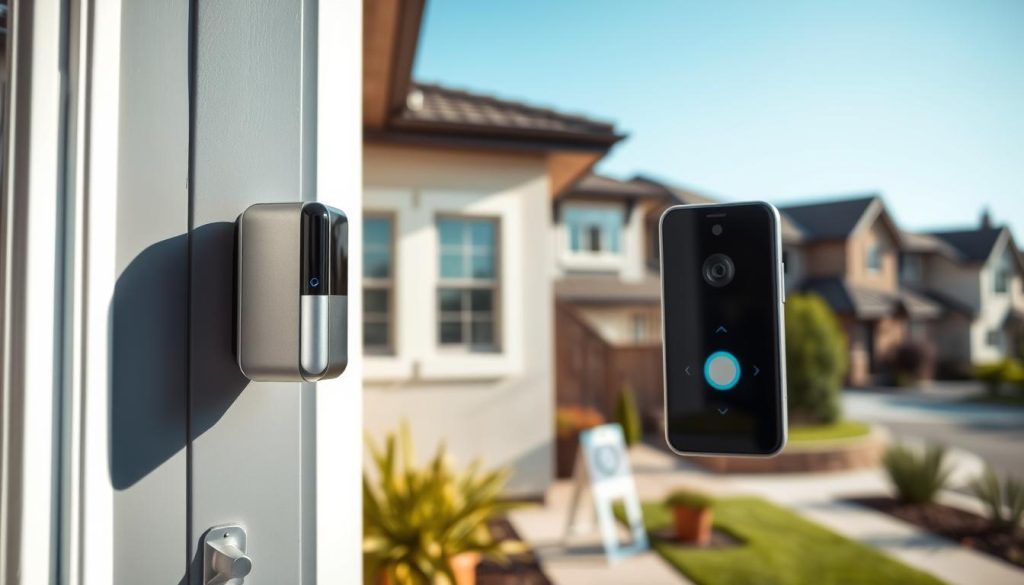
Emerging technologies are reshaping the landscape of surveillance, introducing new devices with distinct functionalities. One notable example is the smart doorbell, which provides focused entry monitoring rather than broad surveillance. These devices typically face fewer restrictions due to their specific purpose of identifying visitors at your doorstep.
Most smart doorbell installations follow simplified procedures. Homeowners can usually place these devices without complex approval processes from housing authorities. This ease of installation makes them an attractive option for enhancing home security.
Smart doorbells are considered less intrusive than comprehensive security systems. Their field of view is naturally limited to the immediate entry area, reducing concerns about capturing neighboring properties or shared spaces. However, audio recording capabilities require particular attention. Singapore’s regulations still govern sound capture through these devices, and proper notification remains essential when audio features are active.
In certain circumstances, security concerns may justify temporary surveillance exceptions. Documented safety issues, such as harassment, may permit special camera placement beyond standard regulations. This process begins with filing a police report for genuine safety threats.
Authorities will assess whether temporary surveillance is warranted based on the specific circumstances. Successful applications receive time-limited permission for security measures, typically lasting a maximum of six months. Homeowners must remove devices after this period or if the threat resolves earlier, ensuring that exceptional surveillance measures do not become permanent intrusions on privacy.
Understanding the differences between smart doorbells and traditional security systems helps homeowners choose appropriate equipment for their specific needs. These special cases demonstrate Singapore’s pragmatic approach to surveillance regulation, maintaining strong privacy protections while acknowledging that legitimate security concerns may sometimes require flexible solutions.
Technical Best Practices for CCTV Installation
In Singapore’s tropical climate, selecting appropriate surveillance equipment is essential for optimal performance. The right choice can enhance security while ensuring compliance with local regulations. Homeowners should consider several technical aspects when installing surveillance systems.
Choosing Equipment Suitable for Singapore’s Environment
Choosing the right equipment is crucial for long-term reliability. Humidity-resistant devices perform better in local conditions. Here are some key points to consider:
- Humidity-resistant equipment is vital for outdoor installations.
- Weather-protected devices can withstand heavy rain and high humidity.
- Professional installers can recommend systems that balance performance with compliance.
- Clear documentation and local support are essential for ongoing maintenance.
Proper Camera Positioning and Regular Maintenance
Proper camera placement ensures that surveillance systems capture only intended areas. Regular maintenance helps prevent accidental intrusion into private spaces. Here are best practices for camera positioning:
- Verify sightlines during different times of day to ensure effective monitoring.
- Conduct periodic reviews of camera angles to avoid unauthorized viewing areas.
- Consider seasonal changes that may affect camera coverage, such as growing vegetation.
- Document all placement decisions for future reference and accountability.
Investing in quality equipment and professional installation upfront reduces long-term maintenance costs. It also minimizes the risk of technical failures that could compromise both security effectiveness and privacy compliance.
Final Recommendations for Responsible CCTV Use in Singapore
For homeowners in Singapore, understanding the guidelines surrounding surveillance is vital for maintaining privacy and security. Implementing responsible practices ensures compliance with local laws while respecting the privacy rights of neighbors.
Here are some final recommendations to consider:
- Research regulations: Familiarize yourself with the latest guidelines from the Housing Development Board and the Town Council.
- Choose camera positions wisely: Ensure that your cameras monitor important areas without infringing on the privacy of others.
- Communicate openly: Discuss your surveillance plans with neighbors to build trust and prevent misunderstandings.
- Conduct regular checks: Maintain your system to ensure it remains compliant with evolving guidelines.
- Manage data responsibly: Implement secure storage and access controls for recorded footage.
- Stay informed: Keep up with regulatory updates to adapt your practices as necessary.
By following these best practices, you can create a secure environment that respects privacy, fostering a sense of community while enhancing safety.
For more information on compliance and ethical surveillance, visit this guide.
FAQ
What areas are generally off-limits for camera installation?
Surveillance devices should not be placed in private spaces such as bedrooms, bathrooms, and helper’s quarters. These areas are protected under privacy laws.
Can I install cameras in common areas of HDB flats?
Yes, but you must ensure that the cameras do not capture neighboring properties. Approval from the town council may be required for placement in shared spaces.
What are the consequences of unauthorized surveillance?
Engaging in unauthorized surveillance can lead to civil liabilities, privacy lawsuits, and even criminal charges depending on the severity of the violation.
How can I respect my neighbor’s privacy while using surveillance?
It’s important to orient your cameras in a way that avoids capturing your neighbor’s property. Open communication can help build trust and prevent conflicts.
Are there specific rules for installing cameras in public spaces?
Yes, public areas have their own regulations, especially regarding changing rooms and locker rooms, where privacy must be strictly maintained.
What should I know about the approval process for CCTV installation?
Before installation, you must apply to the town council, providing necessary documentation to ensure compliance with local regulations.
How does the Personal Data Protection Act (PDPA) relate to CCTV usage?
The PDPA governs how footage is handled, ensuring that data protection measures are in place to safeguard individuals’ privacy rights.
What ethical considerations should I keep in mind?
Balancing security needs with privacy rights is crucial. Ethical surveillance practices foster community trust and prevent misunderstandings.
What are the best practices for camera placement?
Cameras should be positioned to maximize security while minimizing intrusion into private spaces. Regular maintenance is also essential for effective operation.
How should I manage CCTV footage?
Establish clear retention policies and ensure access rights are respected. Promptly address any data breaches to comply with privacy regulations.


