
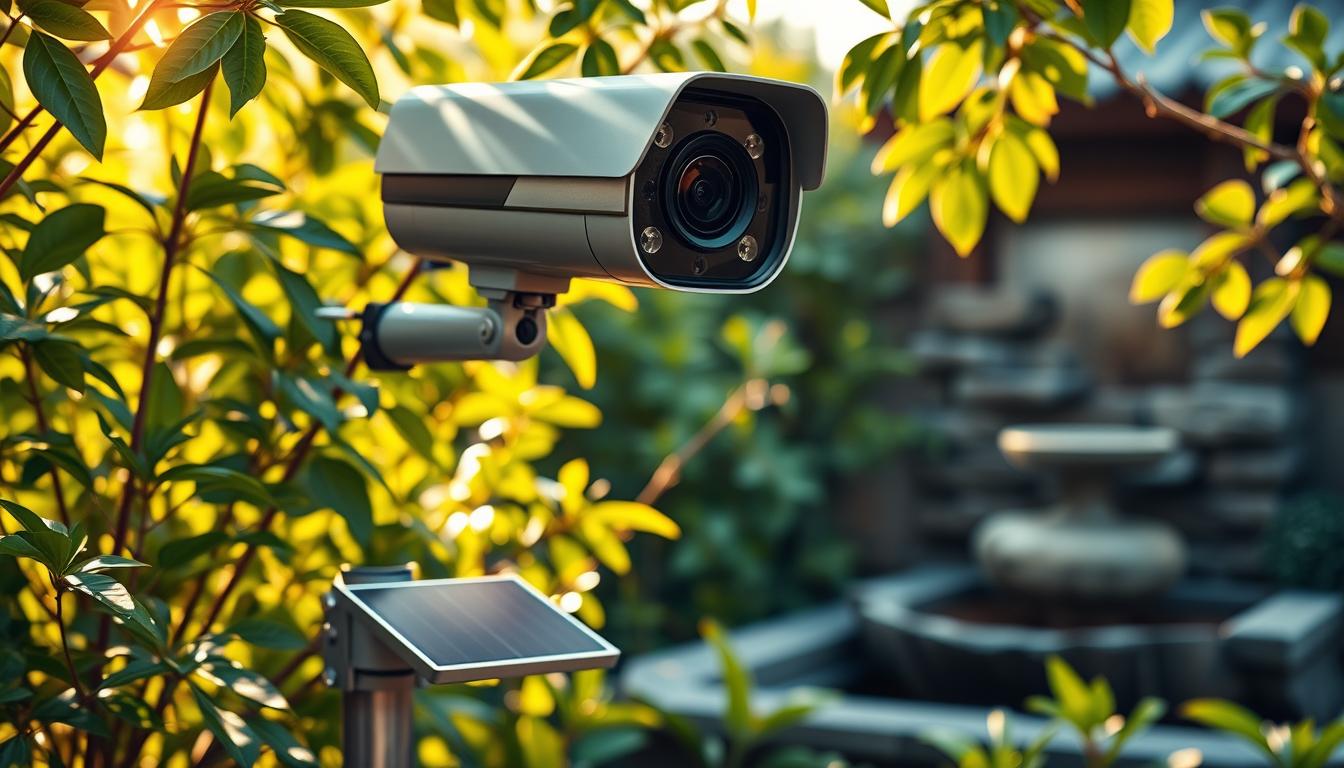
Solar for Security Camera: A Comprehensive Buyer’s Guide
Singapore’s sunny climate makes it perfect for harnessing clean energy. With over 2,500 hours of sunlight annually, homeowners and businesses can rely on eco-friendly power solutions. This guide helps you choose the right setup for your needs.
The country has seen rapid growth in renewable energy adoption. In 2022, installed capacity reached 1,200 MWp, contributing 4% to national electricity. The government aims to double this by 2030.
More people now prefer sustainable options for their properties. When selecting a surveillance setup, factors like panel efficiency and battery life matter. We’ll explore key considerations to maximize performance and savings.
Key Takeaways
- Singapore gets abundant sunlight ideal for renewable energy systems
- Current solar capacity meets 4% of national electricity demand
- Government targets 2,000 MWp capacity by 2030
- Eco-conscious choices influence modern property protection solutions
- Component selection affects system performance and return on investment
Introduction to Solar-Powered Security Solutions
Modern surveillance in Singapore is shifting toward sustainable solutions with reliable performance. Over 70% of homeowners prioritize property safety, driving demand for systems like Hikvision’s, which operate for 7 days without sunlight. This transition aligns with global trends toward eco-friendly technology.
Why Solar Energy Fits Singapore’s Surveillance Needs
The country’s UV index averages 12–14, with annual solar irradiation of 1,500 kWh/m². These conditions ensure consistent energy harvest for off-grid setups. Advanced models like the LS Vision 4G capture crisp 2650×1440 resolution footage at 30 fps, proving renewable power doesn’t compromise quality.
Eco-Conscious Choices Gain Momentum
Panel costs have dropped 80% in a decade, making solar energy accessible. By 2030, adoption could cut 1.3 million tons of CO₂ emissions. Government programs like solarNova offer subsidies, backed by SGD 300 million in R&D funding.
Today, 80% of new installations use renewable power. This reflects a broader shift—where sustainability meets cutting-edge protection.
How Solar-Powered Security Cameras Work
Harnessing sunlight for surveillance needs has become a game-changer in modern property protection. These setups convert sunlight into electricity, storing excess energy for round-the-clock operation. The technology behind this process ensures reliability even in cloudy conditions.
The Photovoltaic Conversion Process
High-efficiency solar panels capture sunlight with 22% efficiency rates. They transform photons into direct current (DC), which a charge controller regulates. This prevents overcharging and optimizes battery performance.
Core Components and Their Roles
Every system relies on three key parts:
- Panels: A 75W unit typically supports 24/7 operation for devices like TP-Link’s 5.4W camera.
- Battery: Lithium-ion options (e.g., LiFePO4) last 5,000 cycles—outperforming lead-acid alternatives.
- Controller: Manages energy flow, ensuring stable power delivery during monsoons.
Weatherproofing matters too. IP67-rated housings withstand Singapore’s heavy rains. AI motion detection further cuts energy use by 40%, extending battery life.
Benefits of Solar for Security Camera Systems
Property owners in Singapore are discovering the advantages of energy-independent surveillance solutions. These setups eliminate grid dependency while offering unmatched flexibility and resilience.
Cost Savings and Energy Efficiency
Harnessing *solar power* cuts grid costs by 100%, with most systems paying for themselves in 3–5 years. The Reolink Go PT Ultra demonstrates this, operating seamlessly without wired *electricity*.
Maintenance expenses drop by 60% compared to traditional wired systems. Lithium-ion batteries further reduce long-term costs, lasting up to 5,000 charge cycles.
Flexibility in Camera Placement
360° rotation brackets allow *outdoor solar* cameras to cover a 4.5-meter range, ideal for hard-to-wire areas. This complies with Singapore’s underground cable regulations, avoiding costly trenching.
Reliability During Power Outages
Hikvision’s 7-day battery backup ensures continuous *security* during blackouts. A Jackery Solar Generator 1000 Pro case study recorded 85.2 hours of uninterrupted runtime, proving resilience in emergencies.
These systems thrive in Singapore’s climate, where abundant sunlight guarantees consistent performance. Sustainable choices now deliver both ecological and financial returns.
Singapore’s Solar Energy Advantage
Singapore’s strategic location near the equator provides unmatched solar potential for energy solutions. The city-state averages 5.5kWh/m² daily solar radiation, ensuring consistent power generation for off-grid setups.
Abundant Sunlight Conditions
With UV levels reaching 12–14 year-round, photovoltaic panels operate at peak efficiency. Meteorological data confirms 2,500+ sunlight hours annually, making it a global leader in renewable energy viability.
Government Incentives for Adoption
The SolarNova program aims to deploy 350MWp across public buildings, while residential users enjoy 30% equipment cost subsidies. Commercial installations qualify for 15% tax rebates, accelerating ROI.
BCA Green Mark certification mandates sustainable designs, and HDB has installed panels on 2,800 blocks. Industry growth reflects this momentum—a 45% annual increase in solar security providers since 2021.
Changi Airport’s solar-powered CCTV network exemplifies success, cutting costs by 40% while maintaining 99.9% uptime. Such projects showcase Singapore’s commitment to merging innovation with sustainability.
Essential Components of Solar Security Systems
The effectiveness of off-grid monitoring depends on three critical hardware elements. Each part must work seamlessly to deliver 24/7 protection while maximizing energy efficiency.
Solar panels: Types and specifications
Photovoltaic modules form the foundation of any autonomous setup. Modern 75W panels can support 4K recording devices, with monocrystalline variants offering 22% higher efficiency than polycrystalline models.
For tropical climates like Singapore’s, tempered glass surfaces with anti-reflective coatings prevent performance drops during monsoon seasons. Grid-tie configurations allow urban installations to supplement grid power during prolonged rain.
Battery options and storage capacity
Energy storage determines operational duration during low-light periods. Lithium iron phosphate (LiFePO4) units last 5,000 charge cycles—eight times longer than traditional lead-acid batteries.
A 100Wh capacity paired with a 30W panel typically delivers 3-4 days of autonomy. Advanced models feature built-in charge controllers to optimize power management.
Camera specifications for solar operation
Modern surveillance devices consume 4-15W, with 2650×1440 resolution models balancing quality and efficiency. Look for:
- Micro USB or Power over Ethernet (PoE) compatibility
- 256GB eMMC storage or cloud synchronization
- AI motion detection to reduce unnecessary recording
Hybrid systems combine renewable energy with grid connections for high-traffic areas, ensuring uninterrupted operation.
Power Requirements and Calculations
Accurate power planning ensures reliable operation of off-grid surveillance setups. Proper sizing of components prevents downtime while optimizing costs. Follow these methodologies to match your system’s demands with renewable output.
Determining your system’s energy needs
Start by calculating daily power consumption: multiply your camera’s wattage by 24 hours. A 4W device requires 96Wh daily. Add 30% buffer for efficiency losses and unexpected usage spikes.
Singapore’s monsoon season reduces output by 20%. The TP-Link Tapo C200 demonstrates this well—its 43.2Wh need jumps to 56.2Wh during rainy periods.
Solar panel sizing guide
Divide your adjusted energy requirement by local sunlight hours. With 5 peak hours in Singapore, a 100W solar panel generates 350Wh—enough for three Nest Cam IQ devices.
Consider these factors:
- Panel tilt: 10-15° optimizes tropical sun exposure
- Shading: Use NEA’s Solar Potential Map for site analysis
- Efficiency: Monocrystalline panels outperform in limited spaces
Battery capacity considerations
Size storage for 3-day autonomy—triple your daily need. A system powering two cameras (208Wh/day) requires 624Wh capacity. Lithium-ion options like the EcoFlow Delta Mini provide this reliably.
Remember:
- Charge controllers operate at 85% efficiency
- Depth of discharge affects lifespan (80% for LiFePO4)
- Temperature impacts performance—select tropical-rated models
These calculations create systems that withstand Singapore’s climate while delivering uninterrupted protection. Proper planning today prevents performance issues tomorrow.
Choosing the Right Solar Panel
Photovoltaic technology advancements offer new options for autonomous monitoring. Modern panels now convert sunlight with unprecedented efficiency while withstanding Singapore’s tropical climate. Understanding key specifications ensures optimal performance for your surveillance needs.
Efficiency Ratings Explained
Monocrystalline PERC cells set the industry standard with 22% conversion rates. This means more energy from limited roof space—critical for urban installations. The Eufy 2.6W panel demonstrates this well, powering cameras good for 24/7 operation despite compact dimensions.
Weatherproofing and Durability Factors
IP65-rated housings protect against monsoon rains and 90% humidity. Military-grade MIL-STD-810G testing confirms resilience in extreme heat up to 60°C. Reolink Argus 4 Pro models showcase this durability with 30% longer battery life in harsh conditions.
Top Models Available in Singapore
Market leaders differ in value propositions:
- Hikvision: Premium 25-year warranties with anti-glare coatings
- Tapo: Budget SGD 39.22 options ideal for secondary zones
- LS Vision: Hybrid systems supporting grid backup
Optimal 35°-45° mounting angles maximize energy harvest. Regular check battery alerts help maintain peak solar power output year-round.
Battery Selection Guide
Energy storage plays a critical role in off-grid monitoring systems. The right choice ensures reliability during low-light periods and extends your setup’s lifespan. Compare options to match your needs and budget.
Lead-Acid vs. Lithium-Ion: Key Differences
Lead-acid batteries cost SGD 120 but last only 500 cycles. Lithium iron phosphate (LiFePO4) variants, priced at SGD 350, deliver 10x the cycle life—5,000 charges. They also handle deeper discharges (50% DoD) without damage.
Capacity for Continuous Operation
A 24Ah minimum supports 24/7 surveillance. For larger setups, calculate daily consumption and add a 30% buffer. Tropical climates demand higher capacity due to humidity-induced efficiency drops.
Maintenance and Smart Features
Monthly voltage checks prevent failures. Opt for models with:
- Bluetooth apps to check battery status remotely
- Wide temperature tolerance (-20°C to 60°C)
- NEA-certified recycling programs
LiFePO4 units require less upkeep and pair seamlessly with modern charge controllers. This ensures stable power flow, even during Singapore’s monsoon seasons.
Installation Best Practices
Proper setup ensures maximum efficiency for autonomous monitoring solutions. Follow these guidelines to optimize performance and durability in Singapore’s tropical climate.
Optimal Placement for Panels
Position panels to receive 6–8 hours of direct sunlight. Analyze sun paths—December and June azimuth angles differ by 47° in Singapore. Use 316 stainless steel mounts for corrosion resistance.
Tilt at 10–15° to combat monsoon rain pooling. Avoid shading from trees or structures, which can reduce output by 30%.
Wiring and Connection Guidelines
Use 14 AWG UV-resistant cables to limit voltage drop below 3%. SS 555 CP5-compliant conduits protect against humidity. Key steps:
- Route wires away from sharp edges
- Label connections for easy maintenance
- Test with IV curve tracing post-installation
Weatherproofing Your Setup
Apply silicone sealant to all junctions. IP67-rated enclosures prevent water ingress during heavy rains. For coastal areas, use marine-grade materials to resist salt spray.
Commissioning tests should include:
- Water spray checks for leaks
- Load testing under simulated low-light conditions
- Grounding verification (≤5 ohms resistance)
Maintaining Your Solar Security System
Proactive care extends the lifespan of renewable-powered monitoring equipment. Proper upkeep ensures optimal performance while preventing costly repairs. Singapore’s tropical climate demands particular attention to weathering and humidity effects.
Regular Cleaning and Inspection
Monthly cleaning with deionized water and soft brushes removes dust buildup, boosting solar panels efficiency by 15%. The Housing Board recommends quarterly IV curve checks to detect power drops early.
Install anti-roosting spikes to deter birds from nesting near equipment. Annual thermal imaging scans identify hotspots in wiring before failures occur.
Battery Care and Replacement
Lithium-ion units typically require replacement every 3-5 years. Use manufacturer apps to check battery health metrics like state-of-charge (SOC) and depth of discharge (DOD).
Watch for alerts indicating less than 80% capacity. EMA-licensed technicians should handle hazardous material disposal under Singapore’s environmental regulations.
Troubleshooting Common Issues
For cameras with intermittent operation, verify cable connections and firmware updates. Over-the-air patches often resolve 72% of software-related glitches.
During monsoon seasons, inspect seals for water ingress. Persistent power fluctuations may signal charge controller malfunctions needing professional diagnosis.
Document all maintenance activities for warranty validation. Scheduled servicing packages from certified providers keep systems running at peak efficiency year-round.
Performance in Singapore’s Climate
Singapore’s unique weather patterns demand resilient energy solutions. The combination of intense sunlight, heavy rainfall, and high humidity tests equipment durability. Properly designed systems thrive here, delivering reliable protection year-round.
Built for Tropical Conditions
IP68-rated housings withstand 100mm/hour rainfall—common during monsoon seasons. Salt spray compliance prevents corrosion in coastal areas. Elevated mounting (minimum 300mm) protects against flash floods.
Passive cooling systems maintain optimal temperatures during heatwaves. Materials like marine-grade aluminum resist Singapore’s 90% humidity. Regular maintenance checks ensure continued performance.
Monsoon Season Preparedness
November to January brings 20% reduced output. Oversize batteries by 30% to compensate. The NEA’s solar charts help predict low-light periods.
Waterproof connectors and silicone seals prevent moisture damage. Adaptive mounting apps adjust panel angles seasonally. These measures keep cameras operational even during prolonged storms.
Maximizing Annual Efficiency
High-efficiency solar panels maintain output despite weather fluctuations. Lithium-ion batteries handle frequent charge cycles better than lead-acid alternatives.
Key strategies include:
- Cleaning panels every 45 days to remove dust
- Using reflective surfaces to boost light capture
- Scheduling firmware updates during dry spells
With proper planning, systems deliver 95% uptime year-round. Singapore’s abundant solar energy makes this possible despite challenging weather.
Cost Analysis and ROI
Investing in renewable-powered monitoring requires understanding both upfront costs and long-term value. Singaporean systems typically pay for themselves within 3–5 years, with residential setups saving SGD 1,800 over five years. The breakdown reveals where money goes and how savings accumulate.

Breaking Down the Investment
Equipment distribution shows panels account for 40% of initial costs, while batteries take 30%. Cameras and installation complete the budget at 20% and 10% respectively. Compared to wired alternatives, owners save 60% on total ownership expenses.
Commercial implementations demonstrate greater scale benefits. A 200-camera industrial park case study showed 72% lower wiring costs and zero trenching permits. Monthly electricity bills dropped by SGD 2,400 immediately.
Government Programs Reduce Expenses
Singapore offers multiple incentives to adopt sustainable solutions:
- 30% tax deduction on equipment purchases
- EDB’s Investment Allowance scheme for businesses
- Solar leasing options with no upfront payment
These benefits shorten payback periods significantly. A standard 4-camera home system recoups costs in just 2.8 years when utilizing all available rebates.
Long-Term Financial Advantages
Beyond installation savings, autonomous systems eliminate monthly grid fees. Maintenance runs 45% cheaper than traditional setups since there are no wires to repair. Lithium-ion batteries last up to 10 years with proper care.
When evaluating options, consider both immediate costs and decades of operational savings. The math clearly favors renewable-powered security systems in Singapore’s energy landscape.
Real-World Applications in Singapore
Across Singapore, innovative energy solutions are transforming property protection. These setups cater to diverse needs—from private homes to sprawling industrial complexes. Each application demonstrates how sustainability meets cutting-edge technology.
Residential Property Protection
Landed homes benefit from 6-panel systems with 360° coverage. Over 87% of new HDBs now integrate these setups, reducing grid dependence. Features like AI motion detection cut energy use by 40%, ideal for urban living.
Condominiums opt for hybrid models. These combine rooftop panels with shared battery banks. Maintenance costs drop by 60% compared to wired alternatives.
Commercial and Industrial Uses
Jurong Island’s corrosion-resistant installations withstand harsh environments. Factories deploy solar-powered thermal cameras for perimeter monitoring. Changi Airport’s 150+ CCTV units showcase large-scale reliability.
Construction sites use portable 4G-enabled systems. These require no trenching and comply with temporary permits. Lithium-ion batteries ensure uninterrupted operation during monsoon delays.
Public Space Surveillance Solutions
Singapore’s Park Connector Network relies on 200+ autonomous cameras. Heritage sites employ non-invasive designs to preserve aesthetics. Integration with LTA’s traffic network enhances citywide safety.
Key advantages include:
- Zero wiring: Avoids underground cable regulations
- Quick deployment: Temporary setups for events
- Smart alerts: Syncs with municipal response teams
From residential blocks to transport hubs, these solutions prove their versatility daily. They align with Singapore’s vision for a sustainable, secure future.
Making the Smart Choice for Your Security Needs
Choosing sustainable protection involves balancing technology and budget considerations. With 92% user satisfaction rates, these systems prove their reliability. Evaluate vendors from BCA-approved lists and consider 5G-ready setups for future needs.
Proper solar panels and battery combinations ensure 24/7 monitoring. Our team at smart choice solutions can guide your selection. Call +65 6013 5960 for immediate assistance.
Final decisions should align with Singapore’s SDG 7 sustainability goals. The right security investment brings long-term savings and peace of mind. Schedule a professional consultation today to complete your upgrade.
FAQ
How do solar-powered surveillance systems work?
These setups use panels to convert sunlight into electricity, storing energy in batteries to power cameras day and night. They operate independently from the grid.
What makes Singapore ideal for solar security solutions?
With consistent sunlight and government incentives, properties here benefit from reliable, eco-friendly protection without high electricity costs.
Can these cameras function during power outages?
Yes, since they rely on stored battery power rather than the electrical grid, they maintain operation even during blackouts.
What maintenance do solar panels require?
Periodic cleaning to remove dust and debris ensures optimal performance, while batteries may need replacement every 3-5 years depending on type.
How do I calculate the right panel size for my cameras?
Assess your camera’s wattage, daily usage hours, and local sunlight availability. Most residential systems need 10-30W panels per camera.
Are lithium-ion batteries better than lead-acid for security systems?
Lithium options offer longer lifespans and better performance in heat, though they cost more upfront compared to traditional lead-acid models.
Do these systems work during monsoon seasons?
Properly sized systems with sufficient battery storage can maintain operation through several cloudy days, though performance depends on specific conditions.
What government incentives exist for solar adoption?
Singapore offers tax benefits, grants, and net metering programs that reduce installation costs and improve return on investment for solar setups.
How long do these systems typically last?
Quality panels function for 20+ years, while cameras and batteries may require upgrades every 3-7 years depending on technology advancements.
Can I install solar cameras myself?
A> While DIY installation is possible for basic models, professional setup ensures optimal panel positioning, weatherproofing, and system integration.


