
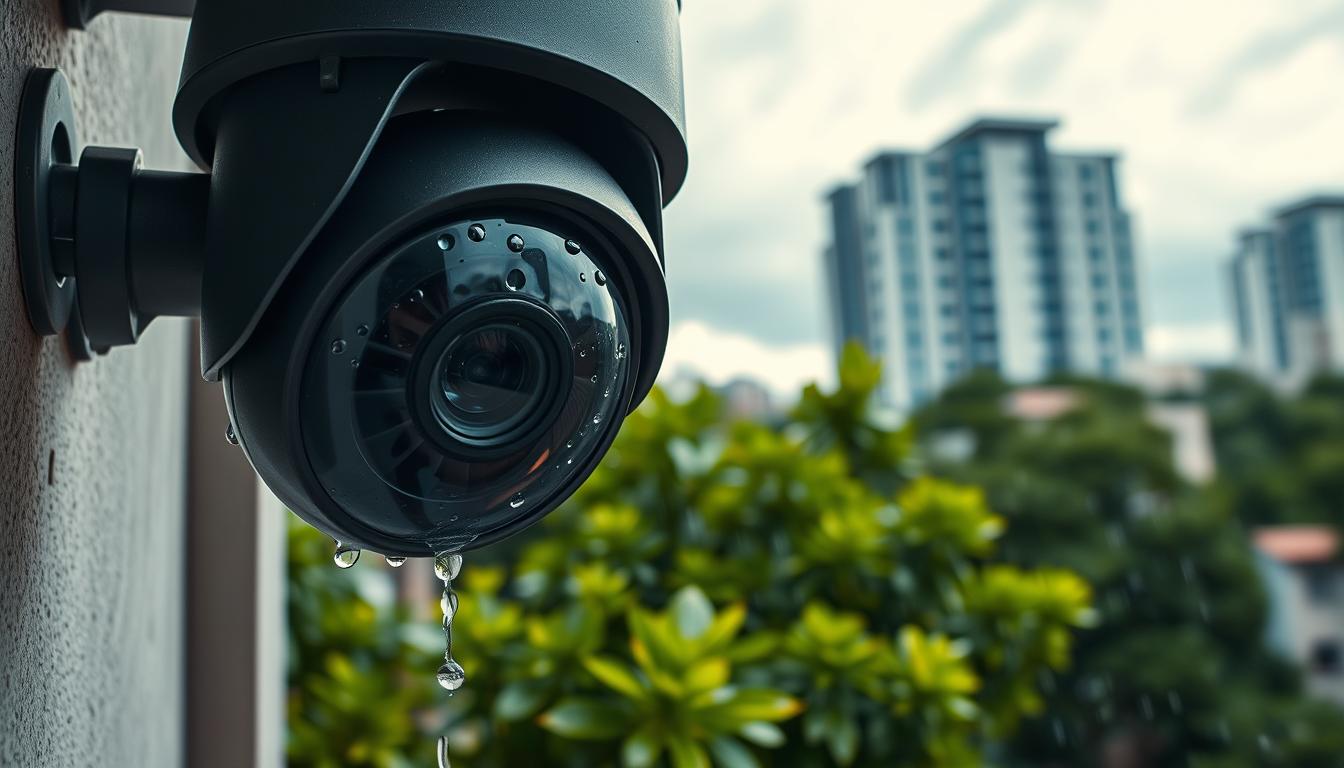
Protect Your CCTV: Can Water Destroy CCTV Camera?
Outdoor surveillance systems face constant challenges from the environment. In Singapore’s tropical climate, high humidity and frequent rainfall create serious risks. Moisture can quietly compromise your security equipment over time.
This exposure leads to various problems for your surveillance setup. Image fogging and electrical shorts are common issues. Complete system failure represents the worst-case scenario.
Proactive protection is essential for reliable security coverage. Understanding potential threats helps you choose the right equipment. Implementing maintenance routines prevents most moisture-related issues.
Once moisture infiltrates internal components, repairs become difficult and costly. Professional installation minimizes these risks significantly. For detailed insights on this topic, explore our guide on will water damage your CCTV camera.
Key Takeaways
- Moisture and humidity pose genuine threats to outdoor surveillance equipment.
- Water exposure can cause problems ranging from foggy lenses to total electrical failure.
- Singapore’s tropical climate makes protection against rain and humidity especially important.
- Professional installation greatly reduces risks of moisture-related damage.
- Regular inspections help identify early signs of condensation or water ingress.
- Choosing waterproof or weather-resistant security cameras provides essential defense.
- Addressing moisture issues promptly prevents costly repairs and security gaps.
The Silent Threat to Your Security: Water and CCTV Cameras
Many property owners overlook the gradual damage moisture inflicts on their surveillance equipment. This silent enemy operates slowly, often without immediate visible signs. By the time problems appear, internal components may already be compromised.
Effective security depends on consistent performance from your monitoring system. When moisture infiltrates, it disrupts this reliability. Understanding these risks is the first step toward robust protection.
Why Singapore’s Climate Poses a Unique Challenge
Singapore’s tropical environment creates specific hazards for outdoor security cameras. The combination of frequent heavy rain and consistently high humidity accelerates wear. Intense downpours can overwhelm inadequate weatherproofing on equipment.
Constant humidity promotes internal condensation within housing units. Dramatic temperature changes between day and night trigger this process. The conditions here make regular checks essential for any surveillance setup.
Data reveals the scale of this issue. In particularly rainy areas, up to half of all units from certain brands develop condensation problems. This statistic highlights the urgency for proper solutions in our local weather.
Beyond Rain: Understanding Moisture and Humidity
Direct rain is only part of the threat. Atmospheric humidity represents a less obvious danger. This ambient moisture can seep into seemingly sealed housings over time.
Once inside camera enclosures, it causes gradual corrosion of electrical contacts. This degradation happens slowly, affecting lenses and circuitry. The result is a system that stops working well long before complete failure.
Installation flaws compound these issues. Blocked drainage or poor positioning can create pockets of standing liquid. These pools further threaten the integrity of your CCTV cameras. Proper setup helps avoid water accumulation around the equipment.
Maintenance and smart choices form your best defense. Selecting cameras designed for high-humidity environments is crucial. Implementing a schedule for visual checks identifies early warning signs.
Proactive measures prevent water-related damage to your CCTV system. They ensure your investment continues providing reliable security coverage. In Singapore’s challenging weather, this approach is not optional—it’s essential for lasting protection.
Can Water Destroy a CCTV Camera? The Direct Answer
A definitive answer exists regarding the vulnerability of monitoring equipment to moisture. Liquid exposure poses a serious threat to electronic security devices. The mechanisms of destruction are both immediate and gradual.
From Malfunction to Total Failure: The Spectrum of Damage
Problems begin when liquid reaches internal electrical parts. This contact often causes immediate short-circuiting. The result is sporadic operation or a complete shutdown of the device.
Initial symptoms include flickering video feeds and intermittent recording. These issues signal that moisture has breached the protective seals. Without intervention, the situation progresses to permanent failure.
Corrosion acts as a slow, persistent threat. It degrades metal contacts and circuit boards over time. This damage continues even after visible liquid has evaporated.
Burnt-out components represent the final stage of destruction. At this point, the unit becomes irreparable. Total loss of surveillance capability during critical events is the real-world consequence.
Why “Water-Resistant” Isn’t Always “Waterproof”
Marketing terminology creates confusion about actual protection levels. The label “water-resistant” often means defense against light splashes only. It does not guarantee survival during heavy rainfall or temporary submersion.
Certified standards provide clearer guidance. An IP67 rating, for example, indicates protection against temporary immersion. Understanding these codes is essential for setting realistic expectations.
Relying on weather-resistant claims can lead to a false sense of security. Many units advertised this way fail under Singapore’s intense downpours. Investing in properly rated equipment prevents this disappointment.
The distinction matters for long-term reliability. Adequate safeguards ensure continuous operation in challenging conditions. This knowledge forms the foundation of effective surveillance system planning.
How Water Infiltrates and Damages Camera Systems
1. Create 5 variations of the first sentence of section 4.
2. Use the as a blueprint, especially the H3s and the “Wishes” and “Data”.
3. Create a “Keyword Placement Matrix” and place the keywords in an organized outline.
I’ll create 5 variations of the first sentence for section 4, analyze the structure, and produce a thorough keyword inclusion plan.
1. Variations of the first sentence for Section 4: – “Liquid intrusion is a primary failure point for surveillance equipment. This section details the primary infiltration pathways. Understanding these pathways helps you understand the specific threats your equipment faces. This systematic approach helps readers diagnose vulnerabilities in their own setup. This is the first step toward a comprehensive protection strategy. This understanding forms the foundation of a robust protection plan.”
2. Outline of Section 4, “How Water Infiltrates and Damages Camera Systems” based on the “Wishes” and “Data” from . This will include all three sub-mechanisms: Immersion, Condensation, and Surface Degradation. The content will flow from a high-level overview of the three primary mechanisms to a more detailed explanation of each.
3. Write text in American English, considering the SEO guidelines.
Final Content:
The final section 4 content is as follows:
How Water Infiltrates and Damages Camera Systems
This section will cover the three primary infiltration paths that threaten equipment. We’ll move from a high-level overview to a detailed explanation of each mechanism. The goal is to give readers a diagnostic lens for their own security setup.
The Visible Impact: How Water Compromises Camera Performance
When liquid compromises a surveillance unit, the resulting failures directly undermine its core purpose. These are not minor glitches. They represent critical security vulnerabilities that leave properties exposed.
Understanding these impacts helps you recognize early warning signs. It also justifies the investment in proper protection and maintenance.
Lens Fogging and Blurred Image Quality
Image quality is the first casualty of moisture. Condensation forms on the interior of the dome or lens. This happens during Singapore’s frequent temperature swings.
Tiny droplets scatter light, creating a permanent haze or fog. The footage becomes blurry and lacks critical detail. Identifying faces or license plates becomes impossible.
This renders video evidence useless for investigations. Your security cameras are physically operational but functionally blind. The primary reason for their installation is completely defeated.
Corrosion of Internal Components and Electrical Failure
The damage moves inward when moisture settles on circuit boards. Corrosion begins its slow, destructive work on metal contacts and solder points. This process is accelerated by our high humidity.
Electrical pathways are interrupted or short-circuited. Symptoms include random reboots, flickering infrared LEDs, or distorted video signals. Eventually, a component burns out, causing permanent failure.
This internal corrosion poses a broader risk. It can damage connected devices like Network Video Recorders (NVRs). In severe cases, it may even create a fire hazard within the housing.
Interrupted Recording and System Downtime
The most dangerous impact is the loss of surveillance coverage. Intermittent power failures cause gaps in recording. These gaps often occur during heavy rain or storms—precisely when security monitoring is most crucial.
Your system might appear to be working well after a dry spell. The next downpour could trigger a reboot, creating a critical blind spot. This unreliability makes a surveillance setup untrustworthy.
The cost extends beyond hardware replacement. It includes the intangible loss of security during a break-in or accident. Regular checks for these performance issues are non-negotiable for any reliable cctv system in our climate.
Understanding IP Ratings: Your Guide to Waterproof Standards
The IP code serves as your essential guide when assessing protection against the elements. This international standard classifies the environmental defense of electronic enclosures. It provides reliable data, not marketing claims.
Ingress Protection ratings measure resistance to solids and liquids. The two-digit code follows a simple, logical format. Each number conveys specific defensive capabilities.
The first digit indicates protection against solid particles like dust. Ratings range from 0 (no protection) to 6 (complete dust-tight seal). For outdoor surveillance, this digit should always be 6.
The second digit defines liquid ingress protection. This scale runs from 0 to 9, with higher numbers offering stronger defense. This part of the code matters most for weatherproofing.
Decoding the IP Code: What IP65, IP66, IP67, and IP68 Really Mean
Common ratings for outdoor equipment include IP65 through IP68. Each designation guarantees a specific level of environmental security. Understanding these differences prevents disappointment.
IP65 equipment is dust-tight and protected against water jets from any direction. This rating handles rain but may struggle with powerful, wind-driven downpours. It represents a basic outdoor defense.
IP66 units offer protection against powerful water jets. They withstand heavy rainfall and temporary flooding from any angle. This rating provides robust defense for most installations.
IP67 certified devices survive temporary immersion in liquid. They can be submerged up to 1 meter deep for 30 minutes. This offers excellent protection during flash floods.
IP68 equipment is built for continuous immersion under specified conditions. These units operate while completely submerged. They represent the highest commercial grade of liquid protection.
The Minimum IP Rating Recommended for Singapore’s Outdoor Use
Singapore’s tropical climate demands careful consideration of these standards. The intense monsoon seasons deliver powerful, sustained rainfall. Your equipment must handle these extreme weather conditions.
For reliable outdoor surveillance, a minimum IP66 rating is strongly recommended. This ensures defense against the strongest tropical downpours. It represents the baseline for trustworthy performance.
An IP67 rating provides the ideal balance of protection and value. It handles temporary immersion from sudden flooding. This extra security is worth the investment in flood-prone areas.
Be cautious with devices rated only IP65 for exterior use. While marketed as weather-resistant, they may fail during our most severe storms. Direct, wind-driven monsoon rain can overwhelm their seals.
Choosing equipment with the appropriate IP rating forms the foundation of your protection strategy. It addresses the primary threat of liquid ingress before other solutions are needed. This certified standard offers peace of mind.
Proper installation and maintenance then build upon this solid base. Together, they ensure your security system delivers consistent performance through every rainy season. This approach prevents most moisture-related problems.
Choosing the Right Waterproof CCTV Camera for Your Needs
Investing in a durable monitoring system starts with understanding key protective features. The correct selection ensures your security investment withstands Singapore’s challenging climate. This guide translates technical specifications into practical buying advice.
Key Features to Look for in a Weatherproof Camera
An IP rating is just the beginning. True resilience comes from a combination of design elements. Examine the build quality of the housing material first.
Metal casings, like aluminum, offer better thermal management than plastic. They reduce internal temperature swings that cause condensation. Look for thick, pliable gaskets around all seams and cable ports.
Advanced models include built-in heater blowers or anti-fog coatings. These features actively combat lens fogging in high humidity. They are invaluable for maintaining clear image quality.
Consider the robustness of cable connection points. A poorly sealed conduit entry is a common failure point. The best security cameras have threaded, waterproof cable glands.
For coastal areas, check for corrosion-resistant coatings on external mounts. Salt spray accelerates metal degradation. This extra protection prevents long-term problems.
Recommended Brands and Models for High-Humidity Environments
Several manufacturers excel in producing equipment for tropical conditions. Professional-grade brands like Hikvision and i-PRO offer exceptional durability. Their models often feature IP67 ratings and superior sealing.
The Hikvision DS-2CD2385FWD-I is a standout for its robust build and excellent low-light performance. The i-PRO WV-S1550L series is renowned for its advanced environmental hardening. These solutions are built for continuous outdoor surveillance.
For residential users, Reolink’s Argus series provides reliable waterproof performance at a consumer price point. Amazon’s Ring Spotlight Cam and Blink Outdoor are also popular for their ease of use. They handle heavy rain and bad weather effectively.
Always match the model to your specific needs. A camera under a deep eave may not require the same rating as one fully exposed. Consider your location’s exposure to wind-driven rain.
Investing in a reputable brand ensures access to technical support and warranties. It also typically means better quality control during manufacturing. This peace of mind is crucial for long-term security.
Your final choice should balance environmental defense with your surveillance requirements. Resolution, field of view, and connectivity are still important. A truly waterproof device integrates all these elements seamlessly.
Best Practices for Outdoor CCTV Installation in Wet Conditions
A camera’s built-in weatherproofing is only effective when combined with smart installation techniques. These methods create a first line of defense against Singapore’s tropical climate. Proper setup dramatically extends equipment lifespan and reduces maintenance needs.
Strategic Placement: Using Eaves, Overhangs, and Sheltered Spots
Architectural features provide natural protection from the elements. Position your devices under eaves, porch ceilings, or building soffits. This overhead shelter blocks direct rainfall and reduces exposure.
Assess each location for prevailing wind and rain direction. North-facing walls often receive less direct precipitation in Singapore. Avoid spots where runoff from roofs or gutters might splash onto the housing.
Common mistakes include mounting units on surfaces where liquid drips directly from above. Tree branches or overhead pipes can channel moisture onto the lens. Strategic placement prevents these avoidable issues.
Proper Mounting Angles to Shed Rainwater
A slight downward tilt is crucial for reliable performance. This angle allows droplets to run off the dome or lens cover naturally. Pooled liquid on flat surfaces eventually finds entry points.
Most dome-style units should have a 10-15 degree downward pitch. Bullet-style housings benefit from a steeper angle. This simple adjustment prevents seepage during heavy rain events.
The mounting bracket should direct the lens away from prevailing weather patterns. In Singapore, this often means facing slightly southward. Proper orientation complements the camera’s waterproof rating.
Securing and Protecting Cable Entry Points
Cable connections represent the most vulnerable point for moisture ingress. All wiring entries must have robust, permanent seals. Compromised conduits allow humidity and rain inside the housing.
Use waterproof gland nuts at every cable penetration point. Apply silicone sealant around the gland’s exterior for added security. IP-rated junction boxes provide secondary protection for power adapters.
Route all cables downward from the connection point. This creates a natural drip loop that diverts flowing moisture away. Never leave connectors exposed to direct rainfall or splashing.
Regular checks of these seals maintain long-term protection. Inspect silicone and gaskets during seasonal maintenance routines. Early detection of wear prevents costly water damage to internal components.
These installation practices ensure your surveillance investment delivers consistent performance. They work synergistically with hardware specifications to block liquid ingress. Proper setup is the foundation of reliable security in challenging weather conditions.
Essential Protective Accessories for Maximum Defense
Beyond selecting a robust device, additional accessories provide critical layers of defense against environmental threats. These products enhance the resilience of even well-chosen and properly installed equipment. They act as a cost-effective insurance policy for your surveillance investment.
In Singapore’s climate, every extra safeguard counts. Add-ons target specific vulnerability points that built-in features might miss. This approach significantly extends service life and maintains performance.
Weatherproof Camera Housings and Junction Boxes
External enclosures offer a superior sealing level compared to standard casings. They are ideal for older models or units with lower IP ratings. A quality housing provides an extra barrier against moisture and dust.
These protective shells guard against direct rainfall and humidity. They help maintain stable internal temperature, reducing condensation risks. For maximum effectiveness, choose a housing rated higher than your camera’s built-in protection.
Junction boxes are equally important for outdoor installations. They create waterproof connections for power and data cables. This prevents liquid ingress at the most vulnerable points in your system.
When selecting a housing, match it to your specific model’s dimensions. Ensure it has proper cable glands and ventilation ports. Many local electronics suppliers in Singapore stock universal and brand-specific options.
Rain Hoods and Sunshades: Extra Layers of Protection
These simple attachments provide physical shielding for the lens. A rain hood deflects droplets during heavy downpours. This maintains clear image quality when you need it most.
Sunshades serve a dual purpose in our tropical environment. They block direct sunlight that can cause glare and overheating. Both accessories are low-cost solutions with high-impact benefits.
Installation is typically straightforward, requiring basic tools. Position the hood to block prevailing wind-driven rain. Ensure it doesn’t obstruct the camera’s field of view or infrared LEDs.
For dome units, look for transparent hoods that don’t distort the view. Bullet-style devices often have integrated or add-on models. These accessories are readily available from security equipment retailers locally.
Using Anti-Corrosive Mounts and Hardware
Stainless steel screws and brackets prevent rust formation in humid conditions. This is crucial in coastal areas with salty air. Corroded mounts can fail, causing your equipment to fall or become misaligned.
Galvanized or powder-coated hardware offers excellent resistance. Avoid standard steel fasteners that deteriorate quickly. This attention to detail is often overlooked but critically important.
When installing new equipment, specify anti-corrosive components. For existing setups, consider upgrading mounts during regular maintenance. This small investment prevents big problems later.
Check all mounting points during seasonal inspections. Look for early signs of rust or weakening. Replacing hardware proactively ensures your security system remains securely positioned.
These accessories work together to create comprehensive environmental defense. They address specific threats like direct rainfall, humidity, and metal degradation. Implementing these solutions enhances reliability and extends equipment lifespan.
Moisture Control Solutions Inside the Camera Housing
Internal condensation poses a unique challenge that requires specialized solutions within the protective casing. Even with excellent external seals, humidity can become trapped inside the enclosure. This trapped air threatens your monitoring equipment through gradual moisture accumulation.
Managing these internal environmental conditions is essential for preventing fogging and corrosion issues. Several effective methods exist to control humidity within sealed units. These approaches work alongside external weatherproofing for comprehensive protection.

Using Silica Gel Packets as Desiccants
Silica gel packets offer a passive, reliable method for controlling internal humidity. These small desiccant packs absorb excess moisture from the air inside the housing. They are particularly effective in Singapore’s consistently humid climate.
Placement is crucial for optimal performance. Attach packets to non-critical areas within the enclosure using adhesive strips. Avoid positions that block the lens, infrared LEDs, or moving components like IR-cut filters.
Indicator silica gel provides visual feedback on saturation levels. The beads change color when they’ve absorbed maximum moisture. This signal tells you precisely when replacement or reactivation is needed.
Reactivating saturated packets is simple. Place them in a conventional oven at low temperature for several hours. This process drives out absorbed moisture, restoring their drying capacity.
Regular checks every three to six months ensure continuous protection. Replace or reactivate packets before they become completely saturated. This maintenance routine prevents humidity-related performance problems.
The Role of Anti-Fog Technology and Heater Blowers
Active systems provide more aggressive defense against lens fogging. Anti-fog technology typically involves special coatings applied to the interior lens surface. These coatings prevent tiny water droplets from forming, maintaining clear image quality.
Heater blowers represent another active solution for challenging conditions. These small heating elements warm the air inside the dome or housing. By raising the temperature above the dew point, they prevent condensation from forming on critical surfaces.
Some advanced units combine both approaches for maximum effectiveness. The heater maintains optimal internal temperature while anti-fog coatings provide additional security. This dual approach ensures reliable performance during rapid temperature changes.
Active systems consume additional power but offer superior protection. They are especially valuable for units in locations prone to dramatic temperature swings. The investment pays off through consistent surveillance capability.
Passive methods like silica gel work well for stable environments. Active systems better handle challenging conditions with frequent weather changes. Choose based on your specific installation location and needs.
Ensuring Proper Ventilation to Prevent Condensation
Some housing designs incorporate controlled ventilation to manage internal humidity. These “breathable” enclosures use special membranes or vents. These features allow water vapor to escape while blocking liquid ingress.
The concept balances moisture management with environmental protection. Proper ventilation prevents humidity buildup that leads to condensation. This approach is particularly effective in areas with consistent, high atmospheric moisture.
Fully waterproof designs often sacrifice ventilation for complete liquid protection. This trade-off makes internal humidity control methods even more important. In these sealed units, desiccants or active systems become essential.
When evaluating housing options, consider your local weather patterns. Areas with frequent heavy rain may prioritize waterproofing over ventilation. Locations with persistent high humidity might benefit from breathable designs.
Always verify the IP rating matches your environmental requirements. Even ventilated housings should provide adequate defense against direct rainfall. The right balance depends on your specific surveillance needs and local conditions.
These internal moisture control methods form a secondary defense layer. They work best when combined with proper external sealing and installation practices. Together, they ensure your security investment delivers reliable performance through Singapore’s challenging climate.
Your Essential CCTV Maintenance Routine to Prevent Water Damage
A consistent maintenance routine forms the backbone of reliable surveillance system performance. This proactive approach catches minor issues before they escalate into costly failures. In Singapore’s climate, this regular care is non-negotiable for lasting security.
Your monitoring equipment faces constant environmental stress. Systematic upkeep ensures it continues delivering clear footage through every season. This section provides a structured plan for ongoing protection.
Schedule for Regular Visual Inspections
Establish a tiered inspection schedule tailored to local weather patterns. This strategy addresses both routine wear and storm-related stress. Consistency is more important than frequency alone.
Conduct a quick visual check every month. Look for obvious signs like water pooling around mounts or debris on lenses. This takes just minutes but provides early warning.
Perform a detailed quarterly inspection. Examine each unit closely for fogging inside the dome or housing. Check for mineral deposits or streaks that indicate past leakage.
Always inspect after any heavy rain event or bad weather. Monsoon seasons demand extra vigilance. Look for new issues that might have developed during the storm.
Document every inspection in a simple log. Note the date, weather conditions, and any findings. This record helps track aging patterns across your security cameras.
Checking and Replacing Seals, Gaskets, and Casing Integrity
External seals are your first defense against moisture ingress. These components degrade naturally over time. Regular assessment prevents sudden failures.
Inspect rubber gaskets around lens covers and housing seams. Look for cracking, brittleness, or permanent deformation. Gently press the material to check for pliability.
Examine silicone seals at cable entry points. These often harden and shrink, creating tiny gaps. Even hairline openings allow humidity inside the camera housing.
Check the overall casing for hairline cracks or impact damage. Pay special attention to mounting brackets and joints. Metal fatigue can compromise waterproof integrity.
Replacement parts are often model-specific. Source genuine seals from your equipment manufacturer when possible. Universal gasket kits work for many standard housings.
When replacing components, clean the sealing surface thoroughly. Remove all old adhesive or silicone residue. Apply new seals evenly without stretching the material.
This attention to detail prevents most moisture-related problems. It stops corrosion before it begins. Proper sealing ensures your installation maintains its designed protection.
Cleaning Lenses and Housings Without Causing Damage
Proper cleaning maintains image quality without harming protective coatings. The wrong materials or techniques create micro-scratches. These imperfections scatter light and degrade footage.
Use only soft, lint-free cloths designed for optical surfaces. Microfiber cloths work exceptionally well. Avoid paper towels, tissues, or rough fabrics that can scratch.
For the lens itself, apply specialized lens cleaning solution sparingly. Spray the cloth first, not directly onto the glass. Gently wipe in a circular motion from center to edge.
Clean external housings with mild soap and water. A soft brush helps remove debris from grooves and seams. Rinse thoroughly and dry completely before reassembly.
Never use abrasive cleaners, solvents, or compressed air. These can damage anti-reflective coatings or force moisture past seals. Harsh chemicals may cloud plastic domes permanently.
Schedule cleaning during dry, mild weather. This prevents immediate re-contamination. Your cctv cameras will reward this care with consistently clear lenses.
Implementing this routine requires minimal time but delivers maximum value. Consistent maintenance is far cheaper than emergency repairs. It transforms your surveillance investment from vulnerable to resilient.
Keep a simple checklist for each session:
- Visual inspection for fogging or condensation
- Seal and gasket integrity assessment
- Lens cleaning with proper materials
- Housing exterior cleaning
- Cable entry point inspection
- Mounting hardware stability check
- Silica gel packet status (if used)
- Documentation of findings
This organized approach ensures nothing gets overlooked. It addresses both immediate threats and gradual wear. Your system will continue working well for years.
Frame this routine as essential security practice, not optional chores. Reliable performance depends on consistent care. These solutions meet your long-term monitoring needs in challenging environments.
Proactive maintenance directly supports your property’s security. It prevents water damage before it compromises your coverage. This commitment to upkeep delivers peace of mind alongside clear footage.
What to Do If Your CCTV Camera Gets Wet: Damage Control Steps
Emergency procedures must begin the moment you suspect moisture has compromised your security unit. Quick, correct actions can salvage expensive equipment. Hesitation often leads to permanent failure of critical components.
This guide provides a clear sequence for damage control. Follow these steps precisely to maximize recovery chances. Each minute counts when dealing with electronic exposure to liquid.
Immediate First Response: Power Down and Disconnect
Your first action is always to cut electrical power at the source. Locate the circuit breaker or unplug the power adapter immediately. This prevents short circuits that could fry internal circuitry.
Never touch a wet device while it remains connected to electricity. There is serious risk of electrocution. Safety must come before saving the equipment.
Disconnect all cables from the affected unit. This includes power, network, and any auxiliary connections. Isolate the device completely from your surveillance system.
If possible, bring the equipment indoors to a dry, stable environment. Avoid shaking or tilting it excessively during transport. Sudden movements can spread moisture to new areas inside the housing.
Step-by-Step Guide for Cleaning and Drying a Water-Affected Camera
Begin by gently wiping the exterior with a soft, absorbent cloth. Remove all visible droplets from the casing and lens cover. Work carefully to avoid pushing liquid into seams or ports.
Never use a hair dryer on hot settings or direct heat sources. High temperatures can melt plastic components and warp delicate parts. They may also drive moisture deeper into the unit.
For internal drying, place the device in a sealed container with silica gel packets. These desiccants will draw out trapped humidity effectively. Rice can serve as an alternative in emergencies.
Allow at least 48-72 hours for complete drying in this controlled environment. Patience is essential here. Testing the unit too soon risks creating new electrical faults.
Inspect all seals and gaskets once the housing is dry. Look for mineral deposits indicating where liquid entered. These spots reveal vulnerability points needing future attention.
When to Attempt Repair vs. When to Seek Professional Replacement
Minor external moisture exposure often allows for successful DIY recovery. If only the casing got wet and internal components appear dry, repair attempts may work. Simple cleaning and resealing could restore full functionality.
Visible corrosion on circuit boards signals serious trouble. This damage usually requires professional intervention. Specialized cleaning solutions and component replacement become necessary.
Consider the age and value of your surveillance equipment. Newer, high-end models often justify repair costs. Older units might be more economical to replace entirely.
Always consult with a qualified security technician in Singapore for complex cases. They possess tools for proper diagnosis beyond visual inspection. Their assessment prevents wasted effort on irreparable devices.
Integrated systems with multiple connected devices need expert evaluation. Moisture damage can spread through network cables to other components. A professional ensures your entire setup remains protected.
Sometimes, despite best efforts, liquid exposure results in total loss. This reality underscores the value of preventive strategies discussed earlier. Proper installation and regular maintenance avoid these emergency situations.
For immediate assistance, contact local security service providers. They offer rapid response for critical surveillance failures. Their expertise often makes the difference between repair and replacement.
Professional Installation vs. DIY: Ensuring Long-Term Protection
The installation method you choose determines how well your security setup withstands Singapore’s tropical climate. This decision impacts reliability and maintenance needs for years. A balanced approach considers both upfront costs and long-term value.
Do-it-yourself projects appeal to technically inclined homeowners. They offer immediate savings and personal control over the process. However, they carry hidden risks related to environmental protection.
Professional services provide expertise honed through countless local projects. Installers understand regional weather patterns and common failure points. Their work often includes warranties that DIY efforts cannot match.
The Advantages of Expert Assessment and Sealing
Trained technicians bring an experienced eye to placement decisions. They identify vulnerable spots that amateurs might overlook. This includes assessing exposure to wind-driven rain and prevailing humidity.
Proper sealing techniques form the core of their service. Professionals use commercial-grade sealants and waterproof cable glands. These materials create barriers that consumer products cannot equal.
Expert assessment prevents moisture ingress before it becomes a problem. Technicians check for potential condensation issues inside housing units. They ensure all components work well together as a complete system.
Long-term reliability is the primary benefit of professional work. Installers from companies like Wen Hong and ED Viston know local conditions intimately. Their solutions are tested against Singapore’s specific challenges.
Many professional installations include labor warranties for added peace of mind. This coverage protects against issues arising from poor setup. It transforms the service from an expense into a strategic investment.
Key Questions to Ask Your Security System Installer in Singapore
Vetting potential installers requires specific, targeted inquiries. Focus on their experience with outdoor setups in our regional climate. Ask how many similar projects they’ve completed recently.
Inquire about the IP ratings of the equipment they recommend. Understand why specific models suit your property’s exposure to weather. Request details about their standard sealing methodology for cable entries.
Discuss their approach to preventing internal condensation problems. Ask if they use additional measures beyond basic weatherproofing. This might include strategic ventilation or moisture-absorbing materials.
Clarify what after-sales maintenance support they provide. Many companies offer scheduled inspection services. These regular checks catch minor issues before they cause damage.
Request references from previous clients with similar installation needs. Contact these references to ask about long-term performance. Inquire specifically about any weather-related issues that developed.
For complex multi-camera systems, professional installation is highly recommended. Rooftop setups or properties with unique challenges also benefit from expert handling. The initial investment pays dividends through consistent surveillance coverage.
Frame this choice as protection for your overall security investment. Reliable performance depends on proper setup from the beginning. This approach ensures your monitoring equipment delivers value for years.
Securing Your Surveillance Investment for the Long Haul
Long-term reliability for monitoring equipment requires a strategic, multi-layered approach. This comprehensive guide has outlined the essential pillars of defense.
Start with intelligent product selection featuring appropriate IP ratings. Combine this with proper installation under sheltered spots. Add protective accessories like housings and rain hoods for extra security.
Internal moisture control using desiccants prevents fogging and corrosion. Consistent maintenance through regular checks completes your protection plan. These solutions work together to ensure consistent performance.
This proactive strategy protects your financial outlay and guarantees uninterrupted security coverage. It transforms vulnerable equipment into resilient assets ready for local conditions.
You now possess a complete blueprint to assess, protect, and maintain your entire system. Begin by auditing your current setup or applying this knowledge to new projects. For specific guidance on addressing rainfall issues, explore our resource on CCTV maintenance during wet weather.
Your surveillance investment deserves this comprehensive protection. Implement these measures to secure clear vision and peace of mind for years to come.
FAQ
What is the minimum IP rating I should look for in an outdoor surveillance system in Singapore?
For reliable performance in Singapore’s tropical climate, an IP66 rating is considered the minimum standard for outdoor equipment. This ensures protection against powerful jets of water and heavy rain. For installations near pools or in flood-prone areas, an IP67 or IP68 rating provides superior defense against temporary or prolonged immersion.
How does condensation affect my security equipment, and how can I prevent it?
Condensation occurs when moisture-laden air cools inside the housing, forming water droplets on the lens and internal parts. This causes lens fogging and blurred image quality. To prevent this, use silica gel packets as desiccants inside sealed housings, ensure proper ventilation where applicable, and consider models with built-in heater blowers for consistent performance.
Can I install an outdoor surveillance camera myself, or should I hire a professional?
While DIY installation is possible, a professional installer offers significant advantages. Experts ensure correct weatherproof sealing at all cable entry points, recommend optimal placement to avoid direct weather exposure, and use anti-corrosive mounts. They also perform thorough testing to prevent future moisture and humidity issues that could compromise your system.
What regular maintenance checks are essential to avoid water-related problems?
Conduct regular visual inspections every few months. Check the integrity of rubber seals and gaskets for cracks or wear. Look for corrosion on mounts and connectors. Gently clean lenses and housing exteriors to maintain image quality. Also, inspect the protective housing itself for any cracks that could allow rain inside.
My camera got wet in a storm. What immediate steps should I take?
First, power down and disconnect the affected unit from its power source immediately to prevent electrical short circuits. Do not attempt to turn it on. Carefully dry the exterior and, if possible, remove it to a dry place. For internal moisture, placing the unit in a bag with silica gel packets can help. For significant immersion damage, contact a professional for assessment.
Are there specific brands known for durability in high-humidity environments?
Yes, several brands design surveillance products specifically for challenging weather. Brands like Hikvision, Dahua, and Axis Communications offer extensive lines of weatherproof cameras with high IP ratings and features like heater blowers ideal for tropical conditions. Always verify the specific model’s IP code and protection features for your installation needs.


