
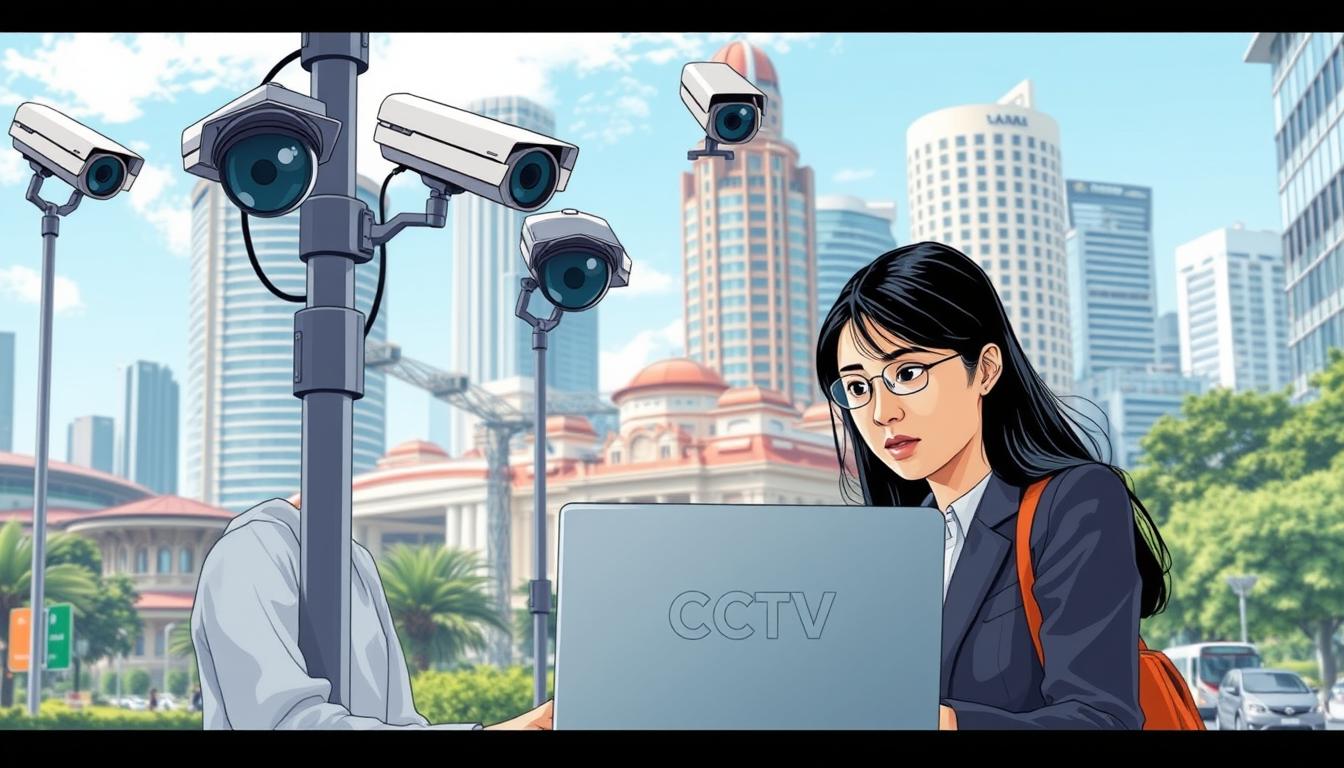
How to Understand What are the rules for CCTV in Singapore
The rise of CCTV cameras across Singapore’s neighborhoods and businesses brings both security and privacy concerns. With these digital eyes, residents often find themselves asking about the regulations surrounding their use. This guide aims to clarify the essential guidelines regarding CCTV usage in the country.
In May 2023, a significant change occurred. HDB flat owners no longer need approval to install corridor-facing cameras. However, it is crucial that these devices do not intrude on the privacy of neighboring flats. While there is no singular law governing CCTV, various bodies like the Housing & Development Board (HDB) and the Personal Data Protection Commission (PDPC) have established a framework to ensure responsible usage.
This article will navigate through the specifics of these guidelines, addressing property types, privacy considerations, and compliance with the Video Surveillance System (VSS) Standard from the Singapore Police Force. By the end, readers will be well-equipped to manage their CCTV systems effectively, balancing security needs with community responsibilities.
Key Takeaways
- CCTV cameras enhance security but raise privacy issues.
- Recent policy changes simplify installation for HDB residents.
- Guidelines from various authorities govern CCTV use.
- Understanding compliance is essential for homeowners and businesses.
- Responsible usage fosters community trust and safety.
Understanding CCTV Regulation in Singapore
Understanding the complexities of CCTV regulations in Singapore is crucial for both residents and business owners. The framework governing video surveillance is not straightforward. Instead of a single piece of legislation, Singapore has a collection of regulations, advisories, and standards that guide the use of CCTV.
Three primary regulatory bodies shape these guidelines:
- Housing & Development Board (HDB): This body oversees regulations for public housing.
- Personal Data Protection Commission (PDPC): Focuses on data privacy, offering advisories that interpret how the Personal Data Protection Act applies to CCTV footage.
- Singapore Police Force (SPF): Sets technical and operational standards, including the Video Surveillance System (VSS) Standard for Buildings.
The PDPC’s advisory provides essential insights into consent, notification, and access obligations for individuals and organizations using CCTV. This advisory helps clarify how to handle footage as personal data, ensuring compliance with data protection laws.
In March 2022, the SPF published the VSS Standard for Buildings Version 2.0. This document outlines specifications for camera resolution, lighting, storage, and cybersecurity. It aims to ensure that video surveillance systems are fit for their intended purpose.
When planning a VSS installation, there are four key stages to consider:
- Defining the security problem.
- Determining operational requirements.
- Detailing technical specifications.
- Verifying system performance through commissioning.
It’s important to note that the regulations vary depending on the context. For example, rules for an HDB corridor camera differ significantly from those governing a commercial building’s comprehensive surveillance system covering common areas.
Building owners and security managers must stay informed about updates to these regulations. The landscape is continually evolving, as seen with the recent 2023 HDB policy change and the 2022 VSS Standard update. Ignorance of these guidelines is not a valid defense; both individuals and organizations can face complaints and penalties for non-compliance.
This section serves as a foundational overview, preparing readers to explore property-specific rules, technical standards, and best practices in the upcoming sections.
Types of Properties and CCTV Permissions
CCTV permissions in Singapore vary widely based on property type. Understanding these distinctions is crucial for homeowners and business owners alike. Each category—HDB flats, landed homes, and business premises—has specific guidelines governing the installation and use of cameras.
HDB Flats and Corridor Camera Guidelines
Residents of HDB flats have the right to install CCTV cameras inside their homes without seeking approval. However, corridor installations require more careful consideration. As of May 2023, HDB flat owners no longer need approval to install corridor-facing CCTV cameras, provided they do not face neighboring doors or windows.
If safety concerns arise, such as harassment, residents can install a camera at their main door. This requires a Police report and Town Council approval, allowing the installation for six months before removal is necessary.
Landed Homes and Privacy Boundaries
Owners of landed homes enjoy greater freedom regarding CCTV installations. There are no laws preventing them from placing cameras anywhere within their property, including along the perimeter and entry points. However, it is essential to respect the privacy rights of neighboring property owners.
Positioning cameras that directly record activities inside adjacent homes can lead to civil disputes or complaints under privacy laws. Therefore, it is crucial to maintain clear boundaries to avoid infringing on others’ privacy.
Business Premises and CCTV Usage
For business premises, installing CCTV cameras to monitor employees does not require a permit. However, business owners must inform their staff about the cameras and their intended purpose. Failure to do so could result in legal violations.
If a business camera faces outside the premises, toward another person’s property or a public area, permission from the relevant authorities is required. This ensures compliance with privacy rights and helps avoid potential disputes.
Understanding the concept of “cameras within” is vital across all property types. Whether inside an HDB flat, within a landed compound, or inside a business, the location of the camera relative to property boundaries determines applicable rules.
In conclusion, grasping these property-specific distinctions is the first practical step toward lawful CCTV installation. The next section will delve deeper into obtaining permits and navigating restrictions.
Installing CCTV Cameras: Permissions and Restrictions
Navigating the landscape of CCTV installations requires understanding specific permissions and restrictions. While many CCTV setups in Singapore do not need formal permits, certain scenarios trigger mandatory approval processes. Owners must be aware of these to avoid legal repercussions.
When Permits are Required
Any CCTV camera installed outside a premises that faces another person’s property or a public area necessitates securing permission from the relevant authorities. This is crucial as it implicates privacy rights beyond the owner’s control.
In contrast, installations inside business premises for employee monitoring do not require a permit. However, the law mandates that employers inform employees about the cameras and obtain their consent through clear notification. This establishes a consent-based framework rather than a permit-based one.
Obtaining Approvals from Authorities
For HDB residents facing verified safety threats, such as harassment, the process begins with filing a Police report. This report must document the threat and be submitted alongside an application to the Town Council for approval to install a camera outside their flat.
Temporary installations, like corridor cameras approved for safety reasons, are strictly limited to six months. After this period, the owner must remove the camera to ensure that the intrusion on common space is temporary and proportional to the threat.
Temporary Installations and Conditions
Even approved installations come with restrictions. Cameras must not be mounted where they could become physical hazards, such as on building facades or in recesses that obstruct public passage. Additionally, cameras should be secured at a minimum height of 2 meters from floor level, housed in vandal-resistant enclosures, and positioned to avoid tampering or obstruction.
It is also important to note that cameras may be subject to additional conditions imposed by authorities on a case-by-case basis. These may include specific angles, masking requirements, or limitations on recording times, balancing security needs with privacy protections.
For commercial and strata properties, obtaining approvals may involve engaging with multiple stakeholders, including building management, the Town Council, and, in some cases, the PDPC, especially when common areas are involved.
In conclusion, the framework for permissions and restrictions ensures that the benefits of CCTV do not come at the cost of community privacy. The next section will delve into specific privacy considerations and prohibited locations.
Privacy Considerations and Areas Prohibited for Cameras
Privacy is a fundamental concern when it comes to the use of CCTV cameras, as regulations in Singapore set clear boundaries for where these devices can be placed. Understanding these boundaries is essential for both homeowners and business owners to avoid legal issues.
Neighboring Property Privacy Rights
Even if you are legally entitled to install CCTV on your property, it is vital to ensure that your cameras do not capture the private activities of neighbors within their homes. This constitutes an invasion of privacy and can lead to formal complaints and legal action.
Affected neighbors have the right to lodge complaints with the HDB, Town Council, or PDPC if they believe a CCTV camera is compromising their privacy. Such complaints are taken seriously and can result in orders to reposition or remove the offending cameras.
Prohibited Camera Locations
CCTV cameras must never be installed pointing at government property, in toilet areas, in changing rooms, or in any space where individuals have a reasonable expectation of privacy. This includes helper rooms and bathrooms within private homes.
Specifically, placing a camera in a helper’s room or toilet is not only intrusive but could also be considered a criminal offense if done with the intention to insult her modesty, as highlighted by various reports.
Audio Recording Restrictions
Capturing audio or voice recordings through CCTV is illegal in Singapore if activated without the explicit permission of all parties being recorded. Data privacy laws strictly prohibit recording conversations without consent.
Even within your own home, the audio recording function on CCTV cameras must be used with extreme caution. Guests, visitors, and even family members who are unaware of audio surveillance may have grounds for complaint if their conversations are captured without consent.
The expectation of privacy intensifies as one moves from public areas like living rooms to private areas like bedrooms and bathrooms, making the latter absolutely off-limits for surveillance.
Moreover, the prohibition on pointing cameras at government property extends to military installations, police facilities, and other sensitive sites. Unauthorized surveillance in these areas can trigger serious legal consequences beyond privacy violations.
Respecting these privacy boundaries is not optional—it is a legal and ethical obligation. This protects both the CCTV owner from liability and the community from unwarranted intrusion.
CCTV Use in Business Premises and Employee Monitoring
While businesses can legally install CCTV cameras, they must adhere to strict regulations to protect employee rights. This section outlines the key obligations organizations face when implementing video surveillance in the workplace.
Notification and Consent Requirements
Many believe that businesses have unrestricted rights to monitor their premises. However, this is a misconception. Installing CCTV within a business requires compliance with the Personal Data Protection Act (PDPA).
Employers must inform all employees about the presence of CCTV cameras. They should clearly state the specific purposes for collecting footage and how the data will be used or disclosed. Failing to provide this information is a direct violation of the law.
Consent can be obtained through clear signage placed at office entrances and throughout monitored areas. This signage must communicate the use and purpose of video surveillance in straightforward language that is easily understood by all staff and visitors.
Notification is not a one-time event. Organizations must ensure that new employees are informed during onboarding. Additionally, any changes to the surveillance scope, such as adding new cameras or extending recording hours, should be communicated proactively.
Role of the Data Protection Officer (DPO)
Any organization collecting CCTV footage must appoint a Data Protection Officer (DPO). This role is essential for overseeing data protection policies and conducting risk assessments.
The DPO serves as the point of contact for employee queries and inquiries from the Personal Data Protection Commission (PDPC). They are responsible for implementing reasonable security safeguards to protect CCTV footage from unauthorized access, alteration, or disclosure.
These safeguards include technical measures like encryption and access controls, as well as administrative measures such as staff training and access logs.
Business CCTV can be used for various purposes, including security, theft prevention, and workplace safety monitoring. However, organizations must avoid using footage for purposes beyond those originally notified, such as performance evaluation without obtaining additional consent.
Areas within business premises where employees have a heightened expectation of privacy, such as lactation rooms, prayer rooms, and rest areas, should generally be excluded from CCTV coverage. This helps maintain trust and comply with privacy principles.
Organizations must also manage access to CCTV footage carefully. Only authorized personnel should be able to view or retrieve recordings, and any access must be logged and justified for security or investigative purposes.
In conclusion, compliance with business CCTV rules is crucial. It not only helps avoid penalties but also builds employee trust, demonstrates corporate responsibility, and ensures that the organization’s security infrastructure aligns with Singapore’s data protection standards.
Personal Data Protection Act (PDPA) and CCTV Footage
In Singapore, the Personal Data Protection Act (PDPA) classifies CCTV footage that identifies individuals as personal data. This classification carries significant implications for operators and users of video surveillance systems.
Any recording that captures a recognizable individual—whether through facial features, clothing, or gait—triggers data protection responsibilities. Even footage from common areas can fall under PDPA regulation if individuals can be identified.
This means that CCTV operators must treat their systems not just as security tools but as personal data processing systems. They are required to implement governance, documentation, and accountability measures.
Retention Periods and Data Handling
The PDPA does not specify a fixed retention duration for CCTV footage. However, industry best practices and guidelines from the PDPC recommend retaining footage for at least three weeks. A period of 21 to 30 days is generally seen as reasonable.
This retention window allows organizations enough time to discover incidents, review footage, and initiate investigations. It also helps prevent the indefinite accumulation of personal data, which could heighten privacy risks.
Exceptions exist for longer retention. Footage may be kept beyond the standard period if needed for ongoing investigations, legal proceedings, or insurance claims. Organizations must document their justification for extended retention and ensure it aligns with the intended purpose.
Data handling obligations include securely storing footage with access controls and encryption where feasible. Audit trails should log who accessed which recordings and for what purpose.
Once the retention period expires, organizations must have policies for the secure disposal of CCTV footage. This can involve secure deletion or physical destruction of storage media to prevent unauthorized recovery.
It’s important to note that law enforcement agencies may request footage for criminal investigations. Such disclosures are generally permitted under the PDPA’s exceptions for legal obligations and public interest.
Understanding the PDPA’s application to CCTV footage is essential for compliance and good data stewardship. The next section will cover the practical requirements for signage and public notification that operationalize these principles.
Requirements for Signage and Public Notification
Signage requirements play a pivotal role in ensuring transparency in CCTV usage. Under the Personal Data Protection Act (PDPA), any organization or individual operating CCTV cameras in areas accessible to the public or employees must provide clear and visible notification of the surveillance.
To comply with regulations, here are some key guidelines:
Clear Signage Placement Guidelines
- Signs must be positioned at all entry points to monitored areas. This ensures individuals are informed before they enter the surveillance zone.
- Notices should clearly state that CCTV cameras are in operation and identify the organization responsible for the surveillance.
- The purpose of the recording must be disclosed in concise and easily understandable language.
- Signs should be of sufficient size, placed at eye level where possible, and use contrasting colors for readability.
- Durable materials are recommended to withstand environmental conditions, especially for outdoor settings.
Disclosure of Audio Recording
If the CCTV system captures audio in addition to video, the signage must explicitly state this fact. Audio recording without consent is illegal, and this notification serves as a form of obtaining implied consent from those who choose to enter.
The Singapore Police Force’s VSS Standard for Buildings emphasizes the importance of signage as part of a comprehensive security management approach. Signs should be integrated into the overall security design of the building.
For business premises, a clear and prominent notification at the office entrance is the minimum requirement. Best practices extend to placing additional signs in specific monitored zones, such as storage rooms, server rooms, and parking areas.
The PDPC advisory provides detailed guidance on notification, including sample wording and placement recommendations that organizations can adapt to their specific contexts.
In common areas of residential buildings, such as condominiums and HDB blocks, management corporations must ensure that signage is placed in lobbies, lift landings, and other shared spaces. This notifies residents and visitors of surveillance.
Proper signage not only fulfills legal obligations but also serves as a deterrent to potential wrongdoers. It builds trust with the community by demonstrating transparency about how and why surveillance is conducted.
Accessing and Managing CCTV Footage Requests
Individuals have the right to request access to CCTV footage containing their personal data under the PDPA. However, this right is not absolute and is subject to specific conditions and limitations designed to balance privacy, security, and practicality.
Rights to Request Footage
Any individual who appears in CCTV footage can submit a request to the organization that operates the cameras. They can ask to view or obtain a copy of the recording. Generally, the organization is obligated to respond and provide access within a reasonable timeframe.
Before releasing footage, organizations must mask or redact the personal data of other individuals appearing in the same recording. This ensures that one person’s access right does not override another’s privacy protection.
Limitations on Fulfilling Requests
Organizations are not required to comply with requests that are frivolous—lacking any serious purpose—or vexatious—made with the intent to cause annoyance or harassment. They also do not have to fulfill requests that would impose an unreasonable burden or expense on the organization.
Examples of frivolous or vexatious requests include repeated demands for the same footage without new justification or requests made to disrupt operations. Additionally, demands for footage that clearly does not contain the requester’s personal data may be denied.
The concept of unreasonable burden applies when the footage is stored on obsolete systems or when retrieval requires disproportionate technical effort. Organizations must document their reasons for denying a request and be prepared to justify their decision to the PDPC if a complaint is filed.
Having a designated process for receiving, logging, and responding to footage requests is crucial. Ideally, this process should be managed by the Data Protection Officer to ensure consistency and compliance with PDPA timelines.
In conclusion, while access rights are an important aspect of data protection, they must be exercised responsibly. Organizations that establish clear, fair procedures for handling requests will be better positioned to meet their obligations without undue strain on resources.

Technical Standards for CCTV Cameras in Singapore
The Singapore Police Force’s Video Surveillance System (VSS) Standard Version 2.0 provides crucial guidelines for effective CCTV installations. This standard serves as a benchmark for building owners, ensuring that their systems are reliable and efficient.
Recommended Camera Specifications
All cameras should have a minimum resolution of HD 1080p (1920×1080 pixels). They must also feature true wide dynamic range (WDR) capabilities. This allows them to capture clear, colored images even in challenging lighting conditions, such as harsh backlight or near darkness.
Network IP-based systems should comply with Open Network Video Interface Forum (ONVIF) standards. This compliance ensures interoperability between different manufacturers’ cameras and recording platforms, preventing vendor lock-in and facilitating future upgrades.
Lighting and Image Quality Considerations
Sufficient lighting is essential for effective video surveillance. Strategically placed security lighting not only improves visibility but also deters criminal activity. This directly enhances the quality of CCTV footage.
According to the VSS Standard, there are three key design considerations for security lighting:
- Glare Reduction: This prevents vision impairment for both the cameras and individuals in the area.
- Light Source Selection: Choosing the right light source ensures optimal color rendition.
- Tamper Prevention: Security lights should be mounted at height or protected with vandal-resistant casings.
Camera Tamper Protection and Positioning
Cameras must be installed at a minimum height of 2 meters from floor level. This height helps prevent easy interference. Additionally, they should be housed in vandal-resistant and tamper-proof enclosures with non-reflective, shatter-resistant glass viewing ports.
Outdoor cameras must meet at least the IP65 ingress protection rating. This ensures they are dust-tight and resistant to water jets, making them suitable for Singapore’s tropical climate, which features heavy rainfall and high humidity.
Specialized camera types, such as Pan-Tilt-Zoom (PTZ) cameras, should have programmable preset locations and an auto-reset function. This function returns them to default positions after a set duration. Infrared (IR) sensitive cameras with built-in illuminators can capture usable images in poorly lit areas without adding visible light.
Video analytics play a vital role in detecting unauthorized intrusion and suspicious activities. This is especially important when a single operator must monitor many cameras. Common rule-based violations, like virtual tripwire crossing or loitering in prohibited areas, can trigger automated alerts.
Adhering to these technical standards not only ensures the operational effectiveness of the CCTV system but also demonstrates due diligence in the event of incidents. Footage that meets SPF specifications is more likely to be admissible and useful for investigations.
Best Practices for CCTV Installation and Maintenance
To maximize the effectiveness of CCTV systems, strategic installation and diligent maintenance are vital. Even the most advanced hardware will underperform if not placed correctly and cared for regularly. Following best practices in placement and upkeep is essential for maximizing the return on security investment.
Strategic Camera Placement
Strategic camera placement is crucial. The Singapore Police Force’s (SPF) coverage requirements suggest that cameras should be positioned to cover all common areas. This includes main entrance lobbies, corridors, taxi stands, pavements, and streets within the development’s boundary. Ensuring no critical blind spots is essential for effective monitoring.
Entrances and exits are primary points of ingress and egress. Here, identification of individuals is most crucial. Cameras should capture clear facial images for investigative purposes. Coverage for lifts and staircases is also important. These vertical circulation spaces can be security vulnerabilities, requiring dedicated cameras to monitor both waiting passengers and those exiting the lift.
Service counters where transactions occur should have cameras that capture both the staff and customer sides. Sensitive rooms, such as server rooms and cash handling areas, must have continuous monitoring to ensure security. This comprehensive approach helps owners detect anomalies early and respond effectively.
Maintenance and System Commissioning
Maintenance and system commissioning are critical phases that many owners overlook. After installation, the system must be tested to verify that it meets the defined operational requirements. This includes checking image quality, recording functionality, and alert systems against specifications.
A recommended maintenance schedule should include periodic inspections of camera lenses for dirt and obstructions. Testing recording and playback functions is essential, along with verifying time stamps and camera IDs. Additionally, assess lighting conditions to ensure they remain adequate as environments change.
Performance evaluations should be undertaken periodically or whenever there is a significant change to the viewing task or control room setup. This ensures that operators can effectively monitor the number of cameras assigned to them.
Integrating CCTV with other security systems, such as access control and intrusion detection alarms, is also recommended. The VSS Standard advocates for a holistic approach where surveillance works in conjunction with other measures, rather than serving as the sole protective layer.
In conclusion, best practices in installation and maintenance are not one-time efforts. They are ongoing commitments that protect the owner’s investment, ensure regulatory compliance, and maintain the system’s readiness to capture critical footage when it matters most.
Handling Data Breaches and Compliance Obligations
CCTV systems, like all forms of data processing, face the reality of potential breaches. Singapore’s regulatory framework imposes strict obligations on organizations to prevent, detect, and respond to incidents involving personal data.
Data Breach Notification Procedures
Under the Personal Data Protection Act (PDPA), organizations must notify the Personal Data Protection Commission (PDPC) within 3 calendar days of discovering a significant data breach. This includes unauthorized access to or disclosure of CCTV footage.
A significant breach in the context of CCTV can involve:
- Hacking of network-connected cameras.
- Theft of recording equipment.
- Unauthorized access by employees.
- Accidental exposure of footage through misconfigured cloud storage.
If the breach is likely to result in significant harm, organizations must also notify affected individuals. This is particularly crucial when sensitive footage, such as that from changing areas or medical facilities, is compromised.
Having an incident response plan tailored to CCTV data breaches is essential. This plan should include:
- Isolating affected systems.
- Preserving evidence.
- Assessing the scope of the breach.
- Documenting all response actions for PDPC review.
Ensuring Continuous Regulatory Compliance
The regulatory landscape is not static. Organizations must stay updated with the latest PDPC advisories, HDB circulars, and SPF standards, as rules can change. The recent 2023 HDB policy update is a prime example of this.
The role of the Data Protection Officer (DPO) is crucial in maintaining ongoing compliance. Responsibilities include:
- Conducting regular audits of CCTV systems.
- Reviewing access logs.
- Updating policies to reflect regulatory changes.
- Training staff on data protection obligations.
Additionally, the SPF’s VSS Standard (ANNEX B) includes cybersecurity guidelines. Recommended practices involve:
- Regular firmware updates.
- Strong authentication for system access.
- Network segmentation.
- Encryption of data in transit and at rest.
Compliance is not just about avoiding penalties; it builds organizational resilience and protects reputation. A well-maintained CCTV system can be a trusted security asset rather than a liability.
In conclusion, data breach preparedness and continuous compliance are two sides of the same coin. Organizations that invest in both will be well-positioned to navigate the evolving regulatory environment confidently.
Navigating CCTV Rules Confidently in Singapore
A comprehensive grasp of CCTV guidelines ensures that both property owners and residents can coexist harmoniously in Singapore. Understanding the interplay between regulations, privacy laws, and technical standards is essential for all involved.
The undeniable security benefits of CCTV cameras must be weighed against the privacy rights of neighbors and the public. Singapore’s framework aims to protect both sides effectively.
Consulting authoritative sources, such as the PDPC advisory guidelines and the SPF’s VSS Standard, is vital before installation. These documents provide detailed guidance tailored to specific situations.
Homeowners in HDB flats should embrace the relaxed 2023 rules for corridor-facing cameras while ensuring they do not infringe on neighbors’ privacy. Landed property owners should also be mindful of sight lines to avoid complaints.
Business owners must prioritize PDPA compliance from the outset, appointing a Data Protection Officer and managing footage securely. Investing in quality cameras that meet technical standards will yield useful footage when needed.
Staying updated with regulatory changes is an ongoing obligation. By following the structured approach outlined in this guide, anyone can confidently navigate the landscape of CCTV usage in Singapore.
Responsible CCTV usage contributes to Singapore’s public safety ecosystem, helping deter crime while upholding community trust and privacy.
FAQ
What permissions are needed for installing CCTV cameras in HDB flats?
Owners must ensure that the installation does not infringe on neighbors’ privacy and may need to obtain consent from the management committee.
Are there restrictions on where I can place CCTV cameras in my home?
Yes, cameras should not capture areas outside your property, such as neighboring flats or common corridors, to respect privacy rights.
Do businesses need to notify employees about CCTV usage?
Yes, businesses must inform employees about surveillance and obtain their consent, adhering to data protection guidelines.
How long can CCTV footage be retained?
According to the Personal Data Protection Act, footage should be retained only as long as necessary for its intended purpose, typically no longer than 30 days.
What signage is required for CCTV installations?
Clear signage must be placed in visible areas to inform individuals about the presence of surveillance cameras.
Can I access CCTV footage from a public area?
Yes, individuals have the right to request footage, but there may be limitations based on privacy and security concerns.
What are the technical standards for CCTV cameras in Singapore?
Recommended specifications include high-resolution imaging, adequate lighting capabilities, and tamper-resistant features to ensure effective surveillance.
What should I do if there is a data breach involving CCTV footage?
Organizations must follow data breach notification procedures and ensure compliance with regulatory obligations to protect personal data.
How can I ensure my CCTV system is compliant with regulations?
Regular audits and consultations with a Data Protection Officer can help maintain compliance with data protection laws and best practices.


