
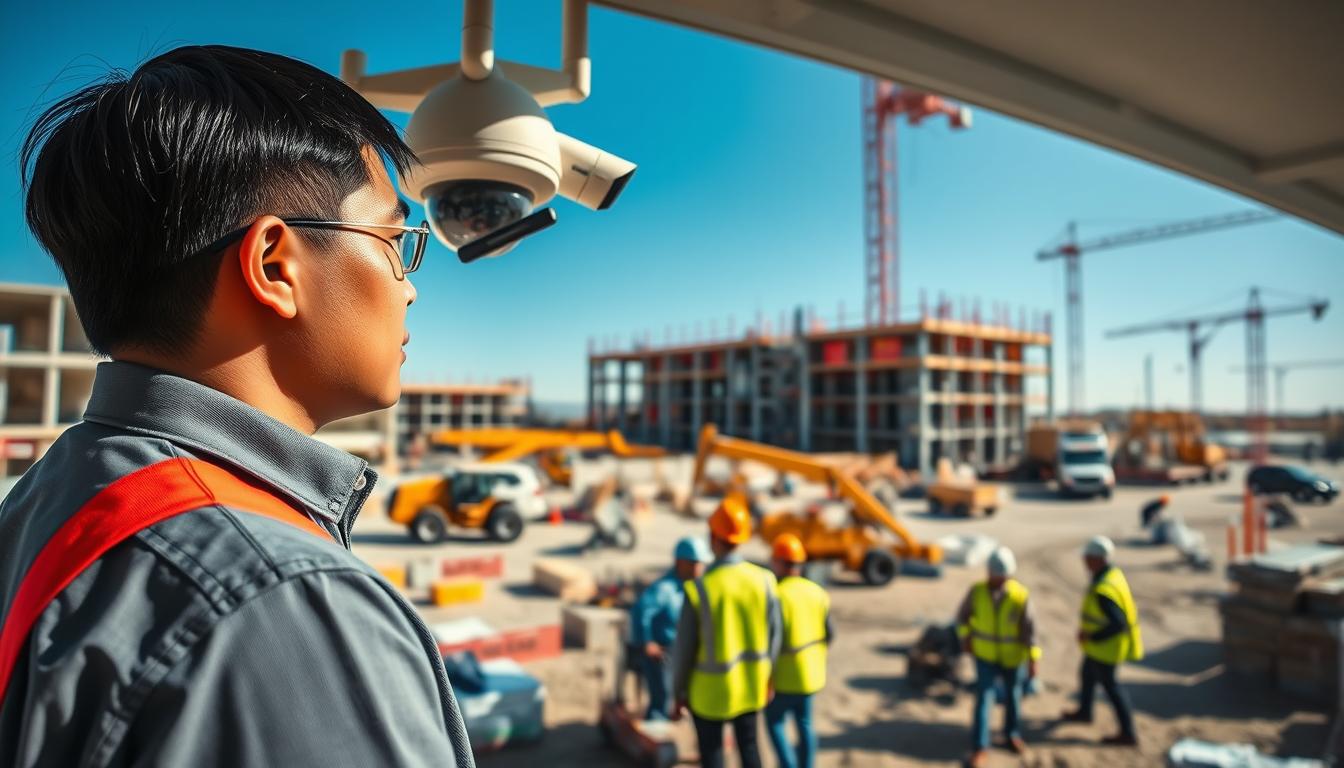
Construction Site Security Surveillance: A Comprehensive Buyer’s Guide
Managing a project in Singapore’s busy urban landscape presents unique challenges. Protecting valuable equipment and materials is more critical than ever. This comprehensive resource provides essential insights for project leaders.
The stakes are incredibly high. Industry reports show theft incidents have risen by 25%. Annual losses across the sector now exceed $1 billion. These aren’t just numbers—they represent real project delays and budget overruns.
Outdated, reactive methods are no longer sufficient. Today’s dynamic projects demand proactive, intelligent protection. Modern wireless and mobile monitoring systems offer a powerful solution.
Effective monitoring serves a dual purpose. It deters theft and vandalism while enabling remote project oversight. Managers can track progress, ensure safety compliance, and even create time-lapse records.
This buyer’s guide is structured to walk you through every step. You’ll learn to assess your needs, evaluate features, compare top solutions, and implement a robust system. Our goal is to help you safeguard assets from groundbreaking to final completion.
Key Takeaways
- Project sites face significant risks from theft, vandalism, and unauthorized access.
- Industry-wide losses have reached $1 billion annually with a 25% increase in incidents.
- Modern technology offers proactive protection compared to traditional reactive methods.
- Monitoring systems provide dual benefits for both asset security and project management.
- Singapore’s dense urban setting and tropical climate require specialized solutions.
- This guide provides a clear, actionable path from assessment to implementation.
- Investing in the right system protects your investment throughout the entire project lifecycle.
Why Construction Sites in Singapore Demand Enhanced Security
The combination of high-value assets and open layouts makes Singapore’s development areas particularly vulnerable. Our dense urban environment creates unique challenges for project managers. These zones often border public spaces with constant foot traffic.
Valuable equipment and materials sit exposed in these open locations. Copper wiring, tools, and machinery attract criminal attention. The constant movement of personnel and resources adds complexity.
Recent data reveals alarming trends across the industry. Theft incidents have jumped by 25% in Singapore’s development zones. Each project location suffers approximately $500,000 in annual losses.
Stolen resources and machinery create massive financial headaches. Industry-wide losses now exceed $1 billion each year. An alarming 92% of development areas experience regular theft incidents.
These crimes directly impact project timelines and budgets. Delays cascade through every phase of development. Budget overruns become inevitable when replacing stolen assets.
Insurance premiums also rise after repeated claims. This makes protection a core operational concern, not just an expense. Smart safeguarding protects your bottom line from multiple angles.
Visible monitoring equipment provides powerful psychological deterrence. Research shows over 40% of potential thieves abandon attempts when they spot cameras. This simple visual presence dramatically reduces risk.
Traditional methods struggle with today’s dynamic work environments. Guards cannot watch every corner of a large development zone. Static systems fail to adapt as projects evolve.
Singapore’s regulatory environment adds another layer of importance. Maintaining safety standards requires proper oversight. Liability protection depends on documented compliance.
Robust monitoring ensures project continuity from start to finish. It protects stakeholder investments throughout the entire lifecycle. Company reputation also depends on successful, secure project delivery.
This isn’t just about preventing theft and vandalism. It’s about ensuring smooth operations and protecting your investment. Modern systems address all these challenges simultaneously.
The Superior Choice: Wireless & Mobile Surveillance for Dynamic Job Sites
Dynamic project landscapes demand equally adaptable protection methods that can evolve alongside the work. Traditional wired CCTV installations present significant limitations for temporary work environments.
These fixed systems require extensive cabling and permanent mounting. Relocating them involves costly labor and disruptive rewiring. This inflexibility makes them poorly suited for zones that change weekly.
Modern wireless and mobile surveillance units (MSUs) offer a fundamentally different approach. They eliminate complex wiring requirements entirely.
Installation becomes significantly faster and less disruptive. Your monitoring can be deployed immediately without waiting for permanent infrastructure. This speed is crucial during early project phases.
Flexibility stands as the core advantage of these systems. As your development zone evolves, cameras can be repositioned in minutes.
This ensures continuous coverage throughout all work phases. From initial groundwork to final finishing, your protection adapts seamlessly.
The financial benefits are equally compelling. Wireless options reduce labor and material costs compared to wired alternatives.
- No expenses for cabling or trenching
- Minimal installation time translates to lower labor costs
- Elimination of infrastructure damage during relocation
- Reduced long-term maintenance requirements
These savings make wireless systems a smarter financial decision from day one. The return on investment begins immediately.
Off-grid capability represents another critical advantage. Solar options and rechargeable batteries provide complete power independence.
This enables robust monitoring in remote or early-stage areas without utility connections. Long-life batteries ensure continuous operation through Singapore’s tropical conditions.
The ability to deploy protection anywhere, regardless of power availability, transforms how we secure temporary work zones.
Some managers express concerns about reliability and network protection. Modern systems address these with advanced encryption protocols.
Robust 4G LTE cellular connectivity ensures stable transmission even in challenging locations. Dual-band options provide additional redundancy for critical monitoring.
These technological advancements make wireless solutions exceptionally dependable. They maintain consistent performance across Singapore’s dense urban landscape.
Wireless and mobile surveillance has become the modern standard for dynamic work areas. It offers the adaptability needed for today’s fast-paced projects.
This approach provides future-proof protection that evolves with your work. It represents the intelligent choice for safeguarding assets from groundbreaking to completion.
Essential Features for Your Construction Site Security Surveillance System
The effectiveness of your asset protection depends on choosing systems with specific capabilities tailored to local conditions. Singapore’s tropical climate and dynamic work environments demand equipment that performs reliably under pressure.
Focusing on these core features ensures your investment delivers continuous oversight. Each component plays a vital role in the overall solution.
Extreme Durability and Weatherproofing (IP66+ Rating)
Singapore’s weather presents constant challenges for outdoor equipment. Heavy rain, high humidity, and dust require robust protection.
An IP66 rating or higher is non-negotiable. This certification guarantees complete protection against dust ingress and powerful water jets.
Equipment must withstand monsoon rains and persistent humidity. Metal housings and tempered glass lenses offer additional impact resistance.
This durability ensures continuous operation through all project phases. Your investment remains protected from environmental damage.
High-Resolution Video with Advanced Night Vision
Clear visual evidence is crucial for identifying incidents and individuals. High-resolution 4K or 1080p video captures essential details.
Wide dynamic range (WDR) technology handles Singapore’s bright sunlight and deep shadows. This balances exposure in challenging lighting conditions.
Advanced infrared (IR) night vision extends protection through darkness. Look for ranges exceeding 30 meters for comprehensive coverage.
Some systems feature color night vision using supplemental lighting. This provides more identifiable details than traditional black-and-white footage.
Smart Motion Detection and Real-Time Alerts
Basic motion sensors generate excessive false alarms from passing vehicles or wildlife. Intelligent detection filters out irrelevant movement.
Advanced systems distinguish between people, vehicles, and animals. This precision reduces notification fatigue for project managers.
Customizable detection zones focus on high-value areas like storage compounds. You receive alerts only for meaningful activity.
When integrated with cloud storage, these smart alerts create an actionable intelligence system rather than just a recording device.
Real-time notifications deliver instant awareness of potential incidents. Push notifications to mobile devices enable immediate response.
Flexible Power: Solar and Long-Life Battery Options
Many project zones lack established power infrastructure during early phases. Traditional wired power solutions create installation delays.
Solar-powered units with efficient panels provide complete energy independence. They harness Singapore’s abundant sunlight for continuous operation.
High-capacity lithium batteries offer weeks of operation between charges. Some systems feature power-saving modes that extend battery life further.
Hybrid systems combine solar charging with battery backup. This ensures uninterrupted monitoring through extended cloudy periods.
This flexibility allows deployment anywhere on your location. Power availability no longer limits your protection coverage.
Reliable Connectivity: 4G LTE and Dual-Band Wi-Fi
Stable data transmission forms the backbone of any modern monitoring system. Without reliable connectivity, live feeds and alerts cannot reach their destination.
4G LTE cellular connectivity serves as the gold standard for areas without existing infrastructure. It ensures live video and instant notifications from virtually any location.
Practical implementation requires careful planning. Choose a local Singapore telco SIM card with strong signal coverage at your specific location.
Test signal strength during initial surveys before finalizing equipment placement. Consider data plan costs against your expected transmission needs.
Dual-band Wi-Fi (2.4GHz and 5GHz) offers a cost-effective alternative when stable office networks exist nearby. The 5GHz band provides faster, less congested connections for high-quality video streaming.
Advanced systems feature multi-network cellular failover for maximum reliability. If one network experiences issues, the system automatically switches to another provider.
Some solutions create local wireless mesh networks to extend coverage across large areas. This eliminates dead zones and ensures complete access to all camera feeds.
Your internet connection choice directly impacts system performance and operational costs. Evaluate both cellular and Wi-Fi options based on your specific location requirements.
Reliable connectivity enables true remote oversight. Project managers maintain constant access to their operations regardless of physical location.
Without a stable internet connection, even the most advanced equipment cannot deliver its core value. This makes connectivity planning equally important as camera selection.
Top-Tier Security Camera Solutions for Singapore Job Sites
The market offers three distinct approaches to safeguarding assets in temporary work environments. Each category serves different needs and budgets for project leaders.
Understanding these options helps you make an informed decision. The right choice depends on your specific requirements and work phase.
Established Industry Leaders: Hikvision and Dahua
These brands dominate the traditional wired camera market. They offer reliable, high-resolution systems with extensive feature sets.
Their equipment is known for durability and advanced analytics capabilities. Many large-scale developments use these solutions for permanent installations.
However, their wired nature presents challenges for dynamic locations. Installation requires significant labor and infrastructure planning.
Relocating cameras as work progresses involves costly rewiring. This makes them less ideal for rapidly changing environments.
Innovative Wireless Challengers: Reolink and Arlo
These companies brought wireless technology to consumer and prosumer markets. Their battery-powered cameras offer remarkable installation flexibility.
Setup is straightforward with minimal technical expertise required. Managers can position units anywhere within Wi-Fi range.
These systems work well for small to medium-sized areas. They provide cost-effective visual documentation of daily activities.
Limitations emerge in harsh outdoor environments. Battery life may struggle with continuous recording demands.
Network reliability depends on existing Wi-Fi infrastructure. This can be problematic in early project phases without established connections.
All-in-One Mobile Surveillance Units (MSUs): LVT
Mobile Surveillance Units represent the most advanced approach for temporary zones. These are turnkey, trailer-mounted packages combining every essential component.
LVT’s solution delivers complete independence from local infrastructure. Each unit features dual 400W solar panels with battery backup.
A smart generator ensures uninterrupted power through extended cloudy periods. Multi-network cellular connectivity provides reliable data transmission.
The detection suite combines multiple technologies for accuracy. High-definition and thermal cameras work alongside radar systems.
Artificial intelligence analytics distinguish between people, vehicles, and animals. This virtually eliminates false alarms from irrelevant movement.
Integrated loudspeakers enable remote verbal warnings to intruders. This active deterrence prevents incidents before they escalate.
Operational benefits begin with rapid deployment. Units can be operational within hours of delivery.
No construction or permanent installation is required. The entire system relocates as your work progresses to new areas.
Compared to assembling components separately, MSUs offer guaranteed performance. All elements are engineered to work together seamlessly.
Professional monitoring services are often included in the package. This provides 24/7 oversight without expanding your team.
The financial advantages are substantial. Clients report saving over $10,000 monthly compared to traditional guard services.
Real-world results demonstrate the effectiveness. One project achieved 100% reduction in illegal dumping incidents.
Trespassing decreased by 43% after deployment. These outcomes protect timelines and budgets throughout the project lifecycle.
For managers seeking maximum protection with minimal complexity, MSUs deliver. They represent the future of dynamic zone management.
The Tangible Benefits of a Modern Wireless Security System
The true value of contemporary monitoring technology lies in its multifaceted return on investment. These advanced solutions deliver concrete advantages that extend far beyond basic crime prevention.
Visible cameras create a powerful psychological barrier against criminal activity. Research indicates a 40% reduction in burglary attempts when intruders spot monitoring equipment.
This deterrent effect translates directly into reduced risk. Fewer attempted break-ins mean lower potential losses from stolen materials and equipment.
The financial savings begin immediately with operational expenses. Businesses report cutting security personnel costs by up to 80%.
These personnel reductions represent substantial monthly savings. Insurance providers also recognize the enhanced protection.
Many offer premium reductions for properly monitored locations. Avoiding theft-related losses prevents budget overruns and project delays.
When you calculate guard salaries, insurance discounts, and prevented losses, the system often pays for itself within months.
Project management efficiency improves significantly with remote oversight capabilities. Managers can verify contractor work hours without physical visits.
Material deliveries are monitored and documented remotely. This ensures accountability throughout the supply chain.
Safety protocol compliance becomes verifiable through recorded footage. The entire operation gains transparency for all stakeholders.
Enhanced safety documentation provides crucial liability protection. Cameras capture accidents and unsafe practices as they occur.
This visual evidence supports investigations and insurance claims. It also helps cultivate a stronger safety culture among workers.
Remote access allows stakeholders to review footage from any location. There’s no need for constant trips to the work area.
Managers oversee multiple locations from a single dashboard. This convenience translates into better time management and responsiveness.
Twenty-four-seven oversight ensures nothing goes unnoticed. Alerts notify managers of unusual activity in real time.
The combined benefits create a compelling return on investment. The system protects assets while reducing operational costs.
It keeps timelines on schedule by preventing disruptive incidents. This comprehensive solution justifies its cost through multiple channels.
Modern wireless monitoring represents a strategic investment in project success. It safeguards your financial and operational interests simultaneously.
A Practical Guide to Installation and Positioning
A strategic approach to equipment deployment maximizes protection while minimizing vulnerabilities across your entire operation. Proper placement determines how effectively your system performs its core functions.
Begin with a thorough evaluation of your entire work zone. Walk the perimeter and interior to identify critical coverage areas and potential blind spots. Note where valuable assets will be stored and where people naturally move.
This assessment forms the foundation of your protection plan. It ensures your investment delivers comprehensive oversight from day one.
Pre-Installation Checklist
- Conduct a detailed site survey during different times of day. Note lighting changes and shadow patterns that could affect visibility.
- Map all high-value asset locations including tool storage, material yards, and equipment parking areas.
- Identify natural blind spots created by structures, machinery, or terrain features that block lines of sight.
- Test connectivity and power sources at proposed camera locations before finalizing your equipment plan.
This systematic approach prevents costly repositioning later. It ensures your system works optimally from the moment it’s activated.
Optimal Camera Positioning Strategies
Elevation provides the best vantage point for monitoring equipment. Mount units 10-15 feet high on temporary poles or existing structures.
This height offers wider views while protecting equipment from tampering. It also reduces the risk of accidental damage from ground-level activity.
Angle your cameras to cover primary entry and exit routes. Focus on material storage zones and fuel depots where theft risk is highest.
Avoid pointing lenses directly at the sun’s path to prevent glare and washed-out footage during peak daylight hours.
Use a combination of fixed wide-angle and pan-tilt-zoom (PTZ) units for comprehensive coverage. Fixed cameras monitor constant high-risk areas while PTZ models can scan larger zones.
Eliminating Blind Spots
Overlapping fields of view create a seamless visual network. Position cameras so their viewing areas intersect slightly at the edges.
This overlap ensures continuous monitoring without gaps. It prevents intruders from moving between cameras undetected.
Consider panoramic cameras for wide open spaces. These 360-degree units eliminate multiple blind spots with single installations.
Regularly review footage to identify any remaining visibility gaps. Adjust positioning as your project evolves and new structures appear.
Singapore-Specific Considerations
Frequent rain requires special attention to lens maintenance. Ensure camera housings have proper weep holes to prevent condensation buildup.
Position units under slight eaves when possible. This protects lenses from direct rainfall while maintaining clear views.
Dense tropical foliage can create unexpected shadows and movement. Trim branches near camera locations to reduce false motion alerts.
Urban environments present unique challenges with surrounding buildings. Test sight lines to ensure neighboring structures don’t block critical views.
Installation Methods for Different Systems
Wireless units mount easily on temporary poles using specialized brackets. Ensure poles are securely anchored in concrete footings for stability.
Mobile Surveillance Units (MSUs) require level, stable ground placement. Position them centrally for maximum coverage of the entire work zone.
For any wired components, secure all cabling in protective conduit. This prevents damage from weather, machinery, and routine operations.
Hybrid systems combining wireless and wired elements need careful planning. Route protected cables along existing structures when possible.
The Value of Professional Installation
Expert installation represents a smart investment in long-term reliability. Professionals ensure optimal performance from your equipment.
They configure systems correctly during initial setup. This includes proper network settings, motion detection calibration, and storage optimization.
Technical expertise prevents common mistakes that reduce effectiveness. Proper mounting and weatherproofing extend equipment lifespan significantly.
While adding to upfront costs, professional service pays dividends throughout your project timeline. It guarantees your protection system performs as intended from groundbreaking to completion.
Building a Comprehensive System: Beyond a Single Camera
Moving beyond isolated devices to an integrated ecosystem is what separates basic observation from comprehensive oversight. A single viewpoint cannot capture the complexity of a dynamic work environment.
True protection requires a coordinated network of technologies working in harmony. This layered approach creates multiple barriers against unauthorized access.
Different camera types serve distinct purposes within your overall system. Bullet cameras provide long-range visibility for perimeter monitoring.
Dome units offer 360-degree coverage for interior spaces or storage yards. Pan-tilt-zoom (PTZ) models actively track movement across large areas.
Combining these creates overlapping fields of view. This eliminates blind spots where intruders might go unnoticed.
Creating a Layered Defense Strategy
Your first layer establishes a virtual fence around the entire perimeter. Wide-angle or PTZ cameras monitor entry points and boundary lines.
The second layer focuses on high-risk zones within the operation. Fixed cameras watch material storage, equipment parking, and tool compounds.
Advanced Mobile Surveillance Units take this further by integrating radar with thermal imaging. This creates intelligent detection zones that distinguish between people, vehicles, and animals.
This multi-layered strategy ensures comprehensive coverage. No single point of failure can compromise your entire security posture.
Intelligent Data Storage and Management
Your visual evidence needs robust protection just like your physical assets. A dual-storage approach provides maximum reliability for your project records.
Cloud storage keeps footage secure at off-site data centers. This preserves evidence even if local equipment is damaged or stolen.
Local SD card or network video recorder (NVR) storage acts as immediate backup. It maintains recording during temporary network outages.
This redundancy ensures continuous documentation of all activities. Managers can access historical footage from any location with internet connectivity.
Integration with Operational Systems
Modern solutions connect with other aspects of your project management. This creates a smarter, more responsive operational environment.
- Access control systems can trigger camera recording when gates open after hours
- Motion-activated lighting enhances nighttime visibility when sensors detect movement
- Alarm systems can initiate automatic PTZ camera tracking to follow intruders
- Time-lapse functionality documents progress for stakeholder reporting
These integrations transform passive recording into active management tools. They help prevent incidents rather than just documenting them afterward.
Planning for Growth and Evolution
Your operation will change significantly from groundbreaking to completion. Your protection system must adapt alongside these transformations.
Choose scalable architecture that allows easy addition of cameras and storage capacity. Modular systems let you expand coverage as new areas become active.
Wireless networks simplify this expansion process. Adding units doesn’t require extensive cabling or infrastructure work.
This flexibility protects your initial investment while accommodating future needs. Your system grows with your project rather than becoming obsolete.
Compliance and Communication
Singapore regulations require clear communication about monitoring activities. Proper signage serves both legal and deterrent purposes.
- Post visible notices at all entry points stating that video recording is in operation
- Use standardized signage that meets local regulatory requirements
- Ensure signs remain visible as your operation evolves and structures change
- Maintain documentation of your signage placement for compliance records
These notices inform the public while reinforcing your serious approach to protection. They demonstrate professional management to stakeholders and regulatory bodies.
Building a comprehensive system requires thoughtful planning from the start. It integrates multiple technologies into a unified defense strategy.
This approach delivers far greater value than scattered individual devices. It creates intelligent oversight that adapts to your evolving needs throughout the entire project lifecycle.
Leveraging Remote Monitoring for Anytime, Anywhere Oversight
True operational control in today’s fast-paced environment means having instant visual insight regardless of your physical location. Modern platforms put this power directly in your hands through intuitive mobile applications and web interfaces.
These systems provide immediate access to live video feeds from any internet-connected device. Real-time alert systems notify your team about events as they happen. This creates a responsive oversight model that adapts to your schedule.
Modern remote monitoring platforms offer comprehensive functionality from a single dashboard. You can view live streams, play back recorded footage, manage alert settings, and control pan-tilt-zoom cameras. All these actions happen from your smartphone or computer.
This capability fundamentally transforms how you manage operations. Supervisors conduct virtual walkthroughs without leaving the office. They verify material deliveries and check crew activity through digital eyes.
The reduction in physical visits saves significant time and resources. Managers oversee multiple locations from a single interface. This efficiency gain represents a major operational advantage.
When you can verify a delivery or check progress in minutes instead of hours, you reclaim valuable time for strategic decision-making.
Cloud storage solutions offer flexible access to your visual records. Archived footage remains available from any authorized device. This eliminates the need for physical storage media at the work zone.
Time-lapse recording automatically documents progress over weeks or months. This transforms routine monitoring video into a powerful communication tool. The resulting sequences showcase development milestones effectively.
These visual records serve multiple purposes beyond basic oversight. They become valuable assets for marketing presentations and stakeholder updates. Clients appreciate seeing their investment progress through compelling visual stories.
User access management ensures appropriate visibility for different team members. Project managers might have full control over all cameras and settings. Safety officers could receive alerts specific to compliance issues.
Clients might have view-only access to time-lapse sequences and progress updates. This tiered approach maintains security while providing necessary transparency. It streamlines communication across all stakeholders.
Effective remote monitoring represents the culmination of all previous system features. Stable connectivity enables reliable live streaming. Intelligent alerts filter out irrelevant notifications.
Robust cloud storage preserves important records. When these elements work together, they deliver ultimate convenience and control. Operators maintain constant awareness of their operations.
This approach particularly benefits Singapore’s dynamic work environments. Managers adapt to changing conditions without physical presence. They respond to alerts immediately regardless of their location.
For comprehensive protection solutions tailored to temporary work zones, consider professional construction CCTV services in Singapore. These experts ensure your monitoring system delivers maximum value throughout your project timeline.
The combination of live video, intelligent alerts, and flexible cloud storage creates a powerful management tool. It goes beyond basic observation to provide true operational intelligence. This transforms how you oversee every phase of your project.
Future-Proofing Your Investment: AI and Integrated Technology
The integration of smart analytics transforms passive recording devices into active intelligence systems. This evolution represents the most significant advancement in protection technology. Artificial intelligence delivers precision that manual monitoring cannot match.
Modern AI algorithms excel at distinguishing between different types of movement. They separate people from vehicles and ignore irrelevant motion like animals or foliage. This dramatically reduces false alerts that waste managerial time.
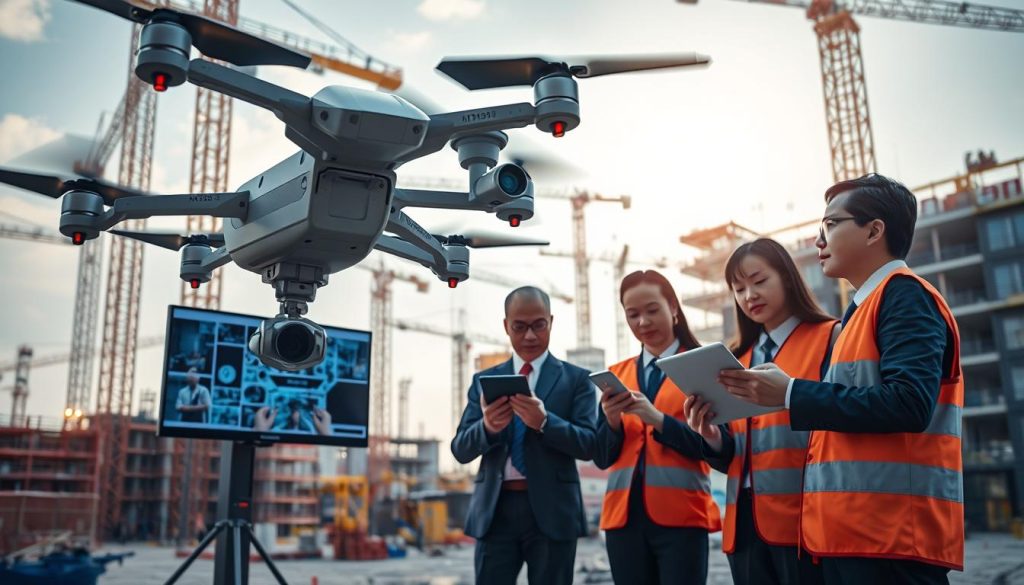
Advanced features like auto-tracking demonstrate this intelligence in action. When a person is detected, PTZ cameras can follow their movement automatically. The system maintains visual contact without human intervention.
Current AI capabilities extend far beyond basic detection. Today’s analytics identify specific behaviors and potential risks.
- Loitering detection flags individuals who remain in sensitive areas for extended periods
- Crowd formation alerts notify managers when unusual gatherings occur
- Unattended object detection spots suspicious items left in prohibited zones
- Directional analysis determines if movement follows expected patterns
These analytics create a smarter oversight environment. They focus attention on genuinely concerning activities. Managers receive alerts only when situations require their review.
The most advanced systems now predict potential safety hazards before incidents occur. They analyze patterns that human observers might miss during routine monitoring.
Near-future advancements will integrate protection with broader operational platforms. AI will automatically log events in project management software. This creates seamless documentation without manual data entry.
Safety compliance tracking will become automated through visual recognition. Systems will verify proper protective equipment usage and safe work practices. They’ll generate reports for regulatory submissions.
Integration capabilities determine how well your technology works with existing tools. Open APIs allow connection with access control systems and management platforms. This creates unified oversight from a single interface.
Choosing systems with strong integration support is crucial. Your protection should become part of a broader “smart zone” ecosystem. It should communicate with other operational technologies seamlessly.
The convergence of protection with IoT sensors creates holistic intelligence. Environmental monitors can trigger camera recording when unusual conditions occur. Equipment telematics can alert managers if machinery operates during off-hours.
This integrated approach delivers comprehensive situational awareness. It connects visual data with environmental and operational information. Managers gain complete insight into their work environment.
Vendor commitment to regular updates protects your long-term investment. Firmware upgrades introduce new AI features and security patches over time. Systems that receive continuous improvement maintain their relevance.
When evaluating options, inquire about update policies and support timelines. Some providers offer feature enhancements for several years after purchase. Others might require costly hardware replacements for new capabilities.
For the latest in intelligent monitoring solutions, explore professional CCTV cameras for construction services in Singapore. These experts implement systems designed for future expansion and technological integration.
AI-driven technology represents the definitive path toward smarter asset protection. It transforms reactive recording into predictive oversight. This approach safeguards your investment throughout the entire project lifecycle.
Securing Your Project from Groundbreaking to Completion
From initial excavation to final handover, continuous protection ensures your investment remains secure at every phase. A modern wireless monitoring system is a strategic operational tool, not merely an expense.
This guide has walked you from understanding Singapore’s unique risks to selecting the right features and connectivity. The proactive, technology-driven approach adapts to your dynamic work zone throughout the entire project timeline.
Begin with a thorough location assessment. Consult with experienced professionals to deploy a solution that safeguards your people, assets, and schedule.
Implementing these recommendations leads to a more efficient and successfully managed endeavor. You gain peace of mind knowing your investment is protected from start to finish.
FAQ
What are the biggest risks a surveillance system protects against on a job site?
A robust monitoring setup primarily deters theft of expensive equipment and materials. It also prevents vandalism and unauthorized access, which can cause costly delays. High-quality video footage provides crucial evidence for investigations and insurance claims, protecting your project’s budget and timeline.
Why are wireless cameras often better than traditional wired systems for these environments?
Wireless units offer superior flexibility for dynamic projects. You can quickly deploy and reposition them as the work area changes, eliminating blind spots. Solutions with 4G LTE or solar power operate independently of fixed power and internet lines, ensuring continuous protection from groundbreaking to completion.
How does night vision technology keep a location secure after hours?
Advanced cameras use infrared (IR) or color night vision to capture clear footage in total darkness. This constant visibility is a powerful deterrent against nighttime intrusions. It allows managers and remote monitoring services to see critical details, like vehicle plates or individual faces, even in low-light conditions.
What should I look for in terms of video storage and access?
Look for systems with encrypted cloud storage. This keeps footage safe off-site, even if a camera is damaged or stolen. Combined with a reliable internet connection via Wi-Fi or 4G, it enables real-time remote viewing and alerts on your smartphone, giving you instant oversight from anywhere.
Can these systems integrate with other project management tools?
Yes, modern technology allows for integration. Smart motion detection can send alerts tied to specific zones or times. Some platforms can combine video feeds with access control data, providing a unified view of site activity. This connected approach enhances overall operational management and security.


