
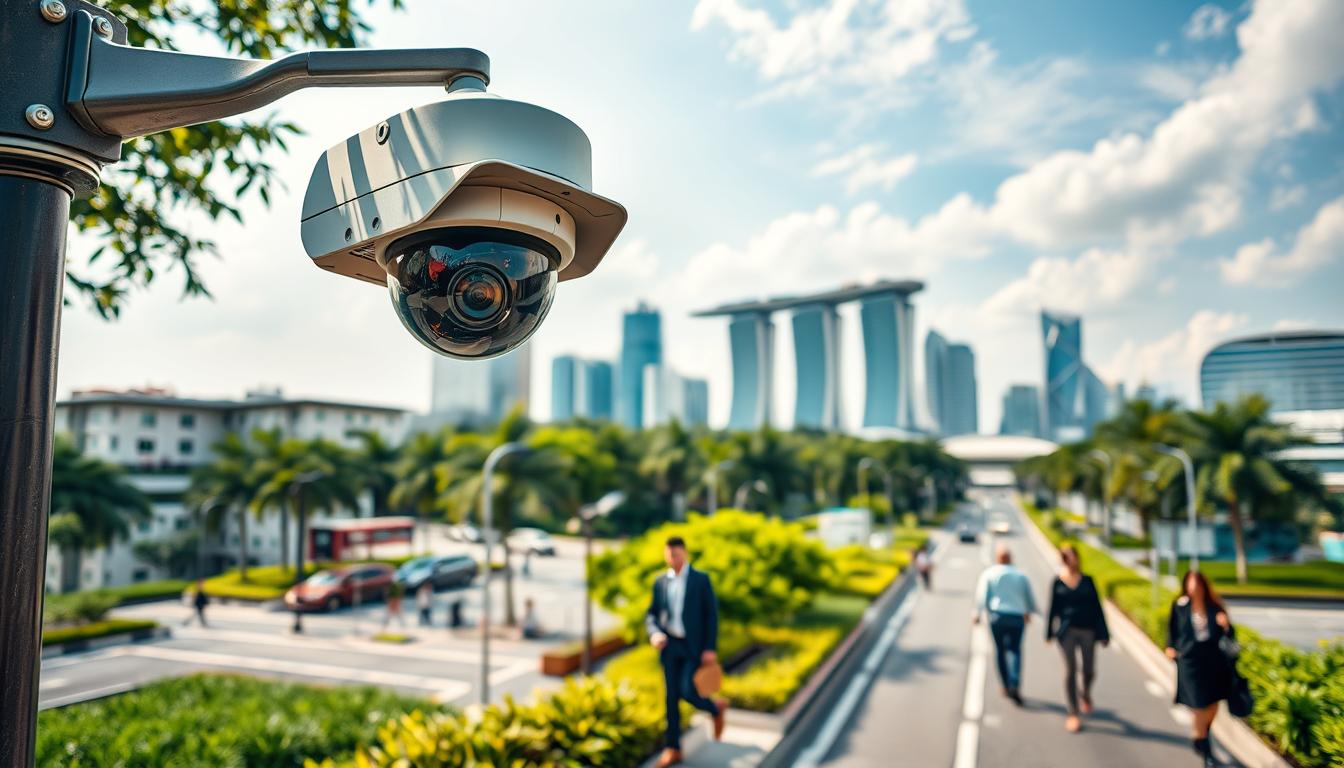
Is a CCTV Licence Required in Singapore?
Singapore is one of the most monitored cities in the world. Over 900,000 security cameras operate across the island. This makes understanding the rules for video monitoring crucial for everyone.
Many residents and business owners wonder about the legal requirements. The answer is not always straightforward. This comprehensive guide breaks down the complex regulations into clear, actionable steps.
Your specific situation determines if you need a licence. Key factors include your property type, where you place cameras, and their primary purpose. Rules differ for private homes and commercial buildings.
Following the correct procedures is essential. Proper compliance ensures your surveillance system is legal. It also guarantees that recorded footage can be used as evidence if a security incident occurs.
Several governing bodies, like the PDPC, HDB, and URA, oversee different aspects. This resource will help you navigate their requirements. By the end, you will know how to install and operate your system with confidence.
Key Takeaways
- Singapore has a vast network of over 900,000 surveillance cameras.
- Licensing rules for CCTV systems are not one-size-fits-all.
- The requirement depends on factors like location and property type.
- Staying compliant is vital for legal operation and admissible evidence.
- Multiple authorities, including the PDPC and HDB, set the regulations.
- This guide provides a clear path through the approval process.
- Understanding the rules allows for confident and legal camera use.
Introduction to CCTV Regulations in Singapore
Singapore’s approach to video surveillance is defined by a careful balance between public safety and personal privacy. The government has established clear rules to govern the use of monitoring equipment. This framework ensures security needs are met while protecting individual rights.
The regulatory landscape is multi-layered. Different authorities oversee various aspects depending on property type and camera usage. For instance, the Personal Data Protection Commission (PDPC) plays a central role.
It enforces the Personal Data Protection Act (PDPA). This law is a cornerstone for businesses and organizations that collect personal data through their systems. Compliance with the PDPA is mandatory for commercial operations.
“Effective security should not come at the expense of fundamental privacy,” note privacy advocates. This principle guides much of the policy-making.
Other key bodies include the Housing & Development Board (HDB) for public housing estates. Town Councils manage approvals for common areas like corridors and lifts. The Urban Redevelopment Authority (URA) regulates external installations affecting building facades.
Adoption of surveillance technology is growing rapidly. Homeowners and business operators are increasingly investing in these systems. Rising security concerns drive this trend across the island.
Following the rules is crucial. Proper compliance helps avoid significant penalties. More importantly, it ensures recorded footage can serve as valid evidence if needed.
Regulations treat public and private monitoring differently. Public surveillance covers areas accessible to the general community. Private surveillance is for personal security on one’s own property.
Understanding this complex landscape is the first step toward legal operation. The following sections will provide detailed guidance for specific situations. This knowledge empowers you to install and use cameras with confidence.
Do I Need a CCTV Licence? The Direct Answer
A common misconception is that all camera installations require a government-issued permit. The direct answer is more nuanced. A formal surveillance “licence” is not universally required in Singapore.
Specific approvals and compliance frameworks are mandatory in many cases. Your property type and where you place cameras determine the rules. Understanding this distinction is the first step toward legal operation.
When a Licence or Formal Approval is Required
Official authorization becomes mandatory when monitoring extends beyond personal boundaries. This typically involves public or shared spaces where others have a reasonable expectation of privacy.
For residents in HDB flats, Town Council permission functions as a necessary permit. This applies to devices mounted outside your unit or facing common corridors and lifts. The approval process ensures your setup does not inconvenience neighbors or violate estate guidelines.
Commercial setups are more strictly regulated. Businesses monitoring public zones, customer areas, or employee workspaces must comply with the Personal Data Protection Act (PDPA). This law acts as a comprehensive legal framework rather than a traditional licence.
Companies often must engage licensed security installers under the Private Security Industry Act. The key factor is the camera’s field of view capturing areas beyond your exclusive control.
Common Scenarios Where No Licence is Needed
Many installations for personal security are exempt from formal approval. These systems remain within the owner’s private domain and do not monitor communal spaces.
Indoor cameras within a private residence generally do not need a permit. This includes devices used for watching children, pets, or domestic helpers inside the home. The surveillance must be confined to the interior of your own property.
Owners of landed property, like bungalows or terrace houses, can usually install devices within their compound. Cameras mounted on garden walls or gates facing only your land are typically allowed. Peephole cameras or smart doorbells installed inside your unit also fall under this exemption.
The crucial principle is that your equipment should not capture neighbors’ private spaces. It must also avoid recording public areas unnecessarily. Always verify with your relevant authority before purchasing or installing any system.
Understanding Singapore’s CCTV Regulatory Framework
A multi-agency framework governs the installation and operation of surveillance systems across the island. No single permit applies to every situation. Instead, a network of specialized authorities sets the rules based on property type and camera placement.
Knowing which entity holds jurisdiction is the first step toward legal compliance. This structure ensures both security and privacy are respected in different environments.
The Role of the PDPA and Personal Data Protection Commission (PDPC)
The Personal Data Protection Act (PDPA) is the cornerstone law for commercial and organizational monitoring. It regulates how entities collect, use, and disclose personal data, which includes identifiable images from cameras.
Businesses using such systems must adhere to its obligations. This includes obtaining consent, limiting data collection, and ensuring proper security.
The Personal Data Protection Commission (PDPC) enforces this act. It provides detailed guidelines for video surveillance and investigates potential breaches.
“Organizations must notify individuals of the purpose of collection before or at the time of collection,” state the official PDPA guidelines. This principle is central to lawful business monitoring.
For any company capturing footage of customers or staff, the PDPC‘s framework is non-negotiable. It functions as the primary regulator for commercial surveillance activities.
Other Governing Bodies: HDB, Town Councils, and URA
Residential installations involve different governing bodies. The Housing & Development Board (HDB) sets specific rules for public housing flats and their common areas.
Their policies address where devices can be placed to maintain estate harmony and safety.
Your local Town Council manages the approval process for any fixture on common property. This includes cameras mounted outside an HDB unit facing corridors, lifts, or void decks.
Their permission is essential and acts as a formal authorization for such installations.
The Urban Redevelopment Authority (URA) oversees the external appearance of buildings. Its purview includes installations that affect building facades or public streetscapes.
This applies to both public and private properties. URA ensures installations do not compromise structural safety or urban aesthetics.
These entities interact to create a comprehensive regulatory network. A single installation might need to satisfy multiple sets of guidelines.
Identifying the correct authority for your specific project is crucial for a smooth approval process and full compliance.
CCTV Rules for HDB Flats and Public Housing
For over 80% of Singaporeans residing in HDB flats, understanding camera guidelines is essential. These homes feature shared corridors and common areas. Specific rules are designed to maintain harmony and security in these communal environments.
Your rights to install cctv depend heavily on placement. The key distinction is between monitoring inside your unit and pointing devices at shared property. Following the correct guidelines prevents disputes and legal issues.
Indoor Installations: Your Rights and Limitations
Homeowners generally have the right to place cameras inside their flat without formal permission. This supports personal security for watching family members or possessions. The surveillance should be confined to your private living space.
Important limitations still apply. It is advisable to avoid audio recording, as it may capture private conversations without consent. Ensure all cameras installed indoors only monitor areas within your exclusive control.
Respecting household privacy is crucial. Inform all residents about the presence of any indoor video surveillance. This practice fosters trust and aligns with responsible usage.
Outdoor & Corridor-Facing Cameras: Navigating Town Council Approval
A significant rule change took effect in May 2023. HDB flat owners no longer need prior HDB approval for corridor-facing devices installed from within their unit. The camera must not point directly at a neighbor’s door or windows.
For any installation on common property, such as mounting a fixture on an external wall, Town Council approval is mandatory. This process often requires submitting an application form and sometimes a police report.
Town Council permissions are typically temporary. Grants are often valid for up to six months, after which a renewal request is needed. This ensures ongoing review of the installation’s necessity and impact.
Unauthorized fixtures on common areas can lead to penalties. Fines of up to $5,000 may be imposed for non-compliance. Always seek formal approval before proceeding with external setups.
Smart Doorbells and Peephole Cameras: Special Guidelines
Modern devices like smart doorbells and peephole cameras are popular for entryway security. When installed inside the flat, they are generally allowed without HDB approval. Their field of view is usually limited to your own doorstep.
If mounting such a device in a common area, like on the corridor wall, you must seek Town Council permission. The same rules for external installations apply.
Proactive neighborly communication is highly recommended. Discussing your plans can prevent misunderstandings and potential complaints under the Community Disputes Resolution Act. Maintaining good relations is a best practice for all residents.
CCTV Guidelines for Condominiums and Private Apartments
Ownership in a strata-titled development introduces specific obligations for installing monitoring equipment. The rules here are set privately by the Management Corporation Strata Title (MCST). This differs significantly from public housing guidelines.
Formal approval from your management council is typically required. This is especially true for any installation affecting common property. Understanding this process is crucial for all owners.
Navigating MCST Rules and By-Laws
Condominium residents must follow the by-laws established by their MCST. These documents govern modifications to units and common areas. They often contain specific clauses on fixtures and surveillance equipment.
Homeowners should first locate and review their development’s by-laws. This is a critical first step before purchasing any system. The by-laws outline what is permissible within your estate.
Common restrictions found in MCST by-laws are detailed. They may limit camera placement, size, and wiring methods. Preserving the building’s facade and neighbor privacy are primary concerns.
These rules often prohibit installations that alter the exterior aesthetic. They also guard against devices pointing into neighboring units or common spaces. Always check for these specific provisions.
How to Seek Approval from Your Management Council
The approval process usually begins with a written request to the management council. Your submission should detail your security needs. Include technical specifications for the proposed cameras.
A floor plan showing camera angles and fields of view is highly recommended. This visually demonstrates your intent. It shows the council that your setup focuses solely on your own unit.
Emphasizing respect for neighbor privacy strengthens your application. Clearly state how your cameras will avoid capturing private balconies or windows. This proactive approach addresses a key concern.
Always obtain any permission in writing. This provides proof of compliance and avoids future disputes. Keep this documentation with your property records.
While the PDPA primarily regulates business use, referencing its principles can help. Mentioning data protection and limited retention shows responsible planning. It positions your request as thoughtful and compliant.
Failure to obtain required MCST approval has consequences. The management can issue orders to remove the cameras. Potential fines for breaching by-laws may also apply.
Following these guidelines ensures your security system operates within the law. It maintains harmony within your residential community. Properly approved cameras provide peace of mind without legal risk.
CCTV Installation for Landed Property Owners
Unlike public housing residents, owners of private houses face minimal formal approval requirements for camera setups. This group enjoys the greatest freedom for personal security systems.
Owners of bungalows, terrace houses, and other landed property types can generally install cctv anywhere within their private compound. This includes mounting cameras on gates, perimeter walls, and garden areas.
No specific permit from housing authorities like the HDB is required. The installation process is largely free from bureaucratic hurdles for these homeowners.
This freedom comes with significant responsibility. Cameras must not point into a neighbor’s private spaces, such as bedrooms or bathrooms. Avoiding such privacy breaches is a fundamental ethical and legal duty.
While no housing board guidelines apply, overarching laws still govern use. The PDPA regulates any commercial use of footage. The Community Disputes Resolution Act addresses neighborly conflicts.
Strategic placement is crucial for effective security. Position cameras to maximize coverage of your own premises. Minimize unnecessary surveillance of public streets or adjacent property.
Consulting with professional installers is a wise step. They can design a system that provides robust coverage. Their expertise ensures the setup complies with broad privacy principles.
This relative flexibility makes landed properties an ideal scenario. Owners can implement comprehensive security rules without complex permits. It allows for a tailored approach to safeguarding your home.
Mandatory Rules for Commercial and Business CCTV Use
Operating a business with video monitoring involves adhering to a dual regulatory framework. The rules for commercial entities are significantly more stringent than those for residential use. This is because businesses collect personal data from customers, employees, and the public.
Two primary laws govern this space. The Personal Data Protection Act (PDPA) handles data privacy. The Private Security Industry Act sets standards for physical installation. Understanding both is non-negotiable for legal compliance.
Why Business Installations Are More Strictly Regulated
Commercial surveillance faces tighter regulations due to its scale and impact. Every identifiable person recorded by a business camera is protected under privacy law. Companies have a legal duty to safeguard this information.
They must also justify the monitoring as necessary for legitimate purposes. Common justifications include preventing theft, ensuring staff safety, and protecting property. Simply wanting general oversight is rarely sufficient.
Areas open to the public, like retail stores, require special consideration. Patrons have a lower expectation of privacy there. However, restricted zones like office backrooms or staff lounges demand higher privacy safeguards.
The core principle is proportionality. The security benefit must outweigh the intrusion on personal privacy. This balance is a key reason commercial rules are so detailed.
The Private Security Industry Act and Licensed Installers
A critical requirement often surprises new business owners. Under the Private Security Industry Act, companies must follow specific provider guidelines. They cannot perform a DIY installation for their security cameras.
The law mandates engaging a licensed security service provider. These professionals are trained and authorized to install cctv systems correctly. Their work ensures the setup meets technical and legal standards.
“Using a licensed installer is not just a best practice; it’s a legal requirement for commercial systems,” state industry compliance officers. This step is fundamental to a lawful operation.
This requirement ties directly into PDPA obligations. Footage from these cameras is considered personal data. Proper handling involves consent, notification, and limiting data collection to stated purposes.
Businesses must inform individuals they are being recorded. Clear signage is the standard method for obtaining deemed consent in public areas. For employees, explicit notification through company policy is typically required.
Non-compliance carries substantial financial penalties. Fines for violating the PDPA can reach up to S$1 million. Operating without the required licensed installer can also lead to sanctions.
The safest path is to consult experts before proceeding. Engage a licensed provider for the physical setup. Seek advice from a data protection professional to ensure your policies meet all requirements.
Complying with the PDPA for Your Business CCTV System
Commercial video surveillance brings distinct responsibilities centered on consent, notification, and purpose. The Personal Data Protection Act (PDPA) is the main law governing this activity. Every organization must understand its core requirements.
These rules apply when your cameras capture identifiable individuals. This includes customers, employees, and visitors. The law aims to balance business security needs with individual privacy rights.
Fulfilling your obligations involves three key actions. You must obtain proper consent for data collection. Clear notification about the monitoring is also mandatory.
Finally, you must ensure the surveillance serves a legitimate and reasonable purpose. Getting these steps right protects your company from legal risk.
The Consent and Notification Obligations
Under the PDPA, organizations cannot collect personal data without consent. For video systems, this often works through “deemed consent.” Individuals are deemed to agree when they enter a clearly marked monitored area.
This makes visible signage a critical compliance tool. Posting signs at all entrances fulfills this obligation. It informs people they are on camera before data collection begins.
The notification obligation is closely linked. You must state the purpose for collecting the footage. Common purposes include security, theft prevention, and safety monitoring.
This information must be communicated clearly. Effective signs do this job efficiently. They serve a dual function in meeting data protection rules.
Meeting the “Reasonable Purposes” Requirement
The scope of your monitoring must be proportionate to a legitimate need. This is the “reasonable purposes” test under the data protection act. Simply wanting general oversight is not enough.
You must justify each camera’s placement and view. Legitimate reasons include protecting assets or ensuring staff safety. The benefit must outweigh the privacy intrusion.
Documenting your security rationale is a smart practice. Keep a simple record for each camera. Note its location and the specific risk it addresses.
This documentation demonstrates proactive compliance. It shows you have considered the requirements. It can be vital if your practices are ever reviewed.
Displaying Clear and Compliant CCTV Surveillance Notices
Your signage is the frontline of PDPA adherence. Well-designed notices inform the public and establish deemed consent. They must be visible and easy to understand.
Best practices for these signs are straightforward. Place them at every entrance to the monitored zone. Use a universal camera icon for instant recognition.
The text should state the operation simply. For example, “This area is under video surveillance for security purposes.” Include a contact person or department for inquiries.
Mentioning your footage retention period adds transparency. A line like “Recordings are retained for 30 days” is sufficient. This completes the circle of notification.
Regular checks ensure signs remain intact and legible. Weather or wear can obscure them over time. Make this verification part of your routine maintenance.
This ongoing effort keeps your business fully compliant. It respects individual privacy while maintaining your security. Proper signage is a simple but powerful tool.
Key Privacy Laws Every CCTV Owner Must Know
The legal framework for video monitoring extends into the realm of neighbor disputes and criminal prohibitions. Specific laws protect individuals from intrusive surveillance.
Every system owner must follow these broader rules. They apply regardless of your property type.
Understanding these privacy protections is non-negotiable. They safeguard the peace within communities and personal dignity.
The Community Disputes Resolution Act (CDRA)
The Community Disputes Resolution Act, or CDRA, is a key law for residential setups. It is designed to resolve conflicts between neighbors peacefully.
Under this act, a “neighbour” is defined as someone living in the same building or within 100 meters of your home. This broad definition covers many potential disputes.
The core rule prohibits any act that interferes with a neighbor’s enjoyment of their own property. A camera pointed directly at their unit or recording their private movements can constitute such interference.
If a neighbor feels harassed, they can bring a case to the Community Disputes Resolution Tribunal. This tribunal has the power to issue several orders.
It may compel you to remove or adjust the offending camera. It can also order compensation of up to $20,000 for the aggrieved party.
Absolute Bans: Toilets, Changing Rooms, and Private Spaces
Certain spaces are strictly off-limits for any video recording. These absolute bans are enforced under criminal law, not just civil rules.
You must never install cameras in toilets, changing rooms, or private bedrooms. This applies to all settings, including your own home.
Installing a device in these prohibited areas could lead to serious criminal charges. Charges like outrage of modesty or voyeurism carry the potential for imprisonment.
“The law draws a bright line around spaces where individuals have the highest expectation of bodily privacy,” legal experts emphasize. Crossing this line has severe consequences.
These laws protect both residential and commercial settings. For example, staff changing rooms in a business are also absolutely protected from any monitoring use.
It is wise to learn more about where surveillance devices are not allowed before planning your system.
Conducting a simple privacy impact assessment is a best practice. Before installation, check the field of view from each camera position.
Ensure the lens does not capture private activities in neighboring spaces. Choose alternative placements that focus solely on securing your own premises.
Prohibited Areas and Responsible Camera Placement
Beyond obtaining approvals, the physical positioning of your monitoring equipment carries significant legal weight. Where you point your lenses is just as important as having the right to operate them.
Certain spaces are absolutely off-limits for any video surveillance. You must never install cameras where people have a high expectation of privacy.
This includes bathrooms, changing rooms, and private bedrooms. Recording these areas violates criminal law, not just civil rules.
Responsible placement maximizes security while minimizing intrusion. Angle your devices to cover your own property effectively.
Point them away from neighbors’ windows and private balconies. This simple step prevents disputes and shows respect for community harmony.

A common challenge arises when a system unavoidably captures adjacent public areas. Your driveway camera might record a public sidewalk, for instance.
Managing Footage that Accidentally Captures Public Areas
The law treats different types of spaces uniquely. Truly public spaces, like open streets, may have different guidelines.
Under the PDPA, footage of purely public zones might be exempt from some consent rules. The key is that individuals have no strong privacy expectation there.
Semi-public spaces require more care. These are private properties open to the public, like mall walkways or condo lobbies.
For these areas, standard PDPA compliance steps apply. You must provide clear notification through signage about the surveillance.
Modern technology offers smart solutions for managing such footage. Video analytics can automatically blur faces or license plates.
Digital masking can anonymize individuals not relevant to your security purpose. These tools help protect personal data proactively.
Accidents happen. A camera might briefly record a sensitive private moment in a neighboring unit.
Immediate action is required in these rare cases. You should delete the recording right away.
Documenting this deletion demonstrates good faith and responsible data handling. Keep a simple log of the incident and your action.
Conduct regular reviews of all your camera angles and fields of view. Ensure they remain focused on your intended security zones.
Adjustments may be needed over time as plants grow or new structures appear. This proactive maintenance prevents your system from creeping into prohibited zones.
“Thoughtful placement and diligent footage management are the hallmarks of a lawful and trusted security system,” security consultants advise.
Responsible placement and footage management are essential. They ensure your operation stays within the law.
This practice also maintains vital trust within your community. It proves that security and respect for privacy can work together.
Handling CCTV Footage: Access, Retention, and Deletion
Capturing footage is only the beginning. How you handle, store, and eventually dispose of that recording defines your legal compliance. Specific rights and duties under data protection laws come into play once the system is active.
Organizations and homeowners must understand these requirements. Proper management protects both the data subjects and the system operator. It turns raw video into a secure, legally sound asset.
Individual Rights to Request Footage Under the PDPA
The Personal Data Protection Act grants individuals clear rights. Under Sections 21 and 22, a person can request access to cctv footage where they appear. This footage is considered their personal data.
Organizations must generally respond to such requests within 30 days. This is a standard reasonable timeframe. The process begins with verifying the requester’s identity.
Staff must then locate the specific recording from the relevant time period. This can be complex without proper logging systems. Maintaining an organized footage log is a best practice.
Scenarios where footage contains multiple people add complexity. The organization must protect the privacy of others not making the request. They may need to blur other identities or obtain consent before disclosure.
Establishing a Legally Compliant Retention Policy
A core obligation is to not retain cctv footage longer than necessary. There is no fixed statutory period under the PDPA. The duration must be justified by the original purpose for collection.
For general security review, 30 days is a common standard. A longer period might be needed for ongoing investigations. The key is to define and document the rationale.
“A written data retention policy is not just good practice; it’s a shield against compliance risks,” data protection officers note. It demonstrates proactive adherence to the rules.
This written policy should state how long recordings are stored. It must explain the business or security reason for that timeframe. This document is central to demonstrating compliance.
Individuals also have a right to request deletion of their personal data. They can withdraw consent for its use. However, an organization is not obligated to delete footage if it is still required.
Legitimate legal or business reasons can override a deletion request. Examples include an active police investigation or an internal disciplinary matter. The organization must be able to justify the continued retention.
Secure storage methods are essential to protect data. Use encrypted digital systems or locked physical storage for tapes. Limit access to authorized personnel only.
Regular purging of outdated recordings minimizes liability. Automated deletion systems can enforce the retention policy. This routine maintenance is a critical part of overall data protection compliance for any business.
Step-by-Step: How to Apply for CCTV Approval
Securing official permission for your security cameras involves a clear, methodical approach. The process varies depending on your housing type and where you plan to mount the devices.
Your first step is identifying the correct governing body. For HDB flats, this is typically your local Town Council for common area installations. Condominium owners must engage their Management Corporation Strata Title (MCST).
Landed property owners usually have fewer formal requirements. Following the correct guidelines from the start prevents delays and ensures full compliance.
Gathering Required Documents for Your Application
Preparation is key to a smooth application. The necessary paperwork differs between public housing and private condos. Having everything ready speeds up the review.
For Town Council approval, you often need a recent police report. This document substantiates your security concerns. You must also provide proof of ownership or tenancy for the unit.
Include detailed specifications of your proposed system. List the camera models, their locations, and fields of view. This shows the council your plan is well-considered.
Condominium applications require a written proposal for the MCST. Draft a concise letter explaining your security needs. Attach a floor plan marking each camera’s position and angle.
Clearly indicating how your setup respects neighbor privacy is crucial. This addresses a common concern for management councils. Some MCSTs have specific forms you must complete.
Submitting Your Request to the Correct Authority
Once documents are ready, formal submission begins. For Town Council requests, email is the standard method. Send your application package to the council’s official address.
Ensure the police report and all attachments are included. A clear subject line, like “Request for CCTV Installation Approval,” helps with tracking. Follow any specific submission guidelines on their website.
Condominium owners should submit their written request to the MCST management council. Use the official communication channel, often via the building manager. Provide all documents in a single, organized package.
“Thorough preparation and clear communication are the twin pillars of a successful approval request,” note experienced security consultants. This mindset leads to fewer hurdles.
Review timelines vary. HDB Town Councils typically respond within one to two weeks. MCST timelines depend on meeting schedules and can take longer.
Be prepared for follow-up questions. Authorities may request clarifications on camera angles or technical details. Responding promptly avoids unnecessary delays in the process.
A critical point to remember: approvals are often temporary. Many Town Council grants are valid for up to six months only. You must apply for renewal to continue your installation legally.
Always keep a copy of the written approval. This record is vital for future reference and compliance verification. It protects you if any questions arise later.
Following this structured process demystifies obtaining permission. It turns a regulatory step into a straightforward task. You can then proceed to install cctv with full confidence and legal backing.
Consequences of Non-Compliance: Fines and Penalties
The cost of ignoring official guidelines for security cameras extends far beyond the price of the equipment itself. Regulatory bodies enforce a strict regime of penalties for unlawful activities.
These consequences are designed to be a significant deterrent. They protect community harmony and individual privacy rights.
Understanding this potential fallout is a critical part of planning any system. The risks of cutting corners are simply too high.
Financial Penalties for Illegal Installations
Monetary fines are the most immediate repercussion of non-compliance. The amount varies based on the nature of the violation and the governing law.
For unauthorized installations on HDB common property, penalties can reach $5,000. Town Councils have the authority to levy this fine for breaches of their rules.
Authorities may also issue removal orders for illegal setups. Owners are then forced to bear the cost of uninstalling their own equipment.
For businesses, the stakes are considerably higher. Violations of the Personal Data Protection Act (PDPA) can result in fines up to $10,000 per offense.
In severe cases, imprisonment for up to three years is also possible. The PDPC does not hesitate to act against organizations that misuse surveillance footage.
Legal Implications of Privacy Breaches
Beyond fines, privacy breaches open the door to complex legal action. Affected individuals can file civil lawsuits for intrusion or harassment.
Recording in prohibited areas carries criminal charges. Offenses like voyeurism or outrage of modesty can lead to a criminal record.
The Community Disputes Resolution Tribunal (CDRT) is another avenue. Neighbors can seek orders to remove cameras and claim compensation up to $20,000.
Businesses can be held liable for the actions of their contractors. This point was underscored in a real-world case.
An MCST was fined $5,000 after a security firm it hired unlawfully disclosed footage via WhatsApp. The MCST was responsible for the contractor’s data protection failure.
“Engaging a licensed and compliant service provider is not just a convenience; it’s a direct layer of legal insulation for your business,” legal advisors stress.
Reputational damage often accompanies these legal penalties. News of a privacy scandal can erode trust with customers and employees.
It can also create lasting tension within a residential community. Rebuilding a damaged reputation is a slow and difficult process.
The effort required to follow the rules and achieve compliance is minimal compared to these risks. Adherence is not just recommended; it is essential for any responsible system operator.
Best Practices for a Secure and Compliant CCTV System
A truly effective security system achieves its goals without creating new problems for the homeowner or the community. Following a set of best practices ensures your cameras provide protection while respecting legal and social norms.
These actionable steps cover both the physical setup and the human element of operating surveillance. They help you avoid disputes and build a sustainable security solution.
Considerations for Effective and Discreet Camera Placement
Strategic placement is the foundation of a useful system. Focus on key entry points like main doors, gates, and ground-floor windows.
Mount each camera at a height that prevents easy tampering. Angle the lens to cover your own property without intruding on neighboring spaces.
Discreet, low-profile housings are ideal for managed estates. They maintain building aesthetics while fulfilling your security needs. This is especially important in condominiums with strict guidelines.
Modern technology offers features that enhance both protection and privacy. Motion sensors save storage space and focus on relevant activity. Privacy masking can automatically blur sensitive areas like a neighbor’s balcony.
Secure data encryption protects your video feeds from unauthorized access. These tools make your system smarter and more respectful.
Maintaining Good Neighborly Relations and Communication
Proactive communication prevents most conflicts. Inform adjacent residents before you install cctv. Explain the purpose, such as deterring theft or monitoring your home.
Address any concerns they may have about the cameras. This open dialogue fosters trust and goodwill within your community.
“A simple conversation can turn a potential dispute into a mutual understanding. It shows you value community harmony as much as your own security,” advise community mediators.
Documenting these communications is a smart practice. Keep a brief note of who you spoke with and when. This record serves as a goodwill gesture and can pre-empt claims under the Community Disputes Resolution Act.
Schedule periodic reviews of your entire system. Check that all cameras remain focused on their intended zones. Ensure no new privacy issues have arisen from environmental changes like growing plants.
This ongoing maintenance ensures your setup stays compliant and effective over time. It is a small investment that pays large dividends in peace of mind.
A compliant system is a sustainable one. It reduces the risk of forced removal, financial penalties, and strained relationships. By following these best practices, owners can enjoy robust security with confidence and community support.
Ensuring Your CCTV System is Fully Compliant
A legally sound security setup provides true peace of mind, protecting both your assets and your legal standing. Achieving this requires understanding the specific rules for your property type and monitoring purpose.
Remember, compliance hinges on the right authority. Businesses must follow the PDPA. HDB residents need Town Council approval for common areas. Condo owners must adhere to MCST by-laws. Always complete the formal process and keep written records.
Ongoing duties include managing footage access and reviewing camera placement. Consulting professionals—licensed installers for setup and data protection experts for complex cases—helps navigate these regulations confidently.
A fully compliant cctv system enhances your security while preventing legal repercussions. Before any installation, review the relevant guidelines and prioritize privacy alongside protection.
FAQ
Is a CCTV licence always required in Singapore?
No, a specific national CCTV licence is not typically required for personal use. However, formal approval is often needed from housing or building management authorities. For commercial installations, stricter rules under the Private Security Industry Act may apply, potentially requiring a licensed security service provider.
Who regulates the use of surveillance cameras in Singapore?
The Personal Data Protection Commission (PDPC) enforces the PDPA, which governs how personal data from footage is handled. For HDB flats and public spaces, the Town Council and Housing & Development Board set installation rules. The Urban Redevelopment Authority (URA) may also have guidelines for landed property.
What are the rules for installing a CCTV camera at my HDB flat?
A> For cameras inside your home, no approval is needed. For devices covering common areas like corridors or lifts, you must seek Town Council permission. Smart doorbells with recording capabilities are generally treated as corridor-facing cameras and require approval to protect neighbor privacy.
Can my condominium management stop me from installing cameras?
Yes. Management Councils (MCST) govern private estates through by-laws. You must submit a formal request for any cameras installed on common property or that capture public areas. Compliance with their guidelines is mandatory.
How does the PDPA affect my business security system?
The PDPA mandates that businesses notify individuals about surveillance, state the purpose (like theft prevention), and get consent where possible. You must display clear CCTV notices and have a policy for footage retention and access. Businesses face significant penalties for non-compliance.
Where is it absolutely illegal to place a security camera?
It is prohibited to place cameras in areas where individuals have a reasonable expectation of privacy. This includes toilets, changing rooms, bedrooms in rented accommodations, and other private spaces. The Community Disputes Resolution Act also protects against surveillance that intrudes on a neighbor’s home.
What happens if I install CCTV without proper approval?
Consequences can include fines from authorities, being forced to remove the equipment, and legal action from affected neighbors for privacy breaches. For businesses, PDPC fines can be substantial. Following the correct application process is essential to avoid these penalties.


