
CCTV Footage Retention Duration in Singapore
Ever thought about how long your security footage stays? In Singapore, the CCTV footage retention duration has rules for homes and businesses. It’s key for both to follow the law and keep safe.
The Singapore data retention period affects how long footage is kept. It also helps fight theft and crime. With theft up 25% in the first half of 2023, knowing this could protect your stuff.
Looking for top CCTV solutions? Contact Wen Hong today at +65. Make sure your security is the best!
Key Takeaways
- Residential systems should keep footage for at least two weeks.
- Businesses must store CCTV footage for 30 days minimum.
- Some places, like banks, might need to keep records for six months or more.
- Cloud storage is getting popular for its flexibility and safety.
- Keeping CCTV systems in good shape is vital for their performance and life.
- Knowing data protection laws is important for following rules and staying safe.
Understanding CCTV Footage Retention Policies
In Singapore, CCTV video storage rules are strict. Companies must set how long they keep footage based on their needs and the law. This helps them follow rules like the Personal Data Protection Act (PDPA) and protect privacy.
Video recording rules in Singapore vary. Local systems keep footage for 1 to 7 days. But DVR or NVR systems can store it for 7 to 30 days. This shows how important it is for companies to think about their needs when setting up cameras.
Cloud storage adds another layer to these rules. Basic plans keep footage for 7 to 14 days. Extended plans can keep it for 30 to 90 days or more. Some advanced systems can keep footage for over 60 days. It’s key to manage these lengths to keep important footage for evidence and to follow the law.
Knowing how long CCTV cameras keep footage is important. It’s about following the law and working well. Companies need to know the rules in different places in Singapore to stay legal and efficient.
Want to learn more about CCTV solutions for your business? Contact Wen Hong at +65 60135960. They can help you find the best options and the latest technology.
Importance of CCTV Footage in Singapore
CCTV footage is key to boosting security and safety in Singapore. It acts as a warning to criminals, making them think twice about illegal acts. The importance of CCTV footage goes beyond stopping crimes. It also helps police solve cases and protects businesses from false claims.
As thefts rise, so does the need for strong surveillance. People and businesses are now more aware of the need for good security. High-quality footage helps in quick responses to emergencies.
New tech has made CCTV systems better, with clearer images and more storage. Knowing about these advancements helps in choosing the right surveillance for each place.
The government in Singapore stresses following rules for CCTV use. This ensures the footage is effective and used right. Businesses must also follow data protection laws, showing CCTV’s role in many areas.
For better security, businesses and homeowners should think about CCTV systems. To find out more about CCTV solutions and deals, contact Wen Hong at +65 60135960.
How long is CCTV footage kept Singapore?
The time CCTV footage is kept varies based on where the cameras are used. It’s important to know the rules for different places to follow local laws. Homeowners and businesses in Singapore must follow specific guidelines for storing surveillance footage.
Residential vs Commercial Requirements
Homeowners should keep CCTV footage for at least two weeks. This is usually enough for most everyday incidents. On the other hand, businesses must keep footage for at least 30 days due to stricter rules. Sometimes, they might need to keep it longer for deeper investigations.
This shows how different the rules are for keeping CCTV footage in Singapore.
Guidelines from the Media Development Authority
The Media Development Authority (MDA) sets rules for using CCTV in Singapore. Companies must follow these to avoid fines. They need to get the right permits for their cameras, like when watching employees.
They also have to keep records of how they store footage. This includes how people can access it and protect personal data. Not following these rules can cause big problems, so it’s key to keep up with changes in the law.
For more info on CCTV solutions and deals, contact Wen Hong at +65 60135960.
CCTV Video Storage Regulations in Singapore
In Singapore, CCTV video storage rules are key to protecting personal data. Companies must follow the Personal Data Protection Act (PDPA) closely. This law sets clear standards for CCTV use and data handling.
Data Protection Laws Under PDPA
Following PDPA rules is vital for any business with CCTV systems. The act says personal data should only be kept as long as needed. This means setting rules for how long footage is stored and who can see it.
Companies need to check their CCTV systems regularly. They must make sure they follow the rules and fix any issues found.
Impact on Retention Duration
The length of time CCTV footage is kept in Singapore often follows PDPA rules. Most businesses can’t keep footage forever. The time it’s kept depends on what the footage is for.
Not following these rules can lead to big fines. This shows how important it is to understand and follow CCTV storage rules well.
If you want to improve your security and follow PDPA, contact Wen Hong today. Call +65 60135960 to learn more about the latest CCTV solutions and offers.
Typical Retention Durations for Different Scenarios
The time you keep security camera footage depends on the situation and laws. It’s key for both people and companies to know these times. This helps them follow CCTV rules in Singapore.
Home Surveillance Systems
Home cameras usually keep footage for about two weeks. This lets homeowners check it if needed. But, they should avoid keeping too much data.
Commercial Spaces and Corporations
Businesses often keep camera footage longer, from 30 to 90 days. This helps with detailed monitoring and solving problems. Finance companies might keep it even longer, up to six months.
Special Cases for Incident Footage
For special cases, like incidents, footage is kept until the issue is solved. This can go beyond usual times. Keeping this footage safe is important for investigations.
It’s important for everyone to follow the right rules for keeping camera footage. This ensures they meet legal and privacy standards. For more on CCTV, contact Wen Hong at +65 60135960 for advice and offers.
Methods of CCTV Footage Storage
CCTV footage is key for security and monitoring. Choosing the right storage method is vital. There are many ways to store CCTV footage, each with its own pros and cons. These depend on the technology and the environment’s needs.
DVR and NVR Systems
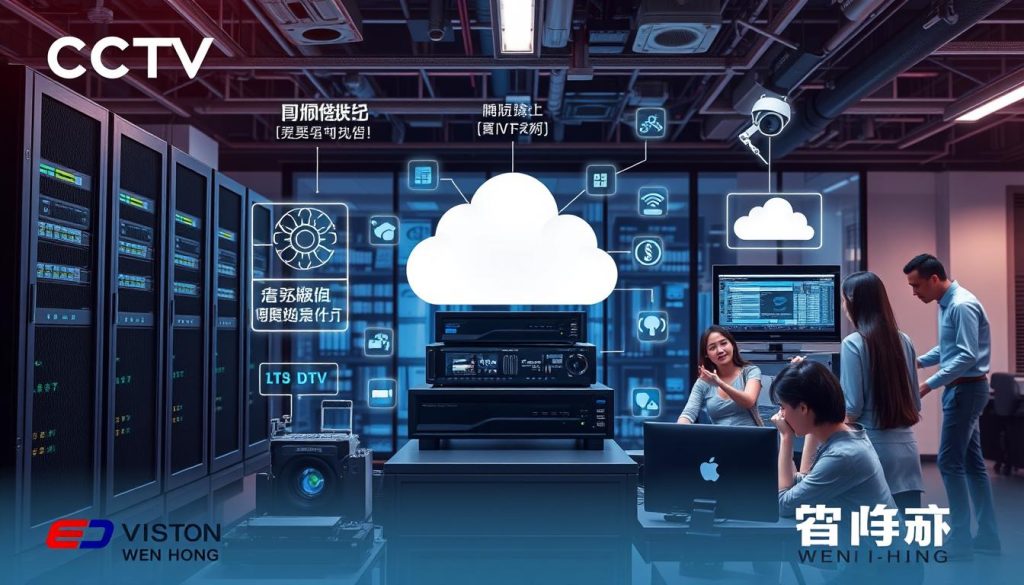
Digital Video Recorders (DVRs) and Network Video Recorders (NVRs) are common choices. DVRs use cables for analog systems. NVRs are more flexible and use wireless tech for easier setup. Both can store a lot of video, but they work differently.
Cloud-Based Storage Solutions
Cloud storage is becoming more popular for its scalability and security. It lets users access footage from anywhere, making it great for businesses and homeowners. The security features protect your footage from loss and unauthorized access.
SD Cards and Their Limitations
SD cards are another option for storing CCTV footage. They are small and easy to use, good for small systems or tight budgets. But, they have limits. Once full, they can overwrite old data, risking the loss of important footage.
Knowing how to store CCTV footage helps users make the best choice. For the latest CCTV solutions and deals, contact Wen Hong at +65 60135960.
Best Practices for CCTV Footage Management
Managing CCTV footage well is key for any business. It keeps important data safe and follows the law. Using the best methods for CCTV management stops the loss of key evidence. It also makes it easier to find footage when needed.
Flagging Important Footage
Flagging important footage is a big part of managing CCTV. It marks down critical recordings for investigations or audits. This stops them from being deleted. Having clear rules for what’s “important” helps everyone follow the same steps.
Replacing Old Footage Versus Archiving
Choosing when to replace old footage or archive CCTV data is critical. Businesses need to look at their policies and think about legal needs and safety. A good plan for archiving footage keeps things in order and follows the rules.
Regular checks on how well policies are followed can help. For help with your CCTV system and to see the newest options in Singapore, contact Wen Hong today at +65.
Legal Considerations for Storing CCTV Footage
It’s key for companies in Singapore to know the laws about CCTV storage. The Personal Data Protection Act (PDPA) is important here. It talks about protecting data and getting consent for using CCTV footage. Companies must follow these rules to avoid legal trouble.
Personal Data Protection Act Compliance
Following the PDPA is a must for any business with CCTV in Singapore. They need to set rules for using, sharing, and deleting footage. This ensures personal data is safe and privacy is respected.
This law is vital in balancing security and privacy. It helps keep everyone safe while respecting their rights.
Centralized vs Decentralized Data Storage
Companies can pick between storing data in one place or spreading it out. Centralized storage is easy to manage but can be risky. Decentralized storage is safer because data is in many places.
But, no matter the choice, companies must make sure their systems are secure and follow the law.
For more info on CCTV solutions and offers, contact Wen Hong at +65 60135960.
FAQ
How long is CCTV footage kept in Singapore?
CCTV footage retention in Singapore varies. For homes, it’s best to keep footage for two weeks. Businesses, like those under the Media Development Authority (MDA), should keep it for at least 30 days. Banks and other critical sectors might keep footage for up to six months.
What are the Singapore data retention period guidelines for CCTV footage?
Singapore’s guidelines suggest setting clear retention times based on needs. The Personal Data Protection Act (PDPA) says personal data should be kept only as long as needed. This affects how long CCTV footage is kept.
What is the impact of the Personal Data Protection Act on CCTV footage retention?
The PDPA changes how long CCTV footage can be kept. It requires protecting personal info in the footage. Keeping footage with personal data too long can lead to legal issues and violations of privacy rights.
How can organizations manage the retention of CCTV footage effectively?
To manage CCTV footage well, organizations should mark important footage to avoid it being deleted. They should also have clear rules for archiving and replacing old footage. Regular audits help ensure they follow their retention policies.
What are the methods of CCTV footage storage in Singapore?
There are several ways to store CCTV footage in Singapore. DVRs connect cameras with cables, while NVRs offer wireless options. Cloud storage is also popular for its flexibility. SD cards are used too, but they have limited capacity and can overwrite data.
Source Links
- https://web.securitysystem.com.sg/how-long-can-cctv-footage-be-kept/
- https://www.d-ron.com/articles/cctv-cameras-in-singapore-for-offices/
- https://safemo.com/blogs/home-security/how-long-do-security-cameras-keep-footage
- https://www.d-ron.com/articles/preschool-cctv-requirements/
- https://www.privacy.com.sg/resources/cctv-law-singapore/
- https://www.ismartcom.com/blog/pdpa-compliance-and-cctv-surveillance-legal-considerations-in-singapore/
- https://www.mom.gov.sg/workplace-safety-and-health/safe-measures/sectoral-level/video-surveillance-system-for-construction-sector
- https://web.securitysystem.com.sg/cctv-law-singapore/
- https://entrycare.com/cctv-law-singapore/
- https://www.police.gov.sg/-/media/Spf/Files/E-services/AE-Request-Forms/Safety-and-security-guidelines-For-EP.ashx
- https://www.firstsolution.com.sg/choosing-the-best-storage-option-for-your-office-cctv/
- https://www.pdpc.gov.sg/-/media/files/pdpc/pdf-files/advisory-guidelines/ag-on-selected-topics/advisory-guidelines-on-the-pdpa-for-selected-topics-(revised-may-2024).pdf
- https://www.cookieyes.com/blog/singapore-pdpa/
- https://www.cctvsg.net/cctv-footage/
- https://www.scdf.gov.sg/docs/default-source/scdf-library/p-fm/pswg-security-guidelines.pdf
- https://www.pdpc.gov.sg/-/media/Files/PDPC/PDF-Files/Advisory-Guidelines/AG-on-Selected-Topics/Advisory-Guidelines-on-PDPA-for-Selected-Topics-310322.ashx?la=en
- https://www.pdpc.gov.sg/-/media/Files/PDPC/PDF-Files/Press-Room/2016/media-release—organisations-can-better-protect-pd-(200716).pdf
- https://coruzant.com/security/navigating-the-legalities-of-cctv-installation-in-singapore/


