
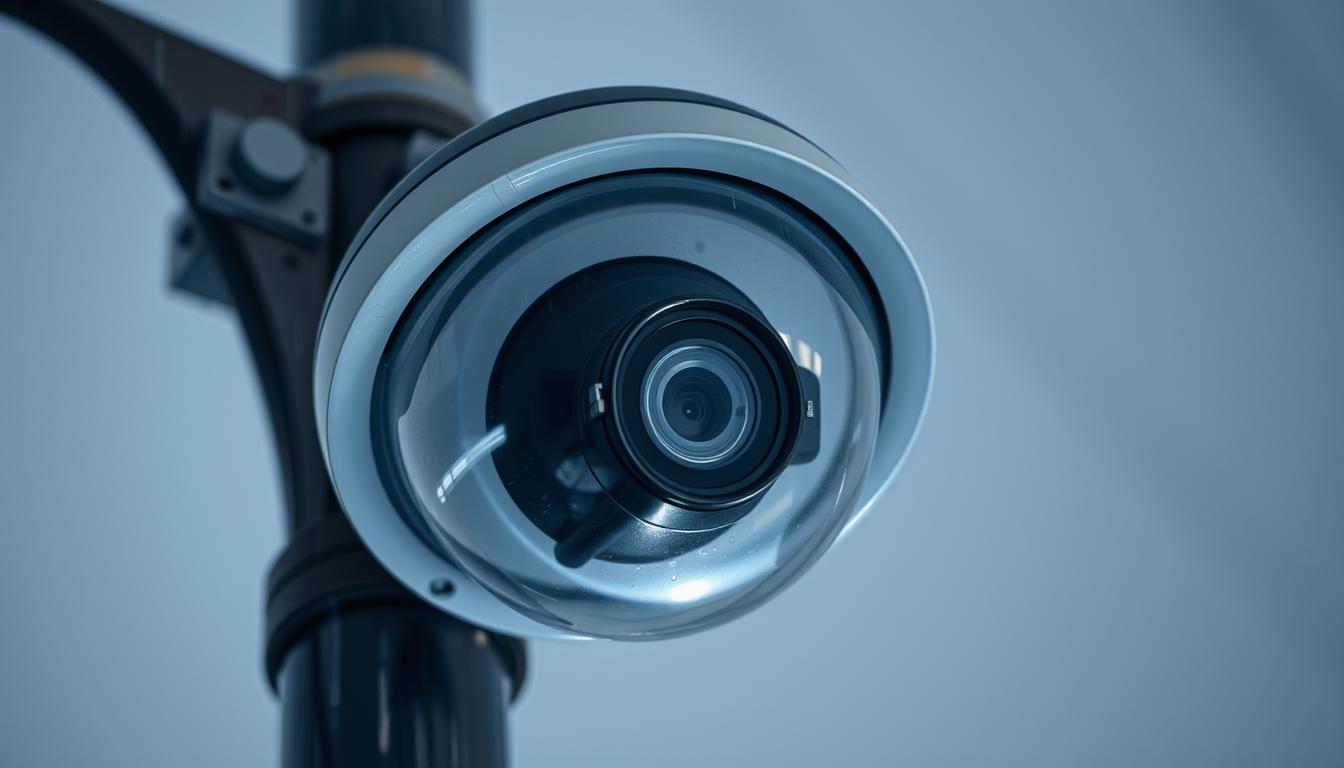
How do I stop my CCTV camera from raining?
In places like Singapore, heavy rain is a big deal. It’s important to protect CCTV cameras from water damage. This damage can make outdoor cameras stop working and cost a lot to fix.
This article will show you how to keep your CCTV cameras safe. We’ll talk about waterproof features and how to install them correctly. You’ll learn how to handle Singapore’s rainy weather with your outdoor cameras.
Key Takeaways
- Proper placement of CCTV cameras is vital for durability and function.
- Utilizing weather-proof equipment can enhance resistance to water damage.
- Regular maintenance can prevent long-term moisture issues.
- Understanding IP ratings help in selecting the right cameras for outdoor use.
- Investing in reliable surveillance technology safeguards your property.
Understanding the Risks of Water Damage to CCTV Cameras
Water damage can harm CCTV cameras a lot. In places like Singapore, where it’s humid, cameras might not work right. This can cause blurry pictures or even stop the camera from working.
It’s important to know about these risks to keep surveillance systems working well. Singapore’s weather, with lots of rain and humidity, makes it hard. Regular checks and upkeep of security systems can help. This way, cameras stay in good shape and capture clear images.
Common Causes of Water Damage to Security Cameras
Water damage is a big problem for security cameras. Knowing what causes it helps us prevent it. Heavy rain can push a camera’s waterproofing too far, making it fail. High humidity also plays a part, letting moisture into the camera.
How a camera is installed matters a lot. If it’s not sealed right or if drainage is bad, water can get in. These issues show why we need to protect our cameras from the weather.
How do I stop my CCTV camera from raining?
Keeping CCTV cameras dry is key to their working well and lasting longer. Good placement and weather-proof gear are vital, more so in Singapore’s wet climate. Smart moves can make your surveillance system last longer.
Importance of Proper Placement
Choosing the right spot for your cameras can help avoid rain damage. Place them under eaves, ledges, or canopies to keep them dry. This not only protects the cameras but also ensures clear views without quality loss.
Using Weather-Proof Equipment
For outdoor cameras, picking the right gear is essential. Look for cameras with strong IP ratings to fight off the weather. Gear made for rainy days is more durable, helping your cameras last longer. Using weather-resistant materials boosts performance in Singapore’s wet weather.
Positioning Your Camera to Avoid Rain
Proper camera positioning is key to avoiding rain damage. Where you place your security cameras matters a lot. It helps them last longer and work better.
By choosing the right spots and angles, you can keep your cameras dry. This means they won’t get damaged by water. And they’ll keep working well for a long time.
Utilizing Eaves and Canopies
Putting CCTV cameras under eaves and canopies is a smart move. It keeps them away from rain, which can harm them. This method also helps prevent fog and glare on the lenses.
When looking for the best spots for your cameras, think about using eaves and canopies. It’s a great way to make sure they work well in all kinds of weather.
Best Angles for Camera Installation
Choosing the right angles for your cameras is very important. You want them to see what’s important without getting wet. Using angles that protect them from rain is a good idea.
Think about the area around your cameras. You want to cover it well but also keep your equipment safe. Using these tips will help your security system last longer.
Implementing Protective Covers and Enclosures
Protective measures are key to keeping CCTV cameras working well in any weather. Using covers and enclosures helps a lot in preventing water damage from rain. Waterproof enclosures are a top choice because they protect against the elements.
Choosing the Right Waterproof Box
When picking a waterproof box for your CCTV, think about size, material, and how it seals. A good size keeps moisture out and protects against corrosion. The material should last long, not fade from sunlight, and let air in to avoid overheating. Make sure it has a strong lock for extra security.
Using Rain Covers and Shields
Rain shields for cameras are great at keeping water away from your gear. They fit tightly over the lens, so rain doesn’t block your view. Installing them right makes them even better at keeping your equipment safe, even in heavy rain.
For more on outdoor CCTV solutions, check out this resource. It has lots of options for different weather conditions.
Features to Look for in Waterproof CCTV Cameras
When picking CCTV cameras for outdoor use, look for key waterproof features. High IP ratings show how well a camera can handle water and dust. Cameras with an IP66 rating or higher are best for the outdoors.
It’s also important to check the camera’s build. Cameras made from strong materials like high-grade plastics or metals last longer in bad weather. Sealed gaskets help keep moisture out, making them perfect for outdoor use.
Choose brands known for their weather resistance. Cameras with high IP ratings and durable builds save on maintenance. They ensure safety and reliability outdoors.
Regular Maintenance to Prevent Water Damage
Regular maintenance is key to keeping CCTV cameras working well, even in Singapore’s humid weather. Proper CCTV maintenance cuts down water damage risks. Regular checks and care ensure your outdoor cameras stay in top shape.
How to Check for Moisture Intrusion
Start by checking for moisture to avoid water damage. Look for signs like:
- Fogging in camera lenses
- Corrosion around connectors
- Water spots inside the camera housing
Fixing any moisture issues quickly stops further damage and keeps your cameras running smoothly.
Cleaning and Care Tips for Outdoor Cameras
Good outdoor camera care is a must. Clean the lens often to keep images clear. Use a soft, damp cloth for this. Also, make sure the camera housing is sealed to protect against weather. These steps will help your cameras last longer.
Moisture Prevention Accessories for CCTV Cameras
Using the right accessories to prevent moisture is key for CCTV cameras to last long and work well. These tools help fight against humidity and condensation. They give users peace of mind.
Silica Gel and Desiccants Usage
Silica gel is a top choice for keeping moisture away. Putting silica gel packets in camera cases helps absorb extra humidity. This keeps the inside parts dry.
It’s important to know how to use silica gel right. Regularly check and swap out these packets. This helps your surveillance gear last longer.
Anti-Fog Sprays and Their Benefits
Anti-fog solutions for CCTV cameras are also very helpful. They prevent fog on camera lenses. Fog often happens when the temperature changes fast.
Anti-fog sprays create a protective layer. This layer stops fog from building up. It keeps images clear in different weather. This extra protection works well with other tools to fight moisture.
Understanding IP Ratings for CCTV Cameras
Knowing the CCTV IP ratings is key when picking outdoor security cameras. These ratings show how well a camera can handle solid particles and liquids. For example, a camera with an IP66 rating can handle rain and moisture well. This is great for places like Singapore, where rain can come suddenly.
The ingress protection standards look at two main things. The first digit shows how well it protects against dust. The second digit shows its water resistance. A higher rating means it’s more durable. It’s important to choose cameras with strong waterproof specs for lasting performance.
As we need more outdoor security, knowing about CCTV IP ratings helps us invest wisely. It ensures our surveillance tech can handle the weather, keeping our systems working well.
Professional Installation Benefits
Choosing professional CCTV installation brings many benefits. Experts have the skills to set up systems that work well and last long. They know how to protect cameras from the weather, keeping them running smoothly.
Why Expertise Matters for Weatherproofing
Technicians with experience understand how weather can harm security systems. They pick the right gear and methods to keep cameras dry. This is key in places like Singapore, where the weather can be tough.
Customized Solutions for Local Climate Challenges
Every installation is different, thanks to the weather. Experts look at the local climate and plan their setup. They choose materials and cameras that work best in Singapore’s humid weather.
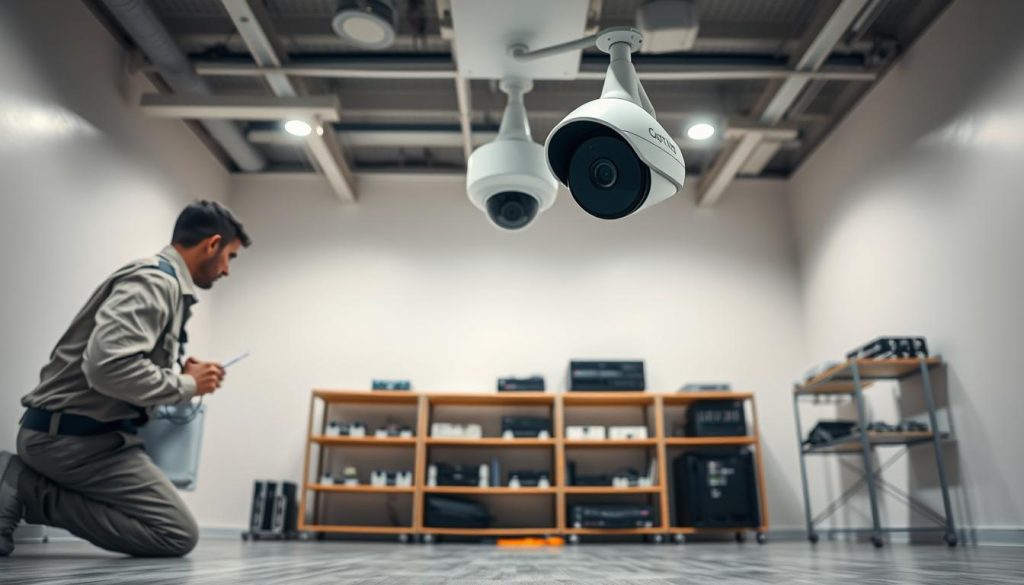
Signs of Water Damage to Watch For
Keeping CCTV cameras working well is key for good surveillance. It’s important to watch for signs of water damage. Spotting these early can help fix problems quickly and make your equipment last longer.
Recognizing Corrosion and Moisture Issues
Checking for corrosion on camera parts is critical. Corrosion on metal parts can weaken the camera over time. Also, moisture can cause big problems, making it important to detect camera corrosion early. Regular checks can help find and fix issues before they get worse.
Visible Signs on Camera Lenses
CCTV lens fogging is another sign of water damage. Moisture can make the lens foggy, affecting image quality. It’s important to notice these signs quickly to avoid more damage. For better protection, look into advanced surveillance technologies that fight water damage well.
Consequences of Ignoring Water Damage Risks
Ignoring water damage risks can harm CCTV systems a lot. It can make them work less well, leading to blurry images. This can even cause the whole system to fail, making surveillance useless.
This neglect can also cost a lot of money. Fixing or replacing damaged gear is expensive. Businesses and homeowners might face big financial losses and legal issues if security fails.
It’s key to understand these risks to keep your system safe. Not taking water damage seriously might seem okay, but it can cause big problems. It can damage your surveillance system and the safety it’s meant to provide.
Case Studies on Water Damage in Surveillance Cameras
Looking into water damage case studies shows us how surveillance cameras can be weak. This is true, mainly in areas with harsh weather. Coastal spots are key for studying how weather affects CCTV systems. We learn the importance of good equipment and regular upkeep.
Real-life Examples from Coastal Areas
In coastal areas, high humidity and salt air quickly damage camera parts. Cases with brands like Hikvision and Axis Communications show how bad weather can mess up devices. These examples help us understand how to make better cameras and prevent problems.
Lessons Learned from Equipment Failures
Studying equipment failures teaches us a lot. It shows what happens when we ignore the right setup and care. Many times, not thinking about the weather leads to broken cameras and lost security. Learning from these mistakes helps us make stronger surveillance systems for different places and weather.
Investing in Reliable Surveillance Technology
Choosing the right equipment is key for effective security. Reliable CCTV technology helps your system handle harsh weather. Quality gear boosts security and cuts down repair costs later on.
Look for durable camera systems that face environmental challenges head-on. Waterproof casings make cameras last longer, perfect for outdoor use. These features ensure your surveillance system is a long-term solution.
Contacting Professionals for CCTV Solutions
If you’re looking for professional CCTV solutions, reaching out to experts is key. They can assess your situation and ensure your system can handle Singapore’s rain. This way, you can protect your property well and boost your security.
Working with seasoned professionals in Singapore gives you access to their knowledge and the latest CCTV tech. They can suggest solutions that fit your needs and follow best practices. This helps prevent water damage and keeps you safe.
Choosing professional CCTV solutions improves your security. It lets you focus on other important things in your life or business. With expert advice, you can trust that your system is ready for Singapore’s weather challenges.
FAQ
How can I protect my CCTV camera from rain damage?
To keep your CCTV camera safe from rain, place it in a dry spot. This could be under an eave or a canopy. Also, use weather-proof gear with high IP ratings. Don’t forget to add protective covers and do regular checks to keep your cameras in top shape.
What are the signs of water damage on a CCTV camera?
Look out for corrosion, foggy lenses, and odd camera behavior. Catching these signs early can help fix water damage before it gets worse.
What does an IP rating mean for CCTV cameras?
An IP rating shows how well a camera can handle dust and water. For example, IP66 means it’s very good at keeping out water and dust. This makes it great for outdoor use in bad weather.
Why is professional installation recommended for CCTV cameras?
Experts know how to mount cameras right to avoid rain damage. They also make sure your system works well in your local weather. This makes your cameras last longer and work better.
How often should I perform maintenance on my outdoor CCTV cameras?
Check your outdoor CCTV cameras every three months. Look for moisture, clean the lenses, and check the housing for damage. This keeps your system running smoothly.
What accessories can I use to prevent moisture damage to CCTV cameras?
Use silica gel packets to soak up humidity in camera enclosures. Anti-fog sprays also help keep lenses clear by preventing fog in changing temperatures.
What is the impact of heavy rainfall on CCTV cameras?
Heavy rain can break a camera’s waterproofing. This can cause blurry images or even make the camera stop working. It’s important to protect your cameras from rain to avoid these problems.
How do I select a reliable CCTV camera for tropical climates?
For tropical climates, choose cameras with high IP ratings and durable materials. Look for brands known for their weather-resistant tech and outdoor performance.
Can I use regular cameras outdoors?
No, regular cameras aren’t made for outdoor use. They don’t have the waterproofing needed for rain. It’s best to use cameras made for the outdoors to ensure they work well in wet conditions.
What are the long-term effects of neglecting water damage risks?
Ignoring water damage risks can cause big problems. It can make your cameras less reliable, increase maintenance costs, and even put your security at risk. It’s important to take steps to prevent water damage to keep your CCTV system running well.


