

Does red light mean recording How-To Guide Explained
In Singapore, the urban landscape is dotted with surveillance cameras, prompting a common question: what does that red light signify? Many residents often assume it indicates active recording, but the truth is more complex. Different camera models and brands may have varying indicators.
Singapore boasts over 320 traffic enforcement cameras, intensifying public curiosity about these monitoring devices. Interestingly, 78% of modern systems utilize a steady red light to confirm they are actively capturing footage. However, this is not a universal rule.
This guide aims to demystify the meanings behind these indicator lights, covering everything from basic functions to legal aspects under Singapore’s Personal Data Protection Act (PDPA). Understanding these signals is crucial for both home security and navigating public spaces.
By the end of this article, readers will gain practical insights into checking if their security cameras are recording. Knowing what these lights indicate enhances personal security awareness and ensures compliance with local regulations.
Key Takeaways
- Surveillance cameras are prevalent in Singapore’s urban areas.
- Not all cameras use a steady light to indicate recording.
- Over 320 traffic enforcement cameras exist in Singapore.
- 78% of modern systems confirm recording with a steady light.
- This guide covers legal considerations under Singapore’s PDPA.
- Understanding these indicators is vital for personal security.
Understanding the User Intent Behind “Does Red Light Mean Recording?”
In Singapore’s densely populated areas, the presence of security cameras raises questions about what their indicator lights truly signify. The red light on these devices often captures attention, especially in low-light conditions common in HDB corridors and parking areas. This curiosity stems from both psychological and practical reasons.
The proliferation of surveillance cameras across Singapore’s public housing estates, shopping malls, and transportation hubs has made these indicator lights a familiar sight. Nearly 90% of Singapore residents support visible status lights on cameras, reflecting a cultural expectation of transparency in surveillance. This desire for clarity speaks to a broader understanding of safety and security.
Knowing whether a camera is actively recording or merely powered on can provide psychological comfort in shared spaces. It reassures individuals that they are being monitored, which can deter unwanted behavior. Furthermore, practical security concerns drive user intent, such as verifying home CCTV functionality after power outages or system updates.
However, it is essential to note that only 35% of systems displaying a red light actually have live monitoring. This creates a significant gap between perception and reality. Understanding these recording indicators helps residents distinguish between functional security cameras and dummy units that may display misleading lights.
As Singaporeans become more conscious of when and where they are being recorded, knowing the status of these cameras empowers users. This knowledge is vital for both personal security management and informed navigation of Singapore’s monitored public spaces.
What Do Camera Indicator Lights Mean? An Overview
The functionality of surveillance cameras hinges on their LED indicator lights, which convey crucial operational statuses. Understanding these lights is essential for anyone using or encountering security systems.
Modern surveillance cameras communicate their operational state through a standardized yet varied system of LED indicator lights. These lights come in different colors, each signifying a specific status.
Common LED Light Colors and Status Indications
Typically, a green indicator light confirms that the camera is receiving power but is not actively capturing footage. This is the most common status in many systems.
Blue LED lights often signify data transmission activity. This includes network connectivity or cloud synchronization in IP cameras, which are widely used in Singapore.
Amber or orange warning lights indicate connection problems, storage issues, or system errors that require immediate attention. Recognizing these signals can prevent potential disruptions in security monitoring.
Difference Between Steady and Blinking Lights
Understanding the difference between steady and blinking lights is crucial. A steady light typically indicates a stable operational state, while a blinking light signals active processes or alerts.
For many camera models, a steady red light indicates that the system is actively recording. In contrast, a blinking red light often triggers from motion detection events, suggesting that the camera is responding to movement.
Historically, traditional CCTV systems favored simple red and green indicators. However, modern IP cameras display more complex multi-color patterns, enhancing user understanding of their status.
Infrared IP security cameras often show small red lights around the lens when operating in low-light night vision mode. Recognizing these indicators helps users quickly diagnose their surveillance system status.
With Singapore’s Smart Nation initiative, the adoption of IP cameras with sophisticated multi-functional indicator systems has accelerated. This advancement improves public awareness and confidence in surveillance technologies.
Does Red Light Mean Recording? Clarifying the Core Question
Understanding the behavior of camera indicator lights is essential for users and observers alike. The presence of a red light on a security camera can lead to confusion regarding its meaning. It is important to clarify that a red light does not universally indicate that recording is in progress.
Steady Red Light Versus Blinking Red Light
A steady red light typically signals that the camera is actively recording in many modern security camera models. However, this is not a strict rule across all devices. Some brands may use a steady red light simply to indicate that the camera is powered on.
On the other hand, a blinking red light often signifies motion detection alerts or system events. This means that while the camera is operational, it may not be continuously recording.
Variations Across Different Camera Models
Variations exist across different camera models, which means users cannot rely on a single universal rule for interpreting red lights. For instance:
- Bosch security units: A steady red light exclusively indicates that the camera is recording.
- Hikvision models: A steady red light may indicate that the infrared mode is active rather than recording.
- Pulsating or dim red lights: These often indicate infrared illumination for night vision, not active recording.
- Some models: Use red indicators solely to show that the device is powered on, regardless of its recording status.
Consulting manufacturer documentation is crucial for accurately interpreting the behavior of red lights on specific camera models. Singapore’s diverse surveillance landscape includes various brands, each with unique indicator programming. Understanding these distinctions helps prevent false assumptions about when surveillance footage is actually being captured.
Types of Security Cameras and Their LED Indicators
Various types of security cameras operate in Singapore, each featuring unique LED indicators that serve different purposes. Understanding these differences is crucial for residents and business owners alike.
Traditional CCTV systems are commonly found in older HDB estates. These systems typically use simple red and green indicator lights for basic status communication. A steady red light usually indicates that the camera is powered on, while a green light signifies that it is operational but not recording.
Traditional CCTV Systems
Traditional CCTV cameras often lack the sophisticated diagnostic capabilities of modern alternatives. This simplicity makes their indicators easier to interpret, providing a clear understanding of whether the system is active.
Modern IP Cameras with Infrared and Status LEDs
In contrast, modern IP cameras come equipped with advanced features. Many of these devices display small red lights around the lens during night vision operation. This illumination allows them to capture clear footage in low-light conditions.
According to recent data, 68% of Singaporean businesses now combine IP and traditional cameras in hybrid surveillance systems. These systems exhibit varied indicator behaviors, enhancing monitoring capabilities.
Traffic Red Light Cameras in Singapore
Singapore’s traffic enforcement red light cameras, operated by the Land Transport Authority (LTA), utilize specialized indicators distinct from residential systems. These cameras have been shown to reduce accidents by 42% at monitored intersections through clear visual cues.
Fake or Dummy Cameras and Their Light Behavior
Unfortunately, the prevalence of fake or dummy cameras in private complexes poses a challenge. These counterfeit devices typically feature blinking red lights to simulate functionality. Genuine security cameras, however, rarely display blinking lights, making this a key differentiator.
Understanding the indicator behaviors across different camera types helps Singapore residents accurately assess their security environment. By recognizing the nuances of these systems, individuals can make informed decisions about their safety and security.
How to Check If Your CCTV or Security Camera Is Actively Recording
Verifying the recording status of your CCTV or security camera is essential for effective surveillance. Knowing whether your system is capturing footage can enhance your peace of mind. Here are several methods to confirm if your cameras are actively recording.
Visual Inspection of Indicator Lights
Start with a simple visual inspection. Look at the LED indicator lights on your camera. A steady light often signals that the camera is actively recording, while a blinking light may indicate motion detection or other alerts. This quick check can provide immediate insights into your camera’s status.
Using Software and Mobile Apps to Verify Recording
Many modern cameras come with user-friendly software or mobile applications. Log into your camera’s interface through a connected device. This allows you to view live footage and confirm the recording status. Brands like Reolink, Hikvision, and Dahua offer apps that make this process straightforward.
Reviewing Recorded Footage for Confirmation
Another effective method is to review previously recorded footage. Access your camera’s storage to check for saved clips. Look for timestamps to ensure that the camera has been functioning correctly over time. This can help verify if your system is operating as intended.
Additionally, it’s wise to test your system after power outages or firmware updates. These events can sometimes disrupt recording functionality. Regular checks are vital to ensure ongoing protection.
Cameras like the Reolink Altas PT Ultra offer 4K UHD continuous recording capabilities, which can be verified through their companion applications. By combining visual inspections with software verification, you can achieve the most reliable confirmation of your camera’s recording status.
If you encounter difficulties, consider professional CCTV maintenance services in Singapore. They can assist with system verification and ensure your security setup is functioning optimally.
The Role of Motion Detection in Enhancing Recording Accuracy
The integration of motion detection technology in security cameras has revolutionized how we monitor our surroundings. This feature not only improves recording accuracy but also optimizes storage use. Understanding how motion sensors work can significantly enhance the effectiveness of your surveillance systems.
How Motion Sensors Trigger Recording
Modern security cameras are equipped with motion sensors that detect movement through pixel changes in the video feed. When the sensors identify activity, they automatically trigger the recording function. This means that the camera captures footage only when relevant movement occurs, rather than recording continuously.
Benefits of Motion-Activated Recording
Utilizing motion-activated recording offers several advantages for homes and businesses in Singapore:
- Storage Conservation: By recording only when motion is detected, you save valuable storage space.
- Efficient Footage Review: It becomes easier to sift through recorded clips, as you only need to review moments of activity.
- Enhanced Security: Knowing that your camera is actively monitoring movement can provide peace of mind.
Motion Detection Settings and Optimization Tips
To maximize the effectiveness of motion detection, consider the following optimization tips:
- Adjust the sensitivity levels of your motion sensors to balance between capturing important events and minimizing unnecessary recordings.
- Configure specific detection zones within the camera’s field of view. Focus on high-priority areas like entryways and walkways.
- Regularly test and adjust your motion detection settings to ensure optimal recording accuracy over time.
- Be aware that many cameras display specific indicator light patterns, such as blinking lights, when motion-triggered recording is in progress.
- Advanced systems often use intelligent algorithms to differentiate between human movement and other types of activity, reducing false triggers.
Understanding motion detection indicators helps users quickly verify that their systems are responding appropriately to activity. For more detailed information on verifying if your CCTV is recording, check out this guide.
Exploring Various CCTV Recording Modes and Their Indicators
CCTV systems today offer various recording modes that significantly influence their operational efficiency. Understanding these modes helps users make informed decisions about their surveillance needs. Each mode affects how cameras manage data and display indicator lights.
Continuous Recording
Continuous recording captures all footage 24 hours a day, seven days a week. This mode provides comprehensive coverage with no gaps in surveillance. Cameras often display a steady red light during this mode, signaling ongoing capture of video data.
Scheduled Recording
Scheduled recording allows users to set specific timeframes for active recording. This could be during business hours or nighttime periods. By doing so, users can manage storage efficiently while ensuring coverage during high-priority time windows.
Motion-Activated Recording
Motion-activated recording only captures footage when movement is detected within the monitored area. This mode conserves storage space and makes footage review more efficient by eliminating hours of static video. It’s an effective way to focus on key events without wasting resources.
Advantages and Limitations of Each Mode
Each recording mode has its advantages and limitations:
- Continuous Recording: Provides complete coverage but requires significant storage capacity.
- Scheduled Recording: Efficient for managing storage but may miss unexpected events outside set times.
- Motion-Activated Recording: Saves space and simplifies review but may not capture all activity if motion is infrequent.
Different recording modes may display varying indicator patterns, helping users identify which mode is currently active. In Singapore, many businesses combine multiple recording modes to balance security needs with storage management requirements. Users should select recording modes based on their specific security priorities, property layout, and available storage capacity.
Technical Aspects of Camera Recording Indicators
The intricate technology behind security cameras often raises questions about their indicator lights. Understanding these components can help users differentiate between various signals and enhance their overall security awareness.
At the heart of every camera’s LED indicators lies a combination of electrical engineering and optical design. These elements work together to transform simple lights into intelligent communication tools. For instance, enterprise-grade systems, such as those used at Changi Airport, separate power status indicators from recording status indicators for clarity.
Components Behind Camera LEDs and Sensors
A green LED typically confirms that the camera is powered on, while a steady red light indicates that it is actively recording in dual-indicator systems. This clear distinction helps users quickly assess their camera’s functionality.
Infrared Illumination and Night Vision Indicators
Infrared illumination technology plays a crucial role in night vision capabilities. Cameras equipped with 850nm infrared LEDs create a visible red glow around their lenses during low-light operation. Consumer models often show a bright steady red light, while industrial systems may use pulsed illumination to manage visibility.
Power vs Recording Status Lights
Many users confuse power indicator lights with recording status lights. Understanding this difference is vital for accurately assessing camera functionality. Additionally, thermal sensors in modern cameras automatically dim indicator lights to prevent overheating in Singapore’s tropical climate.
Advanced systems often synchronize LEDs with CMOS sensor activity. This synchronization helps prevent flickering during low-light recording cycles. Moreover, Singapore’s Smart Nation initiative aims to standardize indicator protocols across public surveillance networks, ensuring consistency and clarity for users.
By grasping these technical aspects, users can better interpret what their camera indicators are communicating. This knowledge empowers individuals to make informed decisions regarding their security systems.
Importance of Regular Maintenance for CCTV Systems
Regular upkeep of CCTV systems is crucial for ensuring their effectiveness in Singapore’s unique environment. The tropical climate can present challenges, making routine maintenance essential for optimal performance.
Regular maintenance helps prevent issues that could compromise security. For instance, the lens of a camera should be cleaned every three months. This prevents dust and moisture from obscuring footage quality. A clear view is vital for accurate monitoring.
Inspecting the camera housing every six months is also important. This inspection should check for signs of damage, particularly water intrusion, which can compromise internal components. Ensuring the integrity of the housing protects the functionality of the system.
Additionally, checking cable connections monthly is crucial. Stable power supply is necessary to prevent intermittent recording failures. Without a consistent power source, the system may miss critical footage.
Testing recording functionality weekly can further ensure the system operates as intended. Reviewing footage and verifying that indicator lights display the correct status signals is an effective way to confirm that everything is working properly.
Monitoring hard drive status and storage capacity regularly is essential. This practice helps prevent data loss from drive failures, which can be catastrophic for security. Verifying camera positioning and angle during maintenance checks ensures optimal coverage of monitored areas.
Moreover, regular inspection of indicator lights during maintenance can reveal potential system issues before they lead to complete failures. Proper maintenance extends the lifespan of security equipment and ensures continuous protection for Singapore homes and businesses.
For those who prefer expert assistance, professional CCTV maintenance services are available in Singapore. They can help with system upkeep, ensuring that your security cameras remain reliable and effective.
Common Myths and Misconceptions About Red Lights on Cameras
Numerous misconceptions exist regarding the status indicators on security cameras. Many people in Singapore believe that a red light always signifies active recording. However, this is not a universal truth and varies significantly by manufacturer and model.
Does a Red Light Always Mean the Camera Is Recording?
Research shows that only 20% of devices displaying a red light have live operator access for real-time monitoring. This statistic highlights the need for caution when interpreting camera lights.
Additionally, studies from NUS found that 40% of functional cameras use red lights to indicate system errors or maintenance modes rather than actual recording activity. This reveals that many red lights do not signify active surveillance.
Fake Cameras and Misleading Blinking Lights
Another common misconception is that blinking red lights indicate recording. In reality, genuine security cameras rarely feature blinking indicators. Instead, fake or dummy cameras often use blinking red lights to simulate functionality, creating a false sense of security.
Residents may also mistake infrared sensors for active recording indicators when they see dim red glows in low-light conditions. These glows typically indicate infrared illumination rather than recording.
Invisible or Hidden Cameras Without Indicator Lights
It’s essential to note that some advanced and covert surveillance cameras operate without any visible indicator lights at all. This design choice allows for discreet monitoring, further complicating the understanding of camera status.
Many people believe that brighter indicator lights correlate with higher recording quality. However, brightness usually reflects infrared intensity instead of recording capability.
Unusual light patterns can indicate technical needs or system diagnostics rather than surveillance activity. Understanding these myths helps Singapore residents accurately assess their security environment without unnecessary privacy concerns.
Legal and Privacy Considerations of Camera Recording Indicators in Singapore
The legal landscape surrounding security cameras in Singapore plays a vital role in how recording indicators are interpreted. With increasing surveillance, understanding the regulations is essential for both operators and the public.
One key aspect is the Personal Data Protection Act (PDPA), which governs how data is collected and used. Under this act, specific requirements must be met for surveillance systems:
- Mandatory Recording Notices: Cameras must display clear notices within 5 meters of active recording devices, informing the public about surveillance.
- Data Collection Limits: Section 18 of the PDPA restricts data collection to what is necessary for security purposes, ensuring that indicator lights accurately reflect recording status.
- SNDGO-Approved Signage: All public area installations must have signage approved by the Smart Nation and Digital Government Office (SNDGO) to promote transparency.
- Non-Compliance Penalties: Failing to comply with PDPA regulations can lead to fines of up to S$1 million, making proper indicator configuration a legal necessity.
Ethical surveillance practices are also crucial. Visible recording indicators promote public transparency and trust. The regulatory framework in Singapore balances security needs with individual privacy rights through standardized indicator requirements.
Moreover, installing deceptive surveillance devices can have serious legal implications, violating the Protection from Harassment Act. Commercial properties must adhere to guidelines from the Urban Redevelopment Authority, which specify indicator brightness and placement standards.
In shared spaces like condominiums, obtaining consent before activating cameras is essential. Understanding these legal considerations helps both camera operators and the public navigate Singapore’s surveillance landscape responsibly.
Singapore’s Surveillance Landscape: The Role of Red Light Cameras and Monitoring Systems
Singapore’s commitment to public safety is evident in its comprehensive surveillance camera systems across the city. With over 320 traffic enforcement red light cameras operated by the Land Transport Authority (LTA), the country has established one of the most advanced traffic monitoring networks in the world.
The LTA’s camera network covers 92% of major intersections, ensuring efficient traffic management and safety. This extensive coverage is crucial in reducing accidents, as evidenced by the 42% decrease in incidents at monitored intersections due to consistent enforcement and clear visual indicators.
Standardized indicator usage across Singapore’s public surveillance systems enhances communication with citizens. Government agencies mandate specific lighting configurations for various monitoring scenarios, maintaining operational transparency. Nearly 90% of residents support visible status lights on surveillance cameras, reflecting strong community trust.
Public awareness campaigns play a vital role in helping citizens understand what different camera indicators mean. These initiatives contribute to a more informed public, fostering a sense of security in shared spaces.
Standardized indicators not only inform the public but also enhance community trust. Different agencies, including the Singapore Police Force (SPF), LTA, and NParks, utilize tailored indicator protocols for their specific monitoring needs. This collaborative approach ensures that surveillance activities are visible and understandable, serving as a model for balancing security effectiveness with public transparency.
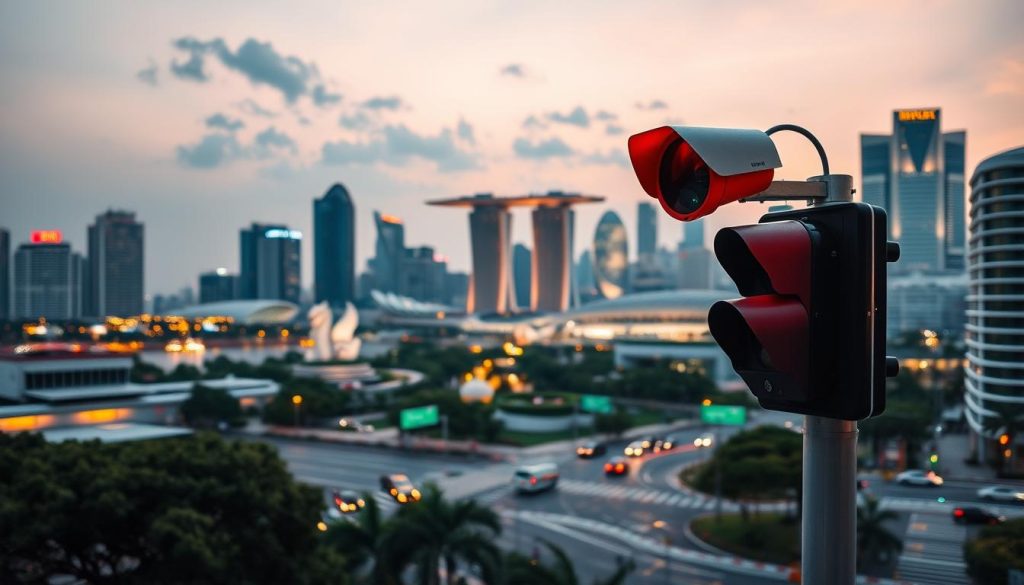
Benefits of Visible Recording Indicators for Security and Safety
Visible recording indicators play a significant role in enhancing security and safety within communities. These indicators, often seen as simple lights on security cameras, carry profound implications for crime prevention and public trust.
Studies show that visible recording indicators serve as powerful crime deterrents. In retail environments, a clear presence of these indicators has led to a remarkable 31% reduction in opportunistic crimes. This statistic highlights the effectiveness of making potential offenders aware that they are being monitored.
Deterring Crime Through Awareness
The presence of visible red lights on security cameras makes potential offenders conscious of surveillance. This awareness encourages lawful behavior, reducing the likelihood of criminal activity. Furthermore, URA reports indicate that commercial properties with visible recording indicators experience fewer security incidents overall.
Enhancing Trust in Surveillance Systems
Transparent recording indicators enhance public trust in surveillance systems. When individuals can see that monitoring activities are taking place, they feel more secure in their environments. This visibility fosters a sense of safety, knowing that surveillance is active and effective.
Supporting Lawful and Ethical Monitoring Practices
Visible indicators also support ethical monitoring practices. They ensure that individuals are aware when they are being recorded in both public and private spaces. This transparency contributes to community safety by creating an environment where surveillance is both effective and accountable.
Businesses benefit from visible camera indicators through reduced theft, vandalism, and other security incidents. Moreover, these indicators help security personnel quickly verify system functionality during routine patrols and emergency responses. The proactive deterrent effect of recording indicators works to prevent incidents before they occur, rather than merely documenting them.
In conclusion, visible recording indicators represent a best practice for lawful, ethical, and effective surveillance in Singapore’s security landscape. Their presence not only enhances community safety but also reinforces public trust in the systems designed to protect them.
Making Informed Decisions About Your Security Cameras and Their Indicators
In Singapore, the increasing reliance on surveillance technology has sparked interest in understanding camera indicators. This guide emphasizes that the meanings of indicator lights vary by camera model and manufacturer specifications. Always consult your specific camera documentation to grasp the exact behaviors of the indicators.
When selecting new security cameras, prioritize models with clear and accurate status communication. Regular checks combining visual inspections of indicator lights with software verification can enhance your system monitoring. Additionally, understanding the different recording modes available will help you comprehend how each mode affects indicator light behavior.
For complex surveillance systems, professional installation and maintenance services are recommended to ensure proper indicator configuration. For the latest CCTV solutions and offers, contact Wen Hong at +65 60135960. Stay informed about Singapore’s evolving surveillance regulations and apply your knowledge of camera indicators to make informed decisions about your security needs.
Ultimately, understanding camera recording indicators empowers users to maintain effective, transparent, and legally compliant surveillance systems.
FAQ
What does a steady red light indicate on a security camera?
A steady red light typically indicates that the camera is actively recording. This is a common feature across many surveillance systems to inform users of its status.
Why do some cameras have blinking red lights?
A blinking red light often signifies that the camera is in standby mode or that it is processing data. This can vary by model, so checking the user manual is advisable.
Are there different meanings for red lights across various camera models?
Yes, different camera models may use red lights differently. It’s essential to refer to the specific model’s documentation for accurate information regarding its indicators.
How can I verify if my camera is recording?
You can visually inspect the indicator lights, use associated software or mobile apps, and review recorded footage to confirm if the camera is actively capturing data.
What role does motion detection play in recording?
Motion detection enhances recording accuracy by triggering the camera to start recording only when movement is detected, thus saving storage space and focusing on relevant events.
What are the common recording modes for security cameras?
Common modes include continuous recording, scheduled recording, and motion-activated recording. Each mode has its advantages and limitations depending on the user’s needs.
What should I do to maintain my CCTV system?
Regular maintenance includes routine cleaning, inspecting connections, checking recording functionality, and ensuring adequate storage to maintain data integrity.
Are there misconceptions about red lights on cameras?
Yes, a common myth is that a red light always means the camera is recording. Some cameras may have red lights for other functions, such as power status.
What legal considerations should I be aware of regarding camera recording?
It’s important to understand regulations like the Personal Data Protection Act (PDPA) in Singapore, which outlines consent and privacy requirements for surveillance.
How do visible recording indicators enhance security?
Visible indicators can deter crime by raising awareness that an area is under surveillance, thus enhancing trust in security systems and promoting lawful monitoring practices.


