
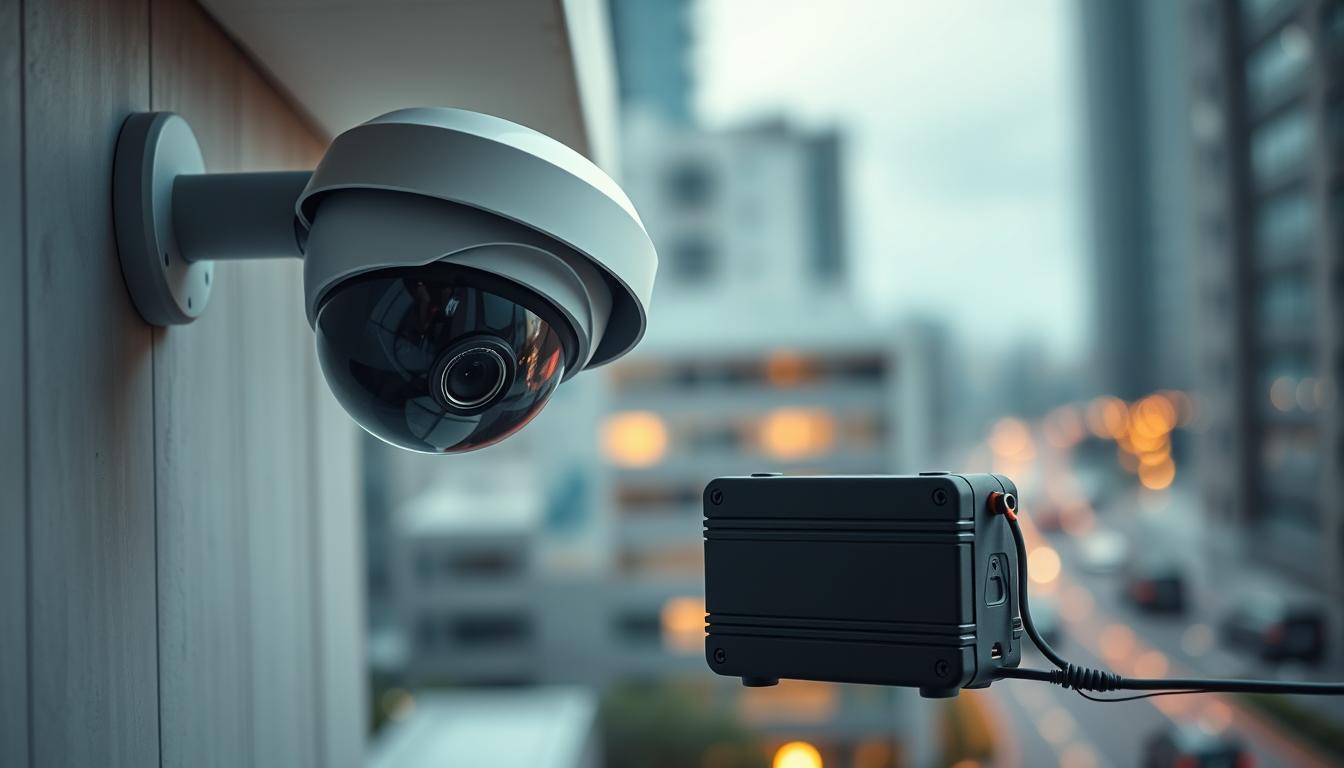
Does CCTV Record When There Is No Electricity Explained
In today’s world, ensuring the safety of your property is crucial. A sudden blackout can leave your premises vulnerable to threats. Most standard systems stop functioning without power, raising concerns for property owners. This leads to a vital question: how can you maintain security during outages?
Modern technology has evolved to provide reliable solutions for continuous monitoring. In Singapore’s dense urban environment, where power interruptions can occur, effective surveillance is essential. Various backup technologies, such as battery units, uninterruptible power supplies (UPS), and solar options, ensure your security remains intact even during power failures.
Different types of cameras, including analog, IP, and wireless setups, interact with electricity in unique ways. Understanding these differences is key to selecting the right system for your needs. This guide will offer practical advice tailored for Singapore property owners, helping you proactively plan against potential security vulnerabilities.
With the right backup solutions, you can ensure your surveillance equipment remains operational, safeguarding your assets at all times.
Key Takeaways
- Power outages can compromise property security, making backup solutions essential.
- Standard systems typically cease functioning without power support.
- Modern technology offers various reliable backup options for continuous monitoring.
- Understanding different camera types helps in selecting the right security system.
- Proactive planning is vital to prevent vulnerabilities during power interruptions.
The Critical Role of Power in CCTV System Operation
Every surveillance setup hinges on a steady supply of electricity to function effectively. These devices are not merely passive observers; they are active electronic systems that require energy to perform their tasks. From capturing images to sending alerts, every function demands a consistent flow of power.
At the heart of each camera lies an image sensor, which acts like a digital eye. It converts light into electrical signals, allowing the processor to analyze these signals for video streaming and motion detection. Moreover, infrared LEDs enable night vision, but they also consume significant power.
When a power outage occurs, the entire system is affected. Live video feeds vanish from monitors and apps, leaving property owners in the dark. Motion detection alerts cease, offering no warning of suspicious activity at critical moments.
Remote access through smartphone applications becomes impossible during outages. This means property owners cannot check on their premises, increasing anxiety during such times. Additionally, cloud uploading services stop, halting data transmission. Recording to Network Video Recorders (NVRs) or Digital Video Recorders (DVRs) also ceases, as these central units lose power.
Modern IP-based setups face a cascading failure. Not only does the camera go offline, but the network router and modem also lose power, cutting off all internet connectivity. This highlights the single points of failure in a security system’s power chain.
Statistics indicate that many security incidents occur under the cover of darkness. A blackout during these hours leaves properties completely vulnerable. Intruders are aware that most surveillance equipment requires electricity. A neighborhood-wide blackout signals potentially disabled security, encouraging opportunistic crime.
Understanding these vulnerabilities is essential. By recognizing the single points of failure in a security system’s power chain, property owners can take proactive steps to enhance their security measures.
Understanding How CCTV Recording Works Without Electricity
Understanding the operational limits of security systems is vital for property safety. Standard CCTV systems are designed to operate with a constant supply of electricity. This means that during a power outage, these systems cannot function, leaving properties completely unmonitored.
Plug-in CCTV cameras require electric power to operate and network connectivity to transmit data. Without power, these cameras stop all operations, including recording, motion detection, and sending alerts to property owners. This can pose a significant safety risk, especially during nighttime hours when security is most critical.
Limitations of Standard CCTV Systems
Traditional wired cameras are particularly vulnerable during blackouts. They lose all capabilities, halting video capture and alert notifications. As a result, property owners cannot monitor their premises, increasing the risk of undetected intrusions.
Battery-Operated and Backup Features in Modern Cameras
Fortunately, some modern CCTV cameras feature built-in battery backups. These devices can continue recording for a limited time when the main power supply fails. Battery-operated CCTV cameras are a primary exception, running on stored battery power independently.
Additionally, battery-powered wireless cameras offer flexibility in installation, making them ideal for locations without regular access to electrical outlets. Some advanced models even utilize solar power, extending recording duration significantly by harnessing renewable energy.
However, it is essential to note that even with battery power, remote access may be unavailable during outages. The network infrastructure, including routers and modems, also loses power, preventing property owners from accessing their CCTV systems remotely.
Understanding these limitations helps property owners make informed decisions about which CCTV systems and backup solutions best suit their security needs. The inability to access cameras remotely during power outages underscores the importance of local storage and alternative communication methods.
Does CCTV Record When There Is No Electricity? Exploring Your Options
In the realm of security, understanding how surveillance systems react to power interruptions is essential. Standard systems typically stop functioning during a power loss, creating immediate vulnerabilities. However, modern technology offers solutions designed for continuous monitoring, even in the absence of electricity.
When evaluating security options, it’s important to recognize the differences between systems:
Systems That Stop Recording vs. Those That Continue
- Traditional wired systems: These are entirely dependent on a constant electrical supply. The moment power is lost, they cease all operations, leaving properties unmonitored.
- Battery-powered cameras: These devices can continue recording without electricity. They utilize stored energy to maintain surveillance operations independently, making them a primary solution for uninterrupted monitoring.
- Hybrid systems: Some models, like the Reolink Argus PT Ultra, combine battery power with solar panel compatibility, offering virtually non-stop power and continuous monitoring capabilities.
- Advanced options: The Reolink Altas PT Ultra can record continuously for 12 hours per day and last up to 8 days on a single battery charge, providing robust coverage.
Impact on Remote Monitoring and Alerts
While battery-powered cameras offer some advantages, there are still limitations. During a power outage, even these systems may lose remote accessibility because network routers and modems also require power. This means property owners cannot access their systems remotely, which represents a significant security gap.
For those needing reliable remote access during power outages, consider options like the Reolink Go PT Ultra. This 4G cellular security camera works without electricity or a WiFi network, ensuring that you can maintain oversight even during complete local blackouts.
Ultimately, the inability to receive push notifications and view footage remotely during power outages underscores the importance of selecting systems with appropriate backup features. Understanding individual security requirements and the typical duration of power outages in Singapore will help property owners make informed decisions about maintaining continuous surveillance coverage.
For more insights on how long CCTV can operate without power, check out our detailed guide.
Factors Influencing How Long CCTV Can Record During Power Outages
The duration a CCTV camera can maintain recording during power outages is influenced by several key factors. Understanding these elements is crucial for ensuring that your security system remains effective, even when the power supply is interrupted.
Battery Capacity and Quality
Battery capacity plays a vital role in determining how long your surveillance system can operate. This capacity is typically measured in milliamp-hours (mAh) or watt-hours (Wh). A larger capacity means more stored energy. For instance, a small built-in camera battery might offer around 5,000 mAh, while larger external uninterruptible power supply (UPS) systems can provide up to 100,000 mAh or more.
However, capacity alone isn’t enough. The quality of the batteries is equally important. Premium batteries tend to have more charge cycles and stable performance, especially in Singapore’s hot climate. In contrast, low-quality batteries degrade faster and may hold less charge over time.
Camera Type and Power Efficiency
Different camera types consume power at varying rates. Modern IP cameras are often more energy-efficient than older analog models due to their advanced power management features. Technologies like Power over Ethernet (PoE) simplify connections by delivering both data and electricity through a single cable, enhancing efficiency.
Specific features also impact power consumption. For example, infrared night vision LEDs require significant energy, while Pan-Tilt-Zoom (PTZ) mechanisms consume more power than fixed lenses. Additionally, the wireless transmission of HD video can be demanding on energy resources.
Recording Resolution and Settings
The resolution at which your CCTV camera records has a direct relationship with power consumption. Capturing 4K footage requires approximately four times the processing energy of 1080p resolution. Therefore, optimizing recording settings can significantly extend the available monitoring hours during outages.
For instance, switching from continuous recording to motion-activated recording allows the system to conserve energy by resting until triggered. This can multiply the available monitoring hours during extended power outages.
By auditing these three areas—battery specifications, camera efficiency, and recording settings—property owners can better estimate performance and select appropriate backup solutions tailored to their specific security needs.
Backup Power Solutions for Uninterrupted CCTV Operation
To maintain security during power outages, property owners must explore effective backup power solutions. These solutions ensure that surveillance systems remain operational, providing peace of mind even in unexpected situations. The three main categories of backup power solutions available in Singapore include:
Uninterruptible Power Supply (UPS) Systems
An uninterruptible power supply acts as an intermediary battery between the wall outlet and security equipment. This device provides instant power during electrical cuts, allowing for graceful system shutdown or continued operation. Basic UPS units start around $30 in Singapore, while advanced models with larger capacities can exceed $100.
To choose a UPS with sufficient capacity, calculate the total system wattage from all cameras and the recorder. Most units provide enough power for several hours of continuous operation, ensuring your security system remains functional during outages.
Standby Generators for Extended Outages
For extended blackouts, standby generators offer robust power solutions. These generators automatically activate when the main electricity fails. Automatic transfer switches detect power loss and start the generator within seconds. Fuel options include petrol, diesel, or natural gas, each with different maintenance requirements and runtime characteristics.
Generators can power entire security networks and other essential systems, operating for days with proper fuel management. This makes them ideal for both residential and commercial applications.
Built-in Camera Batteries and External Power Packs
The growing category of wire-free security cameras features integrated power solutions that operate independently from main electrical lines. Brands like the Reolink Argus series popularize this approach. Built-in batteries typically support several days of smart recording, with motion-activated modes dramatically extending operational hours compared to continuous recording.
Moreover, solar panel accessories can provide virtually unlimited runtime in sunny conditions. For example, the Argus 4 Pro can achieve 24 hours of operation from just 10 minutes of solar charging in Singapore’s sunny climate.
In summary, a strategic combination of these technologies can enhance your security setup. Use a UPS for central recorders and network equipment while deploying battery-powered units in remote or difficult-to-wire locations for comprehensive coverage.
Types of CCTV Systems and Their Built-In Backup Capabilities
Choosing the appropriate surveillance technology can enhance your security measures during unexpected power failures. Different types of CCTV systems come with various built-in backup capabilities, making them suitable for diverse security needs.
Analog vs. Digital Cameras
Analog cameras are known for providing lower-resolution images. They are often more affordable and easier to install due to their simple wiring requirements. However, they lack the advanced features found in digital systems.
Digital cameras utilize high-definition sensors, delivering superior image quality. These systems often come equipped with smart features like motion detection, remote viewing capabilities, and encryption for enhanced security. This makes them a preferred choice for many property owners.
IP Cameras and PoE Advantages
IP cameras represent the modern standard in surveillance technology. They offer significant flexibility in installation and function. Many IP cameras support Power over Ethernet (PoE), simplifying setup with a single cable that provides both data and power.
With IP cameras, users can enjoy remote surveillance over the internet. They often include advanced features like video analytics, making them ideal for large commercial properties requiring extensive coverage. This technology allows entire camera networks to connect to a single UPS backup, improving resilience during outages.
Battery-Powered Wireless Cameras
Battery-powered wireless cameras are versatile solutions that offer complete installation flexibility without dependence on electrical wiring. They are suitable for both homes and businesses, especially in areas prone to frequent power cuts.
Many of these cameras support solar charging, enabling extended recording durations even without grid electricity. This feature is particularly beneficial for maintaining security in locations with unreliable power supply.
When selecting security cameras, power reliability is key. Look for models with built-in battery backups and those that consume less power. This ensures that your surveillance remains effective, even during outages.
Emerging Technologies Enhancing CCTV Reliability During Blackouts
Innovative technologies are transforming the landscape of security systems, especially during power interruptions. Beyond basic batteries and generators, a new wave of intelligent solutions is redefining how we maintain security during outages.
Solar-Powered CCTV Systems
Singapore’s sunny climate is perfect for solar power. Small solar panels can keep a camera’s battery perpetually charged, virtually eliminating runtime limits. Solar panel accessories for wire-free cameras, like those for Reolink Argus models, are becoming increasingly popular. These systems provide sustainable, eco-friendly power for continuous monitoring.
Advanced systems, such as the eGuard, can operate for days without direct solar input. They store ample energy for reliable overnight and low-light monitoring, ensuring that your property remains protected even in the darkest hours.
Hybrid Power Solutions and Smart Energy Management
Hybrid power solutions intelligently combine multiple energy sources. These systems seamlessly switch between grid power, solar input, and battery reserves for maximum resilience. Smart energy management software prioritizes critical functions during outages. For instance, it can dim infrared LEDs or reduce frame rates to conserve battery power, extending the life of your security system.
Onboard Storage and 4G Cellular Backup
Onboard storage via microSD cards is crucial. This feature ensures that footage records locally, even if the central recorder or network is offline during a blackout. This capability is vital for maintaining surveillance continuity.
4G cellular backup is a game-changer for remote alerts. Cameras with built-in SIM slots, like the Reolink Go Plus, maintain a crucial off-site link. Even during a complete local blackout, these units can upload clips or send alerts via the mobile network. This technology keeps you connected to your property when all other lines are down.
These technologies are not futuristic concepts. They are options available to businesses and homeowners in Singapore today, representing the cutting edge in outage-proof surveillance.
Best Practices for Homeowners and Businesses in Singapore
Regularly reviewing your surveillance infrastructure is key to ensuring uninterrupted safety. Begin with a thorough assessment of your current setup. Identify all weak points in your monitoring chain during electrical failures. A comprehensive checklist can guide this process:
- Inventory all cameras: Note each unit’s location and primary power source.
- Map critical equipment: Document DVR/NVR positions and network hardware locations.
- Calculate total consumption: Estimate wattage for your entire surveillance network.
- Identify priority zones: Determine which areas must remain monitored during outages.
- Test existing backups: Simulate a power cut to evaluate current system performance.
This process reveals hidden dependencies in your security chain. Engaging professional security consultants like D-Ron or ED Viston can provide detailed audits, identifying vulnerabilities that DIY assessments might miss.
Consider this decision matrix: rental properties and temporary setups benefit from battery-powered wireless cameras offering flexibility and easy installation. When selecting a CCTV system, choose equipment that matches specific requirements and Singapore’s tropical climate. Factors like weather resistance ratings and operating temperature ranges are crucial.
Regular maintenance of CCTV systems is key to optimal performance even during power outages. Check cameras regularly, inspect battery health, update software, and ensure backup power readiness. Good maintenance lowers the chance of system failure.
Consistent practices such as cleaning camera lenses and checking recording status help avoid technical issues. Establishing scheduled maintenance checks can spot potential problems early before they lead to system failure during critical moments.
Implementing these best practices transforms knowledge into actionable steps for building a robust defense against blackout-related security vulnerabilities.
Maximizing CCTV Effectiveness Despite Power Interruptions
Incorporating diverse backup strategies is vital for maximizing the effectiveness of your surveillance systems in power outages. To achieve this, property owners should consider a layered approach that combines multiple technologies. This ensures that your security setup remains resilient, even during unexpected power interruptions.
Proactive Layered Backup Strategies
Creating a strong defense against power outages requires a proactive mindset. Here are some effective strategies:
- Combine Technologies: Use a UPS for your central recorder and network equipment while deploying battery-powered units in remote or difficult-to-wire locations.
- Weather Resistance: Always verify that outdoor backup solutions carry proper weather resistance ratings suitable for Singapore’s tropical climate and occasional heavy rainfall.
- Runtime Calculation: Calculate your required total system runtime based on local outage patterns to ensure backup solutions are appropriately sized.
Integrating Multiple Backup Power Solutions
Layering different technologies can cover various outage scenarios. For instance:
- Short Outages: A UPS can handle brief interruptions, maintaining power to critical components.
- Extended Blackouts: For longer outages, a standby generator can automatically provide power, ensuring continuous operation.
This combination is technically ideal, as it allows your security system to work without interruption even during several days of power outages.
Partnering with Security Consultants for Tailored Solutions
Investing in backup solutions can be significant, especially for businesses where power outage losses would be substantial. Partnering with professional security consultants in Singapore can help you assess specific property needs. They can recommend tailored solutions that balance protection with practical budget considerations.
Ultimately, the right combination of backup solutions depends on your property’s layout, security priorities, and budget constraints. Thoughtful planning and strategic technology integration are essential for maximizing CCTV effectiveness despite power interruptions.
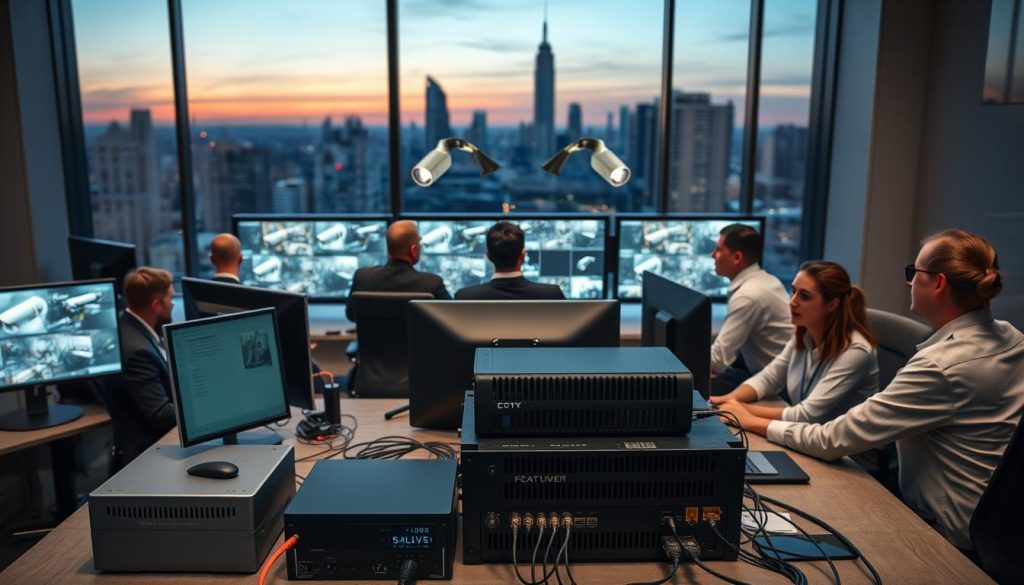
Ensuring Continuous Property Surveillance in Singapore’s Urban Environment
In Singapore’s bustling urban landscape, the need for continuous property surveillance has never been more pressing. High property values make theft and vandalism during outages particularly costly. The absence of surveillance footage complicates recovery efforts and insurance claims, leaving property owners with limited recourse after incidents.
Visible, operational cameras act as powerful psychological deterrents. Potential intruders often reconsider their plans when they know they are being watched. This deterrent effect disappears if cameras appear inactive during outages. Thus, maintaining an operational appearance through reliable backup power is crucial.
Footage captured during outages is invaluable for evidence collection, aiding police investigations and legal proceedings. Insurance companies recognize the value of resilient security systems, often offering premium reductions for properties with uninterrupted monitoring capabilities.
Investing in dependable backup solutions transforms security from reactive to proactive. This ensures surveillance systems provide protection when they are needed most. The peace of mind that comes from knowing your property remains secure during any power interruption is worth the investment for serious property owners in Singapore.
For more insights on how long surveillance systems can operate without power, check out our detailed guide.
FAQ
Can a security system function without electricity?
Most standard security systems require a constant power supply to operate. However, some advanced systems have backup features that allow them to continue functioning during outages.
What happens to CCTV cameras during a power outage?
When a power outage occurs, traditional CCTV cameras typically stop recording and lose connectivity. This can leave your property vulnerable unless backup power solutions are in place.
How long can battery-operated CCTV cameras record during an outage?
The recording duration of battery-operated cameras depends on battery capacity and the camera’s power efficiency. Some models can last several hours, while others may last longer with optimal settings.
What are the best backup power solutions for CCTV systems?
Options include Uninterruptible Power Supply (UPS) systems, standby generators, and built-in batteries in cameras. Each solution has its advantages based on the duration of the outage and the specific security needs.
Are there CCTV systems that can alert me during a power failure?
Yes, certain modern systems have built-in alerts that notify users of power failures. This feature can be crucial for maintaining security and monitoring during outages.
What should I consider when selecting a CCTV system for backup capabilities?
It’s important to evaluate battery capacity, camera type, and whether the system supports external power packs. These factors will influence the system’s reliability during power interruptions.
Can solar power be used for CCTV systems?
Yes, solar-powered CCTV systems are becoming increasingly popular. They provide a sustainable power source and can operate independently of the electrical grid, making them ideal for remote locations.
How can I ensure my CCTV system remains effective during power interruptions?
Implementing layered backup strategies, such as combining UPS systems with solar power, can enhance reliability. Regular maintenance and audits also help ensure your system is prepared for outages.


