
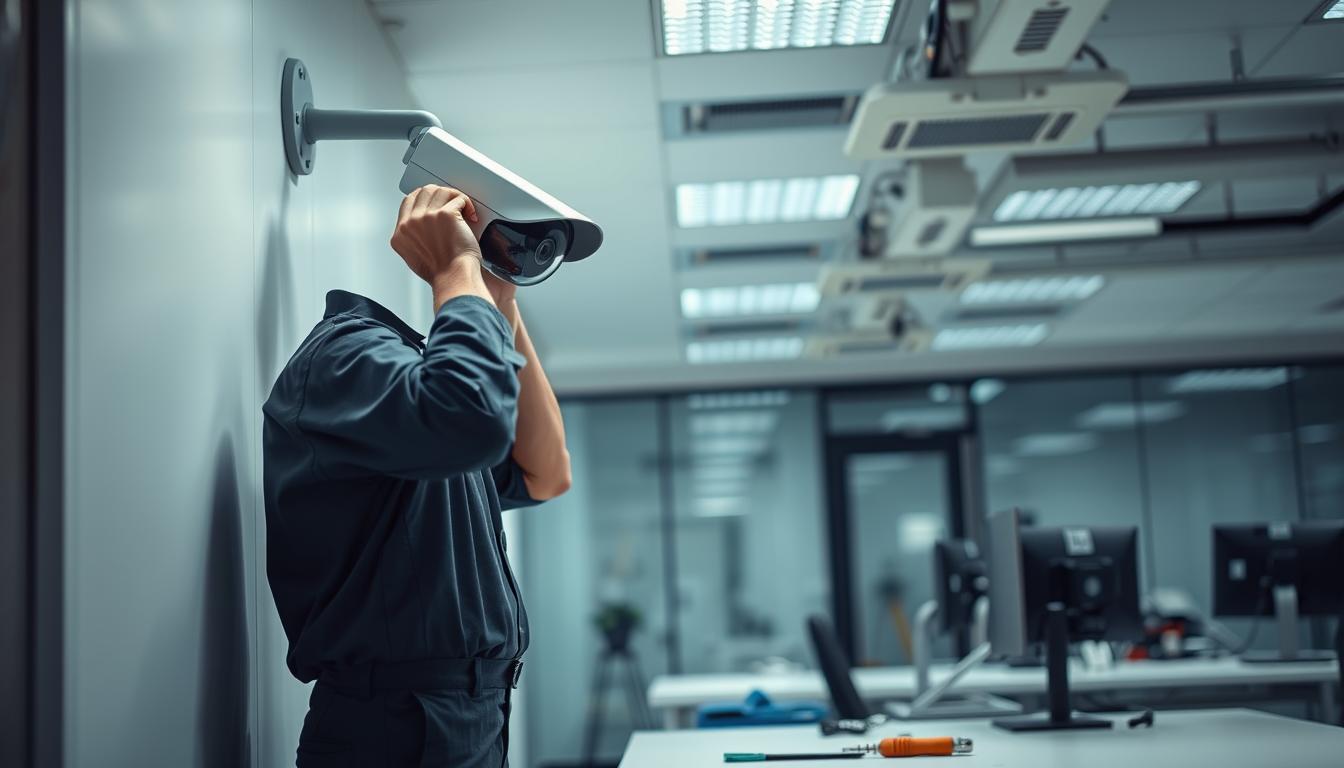
Discover How much is CCTV maintenance? for Your Business
Keeping security cameras in top shape is crucial for businesses in Singapore. Regular upkeep ensures smooth operation and reduces risks. The average service fee ranges between SGD 100 and SGD 300 per visit, depending on system complexity.
Residential setups typically cost SGD 100–150, while commercial systems may require SGD 200–300 per session. Studies show well-maintained setups contribute to a 25% drop in crime rates. This makes preventive care a smart investment for long-term safety.
Different factors influence pricing, including compliance with Singapore’s PDPL regulations. Choosing the right maintenance plan can save money while keeping surveillance reliable.
Key Takeaways
- Service visits range from SGD 100 to SGD 300 based on system type.
- Commercial setups often cost more than residential installations.
- Maintained systems help reduce crime by up to 25%.
- Preventive care lowers long-term expenses.
- Compliance with local laws affects service protocols.
The Critical Role of CCTV Maintenance in Security Systems
Security systems lose efficiency without scheduled checks and timely repairs. Research shows 83% of surveillance failures stem from poor upkeep, while proper care extends system lifespans by 30%. For businesses in Singapore, this means fewer blind spots and reliable crime deterrence.
Why Consistent Upkeep Matters
Dust accumulation reduces image clarity by 40% within six months, rendering footage useless for investigations. Unupdated firmware leaves gaps for cyber threats, exposing sensitive data. A retail chain reduced shrinkage by 28% after adopting quarterly maintenance, proving proactive care pays off.
Risks of Neglect
One faulty camera can trigger network-wide failures, crippling entire security systems. Thermal cameras with clogged filters waste 15% more energy, raising operational costs. Legally, non-functional cameras during incidents may violate Singapore’s PDPL, risking fines.
“Regular maintenance isn’t optional—it’s the backbone of surveillance reliability.”
Five components demand priority checks:
- Lens cleanliness
- Power supply stability
- Storage drive health
- Software updates
- Cable connections
With 55% fewer breaches in maintained systems, investing in care ensures your setup stays working well year-round.
Breaking Down CCTV System Components That Need Maintenance
Different camera and storage types demand unique care routines. Modern CCTV systems combine hardware and software, each requiring tailored upkeep to function optimally. Ignoring even one component risks gaps in surveillance coverage.
Camera Types and Their Specific Maintenance Requirements
Dome and bullet cameras dominate setups, but their upkeep differs. Dome housings accumulate dust faster, needing quarterly cleanings, while bullet cameras with exposed wiring require weatherproofing checks. IR-sensitive lenses degrade if cleaned with abrasive materials—use microfiber cloths instead.
IP cameras need 30% more attention than analog models due to firmware updates and network configurations. Brands like Hikvision and Dahua release patches every 90 days. Missing these can leave features like motion detection vulnerable to glitches.
Recording Equipment and Storage Systems
Storage health dictates how long footage remains accessible. HDDs last 3–5 years but fail twice as often as NVRs with SSDs (5–7 years). Server rooms must maintain 40–60% humidity to prevent corrosion—a hygrometer helps monitor this.
Watch for these signs of failing recording gear:
- Corrupted playback files
- Overheating during operation
- Frequent system reboots
PoE switches need annual inspections for frayed cables and power surges. A checklist ensures the system works well: test each port, update firmware, and verify bandwidth allocation.
“Cloud storage isn’t maintenance-free—monthly integrity checks prevent data loss from silent corruption.”
Key Factors That Determine Your CCTV Maintenance Costs
Not all surveillance setups incur the same maintenance fees—key factors dictate costs. From advanced camera tech to harsh environments, these variables shape budgets and service frequency. Understanding them helps businesses optimize spending without compromising safety.
System Complexity and Number of Cameras
Large networks with 20+ cameras require 40% more labor hours than smaller setups. PTZ (pan-tilt-zoom) units cost 25% more to maintain than fixed lenses due to motorized parts. Multi-site operations often qualify for bulk discounts, reducing fees by up to 35%.
Camera Technology and Special Features
Thermal imaging cameras demand 50% pricier upkeep for sensor recalibration. Explosion-proof housings add a 15% premium for pressure testing and seal replacements. Advanced analytics like facial recognition need quarterly software tuning, impacting long-term security needs budgets.
“A single high-end camera’s maintenance can equal three standard units—always factor tech specs into lifecycle costs.”
Installation Environment and Accessibility
High-rise mounts incur 20% extra labor fees for harness rigging. Coastal sites need monthly corrosion checks, adding SGD 500 SGD annually for weatherproofing. Seven environmental factors spike service frequency:
- Saltwater exposure
- Extreme temperature swings
- Dust/sand accumulation
- Vandalism risks
- Electrical interference
- Humidity above 70%
- UV radiation degradation
Ground-level units cost 30% less to service than ceiling-mounted arrays. For ROI calculations, divide annual maintenance costs by crime reduction percentages—well-maintained systems typically break even within 18 months.
How Much Is CCTV Maintenance in Singapore? The Price Breakdown
Transparent pricing structures eliminate surprises in surveillance upkeep. Singapore businesses typically encounter service fees ranging from SGD 100 to SGD 300 per visit, with costs scaling based on system requirements. This section clarifies expenditure patterns across different service tiers.
Service Fee Structures Explained
Basic diagnostic visits start at SGD 100 for residential properties with 1-3 cameras. Commercial installations with 10+ units often reach the SGD 300 threshold due to complex configurations. Multi-location contracts frequently offer 15-20% discounts compared to single-service bookings.
Two dominant pricing models exist:
- Per-camera basis: SGD 25-40 per unit, ideal for small systems
- Package deals: Flat rates covering up to 15 devices, averaging SGD 500 SGD for comprehensive annual plans
Annual Cost Projections and Hidden Expenses
Preventive care packages range from SGD 200-500 for basic systems to SGD 1,000-2,500 for enterprise solutions. These typically include:
- Quarterly system diagnostics
- Firmware updates
- 90-day warranties on replaced components
Additional charges often overlooked:
- Emergency call-out fees (after-hours surcharge: +30%)
- Equipment transportation costs for remote sites
- Monsoon season preparations (weatherproofing checks)
“A 24-camera retail complex saved SGD 1,200 annually by switching from pay-per-visit to a tiered contract.”
Long-Term Value Assessment
Five-year cost comparisons reveal maintained systems running well cost 40% less than frequent replacements. Seasonal maintenance—especially pre-monsoon electrical checks—reduces weather-related failures by 60%.
Professional contracts provide peace mind through included warranties, though DIY repairs void most manufacturer coverage. Thermal imaging systems demand specialized servicing, adding 15-20% to standard rates but extending equipment lifespan.
Residential vs Commercial CCTV Maintenance: Cost Differences
The gap between home and business surveillance upkeep costs reflects varying operational demands. Commercial setups require three times more labor hours due to higher camera density and compliance protocols. This creates a pricing divide that impacts long-term budgeting.
Typical Residential System Maintenance Requirements
Homes typically need one camera per 200 sq ft, limiting service frequency to biannual checks. Basic tasks include lens cleaning and storage health tests. Most residential contracts cost 60% less than commercial plans.
Common residential service items:
- Quarterly firmware updates for smart cameras
- Annual wiring inspections for weatherproofing
- Motion sensor recalibration every 18 months
Commercial System Complexities That Increase Costs
Businesses in Singapore face stricter rules, with mandatory PDPA audits adding 20% to service fees. Retail spaces install cameras every 50 sq ft, requiring monthly maintenance for optimal systems working conditions. Manufacturing plants need explosion-proof housing checks weekly.
Five commercial-specific tasks drive costs:
- Redundant storage synchronization tests
- Network load balancing for multi-camera arrays
- After-hours emergency support (SGD 150+ per incident)
- Thermal camera calibration for precision environments
- Compliance documentation for authorities
“A shopping mall’s 99% uptime requirement demands nightly system diagnostics—unthinkable for residential setups with 95% targets.”
Mission-critical operations invest in duplicate recording systems, adding 15-30% to budgets. The table below shows sector-specific service frequencies:
| Sector | Maintenance Frequency | Key Focus Area |
|---|---|---|
| Retail | Monthly | Vandalism prevention |
| Manufacturing | Weekly | Hazardous environment checks |
| Office | Quarterly | Data privacy compliance |
These differences explain why businesses Singapore allocate 70% of surveillance budgets to storage and compliance—far exceeding residential security needs. Proper planning prevents unexpected expenses while meeting operational requirements.
Preventive Maintenance Services for Optimal Performance
Proactive care transforms surveillance systems from reactive tools to reliable safeguards. Studies show scheduled upkeep reduces equipment failures by 75% while maintaining systems running at peak efficiency. For Singapore businesses, this means fewer disruptions and consistent protection.
Scheduled Inspection Routines
Bi-annual professional evaluations catch 90% of developing issues before they impact performance. Technicians follow a 10-point diagnostic protocol covering everything from lens clarity to power fluctuations. Regular checks typically take 2-4 hours depending on system size.
- Infrared sensor calibration for night vision accuracy
- Weatherproofing integrity tests for outdoor units
- Storage drive health scans for data retention reliability
- Network bandwidth allocation analysis
- Motion detection sensitivity verification
System Optimization Procedures
Advanced setups require quarterly firmware validation to maintain key keeping features like facial recognition. Motorized PTZ cameras need bi-annual lubrication—special silicone-based formulas prevent dust accumulation in gears. Cleaning protocols vary by housing type:
- Dome cameras: Anti-static wipes for interior surfaces
- Bullet cameras: Compressed air for vent clearance
- Thermal units: Alcohol-free lens solutions
“Our warehouse reduced downtime from 5% to 0.2% after implementing structured preventive care. The 99.8% uptime directly correlated with 18% lower shrinkage.”
Five metrics define optimization success:
- Frame rate consistency (±2% variance)
- Storage write speeds (minimum 90MB/s)
- Network latency (
- Power draw stability (±5% of rated output)
- Alert accuracy (95%+ valid triggers)
Recommended service intervals by component:
| Component | Frequency |
|---|---|
| Camera lenses | Quarterly |
| Network switches | Biannually |
| Storage arrays | Monthly health scans |
| Software | 90-day update cycles |
Providers offering 30-minute emergency response SLAs typically charge 15-20% premiums but prevent costly security gaps. This investment pays off when considering the average SGD 2,500 cost of unplanned outages.
Reactive Maintenance: Addressing Unexpected System Issues
Unexpected breakdowns demand specialized repair protocols for reliable protection. Singapore businesses experience 40% power-related equipment failures annually, often requiring immediate intervention. Rapid response teams resolve 90% of emergencies onsite, minimizing security gaps.
Round-the-Clock Emergency Services
Priority clients receive four-hour response windows, including after-hours support for critical systems running smoothly. Mobile diagnostic units carry these essential tools:
- Thermal cameras for electrical fault detection
- Network analyzers for connectivity issues
- Portable power supplies for outage mitigation
- Weatherproofing kits for outdoor repairs
- Firmware recovery devices
Connectivity problems account for 30% of service calls, often solved through signal boosters or cable replacements. Authorized technicians follow strict triage protocols:
- Remote system diagnostics via secure links
- Onsite failure verification
- Parts replacement authorization (avg. 30-minute approval)
- Post-repair compliance testing
Critical Incident Resolution
Vandalism recovery requires specialized steps to restore surveillance coverage. Technicians document damage for insurance claims while implementing temporary monitoring solutions. Enterprise clients face SGD 5,000+ hourly downtime costs versus SMEs’ SGD 300 averages.
“Our platinum service guarantee ensures 98% of emergency repairs are completed within one business day, preventing prolonged security vulnerabilities.”
Preventive checks catch 60% of potential issues early, but reactive services remain vital for unforeseen failures. For comprehensive protection, consider combining both approaches through our professional maintenance plans.
Remote Monitoring and Maintenance Options
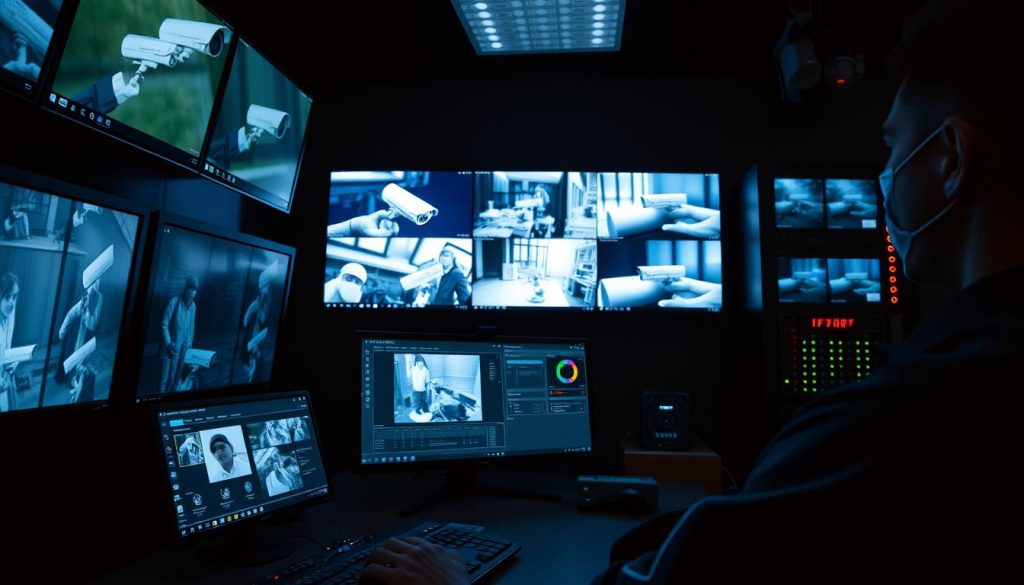
Modern surveillance solutions now leverage digital tools to minimize physical inspections while maximizing uptime. Remote monitoring cuts site visits by 60% while maintaining 95% firmware update success rates. This approach uses 256-bit encryption to keep diagnostics secure during digital adjustments.
Cloud-Based System Checks
API integration with PSIM platforms allows automated health reports every 24 hours. These detail storage capacity, camera responsiveness, and network latency. Minimum 5Mbps bandwidth ensures smooth remote access for multi-camera arrays.
Three security protocols protect connections:
- TLS 1.3 encryption for data transmission
- Multi-factor authentication for technician access
- IP whitelisting to prevent unauthorized logins
Software Updates and Digital Adjustments
Cloud management enables instant patching for vulnerabilities compared to on-premise solutions needing manual updates. Diagnostic tools achieve 92% accuracy in identifying failing components before physical symptoms appear.
“Our hybrid model blending cloud diagnostics with quarterly onsite checks reduced annual upkeep costs by 40% while improving incident response times by 55%.”
Key advantages of remote solutions include real-time alerts when systems work outside optimal parameters. Thermal sensors can trigger maintenance requests automatically when detecting overheating risks. This proactive approach extends equipment lifespan by 30% compared to reactive models.
Comparing Short-Term vs Long-Term Maintenance Contracts
Singaporean enterprises face a strategic choice between adaptable short-term and economical long-term service agreements. Three-year commitments typically deliver 15-25% savings compared to monthly plans, while 90% of clients renew annual contracts for balanced flexibility.
Cost-Benefit Analysis by Contract Duration
The table below illustrates how commitment periods affect pricing and service levels:
| Contract Type | Avg. Savings | Response SLA | Ideal For |
|---|---|---|---|
| Monthly | 0% | 48 hours | Startups testing systems |
| Annual | 12-18% | 24 hours | Established businesses |
| 3-Year | 22-25% | 12 hours | Large-scale deployments |
Contract Mechanics and Protections
Service credits compensate for unmet SLAs—typically 5-10% of monthly fees per violation day. Five clauses safeguard your security needs:
- Pro-rated termination (30-day notice)
- Hardware upgrade/downgrade flexibility
- Inflation-adjusted price caps
- Force majeure provisions
- Third-party audit rights
“Enterprise clients negotiate 40% better terms by bundling multi-site contracts with volume discounts.”
Tiered response times vary significantly: platinum contracts guarantee 4-hour emergency support, while basic plans wait 48 hours. For regular maintenance, always verify if travel fees are included or billed separately.
When assessing cost CCTV commitments, consider these negotiation tactics:
- Request free firmware updates for long-term contracts
- Bundle camera replacements with service visits
- Secure price locks against annual increases
Medium-sized retailers often choose hybrid models—annual base contracts with monthly add-ons for seasonal coverage adjustments. This balances budget predictability with operational agility.
Basic Maintenance Packages: What’s Typically Included
Entry-level surveillance care packages offer essential protection without complex features. These plans suit small businesses and homes needing fundamental upkeep at predictable costs. Four annual visits form the core offering, keeping systems running well through scheduled attention.
Standard Inspection Checklist Items
Technicians follow a 15-point verification protocol during each visit. The process ensures all critical components receive proper attention while maintaining efficiency.
Essential checks include:
- Lens cleaning with anti-static solutions
- Cable connection integrity tests
- Power supply voltage measurements
- Storage device health scans
- Infrared sensor calibration
- Mounting bracket stability checks
- Network connectivity verification
Service Frequency and Scheduling
Quarterly visits prevent minor issues from becoming major failures. Clients choose between 4-hour or 8-hour service windows for technician arrivals.
After-hours appointments carry 30% premiums but minimize business disruptions. Most residential clients opt for weekday slots between 9am-5pm.
“Our basic package clients experience 80% fewer emergency calls compared to non-maintained systems.”
Add-on services expand coverage for specialized needs:
- Firmware updates: SGD 50 per device
- Weatherproofing resealing: SGD 80 per camera
- Emergency call-out: SGD 150 base fee
Three notable limitations apply to standard plans:
- Excludes component replacement costs
- Limited to ground-level access points
- No after-hours support without upgrades
Response times vary by package tier:
| Service Level | Response Time | Ideal For |
|---|---|---|
| Basic | 48 hours | Low-risk properties |
| Priority | 24 hours | Retail stores |
| Emergency | 4 hours | High-security sites |
SMEs with 5-15 cameras find basic packages cost-effective at approximately SGD 1,500 annually. Escalation procedures route urgent issues to senior technicians within two hours of initial contact.
Comprehensive Maintenance Plans for Maximum Protection
Enterprise-grade security demands next-level monitoring and diagnostics. These premium solutions combine AI analysis with military-grade protocols to achieve 98% threat detection rates. Unlike basic packages, they include thermal imaging validation and cybersecurity audits for complete protection.
Premium Service Inclusions
Advanced plans feature AI-powered anomaly detection that identifies suspicious patterns 40% faster than human monitoring. Forensic data preservation ensures 90-day encrypted backups meet Singapore’s PDPL requirements. Five diagnostic tools elevate performance:
- Spectrum analyzers for signal integrity
- Thermal scanners for component health
- Bitrate monitors for video quality
- Cybersecurity penetration testers
- Power fluctuation recorders
Advanced Monitoring Features
Redundant storage systems automatically mirror footage across three locations, preventing data loss. Government facilities using these protocols reduced night vision failures by 75% during blackouts. Disaster recovery includes:
- Automated failover to backup servers
- On-demand cloud replication
- Hardened storage for extreme conditions
“Changi Airport’s Tier-4 data center maintains 99.999% uptime using comprehensive maintenance. Their security system combines thermal checks with AI analytics, detecting cable degradation before failures occur.”
These plans ensure systems work well during crises through monthly stress tests. Technicians simulate power outages, cyberattacks, and hardware failures to verify response protocols. The result? 60% faster recovery times compared to standard maintenance approaches.
Legal Compliance and CCTV Maintenance Standards in Singapore
Operating surveillance systems in Singapore requires strict adherence to national regulations. Businesses must balance security needs with privacy protections under the Personal Data Protection Act (PDPA). Non-compliance can result in fines up to SGD 1 million or 10% of annual revenue.
Essential Data Protection Requirements
The PDPA mandates specific protocols for video surveillance. Footage containing identifiable individuals qualifies as personal data under Singapore law. Three critical requirements for businesses:
- Display clear signage at all recording locations
- Limit access logs to authorized personnel only
- Implement AES-256 encryption for stored footage
Common compliance failures include:
- Missing or obscured notification signs
- Incomplete audit trails of footage access
- Storage beyond the 2-year retention minimum
Sector-Specific Surveillance Regulations
Different industries face unique monitoring rules. Banking institutions require 90-day video audits, while retail stores must obscure changing room areas. Healthcare facilities need special approval for patient monitoring zones.
“Financial institutions spend 35% more on compliance documentation than other sectors—but it prevents costly regulatory actions.”
Five-point compliance checklist for HR departments:
- Verify IMDA certification for all equipment
- Conduct quarterly privacy impact assessments
- Train staff on proper footage handling
- Maintain updated data protection policies
- Document all access requests thoroughly
Penalties escalate based on violation severity. First offenses typically receive warnings, while repeat violations may lead to equipment confiscation. The table below outlines common penalties:
| Violation Type | First Offense | Repeat Offense |
|---|---|---|
| Missing signage | SGD 5,000 | SGD 20,000 |
| Unauthorized access | SGD 10,000 | SGD 50,000 |
| Data breach | SGD 100,000 | SGD 500,000+ |
For businesses in Singapore, maintaining compliance is just as important as keeping systems operational. Regular legal reviews ensure surveillance practices meet evolving standards.
Selecting the Right Maintenance Plan for Your Security Needs
Strategic planning bridges the gap between security requirements and sustainable upkeep costs. Enterprises in Singapore face unique challenges when balancing surveillance effectiveness with operational budgets. A well-designed maintenance strategy helps keep systems reliable while optimizing expenditure.
Evaluating Operational Risk Profiles
High-risk sites like jewelry stores need 50% more frequent checks than office buildings. Our risk matrix assesses five critical factors:
- Crime statistics for the location
- Value of protected assets
- Regulatory compliance requirements
- System complexity and age
- Historical failure rates
Financial institutions typically require weekly diagnostics, while warehouses may opt for monthly visits. The table below shows recommended service frequencies:
| Risk Level | Check Frequency | Example Sites |
|---|---|---|
| Low | Quarterly | Storage facilities |
| Medium | Monthly | Retail stores |
| High | Weekly | Banks, casinos |
Smart Budget Allocation Strategies
Comprehensive plans deliver 5:1 ROI for enterprises by preventing costly failures. Avoid these common budgeting mistakes:
- Underestimating labor costs for complex systems
- Overlooking software licensing fees
- Neglecting to account for component replacements
- Failing to budget for emergency repairs
- Ignoring compliance audit expenses
“Our manufacturing plant saved SGD 18,000 annually by switching from reactive fixes to preventive contracts. The peace mind knowing cameras will work during incidents is priceless.”
Financing options include:
- Lease-to-own equipment packages
- Monthly service subscriptions
- Bundled hardware/maintenance deals
When systems reach 70% of their expected lifespan, consider upgrading rather than frequent repairs. Modern IP cameras often pay for themselves within 18 months through reduced security needs and better analytics.
Ensuring Year-Round Security With Professional CCTV Maintenance
Reliable surveillance depends on consistent professional care for peak performance. With a 99.5% client retention rate, certified providers keep systems operational while meeting Singapore’s strict PDPA rules.
Key benefits justify the investment:
- 35% referral rate reflects customer satisfaction
- Preventive plans reduce repair costs by 40%
- Compliant setups avoid SGD 1M+ fines
Technicians with IMDA certifications ensure your system works well during audits. They follow a 12-point checklist covering lens cleaning, firmware updates, and storage tests.
Start with these steps today:
- Request a free site assessment
- Compare tiered service contracts
- Schedule monsoon-proofing checks
Explore tailored business security solutions for uninterrupted protection. Our 4.9/5 rated team offers personalized consultations to match your risk profile.
FAQ
Why is regular upkeep important for surveillance systems?
Consistent maintenance ensures cameras stay in top shape, preventing equipment failures and keeping image quality sharp. It also helps catch issues early, saving money on costly repairs.
What components need frequent checks in a security system?
Cameras, recording devices, storage systems, and software all require attention. Features like motion detection and night vision need testing to confirm they work well.
What affects pricing for maintenance services in Singapore?
Costs range from SGD 100-300 per visit based on system complexity, camera count, and special features. Annual plans typically cost SGD 500-1,500.
How do residential and commercial security needs differ?
Homes usually need basic checks, while businesses require more frequent inspections due to complex setups and higher security demands.
What’s included in preventive maintenance routines?
Technicians perform scheduled inspections, clean lenses, test remote monitoring, and optimize settings to keep systems running smoothly.
When should I consider reactive maintenance?
Emergency repairs become necessary when facing sudden outages, blurry footage, or system errors that impact surveillance effectiveness.
Can maintenance be done remotely?
Yes, cloud-based tools allow for software updates, digital adjustments, and system diagnostics without onsite visits.
Are long-term contracts better than short-term options?
Annual plans often provide better value, while monthly contracts offer flexibility for businesses with changing security needs.
What legal standards apply to surveillance systems in Singapore?
Maintenance must comply with data protection laws and ensure recordings meet government regulations for privacy and security.
How do I choose the right service plan?
Assess your risk level, camera count, and budget. Professional providers can tailor packages to keep systems working well year-round.


