
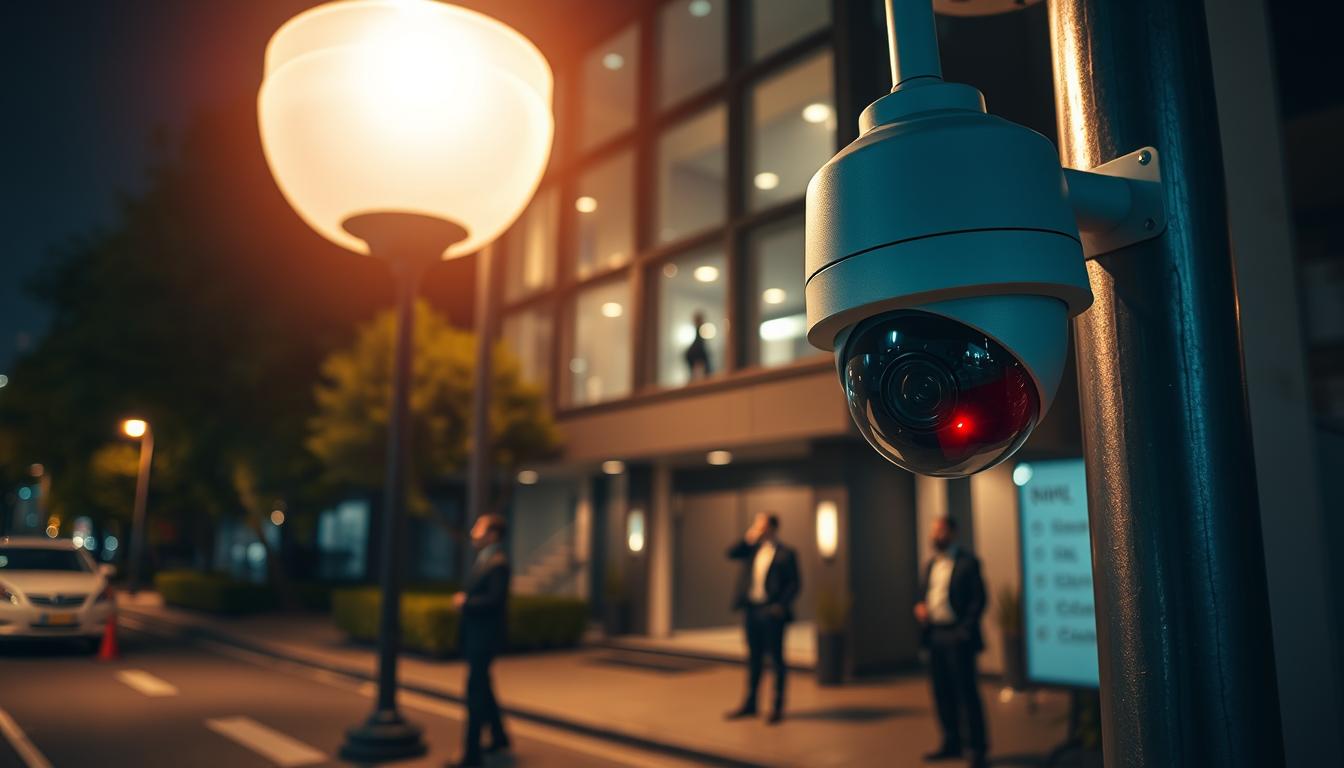
Can CCTV Work in Dark How-To Guide for Night Security in SG
In today’s world, security is a top priority for many property owners. The question arises: can surveillance cameras effectively function without visible light? This is especially crucial for those in Singapore, where statistics reveal that a staggering 60% of burglaries occur after sunset.
Modern surveillance technology has advanced significantly. Today’s cameras can capture clear images even in low-light conditions. With features like infrared LEDs and thermal imaging, these devices illuminate scenes and detect heat signatures that are invisible to the human eye.
Moreover, businesses face a fourfold risk of burglary compared to homes, making nighttime security a vital investment. Some high-end models, such as the eufyCam series, even offer color night vision, providing superior detail in complete darkness.
As we explore this topic, you’ll learn about the various night vision technologies, camera types, and installation best practices tailored for Singapore’s urban environment. By the end, you’ll understand that yes, surveillance can function in the dark, but effectiveness relies on selecting the right equipment and ensuring proper setup.
Key Takeaways
- Modern cameras can capture clear images in low-light conditions.
- 60% of burglaries in Singapore occur at night.
- Businesses are at a higher risk of nighttime burglaries.
- Infrared and thermal technologies enhance night vision capabilities.
- Some models offer color night vision for better detail.
- Proper installation is crucial for optimal camera performance.
Understanding the Importance of Night Security in Singapore
In bustling cities like Singapore, nighttime security is more important than ever. With a significant percentage of property crimes occurring after dark, it is crucial for residents and businesses to prioritize effective surveillance. Police data indicates that 60% of burglaries happen at night, highlighting the urgent need for reliable security measures.
Urban environments, such as Singapore’s HDB estates and commercial districts, present unique challenges for surveillance. Dense architecture and varying light conditions can create blind spots, making it difficult for traditional monitoring methods to capture clear footage. Human security guards, without technological assistance, can miss up to 80% of movement in darkness. This reality underscores the importance of integrating advanced camera systems.
Moreover, modern buildings, particularly glass-fronted high-rises, can create thermal bridging effects. These blind spots may obscure intruders from standard surveillance equipment. Additionally, tropical weather patterns, including monsoon rains and haze, further degrade nighttime visibility, complicating security efforts.
Singapore’s Smart City initiatives aim to address these challenges. By integrating high-resolution cameras, cloud storage, and AI analytics, authorities can enhance real-time threat detection and response. The National Environment Agency (NEA) mandates specific lighting levels for public spaces, yet private properties often fall short. Implementing security lighting zones with targeted illumination can bridge these gaps, improving overall safety.
Investing in night-capable surveillance aligns with Singapore’s vision of becoming a fully integrated smart nation. As commercial activities and residential life extend well into the night, 24/7 monitoring becomes essential. Understanding the various factors affecting camera performance, including light pollution and sparse infrastructure, is crucial for effective security planning.
How Modern CCTV Technology Enables Surveillance in Darkness
As urban environments evolve, the need for advanced surveillance technology has become increasingly critical. The integration of infrared and thermal imaging technologies has transformed how security systems operate in low-light conditions. These innovations ensure that property owners can maintain safety even when visibility is limited.
Role of Infrared and Thermal Imaging
Infrared technology is at the forefront of night vision capabilities. Infrared LEDs emit wavelengths between 850nm and 940nm, which are invisible to the human eye but detectable by camera sensors. The 850nm range provides brighter illumination for longer distances, while the 940nm range operates stealthily, leaving no visible red glow.
Thermal imaging complements this technology by detecting heat signatures instead of relying on reflected light. This allows for effective monitoring through smoke, foliage, and complete darkness, making it invaluable for nighttime security.
Sensor Technologies: CMOS, CCD, and Starlight Sensors
Sensor technology plays a vital role in capturing clear images under low-light conditions. Backside-illuminated (BSI) designs have revolutionized low-light performance, allowing cameras to capture more available light. Notably, Sony’s STARVIS sensors achieve an impressive 2000mV sensitivity per µm², setting a benchmark for nighttime image quality.
Starlight sensors can capture full-color footage at illumination levels as low as 0.0001 lux, which is brighter than moonlight. This capability effectively turns near-darkness into usable surveillance video. Additionally, pixel binning technology enhances clarity by combining adjacent pixels, improving image quality without needing extra illumination.
Wide Dynamic Range (WDR) capabilities further enhance performance by balancing extreme light contrasts. This prevents bright areas from washing out while maintaining detail in shadows. In Singapore’s humid climate, IMDA-approved camera models feature specialized corrosion-resistant coatings, ensuring durability and longevity.
In summary, the combination of advanced sensors, infrared illumination, and intelligent image processing enables modern cameras to capture clear footage in conditions where older systems would fail completely.
Can CCTV Work in Dark? Exploring Night Vision Capabilities
As night falls, the need for effective surveillance becomes paramount. Modern security cameras are equipped with advanced night vision capabilities that allow them to operate in complete darkness. This technology primarily relies on infrared (IR) illumination, which is invisible to the human eye but essential for capturing clear images in low-light conditions.
Infrared (IR) Night Vision Explained
Infrared night vision enables cameras to see in the dark by using invisible IR light. This light reflects off objects and returns to the camera sensor, allowing it to produce clear images even when there is no ambient light. Standard IR night vision systems activate LEDs surrounding the lens automatically when light levels drop below a certain threshold.
EXIR and Advanced IR Illumination Technologies
One of the significant advancements in night vision technology is EXIR (Extended Infrared) technology. This innovation provides 40% wider coverage than traditional IR systems, ensuring uniform edge-to-edge illumination. Smart IR features further enhance performance by automatically adjusting exposure levels to prevent overexposure when objects are close to the camera, maintaining clarity at longer distances.
Thermal Imaging and Heat Signature Detection
Thermal imaging takes night vision a step further by detecting heat signatures with remarkable precision. These cameras can identify temperature differences as small as 0.01°C, allowing them to spot people, vehicles, and animals even in total darkness. Unlike standard IR cameras, thermal imaging can see through obscurants like smoke, fog, and heavy foliage, making it an invaluable tool for security.
In Singapore, adherence to the Technical Reference 76 establishes mandatory IR performance standards for public surveillance systems. Hybrid camera systems that combine visible light and IR illumination can produce color footage even in near-dark conditions, offering enhanced detail for monitoring.
Effective heat management is also crucial for IR cameras. Many models feature aluminum housings that dissipate thermal buildup during prolonged nighttime operation. Additionally, cybersecurity considerations are vital for networked night vision systems, with encrypted firmware updates preventing unauthorized access that could disable night vision functions.
Types of Night Vision Cameras Suitable for Singapore’s Environment
Selecting the right type of night vision camera is essential for effective security in Singapore. With various options available, property owners can choose the best technology to meet their unique needs. Here, we will explore three main types of night vision cameras: infrared, thermal imaging, and low-light starlight cameras.
Infrared Night Vision Cameras
Infrared night vision cameras are the most common and cost-effective choice for many. These cameras typically cover distances of up to 30 meters using wavelengths between 850nm and 940nm. They are ideal for residential HDB flats and small businesses, providing reliable surveillance in low-light conditions.
In Singapore, PSB-certified infrared models come equipped with vandal-proof housing. This design ensures durability against urban environments and potential tampering attempts. Their effectiveness makes them a popular choice for various properties.
Thermal Imaging Cameras for Total Darkness
For more advanced needs, thermal imaging cameras offer premium solutions. These cameras can detect heat signatures at ranges exceeding 100 meters, making them suitable for critical infrastructure like Changi Airport and port facilities. Military-grade thermal sensors deployed in Singapore’s ports utilize AI to automatically flag anomalies, enhancing security measures.
While these systems require a higher investment, starting at approximately S$5,000, their ability to operate in total darkness and through environmental obscurants justifies the cost. This investment ensures that essential areas remain secure around the clock.
Low-Light and Starlight Cameras with Color Night Vision
Low-light and starlight cameras represent another innovative option. These cameras can capture full-color footage at illumination levels as low as 0.0001 lux, providing superior detail compared to monochrome infrared footage. This feature is particularly useful in areas where ambient light fluctuates, such as HDB corridors.
Multispectral camera models combine infrared and visible light sensors, delivering the best of both technologies for varying lighting conditions. Prices for basic starlight models start at S$500, while advanced units with AI motion tracking can reach up to S$2,000.
Ultimately, selecting the right camera type depends on the specific environment, security requirements, and budget constraints of each property in Singapore. Understanding these options will help ensure effective surveillance for any situation.
How Night Vision Cameras Operate in Low-Light Conditions
Night vision cameras utilize advanced technology to provide reliable security in dimly lit environments. Understanding their operational mechanics is essential for effective surveillance. These cameras activate infrared (IR) LED arrays automatically when ambient light falls below a preset threshold. This feature ensures that monitoring continues seamlessly, even in darkness.
Infrared LED Illumination and Coverage
Ring-style IR LED configurations are designed to provide even illumination across the entire field of view. In contrast, matrix configurations target specific zones for focused coverage. This adaptability is crucial for various surveillance scenarios.
EXIR technology enhances performance by distributing infrared light 40% wider than standard LEDs. This eliminates the hotspot effect common in older models, ensuring consistent lighting across the monitored area.
Power requirements for these IR illumination systems are also significant. PoE+ (Power over Ethernet Plus) supports energy-intensive IR arrays without needing separate electrical wiring. This efficiency is particularly beneficial for complex installations.
Sensor Sensitivity and Image Processing
The role of sensor technology is vital in low-light conditions. Cameras rated at 0.001 lux can capture usable footage under moonlight without additional illumination. This capability is essential for maintaining security during nighttime.
Backside-illuminated sensor designs enhance light capture by rearranging sensor layers, outperforming traditional front-illuminated chips. This innovation allows cameras to gather more light, improving overall image quality.
Pixel binning technology further boosts clarity by merging data from adjacent pixels. This process dramatically improves image quality and reduces noise in low-light situations.
Additionally, cameras seamlessly transition from color to monochrome imaging in automatic night mode when light levels drop. This optimization ensures that images are clear and usable for surveillance purposes.
Wide Dynamic Range (WDR) processing balances scenes with both bright and dark areas. This technology preserves details across the entire image, making it an invaluable feature for night vision cameras.
Challenges and Limitations of CCTV Surveillance at Night
The effectiveness of night surveillance can be significantly challenged by various environmental and technical factors. In Singapore, the tropical climate poses unique challenges for security cameras, especially during the monsoon season.
Environmental Factors: Rain, Fog, and Humidity
Heavy rainfall can reduce infrared effectiveness by 60-70%, creating blind spots in critical areas. This is particularly concerning during monsoon seasons when visibility drops dramatically.
Additionally, fog and high humidity levels can further complicate monitoring efforts. The moisture in the air can obscure images, making it difficult for cameras to capture clear footage.
Technical Limitations: Motion Blur and Image Noise
When light levels drop below 0.1 lux, the signal-to-noise ratio becomes critically pronounced. This results in grainy and unclear footage, which can hinder effective surveillance.
Using slow shutter speeds can help capture more light but introduces motion blur. This trade-off can render footage unusable for identifying moving subjects, a significant concern for compliance with SCDF standards that require at least 15 frames per second for actionable evidence.
Regulatory and Maintenance Considerations in Singapore
In Singapore, regulatory considerations, such as NEA lighting mandates and URA guidelines, affect where and how surveillance equipment can be installed. These regulations ensure that security systems operate effectively within legal parameters.
Moreover, tropical humidity accelerates the corrosion of camera components. Regular maintenance is crucial to ensure the longevity of the equipment. For optimal performance, it is recommended to clean lenses every three months to prevent condensation buildup.
Additionally, the attraction of insects to IR illuminators can trigger false motion alerts, wasting security resources. Addressing these issues is essential for maintaining an effective night surveillance system.
Accessories and Enhancements to Improve Nighttime Vision
Effective night vision relies on additional tools and features that can significantly improve surveillance capabilities. Various accessories enhance the performance of security cameras, making them more efficient in low-light conditions.
Additional Infrared Illuminators and Lighting Solutions
Auxiliary IR illuminators are powerful add-ons that can extend a camera’s effective night vision range by up to 300% beyond its built-in capabilities. Laser IR illuminators can reach distances of up to 500 meters, making them suitable for securing large industrial compounds and perimeter fences in Singapore.
Solar-powered options, like the Hikvision DS-2CE56H0T-IRP, leverage Singapore’s tropical sunlight to operate sustainably without increasing electricity costs. Smart light scheduling features integrate with building automation systems to synchronize supplemental illumination with patrol schedules and motion triggers.
LTA-compliant pole-mounted lighting units are designed to provide uniform coverage for public areas while minimizing glare that could distract drivers or disturb residents.
Lens Filters, Housings, and Power Systems
UV-filtered camera housings prevent lens fogging during Singapore’s frequent humidity spikes, maintaining clear image quality throughout the night. Anti-glare visors and matte-finish mounting accessories combat reflection issues common in glass-heavy business districts.
PoE injectors deliver stable power to remote camera installations where running separate electrical wiring would be impractical or cost-prohibitive. Hybrid lighting systems combine visible and IR spectrum illumination, enabling cameras to capture color night vision footage with enhanced detail.
Additionally, Green Mark certified surveillance accessories can reduce energy consumption by 40%, aligning with Singapore’s sustainability goals while lowering operational costs.
Best Practices for Installing CCTV Systems for Optimal Night Surveillance
Achieving optimal surveillance at night hinges on strategic installation practices. Proper placement of security cameras is crucial for ensuring that all areas are monitored effectively. In Singapore, there are specific guidelines to follow to maximize the performance of your night vision systems.
Strategic Camera Placement in Urban and Residential Areas
For HDB corridor installations, a minimum height of 2.4 meters is required to comply with Singapore’s fire safety codes. This height helps ensure that cameras can capture clear images without obstruction.
Additionally, angling cameras at a 45-degree angle reduces infrared backscatter from walls. This positioning maintains approximately 90% field of view coverage, allowing for comprehensive monitoring.
Managing Reflective Surfaces and Avoiding Glare
In urban settings, managing reflective surfaces is vital. For instance, aluminum composite panels reflect up to 85% of infrared light, while textured concrete absorbs about 40%. Positioning IR illuminators opposite glass facades can minimize glare and improve image quality.
Using matte-finish mounting plates can further diffuse reflected light, enhancing the overall performance of the cameras.
Compliance with Safety and Urban Planning Regulations
It is essential to adhere to the Urban Redevelopment Authority (URA) guidelines for heritage districts. These regulations restrict visible wiring and conspicuous mounting hardware, ensuring that installations blend seamlessly into the environment.
Moreover, NParks specifications recommend a 30-degree tilt angle for effective canopy coverage in nature reserves. This helps maintain wildlife habitats while ensuring adequate surveillance.
Vandal-resistant mounting brackets should also be used, rated to withstand at least 50kg of force for cameras installed in publicly accessible areas. Additionally, IP68-rated housings protect camera components from moisture damage during Singapore’s intense monsoon seasons.
For thermal cameras, it is important to consider a 20-degree horizontal field of view for accurately tracking moving vehicles. Overlapping multi-camera coverage by 15% helps eliminate blind spots, ensuring that no area is left unmonitored.
Selecting the Right Night Vision Camera for Your Security Needs
Choosing the right night vision camera is crucial for enhancing security measures. With various options available, it’s essential to evaluate specific features that align with your needs. Understanding the key attributes can help you make an informed decision.
Key Features to Consider: Resolution, IR Range, and Durability
When selecting a night vision camera, consider the following features:
- Resolution: For residential properties, 1080p resolution is typically sufficient. However, commercial applications may require 4K resolution for detailed surveillance.
- IR Range: Cameras with longer infrared ranges provide better visibility in low-light conditions. Look for models that can detect images clearly from at least 15 meters.
- Durability: Ensure that the camera is built to withstand Singapore’s tropical climate. Look for weather-resistant housing to protect against humidity and corrosion.
The eufyCam S330 exemplifies advanced night vision capabilities, offering 4K resolution and a 15-meter color night vision range. This model provides detailed footage even after sunset, making it an excellent choice for various environments.
Matching Cameras to Environment and Use Case
It’s important to match your camera selection to the specific environment and use case:
- Varifocal Lenses: These lenses can be adjusted to meet changing surveillance needs, making them versatile for different settings.
- Fixed Lenses: Fixed lenses provide reliable, maintenance-free operation, ideal for areas with consistent monitoring requirements.
Additionally, consider how ONVIF compliance can ensure seamless integration with existing security systems across Singapore’s smart buildings. This compatibility is vital for maximizing the performance of your surveillance setup.
Vendor Certification and Warranty Considerations in Singapore
When purchasing night vision cameras, check for vendor certifications and warranty terms:
- CSA Cybersecurity Certification: This certification helps prevent unauthorized access to sensitive footage, enhancing security.
- PSB-Approved Vendor Lists: Consulting these lists ensures compliance with Singapore’s regulatory standards.
- Warranty Coverage: Make sure warranty terms cover damage from humidity, corrosion, and extreme weather conditions, which are common in Singapore.
By carefully considering these factors, you can select the right night vision camera to meet your security needs. Matching camera specifications to the environment, whether it’s an HDB corridor needing wide-angle coverage or a retail store requiring detailed facial recognition, will ensure effective monitoring.
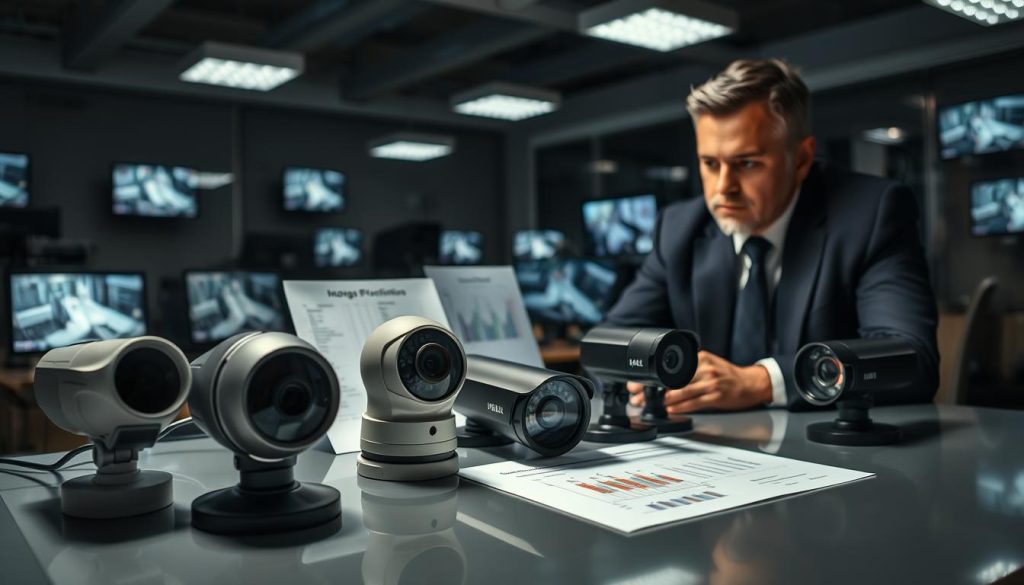
Maintaining Effective Night Security Surveillance Over Time
Security measures must evolve to keep pace with the growing complexities of urban environments. Regular maintenance is essential for ensuring that your night vision cameras perform optimally over time. Establish a routine for quarterly lens cleaning to maintain 98% light transmission, which is crucial for capturing clear images at night.
Additionally, conduct bi-monthly inspections of camera housings and seals to prevent moisture ingress, a significant concern in Singapore’s humid climate. Incorporating NEA-compliant silent cooling fans can help avoid overheating of IR LED arrays during extended use.
Backup power systems at emergency access points are vital for maintaining surveillance during outages, as outlined by SCDF protocols. Furthermore, integrating smart city technologies can enhance the effectiveness of your security setup, allowing for synchronized lighting and monitoring.
Lastly, consider motion-activated lighting to conserve energy while boosting the performance of your security cameras. By implementing these practices, you can significantly improve your night surveillance capabilities and reduce response times, ensuring safety in your environment.
For more insights on troubleshooting nighttime issues, check out our guide.
FAQ
How do night vision cameras capture clear images in low-light conditions?
Night vision cameras utilize advanced technologies such as infrared (IR) illumination and specialized sensors to enhance visibility in low-light settings. These features allow them to detect light levels that are invisible to the human eye, ensuring clear images even in darkness.
What is the difference between infrared night vision and thermal imaging?
Infrared night vision relies on light amplification to produce images in low-light conditions, while thermal imaging detects heat signatures emitted by objects. This means thermal cameras can visualize people or animals in total darkness based on their body heat.
Are there specific types of cameras recommended for nighttime surveillance?
Yes, infrared night vision cameras, thermal imaging cameras, and low-light or starlight cameras with color night vision are all suitable options for nighttime surveillance. Each type offers unique benefits depending on the environment and specific security needs.
What challenges do surveillance systems face at night?
Environmental factors such as rain, fog, and humidity can impact image quality. Additionally, technical limitations like motion blur and image noise may affect performance. It’s important to consider these factors when planning nighttime surveillance.
How can I enhance the performance of my night vision cameras?
To improve nighttime performance, consider adding infrared illuminators or lighting solutions. Additionally, using lens filters and appropriate housings can help optimize image quality and extend the camera’s functionality in various conditions.
What should I consider when installing cameras for nighttime surveillance?
Strategic placement is crucial. Position cameras to avoid glare from reflective surfaces and ensure comprehensive coverage of the area. Compliance with local regulations and safety standards is also essential for effective installation.
How do I choose the right night vision camera for my needs?
When selecting a night vision camera, key features to consider include resolution, infrared range, and durability. It’s also important to match the camera type to the specific environment and use case to ensure optimal performance.
How can I maintain effective nighttime security surveillance over time?
Regular maintenance is vital for ensuring optimal performance. This includes checking camera functionality, cleaning lenses, and updating software as needed. Consistent monitoring and adjustments will help maintain effective surveillance.


