
Can CCTV Cameras Record When They Are Switched Off?
Many property owners worry about the functionality of their security systems. A common myth suggests that surveillance systems can capture footage even without power. This misconception can lead to unnecessary anxiety regarding safety measures.
In reality, standard CCTV setups require a constant power supply to operate effectively. When the power is cut, these systems cease all operations, including capturing any footage. However, advancements in technology have introduced models with battery backups or cloud storage. These features allow for limited functionality during brief power interruptions.
In Singapore, there is a strong demand for reliable security solutions. Commercial-grade options, such as the Reolink Altas PT Ultra, provide high-resolution continuous capture. Understanding how these systems work is crucial for making informed security decisions. Misunderstandings can lead to inadequate protection and financial waste.
Key Takeaways
- Many believe surveillance systems can operate without power, which is a common myth.
- Standard CCTV systems need electricity to function.
- Advanced models may have battery backups for short power outages.
- Commercial-grade equipment is available in Singapore for enhanced security.
- Understanding functionality is key to effective security measures.
Introduction to CCTV Technology and Its Components
The foundation of modern security lies in the technology used within surveillance systems. Understanding how these systems operate is essential for effective protection. This section will delve into the core components that make up these systems and how they function together to capture and process footage.
Core Components of CCTV Systems
Every surveillance system relies on essential hardware. The lenses of the cameras determine the field of view, directly impacting image clarity. These lenses work in tandem with image sensors that convert light into electronic signals for processing.
Infrared sensors are crucial for night vision capabilities. They enable the cameras to capture clear footage in complete darkness. This feature is vital for 24/7 security monitoring, especially in urban environments like Singapore.
Recording devices, such as Digital Video Recorders (DVRs) and Network Video Recorders (NVRs), serve as the storage backbone. NVRs, in particular, support higher resolution IP cameras and offer advanced features.
Power supplies are the lifeline of any security system. Without consistent power, even the most advanced cameras cannot function or capture footage. Thus, ensuring a reliable power source is essential for uninterrupted surveillance.
Overview of Surveillance System Functionality
Understanding how these components integrate is crucial. From image capture through sensors to processing, compression, and storage, each element plays a significant role. Footage can be stored on local or cloud-based platforms, depending on the system design.
Different resolution capabilities are available, with analog HD models supporting 720p or 1080p. In contrast, IP cameras can reach up to 5MP for sharper images that aid in identification. Frame rates of 25 FPS are standard, ensuring smooth video playback and minimizing blurring for fast-moving subjects.
Modern technology has introduced specialized camera types. Dark fighter cameras excel in low-light conditions, while Automatic Number Plate Recognition (ANPR) cameras automatically read and log vehicle license plates. Understanding these features is vital for anyone evaluating or purchasing a security system.
Different Types of CCTV Cameras and Their Capabilities
A variety of security camera types exist, each designed for specific monitoring needs. Understanding these options is vital for selecting the right system for your property. Below, we explore the main categories of cameras available on the market.
Analog, IP, Dome, Bullet, and PTZ Cameras
Analog cameras are the traditional workhorses of security systems. They transmit video over coaxial cables, providing reliable performance. However, their resolution typically falls short compared to modern alternatives.
On the other hand, IP cameras represent the modern standard. They utilize internet protocols to deliver high-quality video, reaching resolutions up to 5MP. This capability allows for remote viewing and seamless integration with smart home networks.
Dome cameras are compact and discreet, making them ideal for indoor installations. Their vandal-resistant housings and wide-angle coverage are popular in retail stores and office environments.
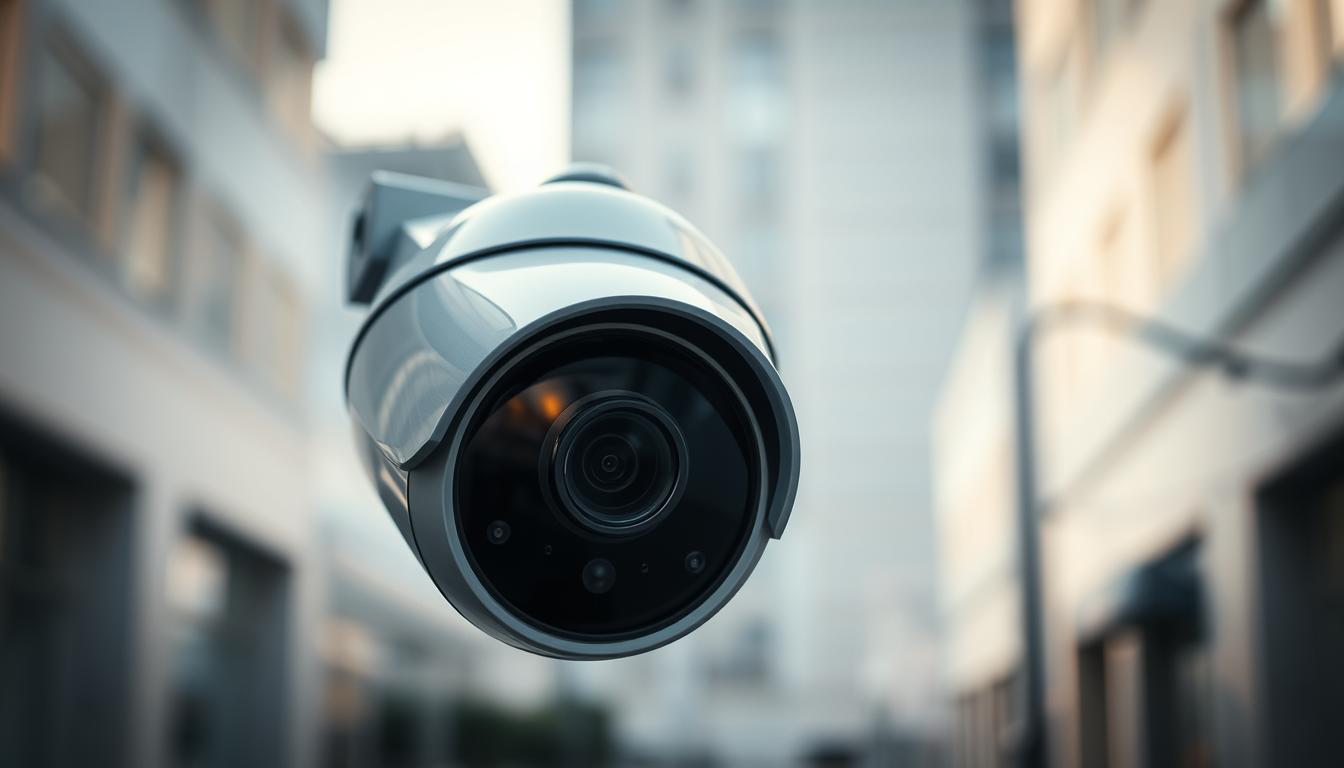
Bullet cameras feature an elongated, cylindrical design that acts as a visible deterrent. Their weatherproof construction makes them suitable for outdoor perimeter surveillance, especially in Singapore’s tropical climate.
PTZ (Pan-Tilt-Zoom) cameras offer versatility. These units can be controlled remotely to pan, tilt, and zoom, enabling operators to track moving subjects across expansive areas like parking lots.
Specialized Cameras: Infrared, ANPR, and Discreet Models
Specialized infrared cameras excel in low-light conditions. They capture clear footage in complete darkness using IR illuminators, essential for nighttime security.
ANPR (Automatic Number Plate Recognition) cameras are designed to read and log vehicle license plates. They are commonly deployed at gated communities and toll plazas, enhancing security and monitoring capabilities.
For situations requiring unobtrusive surveillance, discreet camera models blend seamlessly into their environments. These covert options allow for effective monitoring without alerting potential intruders.
Day/night cameras automatically adjust to varying light conditions. This ensures consistent image quality from bright daylight to low-light dusk and dawn periods.
In conclusion, selecting the right type of camera depends on several factors. Consider the surveillance area, lighting conditions, and whether you prefer visible deterrence or covert monitoring. Each type offers unique features and capabilities to meet diverse security needs.
How CCTV Cameras Capture and Record Footage
Understanding the mechanics of how security systems capture images is essential for effective surveillance. The process begins when light enters through the lens and strikes the image sensor. This sensor converts optical information into electronic signals for digital processing.
Image Sensors: CCD vs. CMOS
Two primary types of image sensors are used in security systems: CCD and CMOS. CCD (Charge-Coupled Device) sensors produce superior image quality and excel in low-light conditions. This makes them ideal for environments where lighting can be inconsistent.
On the other hand, CMOS (Complementary Metal-Oxide-Semiconductor) sensors are more energy-efficient. They consume less power and often include advanced processing features. However, their image quality may be slightly lower in very dark settings.
Recording Modes: Continuous, Motion-Activated, and Scheduled
Recording modes significantly impact how footage is captured. Continuous recording captures video 24/7, providing complete coverage. However, this method requires substantial storage capacity and a reliable power supply.
Motion-activated recording is a more efficient alternative. It triggers capture only when movement is detected, which reduces storage needs and simplifies footage review. This mode helps eliminate hours of static video, making it easier to find relevant clips.
Scheduled recording offers flexibility by allowing users to define specific time windows for capture. This option balances comprehensive coverage with resource conservation, making it suitable for various surveillance needs.
Storage Options: Local and Cloud-Based
Storage solutions play a crucial role in managing recorded footage. Local storage options include SD cards and NAS (Network Attached Storage) devices. These solutions are cost-effective and do not rely on internet connectivity.
Cloud-based storage, however, provides remote accessibility and automatic backups. While convenient, it requires a stable internet connection and may involve recurring subscription fees. Additionally, video compression technologies like H.264 and H.265 can significantly reduce file sizes, with H.265 offering approximately 50% greater efficiency.
In practical terms, a 4K system that records continuously may require 2TB or more of storage monthly. In contrast, motion-activated setups need significantly less, making them a popular choice for many users.
Can CCTV Cameras Record When They Are Switched Off?
Understanding the limitations of security technology is essential for informed decision-making. Many people believe that surveillance systems can capture footage even without power. However, this is a misconception. Standard devices absolutely cannot record when completely deactivated. They require a continuous electrical power supply to operate their sensors, processors, and storage components.
The Technology Behind Power Dependency
Each part of a security system, from the image sensor to the recording device, relies on electricity. When power is cut, all functions cease within a mere 0.5 to 3 seconds. This rapid shutdown means that no footage is captured or processed. Temporary capacitors found in some camera models exist solely to preserve footage being written at the moment of power loss. This prevents file corruption rather than enabling continued recording.
Battery Backup and Advanced Features
Battery backup systems are the primary exception to this rule. Advanced models, such as the Reolink Altas PT Ultra, can record continuously for up to four days on a single battery charge. This feature allows them to maintain limited operation during short power interruptions. However, it’s crucial to note that Power over Ethernet (PoE) cameras stop functioning immediately if their Ethernet cable is disconnected or if the network switch loses power.
Some cameras may appear switched off but have small internal batteries that enable brief recording. This can create confusion about their capabilities. Additionally, industrial-grade systems often include RAID arrays and redundant power supplies to protect against data loss during brownouts.
Common Reasons for Misinterpretations
It’s important to clarify the distinction between being “switched off” and being in a low-power standby mode. In standby mode, some functions are preserved while the camera appears inactive. Singapore’s regulatory environment emphasizes this aspect, as the Civil Defence Force requires hospitals and critical infrastructure to maintain backup power for surveillance systems. This highlights the importance of uninterrupted recording.
In conclusion, while technology has advanced significantly, the fundamental principle remains: no camera can record without some form of power, whether from mains electricity, batteries, or backup systems.
Common Misconceptions About CCTV Cameras Recording When Powered Off
Misunderstandings about how security systems operate are prevalent among property owners. Many believe that all security devices function the same way and can operate without a power source. This is far from the truth.
One significant misconception involves dummy cameras. These non-functional decoys are designed solely for deterrence. They lack internal recording components, sensors, and processing hardware. Despite their convincing appearance, they do not provide any real surveillance.
Dummy vs. Real Cameras
Identifying the differences between dummy and real security cameras is crucial. Genuine models typically feature:
- IR illuminators that project invisible light patterns detectable through night vision devices.
- Professional-grade housings made from polycarbonate blends that withstand weather and impact.
- PTZ models that respond to movement commands within 0.5 seconds, ensuring smooth operation.
In contrast, dummy cameras often have exaggerated blinking LEDs to attract attention. In fact, 78% of imitation units use these lights, while authentic systems from reputable manufacturers, like Axis Communications, have subtle status indicators that trained professionals can notice.
The ‘Blinking Light’ Myth
The belief that a blinking light indicates a functioning camera is misleading. Many genuine systems do not have visible blinking lights during normal operation. This misconception can lead to false security perceptions.
Wireless vs. Wired Camera Reliability
Another common myth is about the reliability of wireless versus wired cameras. While wireless options are convenient, they still require power, either through batteries or electrical connections. This can lead to higher costs over time and potential signal interference.
Wired systems, although more challenging to set up, offer greater reliability. They provide direct power and data connections, ensuring consistent performance without the vulnerabilities associated with wireless transmission.
In conclusion, relying on dummy cameras or misunderstanding operational indicators can create dangerous gaps in security coverage. It is essential to verify camera authenticity and understand how real security systems work to ensure adequate protection for your property.
Power Supply and Backup Solutions for Consistent CCTV Operation
A dependable power supply is crucial for maintaining the functionality of security systems. Understanding the available options is essential for designing a surveillance setup that ensures continuous operation. Below, we explore various power supply methods that enhance the reliability of these systems.
Wired Power Systems and Power over Ethernet (PoE)
Wired systems often utilize Power over Ethernet (PoE) technology. This innovative solution combines data and electricity through a single Ethernet cable. It simplifies installation and guarantees a steady power flow to the devices.
High-performance models, such as the Reolink Altas PT Ultra, consume approximately 12W during active tracking. This information helps users calculate their total system power requirements, ensuring that all components function optimally.
Battery-Powered and Solar-Powered Cameras
Battery-powered cameras offer flexibility, especially in locations where running electrical wiring is impractical. Lithium-ion batteries typically last between 2 to 6 months per charge, depending on usage patterns and environmental conditions.
Solar-powered models, like the Reolink Argus 3 Pro, provide eco-friendly operation, making them particularly suitable for Singapore’s tropical climate. These solutions minimize ongoing costs while ensuring that the surveillance systems remain operational.
Uninterruptible Power Supplies (UPS) and Generators
Uninterruptible Power Supply (UPS) systems are essential for bridging gaps during momentary power disruptions. Line-interactive models can correct voltage fluctuations without switching to batteries. Meanwhile, online UPS units deliver pure sine wave output, ideal for sensitive surveillance equipment.
For extended outages, diesel generators become vital. A 5kVA unit can typically support 8 to 10 cameras along with recording equipment. In Singapore, regulations limit residential fuel storage to 250L, making compliance crucial for safety.
Additionally, SS 638 standards mandate voltage stabilizers for surveillance equipment in tropical environments. These measures ensure that the systems remain functional and reliable.
In conclusion, combining UPS for immediate failover, generators for extended outages, and solar charging for sustainable long-term operation creates a robust power protection strategy. This layered approach guarantees that security systems remain operational, providing peace of mind for property owners.
The Role of Motion Detection in CCTV Systems
Motion detection technology has revolutionized how security systems monitor and respond to activity. This feature allows surveillance systems to transition from passive recording to intelligent event-driven monitoring.
Motion detection works by continuously analyzing pixel changes between video frames. When significant movement is detected, the system will start recording. This mechanism not only enhances security but also improves efficiency.
How Motion Detection Triggers Recording
Software-based motion detection analyzes entire video frames for pixel-level changes. This flexibility allows users to define specific detection zones. However, environmental factors like moving shadows can sometimes generate false alerts.
On the other hand, passive infrared (PIR) sensors detect body heat, making them ideal for outdoor use. These sensors can distinguish human heat signatures from other environmental changes, reducing false alerts by about 70%.
Benefits of Motion-Activated Recording
Motion-activated recording significantly reduces energy consumption. In fact, it can cut energy use by up to 80% compared to continuous recording. This efficiency also extends storage capacity, allowing systems to save only relevant footage.
Moreover, this method drastically reduces the time needed for footage review. Users can quickly locate important events without sifting through hours of unnecessary video.
Types of Motion Detection Technologies
Modern systems often integrate multiple detection layers. These include thermal sensors for initial triggering, AI analysis for recognizing people and vehicles, and pixel comparison algorithms for confirming movement.
Geofencing is another advanced feature that synchronizes camera operation with mobile devices. It automatically activates recording when residents leave the premises and deactivates it upon their return.
Most consumer and commercial systems can detect movement reliably at distances up to 15 meters. However, this range can vary based on camera model and environmental conditions.
Additionally, smart scheduling features complement motion detection. They allow systems to reduce energy consumption by 30% during predetermined low-activity periods while maintaining full sensitivity during high-risk hours.
In conclusion, proper configuration of motion detection, including sensitivity adjustments and detection zone definitions, is essential. This ensures maximum security effectiveness while minimizing false alarms and unnecessary recording.
What Happens When a CCTV Camera Is Off or in Standby Mode?
The operational states of security devices can significantly impact their effectiveness. Understanding the differences between a fully powered-down camera and one in standby mode is essential for effective security monitoring.
Powering Down vs. Standby States
When a camera is completely powered down, all functions cease immediately. This includes video capture, network connectivity, and alert generation. In this state, the monitored area remains unobserved.
For example, Wi-Fi security cameras stop functioning the moment they are unplugged. Similarly, Power over Ethernet (PoE) cameras lose power and data connectivity when their Ethernet cable is disconnected.
In contrast, standby mode allows the camera to remain energized and alert without actively recording. This state enables quick activation when motion is detected or when a schedule is set.
Implications for Recording and Alerts
The implications for recording are significant. Cameras that are powered down create gaps in surveillance coverage, potentially coinciding with security incidents. However, standby mode preserves the ability to capture events promptly.
Furthermore, powered-down cameras cannot send notifications. In standby mode, the system can trigger alerts upon detecting activity, ensuring that users remain informed.
Battery-operated cameras present a unique case. They continue to operate until their internal battery is depleted, even when disconnected from mains power.
Data persistence is also important. Footage saved on microSD cards or NVRs remains safe and accessible, even if the camera loses power or is turned off.
To maximize security, it is advisable to configure systems to utilize standby mode effectively. This approach balances energy conservation with the need for responsive monitoring.
Implications of Misunderstanding CCTV Functionality on Security Decisions
Believing that surveillance devices can function without power can jeopardize security. Misconceptions about how these systems operate can lead to significant vulnerabilities. Property owners may think they are protected when, in fact, their systems are not capturing any footage.
The primary risk of assuming that security systems are always operational is the creation of dangerous gaps in surveillance coverage. For instance, if a power outage occurs, cameras will stop functioning, leaving properties unmonitored. This can coincide with security breaches, preventing the identification of perpetrators and complicating insurance claims.
Financial consequences also arise from poor purchasing decisions. Low-quality systems often feature deceptively low initial prices. However, these devices can require frequent repairs and replacements, leading to higher long-term costs. In contrast, high-quality systems may have a higher upfront cost but offer durability and reliable performance.
Investing in quality equipment with proper power backup solutions ultimately proves more cost-effective. This approach minimizes the need for repeated repairs and ensures that surveillance remains intact during outages.
Moreover, safety implications are critical, especially for businesses in higher-risk areas. Gaps in surveillance can embolden criminal activity, putting occupants at risk. Consulting qualified security professionals is essential for assessing vulnerabilities and recommending appropriate equipment.
In Singapore, the humid tropical climate demands weather-resistant equipment. Professional installation also ensures compliance with local regulations and standards. Ultimately, informed decision-making about security systems translates to better protection and peace of mind.
Recommendations for Choosing Effective CCTV Systems
Understanding your security needs is the first step in choosing the right system. In Singapore, where urban environments and specific regulations exist, selecting the appropriate surveillance solution requires careful consideration.
Assessing Your Security Needs in Singapore
Begin by evaluating what assets require protection. Consider factors such as the type of property, its layout, and potential vulnerabilities. In Singapore, the tropical climate can affect equipment durability, making it essential to choose systems designed to withstand humidity and heat.
Also, think about the lighting conditions in your area. Urban settings may have bright lights at night, while remote areas could be darker. Understanding these aspects will help you select the right type of cameras.
Investing in Quality Equipment and Setup
Digital systems with resolutions ranging from 1080p to 4K are highly recommended. These options provide sharp footage, making it easier to identify individuals and read license plates. Additionally, consider the benefits of remote viewing capabilities. IP-based systems allow you to access live and recorded footage from anywhere using your smartphone.
For indoor surveillance, dome models are ideal due to their discreet design. Conversely, bullet cameras serve as effective outdoor deterrents because of their visible presence and weatherproof features. Ensure that your chosen cameras have night vision capabilities to capture clear footage in low-light conditions.
Consulting Security Experts for Tailored Solutions
Professional consultation is invaluable. Experienced security experts can conduct site surveys to identify blind spots and recommend suitable equipment. They ensure that your system is installed correctly and configured for optimal performance.
Warranties typically cover two years, but regular maintenance can significantly extend the lifespan of your equipment. For those looking for off-grid solutions, pairing solar panels with lithium-ion batteries offers resilience against power outages.
In conclusion, investing in quality equipment and seeking professional advice will enhance your security setup. This approach not only protects your property but also provides peace of mind.
Ensuring Reliable CCTV Recording for Peace of Mind
Awareness of how surveillance devices function can greatly influence security decisions. Reliable recording fundamentally depends on a consistent power supply. No camera can capture footage without electricity. Standard models stop operating immediately upon power loss. In contrast, advanced battery-powered options, like the Reolink Altas PT Ultra, can maintain recording for up to four days on a single charge.
Understanding different camera behaviors is essential. DC adapter-powered units, PoE devices, and battery-operated systems respond uniquely to power interruptions. Professional installation practices enhance reliability, ensuring uninterruptible power supplies and proper weatherproofing suitable for Singapore’s environment.
Regular maintenance is crucial for longevity. This includes lens cleaning, storage checks, and firmware updates. Knowing your system is well-configured brings peace of mind. To explore the latest CCTV solutions, contact Wen Hong at +65 60135960. Investing in quality equipment and expertise is a commitment to genuine security.
FAQ
Do surveillance systems continue to capture footage without power?
No, without a power source, these devices cannot function or record any video data.
What happens to recordings during a power outage?
Recordings will stop, and any footage that was not saved prior to the outage will be lost unless backup systems are in place.
Are there any features that allow cameras to operate during power loss?
Some models come with battery backup options that enable temporary operation, but they are limited in duration.
How can I ensure my security system remains operational?
Consider investing in uninterruptible power supplies (UPS) or solar-powered systems to maintain functionality during outages.
What is the difference between dummy and real surveillance devices?
Dummy models do not record or transmit footage, while real systems are equipped with recording capabilities and features.
Can motion detection still function if the camera is powered down?
No, motion detection requires power to activate the sensors and trigger recording.
What are common misconceptions about surveillance technology?
Many believe that a blinking light indicates recording, or that wireless models are always reliable, which is not true.
How do I choose the right surveillance system for my needs?
Assess your security requirements, consider quality equipment, and consult with security experts for tailored solutions.


