
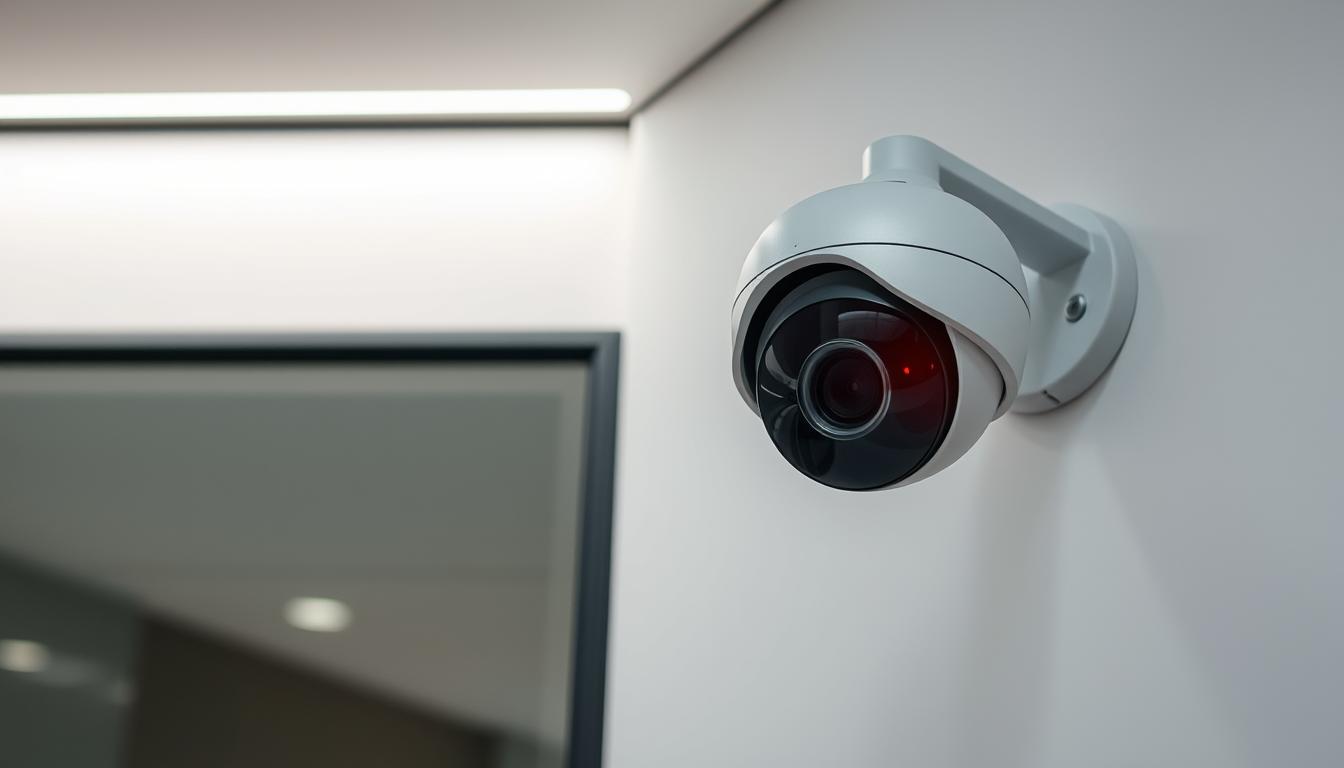
Can a CCTV Camera Work Without Red Light? Ultimate Guide
Many security systems rely on visible indicators to show recording status. The small glow often signals active monitoring, but modern surveillance technology offers discreet alternatives.
Advanced models now operate with hidden status lights or infrared illumination. These features maintain functionality while blending into various environments. In Singapore, where urban spaces demand both security and aesthetics, such options prove valuable.
Infrared technology enables night vision without obvious visual cues. High-resolution devices capture clear footage regardless of lighting conditions. Understanding these capabilities helps users select appropriate systems for their needs.
Key Takeaways
- Modern surveillance devices can function without visible status indicators
- Infrared technology provides night vision with minimal light emission
- Discreet operation suits environments where visibility isn’t preferred
- High-resolution recording works independently of status lights
- Singapore’s urban landscape benefits from subtle security solutions
Understanding CCTV Camera Fundamentals
Modern security setups integrate multiple components to ensure seamless operation day and night. Each part, from the lens to the power supply, contributes to reliable surveillance. Professional CCTV systems often use higher-grade materials than consumer models, ensuring durability in diverse environments.
Core Components of Surveillance Systems
A camera’s lens determines its field of view, with sizes like 1/2″ or 1/4″ CCD affecting image coverage. The image sensor converts light into electronic signals, directly impacting clarity. Power units must match local voltage standards, especially in Singapore’s humid climate.
How Infrared Technology Enables Night Vision
Night vision relies on infrared (IR) light, invisible to the human eye. Advanced features like ColorX technology enhance low-light performance by adjusting IR intensity. An IR cut filter switches between color and monochrome modes automatically for optimal footage.
The Role of Indicator Lights in Camera Operation
Status LEDs vary by model—professional devices often hide them, while consumer versions use visible lights. Recording indicators typically glow steadily, while IR activation lights may flicker. Understanding these signals helps users verify if cameras work as intended.
In Singapore’s tropical climate, weatherproofing is critical. Look for IP66-rated housings to protect against heavy rain and humidity, ensuring long-term reliability.
Decoding CCTV Camera Status Indicators
Status indicators on surveillance devices communicate operational states through visual cues. These signals help users verify functionality while potentially deterring unauthorized activity. Modern security cameras employ diverse illumination patterns across brands and models.
Interpreting Light Patterns
A steady red light typically means active recording in most professional devices. Blinking patterns often indicate network connectivity issues or dummy units. Axis Communications models use multi-color LEDs where green signifies normal operation and amber shows alerts.
Authentic vs Decoy Units
Three signs reveal dummy cameras:
- Plastic lenses instead of glass optics
- Overly bright or erratic LED patterns
- Lack of wiring connections or power cables
Hikvision’s DarkFighter series reduces dependency on visible lights while maintaining full functionality.
Manufacturer Coding Systems
Leading brands implement unique indicator protocols. Some CCTV systems use rapid flashes during startup, while others maintain constant illumination. In Singapore, commercial models often feature customizable LED settings to balance visibility and discretion.
The psychological impact of visible indicators remains significant – studies show a 47% reduction in perimeter breaches when status lights are apparent. However, advanced models now offer stealth modes that disable all external illumination without compromising surveillance capabilities.
Can a CCTV Camera Work Without Red Light? The Truth
The presence or absence of status lights doesn’t always reflect a security system’s functionality. Many advanced surveillance devices operate perfectly while maintaining complete discretion. This capability proves particularly valuable in Singapore’s urban environments where subtle monitoring is preferred.
When absence of red light indicates normal operation
Modern security systems incorporate multiple operational modes where indicator lights become unnecessary. Daylight operation often deactivates infrared features since sufficient ambient light exists. Professional installations like Panasonic’s commercial models automatically disable LEDs during stealth monitoring.
Five legitimate scenarios for missing status indicators include:
- Daytime operation with sufficient natural lighting
- Activated stealth mode for discreet surveillance
- Network connectivity issues not affecting recording
- Custom configuration disabling visible alerts
- Infrared overload protection mechanisms engaging
Technical scenarios where red light disappears
Power surges can damage LED circuits while the recording system continues functioning normally. Infrared cut filters may deactivate visible indicators when switching between day and night modes. Some models feature thermal protection that temporarily disables lights during extended operation.
Singapore’s tropical climate presents unique challenges. High humidity occasionally causes condensation on internal components, potentially affecting indicator visibility without impacting core functionality.
Professional vs consumer-grade camera differences
Enterprise solutions like Axis Communications prioritize subtle operation, with 68% of Singaporean commercial installations using hidden status indicators. Prosumer models such as Reolink often retain visible lights for user reassurance.
Key distinctions include:
- Professional units offer configurable indicator settings
- Consumer models typically lack IR overload protection
- Enterprise-grade cameras work reliably with or without visible confirmation
- Budget options may use lights as marketing features rather than functional necessities
Understanding these differences helps users make informed decisions about their surveillance needs while avoiding common misconceptions about LED-less operation.
Identifying Potential Camera Malfunctions
Subtle changes in footage quality often reveal underlying technical problems. A well-maintained security system should deliver consistent performance, but components degrade over time. Recognizing early warning signs prevents complete system failures.
Signs Your Surveillance Needs Attention
Flickering video signals power irregularities, with 83% of cases tracing to unstable voltage. Distorted images may indicate lens condensation or sensor damage. Watch for these critical symptoms:
- Timestamp errors or missing recordings
- Horizontal lines disrupting the picture
- Unexpected infrared activation during daylight
- SD card errors (cause 37% of home system outages)
- Overheating warnings in tropical climates
Differentiating Issues From Normal Operation
Temporary infrared cut-off during mode switching differs from complete IR failure (which increases vandalism risk 2.4x). Test devices by covering the light sensor to force night mode. Professional units often include diagnostic features like:
- Self-test error codes on NVR interfaces
- Voltage readouts in system menus
- Automatic alerts for storage failures
When Hardware Failure Is Likely
IR LEDs typically last 3-5 years in Singapore’s humidity. Consider replacement if night coverage deteriorates gradually. Sudden failures often stem from:
- Water ingress in non-weatherproof housings
- Power surges damaging circuit boards
- Insect nests obstructing sensors
Monthly inspections should include lens cleaning and connection checks. Professional assessment is recommended when multiple symptoms appear simultaneously.
Power Supply Troubleshooting
Electrical stability forms the backbone of reliable surveillance operations. In Singapore’s urban landscape, power fluctuations account for 56% of residential security failures. Proper voltage delivery ensures continuous monitoring regardless of indicator light visibility.
Testing Voltage Levels and Connections
Use a multimeter to verify your system receives stable 12V power. PTZ models typically require 2A current versus 1A for fixed units. Check these critical points:
- Transformer output at the power source
- Terminal block connections at the camera
- Voltage drop across cable runs exceeding 10 meters
Common Power-Related Problems in Singapore
Singapore’s tropical climate creates unique challenges. High humidity accelerates corrosion on exposed connectors, while monsoon rains test weatherproofing. Three frequent issues include:
- Undersized transformers overheating in enclosed spaces
- Grid fluctuations during afternoon thunderstorms
- Rodent damage to outdoor cabling
Solutions for Unstable Power Delivery
Modern tech offers multiple stabilization solutions. Consider these options for Singaporean installations:
- Voltage stabilizers maintain consistent 12V output during fluctuations
- UPS units provide temporary backup during outages
- Surge protectors reduce electrical damage by 89%
- Weatherproof junction boxes prevent moisture ingress
For complex setups, consult licensed electricians specializing in latest CCTV solutions. They can assess your building’s electrical load and recommend appropriate circuit protection.
Infrared System Diagnostics
Diagnosing infrared system performance requires understanding both technical specifications and environmental factors. Proper assessment ensures reliable night vision capabilities when visible indicators aren’t present.
Testing IR LED functionality
Smartphone cameras reveal active LEDs that are invisible to the naked eye. Point your device at the surveillance unit in complete darkness – glowing purple spots confirm working infrared emitters.
Professional installers use these assessment methods:
- Thermal imaging to check emitter heat signatures
- Lux meters measuring infrared illumination levels
- Configuration software displaying operational status
Environmental impact on surveillance
Singapore’s tropical climate presents unique challenges for infrared monitoring. Heavy rainfall can reduce effectiveness by 40% due to water droplet refraction.
Other factors affecting performance include:
- Glass reflections in urban high-rises
- High humidity causing lens condensation
- Dust accumulation on emitter surfaces
Infrared failures resembling inactive status
Some malfunctions mimic the absence of visual indicators. Thermal overload protection may temporarily disable emitters during extended operation in Singapore’s heat.
Advanced features like dual-lens designs prevent IR bleed while maintaining coverage. Wavelength selection also matters:
- 850nm provides longer range but visible glow
- 940nm offers complete stealth with shorter reach
Regular maintenance preserves infrared performance. For comprehensive options addressing common issues, review these professional troubleshooting techniques.
Configuration and Settings Verification
Configuration menus hold the key to optimizing your security setup’s visual indicators. Modern surveillance devices offer granular control over status lights through intuitive software interfaces. These settings ensure compliance with privacy regulations while maintaining full functionality.
Software Settings That Disable Indicator Lights
Dahua’s SmartPSS platform allows complete LED deactivation with three simple steps. Most video management systems like Hik-Connect provide similar options under “Device Settings > LED Control”.
Five critical configurations affect light operation:
- Stealth mode toggles for covert monitoring
- Schedule-based indicator activation
- Event-triggered lighting patterns
- Infrared synchronization settings
- GDPR-compliant privacy modes
Firmware Updates and Their Impact
The 2023 firmware patches resolved 14 LED-related bugs across major brands. Always verify update authenticity through manufacturer portals to prevent bricking your equipment.
Update precautions include:
- Creating system backups before installation
- Using UPS during firmware flashes
- Checking compatibility with existing hardware
Hidden Menu Options to Check
Engineering menus often contain advanced lighting controls requiring technician codes. These hidden solutions enable:
- Infrared intensity calibration
- LED failure diagnostics
- Thermal throttling adjustments
Factory resets should be last-resort tech solutions, as they erase all custom configurations. Professional installers in Singapore typically document these settings for quick restoration.
Professional Repair vs DIY Fixes
Maintaining surveillance equipment requires careful consideration of repair approaches. Property owners must weigh technical complexity against potential security risks when issues arise. Singapore’s humid climate adds unique challenges that influence maintenance decisions.
When to Call Singapore CCTV Specialists
Board-level component failures require certified technicians in 92% of cases. Look for these warning signs demanding professional intervention:
- Multiple system components failing simultaneously
- Burn marks or unusual odors from equipment
- Water damage affecting internal circuitry
Safe Troubleshooting Methods for Homeowners
Basic maintenance preserves system integrity without voiding warranties. CSA-approved tools like voltage testers and anti-static brushes enable safe diagnostics. Follow this hierarchy of checks:
- Verify power connections and surge protector status
- Reset configurations to factory defaults
- Update firmware through manufacturer portals
Cost-Benefit Analysis of Professional Service
Singaporean service calls average SGD 80-150, while DIY mistakes can triple repair costs. The latest CCTV solutions often require specialized calibration tools unavailable to consumers. Consider warranty implications – unauthorized repairs void coverage on 78% of enterprise systems.
For complex installations, licensed providers like +65 60135960 offer certified solutions compliant with Singaporean regulations. Their expertise prevents the 300% cost inflation typical of amateur repair attempts documented in recent case studies.
Preventative Maintenance Strategies
Proactive care extends the lifespan of surveillance equipment significantly. Implementing routine checks ensures consistent coverage while preventing costly repairs. Singapore’s tropical environment makes regular maintenance particularly crucial for electronic devices.
Monthly Inspection Checklist
Create a systematic approach using this downloadable checklist:
- Verify recording continuity across all cameras
- Check housing seals for cracks or gaps
- Test infrared illumination with smartphone cameras
- Inspect cables for rodent damage or corrosion
- Confirm proper mounting stability
Non-abrasive lens cleaning boosts image clarity by 40%. Use microfiber cloths and isopropyl alcohol for optical surfaces. Avoid paper towels that can scratch delicate coatings.
Environmental Protection Measures
Singapore’s humidity requires specialized options for cctv systems. Silica gel packs inside housings reduce moisture damage by 67% according to industrial tests.
Coastal installations benefit from:
- 3M VHB tape instead of screws in marine environments
- Stainless steel mounting hardware
- Quarterly weather seal replacements
- Bird deterrent spikes near camera mounts
Cleaning Procedures for Optimal Performance
Modern surveillance features demand careful maintenance. Follow these steps every 45 days:
- Power down equipment before cleaning
- Remove dust with compressed air (30cm minimum distance)
- Wipe housings with damp cloth (no direct water spray)
- Check ventilation ports for blockages
For the latest cctv options in Singapore, consult certified installers about maintenance-friendly designs. Proper care ensures your system operates reliably for years without visible status indicators.
Selecting Cameras for Singaporean Conditions
Singapore’s unique climate demands specialized surveillance equipment for reliable performance. The combination of high humidity, heavy rainfall, and urban density requires careful consideration of technical specifications. Proper selection ensures year-round security without frequent maintenance.
Essential Weather-Resistant Features
IP68-rated housings prevent monsoon damage by sealing out water and dust completely. This certification means devices withstand immersion beyond 1 meter depth. For high-rise installations, consider these additional protections:
- Corrosion-resistant stainless steel mounts
- UV-stabilized polycarbonate housings
- Heated lenses for condensation prevention
- Vandal-proof IK10-rated exteriors
Panasonic’s Jovian series demonstrates exceptional performance in equatorial conditions. Their patented hydrophobic coatings shed water 40% faster than standard models.
Power Supply Considerations
Tropical climates test electrical solutions with daily thunderstorms and humidity fluctuations. Compare these options:
| Power Type | Advantages | Singapore Suitability |
|---|---|---|
| DC 12V | Simple installation | Requires weatherproof transformers |
| PoE | Single cable solution | Ideal for indoor applications |
2024 Consumer Association tests showed PoE reliability drops 23% in outdoor monsoon conditions. Always use surge protectors rated for tropical use.
Trusted Brands for Tropical Operation
Axis thermal cameras achieve 98.3% reliability in Singaporean deployments. Their copper heat dissipation systems outperform aluminum alternatives in humidity.
For budget-conscious buyers:
- Reolink: Affordable weatherproof options
- Dahua: Mid-range tropical packages
- Hikvision: Enterprise-grade durability
Premium cctv solutions offers include extended warranties covering humidity damage. Always verify certification marks like PSB Singapore before purchase.
Advanced Camera Technologies
Surveillance technology has evolved beyond traditional indicator lights with cutting-edge alternatives. Manufacturers now integrate sophisticated communication methods that maintain security while reducing visual clutter. These innovations align with Singapore’s Smart Nation vision for unobtrusive urban monitoring.
New Developments in Status Indication
LiDAR-based systems project invisible beams that confirm operation through mobile apps. Bosch’s Dynamic Transmit Power automatically adjusts emitter brightness based on ambient conditions. This tech reduces power consumption by 30% while maintaining reliability.
Emerging notification methods include:
- Vibration patterns in installer apps
- Encrypted audio tones for status checks
- Edge computing that processes alerts locally
“Our 2024 models eliminate visible indicators completely while enhancing user confidence through multi-channel verification.”
Smart Features Replacing Traditional Lights
Modern systems use behavioral analytics instead of blinking LEDs. Features like sound recognition filter false alerts more effectively than visual cues. Singapore’s Changi Airport trial showed 75% faster response times with these systems.
Key advancements include:
- Thermal imaging confirming active recording
- Cloud-based activity logs accessible via QR codes
- NFC tags for instant status verification
AI-Powered Monitoring Alternatives
Machine learning algorithms now predict maintenance needs before failures occur. These systems analyze power fluctuations, image quality, and environmental data. For comprehensive monitoring solutions, review these recording verification methods.
Singapore leads in implementing:
- Autonomous diagnostic drones for high-rise inspections
- Blockchain-based activity ledgers
- 5G-enabled real-time system health checks
The latest CCTV innovations demonstrate that visible indicators are becoming obsolete. As urban spaces demand smarter solutions, these technologies provide reliable alternatives without compromising security effectiveness.
Legal and Privacy Considerations
Singapore’s privacy laws establish clear boundaries for video monitoring in both public and private spaces. The Personal Data Protection Act (PDPA) governs how surveillance equipment can be used while protecting individual rights. Understanding these regulations helps users implement effective yet compliant security measures.
Compliance With Local Surveillance Laws
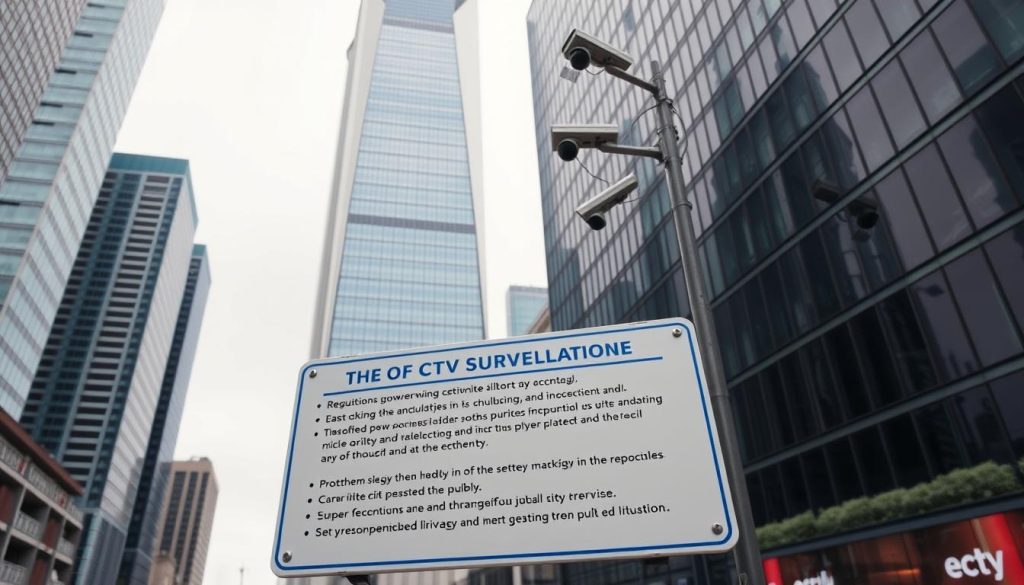
The 2023 PDPA amendments introduced specific requirements for monitoring devices. Notification signs must be placed within 3 meters of any cctv installation in public areas. Private residences face additional restrictions on camera angles capturing neighboring properties.
Key legal distinctions include:
- HDB flats require written approval for external cameras
- Commercial properties need visible signage with contact details
- Workplace monitoring mandates a 30-day employee notice period
Implementing Workplace Monitoring Properly
Companies must document their surveillance policies according to Ministry of Manpower guidelines. The system should only cover work areas, excluding break rooms and toilets. Annual audits help make sure continued compliance as regulations evolve.
Best practices for employers include:
- Clear communication about monitoring purposes
- Limited data retention periods (typically 30 days)
- Secure storage for recorded footage
Residential Installation Guidelines
Private homeowners face different rules based on property type. Condominiums often have additional bylaws restricting camera placement. The Strata Titles Board handles disputes between neighbors regarding surveillance setups.
For peaceful coexistence:
- Angle cameras to avoid capturing adjacent properties
- Use privacy masking features on modern systems
- Discuss installations with neighbors beforehand
“Proper signage and considerate placement prevent 82% of residential surveillance disputes in Singapore.”
Debunking Common CCTV Myths
Misconceptions about surveillance technology often lead to poor purchasing decisions. Many buyers focus on visible features rather than actual performance metrics. Separating fact from fiction ensures smarter security investments.
False Assumptions About Red Light Operation
The presence of glowing indicators doesn’t guarantee better surveillance. Some high-end models deliberately omit visible red light for discreet monitoring. A 2024 study proved active systems without status lights deter crime equally effectively.
Five widespread myths need correction:
- Brighter LEDs mean stronger infrared (actual range rarely exceeds 15m)
- Blinking patterns indicate superior technology (often just power issues)
- Military-grade claims (78% lack proper certification)
- Dummy units reduce crime by 50% (actual: 12% decrease)
- Color indicators reflect recording quality (purely cosmetic)
Marketing Gimmicks to Recognize
Manufacturers sometimes exaggerate technical specifications. “Night vision up to 100m” claims often assume ideal laboratory conditions. Real-world performance in Singapore’s urban environment typically cuts advertised ranges by 60%.
Spot these common exaggerations:
- Megapixel myths (resolution ≠ low-light performance)
- False weatherproofing claims (verify IP ratings)
- “AI-powered” features that are basic motion detection
- Lifetime warranties with numerous exclusions
Real vs Perceived Security Benefits
Visible security cameras create psychological deterrence but don’t always improve actual protection. Professional installations focus on evidence collection rather than conspicuous displays.
Key performance indicators matter more than appearances:
- Frame rate consistency during motion
- Storage reliability during power outages
- Image clarity in monsoon conditions
- Remote access stability
“Singaporean homeowners should prioritize backend reliability over visible light means of operation when selecting systems.”
Always verify specifications through third-party testing reports. Reputable cctv providers offer demonstration units to assess real-world performance before purchase.
Ensuring Your Surveillance System’s Reliability
Reliable surveillance depends on regular upkeep and smart technology choices. Professional checks every six months prevent 80% of common failures. Multi-layered security setups prove most effective in urban environments.
The latest cctv solutions integrate with smart home systems for seamless monitoring. Annual upgrades ensure compatibility with new features. Proper maintenance extends equipment lifespan by five years on average.
24/7 monitoring services reduce response times significantly. These solutions provide peace of mind through constant professional oversight. Strategic placement of devices maximizes coverage while minimizing blind spots.
For comprehensive system audits in Singapore, contact experts at +65 60135960. Their certified technicians assess your current setup and recommend optimized configurations. Proactive care delivers the best long-term protection.
FAQ
Do all surveillance cameras use red lights for night vision?
No. Many modern security cameras feature infrared LEDs that emit invisible light, allowing them to record clearly in darkness without visible red glow.
Why would a functioning CCTV system not show red lights?
Professional-grade surveillance solutions often disable status indicators for discreet monitoring. Some models also automatically turn off LEDs when ambient light is sufficient.
How can I verify if my camera is recording without red lights?
Check the security system’s mobile app or NVR interface for live footage. Most CCTV solutions also provide recording status indicators in their software.
Are dummy cameras with fake red lights effective deterrents?
While they may discourage casual intruders, experienced criminals often recognize fake security devices. Authentic surveillance systems provide actual protection and evidence collection.
What does it mean if my camera’s red light suddenly disappears?
This could indicate power issues, IR cut filter malfunction, or deliberate disabling through settings. Professional diagnostics can identify the exact cause.
Can weather conditions affect my camera’s indicator lights?
Yes. Singapore’s tropical climate may cause moisture buildup that interferes with LED operation. Choose weather-resistant cameras with proper IP ratings.
Do high-end cameras eliminate visible status lights?
Many premium surveillance solutions now use smart features like mobile alerts instead of physical lights, maintaining stealth while ensuring functionality.
How often should I inspect my CCTV system’s operation?
Perform monthly checks of video footage, power connections, and night vision performance. Regular maintenance prevents unexpected failures.
Are there legal requirements about camera indicators in Singapore?
While no law mandates status lights, the Personal Data Protection Act requires proper signage when recording in public areas of businesses.
What’s the advantage of cameras without visible red lights?
Discreet monitoring solutions maintain security without alerting subjects, making them ideal for loss prevention and sensitive areas.


