

Can Water Destroy CCTV Cameras?
In tropical regions like Singapore, frequent downpours and high humidity are a fact of life. This environment poses a significant threat to outdoor security systems. When moisture infiltrates a surveillance unit, it can lead to serious performance problems.
Water damage often results in foggy lenses, causing blurry images and poor visibility. Over time, internal corrosion can degrade components, leading to a total system failure. This compromises your property’s safety and leads to expensive repairs.
This guide provides a complete framework for shielding your surveillance investment. Prevention is always more cost-effective than a cure. We will walk you through practical steps to ensure your monitoring remains clear and reliable, no matter the weather.
Key Takeaways
- Environmental moisture is a major risk for outdoor security cameras in tropical climates.
- Infiltration can cause lens fogging, corrosion, and eventual equipment failure.
- Compromised image quality directly weakens your overall security.
- Protecting your surveillance system is an investment in long-term reliability.
- A proactive approach to prevention saves money compared to reactive repairs.
- This article offers actionable strategies to defend your equipment from the elements.
Understanding the Real Threat of Water to Your Security
Beyond the obvious downpour, a more complex battle against humidity and condensation threatens every outdoor monitoring device. Environmental moisture is a multifaceted adversary that attacks surveillance equipment in several distinct ways.
There are three primary types of water damage to recognize. Immersion damage occurs during flooding, where units are completely submerged. Condensation damage happens when humid air seeps inside and cools, forming droplets on internal lenses and circuits.
Surface erosion is the slow wear from persistent rain and bad weather. This gradually degrades external housings and seals.
Common causes include faulty installation with poor sealing. Placement in areas where roof runoff drips directly onto the housing is a typical mistake. Environmental factors like Singapore’s high humidity or salty coastal air dramatically accelerate internal corrosion.
A foggy lens cannot capture a usable image of an intruder, rendering a security system blind at a critical moment.
The threat isn’t always dramatic. Slow, insidious moisture ingress can be just as damaging over time as a sudden flood. This silent degradation directly weakens your property’s protection.
Auditing your current or planned installation for these vulnerabilities is the first step. Understanding these risks establishes why specific protective measures are non-negotiable for reliable, long-term surveillance.
Can Water Destroy a CCTV Camera? The Direct Answer
Without proper protection, moisture will inevitably compromise and ultimately ruin outdoor surveillance gear. The direct answer is an unequivocal yes. Destruction typically occurs through two primary pathways: immediate electrical failure and slow, insidious chemical decay.
The Mechanisms of Water Damage: Short Circuits and Corrosion
Liquid is a conductor of electricity. When it infiltrates a unit’s housing, it can create unintended paths for current. This event is called a short circuit.
It can instantly fry delicate microchips, sensors, and wiring. The device may power off abruptly and permanently.
A slower, equally destructive process is corrosion. Moisture combined with oxygen leads to oxidation of metal components. This includes circuit board contacts, solder joints, and even mounting brackets.
Oxidation degrades electrical connections. Signal quality drops, and components eventually fail completely.
Long-Term Effects: From Foggy Lenses to Total Failure
Condensation is a major culprit for long-term issues. Humid air gets inside the housing. When temperatures change, moisture forms droplets on the interior lens surface.
This causes a permanent haze or fog. Images become blurry and lack critical detail. Your surveillance system loses its primary function: clear visibility.
The problems progress. Intermittent power loss and false motion alerts become common. Mold or mildew may grow on internal parts.
Component failure escalates from a single part to the entire system. One study of units in rainy climates found a startling rate of issues.
Up to 5 out of 10 devices from certain brands showed significant condensation problems, leading to premature failure.
The final outcome is a total system failure. A critical blind spot is created in your property’s security network. This renders the investment worthless.
Sustained exposure to heavy rain and bad weather guarantees this degenerative path. Protecting your equipment from the start is not optional; it is essential for reliability.
Common Types of Water Damage in Surveillance Systems
The longevity of your surveillance investment hinges on diagnosing these three common damage patterns. Each poses a unique threat to outdoor monitoring gear.
Recognizing the specific failure mode helps you choose the right protective measures. Let’s break down immersion, condensation, and surface erosion.
Immersion Damage from Flooding
This occurs when a unit is fully submerged. Flash floods or installation in low-lying areas are typical causes.
Even waterproof models have limits defined by their IP rating. A device rated for rain might not survive total immersion.
Telltale signs include immediate, permanent power loss. Internal circuit boards often show clear mineral deposits or rust after drying.
Condensation Damage from Humidity
This is a stealthy threat that can affect gear in humid garages or covered porches. Warm, moist air seeps into the housing.
When it meets cooler internal surfaces, the moisture turns to liquid. Droplets form on the lens and circuit boards.
This process is prevalent during temperature swings, like Singapore’s late summer periods. The result is internal fogging that ruins image clarity.
Slow, internal corrosion follows, damaging electrical connections over months.
Surface Erosion from Persistent Rain
Relentless heavy rain and wind-driven spray cause this gradual degradation. Salt spray near coastal areas accelerates the process.
Constant exposure wears down external seals and protective coatings. UV radiation and airborne pollutants compound the damage.
Metal fittings and mounts begin to corrode. The housing becomes brittle and may develop tiny cracks.
In a place like Singapore, all three types are relevant. Sudden tropical downpours risk immersion. High year-round humidity guarantees condensation. Persistent bad weather leads to surface erosion.
Identifying which problems your security cameras face is the first step toward a solution.
How Moisture Compromises Camera Performance and Image Quality
Moisture infiltration directly attacks the two pillars of effective monitoring: a clear image and stable operation. Environmental dampness degrades both optical clarity and electrical reliability. This dual assault turns a vigilant sentry into a blind, unreliable component.
The result is a gradual or sudden drop in system working well. Your property’s safety depends on preventing these critical failures.
Lens Fogging and Obstructed Views
When water vapor condenses on a lens, it scatters incoming light. This creates a hazy, blurred effect that ruins image quality. Fine details like faces or license plates become impossible to identify.
Fogging inside the sealed lens assembly is a severe problem. It cannot be wiped clean without professional disassembly. This internal condensation is common during Singapore’s frequent temperature swings.
The performance impact extends to low-light conditions. Droplets on the glass cause light glare from streetlamps or headlights. Nighttime images become washed out and useless.
An obscured view during a critical event represents a total security failure. The surveillance system cannot fulfill its primary purpose.
Corrosion of Internal Components and Electrical Failure
Inside the housing, moisture triggers a chemical war on metal parts. Connectors, screws, and circuit board traces slowly oxidize. This green or white crust is visible corrosion.
Corrosion increases electrical resistance on critical pathways. The unit experiences subtle voltage drops. These drops cause erratic performance like random reboots, laggy video feeds, or infrared LEDs failing.
Persistent exposure to humid air guarantees this degenerative process. In coastal areas, salt accelerates the damage dramatically.
A sudden, total failure often comes from a moisture-induced short circuit. Liquid bridges gaps between circuits, creating a surge. This can instantly fry sensitive electronics, causing permanent damage.
Understanding these failure modes is key. For a deeper analysis of how water damage impacts your equipment, review this guide on water damage to your surveillance equipment.
Modern solutions like anti-fog coatings and conformal circuit board coatings are designed to combat these specific problems. Protecting your systems from the inside out is essential for longevity.
Your First Line of Defense: Understanding IP Ratings
Selecting the right outdoor surveillance gear begins with one crucial specification: its IP rating. This code is your primary shield against environmental water damage and dust. It quantifies a device’s resilience before you even mount it.
The International Protection (IP) marking is a global standard. It tells you exactly what your equipment can handle. Ignoring this rating invites premature failure and security gaps in your surveillance network.
For CCTV systems in Singapore, understanding this code is non-negotiable. It helps you avoid common problems like internal fogging and corrosion. Clear images and reliable operation depend on it.
Decoding the IP Rating: What IP66, IP67, and IP68 Really Mean
The IP code is a two-digit system. The first digit rates protection against solids like dust. The second digit rates protection against liquids.
A ‘6’ for solids means “dust-tight.” This is the highest common rating for cameras. The liquid rating is where critical differences appear for outdoor use.
IP65 means the housing can resist low-pressure water jets from any direction. It’s suitable for sheltered outdoor areas.
IP66 steps up the defense. It guarantees protection against powerful water jets. This rating handles direct, heavy rain and storm conditions effectively.
IP67 adds immersion resistance. A device can survive temporary submersion in up to one meter of water for 30 minutes. It’s ideal for areas prone to splash or accidental flooding.
IP68 is for continuous immersion under specified conditions. It’s often used for specialized installations near bodies of water.
These ratings are tested under controlled laboratory conditions. Real-world exposure includes variables like temperature swings and UV degradation.
A high rating does not make a device indestructible. The seals and gaskets that provide the protection can degrade over time. Proper installation is essential to maintain their integrity.
Think of the IP code as a promise of potential, not a guarantee. It defines the device’s built-in features. Your job is to install it in a way that doesn’t compromise those points of defense.
Recommended IP Ratings for Outdoor Cameras in Tropical Climates
For a tropical climate like Singapore, the baseline is clear. An IP66 rating is the absolute minimum for any outdoor placement. This ensures your security cameras can withstand the region’s intense downpours.
Upgrading to IP67 is a wise investment for specific scenarios. Consider it for units under eaves where wind-driven rain is likely. It’s also crucial for cameras mounted in low-lying spots that may experience pooling water.
For locations with direct, relentless bad weather or near coastal spray, IP68 offers the highest assurance. It provides peace of mind for continuous exposure to harsh elements.
Your choice should match the specific micro-climate of each camera position. A sheltered porch might be fine with IP66. A fully exposed garden wall facing the prevailing weather demands IP67 or higher.
Always verify the IP ratings of your existing system. This knowledge empowers you to identify potential vulnerabilities before they cause damage. It is the foundational, non-negotiable starting point for any waterproofing strategy.
Choosing a Waterproof CCTV Camera: Features and Top Brands
Translating waterproofing theory into practice means prioritizing certain engineering features during purchase. Your selection directly determines if your surveillance investment will last longer or succumb to environmental problems.
This guide moves from abstract ratings to concrete hardware. We examine the physical traits that define a truly resilient outdoor unit.
Essential Features: Robust Housing, Sealed Gaskets, and Anti-Fog Tech
The first line of defense is the housing. Look for thick shells made from die-cast metal or UV-stabilized polycarbonate. These materials resist impact and prevent sun degradation.
High-quality silicone gaskets are non-negotiable. They create airtight seals at every joint and cable entry point. This barrier stops rain and dust from entering the internal compartment.
Advanced models include anti-fog technology. This involves special lens coatings or tiny built-in heaters. Both options prevent internal condensation that ruins images.
Some housing designs incorporate subtle drainage channels. These allow any incidental moisture to escape without pooling. This protection works alongside the seals.
These features form a synergistic system. The sturdy shell provides structure. The gaskets maintain the environmental seal. Anti-fog tech manages the internal climate.
Recommended Brands and Models for Reliability
Several manufacturers have built reputations for durable outdoor equipment. Their products are engineered for consistent performance in harsh weather.
Consider these options known for robust waterproof construction:
- Hikvision DS-2CD2385FWD-I: This model boasts an IP67 rating. It operates reliably across a wide temperature range, ideal for tropical humidity.
- Reolink Argus Series: These wireless security cameras feature fully sealed housing and integrated sunshades. They offer excellent exposure to the elements.
- i-PRO WV-S1550L: Designed for professional systems, it uses advanced sealing to prevent internal corrosion. Its build quality ensures long-term working well.
- Ring Spotlight Cam: A popular choice for home security, it has a robust waterproof design. The brand provides strong local support in Singapore.
- Blink Outdoor: Known for battery efficiency and a weather-resistant shell. It handles rain effectively for residential surveillance.
Even the best equipment requires correct installation. A perfect seal from the factory can be compromised by poor mounting.
Prioritize proven weatherproofing features over marginal gains in resolution. Durability ensures your system functions when you need it most.
After-sales support is critical. Brands with a local presence can offer quicker service for water damage CCTV issues. This support is invaluable for maintaining your CCTV systems.
Your primary goal is reliable protection. Choose a security camera built to endure, ensuring clear monitoring for years.
Strategic Installation: The Key to Preventing Water Intrusion
A camera’s resilience is not just about its built-in specs; where and how you mount it determines its fate. Even a top-rated unit will fail if placed directly in harm’s way. Strategic installation is the most critical factor you control.
This step leverages free, architectural protection to shield your gear. It ensures your surveillance investment delivers clear images for years.
Optimal Placement Under Eaves, Soffits, and Covered Areas
Your first decision is choosing a sheltered mount point. Look for existing structures that block direct rain and bad weather.
Ideal locations include:
- Deep soffits under roof overhangs
- The underside of wide eaves
- Covered porches or garage entrances
- Beneath deep balconies or awnings
These spots use your building’s design as a natural umbrella. They drastically reduce direct exposure to the elements.
Avoid mounting on open fence posts or bare walls. Never position a unit where roof runoff drips directly onto its housing. This constant drip is a common cause of seal failure.
Compare a bad mount on a tree to a good one under an eave. The tree sways, exposing the lens from all angles. The eave provides consistent shelter, keeping the unit drier.
Proper Mounting Angles to Encourage Water Runoff
The tilt of your security camera matters greatly. A perfectly level mount can trap a puddle on top.
This pooled water eventually seeps into seals and cable entry points. Always angle the unit slightly downward.
Aim for a tilt parallel to your eave line. This lets gravity pull moisture away from the body and lens dome. The housing sheds rain instead of collecting it.
You might sacrifice a sliver of sky coverage for this angle. The trade-off is worth it for long-term reliability. A dry unit lasts longer and maintains working well performance.
Never mount on unstable structures like trees. Wind-driven weather causes sway, which stresses cables and seals. A fixed, sheltered position is always superior.
This zero-cost strategy dramatically extends equipment life. It turns your building into the first and best line of protection.
Enhancing Protection with Waterproof Housings and Accessories
For ultimate resilience, consider adding a secondary physical shield to your security setup. Even gear with a strong IP rating benefits from extra armor against relentless elements.
This section covers the aftermarket add-ons that provide a crucial extra barrier. These accessories are cost-effective insurance for your surveillance investment.
Types of Protective Enclosures and Weatherproof Boxes
Generic junction box-style housings offer a universal solution. They are hard-shell NEMA or IP-rated enclosures that the unit sits inside.
Camera-specific skins and durable dome covers provide a tailored fit. These act as a second skin over the existing body.
Material selection is critical for long-term protection. Choose polycarbonate or aluminum over cheap plastic.
Inferior materials become brittle under UV exposure. This leads to cracks and seal failure. A robust housing ensures your equipment continues working well.
These boxes provide a vital extra layer. They defend against direct heavy rain and physical impacts.
Using Rain Hoods and Protective Cable Couplings
Think of a rain hood as a baseball cap for your lens. This simple canopy mounts above the unit.
It deflects drips and direct spray away from the critical front element. This prevents water from obscuring the view during a downpour.
The unsung heroes are waterproof cable glands and conduit. The point where cables enter the housing is a common failure spot.
Moisture can travel along the wire into the internal compartment. A proper gland creates a tight seal around the cable.
Select the correct size gland for your wire diameter. For a perfect seal, apply a bead of silicone sealant during installation.
Properly sealing cable entry points is one of the most effective, low-cost steps to prevent water damage CCTV issues.
These options are essential for security cameras without supreme IP ratings. They are also vital for units in extreme bad weather exposures.
For professional-looking results, plan for these accessories during the initial setup. This proactive approach helps your entire system last longer.
Integrating these defenses is a smart strategy. For more detailed guidance on sealing techniques, see our resource on preventing rain ingress.
Proactive Cable Management and Connection Sealing
The integrity of your entire surveillance network often depends on the most overlooked component: the cables and their connections. This technical area is the weakest link in many do-it-yourself setups.
Moisture exploits any tiny opening. It can travel along wires directly into the internal electronics. Proactive sealing at every entry and junction prevents water damage before it starts.
This approach ensures your entire system remains reliable. It is a hallmark of professional installation that makes equipment last longer.
Using Waterproof Glands and Conduits
A waterproof gland, or cord grip, is a mechanical seal. It tightens around the cable where it enters a camera or housing.
This creates a physical barrier against liquid and dust. Install one at every cable entry point. It is a simple but critical protection feature.
For extended exposure, run wires through sealed conduit. PVC or flexible tubing acts as a primary shield.
Conduit defends against UV degradation and physical abrasion. It keeps cables organized and less vulnerable to environmental problems.
A common mistake is forgetting the drip loop. Create a downward U-shape in the cable before it enters the gland.
This loop stops rain or condensation from flowing directly along the wire into the housing. It is a clever, zero-cost tactic.
Sealing All Junction Points and Connectors
Every connector is a potential failure point. BNC, RJ45, and DC power plugs must be sealed from the elements.
Follow this step-by-step method for robust protection:
- Apply a small amount of dielectric grease to connector pins before joining. This displaces moisture and prevents corrosion.
- Wrap the connected joint tightly with self-fusing silicone tape. This tape bonds to itself, creating a waterproof, rubber-like seal.
- Slide a pre-molded waterproof connector boot over the taped joint. For a final seal, use heat-shrink tubing with adhesive lining.
This process is vital for both power and data lines. Low-voltage systems are especially sensitive to corrosion-induced faults.
Properly sealed connections ensure stable power and clear signal transmission. Your security cameras will keep working well.
Meticulous cable management separates a temporary fix from a permanent, professional installation. It is the detail that guarantees long-term performance.
Have these materials on hand for a proper weatherproofing job:
- Assorted waterproof cable glands (cord grips)
- External conduit (PVC or flexible)
- Dielectric grease and self-fusing silicone tape
- Waterproof connector boots and adhesive-lined heat-shrink tubing
- Silicone sealant for final exterior sealing
Investing time here safeguards your surveillance investment. It turns vulnerable wiring into a defended part of your system.
This practice helps your cctv systems achieve system working well status for years. It stops minor damage from becoming major problems.
Internal Moisture Control: Silica Gel and Anti-Fog Solutions
Proactive control of the micro-climate inside your camera housing ensures long-term optical performance. Even the best external seals cannot eliminate ambient air trapped during installation.
This internal humidity condenses during temperature swings, fogging the lens. Managing this invisible threat is vital for clear images.
Strategic Use of Silica Gel Desiccant Packets
Silica gel is a desiccant that absorbs excess moisture from the air. Placing packets inside the housing acts as a humidity sponge.
Position the gel away from direct contact with electronics. A small fabric pouch prevents crystals from scattering. This simple step provides continuous protection.
Color-changing crystals indicate saturation. Blue beads turn pink when full. Recharge packets in a warm oven or replace them every six to twelve months.
Regular maintenance keeps the internal environment dry. This prevents corrosion on sensitive components. Your equipment will maintain working well status.
Cameras with Built-in Heaters or Anti-Fog Coatings
Technological options offer a more hands-off approach. Built-in heaters gently warm the lens surface.
This keeps the glass above the dew point, stopping condensation. These features are ideal for extremely humid or cold environments. They do consume extra power.
Anti-fog coatings are a passive solution. A hydrophilic layer applied to the lens prevents water droplets from forming a scattered film.
This protection is maintenance-free and permanent, though it can wear over years of exposure. Higher-end models often include this feature.
Compare the pros and cons of each method:
- Silica Gel: Cheap and universal but requires periodic upkeep.
- Built-in Heaters: Powerful and effective but energy-intensive.
- Anti-Fog Coatings: Permanent and maintenance-free but a premium option.
For critical surveillance points, a combined approach is wise. Choose a unit with an anti-fog coating and add a silica gel packet as a backup.
This dual strategy offers robust defense against internal fogging. It helps your security systems last longer.
These solutions manage minor ambient moisture. They are not fixes for units already compromised by liquid ingress.
Implementing these internal controls completes your waterproof strategy. Clear vision relies on managing both external and internal problems.
A Step-by-Step Maintenance Routine for Your CCTV System
Implementing a routine maintenance plan is the final, ongoing chapter in protecting your visual security assets. Proper installation and protection set the stage, but only consistent care ensures your equipment continues working well for years.
This disciplined approach prevents water damage and other problems from taking hold. It turns your surveillance network into a reliable, long-term investment.
Schedule these tasks every three to six months. Also perform them after any severe weather event.
Regular Visual Inspections for Corrosion and Seal Damage
Regular checks are your first line of defense. They help you spot minor issues before they become major failures.
Walk around your property with a simple checklist. Examine each unit carefully, looking for specific warning signs.
Focus on these critical points:
- Housing and Body: Look for cracks, chips, or fading from sun exposure.
- Seals and Gaskets: Check for dryness, cracking, or deformation. A pinched seal cannot keep moisture out.
- Lens Interior: Look for any fog, haze, or droplets inside the glass dome.
- Metal Components: Inspect screws, brackets, and mounts for white or green corrosion.
- Cable Entry Points: Ensure waterproof glands are tight and seals are intact.
- General Area: Remove leaves, spider webs, or moss that trap moisture against the housing.
Document your findings with notes or photos. This creates a history for each security camera.
Order replacement gaskets or seals as soon as you notice wear. Proactive replacement is simple and cheap.
Cleaning Lenses and Housings Without Causing Damage
Gentle cleaning restores clarity and prevents seal degradation. Always use the right tools and techniques.
For lenses, use a soft, microfiber cloth designed for optics. Apply a few drops of dedicated lens cleaner to the cloth, not directly onto the glass.
Gently wipe in a circular motion from the center outward. This removes fingerprints, dust, and salt spray without scratching delicate coatings.
Never use household glass cleaner or paper towels. These contain chemicals and abrasives that permanently damage anti-reflective coatings.
Clean the external housing with a soft brush and a solution of mild soap and warm water. This removes grime that can hold moisture against seals.
Rinse with a damp cloth—do not use a high-pressure hose or jet. Forceful streams can drive liquid past seals and into the unit.
Dry everything thoroughly with a clean, lint-free towel after cleaning.
Time your maintenance wisely. Perform a full inspection and cleaning before Singapore’s monsoon season or periods of heavy rain.
This preemptive action ensures your systems are prepared for bad weather. Your security cameras will deliver clear images when you need them most.
Consistent, gentle upkeep is far more cost-effective than emergency repairs. A small investment of time helps your entire cctv systems last longer and perform reliably.
Identifying and Addressing Early Signs of Water Damage
Recognizing the early warning signs of moisture intrusion is crucial for salvaging your security investment before it’s too late. This guide serves as a diagnostic and emergency response tool for when preventative measures may have fallen short.
Swift identification and action can prevent a minor issue from becoming a total system failure. Knowing what to look for helps you distinguish between a software glitch and a physical water damage problem.
Symptoms: Foggy Images, Intermittent Power, Visible Corrosion
Your surveillance gear communicates distress through specific symptoms. Persistently foggy or blurry images are a primary red flag.
Fog that appears or worsens during certain times of day, like early morning, often points directly to internal condensation. This is a clear sign of environmental moisture inside the housing.
Erratic performance is another major indicator. A video feed that cuts in and out or a unit that reboots randomly suggests electrical problems.
These issues are frequently caused by corrosion on connectors or short circuits from dampness. Visibly inspect your equipment during regular checks.
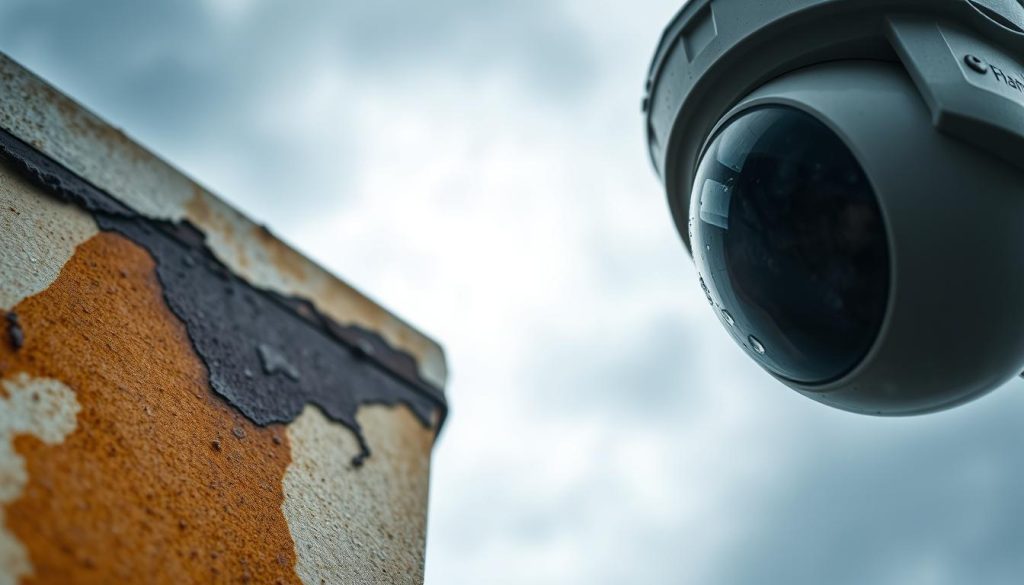
Look for water droplets inside the lens dome. Also check for white or green crust on metal screws, brackets, or wire connectors.
This oxidation is a sure sign of prolonged exposure to humid air or direct rain. These symptoms, especially in combination, confirm a physical damage event requiring immediate attention.
Immediate Action Steps for a Suspected Water-Damaged Camera
If you suspect moisture ingress, follow this clear action plan for damage control. Step one is always safety: disconnect power to the unit at the source.
This prevents short circuits and eliminates any electrocution risk. Next, carefully remove the security camera from its mount if possible.
Move it to a dry, indoor environment. Disassemble the housing carefully using the correct tools. Avoid using excessive force to prevent further damage.
Once open, dry all components thoroughly. Use compressed air to blow out moisture from crevices. Place the internal parts in a sealed container with silica gel desiccant packets for 24-48 hours.
Inspect circuit boards and connectors for corrosion. If you see minor oxidation, gently clean the affected areas with a cotton swab and isopropyl alcohol.
Allow everything to dry completely before attempting to reassemble and power the system on. The prognosis depends on the extent of the damage.
If circuits are heavily corroded, professional repair may be needed. Evaluate the unit’s value against repair costs. For older or budget equipment, replacement is often the more economical choice.
Early intervention following these steps can sometimes save the gear. For extensive water damage cctv issues, consulting a professional is the safest path to restoring your surveillance network’s system working well status.
Securing Your Investment for Long-Term Surveillance Peace of Mind
Durability against the elements is earned through a trilogy of actions: careful selection, strategic installation, and consistent care. This layered approach transforms your security system into a resilient asset. It delivers true peace of mind, knowing your property is monitored around the clock.
Investing upfront in quality equipment and proper setup prevents costly failures later. Your surveillance will provide clear images when it matters most. Use this guide as a blueprint to audit your current setup or plan a new installation.
With the right measures, environmental moisture does not have to compromise your protection. Your security systems can last longer and perform reliably, regardless of the weather.
FAQ
What does an IP rating mean for my security camera?
An IP (Ingress Protection) rating indicates how well a device resists solids like dust and liquids like rain. The first number rates dust protection; the second rates moisture protection. A higher second number means better weatherproofing for your surveillance equipment.
What is the best IP rating for an outdoor security system?
For reliable performance in bad weather, look for a rating of IP66 or higher. An IP66-rated device is dust-tight and can handle heavy rain. Models with IP67 or IP68 ratings offer even greater protection against temporary immersion, which is ideal for flood-prone areas.
Where is the best place to install an outdoor surveillance camera?
Optimal placement is under protective structures like eaves, soffits, or covered entryways. This strategic installation shields the unit from direct rainfall while maintaining a clear field of view. Always angle the housing downward to encourage water runoff.
How can I protect the cables and connections on my security system?
Use waterproof cable glands and conduits to shield wires. Seal all junction points and connectors with electrical tape or waterproof gel caps. Proper cable management prevents moisture from traveling along the wire into the camera, a common failure point.
What regular maintenance does my outdoor surveillance equipment need?
Conduct regular visual checks for cracks in the housing or damaged sealant. Gently clean the lens and exterior with a soft, dry cloth to remove dirt and debris. Never use harsh chemicals, as they can degrade weather seals and affect image quality.
What are the early warning signs of moisture damage?
Watch for foggy or blurred images on your feed, which indicates condensation inside the lens. Other symptoms include intermittent power loss, flickering, or visible white/green corrosion on metal parts. Addressing these quickly can prevent total failure.
Are there accessories to enhance a camera’s weather resistance?
A> Yes. Protective accessories like all-metal or polycarbonate enclosures, rain hoods, and sun shields add an extra layer of defense. For systems in very humid climates, consider units with built-in heaters or anti-fog coatings to keep the lens clear.
Can humidity alone cause problems for my security equipment?
Absolutely. Persistent high humidity can lead to condensation inside the housing, even if it never rains directly on the unit. This moisture leads to lens fogging and internal corrosion over time, degrading performance. Using silica gel desiccant packets inside sealed housings can help control internal humidity.


