
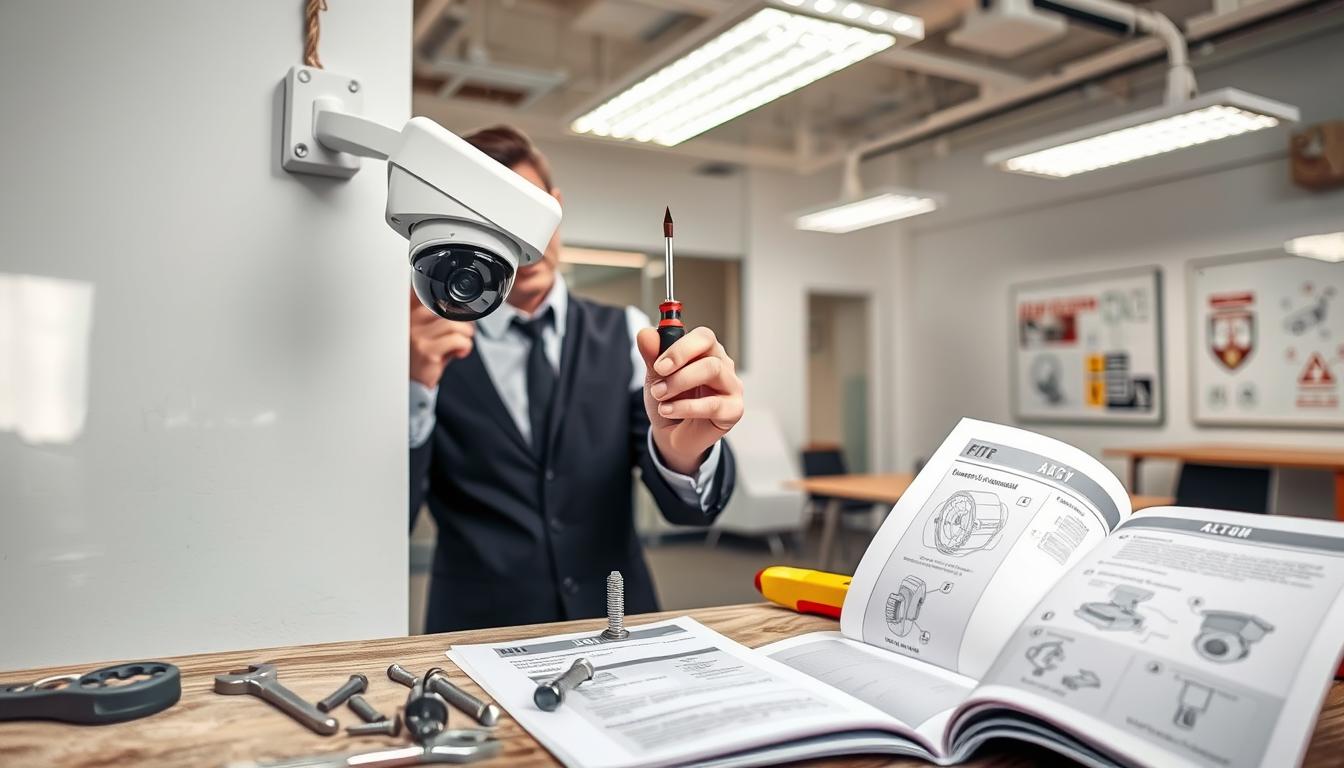
When should I replace my CCTV camera A Practical How-To Guide
In Singapore, the question of upgrading surveillance systems is crucial for every property owner. With theft rates exceeding 25%, relying on outdated equipment can create significant vulnerabilities. The need for a modern and reliable security system is paramount.
This practical guide aims to help individuals identify the right moment for an upgrade. The average lifespan of surveillance equipment is typically three to five years. While regular maintenance can prolong functionality, eventual replacement is unavoidable.
Staying current isn’t merely about having the latest hardware; it’s about effectively addressing evolving security threats. Signs such as deteriorating image quality, frequent malfunctions, and coverage gaps are clear indicators that an upgrade is necessary.
Delaying action could lead to compromised safety and higher costs later on. Viewing proactive replacement as a strategic investment in safety sets the stage for informed decision-making. The following sections will empower readers to make confident choices regarding their surveillance systems.
Key Takeaways
- Understand the importance of upgrading aging surveillance equipment.
- Recognize that theft rates in Singapore necessitate a reliable security system.
- Learn to identify signs that indicate the need for a new system.
- View proactive replacement as a strategic investment in safety.
- Prepare for informed decision-making with a comprehensive framework.
Why CCTV Systems Are Essential for Security in Singapore
The presence of CCTV systems is essential for maintaining safety in Singapore’s urban landscape. In a city where theft and vandalism can occur unexpectedly, these systems serve as a deterrent. The visibility of security cameras often makes criminals think twice before attempting any wrongdoing.
Moreover, high-quality footage from these cameras is invaluable. It aids police investigations and supports insurance claims, providing clear evidence when incidents occur. This aspect of surveillance ensures that property owners can take appropriate action when necessary.
Modern surveillance systems have evolved beyond simple recording devices. They are now integral to proactive risk management and community safety initiatives. With the rise of sophisticated criminal tactics, it’s crucial that security systems adapt to meet contemporary threats.
In Singapore, the high urban density and technological advancements necessitate intelligent and connected solutions. Essential features like high-definition clarity, remote access via mobile apps, and smart motion analytics enhance the effectiveness of these systems.
Reliable surveillance provides peace of mind to residents and employees. Knowing that their environment is continuously monitored can significantly reduce anxiety about safety. Furthermore, coordinated surveillance efforts can strengthen neighborhood watch programs, enhancing overall community safety.
However, an outdated setup may fail to fulfill these modern roles. Properties could remain vulnerable, despite having cameras physically installed. Understanding the critical function of CCTV systems is the first step toward recognizing when technology falls short and replacement becomes necessary.
Understanding the Average Lifespan of CCTV Cameras
Understanding the typical lifespan of surveillance equipment is essential for effective security planning. Most consumer and commercial surveillance systems operate effectively for three to five years. After this period, noticeable performance degradation often occurs.
Professionally installed, commercial-grade equipment from reputable brands like Axis Communications can last significantly longer, reaching eight to ten years. The type of camera also plays a crucial role in longevity. For instance, dome cameras with sealed housings frequently outlast basic bullet models.
However, PTZ (pan-tilt-zoom) mechanisms, which have moving parts, can shorten operational life to three to seven years. Similarly, infrared night vision components typically reduce service periods to five to six years. Regular maintenance is vital in maximizing the lifespan of these systems.
As technology advances, older systems may still record but often lack modern capabilities essential for adequate protection. This is particularly relevant in Singapore’s tropical climate, where heat and humidity can accelerate aging, pushing a system toward the shorter end of the lifespan spectrum.
In summary, understanding these lifespan principles forms a foundation for proactive scheduling. This knowledge helps property owners avoid sudden security vulnerabilities and plan upgrades strategically.
How Singapore’s Environment Affects Camera Durability
The tropical climate of Singapore presents unique challenges for electronic security equipment. Environmental wear can significantly trigger the need for a new surveillance system.
Consistently high humidity is the primary adversary. It leads to lens fogging, which degrades image quality. Additionally, internal corrosion on circuit boards can cause intermittent failures.
Intense tropical heat and UV radiation degrade plastic housing over time. This damage can also affect sensitive image sensors, reducing overall performance and lifespan.
Heavy monsoon rains test every seal and gasket on outdoor units. In coastal areas, salt air adds a corrosive element that speeds up metal fatigue and connector degradation.
This environmental damage is often cumulative and irreversible. A moisture-compromised camera may work intermittently before failing completely.
Ingress Protection ratings are non-negotiable specifications. It is advisable to choose equipment with a minimum of IP66 for protection against powerful water jets or IP67 for temporary immersion capability.
Robust housing materials provide a second layer of defense. Aluminum housings offer excellent heat dissipation and physical strength, while polycarbonate blends provide impact resistance.
Strategic placement can further minimize direct sun exposure and water ingress. Installing units under eaves or using sun shields helps maintain optimal viewing angles.
Beware that cameras marketed for general use often fall short in Singapore’s conditions. Investing in equipment specifically rated for tropical or harsh environments is crucial for long-term security.
In conclusion, environmental resilience directly links to overall system longevity. A well-protected unit will deliver years of reliable service before replacement becomes necessary.
Key Signs It’s Time to Replace Your CCTV Camera
Over time, the effectiveness of security systems can diminish, revealing several signs that indicate it’s time for an upgrade. Recognizing these symptoms is crucial for maintaining optimal safety and security.
Declining Image Quality and Resolution
Persistent poor image quality directly undermines the primary purpose of surveillance. Blurry or pixelated images make it nearly impossible to identify faces or license plates. Grainy footage, especially in low light conditions, renders night vision completely ineffective. Inconsistent color representation distorts important visual details needed for accurate identification.
These problems often stem from sensor degradation or outdated video compression algorithms. Temporary cleaning might not help when internal component failure is the root cause. If you notice these issues, it’s a clear sign that an upgrade is necessary.
Frequent Operational Failures and System Crashes
Reliability is non-negotiable for any security setup. Constant technical problems like random rebooting, network disconnection, or recording failures are major red flags. Software glitches that disrupt live viewing indicate firmware issues, while corrupted video files create dangerous gaps in the surveillance record that compromise property protection.
Surveys indicate that 98 percent of system failures could be avoided with regular checks. It’s crucial to heed early warnings before intermittent problems worsen into total failure.
Insufficient Coverage and Emerging Blind Spots
Changes in property layout, new constructions, growing foliage, or rearranged assets can create unforeseen blind spots. Older cameras with limited fields of view may not address these coverage gaps. Such vulnerabilities provide perfect opportunities for unauthorized activity.
A security audit often reveals areas no longer monitored effectively. To evaluate your system, consider a self-assessment checklist that includes indicators like footage clarity, color accuracy, night vision performance, system stability, recording completeness, and remote access reliability.
The Role of Technological Obsolescence in Camera Replacement
As technology progresses, older surveillance systems may no longer meet today’s security needs. This phenomenon, known as technological obsolescence, serves as a silent yet critical trigger for necessary upgrades. While a surveillance system may still function, it might lack the capabilities to address contemporary security challenges.
Limitations of Outdated Analog and Early IP Cameras
Legacy analog setups and first-generation IP cameras often capture low-resolution video at 480p or below. This results in grainy, unclear images that hinder effective monitoring. Night vision performance in these older models is often poor or non-existent. Furthermore, they typically lack remote access capabilities, requiring on-site presence at a dedicated monitor.
Scalability is another significant issue with outdated systems. Expanding old analog setups can be complex and costly, often necessitating entirely new wiring. Early IP cameras may also use outdated compression techniques, leading to inefficient storage use. These limitations can compromise the overall effectiveness of a security system.
Essential Modern Features You Might Be Missing
In contrast, modern digital IP systems deliver high-definition or even 4K video quality. They offer features like Power over Ethernet for simpler installation and intelligent video analytics. These advancements significantly enhance the overall security experience.
Advanced motion detection with human or vehicle filtering drastically reduces false alarms caused by pets or shifting shadows. Additionally, tamper detection alerts users if a camera is covered or moved, enhancing overall security.
Integration with smart home platforms allows for unified control of lighting, alarms, and surveillance, creating a comprehensive security environment. Cybersecurity is another crucial concern; older cameras that no longer receive firmware updates become prime targets for hacking. Modern units address these vulnerabilities with regular security patches.
New technology, such as H.265 video compression, reduces file sizes and storage needs without sacrificing quality. AI-driven analytics can distinguish between routine activity and genuine threats, enhancing monitoring efficiency.
If a current setup cannot support these essential features through updates, replacement becomes the only viable option. Technological obsolescence is a silent trigger, indicating that a system may seem functional but is fundamentally inadequate for today’s security demands.
Importance of Regular Maintenance to Extend Camera Life
Regular upkeep of surveillance systems is vital for ensuring their longevity and effectiveness. Consistent maintenance helps property owners understand the true health of their security setup. Experts note that regular checks and updates can prevent up to 67 percent of potential system failures.
Moreover, CCTV systems that receive regular updates can last up to 30 percent longer. In Singapore, consider more frequent lens cleaning due to urban pollution. Extra attention should also be given to checking for humidity-related corrosion on connectors and boards.
Maintaining a simple logbook to track inspection dates, updates applied, and minor repairs can be incredibly beneficial.
User Maintenance Checklist for Longevity
Transforming a security investment from a reactive tool into a durable asset requires a disciplined maintenance regimen. Here’s a checklist to help homeowners:
- Clean camera lenses with a soft microfiber cloth to remove dust, pollen, and grime that cause blurry images.
- Inspect cables and connections for fraying, corrosion, or loose plugs that may cause signal loss.
- Check housing seals on outdoor cameras to ensure weatherproof gaskets are intact in Singapore’s humid climate.
- Clear ventilation areas of spider webs, leaves, or debris to prevent overheating.
- Verify storage capacity for adequate footage retention.
- Review camera angles for new obstructions from plant growth.
Benefits of Professional Inspections and Firmware Updates
While user checks are valuable, professional inspections offer a deeper diagnostic layer. These inspections include testing electrical voltage, analyzing network health, and calibrating sensors. Experts indicate that consistent regular checks and updates can prevent up to 67 percent of potential system failures.
Furthermore, CCTV systems receiving regular updates can last up to 30 percent longer. Firmware and software updates are equally critical, as they fix security vulnerabilities, improve system stability, and occasionally add new features to existing equipment.
Maintaining a simple logbook to track inspection dates, updates applied, and minor repairs helps predict eventual replacement needs accurately. Even with impeccable maintenance, components have a finite lifespan. Proper care ensures that you get every possible year of service before a new security solution is required.
Conducting a Comprehensive CCTV System Audit
Conducting a detailed audit of your surveillance system is essential for optimal performance. This process transforms guesswork into actionable data, allowing property owners to make informed decisions about necessary upgrades. By pinpointing specific components that need attention, an audit can prevent unnecessary spending on a full system overhaul.
Step-by-Step Camera-by-Camera Evaluation
A systematic camera-by-camera review forms the foundation of any effective security assessment. Begin by evaluating each unit individually for critical performance metrics. Start with checking the image quality in both bright daylight and complete darkness. This ensures that the field of view covers all intended areas without new obstructions from foliage or structural changes.
Next, confirm recording reliability over a 48-hour period. Note any network connectivity drops that disrupt remote viewing, as these may indicate underlying hardware or configuration issues.
Testing Recording, Remote Access, and Coverage
Practical tests yield the most revealing data. Simulate a security scenario by walking across the property at night to test motion detection sensitivity and alert speed. It’s vital to check whether recorded footage clearly shows identifiable details of a person or object. This determines the forensic usefulness of the entire surveillance system.
Additionally, review the health of the entire CCTV system, including storage capacity adequacy for required retention periods. Check recorder error logs and look for signs of overheating in the DVR or NVR. Testing mobile app functionality for live viewing and playback from different networks is crucial. Inspect power supplies and backup batteries for stability, as these system-wide elements are vital for continuous operation.
Remember, a camera that powers on is not necessarily effective. The distinction between merely working and performing adequately for modern security needs is critical. This thorough evaluation provides a clear performance baseline, helping property owners understand exactly what their existing security setup can and cannot do before making replacement decisions.
Evaluating Your Current System’s Performance Against Today’s Needs
Assessing the current performance of your surveillance system is essential for ensuring it meets modern security standards. Comparing existing capabilities against a checklist of today’s requirements reveals whether your setup truly meets contemporary security needs or falls dangerously short.
Approximately 80 percent of surveillance footage fails to provide useful evidence in legal proceedings due to poor quality. This makes image quality a critical benchmark for evaluating any current system’s effectiveness.
Performance Standards of Modern Equipment
Today’s security cameras offer impressive specifications. Modern systems typically feature:
- Full HD clarity: Cameras capture 1080p resolution at 30 frames per second.
- 4K ultra-HD models: These provide over 8 million pixels for exceptional clarity.
- Reliable remote access: Mobile apps have become fundamental for property owners managing security on the go.
- Intelligent analytics: Motion detection systems can distinguish between human activity and false triggers from animals or environmental factors.
- Cloud storage integration: Modern systems offer flexible access and virtually unlimited capacity compared to older local-only recording limitations.
- Cybersecurity features: Systems no longer receiving firmware updates represent a growing vulnerability that older equipment cannot address.
It’s crucial to honestly evaluate whether your current surveillance system provides the peace of mind that comes from knowing your property is comprehensively protected against contemporary threats. In Singapore, the combination of urban density and evolving criminal tactics means performance expectations for security equipment are higher than ever before.
This evaluation framework helps property owners make informed decisions about whether incremental upgrades or a complete system replacement represents the better path forward.
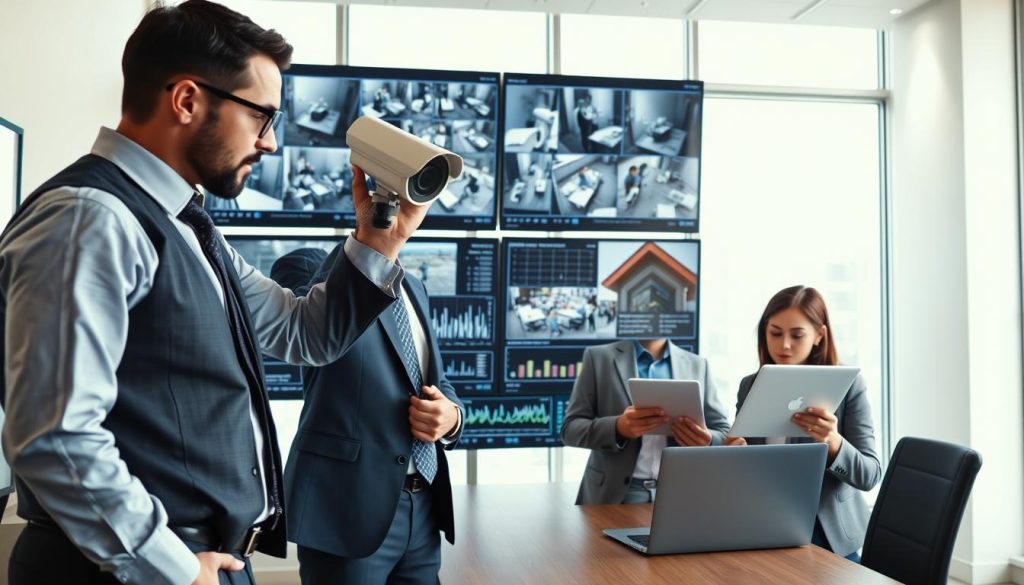
How to Balance Cost and Security Needs When Planning Upgrades
Strategic planning is essential for aligning security needs with budget constraints when upgrading surveillance systems. A thoughtful approach helps property owners find the best solution for their unique requirements.
Budget considerations extend beyond the initial purchase price. It’s important to factor in ongoing maintenance, future upgrades, and potential expansion costs over the system’s expected lifespan.
Running old systems incurs hidden costs, including:
- Regular maintenance and repair expenses that accumulate over time.
- Increased vulnerability to breaches from outdated technology lacking security patches.
- Missed opportunities from lacking new features like AI-driven analytics or cloud storage.
Begin by examining your current security needs. Consider property size, layout, and specific risk factors that determine coverage requirements and influence equipment selection.
Conduct a thorough site survey to identify vulnerable areas where the existing setup falls short. Consider resolution requirements for different monitoring zones based on activity levels.
Future expansion plans should influence decisions today. A scalable system accommodates growth without requiring a complete overhaul, ultimately reducing long-term costs.
While camera upgrades might seem pricey initially, they can save money in the long run. This is achieved by reducing ongoing maintenance costs and preventing security incidents that carry significant financial consequences.
Professional consultation is recommended to help tailor solutions to specific situations. Experts can identify optimal configurations that balance cost with comprehensive property protection.
In conclusion, proper assessment balances immediate costs with long-term value. This ensures the investment pays dividends in comprehensive protection and peace of mind.
Leveraging Modern Features: What You Gain by Upgrading
Upgrading surveillance systems offers significant benefits that enhance security in today’s dynamic environment. Modern surveillance upgrades deliver measurable advantages that extend beyond basic monitoring. They transform how properties are protected, ensuring comprehensive safety and security.
Superior Image Clarity and Night Vision
Ultra-high definition recording represents a massive leap forward in surveillance technology. With 4K resolution, cameras capture over eight million pixels per frame, providing undeniable clarity in evidence collection. Enhanced video quality makes identification effortless. License plates and facial features become clearly visible, even at a distance, ensuring every detail remains sharp and recognizable for investigations.
Modern night vision technology also maintains clear visibility around the clock. Advanced infrared LEDs now last over seven years without replacement, delivering visible images in complete darkness.
Enhanced Remote Monitoring and Cloud Storage
Cloud-based platforms revolutionize accessibility and management. Property owners can view live feeds and review footage from any internet-connected device, anywhere. This remote access enables immediate responses to potential incidents, with real-time alerts keeping stakeholders informed regardless of their location. The need for on-site monitoring is effectively eliminated.
Additionally, cloud storage integration offers flexible footage access with virtually unlimited capacity. This makes storage limitations obsolete, ensuring that footage remains accessible without concerns about physical devices.
Advanced Analytics and Reduced False Alarms
Artificial intelligence brings intelligent monitoring to security systems. AI algorithms can distinguish between real threats and false alarms by ignoring routine movements. Advanced motion detection with human and vehicle filtering drastically reduces notifications from pets or shifting shadows. This ensures property owners receive alerts only for genuine concerns.
Modern systems also integrate seamlessly with other protection systems, including alarms, access controls, and smart devices. This creates a comprehensive protection network that addresses both current and emerging challenges, enhancing overall security.
Planning Replacement Timing for Minimal Disruption in Singapore
Timing is crucial for ensuring that the transition to new surveillance equipment does not disrupt security in Singapore. Choosing the right time for replacement is essential to maintain continuous coverage while upgrading to newer systems.
Planning replacements during periods of lower activity, such as public holidays or scheduled business closures, minimizes security risks. With reduced foot traffic, property owners can ensure a smooth installation process without compromising safety.
New regulations in Singapore have streamlined the process for updating CCTV systems. This allows homeowners and businesses to enhance their surveillance capabilities without facing significant bureaucratic delays.
It is advisable for property owners to coordinate with professional installers well in advance. Securing preferred timing slots is essential, especially since demand for security upgrades tends to increase during certain seasons.
For larger properties with multiple cameras, having a phased replacement plan is important. This ensures that critical areas remain monitored while individual units are being upgraded.
Regular checks on CCTV systems help identify the optimal replacement window. This proactive approach prevents emergency situations that could force rushed decisions, potentially leading to suboptimal equipment choices.
Creating a replacement timeline that aligns with budget cycles is also beneficial. This allows for proper financial planning rather than scrambling for funds when a system unexpectedly fails.
The goal is to avoid both premature replacements that waste useful equipment life and delayed replacements that leave properties vulnerable to security breaches. Strategic timing allows for thorough testing of new systems before fully decommissioning old equipment, ensuring everything functions correctly from day one.
In conclusion, well-planned replacement timing transforms what could be a disruptive process into a seamless upgrade. This enhances property protection without interruption.
Best Practices for Installing and Placing New CCTV Cameras
Proper installation and placement of surveillance cameras are vital for maximizing their effectiveness. Even the most advanced security cameras will underperform if installed incorrectly. Therefore, following best practices is essential for getting the most value from new equipment.
Strategic camera placement minimizes direct sun exposure and water ingress. Installing units under eaves or using sun shields helps maintain optimal viewing angles for comprehensive property coverage. For outdoor use in Singapore’s tropical climate, seeking equipment with a minimum IP66 or IP67 rating is non-negotiable. This ensures protection against powerful water jets and temporary immersion during heavy monsoon rains.
Additionally, housing material selection is crucial. Aluminum housings offer excellent heat dissipation and physical strength, while polycarbonate blends provide impact resistance without corroding in humid conditions. Optimal mounting heights should balance capturing clear facial details with protecting cameras from tampering. Typically, placement at eight to ten feet above ground level is recommended.
Common placement mistakes can hinder performance. Avoid pointing cameras directly at bright light sources, as this causes lens flare and washes out images. Also, ensure units are not positioned where foliage will eventually obstruct views.
Conducting a thorough site survey before installation is advisable. This helps identify all critical coverage areas, entry points, and potential blind spots that need monitoring. Proper cable management and secure mounting prevent both accidental damage and intentional tampering, contributing significantly to long-term system reliability and performance.
Professional installation ensures correct network configuration for remote access capabilities and proper integration with existing security systems. Investing time in proper placement and installation practices pays dividends through years of reliable surveillance and reduced maintenance needs.
Strategies for Future-Proofing Your Surveillance System
Future-proofing your surveillance system is essential for adapting to the evolving landscape of security threats. A strategic approach to equipment selection ensures that your system remains relevant and effective for years beyond its initial installation date.
One key strategy is to choose scalable systems that accommodate growth without requiring a complete overhaul. Modern digital IP systems using Power over Ethernet simplify future expansions through standardized infrastructure. This flexibility allows for upgrades as your security needs change.
Investing in equipment from reputable brands like Axis Communications, Uniview, and Avigilon is crucial. These brands are known for their long-term firmware support and commitment to providing security updates over extended periods. This ensures your system remains protected against emerging threats.
Additionally, it’s important to invest in current technology standards such as H.265 video compression and AI-driven analytics. These capabilities will remain relevant and supported for years to come, enhancing the effectiveness of your surveillance system.
Choosing systems with open architecture and standard protocols allows integration with future devices and platforms. This prevents vendor lock-in, which can limit upgrade options down the road.
Future-proofing also means selecting cameras with resolution capabilities that exceed current needs. As storage technology continues to advance, higher resolutions will become the new standard.
Consider modular systems where individual components can be upgraded independently. This allows for gradual improvements to image quality or features without replacing the entire infrastructure.
Proper documentation of system configuration, cable routes, and network settings during initial installation makes future maintenance and upgrades significantly easier and less costly. Investing slightly more in quality equipment upfront helps systems last longer and reduces the total cost of ownership over the surveillance system’s extended lifespan.
In conclusion, future-proofing is not about predicting every technological advancement. Instead, it’s about building flexibility and scalability into the foundation of your security system from the start.
Empowering Your Property Security Through Informed CCTV Replacement Decisions
For property owners in Singapore, understanding the nuances of security upgrades is vital. Proactive replacement of outdated equipment is not merely an expense; it is a strategic investment in safety. Delaying upgrades can lead to compromised security, missed evidence, and potentially higher costs in the future.
The average lifespan of surveillance systems is three to five years. However, Singapore’s tropical climate may accelerate the need for timely replacements. Modern technology provides essential features such as superior night vision, intelligent motion analytics, and reliable remote access, which older systems cannot match.
In a city where theft rates can exceed 25 percent, an outdated surveillance setup poses a significant vulnerability. Regular maintenance and periodic audits are crucial components of responsible property management. By assessing performance against today’s security needs, property owners can make informed decisions that enhance safety.
Take action now—schedule a professional audit, plan a phased upgrade, or replace equipment showing clear signs of failure. Informed decisions today create safer properties tomorrow.
FAQ
How often should I conduct maintenance on my CCTV system?
Regular maintenance is crucial. It’s recommended to perform checks at least every six months to ensure optimal performance and longevity.
What are the signs that indicate a camera needs replacement?
Key signs include declining image quality, frequent operational failures, and emerging blind spots in coverage.
How does the environment in Singapore affect camera durability?
Singapore’s humid climate can lead to corrosion and wear. Cameras designed for outdoor use typically have better weather resistance.
What modern features should I look for when upgrading?
Look for superior image clarity, enhanced night vision, advanced analytics, and capabilities for remote monitoring and cloud storage.
How can I evaluate my current system’s performance?
Conduct a comprehensive audit by testing recording quality, remote access functionality, and ensuring there are no coverage gaps.
What role does technological obsolescence play in camera replacement?
Older analog systems may lack essential features found in modern IP cameras, which can significantly enhance security and monitoring capabilities.
Why is professional inspection important for my surveillance system?
Professional inspections can identify potential issues early, ensuring that your system remains effective and up-to-date with the latest firmware.
How can I minimize disruption during the replacement process?
Plan replacements during off-peak hours and ensure that new systems are tested before old ones are fully decommissioned.
What are the benefits of cloud storage for surveillance footage?
Cloud storage provides secure, off-site access to footage, ensuring data is safe from local hardware failures and allowing for remote monitoring.
How can I future-proof my surveillance system?
Invest in scalable systems that allow for easy upgrades and incorporate the latest technology trends to adapt to evolving security needs.


