
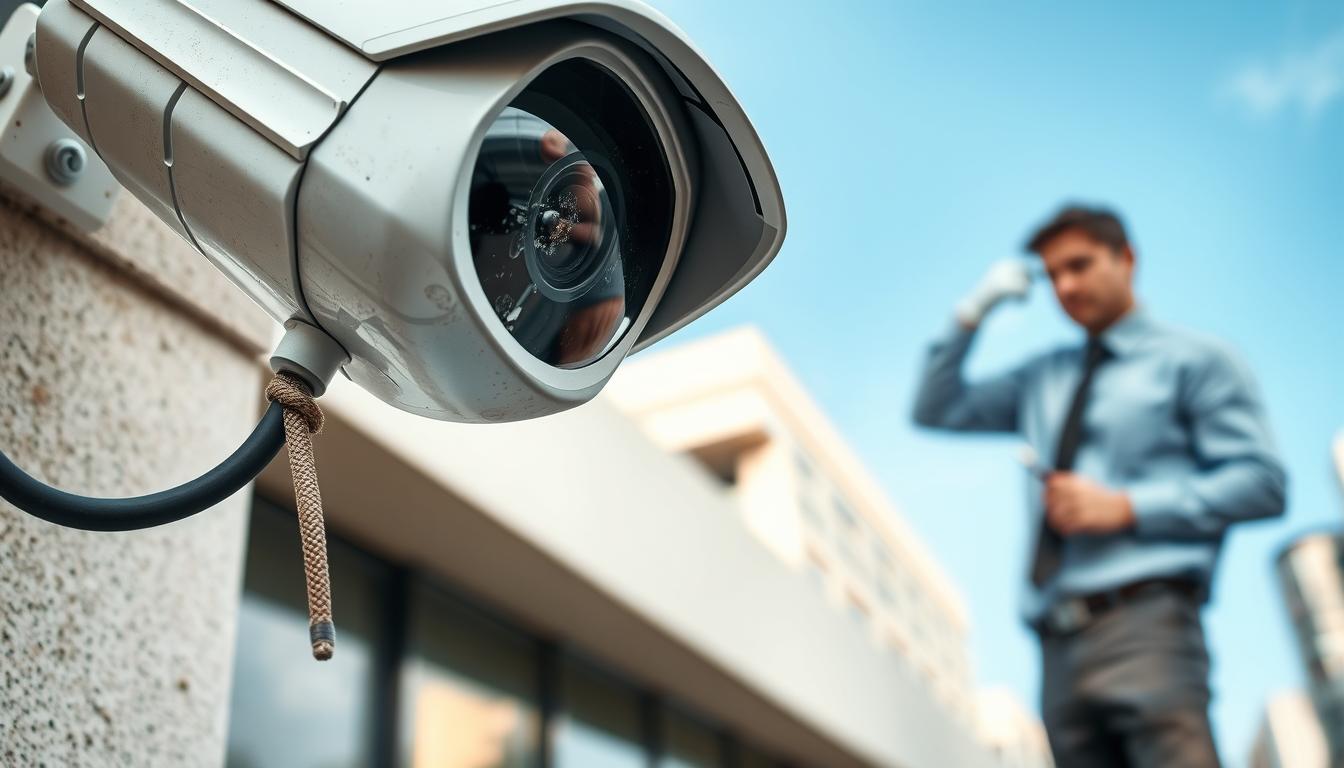
What is the common problem of CCTV camera? Solutions Guide
CCTV cameras play a critical role in enhancing security for homes and businesses across Singapore. With around one million cameras actively monitoring both public and private spaces, their functionality is essential. However, a malfunctioning unit can create a significant security gap, leaving properties vulnerable to undetected incidents.
Many users often ask about the issues that can arise with these systems. This guide aims to provide a comprehensive overview of common problems and actionable solutions. Frequent challenges include power supply failures, loose cable connections, and network conflicts that disrupt video feeds.
Fortunately, many of these issues can be resolved through basic troubleshooting steps, saving both time and money. This article will explore how to identify key problems, offer maintenance tips, and discuss the impact of Singapore’s unique environmental conditions on camera performance.
By understanding common failure points, users can significantly extend the lifespan of their surveillance systems and ensure reliable coverage.
Key Takeaways
- CCTV cameras are vital for security in Singapore, with around one million in use.
- Malfunctions can create serious security risks.
- This guide provides solutions to common CCTV camera issues.
- Basic troubleshooting can resolve many problems without professional help.
- Environmental factors in Singapore can affect camera performance.
- Proactive maintenance can enhance the lifespan of surveillance systems.
Understanding the Common Problems of CCTV Cameras
CCTV systems are integral to modern security solutions. However, like any technology, they are not without their challenges. Understanding these issues can help users maintain effective surveillance and ensure their systems operate smoothly.
Power Supply Issues
Power supply issues represent one of the most fundamental problems faced by CCTV cameras. Cameras may fail to turn on due to faulty power adapters, loose plug connections, or tripped fuse boxes in multi-camera setups. To diagnose power supply failures, start by testing the outlet with another device. Next, inspect the power adapter for visible damage. Finally, try a known working adapter compatible with the specific camera model.
Video Feed and Signal Loss
Video feed loss often manifests as a complete black screen or a “No Video Signal” warning on the monitor. This issue is frequently caused by loose BNC or Ethernet cable connections, especially in outdoor installations exposed to Singapore’s tropical weather. Regularly check cables for wear and ensure they are securely connected to prevent signal loss.
Poor Image Quality and Night Vision Challenges
Poor image quality can lead to blurry, distorted, or grainy footage. Accumulated dirt and dust on the camera lens, incorrect brightness and contrast settings in the DVR interface, or physical obstructions can all contribute to this problem. Night vision challenges arise when ambient lighting is insufficient for color recording. Additionally, malfunctioning IR LEDs or cameras positioned too close to reflective surfaces can hinder night mode functionality.
Connectivity and Network Problems
Connectivity issues, particularly for IP cameras, can disrupt surveillance. Weak Wi-Fi signals may cause intermittent connections, while IP address conflicts can occur when multiple cameras share the same address. Insufficient bandwidth can lead to frozen or lagging video streams, affecting the monitoring system’s reliability.
Motion Detection and Recording Failures
Motion detection failures can either ignore relevant movement or trigger excessive false alarms. This often results from improperly calibrated sensitivity settings or incorrectly configured detection zones. Environmental factors, such as moving tree branches or passing headlights, can also impact performance. It’s crucial to regularly adjust settings to ensure optimal detection capabilities.
Horizontal lines appearing on video feeds typically indicate direct light interference affecting camera sensors. Choppy or stuttering video often points to poor lighting conditions combined with incorrect system settings. Lastly, faulty hard drives in DVR units and corrupted USB storage can lead to recording failures, necessitating systematic troubleshooting to identify and resolve these issues.
What is the Common Problem of CCTV Camera? Identifying Key Issues in Singapore
In Singapore, the functionality of CCTV cameras faces unique challenges. Understanding these issues is essential for maintaining effective surveillance. Various local factors can affect the performance of these systems, leading to potential security risks.
Power and Cabling Failures Specific to Local Conditions
Singapore’s tropical climate, with high humidity levels averaging over 80%, significantly impacts CCTV equipment. This environment accelerates the degradation of power cables and connectors. Heavy rainfall can also damage outdoor installations, leading to power supply issues.
Approximately 68% of all reported problems stem from power supply failures. Voltage fluctuations during thunderstorms and corrosion of outdoor connections are common issues. Therefore, weatherproof installations are crucial for ensuring reliability.
Environmental and Lighting Impact on Camera Performance
Environmental factors directly influence the performance of CCTV cameras. For instance, direct sunlight can cause lens flare and sensor damage. Heavy rain may obscure lenses, triggering false motion detection alerts. High humidity can lead to internal condensation, fogging up camera housings and degrading image quality over time.
Moreover, lighting challenges in Singapore’s urban landscape complicate matters. Bright street lighting and vehicle headlights can saturate CCD sensors, causing overexposed areas in nighttime footage. Proper camera placement is vital to avoid these issues and minimize blind spots.
Compliance with Singapore’s CCTV Regulations and Privacy Concerns
As of May 2023, HDB flat owners can install CCTV cameras in corridors without prior approval. However, businesses must comply with the Personal Data Protection Act (PDPA) when handling footage. This includes managing personal data, responding to access requests, and ensuring sensitive information is redacted when sharing footage.
Without proper security measures, CCTV systems face a 30% increase in vulnerability to hacking and unauthorized access. Professional installation services can help navigate technical challenges and legal requirements, ensuring optimal camera performance and compliance.
How to Troubleshoot CCTV Camera Issues Effectively
Troubleshooting CCTV cameras effectively can enhance security and reduce downtime. When issues arise, a systematic approach is crucial. Start with the basics before moving to more complex solutions.
Checking Power Sources and Connections
Begin by inspecting all power sources and connections. Ensure the power outlet is functional by testing it with another device. Check the camera’s power adapter for visible damage or burn marks. Don’t forget to examine fuse boxes in multi-camera setups for tripped circuits.
If using Power over Ethernet (PoE), verify that the PoE switch is delivering power to each camera. A malfunctioning switch can cause multiple cameras to go offline simultaneously.
Rebooting Devices to Resolve Temporary Errors
Rebooting devices can resolve many temporary errors. Power cycling cameras, DVR units, and network switches can clear memory buffers and reset frozen processes. This simple step often re-establishes unstable network connections.
Using Diagnostic Tools and Software Settings
Modern CCTV systems often include built-in diagnostic tools. These tools can perform network connectivity tests, signal strength checks, and hard drive health assessments. They provide real-time information about system performance.
When troubleshooting software settings, ensure that camera streams haven’t been accidentally disabled or password-protected. Check that input video types match output types to avoid display issues. Adjusting resolution and frame rate settings can also help reduce bandwidth-related freezing.
If issues persist, it may be time to seek professional technical support. This is especially important when diagnostic tools indicate hardware failures or when complex network configurations are involved.
Essential Maintenance Tips to Prevent CCTV Camera Problems
Regular maintenance of surveillance systems is essential to ensure their longevity and reliability. By implementing a consistent maintenance schedule, users can prevent many issues before they arise. This proactive approach can save time and money while ensuring effective security coverage.
Routine Cleaning and Inspection of Cameras and Cables
Routine cleaning is vital for maintaining clear footage. Use a microfiber cloth to gently clean camera lenses and IR LED covers. This prevents scratches and ensures optimal image quality. Additionally, remove dust and debris from camera housings and clear any spider webs or nests that could obstruct the field of view.
During maintenance checks, inspect all cables for signs of wear. Look for cracked insulation, exposed wiring, or corrosion at connection points. Addressing these issues immediately can prevent intermittent video signal loss or complete camera failure.
Firmware and Software Updates for Optimal Performance
Keeping firmware and software updated is critical for the performance of CCTV systems. Manufacturers frequently release patches that fix bugs, improve motion detection, and enhance security protocols. Regular updates ensure compatibility with newer recording devices and mobile viewing apps.
Best Practices for Cable Management and Protection
Effective cable management can protect your CCTV system from environmental damage. Use weatherproof conduit for outdoor cable runs and seal all outdoor connection points with silicone or specialized weatherproof junction boxes. Organizing indoor cables with proper routing and labeling helps prevent accidental disconnections.
Consider installing surge protectors and uninterruptible power supply (UPS) units. These devices guard against power surges and brief outages that can corrupt DVR hard drives and damage camera electronics, especially during Singapore’s frequent thunderstorms.
Wireless camera batteries typically need replacement every one to three years. This should be part of your scheduled maintenance routine to avoid unexpected power loss. Proper camera placement is also crucial. Position cameras to avoid direct sunlight on the lens, ensure adequate ventilation, and install protective visors to shield from rain and debris.
Investing time in regular maintenance pays dividends. It extends equipment lifespan, reduces repair costs, and most importantly, ensures continuous reliable surveillance coverage. This proactive approach helps avoid security gaps during critical moments.

The Importance of Investing in Quality CCTV Equipment
Investing in high-quality CCTV equipment is crucial for effective surveillance. Quality systems not only enhance security but also minimize common issues that can arise with cheaper alternatives. Premium components from reputable manufacturers like HikVision and Dahua are designed to withstand the elements and provide reliable performance.
Many businesses in Singapore still operate with cameras that are 10 to 15 years old. These outdated systems often lack modern features such as high-definition resolution and advanced night vision capabilities. Upgrading to newer models can significantly improve surveillance effectiveness.
Benefits of High-Quality Cameras and Components
High-quality cameras deliver superior performance, reducing the frequency of common problems. Features like better weather sealing and durable internal electronics help ensure that systems function optimally. As a result, businesses can expect fewer interruptions and enhanced security coverage.
Upgrading from Old Systems to IP Cameras
Transitioning from outdated analogue systems to modern IP cameras offers numerous advantages. Users can enjoy improved image quality with resolutions up to 4K, along with the ability to record in both SD and HD formats. This flexibility allows for better storage management and remote viewing capabilities, enabling property owners to monitor their premises from anywhere.
Impact of Proper Camera Placement and Lens Quality
Proper camera placement is essential for maximizing system effectiveness. Even the highest-quality camera can produce unusable footage if positioned poorly. Factors such as direct sunlight or excessive backlighting can hinder performance. Additionally, investing in high-quality lenses ensures sharper focus and better light transmission, which is critical for capturing clear images.
In conclusion, while quality CCTV equipment may require a higher initial investment, the long-term benefits far outweigh the costs. Enhanced reliability, improved image quality, and reduced maintenance needs make it a wise choice for any security system.
Utilizing Professional Installation and Support Services
Utilizing professional installation services can greatly enhance the effectiveness of CCTV systems. Expert technicians provide invaluable assistance in ensuring that cameras are correctly placed and configured. This minimizes blind spots that affect up to 25% of properties with self-installed systems.
Professional installers conduct thorough site surveys. They identify optimal mounting positions to maximize coverage of critical areas while minimizing obstructions. By assessing environmental factors, they analyze light sources throughout the day and night. This helps avoid backlighting and glare issues, ensuring clear footage.
Advantages of Expert Camera Placement and Setup
Proper camera placement is essential for effective surveillance. Professionals evaluate potential sources of signal interference for wireless cameras. They also ensure adequate weather protection for all outdoor equipment, which is crucial in Singapore’s climate.
Professional Troubleshooting and Remote Monitoring Solutions
Professional troubleshooting services boast a remarkable 95% success rate in resolving CCTV camera problems. Technicians leverage specialized diagnostic equipment and extensive experience with various brands and system types. This access to manufacturer-level technical support is not available to end users.
Remote monitoring solutions offered by professional service providers allow technicians to proactively identify issues. They can diagnose problems such as failing hard drives and network connectivity issues before they lead to complete system failure. This proactive approach helps maintain continuous surveillance coverage.
Ensuring Legal Compliance and Security Standards
Professional installation is vital for ensuring compliance with Singapore’s regulatory framework. This includes proper signage notifying individuals of CCTV surveillance and correct positioning to avoid infringing on neighbors’ privacy. Adherence to PDPA requirements for footage storage and handling can reduce legal risks by nearly 50%.
Security configurations during professional setup also play a critical role. Changing default passwords, enabling network encryption, and setting up proper user access controls can reduce vulnerabilities to hacking and unauthorized access by up to 30%.
While professional installation and support services may represent an additional upfront cost, the benefits are substantial. Optimized camera placement, reduced legal exposure, enhanced cybersecurity, and access to expert troubleshooting make it a worthwhile investment for both residential and commercial CCTV deployments in Singapore.
Maintaining Reliable Surveillance: Keeping Your CCTV System Effective
A reliable surveillance system acts as a strong deterrent against potential threats. To maintain effective security, it is vital to stay informed about common issues that can arise with your CCTV setup. Regular maintenance routines and prompt troubleshooting are essential for ensuring that your system operates smoothly.
Common problems include power supply failures, video signal loss, and poor image quality. Addressing these issues quickly can prevent them from escalating into more serious failures. Simple actions, like cleaning camera lenses and checking cable connections, can go a long way in preserving your equipment.
Investing in quality equipment and professional support services enhances your surveillance strategy. Modern solutions, such as automated video redaction tools, also help maintain privacy compliance while ensuring that your system remains effective. By applying the knowledge from this guide, you can assess your CCTV systems and take corrective actions to protect your security.
As technology advances, staying proactive in maintaining and upgrading your surveillance systems will be essential for effective security management in Singapore and beyond.
FAQ
What are common power supply issues with CCTV systems?
Power supply problems often arise due to faulty connections or inadequate voltage. Ensure that the power supply unit is functioning properly and that cables are securely connected.
How can I fix video feed and signal loss?
Signal loss can be caused by damaged cables or interference. Check all connections and replace any damaged cables. Additionally, ensure that the camera is within range of the recording device.
What causes poor image quality during the night?
Night vision challenges often stem from inadequate lighting or dirty lenses. Regularly clean the camera lens and consider using infrared lighting to enhance visibility in low-light conditions.
What are the signs of connectivity and network problems?
Connectivity issues may manifest as intermittent video feed or complete loss of signal. Check the network configuration and ensure that the camera is properly connected to the network.
How can I troubleshoot motion detection and recording failures?
Check the motion detection settings in the camera’s software. Ensure that the camera is positioned correctly and that there are no obstructions affecting its field of view.
What specific power and cabling failures should I be aware of in Singapore?
In Singapore, environmental factors such as humidity can affect cable integrity. Use weatherproof cables and ensure proper installation to minimize these risks.
How does environmental lighting impact camera performance?
Cameras may struggle in areas with extreme lighting changes. Use cameras with adaptive lighting features to improve performance in varying conditions.
What are the legal compliance issues related to CCTV in Singapore?
Ensure that your CCTV system adheres to local regulations regarding privacy and data protection. Familiarize yourself with the guidelines set by the Personal Data Protection Commission.
How can I effectively check power sources and connections?
Inspect all power connections and use a multimeter to verify voltage levels. Replace any faulty components to ensure consistent operation.
What should I do if my CCTV devices need rebooting?
Rebooting can resolve temporary glitches. Simply unplug the device, wait a few seconds, and then plug it back in to reset the system.
What diagnostic tools can help with CCTV issues?
Utilize software that comes with your CCTV system for diagnostics. These tools can help identify issues with connectivity, settings, and performance.
What maintenance practices can prevent CCTV problems?
Regularly clean the cameras and inspect cables for wear. Establish a maintenance schedule to ensure all components are functioning optimally.
Why are firmware updates important for CCTV performance?
Firmware updates can fix bugs and enhance functionality. Always keep your system updated to benefit from the latest improvements and security features.
How can I manage cables effectively to prevent issues?
Use cable ties and conduits to organize and protect cables. Avoid running cables near sources of interference to maintain signal integrity.
What are the benefits of investing in high-quality CCTV equipment?
High-quality cameras provide better image resolution and durability. Investing in reliable equipment ensures long-term performance and reduces maintenance costs.
How does upgrading to IP cameras improve surveillance?
IP cameras offer superior image quality and remote access capabilities. Upgrading can enhance your surveillance system’s overall effectiveness.
What impact does proper camera placement have on surveillance?
Strategic placement ensures optimal coverage and reduces blind spots. Consider factors like height, angle, and lighting when positioning cameras.
Why should I consider professional installation for my CCTV system?
Professional installation ensures that cameras are set up correctly for maximum effectiveness. Experts can also provide ongoing support and troubleshooting.
What advantages do professional troubleshooting services offer?
Professional services can quickly identify and resolve issues, minimizing downtime. They also provide expertise in optimizing your system for best performance.
How can I ensure compliance with security standards?
Stay informed about local regulations and best practices in surveillance. Regular audits can help maintain compliance and improve system reliability.
What steps can I take to maintain a reliable surveillance system?
Regular maintenance, updates, and inspections are key. Ensure all components are functioning well and replace any outdated equipment to keep your system effective.


