
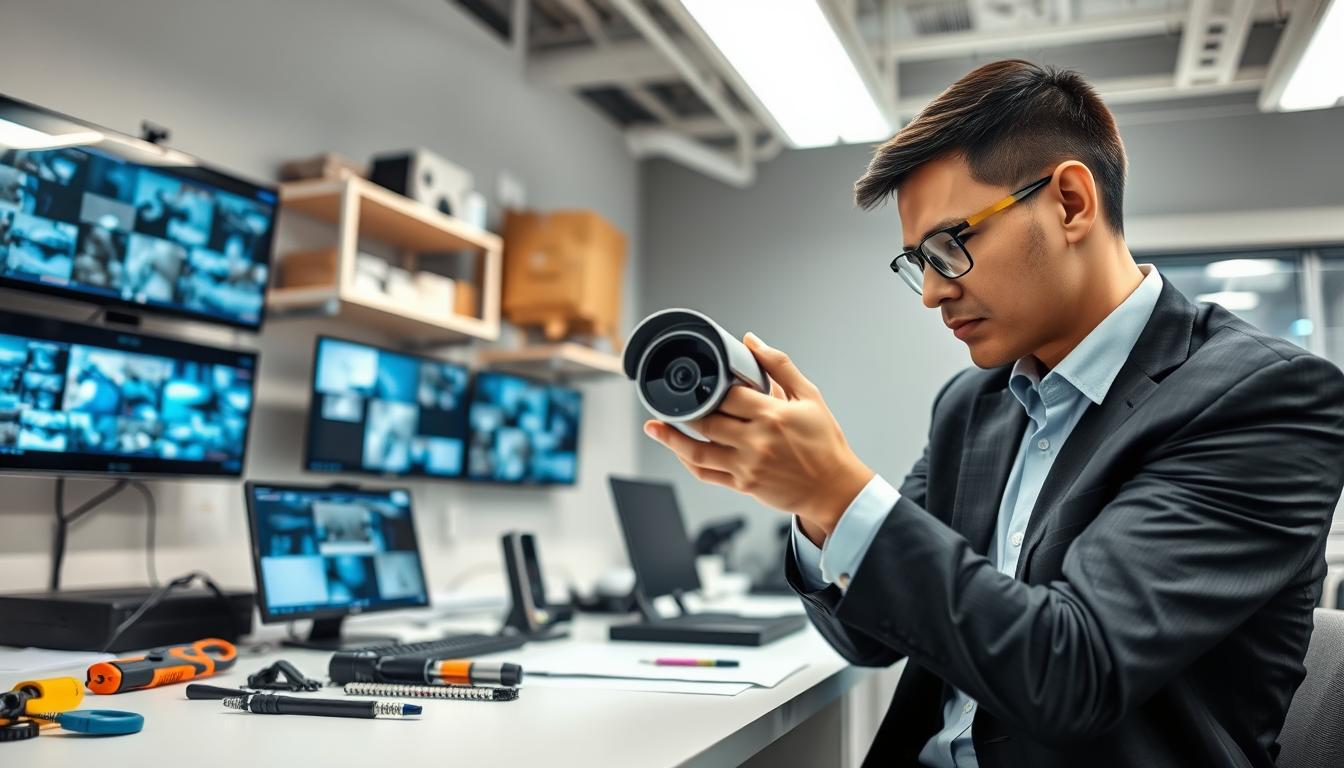
What is CCTV Maintenance? Essential Guide for Owners
Keeping your surveillance equipment in top condition requires regular attention and care. Proper upkeep ensures your security system operates reliably when you need it most.
This comprehensive approach includes routine inspections, thorough cleaning, software updates, and timely repairs. In Singapore’s security-conscious environment, these practices are particularly crucial for maintaining effective protection.
Regular care prevents unexpected system failures and extends your equipment’s lifespan significantly. It also helps ensure compliance with local monitoring regulations and data protection standards.
This guide provides practical, actionable advice for security system owners. We’ll cover everything from basic concepts to advanced strategies tailored for Singapore’s specific needs.
Key Takeaways
- Regular maintenance keeps surveillance systems running smoothly and reliably
- Proper care includes cleaning, software updates, and necessary repairs
- Preventative upkeep avoids costly system failures and replacements
- Maintenance extends equipment lifespan and ensures optimal performance
- Regular checks help maintain compliance with Singapore’s security regulations
- Proactive care provides better value than reactive repairs
- This guide offers comprehensive advice for all security system owners
Understanding What is CCTV Maintenance?
Systematic attention to your monitoring equipment ensures continuous protection. This structured approach involves regular checks and technical care that keep surveillance systems operating at peak performance.
Defining System Upkeep
Surveillance equipment care encompasses regular inspections and cleaning protocols. Technical adjustments form another crucial component of this comprehensive approach.
Effective upkeep means maintaining perfect operational condition through early problem detection. This proactive method addresses potential issues before they become major failures.
Core Objectives of Maintenance Routine
The primary goals focus on ensuring reliable operation and extending equipment lifespan. Maintaining consistent video quality remains equally important for security purposes.
Regular care saves significant time and resources by preventing major system failures. A well-maintained setup performs consistently without degradation over extended periods.
Maintenance routines establish predictable schedules for addressing potential issues. This systematic way of handling equipment care is fundamental to overall security effectiveness.
These practices connect directly to broader security goals and property owner peace of mind. For comprehensive professional support, consider our CCTV maintenance services that ensure optimal system performance.
Proper upkeep delivers consistent reliability and long-term value for your security investment. This approach guarantees your surveillance system remains operational when you need it most.
The Critical Importance of Regular CCTV Maintenance
Consistent upkeep of surveillance systems delivers critical protection benefits. This ongoing attention prevents unexpected breakdowns and maintains optimal security performance.
Research demonstrates that proper care reduces malfunction risks by up to 30%. This significant improvement directly enhances your property’s security effectiveness.
Preventing Costly Security System Failures
Regular attention stops small issues from becoming major problems. Early detection of potential failures protects your investment and maintains continuous monitoring.
Studies show systematic care prevents most common surveillance equipment malfunctions. This proactive approach saves significant repair costs and avoids security gaps.
Timely intervention addresses performance degradation before it impacts service quality. Your system remains operational when you need it most.
Extending the Lifespan of Your Surveillance Equipment
Proper care significantly increases your security equipment’s operational duration. This extended lifespan provides better return on investment through reduced replacement costs.
Regular maintenance prevents premature wear and component failure. Your surveillance system maintains consistent performance over many years.
This approach maximizes equipment value while ensuring reliable protection. Long-term functionality becomes predictable and dependable.
Ensuring Compliance with Singaporean Regulations
Singapore’s security environment requires specific monitoring standards. Regular system checks ensure compliance with local data protection regulations.
Proper maintenance prevents legal issues related to surveillance footage quality. Your system meets all regulatory requirements for evidence collection.
This compliance is particularly crucial in Singapore’s security-conscious context. Reliable cameras help prevent crimes while maintaining legal standards.
Regular service maintains the performance metrics required by local authorities. Your security system operates within all regulatory frameworks.
Exploring the Different Types of CCTV Maintenance
Security system owners benefit from understanding three distinct maintenance approaches for their surveillance equipment. Each method addresses specific operational needs and offers unique advantages for long-term performance.
Preventative Maintenance: Proactive System Care
This proactive approach involves scheduled inspections and routine services. Technicians perform regular checks to identify potential problems before they escalate.
Preventative care includes lens cleaning, connection verification, and component testing. These services help avoid unexpected system failures and maintain optimal performance.
This method proves most cost-effective over time. It reduces emergency repair needs and extends equipment lifespan significantly.
Corrective Maintenance: Reactive Repairs and Fixes
Corrective approaches address issues after they occur. This reactive method focuses on restoring functionality when problems arise.
These repairs often involve component replacement or system adjustments. Response time varies based on the severity of the malfunction.
While necessary for unexpected failures, this approach can be more expensive. Emergency services typically cost more than scheduled maintenance.
Predictive Maintenance: Data-Driven Upkeep
Predictive strategies use advanced analytics to forecast maintenance needs. System data helps determine the optimal time for services and repairs.
This approach analyzes performance trends and usage patterns. It allows for planned interventions before failures occur.
Data-driven upkeep maximizes efficiency and minimizes downtime. It represents the most advanced way to manage surveillance systems.
A comprehensive strategy often combines all three approaches. This balanced way of handling equipment care ensures reliable protection while optimizing resources.
Different configurations may require tailored maintenance plans. Understanding these types helps owners select appropriate services for their specific needs.
Essential Components of a CCTV Maintenance Checklist
A thorough surveillance system checklist provides clear guidance for equipment care. This organized approach ensures comprehensive coverage of all critical components.
Following a structured list prevents oversight and maintains consistent protection. It transforms complex technical tasks into manageable routine actions.
Inspecting Camera Lenses and Housings
Regular lens examination maintains optimal image clarity and detail capture. Dust, moisture, or scratches can significantly reduce footage quality.
Housing inspection protects against environmental damage and ensures proper sealing. Clean lenses produce sharper images for identification purposes.
Always check camera housings for cracks or moisture intrusion signs. These simple steps preserve long-term performance and reliability.
Verifying Power Supplies and Cable Connections
Power verification prevents unexpected system failures and recording interruptions. Loose connections account for most surveillance downtime incidents.
Cable integrity checks maintain consistent data transmission and power delivery. Damaged wires can cause complete camera failure or intermittent problems.
Research indicates 72% of surveillance interruptions relate to power issues. Regular connection verification addresses these potential failures proactively.
Checking Data Storage and Recording Functionality
Storage capacity monitoring ensures continuous footage capture without gaps. Full drives stop recording, creating security blind spots.
Recording verification confirms all cameras capture and save data properly. Systematically check each unit’s functionality during routine inspections.
Make sure your storage system handles required retention periods effectively. Adequate capacity prevents critical evidence loss during incidents.
Updating System Software and Firmware
Regular software updates address security vulnerabilities and improve performance. Outdated systems risk hacking and malfunction more frequently.
Firmware upgrades often include important bug fixes and feature enhancements. These updates maintain compatibility with newer devices and protocols.
Proper checklist implementation prevents 83% of common surveillance failures. This proactive approach saves time and resources while ensuring reliability.
Creating an Effective CCTV Maintenance Schedule
A well-structured upkeep plan keeps your security equipment performing at its best. This systematic approach organizes all necessary tasks into manageable timeframes.
Proper planning prevents oversight and ensures comprehensive coverage. Your surveillance setup remains reliable through consistent attention.
Determining the Right Frequency for Your System
Optimal service intervals depend on usage patterns and environmental conditions. High-traffic locations often require monthly checks for reliable operation.
Less active areas might function well with six-month inspections. Consider weather exposure and equipment age when setting your timetable.
Singapore businesses typically benefit from quarterly professional attention. This frequency addresses most common issues before they escalate.
Balancing Weekly, Monthly, and Quarterly Tasks
Weekly visual checks verify camera positioning and basic functionality. Monthly cleaning maintains image clarity and connection integrity.
Quarterly services include thorough testing and component verification. This layered approach ensures no aspect gets overlooked.
Proper time management makes this routine sustainable long-term. Consistent attention prevents emergency situations.
Scheduling Annual Professional Servicing
Annual comprehensive evaluations catch developing issues early. Professionals perform diagnostics that go beyond routine checks.
These detailed inspections assess overall system health and performance. Technicians identify potential failures before they occur.
Many companies combine annual service with comprehensive repair plans. This proactive way of handling equipment care maximizes value.
Maintenance records provide valuable insights over time. Documenting all services helps track performance trends and plan future needs.
“Consistent scheduling transforms complex upkeep into manageable routines. This disciplined approach delivers reliable protection year after year.”
Effective planning makes sure all components receive appropriate attention. Your security investment remains protected through systematic care.
Best Practices for DIY CCTV Maintenance
Implementing effective do-it-yourself practices enhances your surveillance setup’s reliability and performance. Regular attention from owners complements professional services for comprehensive protection.
Proper Techniques for Cleaning Camera Lenses
Regular lens cleaning maintains optimal image quality for identification purposes. Use microfiber cloths and lens cleaning solutions every three months.
Gently wipe in circular motions from center to edge. Avoid harsh chemicals that could damage protective coatings.
This routine prevents dust buildup that degrades footage clarity. Clean lenses capture sharper details for security evidence.
Securing and Weatherproofing Outdoor Camera Setups
Singapore’s tropical climate demands robust weather protection for outdoor units. Check camera enclosures monthly for proper sealing.
Inspect mounting brackets for stability and corrosion resistance. Ensure all connections remain waterproof against heavy rain.
Verify housing integrity to prevent moisture damage. Proper weatherproofing extends equipment lifespan significantly.
Make sure power supplies stay protected from environmental elements. Stable connections prevent unexpected system failures.
Monitoring System Logs for Early Error Detection
Regular log reviews identify potential issues before they become major problems. System logs record performance data and error messages.
Look for unusual patterns or repeated warnings. Early detection allows for preventive action against failures.
Monitoring helps maintain consistent security coverage. It complements physical inspections for comprehensive care.
These practices work alongside professional services for optimal results. DIY attention between professional visits keeps your setup reliable.
Common CCTV Maintenance Issues and Troubleshooting
Even well-maintained surveillance systems can develop operational challenges over time. Recognizing these common problems early helps prevent security gaps and ensures continuous protection.
Addressing Blurry or Poor-Quality Video Footage
Blurry images often stem from dirty lenses or misaligned camera positions. Dust accumulation significantly reduces clarity and detail capture.
Regular cleaning with appropriate materials restores optimal performance. Check camera alignment to ensure proper coverage areas.
Environmental factors like condensation can also affect image quality. Proper housing seals prevent moisture-related issues.
Resolving Network and Connectivity Problems
Network issues frequently cause intermittent camera operation or complete failure. Signal congestion and weak connections are common culprits.
Check all cable connections for damage or looseness. Damaged cables often cause transmission problems.
Router configuration and bandwidth allocation also impact performance. Ensure your network can handle surveillance data loads.
Wireless systems may experience interference from other devices. Strategic placement minimizes connectivity issues.
Fixing Infrared (IR) and Night Vision Malfunctions
Infrared problems typically manifest as poor nighttime image quality. Dirty IR lenses or sensor issues often cause these malfunctions.
Cleaning IR covers restores proper light transmission. Check for obstructions blocking infrared illumination.
Power supply problems can affect IR functionality. Verify adequate power delivery to all cameras.
Environmental reflections sometimes interfere with night vision performance. Adjust camera angles to minimize these issues.
Systematic troubleshooting identifies root causes efficiently. This approach saves time and ensures reliable nighttime surveillance.
“Effective troubleshooting begins with understanding common failure patterns. Methodical investigation prevents recurring problems and maintains security integrity.”
Regular inspection catches most issues before they impact security. Proactive attention keeps your surveillance system performing optimally.
Understanding CCTV Maintenance Costs in Singapore
Smart budgeting for your surveillance setup involves understanding both initial and ongoing expenses. Proper financial planning ensures your protection remains effective without unexpected financial surprises.

Budgeting for Initial Installation and Setup
Basic surveillance setups in Singapore typically range from SGD 500 to SGD 1,500. This investment covers essential cameras, recording equipment, and professional installation.
More advanced configurations with additional features may cost significantly more. Always consider your specific security needs when planning the initial budget.
Planning for Ongoing Annual Maintenance Expenses
Regular upkeep typically costs between SGD 300 to SGD 600 annually. This covers essential services like cleaning, inspections, and minor adjustments.
Many companies offer comprehensive packages that include emergency support. These plans provide peace of mind through predictable monthly or annual fees.
Budgeting for these expenses prevents financial strain when professional attention is needed. It’s a smart way to protect your investment over time.
Evaluating the Long-Term Value of Professional Plans
Professional maintenance services deliver significant value through preventive care. They help avoid costly emergency repairs and system replacements.
Quality companies structure their service packages to match different security needs. These plans typically include regular check-ups and priority response times.
Proper upkeep extends your equipment’s lifespan and maintains optimal performance. This approach saves money by preventing major breakdowns.
Always make sure your maintenance costs align with your system’s value and protection requirements. The right plan ensures reliable operation year after year.
“Strategic investment in regular upkeep delivers better value than reactive repairs. Proper budgeting transforms maintenance from an expense into a smart financial strategy.”
Evaluating different service approaches helps optimize your security budget. Consider both immediate costs and long-term benefits when choosing maintenance options.
Choosing a CCTV Maintenance Provider in Singapore
Selecting the right professional partner for your surveillance needs requires careful evaluation. The quality of your upkeep directly impacts system reliability and protection effectiveness.
Key Qualifications and Experience to Look For
Reputable companies demonstrate proven track records with security systems. Look for providers with specific experience handling setups similar to yours.
Certified technicians understand advanced surveillance technologies thoroughly. They possess proper training for various camera types and recording systems.
Customer feedback offers valuable insights into service quality. Review testimonials and case studies before making your selection.
Experienced providers offer customized solutions for different security needs. They adapt their approach based on your specific configuration and requirements.
Understanding Service-Level Agreements and Contracts
Service agreements define response times and coverage scope clearly. These documents outline exactly what maintenance includes.
Make sure contracts cover all necessary system areas comprehensively. This includes cameras, recording equipment, and network components.
Response time guarantees ensure prompt attention during emergencies. Clear terms prevent misunderstandings about service expectations.
Proper agreements establish accountability for both parties involved. They create a framework for reliable long-term partnership.
The Importance of Local Regulatory Knowledge
Singapore’s security environment has specific compliance requirements. Providers must understand local data protection regulations thoroughly.
Regulatory knowledge ensures your system meets evidence standards. This is crucial for legal admissibility of surveillance footage.
Local expertise helps navigate Singapore’s unique security landscape. Providers familiar with regional requirements offer better guidance.
Choosing the right company affects overall system performance significantly. Qualified professionals deliver comprehensive coverage through proper care.
“The right maintenance partner transforms security from an expense into investment protection. Quality services ensure your system performs when it matters most.”
Thorough evaluation leads to reliable protection for your property. This careful selection process pays dividends through consistent performance.
An Overview of CCTV System Types and Their Needs
Different surveillance technologies require unique approaches to ensure optimal performance. Understanding your specific setup helps create effective care routines.
Each technology category demands particular attention to certain components. This knowledge prevents generic approaches that might miss critical needs.
Maintenance Considerations for Wired vs. Wireless Systems
Wired configurations offer reliable connections through physical links. These setups require regular cable inspections for damage or wear.
Check connection points for corrosion or loosening over time. Environmental factors can affect wire integrity in outdoor installations.
Wireless systems provide flexibility but need different attention. Signal strength monitoring ensures consistent data transmission.
Battery-powered units require scheduled power checks and replacements. Network security updates protect against unauthorized access.
Upkeep for Analog, IP-Based, and HD-over-Coax Systems
Analog technology represents traditional surveillance approaches. These simpler systems need basic connection and lens cleaning.
IP-based configurations involve more complex network components. Regular software updates maintain security and functionality.
HD-over-Coax systems blend traditional and modern technologies. They need both physical connection checks and software attention.
Each technology category demands specific expertise for proper care. Technicians must understand the unique requirements of different setups.
“The right maintenance approach depends entirely on your system’s technology. Matching care methods to equipment type ensures optimal performance and longevity.”
Power management varies significantly across different surveillance technologies. Some systems need centralized power supply monitoring.
Others require individual unit attention for consistent operation. Understanding these differences prevents unexpected failures.
Various camera types across different systems need specialized care. Dome units require different cleaning than bullet-style cameras.
PTZ (Pan-Tilt-Zoom) configurations need mechanical component inspections. Fixed cameras focus more on positioning stability.
Security systems show varying complexity based on their technology. Advanced setups might need more frequent professional attention.
Simpler configurations could function well with basic owner care. This understanding helps allocate resources effectively.
Equipment-specific requirements influence maintenance intensity. High-resolution systems might need more frequent lens cleaning.
Network-heavy configurations require regular bandwidth assessments. These factors determine service frequency and depth.
System type directly affects how often attention is needed. Complex setups typically benefit from more regular checks.
Understanding your specific technology helps plan appropriate care schedules. This knowledge transforms maintenance from guesswork into strategy.
Leveraging Technology for Smarter CCTV Maintenance
Modern surveillance setups now integrate advanced tools that transform traditional upkeep methods. These innovations make monitoring more efficient and responsive than ever before.
Technology integration reduces manual checks while improving overall reliability. Smart features provide real-time insights into equipment health and performance.
The Role of Remote Monitoring and Mobile Alerts
Remote access allows viewing camera feeds from any location with internet connectivity. This capability enables instant verification of system operation without physical presence.
Mobile notifications deliver immediate alerts about motion detection or technical issues. These warnings enable quick response to potential problems before they escalate.
Real-time monitoring complements scheduled inspections for comprehensive coverage. It represents a significant advancement over traditional manual checking methods.
Utilizing Cloud Storage for Data Integrity
Cloud-based solutions offer secure off-site storage for surveillance recordings. This approach protects footage against local hardware failures or physical damage.
Automated backup systems ensure continuous data preservation without manual intervention. Cloud platforms maintain multiple copies for enhanced security and reliability.
Remote access to stored video enables review from any authorized device. This flexibility supports both security monitoring and maintenance verification needs.
Automating Software Updates and System Health Reports
Automatic update features maintain current security patches and performance enhancements. These systems apply necessary improvements without requiring manual installation.
Regular health reports provide detailed insights into equipment condition and operation metrics. This data helps identify trends that might indicate developing issues.
Automation reduces the time and effort needed for routine software management. It ensures consistent performance through timely updates and adjustments.
“Technology integration transforms reactive maintenance into proactive system management. Automated features provide continuous protection with minimal manual intervention.”
These advancements represent the future of surveillance equipment care. They deliver enhanced reliability while reducing the resources required for effective upkeep.
The Tangible Benefits of a Maintained Surveillance System
Investing in regular upkeep delivers measurable advantages that extend beyond basic functionality. These concrete benefits transform security from an expense into valuable protection for your property.
Proper care creates a reliable security environment that deters potential threats effectively. Consistent operation ensures your protection remains active when needed most.
Enhanced Security and Crime Deterrence for Your Property
Visible, well-maintained cameras send a strong message to potential intruders. This visual presence significantly reduces criminal activity attempts.
Regular checks ensure all components function optimally for maximum coverage. Functional equipment provides comprehensive monitoring without blind spots.
Studies show properties with maintained systems experience fewer security incidents. This proactive approach prevents problems before they occur.
Reliable High-Quality Footage for Evidence and Reviews
Clear image capture depends on properly functioning lenses and sensors. Regular cleaning maintains optimal clarity for identification purposes.
High-quality footage provides crucial evidence during security investigations. This reliability supports legal proceedings and insurance claims effectively.
Consistent performance ensures all recordings meet evidentiary standards. Your security system becomes a trusted witness when incidents occur.
“Maintained equipment produces reliable evidence that stands up to scrutiny. This quality makes the difference between solved cases and unanswered questions.”
Maximizing Your Return on Security Investment (ROSI)
Proper upkeep extends equipment lifespan significantly beyond typical expectations. This longevity reduces replacement costs and improves overall value.
Preventive care minimizes emergency repair needs and associated expenses. Scheduled maintenance costs less than unexpected breakdown responses.
Over 80% of businesses report higher satisfaction with properly maintained setups. This satisfaction translates into better protection and peace of mind.
Reduced downtime means your security system remains operational continuously. This reliability protects your investment while ensuring consistent coverage.
Regular attention preserves surveillance capabilities and image quality over time. Your system performs optimally throughout its entire lifespan.
The tangible value of consistent upkeep becomes clear through extended service life. This approach delivers maximum protection for your security investment.
Securing Your Property Through Proactive Care
Proactive care transforms your security setup into a reliable protection asset. Regular attention prevents unexpected failures and ensures continuous surveillance coverage.
This diligent approach extends equipment lifespan and protects your investment. It maintains optimal performance and service quality over time.
Consistent routines establish long-term security effectiveness for your property. Your cameras operate reliably when needed most, providing peace of mind.
Implement these strategies to ensure comprehensive protection. Make proactive care a priority for all security-conscious owners in Singapore.
FAQ
How often should I perform maintenance on my CCTV system?
Most systems benefit from monthly visual checks, quarterly deeper inspections, and annual professional servicing. The exact frequency depends on your environment, system age, and how critical uninterrupted surveillance is for your property.
What are the most common signs that my security cameras need maintenance?
Look for blurry images, flickering footage, unexpected system downtime, or cameras that fail to record. Issues with night vision performance or constant error messages also signal it’s time for a checkup.
Can I perform CCTV upkeep myself, or should I hire a professional?
You can handle basic tasks like lens cleaning and checking physical connections. For software updates, electrical work, and diagnosing complex problems, hiring a certified technician ensures safety and proper system function.
What does a typical maintenance visit from a professional include?
A comprehensive service includes cleaning all camera lenses, inspecting housings for damage, testing power supplies and cables, verifying recording storage, updating firmware, and generating a full system health report.
How does regular upkeep prevent costly security system failures?
Proactive care identifies small issues like loose cables or degrading lenses before they cause major equipment failures. This prevents unexpected downtime and avoids expensive emergency repair bills.
Why is updating software and firmware part of essential system care?
Updates patch security vulnerabilities, fix bugs, and often add new features. Running outdated software can leave your entire surveillance system exposed to cyber threats and reduce its overall performance.
What are the consequences of neglecting my surveillance equipment maintenance?
Neglect leads to poor image quality, system failures during critical moments, reduced equipment lifespan, and potential non-compliance with insurance or local regulations, ultimately compromising your property’s security.


