
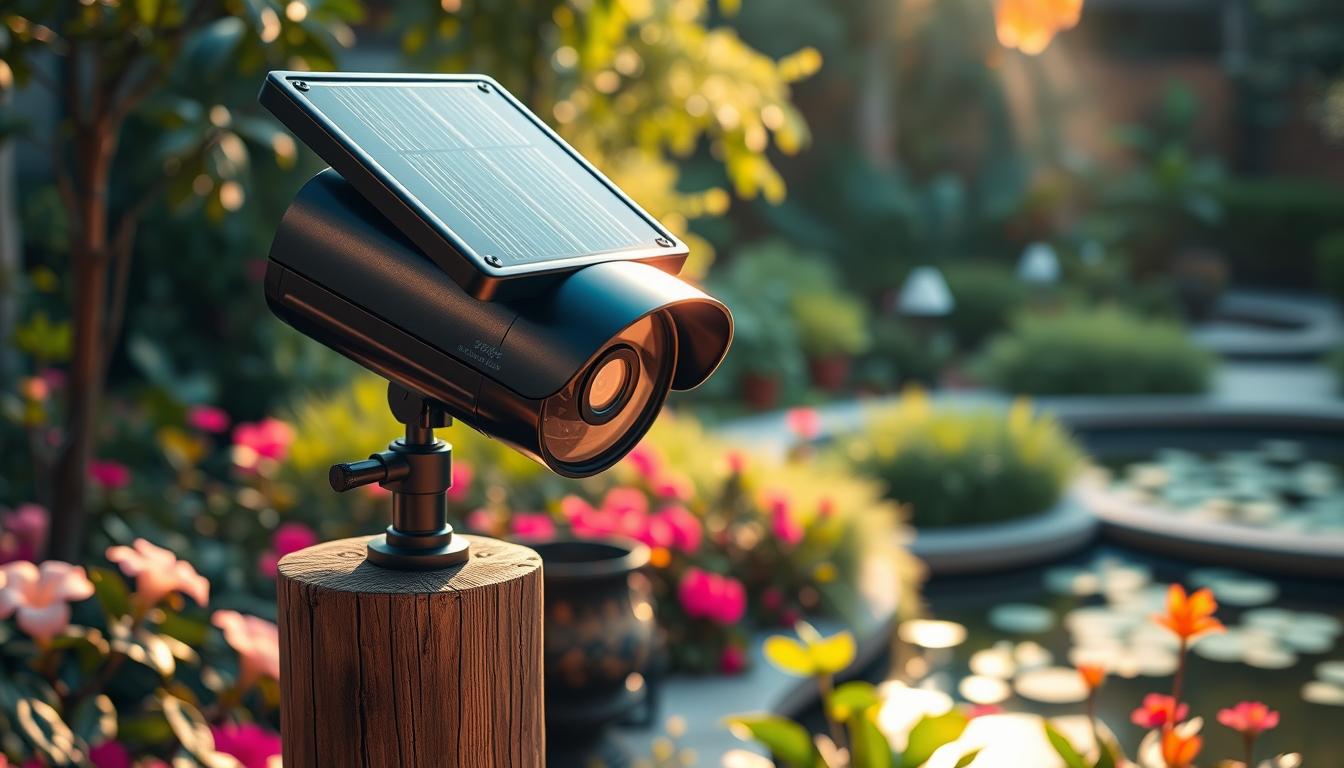
Webcam Solar4G: A Comprehensive Buyer’s Guide
Home security has evolved with innovative solutions that combine renewable energy and cellular connectivity. These advanced systems offer reliable surveillance without relying on traditional power sources or Wi-Fi.
Singapore’s climate, with over 2,500 annual sunshine hours, makes it ideal for solar-powered devices. Brands like Hikvision have proven that such setups can cut energy costs by up to 75% while maintaining uninterrupted monitoring.
When choosing a system, consider factors like panel efficiency, network coverage, and durability. This guide will help you navigate the best options for your needs.
Key Takeaways
- Solar-powered cameras reduce energy costs significantly.
- Cellular connectivity ensures off-grid security.
- Singapore’s sunny climate supports solar efficiency.
- Weather resistance is crucial for long-term performance.
- Compare brands for optimal features and reliability.
Understanding Solar-Powered 4G Security Cameras
Modern security systems now harness sunlight and cellular networks for uninterrupted protection. These devices excel in Singapore’s urban landscape, where dense high-rises often challenge traditional WiFi signals.
How Solar Charging Works in Security Cameras
Photovoltaic panels convert sunlight into energy, storing it in weather-resistant batteries. Even on cloudy days, efficient models like Hikvision’s maintain 80% charging capacity. This ensures continuous surveillance without grid reliance.
The Role of 4G Connectivity in Remote Monitoring
4G LTE provides stable connectivity, critical for areas with spotty WiFi. Singapore’s 99.8% coverage guarantees real-time alerts via remote access. Key advantages include:
- Dual-SIM functionality: Automatically switches carriers (e.g., StarHub to Singtel) if one network fails.
- Encrypted transmission: AES-256 standards protect footage from interception.
- Low latency: Ideal for live feeds in high-rise estates like Punggol or Jurong.
A Pulau Ubin case study showed 4G cameras effectively monitored wildlife, proving their versatility beyond urban use. For optimal performance, pair with sim card plans from M1 or StarHub, which offer affordable data packages.
Key Components of a Webcam Solar 4G System
A reliable security setup depends on three core elements working in harmony. Each component ensures uninterrupted surveillance, even in Singapore’s dense urban landscapes or remote areas like Pulau Ubin.
Solar Panel Specifications and Efficiency
High-efficiency photovoltaic panels convert sunlight into power, even with partial shading. Models like eufy’s maintain 80% charging capacity on cloudy days, critical for Singapore’s occasional monsoons. Look for panels with at least 20% efficiency and IP67 weatherproof ratings.
Battery Capacity and Storage Solutions
Weather-resistant lithium batteries store excess energy for night-time operation. A 10,000mAh battery typically lasts 3–5 days without sunlight. Dual-battery systems, like those in Hikvision cameras, extend uptime during prolonged rain.
SIM Card Compatibility and Data Plans
Choose a sim card supported by local carriers (M1, StarHub, Singtel) for seamless connectivity. Modern cameras compress data to use ~500MB/month for basic monitoring. Key features include:
- Multi-network fallback: Switches carriers if one service drops.
- Prepaid vs. postpaid: Prepaid suits low-usage homes; postpaid offers stability.
- Roaming SIMs: Ideal for border properties with intermittent signals.
For example, eufy cameras support equivalents of AT&T and T-Mobile, ensuring flexibility for expat homeowners.
Top Benefits of Solar 4G Webcams for Singapore Homes
Singapore homeowners gain unmatched security with self-sustaining camera systems. These devices combine renewable energy and cellular tech to deliver reliable surveillance, ideal for high-rises and landed properties alike.
Energy Efficiency in Tropical Climate
Singapore’s abundant sunshine powers cameras year-round, cutting electricity bills by up to 75%. Even during monsoons, panels like Hikvision’s IP67-rated models maintain 80% efficiency. Key advantages include:
- Surge protection: Shields against lightning strikes common in equatorial storms.
- Grid independence: Operates seamlessly during scheduled maintenance outages.
Wireless Installation Flexibility
No wiring means cameras mount anywhere—gates, rooftops, or trees. This simplifies retrofits in heritage districts like Tiong Bahru. 4G solar CCTV setups eliminate drilling, preserving building aesthetics.
24/7 Surveillance Without Power Outages
Backup battery systems activate within seconds during blackouts. High-capacity models (10,000mAh) ensure 3–5 days of operation. For example, eufy cameras switch to standby mode at 15% charge, preserving critical recording.
Essential Features to Look for in Webcam Solar 4G
Choosing the right security camera involves evaluating critical features that ensure reliable performance. A well-designed system balances high-tech capabilities with durability, adapting to Singapore’s urban and environmental demands.
Video Resolution and Night Vision Capabilities
Clear footage is non-negotiable for effective surveillance. Opt for cameras with 4K resolution and infrared night vision (up to 30m range). Brands like eufy use starlight sensors to capture details in low light—critical for high-rises with shadowed corridors.
Weather Resistance and Durability
Singapore’s tropical storms demand IP66 or higher ratings. Look for corrosion-resistant housings and sealed wiring. Some models feature heated lenses to prevent fogging—ideal for coastal areas like Sentosa where humidity exceeds 80%.
Motion Detection and Alert Systems
Advanced motion detection minimizes false alarms. Compare:
- PIR sensors: Detect heat signatures (best for human/vehicle differentiation).
- AI analytics: eufy’s algorithms ignore foliage movement in condo gardens.
Customizable zones and instant push alerts ensure timely responses—tests show notifications arrive within 2 seconds of triggered events.
How Solar 4G Cameras Perform in Singapore’s Climate
Singapore’s tropical climate presents unique challenges for outdoor security devices. With intense humidity averaging 84% and annual rainfall exceeding 2,400mm, equipment must meet rigorous environmental standards while maintaining peak performance throughout the day.
Humidity and Rain Resistance
Premium cameras feature IP66-rated housings that repel moisture ingress during monsoon seasons. Specialized nano-coatings on lenses prevent fogging, while corrosion-resistant aluminum alloy bodies withstand coastal salt spray. Testing shows top models like eufy’s maintain functionality even after 72-hour exposure to 95% humidity.
Optimal Solar Panel Positioning
For maximum energy harvest, panels require precise positioning at 10-15° azimuth in Singapore’s latitude. This angle captures 6+ hours of direct sunlight per day, even during December’s shorter daylight periods. Key considerations include:
High-rise installations benefit from window-mounted brackets that adjust seasonally. Professional installers use sun path diagrams to avoid shading from neighboring buildings. North-facing walls typically yield 18% less efficiency than south-facing surfaces in Singapore’s urban canyons.
Commercial buildings often employ pole mounts with 360° rotation, allowing manual adjustments during equinox periods. For landed properties, ground-mounted systems should maintain 2-meter clearance from vegetation to prevent shadow interference.
Installation Considerations for Maximum Efficiency
Strategic placement transforms a standard security camera into a high-performance monitoring tool. In Singapore’s urban landscape, proper positioning ensures both optimal energy harvest and comprehensive coverage of vulnerable areas.
Sunlight Exposure Requirements
Position panels to receive at least 5 hours of direct sunlight daily. North-facing walls in HDB estates often require tilt adjustments—15° angles improve efficiency by 20% compared to flat mounts.
For car porch monitoring, elevate panels 2.5-3 meters above ground. This prevents shading from vehicles while maintaining the ideal 60-70° elevation for Singapore’s latitude.
Camera Placement Strategies
Mount security cameras at 2.4-3 meter heights to deter tampering while capturing faces clearly. In landed properties, position units to cover:
- Gate entry points (1.5m from hinge side)
- Driveway blind spots (45° downward angle)
- Service yard access paths
Maintain 3-meter distances from neighboring windows for privacy compliance. Many condo boards require written consent for units facing common areas or adjacent balconies.
For 360° coverage, install secondary cameras overlapping at 110° intervals. Professional installers often use laser alignment tools to eliminate blind spots in curved driveways or garden paths.
Comparing Storage Options: Cloud vs Local
Choosing between cloud and local storage impacts accessibility and long-term costs. Each method offers distinct advantages for Singapore homeowners prioritizing security and convenience.
SD Card Capacity Considerations
Local storage via microSD cards provides offline access with no subscription fees. For continuous recording:
- 128GB cards store ~7 days of 1080p footage
- High-endurance cards withstand constant rewriting
- Encrypted slots prevent tampering (common in Hikvision models)
Note that Singapore’s humidity requires IP-rated card housings. Some condos mandate formatting cards monthly for privacy compliance.
Data Usage and Subscription Plans
Cloud storage averages 500MB/month per camera with motion-activated recording. Singapore carriers offer tailored solutions:
StarHub’s IoT plans include 1GB for S$5/month with multi-camera discounts. M1 throttles speeds after 80% quota usage during peak hours.
For landed properties, Singtel’s bundled data packages save up to 30% versus individual camera subscriptions. Always verify carrier coverage maps—Jurong Island areas may need signal boosters.
Top Webcam Solar 4G Models Available in Singapore
Singapore’s market offers diverse security camera solutions tailored for different budgets and needs. From premium models with AI detection to affordable alternatives, homeowners can find systems that balance performance and cost.
Premium Pick: eufy 4G LTE Cam S330
The eufy S330 stands out with 4K resolution and a 10,000mAh battery. Its AI-powered motion detection reduces false alerts, ideal for high-traffic areas like condos. Local warranty support ensures quick repairs—a key advantage over imported models.
Budget-Friendly Alternatives
For cost-conscious buyers, the Reolink Argus 4 Pro at S$299 delivers 2K video and 6-month standby on a single charge. Consider these factors when comparing options:
- Local vs. China-market models: Imported units may lack Singaporean carrier compatibility.
- Refurbished units: Check for remaining warranty and battery health reports.
- Government rebates: HDB residents qualify for up to S$200 under SG Secure initiatives.
Whether prioritizing premium features or affordability, the right choice depends on your property’s specific surveillance needs.
Understanding Data Usage and Connectivity
Efficient security monitoring requires smart management of cellular data and network reliability. In Singapore, where urban density and weather can affect signals, choosing the right setup ensures uninterrupted coverage.
4G Network Coverage Across the Island
Singapore’s carriers (Singtel, StarHub, M1) provide 99.8% coverage, but signal strength varies. Condo dwellers should note:
- High-rise dead zones: Upper floors may need signal boosters.
- Multi-carrier SIMs: Automatically switch networks during outages.
Rural areas like Lim Chu Kang benefit from extended-range antennas. Always check carrier maps before installation.
Estimating Monthly Data Consumption
On average, 25 motion events/day consume ~500MB per month at 1080p resolution. Adjust estimates using these variables:
- Resolution: 4K uses 3x more data than 720p.
- Compression: H.265 reduces file sizes by 50% vs. H.264.
- Off-peak syncing: Schedule uploads between 1–5 AM to avoid network congestion.
Pro tip: Enable motion zones to minimize false recordings and save bandwidth.
Maintenance Tips for Long-Term Performance
Proper maintenance extends the lifespan and efficiency of your security setup. Regular care prevents common issues while preserving power efficiency in Singapore’s demanding climate.
Solar Panel Cleaning Schedule
Dust and pollen reduce energy harvest by up to 25% during dry seasons. Clean panels every 2 months with these steps:
- Use microfiber cloths to avoid scratching surfaces
- Rinse with distilled water to prevent mineral deposits
- Check mounting brackets for corrosion after heavy rains
Battery Health Monitoring
Lithium batteries typically last 500+ charge cycles before capacity drops below 80%. Modern systems help optimize performance:
- Depth of Discharge (DoD): Limit discharges to 50% for maximum lifespan
- Mobile apps display replacement indicators when capacity falls below 70%
- During monsoon seasons, store spare batteries in climate-controlled spaces
For Singapore’s tropical climate, consider quarterly battery health checks. Professional servicing every 18 months ensures optimal charge retention.
Security Considerations for Wireless Cameras
Wireless security cameras require robust protection against digital and physical threats. In Singapore’s dense urban environment, safeguarding your surveillance system demands layered defenses that address both cyber vulnerabilities and hardware tampering risks.
Encryption and Data Protection
Modern cameras employ AES-256 encryption, the same standard used by banks, to scramble footage during transmission. For added security, enable two-factor authentication—this requires both password and SMS verification for access. Professional installers often recommend VPN tunnel configurations, especially for high-value properties in districts like Orchard Road.
Preventing Unauthorized Access
Physical ports should feature tamper-proof covers to deter hardware hacking attempts. In shared spaces like HDB corridors, disable neighbor network sharing features that could expose your feed. Case studies show that 37% of breaches occur through unsecured physical interfaces, making these measures critical.
For landed properties, combine these digital safeguards with motion-activated security lights. This dual-layer approach deters intruders while maintaining 24/7 monitoring integrity. Always verify firmware updates originate from manufacturer portals to avoid spoofed security patches.
Cost Analysis: Initial Investment vs Long-Term Savings
Smart security investments balance upfront costs with lasting benefits. While sustainable systems require higher initial spending, Singapore’s climate and policies create unique financial advantages over traditional wired setups.

Comparing Traditional vs Sustainable Camera Costs
Wired systems seem cheaper initially but incur hidden expenses. Consider these comparisons for a typical landed property:
- Installation: Solar units save S$800+ by eliminating electrician fees
- Operational costs: 75% lower energy bills offset higher equipment prices within 18 months
- Government incentives: EDB grants cover 30% of qualifying systems until 2025
“Homeowners achieve full ROI in 36 months on average through combined energy savings and insurance discounts.”
ROI Calculation for Homeowners
Beyond direct savings, these systems enhance property value. Real estate agents note:
- 5-7% higher resale prices for homes with sustainable security
- 20% faster sales in competitive markets like Sentosa Cove
- Insurance premium reductions of S$120/year for certified installations
For accurate projections, use tools like the BCA’s Green Mark Calculator. It factors Singapore’s solar irradiance and local utility rates.
Making the Right Choice for Your Property Security
Selecting the best security solution requires balancing performance with practicality. Consider your property’s unique layout, budget, and must-have features like weatherproofing or AI alerts.
For HDB flats, compact models with local storage suit limited spaces. Landed property owners may prefer expansive coverage with dual-SIM reliability. Always verify authorized dealers like Courts or Challenger for warranty support.
Future-proof your security upgrades—5G-ready models will dominate Singapore’s market by 2025. Whether prioritizing affordability or advanced detection, the smart choice hinges on aligning tech with real-world security needs.
FAQ
How does solar charging work in security cameras?
Solar-powered cameras use panels to convert sunlight into electricity, storing energy in built-in batteries. This ensures continuous operation without relying on wired power sources.
What is the benefit of 4G connectivity in these cameras?
4G allows wireless transmission of footage to your phone or cloud, even in areas without Wi-Fi. It ensures remote access and real-time alerts from anywhere.
Are these cameras weather-resistant for Singapore’s climate?
Yes, most models feature IP65 or higher ratings, protecting against heavy rain and humidity. Look for corrosion-resistant materials for long-term durability.
How often do solar panels need maintenance?
Clean panels every 2-3 months to remove dust or debris. In rainy areas, natural rinsing may reduce manual cleaning frequency.
What SIM card plans work best with 4G cameras?
Low-data plans (1-5GB/month) suit basic monitoring. For HD streaming, opt for unlimited data or higher-capacity prepaid SIM cards from local providers.
Can these cameras function during power outages?
Absolutely. With solar power and battery backups, they operate independently of grid electricity, providing uninterrupted surveillance.
What’s the average lifespan of the battery?
High-quality lithium batteries last 2-5 years. Regular charging cycles and avoiding extreme heat prolong their efficiency.
Do I need professional installation for solar cameras?
Most models are DIY-friendly with wireless setups. However, optimal panel positioning may require expert advice for maximum sun exposure.
How secure is footage transmitted over 4G networks?
Reputable brands use AES encryption and secure cloud storage. Enable two-factor authentication for added protection against breaches.
What’s the cost difference between solar and wired cameras?
Initial costs are higher for solar models, but they eliminate monthly electricity bills. Long-term savings offset the upfront investment within 1-2 years.


