
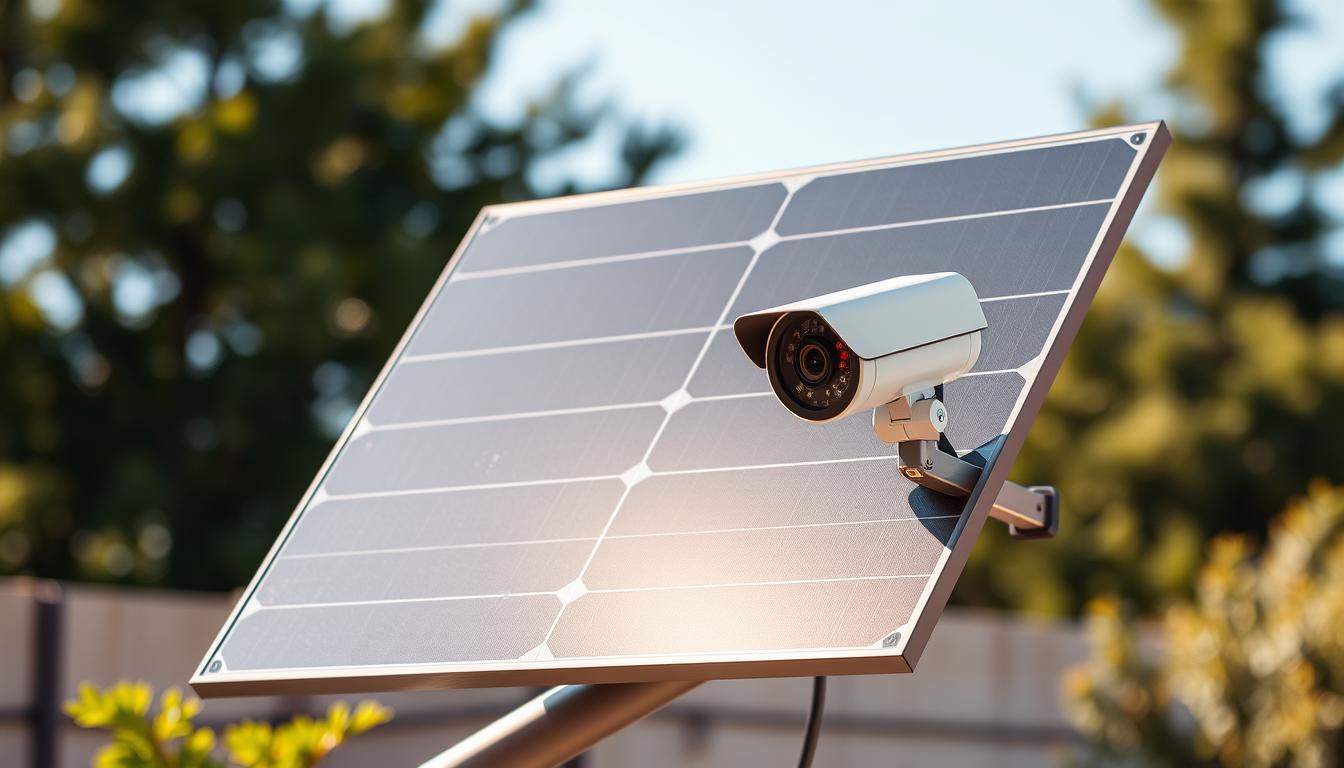
Solar Panel for PTZ Camera: Eco-Friendly Power
In today’s world, using renewable energy is more important than ever. The solar panel for PTZ camera shows how green power can change surveillance systems. These systems use solar energy, cutting down on traditional electricity needs and helping the planet.
In sunny places like Singapore, solar power for PTZ cameras is a smart choice. It keeps security monitoring going strong while being kind to the environment.
Key Takeaways
- Solar panels for PTZ cameras promote eco-friendly power solutions.
- Renewable energy helps enhance the efficiency of surveillance systems.
- Using solar power reduces energy costs and environmental impact.
- Ideal for sunny climates, like Singapore.
- Solar technology offers sustainable options for security monitoring.
Introduction to Solar Power for Surveillance Systems
In Singapore, cities and rural areas are looking for better ways to keep things safe. Solar power is changing the game in surveillance systems. It brings many benefits, like keeping watch without needing old power sources.
Using solar energy can cut down on costs and make places more independent. Solar panels are getting better, so even far-off areas can have strong security. This move towards solar power is part of a bigger push for green energy worldwide.
Benefits of Using a Solar Panel for PTZ Camera
Using solar panels for PTZ cameras brings many benefits. It saves money and helps the environment. This choice makes things more efficient and cleaner.
Cost Savings on Electricity Bills
Solar panels cut down on electricity costs. They use the sun’s energy, reducing the need for traditional power. This saves money over time, freeing up funds for other important things.
Environmental Impact Reduction
Solar panels also help the environment a lot. They lower carbon footprints, supporting efforts to fight climate change. More people using solar power means cleaner air and less use of fossil fuels, helping our planet.
How Solar Panels Integrate with PTZ Cameras
Solar panels and PTZ cameras work together to make surveillance systems more sustainable. They turn sunlight into electricity, which is a clean and reliable power source. This is great for places far from power outlets.
Solar panels and PTZ cameras ensure the cameras keep working day and night. In the daytime, the panels catch sunlight and make energy. This energy powers the camera and also fills up batteries for later use.
This setup is becoming more popular as people look for green energy options. It makes surveillance systems more efficient and sustainable. This is a smart choice for improving security.
Selecting the Right Solar Panel for Your PTZ Camera
Choosing the right solar panel for a PTZ camera is important. You need to think about wattage needs and camera compatibility. Knowing these helps your camera work well and efficiently.
Understanding Wattage Requirements
First, figure out how much power your PTZ camera needs. Cameras use different amounts of energy, depending on their features. Calculating the energy needs correctly helps pick the right solar panel.
For example, a high-definition camera uses more power than a standard one. Knowing your camera’s details helps find the right panel wattage. This ensures your camera works without problems.
Compatibility with Various Camera Models
It’s also key to make sure the solar panel fits your camera. Different cameras need different power inputs. Checking these details is important to avoid issues.
Choosing panels that work with many cameras makes things easier. This way, you can use the same panel with different camera systems.
Features of a Quality Solar Panel for PTZ Camera
Choosing the right solar panels for PTZ cameras is key. Look for quality features like weatherproof ratings. These ensure the panels can handle tough weather while keeping energy use low.
Weatherproof Ratings and Durability
Weatherproof solar panels have IP66 ratings. This means they can stand up to dust and strong water jets. These panels work well in all kinds of weather, making them last longer.
In Singapore’s humid climate, these panels keep your surveillance systems running. They’re built to last, giving you peace of mind.
Adjustable Mounting Brackets for Sunlight Optimization
Adjustable mounting brackets are essential. They let you adjust the panels to catch the most sunlight. This boosts their efficiency, even when the weather changes.
With these brackets, your PTZ camera gets the power it needs. It keeps working smoothly, no matter the weather.
Installation Process for Solar Panels with PTZ Cameras
Setting up solar panels with PTZ cameras needs careful planning. The installation process is key for both systems to work well and last long.
First, pick a spot for the solar panels that gets a lot of sunlight all day. Make sure there are no trees or buildings blocking the sun.
Then, use good mounting hardware to attach the solar panels. It’s important to align them right to catch the most sunlight. Adjust the panels to face the sun best, considering the seasons.
After mounting the solar panels, connect them to the PTZ cameras. Use weatherproof connectors to protect against moisture. Check all connections are tight, and test the system to make sure the cameras get enough power.
Keep an eye on how well the solar energy system is working. Regular checks help keep it efficient and fix any problems early. This way, the solar panels and PTZ cameras will work together perfectly.
Maintenance Tips for Solar Panels and PTZ Cameras
Regular maintenance is key for both solar panels and PTZ cameras to work well and last long. Simple steps can boost performance and avoid sudden breakdowns.
Regular Cleaning of Solar Panels
Dirty solar panels can’t catch sunlight as well, leading to less energy. Cleaning them often keeps them running at their best. Here are some cleaning tips:
- Use water and a soft brush to remove dirt and debris.
- Schedule cleaning sessions during cloudy days to avoid rapid evaporation.
- Avoid abrasive substances that may scratch the panel surface.
Checks for Camera Functionality
Regular checks on PTZ cameras are important for their reliability. Here’s what to do for camera upkeep:
- Inspecting connections and cables for any signs of wear.
- Testing camera angles and movements to ensure responsiveness.
- Updating software as needed to maintain security and performance.
Cost Analysis: Solar Panel vs. Traditional Power Sources
When looking at PTZ cameras, it’s key to compare solar panels to traditional power. Solar panels might cost more upfront, but they save money over time.
Traditional energy sources mean monthly bills that can hurt your wallet. Solar power eliminates these costs. Even though solar panels cost more at first, they save more money later on.
The time it takes to pay back for solar panels varies. It’s usually four to seven years, based on local energy prices and incentives. This makes solar panels a smart choice for many.
After paying back, you might not pay for energy anymore. Plus, you could get tax credits and rebates, which add to your savings.
In short, solar panels require an initial investment. But, they offer lasting savings and reduce dependence on traditional energy. This makes solar a good option for PTZ cameras.
Real-World Applications of Solar-Powered PTZ Cameras
Solar-powered PTZ cameras are key in today’s surveillance world. They work well in many places because they use solar power. This makes them great for areas where it’s hard to get to traditional power sources.
Remote Surveillance Locations
In places far from power lines, security is tough. Solar-powered PTZ cameras solve this problem. They can be set up in forests, nature spots, or rural areas where people rarely go.
These cameras keep working thanks to the sun. They watch over these areas, keeping them safe from harm. This is all without needing electricity.
Use in Urban and Rural Areas in Singapore
In Singapore’s cities, solar-powered PTZ cameras are part of green efforts. Schools and businesses use them to boost security and cut down on pollution.
In the countryside of Singapore, these cameras help too. They let people keep an eye on things without hurting the environment. This shows how solar cameras can help in many places.
Case Studies: Successful Implementations
Many case studies show how solar solutions work well for PTZ cameras in different fields. These examples highlight how solar panels boost surveillance and help the environment.
In Singapore, a wildlife project used solar panels for PTZ cameras in remote spots. This move helped watch endangered animals all the time. It also cut down on carbon emissions a lot.
Urban areas also benefit from solar-powered PTZ cameras. Local governments put them up to keep people safe. These cameras work great in places without steady electricity. They send live video to police and run on solar power all the time.
Businesses are also using solar panels for their security. Factories and warehouses power their cameras with solar energy. This saves money and is better for the planet.
These stories show solar-powered PTZ cameras are useful everywhere. They show a big move towards using green energy in security.
Challenges in Using Solar Panels for PTZ Cameras
Using solar panels for PTZ cameras comes with some challenges. The power from solar energy can change a lot due to the weather. This can cause problems with keeping an eye on things, making solar power less reliable.
Weather Dependence and Sunlight Availability
The weather greatly affects how well solar panels work. Sunlight changes with the seasons, impacting how much energy is made. On cloudy or rainy days, solar panels don’t work as well.
To keep PTZ cameras running all the time, users might need to add extra power sources. Or they could use systems that mix solar and other power types. This helps ensure cameras work well in any weather.
The Future of Solar Technology in Security Cameras
The world is moving forward, and so is solar technology for security cameras. New solar panel designs are making them more efficient. This means cameras can work better in different conditions without losing power.
Also, battery life is getting better. This lets users watch over their areas for longer without needing to recharge often. This is great for people in cities like Singapore who care about the environment.
Now, solar tech is being used with smart surveillance systems. This makes security cameras more useful. They can connect to phones and systems for remote monitoring. This gives users more control and ease.
As this tech grows, using solar power for cameras will become more common. This will keep surveillance systems green and effective. Learn how to switch to solar energy for your cameras with options like solar-powered PTZ cameras.
FAQ
What are the main benefits of using solar panels for PTZ cameras?
Solar panels save a lot on electricity bills. They also help the environment by reducing carbon footprints. Plus, they make you less dependent on traditional energy sources.
How do solar panels integrate with PTZ cameras?
Solar panels turn sunlight into electricity. This electricity powers PTZ cameras all day, every day. It means no need for batteries and reliable surveillance 24/7.
What should I consider when selecting a solar panel for my PTZ camera?
First, know how much power your camera needs. Make sure the solar panel fits your camera model. Also, check how well it converts sunlight into electricity.
What features should I look for in a quality solar panel?
Look for panels that can handle the weather, like IP66 rating. They should be durable and have adjustable mounts. This helps catch more sunlight for better energy.
How do I install solar panels with PTZ cameras effectively?
Place panels where they get the most sunlight. Align them right to catch the most energy. Make sure connections are secure for efficient operation.
How do I maintain solar panels and PTZ cameras?
Clean panels often to keep them working well. Check cameras regularly to avoid problems. This helps them last longer.
What is the cost comparison between solar panels and traditional power sources for PTZ cameras?
Solar panels cost more upfront. But, they save money on energy over time. They offer long-term savings and are more cost-effective.
Where are solar-powered PTZ cameras commonly used?
They work well in places without electricity. They’re also used in cities like Singapore for green surveillance.
Can you provide examples of successful solar-powered PTZ camera implementations?
Yes, many industries and communities use them successfully. These examples show how solar energy works well for surveillance.
What challenges are associated with using solar panels for PTZ cameras?
The main challenge is sunlight availability. Weather can affect this. You might need backup systems or hybrid solutions for constant surveillance.
What are the future trends in solar technology for security cameras?
Expect better solar panel efficiency and longer battery life. New integration techniques will make surveillance systems more eco-friendly, great for cities and green areas.


