
Eco-Friendly Solar Battery Security Camera Guide
Did you know solar battery security cameras can run for up to seven days without sunlight? This tech offers security and is good for the planet. It’s perfect for those wanting to improve their home’s surveillance in an eco-friendly way.
More people are choosing eco-friendly security solutions like solar battery security cameras. These cameras use the sun’s power to work well and save money. This guide will cover the benefits, parts, power needs, how to install, and care for these systems. For the best help and solutions, check out CCTV Maintenance.
Key Takeaways
- Solar battery security cameras can cut energy costs by up to 75%.
- With the right care, these cameras can last about 10 years.
- Wireless setup makes installing solar cameras easier than old models.
- IP66 weatherproof models protect against tough weather.
- Cleaning solar panels can boost energy production by up to 20%.
Introduction to Solar-Powered Security Cameras
Solar-powered surveillance cameras are gaining popularity. They use renewable energy to improve security and cut down on carbon emissions. If you’re looking into eco-friendly options, understanding solar battery security cameras is key.
What Are Solar Battery Security Cameras?
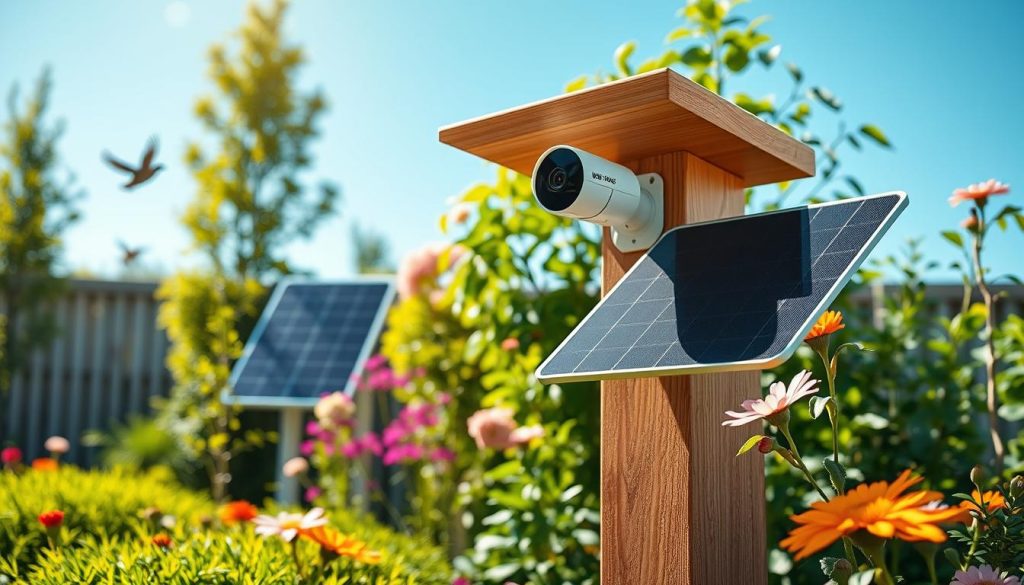
Solar battery security cameras run on solar energy, turning sunlight into power for watching over your space. They have solar panels that charge batteries, working even on cloudy days or at night. This makes them easy to set up in many places, including hard-to-reach areas.
How They Work for Sustainable Surveillance
The magic of solar powered cameras lies in their solar panels and batteries. The panels turn sunlight into electricity, which the batteries store. This setup means they keep working, which is great in sunny places like Singapore. Choosing solar battery cameras means you get reliable watch without harming the planet or your wallet.
| Component | Specification |
|---|---|
| Power Consumption (Reolink RLC-410W) | Less than 8W (Actual: 6W) |
| Daily Power Requirement | 144 Wh (6W x 24 hours) |
| Required Battery Capacity | 24 Ah (12V system at 50% cycle) |
| Solar Panel Rating Needed | 75W (with 30% loss margin) |
| Charge Controller Rating | 10A / 12V |
| Suitable Cable Size | 14 AWG |
| Average Daily Sunlight (India) | 5.104 kWh/m2 |
| Warranty of Solar Panels | 25 years (80% power retention) |
| Night Vision Range | Up to 20 meters |
Benefits of Using Solar Battery Security Cameras
Solar battery security cameras offer many advantages. They are great for homes and businesses. Their design and eco-friendly tech make them appealing to those who care about cost and the environment.
Cost-Effectiveness and Energy Savings
One big plus of solar battery security cameras is their cost-effectiveness. They help save a lot on energy bills. Even though they cost more upfront, they save money in the long run.
For example, you can get solar panel chargers for about $59.99. This makes it easy to be energy independent. Such cost-effective security solutions are perfect for those who want to save money and keep their homes safe.
Environmental Impact and Sustainability
These cameras are also good for the environment. They use solar energy, which means less reliance on fossil fuels. This helps reduce carbon footprints.
Solar panels can power the whole Earth for a year with just 90 minutes of sunlight. Choosing solar security cameras supports clean energy and sustainable living. Homeowners who pick these cameras are helping the planet.
Reliability in Various Weather Conditions
Solar-powered security cameras work well in Singapore’s humid weather. They are made for all kinds of weather. This means they keep working without needing battery replacement or recharging.
They come with solar panel chargers and charge controllers. These features make sure energy is used efficiently. This makes them reliable for any environment, making them great cost-effective security solutions.
| Advantage | Description |
|---|---|
| Cost Savings | Significant reduction in energy bills over time. |
| Eco-Friendly | Reduces reliance on fossil fuels and lowers carbon footprint. |
| Durability | Designed to withstand various weather conditions with low maintenance. |
| Quick Installation | Can be deployed within minutes compared to traditional systems. |
Components Required for a Solar Battery Security Camera System
To make a solar powered security camera system work well, you need certain parts. Knowing what these parts are is important. It helps your solar panel security camera system work its best.
Key Components You Need to Set Up
Here are the main parts you need for a good solar powered security camera system:
- Solar Panel: A 75W solar charger panel is great for catching sunlight.
- Rechargeable Battery: A 24Ah battery keeps your security camera powered up.
- Solar Charge Controller: This part controls how energy moves from the solar panel to the battery. It helps charge the battery well and makes it last longer.
- Security Camera: Cameras like the Reolink Argus 4 Pro have clear pictures and long battery life.
- Cabling and Connectors: Good cabling is key for moving energy well between parts.
Understanding Component Compatibility
It’s important to make sure all parts work well together. Here are some tips:
- Make sure your camera works with your battery’s voltage. For example, a 12V camera needs a 12V power source.
- Check that your solar charge controller fits your solar panel and battery. This helps avoid losing energy.
- Good cameras, like the Reolink RLC-410W, work well with standard solar setups. This means they perform reliably.
By picking the right parts and making sure they work together, you can create a strong solar powered security camera system. It will meet your surveillance needs well.
Power Requirements for Your Solar Battery Security Camera
Knowing the power needs of your solar battery security camera is key for its best performance and life. Doing power consumption calculations helps match your energy system to your surveillance needs. The power use can change a lot based on the camera model and how you use it.
Calculating Power Needs for Optimal Performance
A solar battery security camera might use 1mA when not moving, but up to 300mA when it is. Knowing the battery’s capacity is important for performance. For example, two 18650 lithium-ion batteries have 5200mAh total capacity. But, after losses, you get about 4160mAh, lasting around 67.6 days.
In outdoor use, solar cameras use about 10mA, lasting 14.9 days without charging. Sunny days can charge the camera for about 2.98 days. So, knowing how much sun the panel gets is key. A 2W panel is usually recommended for good camera function.
Battery Types and Their Advantages
Choosing the right solar battery for your camera is important. There are mainly two types: Lead Acid and Lithium-Ion. Lead Acid batteries are cheaper but have limits on discharge and lifespan. Lithium-Ion batteries are pricier but last longer and work better with solar power.
| Battery Type | Cost | Lifespan | Efficiency |
|---|---|---|---|
| Lead Acid | Low | 2-5 years | Low |
| Lithium-Ion | High | 5-10 years | High |
Choosing the right battery affects cost, efficiency, and sustainability of your system. Knowing about power needs and battery types helps ensure your camera works well in different situations. This maximizes your investment in home security.
Choosing the Right Solar Battery Security Camera
Choosing the right solar battery security camera is important. In Singapore, there are many options. It’s key to know what you need and what technology is out there. Look for important features to find the best camera for you.
Factors to Consider When Shopping
When looking for a top rated solar battery security camera, consider these:
- Battery Capacity: Make sure it has enough power for your needs.
- Video Quality: Look for Full HD (1080p) or Ultra HD (4K/5K) for clear video.
- Weather Resistance: An IP66 rating or higher means it can handle the weather.
- Ease of Installation: Choose cameras that are easy to set up yourself to save money and time.
- Technological Features: Check for features like motion detection and low-light sensitivity.
Top Brands Available in Singapore
It’s important to know the top brands in Singapore. Names like Hikvision, Lorex, and Reolink are well-known. They offer a wide range of solar-powered security cameras for different needs:
| Brand | Key Model | Resolution | Notable Features |
|---|---|---|---|
| Hikvision | Hikvision Solar Camera | 1080p | Weatherproof, AI Motion Detection |
| Lorex | Lorex Solar 4K Camera | 4K | Color Night Vision, Smart Analytics |
| Reolink | Reolink Solar Powered Camera | 2K | Two-Way Audio, Enhanced Battery Life |
Before buying, read user reviews and learn about the camera’s features. For more information, check out this guide on solar-powered security cameras. This will help you make a smart choice.
Installation Process for Solar Battery Security Cameras
Setting up a solar battery security camera is a fun DIY project. It’s important to follow a step-by-step guide to get the most out of your system. Here’s a detailed guide to help you set it up right.
Step-by-Step Installation Guide
- Choose the Right Location: Pick a spot that gets 4-6 hours of direct sunlight daily. This keeps the battery charged well.
- Gather Tools: Get your tools ready, like a drill, screwdriver, and mounting brackets.
- Mount Your Camera: Place the camera over 8 feet high to avoid tampering. Make sure it’s slightly tilted down for better coverage.
- Install the Solar Panel: Set the solar panel at a 30-45 degree angle. This angle captures the most sunlight during the day.
- Connect Your System: Double-check all connections are tight. Follow the manufacturer’s setup guide.
- Test the System: After setting it up, check the camera feed. Make sure it’s working right and covers the area you want.
Positioning Camera and Solar Panel for Best Results
Getting your camera and solar panel in the right spot is key for good surveillance. Here are some tips:
- Height: Mount cameras above 8 feet to prevent tampering and get a wide view.
- Direction: Tilt cameras a bit down to cover more of the area you want to watch.
- Solar Panel Angling: Aim for a 30-45 degree angle for the best sun exposure. This keeps your camera powered up.
- Avoid Glare: Keep cameras away from direct light to avoid glare and keep video quality good.
- Consider Blind Spots: Make sure there are no blind spots in your coverage area for complete monitoring.

With careful planning and the right solar security camera installation, you can have a reliable surveillance system. It works without needing the electricity grid. Enjoy the peace of mind that comes with your DIY solar security system while keeping your home safe.
Maintenance Tips for Solar Battery Security Cameras
Keeping solar battery security cameras in good shape is key to their long life and performance. Regular care stops problems that can hurt how well they work. Homeowners should follow simple steps to keep them running well and saving energy.
Regular Maintenance Practices
Checking your solar battery security cameras often is a good idea. Look at the physical connections, mounts, and how the camera works. It’s also important to watch the battery’s health, as extreme temperatures can affect it. Testing the camera every few months helps make sure it’s working right.
- Inspect connections and mounts for any signs of wear.
- Monitor battery health and recharge or replace when necessary.
- Conduct functionality tests every few months.
Keeping Solar Panels Clean for Maximum Efficiency
Cleaning your solar panels often is vital for catching the sun’s rays. If dirt and debris build up, it can cut down efficiency by up to 30%. Clean the panels every few months or more in dusty or rainy areas. Keeping them clean helps your solar cameras last longer and catch more sunlight.
- Schedule cleaning every few months.
- Increase cleaning frequency in dusty or rainy environments.
- Use soft cloths or sponges with warm soapy water for cleaning.
Following these maintenance tips helps homeowners enjoy their solar battery security cameras. They stay efficient and reliable all year round.
Best Practices for Protecting Your Security Camera System
Keeping your solar battery security cameras safe from the environment is key. It helps them work well for a long time. Knowing what can harm them and taking steps to protect them makes your system last longer and work better.
Securing Your Camera Against Environmental Factors
Outdoor cameras face dangers like vandalism and bad weather. Using weatherproof cameras with an IP66 or IP67 rating helps them withstand dust and rain. This keeps them working even in storms.
Putting cameras in the shade helps avoid damage from too much sun. Sunlight can damage the camera’s parts over time.
- Use junction boxes to hide cables and connectors, keeping moisture out.
- Install weather shields to protect cameras from harsh weather, like storms.
- Make sure the camera’s housing is sealed well to stop fogging and condensation.
Battery Lifespan Optimization Tips
Keeping your solar battery security system’s batteries working well is important. Store cameras and batteries in a temperature between -10°C and 55°C. Don’t let batteries run out completely, as this can shorten their life.
- Use silica gel packets inside camera housing to keep moisture out and prevent fogging.
- Regularly clean camera housings to remove dust and debris, improving their function and look.
- Use surge protection and grounding to protect against lightning strikes.
Conclusion
Solar battery security cameras are a smart choice for green surveillance in Singapore. They fit well with the local climate. They are cost-effective, eco-friendly, and reliable, making them great for homes and businesses.
Learning about these cameras helps homeowners improve their security. They work well and let you watch and record remotely. This means your safety is always a priority.
If you want to improve your security, reach out for solar camera solutions. For more info on green CCTV tech and custom options, call Wen Hong at +65 6013 5960. He can help find the right fit for you.
FAQ
What is a solar battery security camera?
A solar battery security camera uses sunlight to power it. This makes it good for the environment and saves energy. It works by turning sunlight into electricity, which powers the camera and charges a backup battery.
How does a solar battery security camera work?
Solar battery security cameras use solar panels to turn sunlight into energy. This energy powers the camera and charges a backup battery. This way, the camera keeps working even when it’s cloudy or at night.
Are solar battery security cameras suitable for humid climates like Singapore?
Yes, solar battery security cameras work well in humid climates. They have high-efficiency solar panels. This means they can work reliably in Singapore’s weather.
What are the essential components needed for a solar battery security camera system?
You’ll need a solar panel (about 75W), a rechargeable battery (about 24Ah), a solar charge controller, and the camera. It’s important to choose parts that work well together.
How do I calculate the power needs for my solar battery security camera?
First, find out how much power your camera uses (usually 4 to 15 watts). Then, multiply that by how long you use it. This helps you pick the right solar panel and battery size.
What factors should I consider when choosing a solar battery security camera?
Look at the battery size, video quality, weather resistance, and how easy it is to install. Brands like Hikvision, Lorex, and Reolink offer good options. They make sure your camera works well.
What is the installation process for a solar battery security camera?
Choose a spot that gets at least 6-8 hours of sunlight a day. Mount the camera over 8 feet high. Place the solar panel at a 30-45 degree angle for best sun exposure. Doing it yourself can save money.
How can I maintain my solar battery security camera?
Keep the solar panels clean to avoid dirt that can lower efficiency. Check the connections and battery health, even in extreme weather. This keeps your camera working well.
What are the best practices for protecting my solar battery security camera system?
Put cameras in shaded spots to avoid sun damage. Choose weatherproof models with high IP ratings. Also, store batteries in the right temperature to make them last longer and work better.
Source Links
- https://wenhong.com.sg/solar-battery-security-cameras-secure-eco-friendly/
- https://wenhong.com.sg/solar-panel-with-battery-for-security-camera-guide/
- https://www.instructables.com/How-to-Solar-Power-Your-Home-Security-Camera/
- https://www.deepsentinel.com/blogs/home-security/solar-powered-security-cameras/?srsltid=AfmBOoqLKCzrI99GP-TzefdBE5htBJ3DfU8FkxRIhedtLOmER4DJPESA
- https://xegatech.com/blogs/news/solar-powered-security-cameras?srsltid=AfmBOoqBPjvXL1fOoapWyALxFtL2Okb1qUPTrXNd2Z52TWEApxtDl_NL
- https://blog.arlo.com/best-security-setups/3-reasons-to-choose-a-solar-powered-security-camera/
- https://www.lvt.com/blog/7-advantages-of-installing-a-solar-powered-security-system
- https://blog.swann.com/solar-powered-security-cameras-101/
- https://reolink.com/blog/solar-power-wireless-security-cameras/?srsltid=AfmBOookkP5_av2ufPlLIXT19UQnQVVJoBAEFO9Me7ZItOWLUc8zrv5m
- https://www.lvt.com/blog/ultimate-guide-solar-powered-security-systems
- https://www.lsvisionsolar.com/solar-camersa-concise-guide-to-battery-life-calculations/
- https://ajax.systems/blog/security-camera-power-supplies/
- https://www.lsvisionsolar.com/what-to-consider-when-buying-a-solar-security-camera/
- https://www.lsvisionhd.com/how-to-choose-a-suitable-solar-camera/
- https://wasserstein-home.com/blogs/smart-home/best-solar-powered-security-camera-top-options-compared
- https://trueview.co.in/non-solar-vs-solar-cctv-camera-which-option-right/
- https://www.kentfaith.co.uk/blog/article_how-to-install-solar-camera_1794?srsltid=AfmBOooXT8yP3QQRhkCS08LiTmXxA7dGfBDek3MFG4mcmvxS1szUZJny
- https://www.lsvisionhd.com/how-to-install-solar-cctv-camera/
- https://www.security.org/security-cameras/install/
- https://www.lsvisionhd.com/maximize-solar-camera-usage-and-maintenance-with-expert-tips/
- https://www.vikylin.com/protect-solar-powered-security-camera/?srsltid=AfmBOorY_lhUm8uqgvVnIzBw2qH4iDNYXRAVwzOMPPhVcB1Q-doyTN_s
- https://noorio.com/es/blogs/news/battery-life-hacks-tips-and-tricks-for-extending-battery-powered-security-cameras?srsltid=AfmBOorztkJ0AQX_wKmDjQOQMMBgATEraab9GsIh_cSqDZthql-uYHOY
- https://reolink.com/blog/how-to-protect-outdoor-security-cameras-like-a-pro/?srsltid=AfmBOor3HZixiXAXK1Vt3RJTiacaRqRbkzleA0a90tFspj9S8xCCtMn5
- https://www.covesmart.com/resources/security-cameras/privacy-guide-best-practices-with-home-security-cameras/?srsltid=AfmBOoqy6ltLwtYi-5zKuo59cYD1kRtok_YouDqsuofckr-KfmpfTShx
- https://anran-cctv.com/blogs/news/wireless-camera-security-cyber-protection-tips?srsltid=AfmBOooDKRMDXezR400cf7Em2VXAyGBDKU83n2MoQDT0yjZwzRYGLH-5
- https://www.lsvisionsolar.com/guide-and-key-features-of-solar-powered-video-surveillance-cameras/
- https://wuuklabs.com/blogs/home-security-camera/solar-panels-and-security-cameras-a-perfect-match-for-your-home?srsltid=AfmBOoqC7q6o0Tm8EpqRGsTt8MihBkqGSG1MzkYgrmyeR55ijvTSXEKl


