

Solar Battery Powered Floodlight PTZ Camera Guide
Welcome to our guide on solar battery powered floodlight PTZ cameras. We’ll explore these innovative devices in detail. Solar security cameras are becoming more popular because they’re eco-friendly and efficient. They offer top-notch security and use renewable energy, making them great for homes and businesses.
In this guide, we’ll cover the benefits, how they work, their features, and how to maintain them. We aim to give you the knowledge you need to choose the right security solution for your needs.
Key Takeaways
- Solar battery powered floodlight PTZ cameras offer up to 360-degree coverage and 40x zoom, perfect for vast areas.
- They can operate for up to 10 days without sunlight, ensuring continuous surveillance.
- Advanced features include night vision, motion detection, and color imaging for improved security.
- Solar-powered systems can reduce energy costs significantly, promoting sustainability.
- These cameras are designed to withstand harsh weather conditions, ensuring durability and longevity.
Introduction to Solar-Powered Floodlight PTZ Cameras
Solar-powered floodlight PTZ cameras are a big step forward in outdoor surveillance. They use sunlight to make electricity, a green alternative to usual power sources. Perfect for places far from power, these cameras don’t need wires and can work for up to seven days without sunlight. This makes them a great choice for those looking for eco-friendly security options.
The S1-WIFI solar camera is a great example. It has a 10400mAh battery and a 6-watt solar panel for constant use. It offers high-definition video and can be watched from anywhere using a 4G SIM card. The camera can turn 360 degrees and detect motion fast, starting in just 0.5 seconds.
These PTZ cameras are also very durable, with an IP66 weatherproof rating. They work well even on cloudy days, making them reliable for outdoor security. They also have two-way audio and lots of cloud storage, making them perfect for farms, festivals, and more.
Benefits of Solar Battery Powered Floodlight PTZ Camera
Solar battery powered floodlight PTZ cameras bring many benefits. They use renewable energy, which means less need for traditional power. This cuts down on electricity costs and helps the environment.
Eco-Friendly Energy Source
These cameras use solar power, a clean energy source. They turn sunlight into electricity, reducing harmful emissions. This makes them great for the planet.
They work well in different weather, without the need for complicated wiring. This makes them easy to install and good for the environment.
Cost-Effective Security Solution
Using solar energy saves a lot of money. These cameras can use up to 75% less energy. Some, like the EufyCam 3, can last up to 12 months on one charge.
This means you get constant surveillance, even when it’s dark. They’re perfect for places like farms and highways.
| Camera Model | Battery Life | Video Resolution | Weather Resistance | Night Vision |
|---|---|---|---|---|
| EufyCam 3 | Up to 12 months | 2160p (4K) | IP66 | Infrared capabilities |
| Reolink Argus 3 Pro | Up to 6 months | 1440p (2K) | IP66 | Infrared capabilities |
How Solar Battery Powered Floodlight PTZ Cameras Work
Solar battery powered floodlight PTZ cameras use solar panels to capture sunlight. This sunlight is turned into electrical energy, which is stored in a battery. This stored energy powers the camera, letting it work day and night.
The camera’s battery can last up to a year with enough sunlight. It has a built-in charge controller to manage energy. This ensures the camera works well and lasts long.
These cameras have night vision for clear images in the dark. They can see up to 98.42ft away, even in low light. They also have motion detection and AI to recognize people, sending alerts when needed.
Key Features to Look for in a Solar Battery Powered Floodlight PTZ Camera
Getting a solar battery powered floodlight PTZ camera can really boost your security and monitoring. Look for features that make surveillance easy and effective. These features help you monitor better and work well in different conditions.
PTZ Functionality
The PTZ function is key for good surveillance. It lets you move the camera 355° horizontally and 100° vertically. This makes it easy to watch specific areas, which is great for homes and businesses.
High-Resolution Imaging
Good quality is a must for any surveillance system. Choose cameras with video from 1080p to 4K. High-definition helps you see clearly, which is important for recognizing people or details.
Also, look for night vision that goes up to 40 feet. This keeps your area secure even when it’s dark.
Night Vision Capability
Night vision is a must for good surveillance. Find cameras with 8 lights for great night vision. They let you see up to 30 meters in black and white or color at night.
PIR motion detection with AI human detection adds smartness. It covers up to 39.37 feet, making monitoring smarter and quicker.
| Feature | Description |
|---|---|
| Battery Life | Up to 7 days without sunlight; lasting 3-5 years |
| Video Quality | 1080p to 4K resolution |
| Weather Resistance | IP67 rating; withstands temperatures from -30°C to 60°C |
| Solar Efficiency | 21% panel efficiency; 5-8 hours charging time |
| Storage Options | Supports up to 128GB SD card; 30 days of cloud storage |
| Connectivity | 2.4GHz Wi-Fi for remote access via app |
| Two-Way Communication | Microphones and speakers integrated |
| Remote Access | Allows up to 4 people to watch live simultaneously |
Components of a Solar Battery Powered Floodlight PTZ Camera System
A solar battery powered floodlight PTZ camera system has key parts for efficient work. A strong solar panel captures sunlight energy. This energy powers the outdoor camera setup.
A big battery, like one with 24 Ah capacity, holds the energy. This battery is filled by the solar panel.
The solar charge controller manages energy flow. It stops overcharging and helps the battery last longer. The camera, like the VIM-4GSOL5, has HD 1080p resolution and PTZ. It also has full-color night vision for better surveillance.
Quality cabling and crimp connectors are vital for system longevity. Weatherproof enclosures protect the system from weather. This keeps each part working well, even in bad weather.
The PIR sensor adds security by detecting motion and sending alerts. Being compatible with 4G and 3G networks improves streaming and communication.
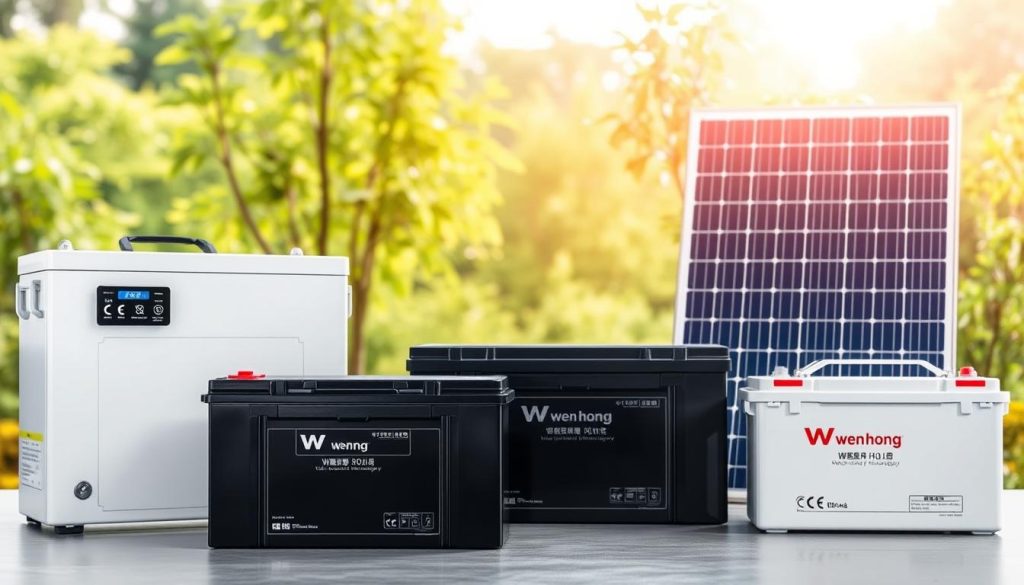
Choosing the Right Solar Battery for Your PTZ Camera
Choosing the right battery for your solar power system is key for your PTZ camera to work well. You have many options, like lead acid and lithium-ion batteries. The right battery selection makes sure your camera gets enough power, even when it’s hard.
Battery Types: Lead Acid vs. Lithium-Ion
For solar security cameras, you mainly see lead acid and lithium-ion batteries. Lead acid batteries are cheaper but need regular care and last about 600 cycles. On the other hand, lithium-ion batteries cost more but are better, lighter, and last up to 800 cycles, perfect for long use.
Here’s a look at some key specifications:
| Specification | Lead Acid | Lithium-Ion |
|---|---|---|
| Battery Lifespan | About 600 cycles | Up to 800 cycles |
| Weight | Heavier | Lighter |
| Efficiency | Less efficient | More efficient |
| Maintenance | Requires regular maintenance | Low maintenance |
| Cost | Less expensive | More expensive |
A 24Ah battery capacity is best for constant use in solar systems. Lithium-ion batteries, like 15,000mAh ones, can power your camera for up to seven days without sunlight. This is great for keeping watch without breaks. It’s also good to use batteries at 50% capacity to make them last longer and work better.
Also, make sure the battery voltage matches your camera’s needs. Most cameras need 12V, so it’s important to choose the right one for the best system performance.
Installation Process for Solar Battery Powered Floodlight PTZ Camera
Setting up a solar battery powered floodlight PTZ camera is easy with a good installation guide. First, pick a spot that gets lots of sunlight for 6 to 8 hours daily. Install it about 9 feet high for the best coverage.
Begin by marking where to mount the camera on the wall. Use a position paper to mark the spot, then drill holes for the bracket. The mounting brackets make this step quick and easy.
After securing the bracket, attach the camera and solar panel. Make sure all connections are weatherproof. The solar panel needs a 9-foot cable for charging.
Adjust the PIR sensor sensitivity based on the area’s traffic. In busy spots, lower sensitivity helps save battery. Also, ensure the device is close to a Wi-Fi router for a strong signal. A SIM card with active data is also needed.
Use the app to scan a barcode and connect to Wi-Fi. This makes setup smooth. Keep an eye on power generation and adjust camera angles for better efficiency. The whole step-by-step installation takes under five minutes, making your surveillance system ready to go.
Power Requirements for Optimal Performance
Setting up a solar battery powered floodlight PTZ camera needs you to know about power needs. It’s key to understand solar panel ratings to make sure your system works well. You must look at the solar panel’s power output and how much your camera system uses.
Understanding Solar Panel Ratings
Solar panel ratings show the max power a panel can make under standard conditions. For example, panels with monocrystalline silicon cells can make up to 4.5W of charging power. A good setup often includes a 6W solar panel for the camera’s energy efficiency.
Using a camera like the Tapo C425, with a 10,000mAh battery, can last up to 300 days on one charge. The solar panel can recharge the camera’s battery in 30 minutes to an hour with enough sunlight.
Daily Energy Consumption Calculations
Figuring out daily energy use helps you know what power you need. You should think about how you use the camera, like motion detection, video quality, and frame rate. These things can really affect how long the battery lasts.
To save battery, you can set the camera to lower video quality. A solar panel with a 15,000mAh rechargeable battery can give you the power you need. It helps your system run longer and meet different energy needs.
| Component | Specification |
|---|---|
| Solar Panel Rating | 6W |
| Charging Time from Sunlight | 30 minutes to 1 hour |
| Camera Battery Capacity | 10,000mAh |
| Battery Life | Up to 300 days |
| Power Source | Continuous from solar panel |
Understanding Solar Panel Efficiency and Placement
Solar panel efficiency is key for solar systems, like floodlight PTZ cameras. To get the best results, it’s important to place panels right. Facing south in the Northern Hemisphere captures the most sunlight.
When installing, think about the local weather and sunlight hours. Keep panels clear of trees or buildings to improve solar collection. Angling panels correctly also boosts efficiency by catching more sunlight year-round.
Using a 20-watt solar panel and a 30000mAh battery ensures constant power. This setup supports 24-hour video recording, as long as the battery holds up. A low-power sleep mode saves energy when it’s quiet, making solar power go further.
Keeping solar panels clean and checking the battery is vital. This maintenance keeps the system running well over time. Securing the panel and camera also helps them last longer against the elements.
Maintaining Your Solar Battery Powered Floodlight PTZ Camera
Keeping your solar battery powered floodlight PTZ camera in good shape is key. Regular care helps it work well and last longer. This means cleaning it often and checking the battery’s health.
Cleansing Solar Panels
Regular solar panel maintenance boosts your camera’s performance. Clean the solar panels every month to get rid of dirt and dust. A clean panel absorbs sunlight better, keeping your system running smoothly, even on cloudy days.
Having a cleaning schedule helps avoid problems caused by dirt on the panels.
Battery Health Check
It’s important to watch how your battery is doing. The 12000mAh battery can power your camera for up to two days without sunlight. Check the battery for wear and replace it if needed to avoid power issues.
Also, check the camera housing after bad weather. This makes sure the seals are tight to keep moisture out and protect your investment.
Real-Life Applications of Solar Battery Powered Floodlight PTZ Cameras
Solar battery powered floodlight PTZ cameras have many practical uses. They are great for homeowners who want to protect their homes. These cameras work well even when the power is out, as shown by a San Diego resident during a three-day blackout.
Construction sites use these cameras for outdoor surveillance. They help keep the site safe and monitor activity. Farmers also use them to scare away thieves and keep animals from their crops.
Airbnb hosts use these cameras to ensure their rentals are safe. This gives both the hosts and guests peace of mind. The Boulder Creek Campground saw a 68% drop in false wildlife alerts with solar cameras, proving their effectiveness.
Denver Airport saved $34,000 a year by using solar cameras for 23% of their needs. These cameras have advanced features like 4K resolution and AI detection. They are also weatherproof, making them perfect for outdoor use.
These cameras are easy to install and maintain. They have night vision, spotlights, and motion detection. They also work with local storage, keeping data safe. Using solar cameras helps the environment by reducing carbon emissions, similar to what thousands of trees can do.
| Application | Description | Benefits |
|---|---|---|
| Home Security | Protecting properties with independent surveillance | Increased safety, even during power outages |
| Construction Sites | Monitoring temporary setups for safety and compliance | Efficient oversight and prevention of theft |
| Agriculture | Deterring wildlife and thieves from crops | Improved crop protection and peace of mind |
| Short-Term Rentals | Keeping properties secure for guests | Enhanced trust for property owners and renters |
| Environmental Impact | Reduction in carbon emissions | Contribution to sustainability efforts |
Conclusion
Solar battery powered floodlight PTZ cameras are a great mix of green tech and practical use. They use clean energy, cutting down on the need for old power sources. This saves money in the long run.
These cameras have cool tech like dual-lens and AI for spotting movement. They make it easier to see and watch over your space, making it safer.
Looking ahead, solar tech will keep getting better, making these cameras even more reliable. New solar panel and battery tech will make them even more useful for homes and businesses.
For those who want other options, there are smart floodlight cameras like the eufy. They have cool features and can connect with other smart devices.
Using green tech in our security systems is key today. Solar-powered floodlight PTZ cameras offer better security and help the planet. For help picking the right CCTV, reach out to Wen Hong at +65 6013 5960. He can help you find what you need.
FAQ
What are the main advantages of using solar battery powered floodlight PTZ cameras?
Solar battery powered floodlight PTZ cameras are eco-friendly and cost-effective. They work without a traditional power source. This makes them great for reducing fossil fuel use and keeping areas secure.
How do solar battery powered floodlight PTZ cameras operate?
These cameras use sunlight to make electrical energy through solar panels. The energy is stored in batteries for day and night use. A charge controller helps manage the energy for better battery performance.
What features should I look for when selecting a solar battery powered floodlight PTZ camera?
Look for PTZ functionality for easy movement control. High-resolution imaging and night vision are also key. Motion detection can add extra security.
What type of battery is best for a solar camera system?
Lithium-Ion batteries are best due to their efficiency and long life. They are lighter and last longer than Lead Acid batteries, which need more maintenance.
How do I maintain the performance of my solar battery powered floodlight PTZ camera?
Keep solar panels clean and check battery health regularly. Make sure all connections are watertight. These steps help your system last longer and work better.
Where should I install my solar battery powered floodlight PTZ camera for optimal performance?
Install cameras in sunny spots that get 6-8 hours of direct sunlight daily. Face solar panels south in the Northern Hemisphere. Avoid any obstructions to get the most sunlight.
Can solar battery powered floodlight PTZ cameras be used in remote areas?
Yes, these cameras are great for remote areas without traditional wiring. They work independently, making them perfect for rural areas, construction sites, and emergencies.
How long does the battery last without sunlight?
The battery can last 3 to 10 days without sunlight. This depends on how much the camera uses and its power needs.
What should I consider regarding solar panel ratings for my camera?
It’s important to know about solar panel ratings. A panel with at least 75W is often recommended. High-efficiency panels can better meet your camera’s power needs.


