
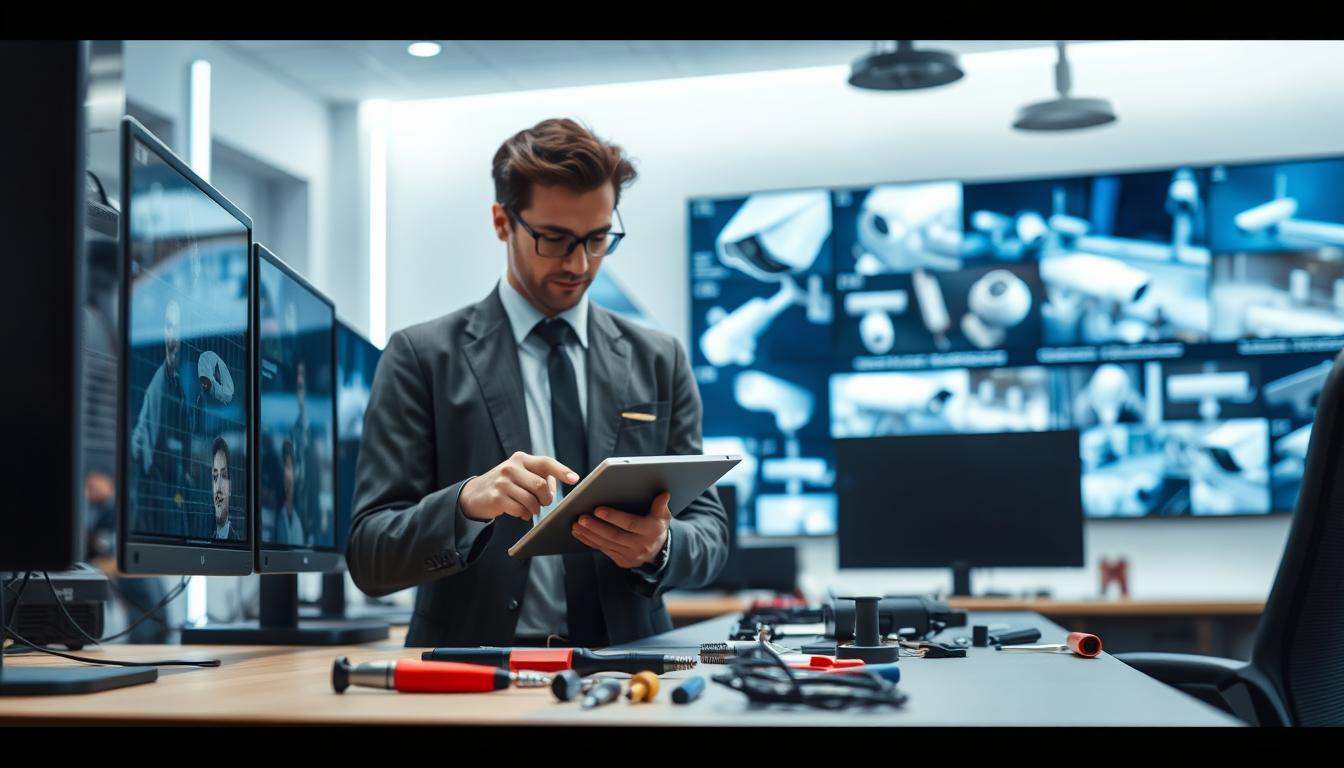
Maintaining Your CCTV System: Recommended Inspection Intervals
Your security cameras are a silent guardian for your property in Singapore. They provide crucial evidence and deter crime. But like any critical equipment, they need regular care to perform their best.
Without a structured maintenance plan, your surveillance system can fail when you need it most. A blurry image or a dead camera creates a dangerous blind spot. Proactive upkeep is the only way to ensure reliable, around-the-clock protection.
Finding the right schedule for checks is essential. Older camera setups demand more frequent attention. Newer technology may have different needs. This guide will help you establish a routine that fits your specific security solutions.
Proper maintenance extends the life of your investment. It guarantees clear footage for identifying individuals and solving incidents. It also helps you stay compliant with local standards. A well-kept system is a powerful deterrent.
Data shows that preventive care is non-negotiable. Legacy CCTV equipment should undergo professional inspection at least every three months. Modern, high-definition security cameras typically benefit from an annual check-up. Consistent routines prevent costly failures and keep your security strong.
Key Takeaways
- Regular maintenance prevents system failures and security gaps.
- A proactive inspection schedule ensures your CCTV cameras are always operational.
- Older surveillance systems require more frequent checks, ideally every three months.
- Newer, modern camera systems can often be inspected on an annual basis.
- Proper care extends equipment lifespan and ensures high-quality video evidence.
- Neglecting upkeep can attract criminal attention and compromise your safety efforts.
- Adhering to a maintenance plan helps with compliance and provides peace of mind.
Why Regular CCTV System Inspections Are Non-Negotiable
Overlooking the health of your monitoring equipment can silently undermine your entire safety plan. Treating your security setup as a “set and forget” installation is a high-risk gamble. Consistent, scheduled upkeep is the foundation of dependable protection.
These evaluations are not just a good idea. They are a critical requirement for any property owner serious about safety. Let’s examine the core reasons why skipping them is never an option.
Preventing System Failures and Security Gaps
Physical wear and environmental stress take a toll on all security equipment. A loose cable, a misaligned camera bracket, or a spider web blocking a lens can create a blind spot. These issues often go unnoticed until a critical moment.
Routine checks proactively identify these faults. They spot corrosion, water damage, or vandalism attempts before they cause a total failure. This keeps your entire system operational and your property covered.
Imagine a camera failing during a security incident. The gap in coverage could be devastating. Regular checks help ensure every component, from the recorder to the power supply, functions as intended.
Ensuring Optimal Image Quality for Evidence
The primary value of CCTV cameras lies in the footage they capture. Dust, grime, and moisture buildup on a lens destroy image quality. What should be a clear identification shot becomes a blurry, useless video.
Professional maintenance includes cleaning lenses and housings. This simple act is vital for preserving evidential clarity. It makes sure recorded video can identify faces, license plates, and other crucial details.
High-definition technology is only effective if the lens is clean. A scheduled inspection regime guarantees your video evidence holds up when it matters most, whether for internal review or legal proceedings.
Extending the Lifespan of Your Security Equipment
Proactive care is a powerful cost-saving strategy. It is far cheaper to maintain equipment than to replace it after a sudden breakdown. Regular checks extend the functional life of cameras, recorders, and storage drives.
Part of this process includes updating firmware and software. These updates patch security vulnerabilities and can improve performance. They keep your CCTV system modern and resilient against new threats.
Think of maintenance as an investment, not an expense. It prevents the high cost of emergency repairs and total system replacements. This approach keeps your security investment in system top shape for years.
Ultimately, a disciplined inspection schedule is the key keeping security continuous and reliable. It protects your people, assets, and peace of mind.
How Often Should the CCTV Surveillance System Be Inspected?
Your inspection schedule is not set in stone. It should adapt to the importance of the area being monitored and its exposure to potential problems. Start with a professional baseline, then adjust based on your own assessment.
The Expert Baseline: Every 3 to 6 Months
For most commercial and residential setups, a general health check every three to six months is advised. This timeframe strikes a balance between proactive care and practical logistics.
This cadence allows technicians to perform essential tasks. They clean lenses, verify recording functions, and check all physical connections. Regular checks help identify wear on cables or minor mounting issues before they escalate.
Sticking to this baseline makes sure your entire cctv system receives consistent attention. It is a solid starting point for cctv maintenance before you factor in specific risks.
High-Risk vs. Low-Risk Area Recommendations
Your location’s risk level is the primary factor for adjusting the frequency. High-risk zones demand much more vigilant monitoring of the security equipment itself.
High-risk areas include retail entrances, public parking lots, and industrial perimeters. These spots face high traffic, potential vandalism, or harsh weather conditions.
For these critical zones, inspections every three months are a minimum. Many expert recommendations suggest monthly visual checks for such locations. A busy storefront camera might need a quick clean and alignment verification every 30 days.
Low-risk areas are typically interior spaces with controlled access. Examples include stockroom interiors, office hallways after hours, or residential building interiors.
These systems can often operate effectively with professional service every six months, or even annually. A camera inside a secured warehouse, for instance, could follow a bi-annual maintenance schedule.
Ultimately, your schedule flows from this risk assessment. High-risk equals very frequent checks. Low-risk allows for longer intervals between professional services.
Adapting the baseline to your situation is key. For a detailed framework on establishing a routine that fits your specific security solutions, consult our definitive guide to CCTV inspection frequency.
Key Factors That Determine Your Inspection Schedule
Your cameras’ environment, technology, and job description dictate their care needs. A one-size-fits-all inspection plan does not work for every property. To build a precise routine, you must evaluate these three personal factors.
Environmental Conditions: Weather, Dust, and Vandalism
Singapore’s tropical climate is a major consideration. Constant heat, heavy rain, and high humidity accelerate wear on outdoor equipment. Camera housings and cable connections might need extra protection from the elements.
Dust and salt air can coat lenses, ruining video clarity. Vandalism or accidental bumps can misalign a camera. Outdoor units in such harsh conditions demand more frequent visual checks.
An interior camera in a climate-controlled office faces far less stress. Its maintenance schedule can be less aggressive. Always factor placement into your plan.
Camera Type and Technology: Analog vs. IP Systems
The technology inside your cameras changes what maintenance entails. Older analog systems are simpler. They primarily need physical checks for cable integrity and power.
Modern IP-based cctv systems are more complex. They offer superior quality but require software care. Firmware updates for security patches are a standard part of cctv maintenance.
Network health also becomes critical. Inspections must verify data flow and storage access. This digital layer adds to the system upkeep checklist.
Operational Demands: 24/7 Recording vs. Motion Activation
How hard your system works directly impacts its wear and tear. A setup recording continuously 24/7 puts constant strain on key components.
The hard drive and processor have no rest. This relentless operation can lead to earlier failures. These systems need more attentive care and monitoring.
Motion-activated recording is much gentler on the hardware. The equipment rests when idle, extending its lifespan. Your inspection schedule for a motion-based system can be less frequent.
Make sure your plan reflects your actual recording mode. It is a core factor in keeping your security investment reliable.
Evaluating these factors—environment, tech, and duty—lets you tailor the generic advice. An expert can help you balance them for a cctv system in top shape.
CCTV Inspection Rules and Best Practices in Singapore
Singapore’s strict regulations and tropical climate set specific demands for CCTV upkeep. Property owners must navigate both legal mandates and harsh environmental conditions.
This unique context transforms routine maintenance into a critical operational duty. Following local advice protects your investment and keeps you compliant.
Understanding Local Regulatory Compliance Needs
Singapore’s Personal Data Protection Act (PDPA) governs the use of security cameras. It requires organizations to ensure their cctv system is functioning correctly.
Faulty equipment that misses coverage areas can violate these rules. Sector-specific regulations may mandate checks every three months for certain premises.
Non-compliance carries real risks. It can lead to legal issues and fines. More importantly, it compromises the data protection your security setup is meant to provide.
Regular checks are your first line of defense. They make sure your cctv systems are recording as intended. This documented care is essential for operational due diligence.
Adapting to Singapore’s Urban and Climatic Environment
The city-state’s high humidity and frequent rain test every outdoor camera. Lens fogging is a common problem that ruins video clarity.
Urban pollution and construction dust accumulate quickly. This layer grime severely degrades image quality over time. A simple cleaning routine is non-negotiable.
Your maintenance plan must combat these factors. Inspect and clean seals on outdoor housings to prevent water damage. Use weatherproof enclosures designed for tropical use.
For the latest cctv solutions built for this climate, explore our cctv solutions offers. Professional services today can implement resilient cctv solutions deals.
Proactive adaptation keeps your cctv system reliable. It ensures your property remains protected, rain or shine.
Creating Your CCTV Maintenance Schedule: A Proactive Approach
A layered maintenance calendar is your blueprint for reliable protection. It moves you from hoping your cameras work to knowing they will.
This plan combines simple visual reviews with technical checks. The goal is to prevent issues before they disrupt your security.
Building this schedule requires looking at your specific setup. Consider the number of cameras, their types, and their roles. A custom plan keeps your cctv system top of its game.
From Monthly Visual Checks to Annual Professional Audits
A comprehensive schedule has three levels. Each tier addresses different needs and technical depth.
Monthly Visual Walks are your first line of defense. This is a quick, owner-performed task. Walk your property and look at each camera.
Check for obvious problems. Look for physical damage, obstructions like spider webs, or misalignment. Verify that indicator lights are on. This simple habit makes sure basic issues are caught early.
Quarterly In-Depth Inspections involve more technical checks. Every three to four months, perform a closer review.
Test recording playback for each camera. Clean lenses and housings to maintain image quality. Check cable connections and power supplies. These regular checks help identify wear before it causes failure.
The Annual Professional Audit is the capstone. Once a year, have an expert conduct a full review.
They will assess hardware health, update firmware, and verify compliance. This audit ensures your entire system is optimized and systems working well. It’s a deep dive that keeps your investment in system top shape.
Leveraging Technology for Maintenance Tracking and Alerts
Modern tools make sticking to your schedule effortless. Specialized software automates the tracking process.
These platforms log every service activity. They set automatic reminders for upcoming checks. You get a complete digital history of all maintenance work.
Advanced tools offer remote system diagnostics. They can monitor equipment health in real-time. You receive instant alerts for a camera outage or storage problem.
This technology transforms reactive fixes into proactive care. It provides peace of mind and extends system life. Exploring modern solutions is a smart move for any property owner today.
Adopting this structured, tech-supported approach is the key. It focuses on prevention, not reaction. This proactive strategy optimizes performance and safeguards your security for the long term.
Essential CCTV Maintenance Procedures: A Step-by-Step Guide
Effective security system care is built on three distinct tiers of procedural diligence. This guide provides the actionable steps for each level. Following this structured approach keeps your investment reliable.
Monthly quick-checks catch small problems. Quarterly routines prevent larger issues. The annual audit ensures everything is optimized for compliance and performance.
Monthly Quick-Check Tasks for System Health
Set aside a brief period each month for a visual walkthrough. This habit is your first defense against minor faults becoming major failures.
Start by cleaning each camera lens with a soft, dry cloth. Dust and grime destroy image quality quickly. A clean lens is non-negotiable for clear video.
Next, inspect all visible cable connections. Look for looseness or signs of wear. This simple check can prevent a total camera outage.
Use a multimeter to test the voltage at key points. Stable power is the lifeblood of your cctv system. Fluctuations can damage sensitive equipment over time.
Review motion detection zones in your software. Ensure they are aligned correctly to avoid false alerts or missed events. Finally, verify any integrated outdoor lights are functioning. Proper illumination is critical for nighttime image clarity.
Quarterly In-Depth Inspection and Cleaning Routines
Every three months, dedicate time for a deeper technical review. This goes beyond the surface to safeguard internal components.
Play back recorded footage from each camera. Look for black spots, streaks, or distorted images. These artifacts signal a lens or sensor problem that might need professional service.
Inspect the waterproofing seals on all outdoor enclosures. Look for condensation or fogging inside the housing. A compromised seal invites water damage and will ruin the unit.
Expose and check a section of the main cables for wear, cracking, or rodent damage. Replace any compromised lines immediately. This prevents signal loss and fire hazards.
Perform scheduled software updates for your DVR or NVR server. These patches fix bugs and close security vulnerabilities. Regular checks at this interval keep your digital infrastructure secure.
The Comprehensive Annual Compliance Audit
Once a year, a professional-grade audit is essential. This is not a simple checkup. It is a full diagnostic of hardware, software, and legal compliance.
Technicians will conduct a complete system check of live feeds and historical data. They verify recording functionality without gaps. Any interruption in the timeline is investigated and resolved.
Updating all device firmware is a standard step. This ensures access to the latest features and critical security patches. It is a core part of modern cctv maintenance.
The audit includes cleaning the internal components of your recording equipment. Dust buildup inside a DVR can cause overheating and failure. Care here extends the hardware lifespan significantly.
Finally, the report will verify that your entire setup meets local regulatory standards. This makes sure your security practices are above board. Following this annual advice is the key keeping your cctv systems in system top shape.
Adhering to these three procedural tiers guarantees your cameras and recorders are system working well. It transforms your maintenance plan from theory into reliable, day-to-day protection.
Monitoring Your CCTV System Health Between Inspections
True security vigilance extends far beyond the calendar dates of your scheduled inspections. A proactive owner actively watches the operational pulse of their network. This ongoing awareness catches problems before they become critical failures.
Modern cctv systems offer powerful tools for this task. You can monitor system health in real-time from a computer or phone. This turns passive recording into an active security management tool.
Combining technology with manual review creates a robust safety net. It ensures your cameras are always capturing usable evidence. Let’s explore the two pillars of this between-inspection strategy.
Setting Up Real-Time Diagnostics and Alerts
Your cctv system software is the nerve center for live diagnostics. Most modern platforms include a dashboard showing the status of every camera. A green icon means online; a red icon signals trouble.
Enable email or SMS notifications for key events. Get an alert the moment a camera disconnects from the network. Receive a warning when storage space is nearly full.
These instant alerts prevent prolonged security gaps. You can address a service issue within minutes, not days. This is a core part of modern cctv maintenance.
This proactive approach transforms how you manage your investment. You move from discovering problems later to stopping them now. It’s a fundamental shift in protecting your property.
Regularly Reviewing Recorded Footage for Quality Assurance
Periodically sampling your stored video is a powerful quality control habit. It’s not just for reviewing security events. It’s a check on the system itself.
Establish a simple schedule based on risk. For high-traffic areas, do a quick daily review. For lower-risk interior spaces, a weekly check may suffice.
Look for specific anomalies that indicate a problem. This practice helps you make sure your footage remains forensically useful. Here are key items to verify during your review:
- Image Clarity: Is the footage sharp, or is there a persistent blur? Gradual lens dirt often causes this.
- Lighting Levels: Can you see details in shadows at night? Poor illumination ruins identification.
- Recording Gaps: Does the video timeline have any unexpected breaks or skips?
- Color Balance: Do colors look natural, or is there a strange tint? This can signal a failing sensor.
- Camera Field of View: Has the angle shifted, blocking a crucial area?
Finding these issues early allows for quick adjustments. You can clean a lens, adjust a setting, or realign a mount. These regular checks maintain evidential quality.
Set a calendar reminder to perform this footage audit. It takes only a few minutes but delivers immense value. This habit keeps your cctv system top of mind and in top condition.
Together, real-time alerts and scheduled video reviews form a complete monitoring strategy. They fill the gap between professional maintenance visits. This dual approach ensures your security solutions are always working for you.
The Critical Role of Visual Inspection and Camera Cleaning
The clarity of your security footage hinges on two simple, hands-on tasks: looking closely and cleaning carefully. These actions are the frontline defense against degraded performance. They require no advanced tools, just consistent attention.
Neglecting this basic upkeep allows small problems to become major failures. A dirty lens or a shifted mount can blind your entire operation. Regular checks help you catch these issues early.
A structured approach to looking and cleaning keeps your investment sharp. It ensures every camera delivers the evidence you need. Let’s break down the protocol for each critical activity.
Identifying Physical Damage, Misalignment, and Obstructions
Conduct a systematic visual scan of each unit every month. Start from the mounting bracket and work your way to the lens. Look for signs of tampering, wear, or environmental stress.
Check the housing for dents, cracks, or corrosion. These can compromise weatherproofing. A loose mount will slowly change the camera’s field of view, creating a dangerous blind spot.
Inspect the immediate area for new obstructions. Spider webs, bird nests, or overgrown foliage can block the lens entirely. This simple visual sweep is a powerful preventive measure.
Here is a quick checklist for your monthly walk:
- Physical Integrity: Look for cracks, dents, or rust on the camera body and bracket.
- Mounting Security: Gently test the camera’s position. It should not wobble or shift easily.
- Lens View: Ensure nothing is blocking the glass—no webs, leaves, or insect nests.
- Cable Condition: Examine exposed cables for chew marks, cracking, or weathering.
- Indicator Lights: Verify the power and network status LEDs are illuminated as expected.
Finding these issues early allows for quick fixes. You can tighten a bolt, trim a branch, or clean a lens. This proactive habit makes sure your cctv cameras always see what they should.
Establishing a Cleaning Regime for Crystal-Clear Footage
Dust and grime are the silent enemies of image quality. They create a permanent haze over your video. A disciplined cleaning schedule wipes this haze away.
The frequency depends entirely on the environment. For most indoor systems, a thorough lens cleaning every three months is sufficient. Outdoor or dusty locations demand monthly attention.
Singapore’s humidity attracts moisture and pollutants to the glass. This combination fogs lenses faster. Cameras near roads or construction sites gather dust daily.
Always use the right tools. A soft, lint-free microfiber cloth is essential. For stubborn spots, apply a small amount of lens cleaning solution to the cloth first—never spray directly on the camera.
Follow these steps for safe, effective cleaning:
- Power down the camera if possible, or inform monitoring staff.
- Gently brush away loose dust and debris with a soft brush.
- Use a dry microfiber cloth in a circular motion to clean the lens surface.
- For persistent dirt, lightly dampen a corner of the cloth with isopropyl alcohol or a dedicated lens cleaner.
- Finish with a dry part of the cloth to remove any streaks or moisture.
This maintenance routine has an immediate impact. A clean lens can transform a blurry silhouette into an identifiable face. It restores the quality your high-definition equipment was designed to deliver.
Consider the difference between a smudged window and a clean one. Your cctv system relies on the same principle. Regular checks and cleaning are the security essentials that keep your view crystal clear.
CCTV Maintenance Guidelines for Peak Performance
Optimizing your camera network involves two parallel tracks: strategic upgrades and swift troubleshooting. Peak performance is not a static state. It requires active management of both physical hardware and digital software.
This forward-looking approach transforms basic upkeep into a value-maximizing strategy. You move from fixing problems to preventing them entirely. Let’s explore the key actions that keep your security investment at its best.
Staying Current: Hardware Upgrades and Firmware Updates
Technology evolves rapidly. What was cutting-edge five years ago may now be a liability. A periodic review of your setup against current needs is essential.
Firmware updates are a critical security measure, not just a feature enhancement. Manufacturers release these patches to fix bugs and close vulnerabilities.
Hackers often target outdated software in cctv systems. An update can be the difference between a secure network and a breached one. Schedule these updates as part of your quarterly maintenance routine.
Hardware upgrades can revitalize an aging system. Swapping old analog cameras for high-resolution IP models dramatically improves image quality.
Upgrading storage drives increases your recording history. This is often more cost-effective than continual repairs on obsolete equipment. This strategic investment future-proofs your security.
Consider this advice: if a camera requires frequent service, replacement might need to be evaluated. Newer solutions offer better performance and lower long-term care costs.
Troubleshooting Common Issues: From Blurry Video to Camera Outages
Even well-maintained systems can experience glitches. Knowing how to diagnose frequent problems empowers you to act quickly. Many issues have simple fixes you can attempt before calling a professional.
Follow this logical sequence to identify and resolve common faults. Start with the simplest cause and work toward more complex ones.
Problem: Blurry or Hazy Video
This is often the easiest to fix. First, check the camera lens for dirt, dust, or condensation. Clean it gently with a microfiber cloth.
If the image remains blurry, the focus may have shifted. Many modern cameras have a focus adjustment ring. Use your monitoring software to view the live feed while making a slight adjustment.
Persistent blur could signal internal moisture damage or a failing sensor. At this point, expert service is likely required.
Problem: Complete Camera Outage (No Video Signal)
Begin by checking the power source. Verify the LED indicator light on the camera is on. If not, inspect the power adapter and outlet.
Next, examine the network or video cables. Look for physical damage or loose connections at both ends. A simple reseat of a connector can restore the signal.
For IP cameras, log into your network router. Make sure the device is listed as a connected client. A network reboot sometimes resolves the issue.
Problem: Poor Night Vision or IR Failure
Infrared LEDs can degrade over time. First, clean the IR lens cover. Dirt on this surface can block or reflect the light.
Check the camera settings to ensure night vision mode is enabled. Look for external light sources, like a new streetlamp, that might be confusing the light sensor.
If the IR LEDs appear dim or only some are lighting up, the array may be failing. This typically requires a hardware replacement to restore full nighttime quality.
Adopting this diagnostic mindset saves time and money. For persistent or complex issues, professional solutions are the next step. Exploring the latest cctv solutions through trusted cctv solutions offers can provide a permanent upgrade.
Regular checks and a proactive stance keep your cctv system in peak condition. This empowers you to maintain continuous, high-quality protection for your property.
Best Practices for Conducting Effective CCTV System Inspections
To ensure your surveillance network never misses a critical moment, adopting a set of proven inspection protocols is essential. Moving beyond basic visual sweeps requires a disciplined framework. This approach maximizes the value of every review, whether you perform it or a technician does.
Three advanced strategies separate routine glances from professional-grade audits. A detailed checklist brings thoroughness. Meticulous documentation turns history into a planning tool. Consistent verification of environmental factors maintains coverage integrity.
Implementing these methods transforms your maintenance from reactive fixing to proactive management. It is the key keeping your entire cctv system in peak condition.
Using a Detailed Maintenance Checklist
A standardized checklist is your blueprint for consistency. It ensures no component, from lens to recorder, is overlooked during an inspection. This tool brings method to the process, eliminating reliance on memory.
Your checklist should cover all critical areas. Include physical checks for cameras and cables. Add software verifications for recording and storage. Don’t forget power supplies and network connections.
Follow the list in sequence every time. This habit makes sure your regular checks are comprehensive. It turns a quick look into a reliable health assessment for your security infrastructure.
Whether for monthly walks or annual audits, the same list applies. This consistency is vital for comparing system performance over time. It highlights trends that sporadic checks might miss.
Documenting Service History for Predictive Planning
Logging every service visit creates a powerful strategic asset. Record the date, findings, and actions taken for each inspection. This log is more than a record; it’s a diagnostic tool.
A detailed history helps predict future failures. If a specific camera model fails repeatedly, it signals a weak point. You can plan a preemptive replacement before a critical outage occurs.
This data justifies upgrade investments to management. Showing a pattern of issues with old equipment supports the case for new solutions. It moves budget discussions from opinion to evidence-based planning.
This proactive documentation transforms cctv maintenance into smart asset management. You stop guessing about lifespan and start managing it. Explore latest cctv solutions through trusted cctv solutions offers when the data suggests an upgrade.
Ensuring Proper Lighting and Camera Field of View
Security landscapes change constantly. A new building, growing tree, or rearranged inventory can create a blind spot. Periodic re-evaluation of each camera’s perspective is non-negotiable.
Verify lighting conditions haven’t degraded. A burnt-out external lamp can ruin nighttime video quality. Ensure infrared LEDs are functional and lenses are clean for clear night vision.
Check the field of view during your regular checks. Confirm the camera still covers the intended area effectively. Look for new obstructions like signs, foliage, or stored items.
Adjustments here are often simple but have a huge impact. A slight pan or tilt can restore full coverage. This advice is crucial for maintaining consistent surveillance over your property.
Adopting these three best practices elevates your entire cctv program. They bring discipline to your checks, insight to your planning, and clarity to your coverage. This is how you achieve reliable, long-term protection for your assets.
Understanding the Costs of CCTV Maintenance
Managing the expenses of your surveillance equipment requires a shift from seeing upkeep as a cost to viewing it as an investment. A clear budget for cctv maintenance protects your larger financial commitment to safety. This analysis breaks down the real price of ownership.
Smart planning involves two financial paths. One is the predictable expense of scheduled services. The other is the unpredictable shock of emergency fixes. Understanding both helps you make sure your security budget works effectively.
Investing in Professional Services vs. Reactive Repairs
Professional maintenance contracts offer clarity and control. They provide a fixed, budgetable cost for keeping your cctv systems operational. These agreements can be customized to your specific property and needs.
This planned approach often leads to lower long-term support costs. Technicians identify small issues during scheduled visits. Fixing them early prevents expensive, cascading failures later.
Reactive repairs after a total failure are a different story. They are typically 30-50% more expensive than scheduled service. Emergency call-out fees and premium parts pricing drive up the bill.
More critically, reactive fixes create dangerous security downtime. A blind spot exists from the moment a camera fails until the technician arrives. This gap undermines your entire protection strategy.
This comparison makes the choice clear. A modest, planned investment in maintenance safeguards your capital investment in the system itself. It is the key keeping security continuous and costs manageable.
Cost-Saving Tips Through Proactive and Regular Care
The most effective way to save money is to prevent problems from starting. Proactive care extends the life of your equipment and avoids big repair bills. Small, consistent actions deliver significant financial benefits.
Implement these practical strategies to control your cctv expenses:
- Train Staff on Visual Checks: Empower your team to perform basic monthly walks. They can spot obstructions, physical damage, or loose cables. This early detection is a powerful, low-cost tool.
- Keep Common Spare Parts: Stock basic items like power adapters and short video cables. Swapping a faulty adapter yourself in minutes avoids a costly service call for a simple part.
- Optimize Video Retention: Do not overburden your recorder. Excessive retention periods fill hard drives faster, causing wear. Set a reasonable timeline, like 30 days, to make your storage equipment last longer.
- Use Asset Management Software: Digital tools track service history and predict future needs. This data helps you plan replacements strategically, not emergently.
- Book Consolidated Annual Service: Schedule one comprehensive visit per year. Addressing all cameras at once is more efficient and cost-effective than multiple scattered calls.
Following this advice keeps your cctv system in system top shape. It ensures your systems are working well without unexpected financial hits. The goal is to make your system last longer and perform better.
Exploring modern solutions and professional services today can lock in these savings. A structured approach turns maintenance from a line-item expense into a value-driven strategy for long-term protection.
When to Hire Professional CCTV Maintenance Services
While diligent DIY care is valuable, there are clear thresholds where expert intervention becomes essential for your security system’s integrity. Knowing these limits protects your investment and ensures continuous coverage.
Professional services handle tasks beyond basic cleaning and visual checks. They bring specialized tools and knowledge to complex problems. This advice helps you decide when to call in the expert.
Partnering with a provider is a strategic move for long-term reliability. It transforms unpredictable security risks into a managed, dependable service.
The Value of Expert Diagnostics and Compliance Assurance
Some system issues are invisible to the untrained eye. Intermittent network glitches in IP cameras require advanced diagnostic software. Calibrating a PTZ (Pan-Tilt-Zoom) unit for smooth, accurate movement needs technical skill.
An annual compliance audit is another critical area. Professionals verify your entire setup meets Singapore’s PDPA and other regulations. They make sure recording practices and data handling are legally sound.
This level of assurance is difficult to achieve alone. Expert diagnostics pinpoint root causes, not just symptoms. This leads to permanent fixes, not temporary patches.
Firmware updates and intricate hardware repairs also fall here. Incorrect updates can brick a device. A skilled technician performs these tasks safely, keeping your equipment in system top shape.

Evaluating Service Contracts for Long-Term System Health
A good service contract is a blueprint for sustained cctv health. It moves you from reactive crisis management to proactive care. Evaluating providers requires looking at specific contract details.
Use this checklist when reviewing services:
- Scope of Work: What is included? Does it cover all cameras, the recorder, and software support?
- Response Time Guarantee: What is the promised timeframe for emergency and routine calls?
- Provider Expertise: Do they have experience with your specific brand and type of cctv system?
- Remote Monitoring Support: Can they diagnose some issues remotely to save time?
- Reputation and Reviews: What do other clients in Singapore say about their reliability?
A comprehensive contract often includes scheduled quarterly visits. It provides priority response if a camera fails. This structured approach prevents small problems from escalating.
Partnering with a reputable provider like Wen Hong or ED Viston ensures your property gets expert care. They can implement the latest cctv solutions if an upgrade is needed.
Exploring their cctv solutions offers and cctv solutions deals today can lock in long-term value. A strong contract is the foundation for keeping your cctv systems reliable for years to come.
Keeping Your Security System in Top Shape for the Long Term
A reliable security posture is not a one-time purchase. It is the result of disciplined, ongoing maintenance. With over a million cameras in Singapore, a structured routine is essential for any property.
This means adhering to a schedule tailored to your environment. It combines your own visual checks with professional services. Technology helps you stay informed and make sure everything is system working well.
This proactive care transforms your cctv system from a static installation into a dynamic asset. Regular checks help keep your entire setup in system top shape.
The investment in ongoing care pays clear dividends. It delivers continuous protection and ensures legal compliance. For reliable security solutions, exploring professional services today is a smart move.
This is how you secure your premises for the long term. A well-maintained cctv network provides true peace of mind in Singapore’s urban landscape.
FAQ
What is the recommended frequency for checking my security cameras?
For optimal performance, a professional inspection every three to six months is the expert baseline. This regular schedule helps catch minor issues before they become major problems, keeping your security footage reliable. High-traffic or outdoor cameras might need more frequent checks.
Why is consistent maintenance for my video system so important?
Regular maintenance is non-negotiable for several key reasons. It prevents unexpected system failures that create security gaps, ensures image quality remains high for identification, and helps your equipment last longer, protecting your investment.
What factors influence how often my system needs service?
Your specific inspection schedule depends on environmental conditions like weather and dust, the camera technology in use (IP vs. analog), and your operational demands. A system recording 24/7 in a harsh environment requires more care than one used occasionally indoors.
What are some essential CCTV maintenance procedures I should know?
Key procedures include monthly visual checks for damage or obstructions, quarterly cleaning of lenses and housings, and verifying video playback. An annual professional audit by a company like CCTV Solutions should check cables, power, and software updates.
How can I monitor my system’s health between professional inspections?
You can set up real-time system diagnostics and alerts if your system supports them. Also, make it a habit to regularly review recorded footage for quality assurance. This helps spot issues like blurry video or camera misalignment early.
When should I consider hiring professional CCTV maintenance services?
Consider professional services for complex diagnostics, firmware updates, and comprehensive annual audits. Companies like CCTV Solutions offer expert advice and service contracts that provide long-term system health assurance and compliance checks, often saving money versus reactive repairs.


