
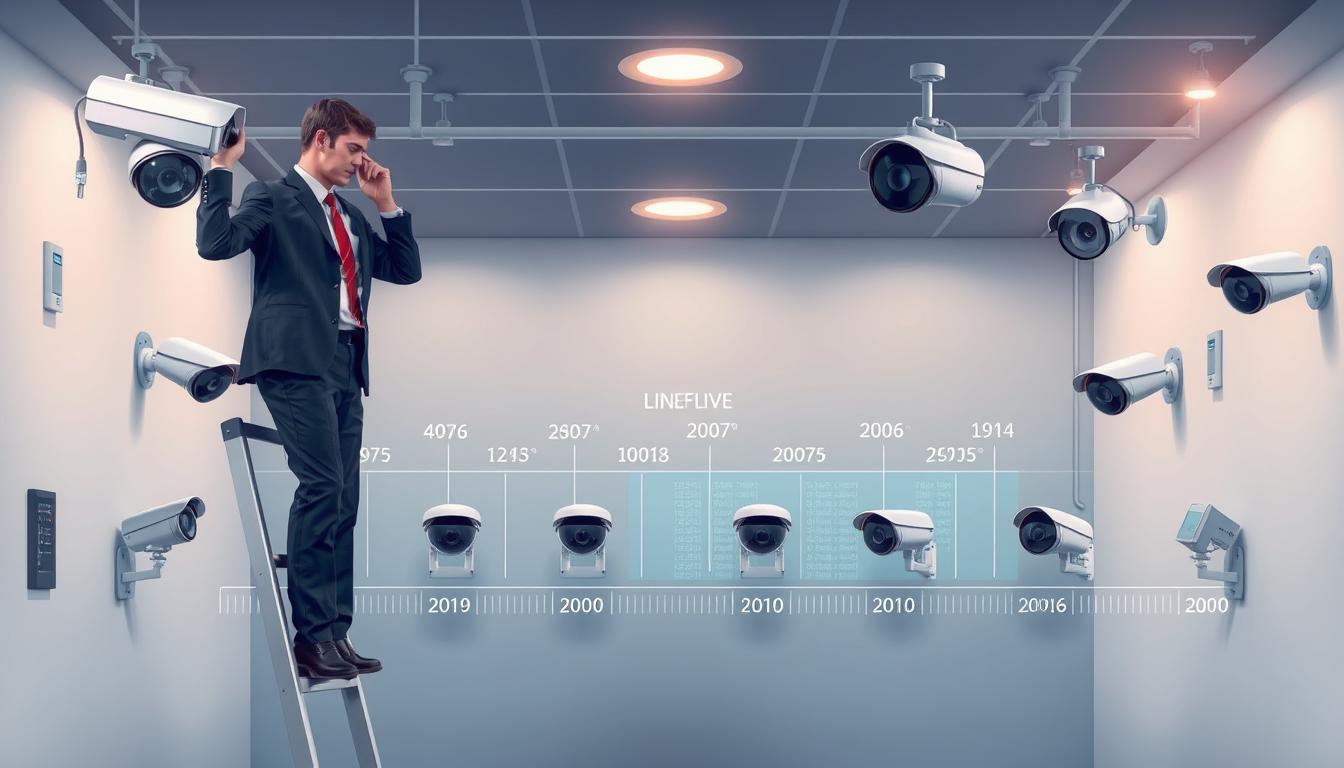
How Long Does CCTV Last? A Comprehensive Guide
Understanding the operational life of your surveillance equipment is vital for effective property protection. A well-maintained, high-quality CCTV system typically provides reliable service for 4 to 7 years. With proper care, some setups can even function for a decade.
This longevity is not a fixed number. It depends heavily on several factors. The initial quality of the security cameras and recording equipment plays a major role. Environmental conditions and daily usage patterns also greatly influence durability.
For homeowners and businesses in Singapore, this knowledge is crucial. Proactive planning for your system’s lifecycle ensures continuous security. Technological advancements and regular maintenance can significantly extend its useful years. Investing in robust solutions today safeguards your premises for the long term.
Key Takeaways
- The average lifespan of a quality CCTV system is between 4 and 7 years.
- Excellent maintenance and high-grade equipment can extend service up to 10 years.
- Lifespan is variable, influenced by equipment quality, environment, and usage.
- Understanding this timeline is essential for reliable, long-term property security.
- Regular upkeep and tech updates are key to maximizing your system’s longevity.
- Proactive planning for your surveillance system’s lifecycle is a smart security strategy.
Understanding the Lifespan of Your Security System
The operational duration of security cameras is a pivotal factor in planning a robust protection strategy. This section breaks down what lifespan and durability truly mean for your setup. It provides clear data to help you set realistic expectations for your investment.
Defining CCTV Lifespan and Durability
CCTV lifespan refers to the period a camera functions effectively before its performance noticeably degrades. It’s not merely about the device powering on. True operational life encompasses sustained image clarity, reliable recording, and overall system integrity.
Durability, on the other hand, denotes the physical resilience of the equipment. It’s about withstanding environmental factors like heat, humidity, and physical impact. A camera can be durable yet reach the end of its useful lifespan if its technology becomes outdated.
For a security system to deliver long-term security, both concepts are crucial. You need hardware that lasts physically and technology that remains capable.
Average Lifespan Ranges: From 3 to 10 Years
Most standard CCTV cameras offer a functional lifespan of three to five years. Higher-quality, commercial-grade models can reliably serve for five to ten years or more. This wide range highlights the importance of your initial purchase decision.
The shift from analog to digital IP-based surveillance has positively impacted these averages. Modern IP cameras have fewer moving parts and more robust electronics. This often extends their potential service life compared to older technologies.
“The evolution from analog to IP video isn’t just about better images; it’s a fundamental shift towards more resilient and longer-lasting security infrastructure.”
Budget consumer cameras often fall on the shorter end of the range. Professional system components, built with superior materials, anchor the longer end. Understanding this tiered expectation is key for both homeowners and businesses in Singapore.
It’s also vital to distinguish between physical and technological lifespan. A camera might function for eight years but become obsolete in four due to poor resolution or missing smart features. This obsolescence can compromise your security.
Knowing these ranges is the first step in smart planning. It allows you to budget for future upgrades and choose systems that align with your long-term CCTV performance needs. Informed decisions at the start maximize value and peace of mind over time.
Key Factors That Determine How Long Your CCTV Will Last
Your CCTV system’s effective years are not left to chance. They are determined by specific, identifiable factors. Three primary areas control your security cameras’ operational life: the inherent quality of the equipment, the environmental conditions it endures, and its daily usage patterns.
Understanding this trio allows for smarter purchases and proactive care. It transforms lifespan from a guess into a manageable variable.
Equipment Quality: Build, Materials, and Brand Reputation
The foundation of longevity is built during manufacturing. High-quality security cameras use robust materials like metal housings and industrial-grade electronic components. These resist physical wear and handle electrical stress far better than cheap plastic alternatives.
Reputable brands such as Axis, Hikvision, and Avigilon invest in superior engineering. Their reputation is often a reliable proxy for this build quality. You are paying for rigorous testing, better heat dissipation, and corrosion-resistant connectors.
This initial investment directly translates to fewer issues and extended reliable performance. A well-built camera is your first defense against premature failure.
Environmental Conditions: Weather, Temperature, and Moisture
Where you install your cameras is as crucial as what you buy. Environmental factors are relentless. Constant exposure to sun, rain, dust, and humidity accelerates wear.
In Singapore’s tropical climate, heat and moisture are constant challenges. Prolonged heat can warp casings and degrade internal electronics. High humidity leads to condensation, which invites corrosion and short circuits.
“A camera’s IP (Ingress Protection) rating is its passport to survival outdoors. It’s not just a specification; it’s a durability guarantee against the elements.”
Without proper protection, these conditions cause physical damage and electronic issues. Always select models with an IP65 or higher rating for outdoor use. This ensures resistance to dust and water jets.
Usage Patterns: Constant Monitoring vs. Motion Activation
How your system works daily impacts its wear and tear. A camera recording 24/7 operates its image sensor, processor, and storage drive continuously. This constant operation generates heat and mechanically wears components faster.
Motion-activated recording, in contrast, significantly reduces operational hours. The camera rests until needed, lowering internal stress and heat buildup. This pattern can add years to the functional life of the hardware.
For security needs requiring perpetual recording, investing in higher-quality, commercial-grade equipment is essential. It is built to handle that sustained load.
These factors do not work in isolation. A premium camera can fail early if installed in a harsh spot without protection. Conversely, a basic model might last longer in a controlled indoor setting with motion activation.
The key is assessment. You control equipment quality through your purchase. You mitigate environmental conditions with proper housing and professional maintenance. You manage usage patterns through your system settings. A strategic approach to all three maximizes your security investment.
Wired vs. Wireless: Comparing Camera Longevity
When selecting cameras for your property, the installation method—wired or wireless—plays a crucial role in determining their operational lifespan. This fundamental choice creates a trade-off between convenience and endurance.
Your decision impacts long-term security, maintenance needs, and total cost. Understanding the inherent strengths and limitations of each type is key to a smart investment.
The Durability Advantage of Wired CCTV Systems
Wired cameras are the bedrock of permanent, reliable surveillance. They connect directly to power and data networks via cables. This design eliminates dependency on batteries and reduces points of failure.
The consistent power delivery through a cable prevents the performance dips and sudden outages common with battery-powered units. It also means fewer wearable parts inside the camera housing.
Physically, wired systems are often built for harsher duty. They feature robust, weather-sealed construction for permanent outdoor installation. This superior durability directly translates to a longer functional life.
Professionals typically expect a quality wired security camera to last between six and ten years. This extended longevity makes them ideal for critical, fixed-location monitoring.
For homeowners or businesses wanting a “set-and-forget” solution, wired CCTV is the superior choice. It provides maximum stability over many years with minimal intervention.
Considerations for the Lifespan of Wireless Cameras
Wireless cameras offer unmatched installation flexibility. However, this convenience comes with different durability considerations. Their operational lifespan is often shorter, typically ranging from three to seven years.
The primary factor is battery degradation. All rechargeable batteries lose capacity over time, requiring more frequent charging and eventual replacement. This adds to the long-term maintenance schedule.
Environmental factors can also have a greater impact. A wireless unit not designed for outdoor use may fail quickly in Singapore’s humid climate. Signal interference can further strain the system, affecting reliability.
“Modern wireless technology is closing the gap. Improvements in battery chemistry, solar charging options, and better weatherproofing are all extending the viable service life of wireless systems.”
Despite these challenges, wireless solutions excel in specific scenarios. They are perfect for temporary setups, rental properties, or areas where running cables is impractical.
The total cost of ownership differs, too. Lower initial installation costs may be offset by recurring battery replacements. Planning for this is essential for long-term security budgeting.
When choosing, consider your willingness to perform regular upkeep. Also, assess your need for absolute system stability versus installation agility. For many, a hybrid approach using wired cameras for key points and wireless for flexible spots offers a balanced solution.
Ultimately, if your priority is maximizing longevity with minimal hassle, a wired CCTV system is the more durable route. For those who value flexibility and can manage periodic maintenance, modern wireless cameras with advanced features can provide sufficient service life. Planning for the optimal time to replace your CCTV is easier when you understand these core differences.
Proactive CCTV Maintenance for Maximum Longevity
The single most powerful factor you control in determining your cameras’ functional years is maintenance. A disciplined, proactive approach to care is what transforms an average lifespan into extended, reliable service.
This routine is not about complex repairs. It involves simple, scheduled tasks that prevent small issues from becoming major damage. By investing time in upkeep, you safeguard your security investment and ensure peak performance.
Essential Regular Cleaning and Inspection Techniques
Dust, spider webs, and tropical grime are the enemies of clear surveillance. Regular maintenance starts with the lenses. Use a soft, microfiber cloth to gently wipe them clean. This preserves image quality and ensures your footage remains usable.
Next, inspect each camera housing. Look for cracks, gaps, or signs of water ingress. In Singapore’s humid climate, a compromised seal can lead to internal corrosion quickly. Check all cables and connections for wear, fraying, or loosening.
Don’t forget the recording equipment. Verify your storage device is functioning correctly and has adequate free space. A full drive can cause recording failures.
- Weekly: Quick visual check for obvious obstructions on cameras.
- Monthly: Clean lenses and inspect housings for physical damage.
- Quarterly: Check cable connections and review storage health.
- Annually: Conduct a comprehensive system review, ideally with experts.
Neglecting these steps starts a domino effect. A dirty lens masks other performance issues. A loose connection might cause intermittent failure you don’t notice until it’s too late.
The Critical Role of Firmware and Software Updates
Your CCTV system relies on digital brains. Firmware and software updates are essential for security and longevity. Manufacturers release these updates to patch vulnerabilities, fix bugs, and sometimes add new features.
“An outdated system is a vulnerable one. Regular updates are a non-negotiable part of modern security care.”
These patches protect your network from hackers seeking to exploit known weaknesses. They also improve stability and can optimize how cameras process video. This keeps your technology current and functional longer.
Set a reminder to check for updates from your manufacturer every quarter. Enable automatic notifications if available. This simple habit extends the useful lifespan of your equipment significantly.
Why Professional Installation and Checkups Matter
Proper setup is preventative maintenance. Experts ensure optimal placement, reducing physical strain from weather or vibration. They perform correct weatherproofing and cable management to prevent early-stage issues.
A professional uses the right mounts and seals for your environment. They secure cables against the elements and pests. This foundational care prevents countless problems down the line.
Scheduled professional checkups are equally vital. A trained technician can spot warning signs you might miss. They can tighten a loose connection, correct a slight misalignment, or identify a failing system part before it causes a total blackout.
Consider an annual or bi-annual service contract. This proactive investment is far cheaper than emergency repairs or a full CCTV replacement. It maximizes your cameras’ operational years.
Consistent, thoughtful maintenance is a powerful investment. It pays dividends through extended system lifespan, unwavering security, and lower long-term costs. Your vigilance today defines your protection tomorrow.
Choosing the Right Camera Type for Your Needs and Environment
Camera selection directly influences both surveillance coverage and your system’s operational lifespan. Not all security cameras are created equal. Each design serves specific purposes and withstands environmental conditions differently.
Matching the correct camera to your location and security needs is a foundational step. This choose right approach optimizes performance and prevents premature failure. It ensures your investment delivers long security cameras service.
Lifespan of Fixed, PTZ, Dome, and Bullet Cameras
Different cameras have inherent durability based on their mechanics. Understanding these differences helps set realistic expectations for replacement cycles.
- Fixed Cameras: These offer the simplest design with no moving parts. This simplicity often grants them the longest functional lifespan, typically ranging from five to ten years. They are reliable workhorses for static views.
- PTZ (Pan-Tilt-Zoom) Cameras: Their motorized parts allow remote directional control. This mechanical complexity introduces more points of potential wear. Consequently, their service life is often shorter than fixed models, requiring more attentive maintenance.
- Dome Cameras: Known for their discreet, vandal-resistant housings, they excel indoors. In controlled, high-traffic areas like retail stores, they can reliably last five to ten years. Their sealed design protects internal components.
- Bullet Cameras: Built with robust, cylindrical housings, they are designed for outdoor visibility. Their typical lifespan is four to five years when exposed to the elements. They are a common sight on building exteriors and perimeter fences.
The key takeaway is that features like mobility come with a trade-off in mechanical endurance. A fixed camera watching a doorway will likely outlive a PTZ unit scanning a parking lot.
Selecting Between Indoor, Outdoor, and Weatherproof Models
The installation environment dictates your camera requirements. Using an indoor model outside is a sure path to rapid weather-related damage.
For outdoor placement, the Ingress Protection (IP) rating is non-negotiable. This rating defines the equipment’s defense against solids and liquids.
“An IP65 rating means the device is dust-tight and protected against water jets. For Singapore’s tropical climate, IP66 or IP67 is often recommended to handle heavy rain and extreme humidity.”
Indoor cameras, like many dome models, prioritize discreet monitoring and tamper resistance. They are not sealed against moisture. Outdoor models, such as bullet cameras, are built with tougher materials and proper sealing.
Consider these real-world applications for your surveillance plan:
- Retail Stores: Indoor dome cameras provide wide coverage and deter theft.
- Perimeter Fencing: Outdoor bullet cameras offer visible deterrence and clear long-range views.
- Large Carparks or Compounds: A PTZ camera allows security personnel to actively track movement across a wide area.
In Singapore, the constant heat and humidity demand equipment with high weatherproof ratings. Corrosion-resistant materials are also crucial for coastal areas.
Your final decision should balance upfront cost, desired features, and expected service life. An informed choose right choice at this stage is the most effective way to ensure your CCTV system remains a vigilant protector for many years.
Recognizing the Signs Your CCTV System Needs an Upgrade
Your current CCTV setup may be silently developing issues that compromise its core protective function. Identifying the warning signs of a failing system is a critical skill. It allows for a planned, strategic upgrade before your security is breached.
Waiting for a total blackout is a risky strategy. Proactive owners learn to spot the subtle and obvious cues. These signs typically fall into two categories: physical degradation and technological obsolescence.
Deteriorating Image Quality and Frequent Failures
Persistent blurry or grainy footage is a major red flag. If cleaning the lenses does not restore clarity, the image sensor or internal components are likely failing. This damage directly undermines the system’s purpose.
Color distortion or an inability to see in low light are other symptoms. They indicate the camera’s core performance is degrading. You cannot identify intruders or details with poor image quality.
Operational instability is another clear sign. Cameras that randomly go offline create dangerous gaps in coverage. Corrupted footage and software crashes point to deeper hardware or software issues.
These frequent failures signal the equipment is nearing the end of its reliable life. Constant repairs on an old system often cost more than a new installation over time.
Technological Obsolescence and Missing Modern Features
An older system might still record, but its technology could be obsolete. Systems over five years old often lack critical modern features. This gap creates a security liability.
“Technological obsolescence isn’t just about missing bells and whistles. An outdated system with unpatched firmware is an open door for cyber threats, compromising your entire network’s security.”
Key features like high-definition resolution, mobile remote viewing, and AI-powered motion analytics are now standard. Their absence reduces your surveillance effectiveness. You miss intelligent alerts and efficient evidence review.
Upgrading from an analog to a modern IP system, for example, brings dramatic improvements. It offers crystal-clear image quality, better storage efficiency, and easier management.
Conduct a quick self-audit of your current security cameras. Use this checklist to see if an upgrade is due:
- Is the footage consistently unclear, even after cleaning?
- Do cameras or the recording software crash frequently?
- Can you view footage remotely on a smartphone?
- Does the system offer smart motion detection or analytics?
- Is the firmware updated and compatible with modern software?
If you answer “no” to several points, your system is likely obsolete. Investing in new solutions provides reliable protection and peace of mind. Recognizing these signs early allows for a budgeted upgrade, avoiding a crisis.
Effective Data Storage and Its Impact on System Viability
Beyond cameras and cables, the longevity of your security investment is fundamentally shaped by how you store and manage video footage. Your storage strategy is not a backend detail. It is a core pillar determining your system’s overall health and long-term security value.
Ineffective data handling can strain hardware and cause critical evidence loss. A well-planned approach, however, ensures reliable surveillance and extends the useful life of your entire setup.
How Storage Solutions Affect Footage Retention and System Health
Your choice of storage dictates how long you can keep video evidence. Local solutions like DVRs or NVRs with internal hard drives offer retention for days or weeks. Cloud-based services provide scalable space, often keeping footage for 30 to 90 days.
This capacity directly impacts system health. A constantly full or failing hard drive creates major stress. It can lead to recording failures, software crashes, and excessive wear on other components.
Motion-activated recording is a smart maintenance tactic. It conserves significant storage space by only recording when activity is detected. This reduces the constant read/write cycles on hard drives, lowering heat and mechanical wear.
Modern video compression technology, like H.265, is also crucial. It maintains high image quality while drastically reducing file size. This allows for longer retention periods without needing constantly larger drives.
Balancing Local, Network, and Cloud Storage Options
A sustainable CCTV ecosystem often uses a mix of storage types. Each option has distinct pros and cons for cost, access, and reliability.
Local storage (DVR/NVR) keeps data on-site. It offers full physical control and no recurring fees. Its limitations are physical capacity and vulnerability to local damage or theft.
Network-Attached Storage (NAS) provides centralized, scalable archives for multiple cameras. It supports RAID configurations for data redundancy. This protects against a single drive failure.
“A hybrid model using local storage for immediate playback and cloud for extended backup offers both security and convenience. It ensures footage survives even if on-site equipment is compromised.”
Cloud storage offers off-site security and access from anywhere. It is highly scalable and managed by the provider. Considerations include monthly costs, internet dependency, and data security policies.
For businesses in Singapore, setting appropriate retention periods is key. A general business may keep footage for 30 days. High-security sites might require 90 days or more.
Plan your storage capacity with future needs in mind. A system that runs out of space too quickly becomes obsolete. Also, address physical factors like heat.
Constantly spinning drives in a poorly ventilated DVR/NVR unit generate excess heat. This can damage electronics and shorten lifespan. Ensure your recording equipment has adequate cooling.
Effective storage management is proactive. It balances cost, security, and hardware preservation. This strategy is essential for maximizing your CCTV system’s value and serviceable years.
CCTV Surveillance in Singapore: Legal and Environmental Considerations
Singapore’s specific context demands a dual-focus approach to surveillance: strict legal compliance and exceptional environmental durability. Your security investment must be lawful and built to last in a challenging climate.
Overlooking either aspect can lead to legal liability or premature system failure. A successful implementation respects privacy and withstands the elements.
Complying with Singapore’s Privacy Laws and Signage Regulations
Singapore’s security landscape is governed by the Personal Data Protection Act (PDPA). This law regulates the collection, use, and disclosure of personal data, including video footage.
For businesses and property owners, compliance is non-negotiable. The core requirement is transparency. You must provide clear notice that surveillance is in operation.
This is most effectively achieved through visible signage at all entry points and monitored areas. Signs should state the purpose of monitoring, such as “for security and safety purposes“.
“Proper signage serves a dual purpose: it fulfills your legal obligation under the PDPA and acts as a powerful psychological deterrent to potential intruders, enhancing your overall security posture.”
Consent may also be required in certain contexts, such as in employee-only areas. Consulting with legal experts or a knowledgeable security provider is crucial to navigate these needs.
Implementing these measures from day one protects you from penalties. It also builds trust by demonstrating responsible data handling.
Accounting for Singapore’s Climate in Your System’s Durability
The tropical environment presents a constant test for electronic equipment. Year-round heat, high humidity, and intense rainfall accelerate wear. This can cause corrosion, seal degradation, and internal damage.
Selecting the right cameras is your first defense. Prioritize models with high weatherproof ratings. An IP66 or IP67 rating guarantees protection against heavy rain and dust ingress.
Look for solutions built with corrosion-resistant materials, like marine-grade aluminum or stainless steel fittings. These materials combat the salty, humid air effectively.
Professional installation tailored to the climate is equally vital. Experts will ensure cable conduits are properly sealed to block moisture. They can position cameras to minimize direct sun exposure, reducing heat stress.
Adequate ventilation for your recording system (NVR/DVR) is also essential to prevent overheating.
Your maintenance routine must adapt to these conditions. In Singapore’s weather, more frequent checks are advisable.
- Clean lenses and housings monthly to remove mold, salt spray, and grime.
- Inspect seals and gaskets quarterly for cracks or brittleness.
- Check for early signs of rust on mounts and connectors during every cleaning.
This proactive care preserves image quality and prevents small issues from becoming major failures. It directly supports your system’s longevity and performance.
Partnering with local security professionals who understand both the regulatory framework and environmental challenges is the smartest strategy. They provide solutions that are compliant, durable, and effective for the long term.
How Technological Advancements Are Extending CCTV Lifespan
Beyond mere hardware improvements, a new wave of smart technology is fundamentally altering how long and how effectively security systems can serve. Modern innovations are actively combating obsolescence and physical wear.
This evolution transforms a static purchase into a dynamic, upgradeable asset. The focus shifts from just surviving the elements to becoming smarter and more integrated over time.
The Role of AI, Smart Features, and System Integration
Artificial Intelligence (AI) plays a pivotal role in enhancing system efficiency and longevity. Features like intelligent motion detection distinguish between a person, a vehicle, and a stray animal.
This drastically cuts down false alarms. More importantly, it allows cameras to record only during relevant events. This reduces constant data writing, easing strain on storage drives and processors.
Smart analytics, including facial recognition and people counting, add immense value. They turn a simple recorder into an intelligent business or security tool. This increased utility extends the functional lifespan of the equipment.
Edge computing is another key advancement. It processes video data on the camera itself instead of a central server. This local processing reduces network load and server strain, improving overall system performance and stability.
“Integration is the force multiplier. A CCTV system that talks to your access control and alarms creates a cohesive ecosystem. This holistic approach adapts to evolving needs, making the entire security investment more durable and valuable.”
Future-Proofing Your Investment with Upgradeable Systems
Future-proofing means choosing solutions that can evolve. Look for cameras that support firmware updates. These updates can add new analytics or security patches years after purchase.
Modular Network Video Recorders (NVRs) are also wise. They allow you to expand storage or upgrade processing power without replacing the entire unit. This scalability protects your investment from rapid technological shifts.
Modern tech also directly tackles old points of failure. For example, LED infrared illuminators last far longer than traditional bulbs. Solid-state storage in recorders has no moving parts, making it more reliable than mechanical hard drives.
When purchasing new equipment, prioritize these traits for extended viability:
- Open-platform cameras that work with various software.
- Scalable system architecture for easy addition of cameras or features.
- High-resolution sensors and on-board analytics that will remain relevant.
- Cloud connectivity options for flexible management and backup.
Investing in current advanced technology delays obsolescence. A system with these features remains effective for a larger portion of its physical life.
Emerging trends promise further extensions. 5G connectivity will enhance wireless cameras. Stronger cybersecurity solutions protect against digital threats. Renewable power sources could also play a role.
Embracing innovation is a strategic choice. It ensures your surveillance setup is not just a purchase for today, but a protective asset built for tomorrow.
Smart Budgeting: Balancing Initial Cost with Long-Term Value
Smart budgeting for security systems involves looking beyond the price tag. It requires considering total ownership costs over time. The cheapest upfront option often leads to higher expenses due to a shorter lifespan and frequent repairs.
A strategic financial plan ensures your investment delivers reliable protection for years. It balances immediate needs with future solutions. This approach maximizes value and prevents unexpected financial strain.
Investing in Quality Equipment and Reliable Service Providers
High-quality equipment from reputable brands has a higher initial cost. This investment pays off through superior performance and durability. Better components and construction mean fewer failures over the device’s life.
Choosing reliable service providers is equally crucial. Professional experts ensure correct installation and configuration. They prevent costly mistakes that can shorten your system’s operational years.
“The true cost isn’t the purchase price. It’s the total spent on repairs, replacements, and downtime over a decade. Premium gear with professional support almost always wins this calculation.”
Reputable providers offer ongoing support and warranty services. This care protects your security investment from day one. It transforms a simple purchase into a long-term partnership for safety.
Planning for Maintenance and Eventual Replacement Costs
Your budget must account for ongoing maintenance. This includes cleaning supplies, potential service calls, and software subscriptions. Regular upkeep preserves image quality and prevents major system failures.
Allocate funds for eventual replacement of cameras and parts. Most CCTV setups have a refresh cycle of five to seven years. Planning for this avoids a crisis when critical components fail.
Introducing the concept of Total Cost of Ownership (TCO) is helpful. TCO compares all expenses over the system’s entire service period.
- Budget System TCO: Lower initial price, but higher repair costs and earlier replacement.
- Premium System TCO: Higher upfront cost, but minimal repairs and a longer functional life.
Practical budget allocation tips can help. Prioritize spending on critical outdoor cameras over indoor ones. Consider scalable solutions that allow incremental expansion.
For those with constraints, a phased implementation works well. Start with core coverage areas to meet immediate security needs. Expand the system as resources become available.
View your CCTV expenditure as an investment in safety. Strategic spending on quality and proactive maintenance today ensures reliable protection for many years. This smart budgeting approach delivers peace of mind and superior value.
Securing Your Investment: Maximizing CCTV Value Over Time
Maximizing the value of your security investment requires a proactive, holistic approach. Implement the strategies discussed: choose high-quality equipment, perform regular maintenance, adapt to your environment, plan storage wisely, and stay technologically aware.
This integrated method ensures your system delivers peak performance for many years. It directly supports maximum lifespan and longevity.
View your surveillance setup as a long-term partnership. Your consistent attention and care are crucial. They directly influence its reliable operation and overall value.
Begin today. Schedule a maintenance check or consult with security experts. Taking this first step transforms knowledge into action, securing your premises with robust solutions.
FAQ
What is the typical operational life for a surveillance system?
A well-built security camera system generally functions for 5 to 10 years. This range depends heavily on the initial quality of the equipment, its exposure to the environment, and the maintenance it receives. Professional-grade models from reputable brands often reach the upper end of this lifespan.
What are the main elements that affect a camera’s durability?
Three primary factors dictate longevity. First, build quality and component materials are fundamental. Second, environmental conditions like extreme weather, humidity, and salt air can cause damage. Finally, usage patterns, such as 24/7 recording versus motion-activated use, impact wear on internal parts.
How can I make my security cameras last longer?
Regular maintenance is key. This includes cleaning lenses and housings, checking cable connections, and ensuring firmware is updated. Professional installation and annual checkups by experts can also prevent issues and extend the service life of your surveillance setup.
When should I consider replacing my CCTV equipment?
Consider an upgrade if you notice consistently poor image quality, frequent system failures, or an inability to integrate with modern technology. Obsolescence is another sign; if your system lacks essential features like high-resolution recording or remote access, it may be time for new solutions.
Does data storage type influence the overall system’s health?
Yes, your storage method is crucial for system viability. Reliable local or network storage ensures footage is retained properly. Cloud options offer off-site security but depend on internet stability. Balancing these options protects your data and reduces strain on recording hardware.
Are wireless cameras as durable as wired ones?
Wired CCTV systems often have a durability advantage due to stable power and data connections, leading to consistent performance. Wireless cameras offer flexibility but may have shorter service lives due to battery degradation and potential signal interference. Choosing the right type for your needs is important.
How does Singapore’s climate impact surveillance equipment?
The local tropical climate, with high heat and humidity, can accelerate wear. Selecting weatherproof and corrosion-resistant models designed for such conditions is essential. Furthermore, complying with national privacy laws regarding camera placement and signage is a critical legal consideration for security in Singapore.


