
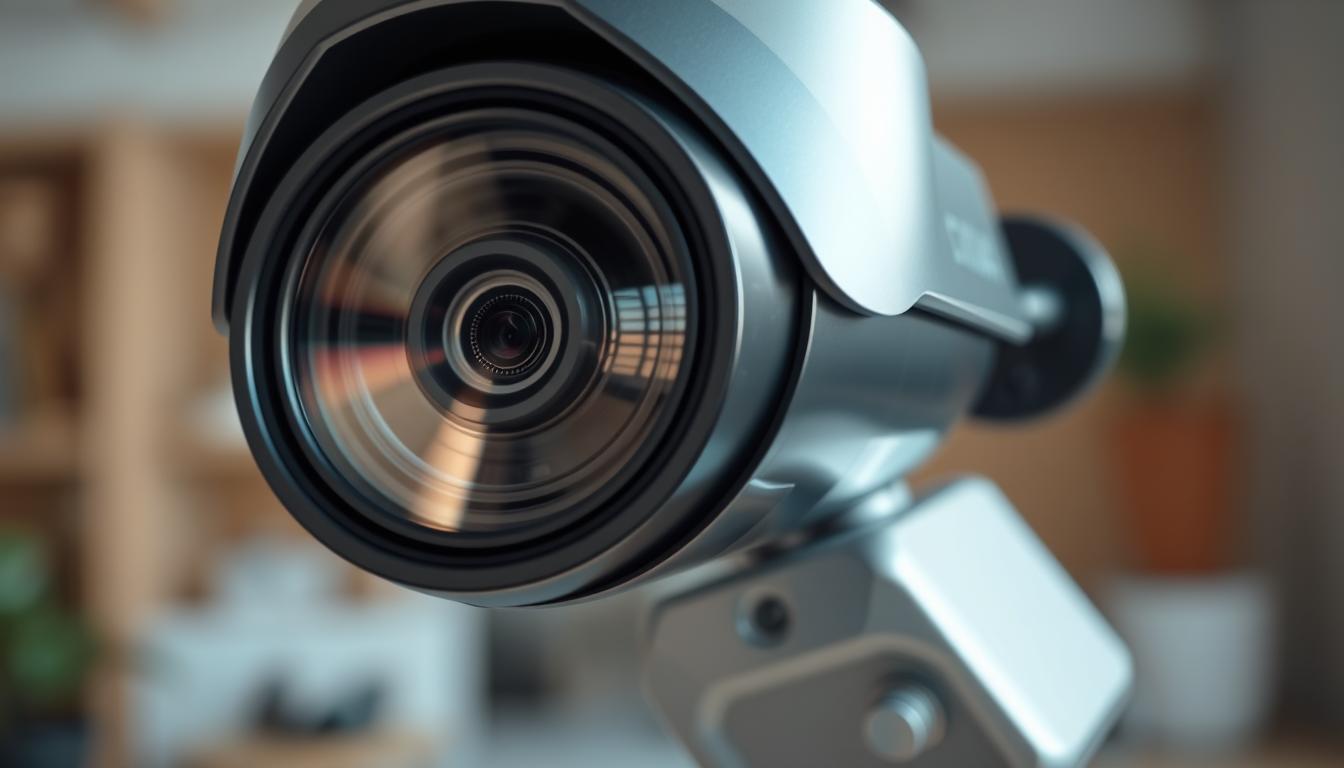
How do I know if my CCTV camera is good quality? A Guide
Choosing the right surveillance system for your property requires careful consideration. Whether protecting a home or business, the quality of your security cameras directly impacts their effectiveness.
Modern CCTV technology offers various features that enhance monitoring capabilities. High-resolution video, night vision, and weather resistance are essential factors to evaluate.
Understanding your specific security needs helps determine the best system. Consider image clarity, storage options, and remote access when selecting devices.
This guide explores key aspects of camera performance and reliability. We’ll help you make an informed decision for your Singapore property.
Key Takeaways
- Resolution standards significantly impact image detail and evidence quality
- Night vision capability is crucial for 24/7 surveillance effectiveness
- Durable construction ensures performance in Singapore’s weather conditions
- Smart features like motion alerts enhance security monitoring
- Professional installation often provides better long-term reliability
- Manufacturer reputation and support services matter for maintenance
- Balance between cost and essential features ensures value for money
Understanding Your Security Needs Before Choosing a CCTV
The foundation of any reliable security system lies in understanding your unique monitoring needs. Different properties require different approaches to surveillance.
Conducting a thorough assessment helps identify critical areas and potential vulnerabilities. This process ensures your investment delivers maximum protection.
Assessing Your Surveillance Objectives
Begin by defining your primary security goals. Are you protecting family members, monitoring employees, or supervising children?
Identify high-priority zones that need constant observation. Entry points, valuables storage, and high-traffic areas typically demand attention.
Consider whether you need indoor or outdoor coverage. Each environment presents different challenges for camera placement.
Residential vs. Commercial Requirements
Home security systems prioritize user-friendly operation and discreet design. They often cover smaller spaces like living rooms and gardens.
Commercial installations require robust performance and scalability. Businesses need extensive coverage and durability for long-term operation.
Enterprise-level systems must accommodate growth across multiple locations. They typically handle larger monitoring areas than residential setups.
Budget Considerations for Singapore Properties
Singapore’s property sizes directly influence security costs. Smaller apartments may need fewer cameras than landed houses.
Factor in both initial investment and ongoing expenses. Installation fees, maintenance, and potential upgrades affect total cost.
Consider subscription services for cloud storage or advanced features. These recurring costs impact long-term budgeting.
Tropical climate conditions demand weather-resistant equipment. This ensures reliable performance during Singapore’s rainy seasons.
Consulting security professionals provides tailored recommendations. Experts help balance features with budget constraints effectively.
Essential Features of High-Quality CCTV Cameras
Modern surveillance systems incorporate advanced technologies that deliver superior performance. These components work together to create reliable security solutions.
Understanding core specifications helps identify equipment that meets specific requirements. Key elements include visual precision, low-light operation, and intelligent monitoring capabilities.
Resolution Standards for Clear Identification
Image quality forms the foundation of effective surveillance. Higher resolution provides sharper details for accurate identification.
Modern systems offer 1080p, 2K, and 4K options. Each level delivers different clarity for capturing critical information.
4K resolution captures exceptional detail for facial recognition and license plate reading. This precision proves invaluable for evidence collection and investigation purposes.
Advanced Night Vision Capabilities
Round-the-clock protection requires reliable performance in darkness. Infrared technology enables clear monitoring without visible light.
Superior night vision systems maintain image quality throughout nighttime hours. They eliminate blind spots during critical monitoring periods.
Advanced options like Starlight Technology provide color images in low-light conditions. This enhancement improves object distinction and situational awareness.
Smart Detection Technology
Intelligent features automate security monitoring processes. Motion sensors trigger instant alerts when detecting activity.
These systems reduce manual oversight while maintaining comprehensive coverage. Real-time notifications keep users informed about important events.
Remote access enables viewing live feeds from smartphones or computers. This flexibility allows security management from any location.
Durable construction ensures reliable operation in challenging environments. Weather-resistant housing (IP66 rating) protects against Singapore’s tropical climate.
Vandal-proof designs incorporate reinforced materials for physical protection. These features maintain system integrity against tampering attempts.
Evaluating these components ensures selection of equipment that meets both immediate and future security needs. Proper feature assessment delivers peace of mind through robust performance.
How do I know if my CCTV camera is good quality?
Identifying superior surveillance equipment involves multiple evaluation factors. Technical specifications provide the foundation for assessment. Real-world testing reveals true capabilities. Manufacturer reliability ensures long-term satisfaction.
Evaluating Technical Specifications
Resolution standards form the cornerstone of visual clarity. Aim for 1080p or higher for detailed imaging. Frame rate affects motion capture smoothness.
Sensor type influences low-light performance significantly. Larger sensors typically deliver better image quality. These elements combine to create reliable surveillance footage.
Superior specifications translate to clearer evidence collection. They enable accurate identification of people and objects.
Testing Performance in Different Conditions
Environmental testing proves equipment reliability. Daylight operation should maintain clarity without glare. Low-light conditions test sensor sensitivity.
Complete darkness requires effective infrared illumination. Night vision range matters for coverage area. Some systems offer color imaging in darkness.
Weather resistance ensures consistent operation. Singapore’s tropical climate demands durable construction. Moisture and heat tolerance prevent system failures.
Reviewing Manufacturer Reputation and Support
Brand history indicates product reliability. Established companies like Hikvision offer proven solutions. Customer reviews reveal real-world performance.
Warranty coverage provides peace of mind. Three-year protection periods are common. Technical support availability resolves issues quickly.
Software updates maintain system security. Replacement part availability ensures long-term operation. These factors contribute to overall satisfaction.
“Investment in quality surveillance pays dividends in security and peace of mind.”
Smart features enhance monitoring efficiency. Motion detection should minimize false alerts. Mobile access enables remote viewing convenience.
Cost should reflect actual value received. Extremely low prices often indicate compromised quality. Balance budget constraints with essential features.
Ultimately, excellent surveillance equipment meets specific needs reliably. It performs consistently across various conditions. Strong manufacturer backing ensures lasting value.
Resolution and Image Clarity: The Foundation of Surveillance
The ability to capture clear, detailed imagery separates basic surveillance from professional-grade protection. Visual precision determines whether you can identify faces, read license plates, or discern important details in your security footage.
Understanding 1080p, 2K, and 4K Differences
Modern security systems offer multiple resolution standards. Each level provides different clarity for critical identification purposes.
1080p (Full HD) delivers 1920×1080 pixels. This resolution works well for most residential applications. It provides decent detail for general monitoring needs.
2K resolution (1440p) offers 2560×1440 pixels. This represents a significant upgrade from standard HD. The enhanced detail helps with identifying specific features.
4K Ultra HD provides 3840×2160 pixels – four times the detail of 1080p. This exceptional clarity proves invaluable for large areas. It captures fine elements that lower resolutions might miss.
Impact of Resolution on Evidence Collection
Higher resolution directly affects evidence quality. Clear footage enables accurate analysis of incidents. This becomes crucial for insurance claims or legal proceedings.
Superior resolution allows digital zoom without pixelation. Investigators can enlarge specific areas while maintaining clarity. This capability often makes the difference in identifying suspects.
License plate recognition requires adequate pixel density. Lower resolutions may not capture enough detail for accurate reading. Higher resolutions ensure critical information remains legible.
Optimal Resolution for Singaporean Environments
Singapore’s urban landscape presents unique monitoring challenges. Building density and lighting conditions influence resolution requirements.
Most residential properties find 1080p sufficient. Apartments and landed houses typically don’t require extreme detail. This resolution balances performance with storage needs.
Commercial spaces often benefit from 4K capability. Warehouses, parking lots, and retail stores need extensive coverage. Higher resolution ensures no detail gets missed across large areas.
Consider storage requirements when choosing resolution. Higher quality video consumes more space. Cloud solutions or local recorders must accommodate your chosen format.
Test cameras in actual Singapore conditions. High humidity and bright sunlight can affect image quality. Ensure your system maintains performance despite environmental factors.
Adjustable resolution settings offer flexibility. You can prioritize detail during critical periods. This approach optimizes both clarity and storage efficiency.
Night Vision Performance: Seeing in the Dark
Effective security doesn’t sleep when the sun goes down, making night vision capabilities crucial. Modern surveillance systems employ advanced technologies to maintain clear monitoring during darkness.
These features ensure continuous protection regardless of lighting conditions. Proper night vision transforms potential blind spots into fully monitored areas.
Infrared Technology Explained
Infrared technology represents the standard approach to nighttime surveillance. IR LEDs project invisible light that cameras detect and convert into visible footage.
This system typically produces monochrome images that provide clear outlines. The technology works effectively in complete darkness without visible light sources.
Infrared systems offer exceptional range and reliability in total darkness. They maintain consistent performance across various environmental conditions.
Color Night Vision vs. Traditional IR
Color night vision represents a significant advancement in low-light monitoring. Systems like Starlight Technology use advanced sensors to capture color images.
This technology provides better identification through color details. Clothing colors, vehicle paints, and other visual markers become distinguishable.
Traditional IR may offer longer range in complete darkness. Color vision excels in environments with some ambient light.
Singapore’s urban areas often have sufficient light for color night vision. This makes color capability particularly valuable for local security needs.
Testing Low-Light Capabilities
Evaluating night vision performance requires practical testing in actual conditions. Check the effective range specification, typically measured in feet or meters.
Test cameras during different darkness levels from dusk to complete night. Ensure smooth transition between day and night modes without manual intervention.
IR cut filters help maintain image quality during mode transitions. They reduce glare and prevent overexposure in changing light conditions.
Regular testing in your specific environment verifies actual performance. Backyards, alleyways, and poorly lit areas reveal true capabilities.
Key considerations for optimal night vision performance:
- Adjustable IR settings for customized illumination levels
- Automatic switching between color and IR modes
- Wide dynamic range (WDR) for mixed lighting scenes
- Weather resistance for Singapore’s tropical climate
- Minimum illumination specifications for low-light sensitivity
Superior night vision technology ensures 24/7 surveillance effectiveness. It captures critical details that might otherwise remain invisible after dark.
Investing in quality low-light capabilities provides peace of mind through continuous protection. The right system maintains vigilance when visibility challenges conventional monitoring.
Wired vs. Wireless CCTV Systems: Choosing Your Connection
The connection method you select for your surveillance setup significantly impacts performance and reliability. Each approach offers distinct advantages for different security scenarios.
Understanding these differences helps create an effective monitoring solution. Your choice affects installation complexity, ongoing maintenance, and long-term performance.

Reliability of Wired Camera Systems
Wired security systems provide exceptional stability through physical connections. They transmit data via cables rather than wireless signals.
This physical connection ensures consistent performance without interference. Network congestion or other devices won’t affect your surveillance feed.
Wired installations offer superior protection against hacking attempts. The direct connection eliminates wireless vulnerabilities that hackers might exploit.
Businesses and government facilities often prefer this approach. The enhanced security protects sensitive areas effectively.
Professional installation is typically necessary for wired setups. The cabling requires technical expertise for proper implementation.
Initial costs may be higher due to installation complexity. Large properties especially need careful planning for cable routing.
Flexibility of Wireless Installation
Wireless cameras connect through Wi-Fi rather than physical cables. This technology enables easy placement anywhere within signal range.
Repositioning devices becomes simple without wiring constraints. You can adapt your security coverage as needs change.
DIY enthusiasts often prefer wireless security systems. The setup process is generally straightforward and quick.
Performance depends heavily on your Wi-Fi signal strength. Walls, distance, and obstacles can affect connection quality.
Battery life is an important consideration for wireless devices. Choose models with long-lasting power or solar options.
Regular maintenance ensures continuous operation. Check batteries and connections periodically for optimal performance.
Singapore-Specific Connectivity Considerations
Singapore’s urban environment presents unique connectivity challenges. Building materials like concrete walls can weaken wireless signals.
Evaluate your property’s layout before choosing a system. Signal strength tests help determine optimal camera placement.
Internet reliability varies across different neighborhoods. Check your area’s network stability before committing to wireless.
Urban density means potential interference from neighboring networks. Dual-band Wi-Fi cameras help maintain stable connections.
Hybrid systems combine both wired and wireless technologies. This approach offers reliability for critical areas with flexibility elsewhere.
Consider these factors for Singaporean properties:
- Concrete construction’s impact on wireless signal penetration
- Internet service reliability in your specific location
- Network congestion in densely populated areas
- Weather conditions affecting outdoor equipment performance
- Professional assessment for optimal system design
Thorough evaluation ensures your security system meets local requirements. The right choice provides peace of mind through reliable surveillance.
Durability and Weather Resistance for Outdoor Protection
Outdoor surveillance equipment must withstand environmental challenges while maintaining reliable operation. Singapore’s tropical climate demands robust construction and specialized protection features.
These factors ensure continuous security coverage regardless of weather conditions. Proper equipment selection prevents system failures during critical monitoring periods.
IP Ratings and What They Mean
Ingress Protection ratings indicate equipment resistance to environmental elements. The two-digit code specifies protection levels against solids and liquids.
IP66 rating means complete dust protection and resistance to heavy rain. This level suits most outdoor installations in urban environments.
Higher ratings like IP68 provide submersion protection for extreme conditions. These are essential for flood-prone areas or marine applications.
Vandal-Proof Housing Features
Accessible installations require protection against physical tampering. Reinforced casings prevent damage from intentional impacts.
Tamper-resistant screws and impact-resistant materials deter criminal interference. Polycarbonate or steel construction maintains housing integrity.
These design elements ensure continuous operation in vulnerable locations. They protect both the equipment and collected evidence.
Material Quality for Tropical Climate Endurance
Singapore’s humidity and heat demand specific material considerations. Corrosion-resistant coatings prevent deterioration from moisture exposure.
UV protection prevents plastic components from degrading in sunlight. Heat dissipation mechanisms maintain optimal operating temperatures.
Aluminum and stainless steel offer superior durability in tropical conditions. High-grade plastics resist warping under temperature fluctuations.
Regular maintenance extends equipment lifespan in challenging environments. Lens cleaning and seal inspections prevent moisture ingress.
Quality construction reduces long-term replacement costs significantly. It ensures consistent performance despite environmental challenges.
“Weather-resistant design isn’t just about protection—it’s about maintaining surveillance integrity when it matters most.”
Additional features enhance performance in specific conditions. Sunshades reduce glare in brightly lit areas. Proper installation angles minimize direct weather exposure.
Testing certifications verify real-world performance capabilities. Look for equipment tested in similar tropical environments.
Investing in durable security systems provides peace of mind through reliable operation. The right equipment withstands Singapore’s climate while delivering consistent protection.
Installation and Usability: Setting Up for Success
Proper implementation transforms security equipment into an effective monitoring solution. The setup process and interface design determine how easily you can manage your surveillance system.
Thoughtful installation ensures optimal camera performance and coverage. User-friendly interfaces make security management accessible for all experience levels.
DIY Installation Considerations
Many modern security devices offer straightforward do-it-yourself setup options. These systems typically include clear instructions and pre-configured settings.
Tool-free mounting simplifies the installation process significantly. Wireless cameras eliminate complex wiring requirements.
DIY approaches provide substantial cost savings compared to professional services. They also offer flexibility in camera placement and timing.
Basic technical skills may be necessary for optimal configuration. Network setup and drilling might require some experience.
Maximum coverage can be challenging without professional assessment. Strategic placement ensures no blind spots in your security coverage.
Professional Installation Benefits
Expert installation guarantees optimal camera positioning and alignment. Professionals assess your property’s specific security needs thoroughly.
Complex wiring for wired systems requires technical expertise. Integration with existing security infrastructure enhances overall protection.
Professional services ensure proper configuration for all security devices. This approach delivers peace of mind through expert implementation.
Initial costs are higher than DIY options. The investment often pays off through superior performance and reliability.
User Interface and Mobile Access
Intuitive design makes security management straightforward for all users. Mobile applications provide convenient access to live feeds and recordings.
Remote monitoring enables real-time alerts and system control from anywhere. Smartphone compatibility ensures constant connection to your security system.
Cloud storage offers convenient footage management without local hardware. Subscription services provide flexible storage options.
Local storage through NVRs represents a one-time investment alternative. Both options have advantages for different user needs.
Testing interfaces before purchase ensures they meet your expectations. Demos and reviews help evaluate system usability.
Singapore users should consider internet requirements for cloud features. High-quality video streaming demands robust connectivity.
Regularly check your CCTV status to ensure continuous protection. Proper setup and user-friendly design enhance daily security management.
Well-configured systems make incident response more efficient over time. The right balance of installation method and interface design creates effective surveillance solutions.
Evaluating CCTV Brands and Models for Singapore Homes
Selecting the right security equipment involves careful brand evaluation. Established companies like Hikvision and Dahua offer reliable products with strong warranties.
These brands provide comprehensive three-year coverage and technical support. Local service centers in Singapore ensure quick repairs when needed.
Customer reviews reveal real-world performance in tropical conditions. Look for feedback about durability and ease of use.
Prioritize features like high resolution and smart detection capabilities. User-friendly interfaces make monitoring accessible for all family members.
Consult security experts for personalized recommendations. They can suggest models that integrate well with your home’s layout.
Testing demo units provides hands-on experience before purchase. This ensures the system meets your specific security needs.
Investing in quality technology from reputable brands delivers long-term value. It provides peace of mind through reliable protection.
FAQ
What resolution should I look for in a CCTV camera?
For clear identification, aim for at least 1080p resolution. Higher resolutions like 2K or 4K provide more detail, which is crucial for evidence collection in both residential and commercial settings.
How important is night vision for home security cameras?
Extremely important. Quality night vision ensures your system remains effective after dark. Look for cameras with infrared technology or color night vision for better clarity in low-light conditions.
Should I choose wired or wireless CCTV systems?
Wired systems offer reliable performance with consistent power and video transmission. Wireless cameras provide easier installation and flexibility but may depend on Wi-Fi stability. Consider your property’s layout and connectivity needs.
What features help cameras withstand Singapore’s weather?
Look for high IP ratings (IP66 or higher) indicating dust and water resistance. Vandal-proof housing and materials designed for tropical climates ensure long-term durability and performance.
How can I test my camera’s performance before committing?
Review technical specifications carefully and check sample footage. Test the camera in different lighting conditions and verify motion detection accuracy. Reputable brands often provide better support and reliability.
Are professional installation services worth the investment?
Professional installation ensures optimal camera placement, proper setup, and system integration. While DIY options exist, experts can maximize your surveillance coverage and system performance.
What smart detection features should I prioritize?
Look for motion detection with person/vehicle recognition, real-time alerts, and integration with mobile apps. These features reduce false alarms and provide more relevant security notifications.
How does camera resolution impact storage needs?
Higher resolution footage requires more storage space. Consider systems with efficient compression technology or cloud storage options to maintain video quality while managing storage costs.


