
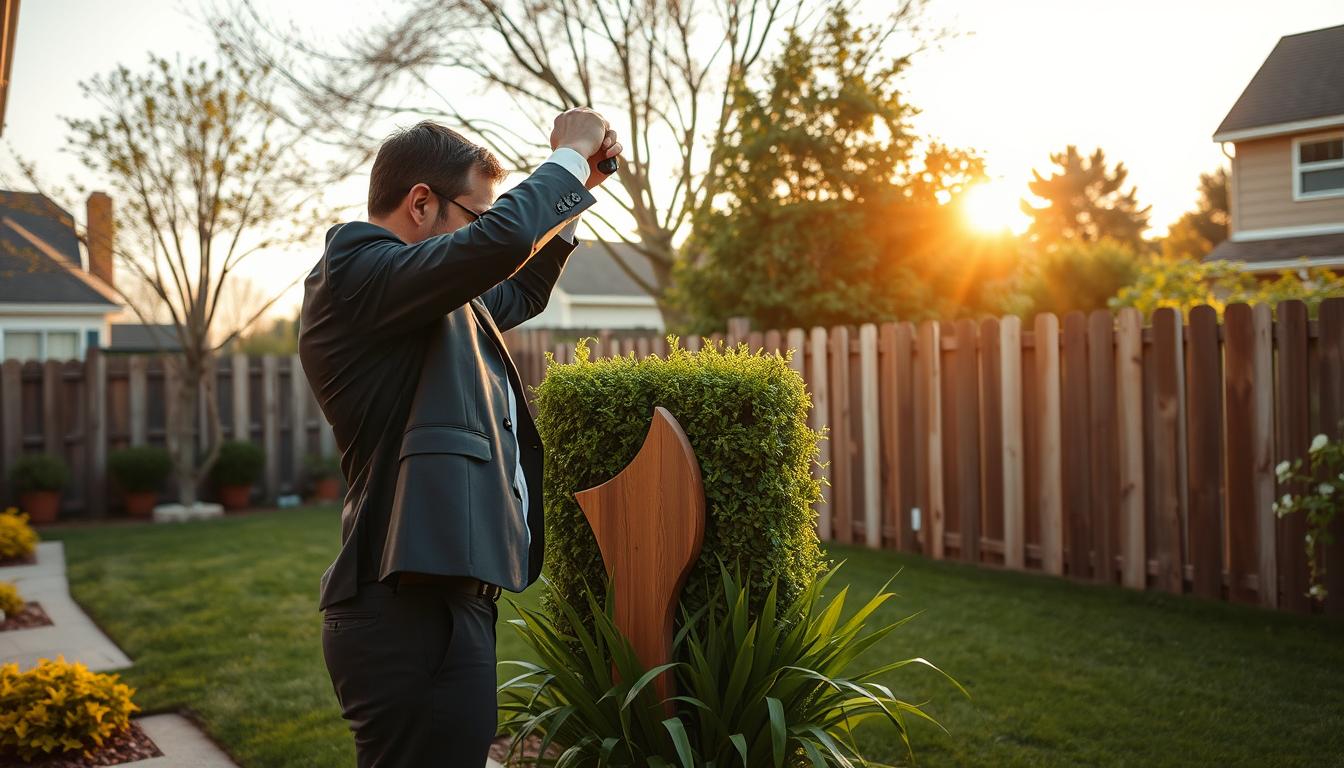
How do I block my neighbors camera? Effective Methods
Feeling watched in your own home creates significant stress. Many Singapore residents face this unsettling reality when a neighbor’s security camera points toward their private space. The constant surveillance can erode your sense of comfort and security.
This guide provides a comprehensive, step-by-step approach to reclaiming your privacy. We focus on legal, effective, and practical methods. The goal is to help you achieve peace of mind without escalating neighborhood tensions.
Understanding Singapore’s specific legal landscape is crucial. The balance between personal security and respect for others’ rights must be maintained. This article explores that balance in detail.
We emphasize communication as the essential first step. Direct, respectful dialogue often resolves concerns before they grow. If that fails, numerous on-property solutions exist.
Physical barriers like strategic plantings or privacy films offer discreet protection. Each option has considerations for effectiveness and local regulations. The methods chosen must always remain lawful.
Our guide walks you from initial assessment to final resolution. You’ll learn about DIY solutions and formal mediation pathways. The ultimate aim is restoring your fundamental right to feel secure at home. For detailed legal guidance, explore our resource on blocking a neighbor’s camera legally.
Key Takeaways
- Open communication with your neighbor is the recommended first action.
- Singapore has specific privacy laws governing surveillance equipment use.
- Physical barriers on your property can legally obstruct unwanted camera views.
- Legal consultation is advisable before taking any obstructive measures.
- The goal is to protect your privacy while maintaining neighborhood harmony.
- Various practical solutions exist, from landscaping to window treatments.
- Documenting the intrusion can be helpful if formal mediation becomes necessary.
Understanding Surveillance Laws in Singapore
Singapore’s urban landscape includes approximately one million surveillance devices monitoring public and private spaces. This widespread use makes legal knowledge essential for homeowners. Understanding these regulations provides a foundation for addressing any privacy concerns effectively.
Several key laws and guidelines govern where cameras can point and what they can record. These rules help balance individual security needs with collective privacy rights. Knowing them empowers residents to take appropriate action.
The Personal Data Protection Act (PDPA) and CCTV
The Personal Data Protection Act (PDPA) establishes crucial boundaries for surveillance. It regulates how personal data, including footage from CCTV cameras, is collected and used. This law applies to most organizations and individuals operating such devices.
Under the PDPA, those installing security cameras must have legitimate purposes. They should notify people about surveillance in the area whenever possible. The Act also limits how long video recordings can be retained.
These guidelines ensure that security measures don’t override personal privacy. They create a framework for responsible use of monitoring technology. Violations can lead to investigations and potential penalties.
HDB Flats: Specific Rules for Corridor-Facing Cameras
HDB regulations allow residents to install CCTV cameras in their private flats without prior approval. However, recent updates have clarified rules for corridor-facing devices. These changes reflect evolving security needs and privacy expectations.
Residents no longer need HDB approval first for corridor-facing cameras. Despite this relaxation, fundamental privacy protections remain. Cameras must not point directly at a neighbor’s windows or doors.
The equipment should only monitor the immediate vicinity of the resident’s own front door. Capturing private spaces inside neighboring units violates these guidelines. This balance maintains both security and respect for others.
Common Property vs. Private Property: What You Can Control
Understanding property boundaries is critical for addressing surveillance issues. Common property includes shared areas like corridors, lift lobbies, and void decks. Private property refers to your individual flat and any designated personal space.
This distinction determines where you can install barriers and where authorities have jurisdiction. Town Councils can remove unauthorized cameras installed on common property. They manage these shared spaces for all residents’ benefit.
On your private property, you generally have more freedom to implement solutions. You can use various methods to obstruct unwanted views into your home. These actions must still comply with broader building and safety regulations.
The Community Disputes Resolution Act offers another relevant legal pathway. It provides formal mechanisms for resolving neighbor disputes about perceived intrusions. This includes conflicts arising from surveillance equipment placement.
Legal compliance represents a two-way street in residential settings. Your neighbor has legitimate security interests to protect their home. You maintain fundamental privacy rights within your own living space.
The law helps mediate this balance between competing concerns. It provides clear standards for what constitutes acceptable surveillance. These standards help maintain neighborhood harmony while addressing legitimate safety issues.
Your Legal Rights Regarding Privacy and Neighbor Cameras
Your home is your sanctuary, a place where you have a fundamental right to feel secure and unobserved. This right forms the cornerstone of privacy laws that balance personal security with respect for others.
Understanding these rights empowers you to address surveillance concerns confidently. It helps you distinguish between a neighbor’s legitimate safety measures and actions that overstep legal boundaries.
The Right to Privacy Within Your Own Home
The law recognizes a reasonable expectation of privacy in specific areas. This legal concept applies to spaces where you should not be observed by others.
Bedrooms, bathrooms, and private yards typically hold this protected status. Inside your flat, you have the strongest claim to this expectation. The concept extends to activities within these private zones.
This expectation is not absolute but is a powerful legal shield. It means that while someone can install devices for their security, they cannot systematically monitor your private life.
When a Security Camera Becomes an Invasion of Privacy
A clear line exists between legitimate monitoring and intrusive surveillance. A device capturing public areas like a shared corridor is generally legal.
Problems arise when a lens is angled into your windows or dedicated to watching your activities. If a camera zooms in on your private spaces, it may constitute an invasion.
Here are key indicators that a device has crossed the line:
- Its primary camera view is directed at your windows, balcony, or private yard.
- It captures video of areas where you have a reasonable expectation of privacy.
- The monitoring feels systematic, like tracking your daily routines.
Negligent or intentional invasions can have serious legal consequences. Documenting the camera angles and the specific private areas they capture is crucial evidence.
Potential Legal Avenues: The Community Disputes Resolution Act
Singapore’s Community Disputes Resolution Act (CDRA) provides a structured framework for resolving these conflicts. It offers a formal pathway before considering costly litigation.
The CDRA emphasizes mediation and community-based solutions for neighbor disputes, including those arising from intrusive surveillance.
This process can lead to several practical outcomes. A mediator may help negotiate an agreement for the camera to be adjusted. In some cases, an order for its removal might be issued.
The Act reinforces that while security is a right, it does not override another person’s right to protect privacy in their own home. Knowing this option exists provides peace of mind and a clear course of action if dialogue fails.
Assessing your situation against these legal standards is the first step. It helps determine if you’re facing a minor nuisance or a legally actionable infringement. This knowledge is your foundation for all subsequent steps, including finding a legal solution.
The First and Best Step: Talking to Your Neighbor
Addressing surveillance concerns begins with a simple yet powerful approach: open dialogue. Many disputes find resolution through respectful communication between residents.
This method preserves neighborly relations and often yields the fastest results. It demonstrates good faith and a desire for peaceful coexistence.
How to Approach the Conversation Calmly and Effectively
Timing and tone matter greatly when initiating this discussion. Choose a moment when both parties appear relaxed and available.
Begin by acknowledging their legitimate security needs. Frame your concerns using “I” statements to avoid sounding accusatory.
For example: “I understand you want to feel secure, and I appreciate that. I’ve noticed your camera’s view includes my private balcony area.”
Active listening proves crucial during this exchange. Your neighbor may explain their perspective or specific safety concerns.
This understanding helps identify solutions that protect everyone’s interests. Remain calm and focused on finding common ground.
Proposing Mutually Acceptable Solutions
After expressing concerns, suggest practical adjustments. These options should address both security and privacy needs.
Several mutual solutions often work well:
- Adjust the camera angle: Request a slight repositioning to exclude your private spaces.
- Install a privacy shield: Suggest adding a physical barrier on their device to block specific views.
- Modify recording schedules: Propose limiting motion-activated recording to nighttime hours only.
- Use digital masking: Many modern systems allow blurring of specific areas in the footage.
Present these as collaborative ideas rather than demands. Emphasize how they maintain security while respecting boundaries.
This cooperative approach fosters community spirit. It transforms a potential conflict into a problem-solving partnership.
Documenting the Discussion for Future Reference
Keep a simple record of your conversation and any agreements made. This documentation serves as valuable evidence if issues persist.
Note the date, time, and key points discussed. Include specific solutions proposed and any commitments from either party.
A written record clarifies understanding and prevents future misunderstandings about what was agreed upon.
If the neighbor agrees to adjustments, note the timeline for implementation. Follow up politely if changes don’t occur as discussed.
Should the initial conversation prove unsuccessful, your notes become essential. They demonstrate your reasonable attempts at resolution.
This prepares you for potential next steps involving third parties. Documentation shows you pursued peaceful solutions first.
Most privacy concerns resolve through this direct communication path. It’s the most effective way to restore peace of mind for everyone involved.
How Do I Block My Neighbors Camera? Legal On-Property Methods
Taking control of your outdoor space through strategic modifications can effectively shield your home from unwanted observation. These approaches work by creating physical obstacles that interrupt the line of sight. They are completely legal when implemented within your property boundaries.
Each option offers different benefits in terms of cost, maintenance, and aesthetics. You can select methods that match your budget and DIY skills. The goal is to restore your sense of security while respecting community guidelines.
Planting Tall, Fast-Growing Trees and Shrubs
Natural greenery provides beautiful, living barriers against surveillance devices. Certain species thrive in Singapore’s tropical climate and grow rapidly. They create dense foliage that blocks views into your private areas.
Bamboo varieties like Bambusa multiplex form excellent visual screens. Their tall, clustered stems develop quickly into effective privacy walls. Broad-leafed shrubs such as Ficus microcarpa also offer year-round coverage.
Strategic placement maximizes their protective function. Position plants directly in the sightline of the problematic camera. Consider both current height and future growth patterns when planning.
These living solutions enhance your property’s beauty while solving privacy concerns. They require regular watering and occasional trimming. Always check HDB guidelines regarding plant placement on balconies or corridors.
Installing Privacy Fences, Screens, and Trellises
Man-made structures deliver immediate visual separation from neighboring properties. They come in various materials suited to different budgets and styles. Each option has distinct advantages for residential settings.
Wooden lattices and vinyl panels are popular for their durability. Composite materials resist weathering and require minimal upkeep. Fabric screens provide lightweight, temporary alternatives for rental units.
Proper installation ensures your barrier withstands Singapore’s frequent rain and wind while maintaining its protective function.
Height regulations may apply, especially for ground-floor residences. Most HDB guidelines allow reasonable partitions for personal space. The structure should not obstruct emergency access routes or common walkways.
These permanent fixtures can transform your balcony or patio into a secluded retreat. They work well when combined with climbing plants for added density. The investment often increases your outdoor living enjoyment beyond just privacy protection.
Using Outdoor Curtains, Shades, or Shade Sails
Fabric-based solutions offer flexibility and style for urban homes. They can be drawn closed when needed and opened to enjoy the view. This adaptability makes them ideal for Singapore’s compact living spaces.
Outdoor curtains made from weather-resistant polyester block sightlines effectively. Shade sails in geometric shapes create modern architectural interest. Bamboo roll-ups provide natural texture and adjustable coverage.
Installation typically requires mounting rods or tension cables. Many systems are designed for DIY assembly with basic tools. They allow you to create private zones without permanent alterations.
These elements serve multiple functions beyond privacy screening. They reduce heat gain and glare while defining your outdoor room. Choosing colors and fabrics that complement your home enhances overall aesthetics.
All these methods share a common principle: working within your legal rights. They demonstrate that practical solutions exist for common urban challenges. Your personal space can become both more private and more enjoyable through thoughtful design.
Architectural and Decorative Barriers for Privacy
Creative structural additions can simultaneously enhance your living environment and shield it from surveillance. These permanent or semi-permanent solutions offer dual benefits that improve your property’s value while addressing privacy concerns.
Architectural barriers transform your outdoor areas into more functional, beautiful spaces. They provide lasting protection against unwanted observation from neighboring security devices. This approach represents an investment in both your comfort and your home’s appeal.
Building a Pergola, Gazebo, or Garden Structure
Permanent outdoor structures create defined, private zones within your property. A pergola with climbing plants or a fully enclosed gazebo offers shaded sanctuary from prying lenses. These features add architectural interest while serving practical privacy functions.
Planning considerations differ between HDB estates and private properties. Most residential developments allow reasonable structures that don’t obstruct common areas. Always check specific guidelines regarding size, materials, and placement before construction begins.
Proper planning ensures your structure meets both regulatory requirements and privacy needs. Consider the camera’s sightline when determining the optimal location and dimensions. A well-placed pergola can block the view into your patio or balcony completely.
These installations require initial investment but deliver long-term value. They create inviting outdoor living spaces for relaxation and entertainment. Your enhanced property becomes more enjoyable while maintaining necessary seclusion from neighbors.
Strategic Placement of Sheds, Storage Boxes, or Art
Large, static objects can function as effective “focal point barriers” against surveillance. A strategically positioned garden shed or decorative screen interrupts a camera’s line of sight. This method utilizes existing or planned features for privacy protection.
Consider these placement strategies for maximum effectiveness:
- Position tall storage units directly between the camera and your private areas
- Use ornate sculptures or vertical garden panels as artistic obstructions
- Arrange large planters in clusters that create visual blocks
- Install decorative lattice panels that allow airflow while obscuring views
Measuring the exact sightline from the neighbor’s device helps determine proper placement. The barrier must be sufficiently tall and wide to cover the targeted space. This approach maintains your property’s aesthetic while solving privacy issues.
These solutions work particularly well for ground-floor residences with outdoor areas. They offer flexibility since objects can be repositioned if camera angles change. Your outdoor space remains functional and attractive while gaining necessary protection.
Utilizing Reflective Window Films and Tinting
Window treatments provide immediate, effective protection for interior spaces. Reflective films act like one-way mirrors during daylight hours, preventing cameras from seeing inside. At night, these same films maintain privacy when interior lights are on.
Several film types address different privacy and light control needs:
- Reflective films: Mirror-like exterior appearance that blocks outward visibility
- Frosted or opaque films: Complete visual barrier while allowing light transmission
- Tinted films: Reduce glare and heat while providing moderate privacy
- Decorative films: Patterned designs that obscure views aesthetically
Professional installation ensures proper adhesion and maximizes the film’s effectiveness across Singapore’s humid climate conditions.
Application typically involves cleaning the glass surface thoroughly before applying the adhesive film. Many homeowners complete this as a DIY project with basic tools. The result transforms vulnerable windows into effective privacy barriers.
These films maintain natural light and ventilation while preventing visual intrusion. They represent a cost-effective solution for bedrooms, bathrooms, and living areas. Your home gains enhanced comfort without the feeling of being observed.
All these architectural methods share a common advantage: they permanently address privacy concerns. Unlike temporary measures, these investments continue protecting your space for years. They demonstrate that practical solutions can also enhance your property’s value and enjoyment.
Strategic use of illumination and smart devices can create effective barriers against unwanted camera observation. Modern technology offers several legitimate ways to enhance your home‘s privacy. These methods work within Singapore’s legal framework while providing effective protection.
Using Light and Technology to Your Advantage
Illumination and electronic devices offer smart solutions for residential privacy concerns. When deployed correctly, they can disrupt unwanted surveillance without confrontation. This approach respects both your rights and community harmony.
Installing Motion-Activated Floodlights
Properly aimed lights serve as a powerful defensive tool against nighttime surveillance. Motion-activated floodlights installed on your property can create lens flare on a neighboring camera. This glare effectively washes out the video image without direct interference.
Position these lights to illuminate your own yard or entrance area. Ensure they activate only within your property boundaries. The sudden brightness can obscure a camera‘s view while serving legitimate security purposes.
Smart lighting systems add another layer of control. You can program them to activate in patterns that disrupt detection without appearing aggressive. This technological solution maintains your home‘s safety while protecting privacy.
“Floodlights aimed within your property lines provide dual benefits: enhanced security for your home and a legal method to obscure intrusive camera views.”
Understanding the Limits of Infrared and Laser Pointers
Some online sources suggest using infrared LEDs or laser pointers against security cameras. These methods are dangerous and illegal in Singapore. They can damage camera sensors and constitute vandalism.
Infrared jamming devices interfere with legitimate security systems. Using them violates Singapore’s law regarding electronic interference. Such actions could lead to police reports and serious legal consequences.
Laser pointers aimed at cameras may cause permanent sensor damage. This constitutes destruction of property under the Penal Code. The legal risks far outweigh any temporary privacy benefit.
These aggressive approaches often escalate conflicts rather than resolve them. They may prompt your neighbors to install additional surveillance devices. Always choose options that stay within legal boundaries.
Considering Your Own CCTV with Privacy Masking Features
A proactive technological solution involves installing your own privacy-conscious camera system. Modern security cameras include features that respect others‘ privacy. These systems demonstrate your commitment to security without invading neighboring spaces.
The Aqara Camera Hub G5 Pro offers advanced “privacy masking” capabilities. This feature allows you to digitally block specific areas from your camera‘s view. You can electronically obscure a neighbor’s windows while monitoring your property.
Similarly, the Aqara Video Doorbell G4 includes customizable activity zones. These zones focus detection on your doorway while ignoring adjacent areas. Such devices provide evidence if needed while maintaining community respect.
Having your own security system creates a strategic deterrent. It shows you take protection seriously without compromising others‘ rights. This balanced way addresses concerns while fostering neighborhood trust.
Consult a lawyer specializing in privacy law if considering technological solutions. They can advise on compliant installation and usage. This ensures your approach aligns with Singapore’s regulatory framework.
Technological options provide smart ways to address surveillance concerns. They offer effective protection while maintaining legal compliance. The right solution enhances both your privacy and community relationships.
Indoor Privacy Solutions Against Prying Lenses
Creating a private sanctuary inside your residence requires practical measures against external observation. Interior spaces need specific protection when facing potential surveillance from nearby properties. These indoor methods offer immediate relief and restore your sense of control.
Implementing these solutions is often quicker than exterior modifications. They directly address the concerns about cameras pointing toward your windows. Your living areas become secure zones for personal activities.
Choosing the Right Blackout Curtains or Blinds
Blackout window treatments provide complete visual blockage from outside view. They create an impenetrable barrier against prying cameras. Selecting the proper materials ensures maximum effectiveness for your privacy needs.
PVC-backed polyester fabrics offer excellent light and visibility blockage. These materials prevent any external observation into your living space. Proper mounting extends beyond the window frame to eliminate side gaps.
Consider these practical installation tips:
- Measure window dimensions precisely, adding extra width for full coverage
- Choose ceiling-mounted tracks for floor-to-ceiling protection
- Select double-layered systems with sheer inner curtains for daytime use
- Maintain fabrics regularly to preserve their light-blocking properties
Top-down blinds represent a smart compromise for maintaining natural light. They cover the lower portion of windows where most surveillance occurs. This option allows sunlight while blocking critical views into your home.
“Blackout curtains transform vulnerable windows into secure visual barriers, instantly restoring privacy in any room facing external cameras.”
Rearranging Furniture and Interior Layouts
Strategic interior redesign can effectively block camera views into your personal areas. This approach uses existing furnishings as protective barriers. It requires no additional investment beyond thoughtful planning.
Move beds, desks, and seating areas away from vulnerable windows. Position tall bookshelves or storage units between glass surfaces and your activity zones. This creates natural visual blocks against external observation.
Large indoor plants serve dual purposes as decorative elements and privacy screens. Their foliage obscures sightlines while enhancing your living environment. This method addresses concerns without making permanent changes.
Consider these effective placement strategies:
- Angle furniture to create diagonal barriers against straight-line views
- Use room dividers or folding screens for flexible protection
- Position entertainment units or cabinets as full-height barriers
- Create layered arrangements with multiple obstructing elements
This approach maintains your home‘s functionality while solving privacy issues. It represents one of the simplest ways to regain control over your personal space.
Applying Frosted Glass Films for Bathroom and Bedroom Windows
Frosted window films provide essential protection for your most private areas. Bathrooms and bedrooms demand absolute visual security from external devices. These applications block all visibility while maintaining natural light transmission.
Several film types address different privacy and aesthetic needs. Frosted finishes create a translucent barrier that diffuses light beautifully. Patterned designs add decorative elements while obscuring views completely.
Opaque films deliver maximum security for sensitive locations. They ensure no video capture can penetrate these protected windows. This solution is particularly crucial for ground-floor units in Singapore’s dense housing.
Professional installation guarantees proper adhesion in Singapore’s humid climate. The process involves thorough glass cleaning before applying the adhesive film. Many homeowners successfully complete this as a DIY project with basic tools.
These films maintain ventilation while preventing visual intrusion. They represent a cost-effective solution for bedrooms, bathrooms, and living areas. Your home gains enhanced comfort without the feeling of being observed.
All these indoor methods share immediate implementation advantages. Unlike exterior modifications, they require no regulatory approvals. They restore your fundamental right to peace and safety within your personal sanctuary.
What Not to Do: Illegal Actions and Their Consequences
The desire for immediate relief from surveillance may tempt you toward unlawful measures. This approach transforms a privacy concern into a legal violation. Understanding prohibited actions protects you from serious repercussions.
Singapore’s legal framework clearly defines boundaries for addressing neighbor disputes. Crossing these lines undermines your position and moral standing. It can convert you from someone seeking help into someone facing charges.
Tampering, Vandalism, and Destruction of Property
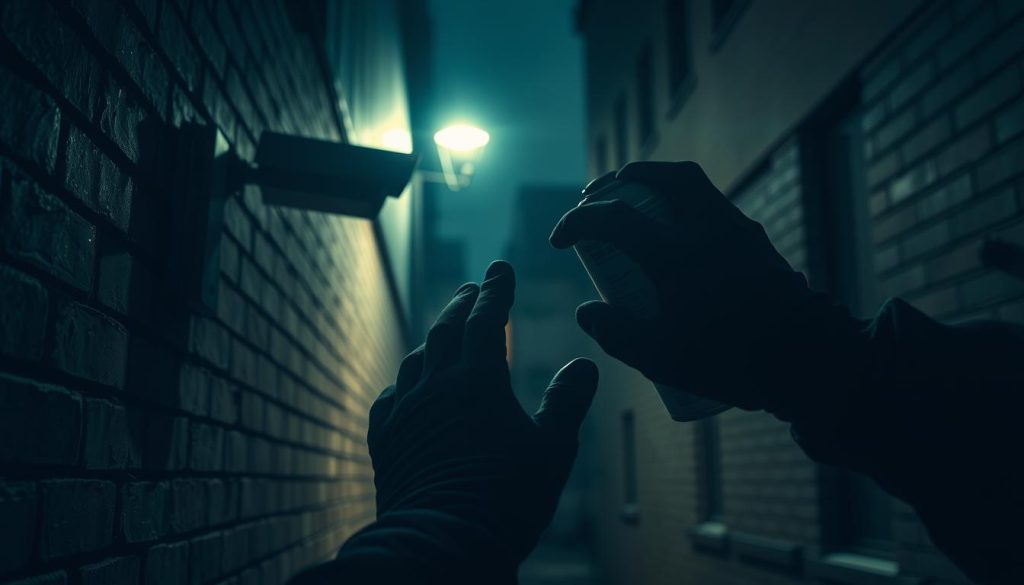
Any physical interference with another person’s security camera constitutes vandalism under Singapore law. This includes spraying paint, using laser pointers, or cutting wires. These actions damage private property and violate the Penal Code.
Vandalism charges carry severe penalties regardless of your justification. The law views these acts as destruction of another’s security system. Your frustration does not provide legal defense for such behavior.
Damaging equipment escalates conflicts rather than resolving them. It may prompt your neighbor to install additional surveillance devices. This creates a cycle of retaliation that benefits no one.
Touching or disabling a camera installed on another’s property is strictly prohibited. Even temporary interference qualifies as tampering. The police treat these incidents seriously when reported.
The Illegality of Camera Jammers and Signal Blockers
Radio frequency jammers and GPS blockers represent another prohibited category. These devices interfere with legitimate communications and security systems. Singapore’s Infocomm Media Development Authority (IMDA) bans their possession and use.
Jammers disrupt wireless signals that security cameras use for operation. They prevent legitimate video transmission and detection functions. Using them violates regulations protecting electronic communications.
“Signal jamming devices are illegal in Singapore as they interfere with authorized radio communications. The IMDA takes strict enforcement action against such violations.”
These devices pose risks beyond your immediate dispute. They can affect emergency services and other critical systems. The legal risks far outweigh any temporary privacy benefit.
Purchasing or operating jammers invites investigation and prosecution. Authorities monitor for such interference across Singapore. This solution creates more problems than it solves.
Potential Repercussions: Fines, Lawsuits, and Police Reports
Illegal actions trigger multiple consequences that impact your life significantly. Financial penalties represent just the beginning of potential troubles. Understanding these outcomes helps you avoid catastrophic mistakes.
Substantial fines await those convicted of vandalism or using prohibited devices. These penalties can reach thousands of dollars depending on damage severity. A criminal record creates lasting difficulties for employment and travel.
Civil lawsuits present another serious consequence. Your neighbor can sue for property damage and system replacement costs. Court judgments may include compensation for emotional distress.
Police reports documenting your actions become permanent records. These reports affect future interactions with authorities regarding any dispute. They undermine your credibility when seeking help from Town Councils or mediators.
The Community Disputes Resolution Act may issue orders against you. These orders could require compensation or specific behavior changes. They represent official recognition of your violation.
Illegal activity destroys neighborhood peace and community trust. It makes reconciliation virtually impossible. Your home becomes a site of ongoing tension rather than safety.
Contrast these outcomes with the legal options presented earlier. Physical barriers, window films, and proper lighting offer effective solutions. These methods protect your privacy without legal jeopardy.
Consulting a lawyer provides clarity before taking any action. Legal professionals explain your rights and the proper way to address concerns. This guidance prevents missteps with lasting consequences.
Your home should provide peace and safety, not legal troubles. Choosing lawful methods maintains your position as someone seeking reasonable solution. This approach preserves relationships while addressing legitimate privacy views.
When Dialogue Fails: Seeking Mediation and Third-Party Help
Seeking third-party assistance represents a responsible escalation when neighborly discussions reach an impasse. Formal channels exist to address persistent privacy concerns without creating conflict. These structured approaches help maintain community harmony while protecting your rights.
Engaging Your Town Council or Housing Board
Your Town Council manages common areas in HDB estates where many surveillance issues arise. They have jurisdiction over corridors, lift lobbies, and other shared spaces. This authority allows them to address cameras improperly placed on common property.
For flats, the Housing & Development Board (HDB) enforces by-laws governing resident behavior. They can intervene when a neighbor’s camera violates privacy guidelines. Filing a formal complaint with evidence initiates their review process.
Compelling evidence strengthens your case with these authorities. Take clear photos showing the camera’s angle toward your private space. Maintain a log documenting dates and specific privacy violations.
Include copies of your previous communication attempts. This demonstrates your good faith efforts at resolution. The authorities appreciate residents who first try peaceful solutions.
Utilizing Community Mediation Centre Services
The Community Mediation Centre (CMC) offers a valuable alternative to formal complaints. This government-supported service provides neutral, confidential mediation for neighbor disputes. Trained mediators facilitate discussions between parties to find voluntary agreements.
Applying for CMC mediation is straightforward through their website or hotline. The process begins with an intake assessment of your situation. If suitable, both parties are invited to participate in scheduled sessions.
Mediation sessions create a safe space for expressing concerns. The mediator helps identify common ground and practical solutions. This collaborative approach often preserves relationships better than adversarial methods.
“Mediation empowers neighbors to craft their own solutions with professional guidance, leading to more sustainable outcomes than imposed decisions.”
The CMC’s services are free or low-cost for Singapore residents. This makes professional mediation accessible to everyone facing privacy issues. Many find this process restores peace of mind more effectively than confrontation.
The Role of a Landlord in Private Rental Disputes
Tenants have specific options when dealing with surveillance concerns. Your landlord holds contractual responsibility for ensuring peaceful enjoyment of the property. They can address issues with neighboring tenants or property owners.
Review your tenancy agreement for clauses about privacy and quiet enjoyment. Most contracts require landlords to maintain reasonable living conditions. Persistent surveillance from adjacent properties may violate these terms.
Formally notify your landlord about the privacy concerns in writing. Provide the same evidence you would present to other authorities. Request their intervention as the property owner or managing agent.
Landlords often have more leverage with neighboring property owners. They can escalate matters through proper channels that tenants cannot access directly. This makes them crucial intermediaries in rental disputes.
If the camera-owning neighbor is also a tenant, both landlords can coordinate a solution. Property managers frequently resolve such issues to maintain good relations between units. This approach addresses concerns while respecting everyone’s rights.
Seeking help through these channels is not a sign of failure. It represents the next logical step in responsible conflict resolution. These structured methods provide clear pathways toward restoring your privacy and peace.
Formal Reporting of Unapproved Surveillance Activities
Building a compelling case for authorities involves methodical evidence collection and understanding jurisdictional boundaries. When dialogue fails to resolve privacy intrusions, formal reporting provides a structured pathway. This process transforms personal concerns into matters that regulatory bodies can officially address.
Successful reports depend on thorough documentation and proper channel selection. Different agencies handle specific aspects of surveillance disputes. Knowing which authority to approach saves time and increases your chances of a favorable outcome.
Gathering Essential Evidence: Photos, Logs, and Angles
Documentation forms the foundation of any formal complaint. Authorities require clear, objective evidence before taking action. Your records should demonstrate a pattern of intrusion rather than isolated incidents.
Begin with photographic proof from inside your home. Capture images showing the camera‘s position relative to your windows. Include date and time stamps to establish a timeline.
Create simple diagrams illustrating the line of sight. These visual aids help investigators understand the camera‘s angle. Mark your private areas and the device’s field of view clearly.
Maintain a detailed log of all relevant incidents. Note when you feel observed and what activities were occurring. This diary creates a narrative showing the intrusion’s impact on your daily life.
“Comprehensive evidence turns subjective concerns into objective facts that authorities can evaluate and act upon effectively.”
Preserve all communication attempts with your neighbor. Save emails, text messages, and notes from conversations. These records prove you attempted peaceful resolution first.
Filing a Complaint with the Relevant Authorities
Singapore has multiple agencies addressing different aspects of surveillance disputes. Selecting the correct authority ensures your complaint receives proper attention. Each organization has specific jurisdiction and procedures.
For cameras installed on common property, contact your Town Council first. They manage shared spaces like corridors and lift lobbies. Provide your evidence package showing the device’s improper placement.
The Town Council can issue removal notices for unauthorized installations. They enforce by-laws governing common area usage. Their intervention often resolves issues without further escalation.
When harassment or voyeurism is suspected, file a report with the police. These situations involve potential criminal behavior beyond privacy violations. Officers can investigate whether laws against intrusion have been broken.
For persistent issues affecting your safety and peace, consider consulting a lawyer. Legal professionals understand the nuances of privacy law. They can advise on the strongest solution for your specific situation.
The Process Under the PDPA for Data Protection Concerns
The Personal Data Protection Commission (PDPC) handles complaints about personal data misuse. A camera continuously capturing your private life may violate data protection principles. The PDPA establishes clear rules for personal information collection.
Filing with the PDPC involves submitting a formal complaint through their website. You’ll need to provide your evidence package and explain how the surveillance affects you. The commission evaluates whether data protection rules have been breached.
Expect an acknowledgment within several working days. The PDPC may contact both parties for additional information. Their investigators assess whether the camera system complies with legal requirements.
Possible outcomes include orders to adjust the device’s angle or cease recording certain areas. Financial penalties can be imposed for serious violations. The PDPC aims to balance security needs with privacy rights.
Throughout any formal process, maintain realistic expectations. Resolution timelines vary depending on case complexity. Most agencies prioritize mediation before imposing penalties.
Successful reports often lead to camera removal or adjustment. These outcomes restore your home‘s privacy without confrontation. Formal channels provide structured methods for addressing persistent concerns.
Remember that documentation strengthens every formal complaint. Your evidence demonstrates the intrusion’s scope and impact. This approach represents the most effective way to protect your legitimate rights.
Considering Legal Action as a Last Resort
When all reasonable efforts to resolve surveillance intrusions have been exhausted, legal action remains the final recourse for restoring personal privacy. This step involves engaging Singapore’s civil court system to address persistent violations.
Litigation represents the most serious response to neighbor disputes. It should only follow failed dialogue, mediation, and formal complaints. The process demands significant commitment of time, resources, and emotional energy.
Understanding this pathway helps residents make informed decisions. Legal proceedings aim to stop intrusive behavior and potentially award compensation. They provide official recognition of privacy violations that undermine domestic tranquility.
When to Consult a Lawyer Specializing in Privacy Law
Seeking legal counsel becomes appropriate when specific severe conditions exist. A lawyer specializing in privacy or tort law can assess your situation objectively. They evaluate whether your case has merit under Singapore’s legal framework.
Consultation is warranted when a security camera deliberately targets your most private space. Examples include devices focused on bedroom or bathroom windows. This demonstrates intentional invasion rather than incidental coverage.
Evidence of video footage being misused justifies legal review. This includes sharing recordings or using them for harassment. Such actions transform privacy concerns into potential legal violations.
Complete refusal to cooperate after mediation indicates entrenched conflict. When a neighbor ignores formal requests from authorities, stronger measures may be needed. A lawyer can explain your rights and available options.
Persistent surveillance causing significant emotional distress warrants professional advice. If anxiety affects your daily life or family’s well-being, legal intervention might provide relief. An attorney helps determine the best way forward.
Understanding the Basis for a Civil Suit
Singapore’s legal system recognizes specific torts that protect against unreasonable interference. These civil wrongs provide grounds for lawsuits when privacy is violated. Understanding these concepts helps assess potential cases.
Intrusion upon seclusion addresses deliberate invasions of private affairs. This tort applies when someone intentionally intrudes into your solitude. A camera systematically monitoring your home life could qualify.
The intrusion must be highly offensive to a reasonable person. Courts consider the degree of intrusion and the context. This legal solution protects your fundamental rights to personal space.
Private nuisance involves unreasonable interference with land use or enjoyment. Continuous surveillance that disrupts your property enjoyment may constitute nuisance. This tort addresses ongoing disturbances rather than single incidents.
“Private nuisance claims require demonstrating substantial interference with ordinary comfort. The law balances your right to enjoy your home against your neighbor’s right to use their property.”
Both torts require proving specific elements to succeed. A qualified lawyer explains these requirements clearly. They help gather evidence showing how the surveillance meets legal standards.
Potential remedies include damages for emotional distress. Courts may also issue injunctions ordering camera removal or adjustment. These legal methods provide formal resolution when other ways fail.
Documenting the Impact on Your Daily Life and Well-being
Comprehensive documentation strengthens any legal claim for privacy violations. Records should capture both the intrusion and its personal consequences. This evidence demonstrates the surveillance’s real impact on your life.
Maintain a detailed journal describing emotional responses. Note feelings of stress, anxiety, or violation when observed. Document how these emotions affect your daily routines and family dynamics.
Record specific behavioral changes caused by the surveillance. Examples include avoiding certain rooms or altering outdoor activities. These adjustments show how the intrusion limits your property enjoyment.
Note any physical symptoms related to the stress. Sleep disturbances, appetite changes, or tension headaches may occur. Medical records can corroborate these health impacts if needed.
Document the effect on family members, especially children. Their reactions and altered behaviors provide important context. Family privacy represents a collective right deserving protection.
Combine this personal diary with objective evidence. Photos, video documentation, and communication records create a complete picture. This comprehensive approach supports claims for damages.
Realistically assess the costs and commitment involved. Litigation requires financial resources, time, and emotional resilience. Weigh these factors against the potential benefits of restored peace.
Legal action remains a serious but sometimes necessary solution. It represents the final way to protect privacy when all other methods prove inadequate. This pathway acknowledges the fundamental importance of feeling secure in one’s own home.
Maintaining Privacy and Peace in Your Community
Balancing the need for safety with respect for personal boundaries represents a fundamental aspect of harmonious community living. This guide has outlined a clear, step-by-step approach to address surveillance concerns.
Effective solutions progress from respectful communication to practical on-property methods. When needed, formal mediation provides structured resolution pathways. Understanding your legal rights empowers informed decisions.
Always prioritize lawful actions that protect your privacy without escalating conflicts. Physical barriers on your property and strategic indoor adjustments offer immediate relief. These approaches maintain neighborhood harmony while addressing legitimate security needs.
You now possess multiple tools to restore comfort in your living space. A proactive yet respectful approach fosters lasting community peace. Your right to feel secure at home is worth protecting through thoughtful, legal means.
FAQ
What are the rules for security cameras in HDB corridors?
In Singapore, HDB rules are strict. Cameras cannot monitor common corridors or capture views into a neighbor’s unit. They must point only at your own front door. If a device films public areas or private property, the Town Council can ask for its removal.
Can my neighbor’s CCTV legally record my property?
Generally, no. The Personal Data Protection Act (PDPA) applies. If a surveillance system captures your private space, like a patio or windows, it may violate privacy laws. The camera owner must ensure their video feed does not intrude on others’ living areas.
What is the first thing I should do about a problematic camera?
Start with a polite conversation. Calmly express your concerns about your safety and privacy. Propose solutions, like adjusting the camera angle. This friendly approach often resolves issues without involving authorities or legal action.
What are legal ways to block a camera’s view?
A> Several on-property methods exist. You can install privacy fences, tall plants like bamboo, or outdoor shades. Architectural features like a pergola or strategic garden art also create effective visual barriers without breaking any rules.
Are camera jammers or signal blockers a solution?
Absolutely not. Using jammers is illegal in Singapore. These devices interfere with wireless signals and are prohibited by law. Tampering with a neighbor’s equipment can lead to serious police reports and potential lawsuits for property damage.
When should I get a mediator or the Town Council involved?
If direct talks fail, seek third-party help. Contact your Town Council for HDB issues or the Community Mediation Centre. These services provide neutral ground to discuss surveillance concerns and find a peaceful, binding resolution.
How do I formally report a privacy-invading security camera?
Gather evidence first. Take photos showing the camera’s angle into your space. Note dates and impacts. You can file a complaint with the Personal Data Protection Commission (PDPC) if the PDPA is breached, or with the police for harassment.
Should I consider installing my own surveillance system?
It’s a viable option for peace of mind. Modern systems from brands like Google Nest or Arlo offer privacy masking. This feature lets you block out areas, like a neighbor’s windows, ensuring your own devices respect community privacy while enhancing your safety.


