
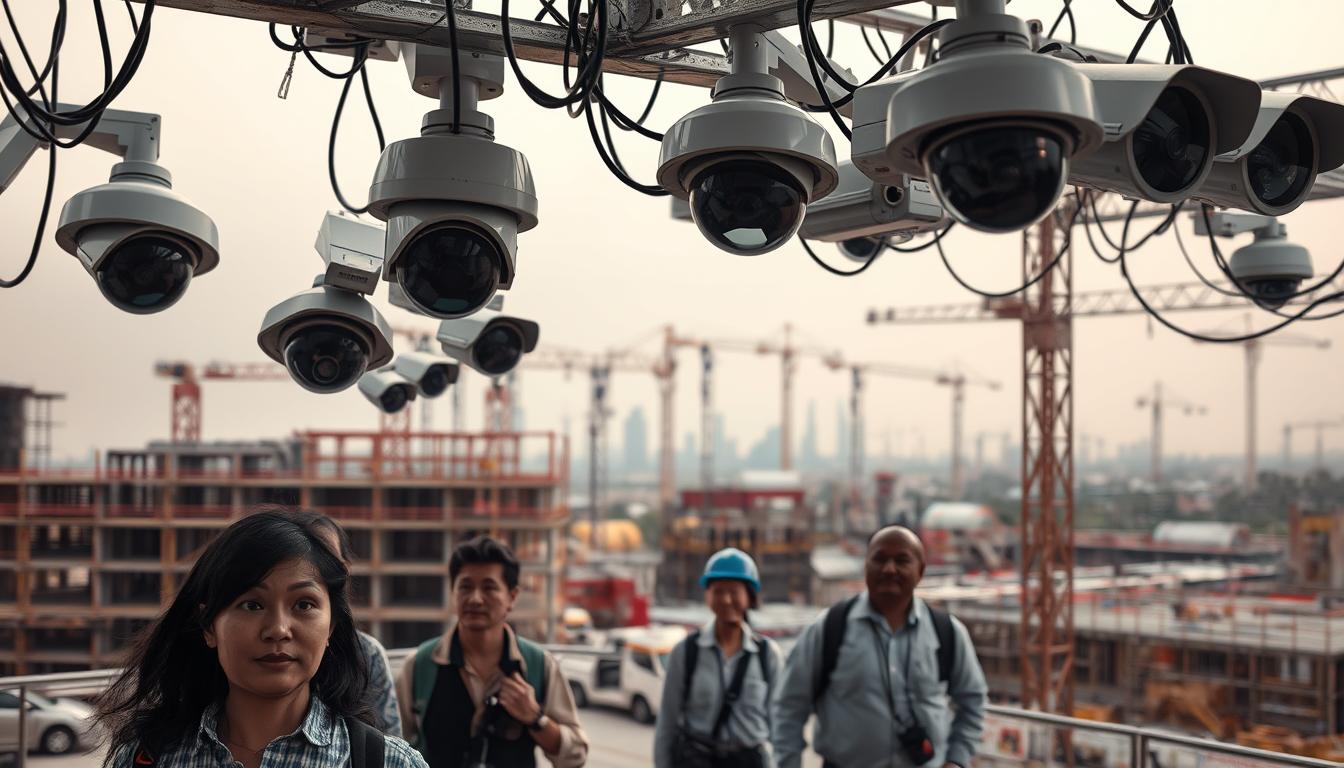
Building Site Security Cameras for Sale: Top Picks
Construction environments are often targets for theft and vandalism, with annual losses reaching a staggering $1 billion globally. In Singapore, where projects exceeding $5 million are required to implement Video Surveillance Systems (VSS), the need for reliable monitoring solutions is more critical than ever.
Modern CCTV solutions offer advanced features like 4K resolution and AI-powered analytics, ensuring clear evidence collection and real-time threat detection. These systems not only comply with local regulations but also reduce theft incidents by up to 70% when properly installed.
Whether you’re considering temporary setups or permanent installations, choosing the right security cameras can make a significant difference. Brands like Pelco Sarix 4 Series and Reolink RLK8-800B4 are leading the market with cutting-edge technology tailored for construction sites.
Key Takeaways
- Construction sites face $1 billion in annual theft losses globally.
- Singapore mandates VSS for projects over $5 million.
- Modern CCTV solutions feature 4K resolution and AI analytics.
- Proper camera implementation can reduce theft by 70%.
- Leading brands include Pelco Sarix 4 Series and Reolink RLK8-800B4.
Why Construction Site Security Cameras Are Essential
Theft and vandalism on construction sites have become a growing concern, impacting project timelines and budgets. Unprotected areas are particularly vulnerable, with a 40% spike in nighttime crimes reported. Implementing surveillance systems is no longer optional but a necessity to safeguard assets and ensure smooth operations.
On average, each site loses $500,000 annually due to equipment theft. These losses can be mitigated with proper monitoring. The Ministry of Manpower (MOM) mandates Video Surveillance Systems (VSS) for high-risk zones, ensuring compliance and enhanced safety.
Case studies, like the Jurong Innovation District’s 90-camera network, demonstrate the effectiveness of these systems. They not only deter theft but also improve worker accountability. Monitoring reduces safety incidents by 60-75%, making it a worthwhile investment.
However, 83% of CCTV failures result from poor maintenance. Regular checks and updates are crucial to ensure optimal performance. When implemented correctly, these systems offer a 3:1 return on investment by preventing theft and reducing losses.
In summary, site security is essential for protecting assets, ensuring compliance, and maintaining productivity. Investing in reliable surveillance systems is a proactive step toward safeguarding your project.
Top Features to Look for in Building Site Security Cameras
Choosing the right surveillance tools can significantly enhance site safety and compliance. Modern systems offer advanced features designed to withstand harsh environments and provide reliable monitoring. Here are the top features to consider when selecting equipment for your construction site.
High-Definition Video Quality
High-definition video is essential for capturing clear images and identifying details like license plates or faces. Experts recommend a minimum resolution of 1080p, but 4K or 8MP options provide even sharper footage. For example, Pelco’s Spectra Professional series offers 30x optical zoom, ensuring precise identification even at a distance.
Night Vision Capabilities
Effective monitoring doesn’t stop when the sun goes down. Night vision is crucial for 24/7 surveillance, with infrared (IR) illumination ranges varying from 30m to 100m. Models like the Reolink Go Plus excel in low-light conditions, ensuring visibility even in complete darkness.
Weather Resistance and Durability
Construction sites are exposed to harsh weather, making durability a top priority. Look for systems with IP66 or IP67 ratings, which ensure protection against dust and water. These features are particularly important in Singapore’s tropical climate, where heavy monsoon rains are common. Additionally, vandal-proof housing is recommended for ground-level units to prevent tampering.
Investing in systems with these features ensures reliable performance and long-term protection for your site. As one expert noted,
“The right equipment not only deters theft but also provides peace of mind for project managers.”
Types of Security Cameras for Construction Sites
Selecting the right type of monitoring equipment is crucial for effective site surveillance. Different camera types offer unique advantages, depending on your specific needs. Understanding these options ensures you invest in the best solutions for your project.
Fixed Cameras vs. PTZ Cameras
Fixed cameras are reliable and cost-effective, ideal for monitoring specific areas. They provide consistent coverage without the need for adjustments. However, their limited field of view can be a drawback for larger sites.
PTZ (Pan-Tilt-Zoom) cameras, on the other hand, offer unmatched flexibility. They can cover up to 300% more area than fixed units, making them perfect for expansive sites. Models like the Hikvision DS-2DE5425IW-AE and Dahua SD49225XA-HNR are popular choices for their advanced features.
Wired vs. Wireless Systems
Wired systems are known for their reliability and uninterrupted performance. They require Cat6 cabling, which can be challenging for large-scale installations. However, they ensure stable connectivity and high-quality video transmission.
Wireless systems, like solar-powered or 5G-enabled options, reduce installation costs by 45%. They offer greater flexibility and are easier to set up in remote areas. Battery life varies, with options ranging from 3 months to 12 months, depending on usage.
“The right camera system not only enhances site safety but also provides peace of mind for project managers.”
Choosing between wired and wireless depends on your site’s specific requirements. Both options have their strengths, making them valuable tools for effective surveillance.
Best Building Site Security Cameras for Sale in Singapore
Singapore’s construction industry demands reliable monitoring tools to protect assets and ensure compliance. With a variety of options available, selecting the right equipment can make a significant difference in safeguarding your project.
Top Brands and Their Offerings
Several brands stand out for their advanced features and reliability. The Reolink RLK8-800B4, for instance, offers 8MP resolution with Power over Ethernet (PoE) for seamless connectivity. Hikvision’s DS-2CD2047G2-LU 4MP ColorVu is another top seller, known for its exceptional low-light performance.
Arlo Ultra 2 takes innovation further with its integrated spotlight feature, enhancing visibility in dark areas. Bosch, on the other hand, provides a competitive edge with a 5-year warranty, ensuring long-term reliability.
Comparative Analysis of Leading Models
When comparing models, key factors include resolution, storage, and warranty. Here’s a quick breakdown:
- Hikvision: 4MP resolution, 256GB storage, 3-year warranty.
- Dahua: 5MP resolution, 512GB storage, 2-year warranty.
- Axis: 8MP resolution, 1TB storage, 5-year warranty.
Bundled packages from Wen Hong (+65 6013 5960) offer cost-effective solutions, while PSG grant-eligible systems provide financial support for SMEs. These options make it easier to implement cctv solutions offers tailored to your needs.
“Investing in the right monitoring system not only enhances safety but also ensures compliance with local regulations.”
In summary, choosing the best equipment involves evaluating features, pricing, and warranties. With the right latest cctv solutions, you can protect your construction sites effectively and efficiently.
Innovative Technology in Construction Security
Advancements in technology are transforming how construction sites are monitored and protected. From AI-powered systems to integrated solutions, these innovations are setting new standards for site safety and efficiency.
AI-Powered Surveillance Systems
AI is revolutionizing surveillance by offering real-time threat detection and enhanced accuracy. For example, Ailytics AI has been shown to reduce safety violations by 70%. Its facial recognition feature identifies unauthorized access, while AI fall detection prevents accidents before they occur.
Thermal imaging is another breakthrough, alerting teams to equipment overheating. These systems not only improve safety but also streamline operations, ensuring faster response times and better resource management.
Integration with Other Security Solutions
Modern tech thrives on integration. RFID tags, when paired with camera systems, track equipment movement seamlessly. Cloud-based management platforms offer remote access, allowing project managers to monitor sites from anywhere.
Case studies show that integrated systems reduce response times by 60%. This level of coordination ensures that all safety measures work in harmony, providing comprehensive protection for your project.
“The future of construction security lies in smart, integrated systems that adapt to evolving challenges.”
Installation Tips for Construction Site Security Cameras
Strategic placement and connectivity are crucial for ensuring comprehensive site coverage. Poor installation can lead to 25% coverage gaps, leaving high-risk zones unprotected. To maximize effectiveness, start by mapping areas that require priority monitoring, such as equipment storage and entry points.
Choosing the Right Locations for Cameras
Elevated mounting at 6 meters or higher provides a wider field of view and reduces tampering risks. Focus on high-traffic areas and zones with valuable assets. For example, placing units near material storage areas can deter theft and vandalism.
Weatherproof conduit installation is essential, especially in Singapore’s tropical climate. Ensure all cables are protected from rain and humidity to prevent system failures. Avoid interference zones where heavy machinery or electrical equipment might disrupt signals.
Ensuring Proper Connectivity and Power Supply
Power supply planning is critical for large-scale projects. Calculate energy needs for a 100-unit network to avoid downtime. Solar-powered systems are a cost-effective option, saving up to $12,000 annually in energy costs.
Wireless systems offer flexibility and reduce installation expenses by 45%. However, trenching may be necessary for stable connectivity in remote areas. Optimize signal strength by placing routers strategically and minimizing obstructions.
“A well-planned installation ensures seamless monitoring and long-term reliability, safeguarding your project from potential risks.”
By focusing on these features, you can create a robust surveillance system that enhances site safety and complies with local regulations. Regular maintenance checks will further ensure optimal performance, protecting your investment and project integrity.
Maintenance of Security Camera Systems
Proper upkeep of monitoring systems ensures long-term reliability and performance. Without regular attention, even the most advanced equipment can fail, leaving your project vulnerable. A well-maintained system not only help keep sites safe but also extends the lifespan of your investment.
Regular Checking of Camera Functionality
Monthly inspections are crucial for identifying issues early. Create a checklist that includes lens cleaning, housing checks, and connection testing. These simple things can prevent costly downtime and ensure uninterrupted monitoring.
Night vision calibration is another critical step. Test infrared capabilities to ensure clear footage in low-light conditions. Backup power systems should also be tested regularly to avoid failures during outages.
Software Updates and Security Protocols
Outdated firmware is a common target for cyberattacks, with 98% of breaches linked to unpatched systems. Schedule quarterly updates to keep your software current. This practice can increase the lifespan of your equipment by up to three years.
Implement cybersecurity measures for IP cameras, such as strong passwords and encryption. Spare parts inventory management is also essential, ensuring quick replacements when needed.
“Regular maintenance is the backbone of a reliable surveillance system, safeguarding your project from unexpected failures.”
Cost-Effectiveness of Security Camera Solutions
Effective monitoring solutions offer both immediate and long-term financial benefits. Whether you’re managing a large-scale project or a smaller site, understanding the cost dynamics of surveillance systems is crucial. This section explores rental vs. purchase options and the savings achievable with proper implementation.
Rental vs. Purchase Options
Rental packages start at $45 per week, making them an attractive choice for short-term needs. They provide flexibility and scalability, especially for phased projects. On the other hand, purchasing a system upfront costs around $8,000 but offers long-term ownership and customization.
Scalable rental solutions offers are ideal for temporary setups. They eliminate the need for large initial investments and allow for easy upgrades. Purchased systems, however, provide better ROI over time, especially for ongoing projects.
Long-Term Savings with Effective Surveillance
Investing in reliable monitoring systems can reduce theft by up to 80%, justifying a 14-month ROI. Here’s how these systems contribute to cost savings:
- Insurance Premium Reduction: Sites with surveillance often qualify for lower insurance rates.
- Labor Cost Savings: Remote monitoring reduces the need for on-site security personnel.
- Tax Incentives: Some jurisdictions offer tax breaks for security investments.
Additionally, purchased systems depreciate over time, providing financial benefits. A 5-year TCO comparison shows that ownership often becomes more economical than renting.
“The right surveillance system not only protects your assets but also enhances financial efficiency.”
In summary, whether you choose to rent or buy, effective monitoring solutions can significantly reduce costs and risks. Evaluating your project’s needs will help you make the best decision for long-term success.
User Experiences and Case Studies in Singapore
Monitoring systems have proven their value in Singapore’s construction sector, delivering measurable results. From reducing accidents to improving compliance, these solutions are transforming how projects are managed. Real-world examples highlight their effectiveness in enhancing site safety and operational efficiency.
Successful Implementation of Surveillance Systems
One notable example is the Marina Bay Sands expansion, where a comprehensive surveillance blueprint was implemented. This system not only deterred theft but also improved workers’ adherence to safety protocols. Similarly, the Cross Island MRT line project utilized a robust network to monitor high-risk zones, ensuring compliance with safety audits.
At Keppel Shipyard, the introduction of advanced monitoring led to a 63% reduction in accidents. This success underscores the importance of investing in reliable solutions to keep sites safe. Subcontractor accountability also improved, with real-time monitoring ensuring adherence to safety standards.
Impact on Construction Site Safety
JTC industrial projects reported a 92% satisfaction rate with their surveillance systems. These systems enhanced night shift productivity by providing continuous monitoring, reducing risks during off-hours. Additionally, the use of thermal imaging and AI analytics has further improved safety outcomes.
Worker PPE adherence saw significant improvements, with systems flagging non-compliance in real time. This proactive approach not only protects workers but also minimizes downtime caused by accidents. As one project manager noted,
“Modern monitoring systems are no longer a luxury but a necessity for ensuring site safety.”
Construction Security Camera Regulations in Singapore
Singapore’s construction sector is governed by strict regulations to ensure safety and compliance. These rules are designed to protect workers, assets, and the public while maintaining privacy standards. Understanding these legal requirements is essential for any project manager or contractor.
Legal Requirements for Surveillance on Job Sites
The Ministry of Manpower (MOM) mandates that all construction sites retain surveillance footage for at least 30 days. This ensures that incidents can be reviewed and investigated if needed. Non-compliance can result in fines of up to $50,000 starting June 2024.
Additionally, the Personal Data Protection Act (PDPA) requires that all monitoring systems adhere to strict data retention policies. This includes encrypting video transmissions to prevent unauthorized access. Public areas must also have clear signage indicating the presence of surveillance to protect privacy.
Compliance with Local Laws
To meet local standards, construction sites must use approved vendors for government projects. These vendors are vetted to ensure they meet encryption and privacy protection requirements. Regular audits are conducted to verify compliance, and failure to pass can lead to penalties.
Here are key things to consider for compliance:
- Install clear signage in all monitored zones.
- Use encryption for all video transmissions.
- Maintain an audit preparation checklist for inspections.
“Adhering to local regulations not only avoids fines but also enhances the credibility of your project.”
By following these guidelines, construction sites can ensure they meet all legal requirements while maintaining a safe and secure environment.
Choosing the Right Security Camera Solutions for Your Site
Selecting the ideal monitoring system requires careful planning and understanding of your project’s unique requirements. With 68% of sites under-secured during initial phases, a tailored approach is essential to address vulnerabilities effectively. Start by assessing your specific needs to ensure comprehensive coverage and compliance.
Assessing Your Security Needs
Begin with a detailed site survey to identify high-risk zones and potential blind spots. Studies show that these surveys reduce blind spots by 40%, ensuring better coverage. Use a security risk assessment template to evaluate threats and prioritize areas for monitoring.
Consider factors like site size, layout, and operational hours. A camera quantity calculator based on site area can help determine the number of units required. Future-proof your setup by planning for site expansion and integrating with BIM models for seamless project management.
Getting Expert Advice from Security Professionals
Consulting with experienced professionals can make a significant difference in your setup. They provide insights into the latest technologies and help keep your system aligned with industry standards. Look for consultants with a proven track record and expertise in large-scale projects.
Budget allocation is another critical aspect. Work with experts to create a cost-effective plan that balances quality and affordability. As one professional noted,
“A well-designed surveillance system not only protects assets but also enhances operational efficiency.”
By following these guidelines, you can ensure your monitoring system meets your project’s security needs while staying within budget.
Flexible Security Solutions: Rentals vs. Purchases
Deciding between renting and purchasing monitoring systems can significantly impact your project’s budget and flexibility. Both options have unique advantages, making it essential to evaluate your specific needs before making a choice.

Benefits of Renting Monitoring Equipment
Renting is ideal for short-term needs, offering scalability and lower upfront costs. Rental fleets are upgraded every 18 months, ensuring access to the latest tech. This eliminates the risk of technology obsolescence, a common concern with purchased systems.
Operational expenses (OpEx) are easier to manage with rentals, as costs are spread over time. This is particularly beneficial for temporary sites or phased projects. However, customization options are limited, which may not suit all requirements.
Advantages of Purchasing Surveillance Systems
Purchasing offers long-term ownership and customization, making it a better fit for ongoing projects. The breakeven point for purchased systems is typically three years, after which they become more cost-effective than rentals.
Capital expenses (CapEx) are higher initially, but ownership provides residual value and transfer protocols. This ensures that your investment retains value over time. As one expert noted,
“Ownership not only reduces long-term costs but also offers greater control over your monitoring setup.”
In summary, the choice between renting and purchasing depends on your project’s duration, budget, and customization needs. Both options provide valuable cctv solutions offers tailored to different scenarios.
How Advanced Security Cameras Enhance Site Safety
Real-time alerts and remote access features are revolutionizing construction site security. These advanced tools provide immediate notifications, ensuring faster responses to potential threats. With 94% faster incident response through push notifications, these systems are becoming indispensable for modern projects.
Real-Time Monitoring and Alerts
Modern surveillance systems offer real-time monitoring, allowing teams to address issues as they arise. Push notifications alert managers instantly, reducing response times significantly. For example, geofencing alerts notify when unauthorized personnel enter restricted zones, enhancing overall site monitoring.
Two-way audio intervention is another standout feature. It enables immediate communication with on-site personnel, deterring potential threats before they escalate. This proactive approach ensures a safer environment for workers and equipment.
Remote Access and Cloud Storage
Remote access capabilities allow managers to monitor sites from anywhere, using mobile apps or web interfaces. This flexibility is crucial for multi-site projects, where a centralized dashboard provides a comprehensive view of all locations.
Cloud storage solutions, such as AWS or GCP, offer scalable and secure data retention. These platforms ensure that footage is accessible even in case of hardware failure. Disaster recovery protocols further safeguard data, ensuring uninterrupted security operations.
Key benefits of advanced cameras include:
- Mobile app functionality for on-the-go monitoring.
- Data analytics for predicting safety trends and preventing incidents.
- Geofencing alerts to secure restricted areas.
“Advanced monitoring systems not only enhance safety but also streamline operations, ensuring a seamless workflow.”
In summary, integrating these advanced features into your surveillance setup can significantly improve site safety and operational efficiency. Whether through real-time alerts or cloud-based solutions, these tools are essential for modern construction projects.
Investing in Quality Security Cameras for Long-Term Protection
Investing in premium monitoring systems ensures long-term reliability and protection for your project. High-quality cctv solutions offer a 10-year lifespan, compared to just 5 years for economy models. This durability translates into significant cost savings over time.
Opting for 24/7 professional monitoring adds an extra layer of safety. Real-time alerts and remote access keep your sites safe even when you’re not on location. This proactive approach minimizes risks and enhances overall project efficiency.
Consider lifecycle cost-benefit analysis when choosing your system. Premium options often include warranty extensions and technology upgrade pathways, ensuring your setup remains cutting-edge. Additionally, these systems retain resale value, making them a sustainable investment.
For expert advice and tailored solutions, contact CCTV Maintenance at +65 6013 5960. Their team can help you select the best security cameras for your needs, ensuring long-term protection and compliance.
FAQ
Why are surveillance systems essential for construction sites?
Surveillance systems help prevent theft, vandalism, and unauthorized access. They also ensure worker safety and monitor project progress effectively.
What features should I look for in construction site cameras?
Key features include high-definition video quality, night vision, weather resistance, and durability to withstand harsh environments.
What’s the difference between fixed and PTZ cameras?
Fixed cameras cover a specific area, while PTZ (Pan-Tilt-Zoom) cameras can rotate and zoom to monitor larger spaces more flexibly.
Are wireless systems better than wired ones for construction sites?
Wireless systems offer easier installation and flexibility, while wired systems provide more stable connectivity and reliability.
How does AI-powered surveillance enhance construction site security?
AI-powered systems can detect unusual activity, send real-time alerts, and analyze footage to improve overall site safety.
Where should I install cameras on a construction site?
Place cameras at entry points, storage areas, and high-risk zones to ensure comprehensive coverage and deter potential threats.
How often should I maintain my security camera system?
Regular maintenance, including checking functionality and updating software, should be done monthly to ensure optimal performance.
Is it better to rent or purchase security cameras for a construction site?
Renting is cost-effective for short-term projects, while purchasing is ideal for long-term use and cost savings over time.
What are the legal requirements for surveillance on construction sites in Singapore?
Ensure compliance with local laws, including proper signage and adherence to privacy regulations when installing surveillance systems.
How do advanced cameras improve site safety?
Advanced cameras offer real-time monitoring, remote access, and cloud storage, allowing managers to respond quickly to incidents.
What should I consider when choosing a security camera system?
Assess your site’s specific needs, such as coverage area and budget, and consult with security professionals for tailored solutions.


