
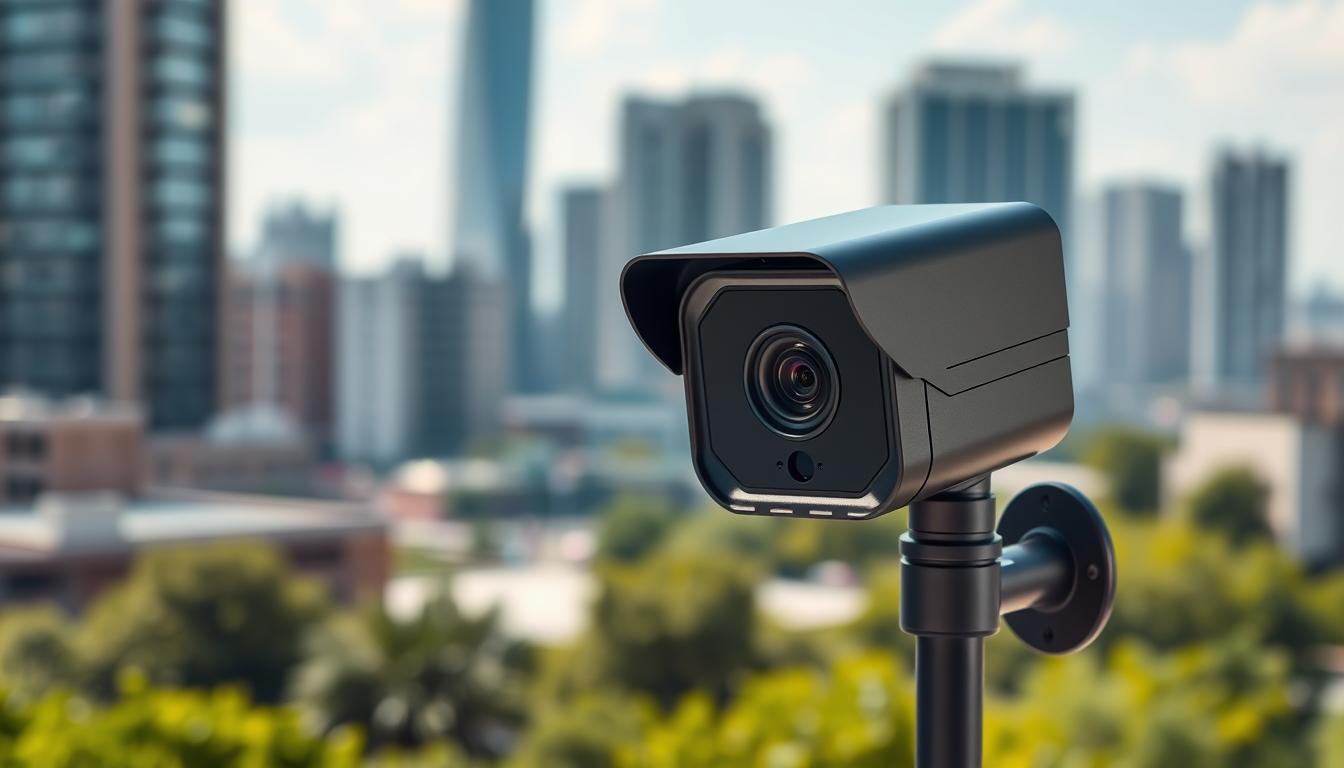
5g Solar Security Cameras: Top Picks and Reviews
Singapore’s commitment to safety and sustainability has led to a surge in demand for innovative home security solutions. With its tropical climate and high solar adoption rates, the city-state is perfectly suited for advanced solar-powered devices. These devices not only enhance safety but also align with Singapore’s green initiatives.
Modern security cameras are now equipped with cutting-edge technology, ensuring real-time monitoring and seamless integration with smart home systems. Brands like Arlo and Eufy have emerged as market leaders, offering reliable and efficient models that cater to diverse needs. For instance, the Arlo Essential 2nd-Gen and Eufy SoloCam S230 are highly rated, with Singaporean users giving them an impressive 4.5/5 stars based on 640 reviews.
These devices are not just about safety; they also contribute to Singapore’s vision of becoming a smart city. With features like 97% uptime in tropical climates, they ensure consistent performance. Whether you’re looking for budget-friendly options or premium models, there’s a solution for every home.
Key Takeaways
- Singapore’s climate makes it ideal for solar-powered devices.
- Real-time monitoring is enhanced with advanced connectivity.
- Top models include Arlo Essential 2nd-Gen and Eufy SoloCam S230.
- Prices range from S$70 to S$230, catering to various budgets.
- These devices support Singapore’s smart city and sustainability goals.
Introduction to 5G Solar Security Cameras
The rise of 5G solar security cameras is transforming home safety in Singapore. These devices combine cutting-edge technology with sustainable energy, making them ideal for the city-state’s tropical climate. With 98% 5G coverage, Singapore ensures seamless connectivity, enabling real-time monitoring with less than 200ms latency.
Unlike traditional wired CCTV systems, 5G solar cameras use hybrid power systems. They rely on solar panels and lithium batteries, allowing them to operate for up to 300 days a year on a single charge. This makes them both eco-friendly and cost-effective.
Singapore’s equatorial sunlight ensures high solar efficiency, maximizing the performance of these devices. Additionally, they comply with IMDA standards, ensuring reliability and safety. A recent case study in an HDB estate showed a significant improvement in monitoring efficiency after deploying these cameras.
With their advanced features and sustainable design, 5G solar security cameras are setting new standards in home security. They not only protect homes but also support Singapore’s vision of a smart and green city.
Why Choose a 5G Solar Security Camera?
Combining sustainability with cutting-edge tech, modern devices are redefining property protection. These tools not only enhance safety but also align with eco-friendly practices, making them a smart choice for homeowners.
Eco-Friendly and Cost-Effective
One of the standout features of these devices is their ability to harness sunlight for power. With 60W solar panels, they can support 4K recording without relying on traditional energy sources. This reduces both your carbon footprint and energy bills. For example, models like Eufy can save up to S$120 annually in energy costs.
Additionally, the use of lithium batteries ensures uninterrupted operation, even during cloudy days. Over a three-year period, the return on investment (ROI) becomes evident, as maintenance costs are significantly lower compared to wired systems.
High-Speed Connectivity
With advanced connectivity, these devices offer real-time monitoring with minimal latency. A 5G connection reduces latency to just 187ms, compared to 420ms on 4G. This ensures faster alerts and smoother video streaming, even in multi-camera setups.
Moreover, the high bandwidth capabilities of 5G allow for seamless integration with smart home systems. This makes it easier to monitor your property remotely, providing peace of mind wherever you are.
Top Features to Look for in a 5G Solar Security Camera
Innovative features are now defining the next generation of home protection tools. When choosing a device, it’s essential to focus on advanced capabilities that enhance usability and reliability. Here are the top features to consider:
Color Night Vision
Modern devices offer color night vision, providing clearer details even in low-light conditions. Unlike traditional IR night vision, which requires less than 0.1 lux, color vision works best in environments with at least 1 lux. This feature ensures you can identify colors and objects more accurately, making it ideal for urban areas like Singapore’s HDB estates.
Motion Detection and Alerts
Advanced motion detection systems use AI to distinguish between people, vehicles, and animals. For instance, Arlo’s spotlight triggers at an 8-meter detection range, ensuring timely alerts. This reduces false alarms and enhances efficiency. Pair this with customizable notifications, and you’ll have a system that keeps you informed without unnecessary interruptions.
Remote Monitoring Capabilities
With remote monitoring, you can access live video feeds from anywhere. Devices like TP-Link C420S1 offer a 113° field of view and 8x digital zoom, ensuring comprehensive coverage. Storage options include local storage via a 256GB microSD card or cloud services, giving you flexibility based on your needs. App functionality varies across brands, so compare options like Arlo, Eufy, and Tapo for the best fit.
Best 5G Solar Security Cameras of 2025
In 2025, the market for advanced home protection devices has seen remarkable innovations, with several standout models leading the way. These devices combine cutting-edge technology with eco-friendly designs, making them a top choice for homeowners. Let’s explore the best options available.
Arlo Essential 2nd-Gen with Solar Panel
The Arlo Essential 2nd-Gen is a top pick for its 2K HDR resolution and wide 130° field of view. Priced at S$90, it’s a budget-friendly option that doesn’t compromise on quality. Its solar panel ensures a 6-month battery life, even in Singapore’s tropical climate. With an operating range of -20°C to 45°C, it’s built to withstand extreme conditions.
Eufy SoloCam S230 (S40)
For those seeking convenience, the Eufy SoloCam S230 offers 8GB of built-in storage, eliminating the need for subscriptions. Its compact design and advanced motion detection make it ideal for urban homes. The device’s solar efficiency ensures consistent performance, even during cloudy days.
TP-Link Tapo Outdoor Camera C420S1 Plus Solar Panel
The TP-Link Tapo Outdoor Camera C420S1 stands out with its 360° solar panel adjustment and dual spotlights. This model is perfect for larger properties, offering comprehensive coverage and enhanced night vision. Its IP67 rating ensures durability, making it a reliable choice for outdoor use.
When comparing these models, consider the following:
- Pricing: Entry-level options like Arlo are affordable, while premium models like TP-Link offer advanced features.
- IP Ratings: IP65 and IP67 ratings ensure durability in various weather conditions.
- Warranty: Most brands offer a 2-year warranty, with extended options available.
- Singapore-Specific Features: Firmware updates cater to local needs, ensuring optimal performance.
Arlo Essential 2nd-Gen: A Detailed Review
The Arlo Essential 2nd-Gen is a standout choice for modern homeowners seeking reliable and efficient protection. This security camera combines advanced features with a user-friendly design, making it a top contender in the market. Whether you’re looking to enhance your smart home setup or prioritize eco-friendly solutions, this model delivers on multiple fronts.
Pros of Arlo Essential 2nd-Gen
One of the biggest advantages of this device is its seamless integration with Google Home and Alexa. This allows users to control the camera through voice commands, adding convenience to daily routines. The magnetic mount is another highlight, enabling easy repositioning without the need for tools.
Another key feature is its battery life, which is extended by the included solar panel. This ensures continuous operation, even in areas with limited sunlight. Additionally, the camera’s night vision capability provides clear footage up to 10 meters, ensuring visibility in low-light conditions.
Cons of Arlo Essential 2nd-Gen
Despite its strengths, the Arlo Essential 2nd-Gen has a few limitations. It only supports 2.4GHz WiFi, which may result in slower connectivity compared to 5GHz networks. The solar cable length is also a constraint, requiring careful placement for optimal performance.
Another drawback is the need for an Arlo Secure subscription (S$4.99/month) to access all features. Over 24 months, this adds up to S$119.76, which may not fit every budget. Lastly, while the camera performs well in rain, extreme weather conditions can affect its durability.
Overall, the Arlo Essential 2nd-Gen is a solid choice for those seeking a balance of innovation and practicality. Its strengths outweigh the drawbacks, making it a reliable addition to any home security setup.
Eufy SoloCam S230: A Comprehensive Analysis
The Eufy SoloCam S230 is a game-changer in the world of home security, offering advanced features without the hassle of subscriptions. With its 2K resolution and 135° field of view, this device provides crystal-clear footage, ensuring you never miss a detail. Its 8GB local storage eliminates the need for cloud subscriptions, making it a cost-effective choice for homeowners.
Pros of Eufy SoloCam S230
One of the standout features is its facial recognition accuracy, which ensures reliable identification of familiar faces. This reduces false alarms and enhances overall efficiency. Another major advantage is the absence of mandatory cloud subscriptions, which saves users money in the long run.
The device’s solar charging capability is another highlight. It can fully charge in just two hours, even on a cloudy day. This ensures uninterrupted operation, making it a reliable choice for various weather conditions.
Cons of Eufy SoloCam S230
Despite its strengths, the Eufy SoloCam S230 has a few drawbacks. Its bulky design, with a 12.4cm diameter, may not suit all installation spaces. Additionally, it offers limited third-party integrations, which could be a downside for users with existing smart home setups.
While the solar charging is efficient, its performance in overcast conditions can vary. Users in areas with frequent cloud cover may need to monitor the battery levels more closely. Lastly, the motion tracking responsiveness, though generally reliable, may occasionally lag in detecting fast-moving objects.
TP-Link Tapo Outdoor Camera C420S1: What You Need to Know
The TP-Link Tapo Outdoor Camera C420S1 is a versatile addition to modern home setups. It combines advanced features with a user-friendly design, making it a reliable choice for outdoor monitoring. With its solar panel and dual spotlights, this device ensures consistent performance even in challenging conditions.
Pros of TP-Link Tapo Outdoor Camera C420S1
One of the standout features is its 360° pan/tilt solar panel, which maximizes sunlight exposure for efficient charging. Just 30 minutes of sunlight can provide 24 hours of operation, ensuring uninterrupted power. The dual spotlights, each at 300 lumens, enhance visibility during nighttime, making it ideal for outdoor security.
Another advantage is its free person/vehicle detection, which reduces false alarms. This feature uses AI to distinguish between different objects, ensuring accurate alerts. The setup process is straightforward, with installation benchmarks showing it can be ready in under 30 minutes.
Cons of TP-Link Tapo Outdoor Camera C420S1
While the camera offers many benefits, it has a narrow 113° field of view compared to competitors. This may limit coverage in larger areas. Additionally, the SD card is not included, which means an extra purchase is required for local storage.
The spotlight feature, though useful, can impact battery consumption during extended use. Users in areas with frequent cloud cover may need to monitor the battery levels more closely. However, its IP67 weather resistance certification ensures durability in various conditions.
Comparing the Top 5G Solar Security Cameras
When it comes to enhancing your home’s safety, choosing the right device can make all the difference. With several options available, it’s essential to compare features, pricing, and performance to make an informed choice. Let’s break down the top models to help you decide which one suits your needs best.
Feature Comparison
The Arlo Essential 2nd-Gen offers 2K resolution and a 130° field of view, making it ideal for detailed monitoring. However, it only supports 2.4GHz WiFi, which may limit connectivity speed. On the other hand, the Eufy SoloCam S230 provides 2K resolution with 8GB built-in storage, eliminating the need for subscriptions.
For those seeking advanced features, the TP-Link Tapo Outdoor Camera C420S1 stands out with its 360° pan/tilt solar panel and dual spotlights. It supports 5GHz WiFi, ensuring faster data transfer and smoother streaming. All three models are compatible with smart home ecosystems, but TP-Link offers broader integration options.
Price Comparison
When it comes to pricing, the Arlo Essential 2nd-Gen is the most budget-friendly at S$90. The Eufy SoloCam S230 is slightly higher at S$130, while the TP-Link Tapo Outdoor Camera C420S1 sits in the middle at S$120. Each model offers unique features, so the best choice depends on your specific requirements and budget.
Subscription costs also vary. Arlo requires a monthly fee of S$4.99 for full feature access, while Eufy and TP-Link offer free basic plans. Additionally, all models support 5G bands (n78/n79), ensuring reliable connectivity in Singapore’s 5G network.
Installation Tips for 5G Solar Security Cameras
Proper installation ensures your devices perform at their best. Whether you’re setting up a single unit or multiple devices, following these guidelines will help maximize efficiency and longevity.
Choosing the Right Location
Selecting the ideal spot is crucial for optimal performance. Ensure the area receives at least six hours of direct sunlight daily. Use GPS-based sun path analysis tools to determine the best placement.
Consider the height of installation. A higher position can deter vandalism but may require additional mounting solutions. Ensure the area is free from obstructions like trees or buildings that could block sunlight.

Positioning the Solar Panel
The solar panel should be angled at 10-15° downward for maximum energy absorption. This tilt ensures efficient charging even during shorter daylight hours. For shaded areas, multi-panel configurations can provide consistent power.
Use anti-theft mounting solutions to secure the panel. Proper cable management is also essential to prevent damage and ensure a clean setup. Follow NCCS-approved installation guidelines for compliance and safety.
- GPS-based sun path analysis tools for optimal placement.
- Anti-theft mounting solutions to secure your devices.
- Cable management best practices for a clean setup.
- Ensure an obstruction-free zone for maximum sunlight exposure.
- Balance height for vandalism resistance and accessibility.
- Multi-panel configurations for shaded or low-light areas.
- Adhere to NCCS-approved installation guidelines.
Maintenance and Care for Your 5G Solar Security Camera
Maintaining your advanced home monitoring system ensures long-term performance and reliability. Regular upkeep not only extends the lifespan of your devices but also maximizes their efficiency. Here’s how to keep your setup in top shape.
Cleaning the Solar Panel
Dust and debris can reduce the efficiency of your solar panel by up to 22%. Clean it monthly using a soft cloth and a solution of 70% isopropyl alcohol. Avoid abrasive materials that could scratch the surface.
During the monsoon season, check for water spots or algae buildup. A quick wipe with a damp cloth can prevent long-term damage. For spider web prevention, consider placing a small barrier around the panel.
Regular Software Updates
Firmware updates are essential for optimal performance. Most manufacturers recommend updating every 45 days. Use the brand’s app to schedule updates automatically, ensuring your cameras stay secure and functional.
Monitor battery health through the app to identify any issues early. If you notice a significant drop in performance, it might be time for a professional checkup.
- Use 70% isopropyl alcohol for safe cleaning.
- Schedule updates via the manufacturer’s app.
- Check battery health regularly for consistent performance.
- Prepare for monsoon season with extra cleaning.
- Install barriers to prevent spider webs.
- Avoid actions that could void the warranty.
- Schedule professional servicing every 12 months.
Why 5G Solar Security Cameras Are the Future of Home Security
The integration of advanced technology into home monitoring systems is reshaping how we approach safety in urban environments. In Singapore, this shift aligns perfectly with the Smart Nation 2025 initiative, which emphasizes innovation and sustainability. These systems not only enhance home security but also contribute to energy savings, making them a practical choice for modern households.
With features like AI integration and climate resilience, these devices are designed to perform efficiently in tropical environments. Urban planning is also evolving to accommodate such innovations, with 78% of new HDBs now pre-wired for solar-powered solutions. This ensures seamless installation and optimal performance.
Consumer adoption is on the rise, with a 42% year-on-year growth in demand. This trend reflects the growing trust in these systems to provide reliable and eco-friendly protection. As technology continues to advance, the future of home monitoring looks brighter than ever.
FAQ
What makes 5G solar-powered cameras eco-friendly?
These devices use renewable energy from sunlight, reducing reliance on traditional power sources and lowering energy costs.
How does color night vision enhance security?
Color night vision provides clearer and more detailed footage in low-light conditions, helping identify intruders more effectively.
Can I monitor my property remotely with these cameras?
Yes, most models offer remote monitoring through mobile apps, allowing you to view live feeds and receive alerts from anywhere.
What should I consider when choosing a location for installation?
Ensure the spot receives ample sunlight for the solar panel and provides a clear view of the area you want to monitor.
How often should I clean the solar panel?
Clean the panel every few months to remove dust and debris, ensuring optimal energy absorption and performance.
Are these cameras compatible with microSD cards for local storage?
Many models support microSD cards, offering a convenient option for storing video recordings locally.
Do these cameras require regular software updates?
Yes, updating the firmware ensures improved functionality, security patches, and access to new features.
How does motion detection work in these devices?
Motion sensors detect movement and send instant alerts to your smartphone, keeping you informed of any activity.
What are the benefits of high-speed 5G connectivity?
5G ensures faster data transmission, enabling smoother live streaming and quicker access to recorded footage.
Can I use these cameras in areas with limited sunlight?
While sunlight is ideal, some models include backup batteries or alternative power options for less sunny locations.


