
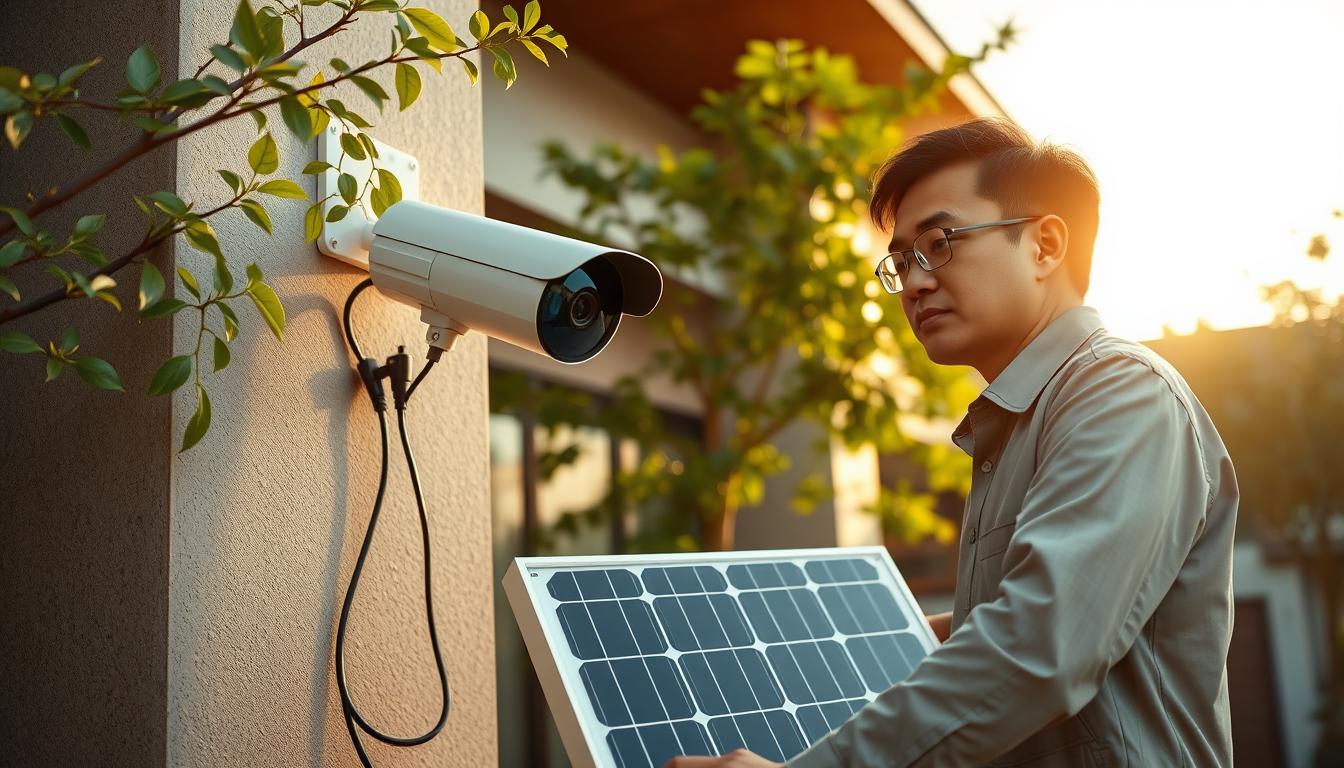
4g outdoor camera solar: Ultimate Buyer’s Guide for Singapore
Security is a top priority for many Singaporeans. Over 60% of residents now use smart home technology to protect their properties. This trend shows how important peace of mind has become.
Traditional wired systems can be limiting. They require complex installation and access to power outlets. Modern solutions offer complete freedom from these constraints.
Wireless surveillance devices provide excellent flexibility. Prices in Singapore typically range from SGD 300 to SGD 800. This guide explores the best options for different budgets.
Sun-powered units work even during power outages. Models like the Eufy 4G Starlight boast up to 3 months of battery life. Hikvision’s offerings can operate for 7 days without direct sunlight.
This comprehensive buyer’s guide will help you make an informed choice. We compare top models, features, and long-term value. Find the perfect system for your specific needs.
Key Takeaways
- Smart home security adoption exceeds 60% among Singapore residents
- Wireless surveillance systems eliminate complex wiring requirements
- Price points for quality devices range from SGD 300 to SGD 800
- Solar-powered units provide reliable operation during power disruptions
- Advanced models offer extended battery life without direct sunlight
- This guide compares features, installation, and maintenance considerations
- Find options that align with Singapore’s sustainability initiatives
Why 4G Solar Security Cameras Are Revolutionizing Singaporean Security
Innovative protection systems offer unprecedented freedom for property surveillance in Singapore. They combine renewable energy with cellular connectivity for truly wireless operation. This represents a major shift in monitoring technology.
These devices eliminate complex wiring and power outlet dependencies. Property owners gain flexible installation options previously unavailable. The technology delivers reliable performance in diverse environments.
The Perfect Solution for Remote and Off-Grid Locations
Traditional wired systems struggle in areas without established infrastructure. Remote locations present unique challenges for property protection. Modern solutions overcome these limitations effectively.
Construction sites benefit greatly from these autonomous monitoring units. Farms and wildlife areas also gain enhanced security coverage. Temporary event venues can deploy protection quickly and efficiently.
The elimination of wiring requirements simplifies installation significantly. Compared to conventional CCTV, setup becomes faster and more adaptable. This flexibility saves both time and resources for property managers.
These systems maintain constant vigilance during power disruptions. Wired alternatives often fail when electricity supplies are interrupted. Continuous operation provides critical security coverage when it’s needed most.
Aligning with Singapore’s Smart Nation and Sustainability Goals
Singapore’s Smart Nation initiative promotes technological innovation across sectors. Digital transformation in security aligns perfectly with this vision. Modern monitoring devices support these national objectives.
Sustainability represents another key advantage of these protection systems. They significantly reduce carbon footprint through renewable energy use. This supports Singapore’s green energy and environmental goals.
Operational costs decrease substantially with solar-powered units. Some models save up to 75% on energy expenses compared to traditional electrically-powered alternatives. Long-term financial benefits complement the environmental advantages.
Government security initiatives encourage wider deployment of surveillance technology. The expansion of police cameras across Singapore creates a favorable environment. Property owners can enhance public safety while protecting their assets.
Consumer preference increasingly favors high-quality monitoring solutions. Devices like the Reolink Go Plus deliver professional-grade 2K resolution video. This meets growing expectations for clear, detailed surveillance footage.
Peace of mind increases for owners monitoring multiple or temporary sites. They avoid substantial infrastructure investments while maintaining comprehensive security coverage. This combination of benefits explains the technology’s rapid adoption across Singapore.
Understanding 4G Solar Cameras: How They Work
At the heart of every self-powered monitoring device is a clever integration of energy harvesting and data transmission. These systems operate independently from traditional power grids and wired networks. They represent a significant advancement in surveillance technology for Singaporean properties.
The fundamental concept involves converting abundant sunlight into usable electricity. This powers the entire unit and charges an internal energy storage system. Simultaneously, cellular networks handle video transmission to your smartphone or computer.
The Synergy of Solar Power and Cellular Connectivity
Renewable energy collection and wireless data transfer work together seamlessly. During daylight hours, photovoltaic cells capture sunlight and generate electrical current. This powers the surveillance unit directly and replenishes the backup battery.
Cellular connectivity enables real-time video streaming to remote viewers. When motion is detected, the device immediately transmits footage over Singapore’s robust 4G networks. You receive instant alerts and can view live streams from anywhere.
This dual-system approach eliminates dependency on fixed infrastructure. Properties without existing wiring or power outlets gain comprehensive security coverage. Even temporary locations like construction sites benefit from this autonomous operation.
Modern units are remarkably energy efficient. They typically consume less than 1 watt during daytime operation. Nighttime infrared illumination increases consumption to approximately 1.5 watts.
Singapore’s tropical climate provides ample sunlight for consistent energy production. The photovoltaic components continue generating electricity even on cloudy days. This ensures reliable performance throughout different weather conditions.
Key Components: Solar Panel, Battery, and 4G Modem
Three essential elements work together in every autonomous surveillance system. Each plays a critical role in maintaining continuous operation and connectivity.
Solar Panel (Energy Harvesting)
Photovoltaic panels contain cells that convert sunlight into direct current electricity. These components vary in size and efficiency based on the model. In Singapore’s market, quality panels cost approximately $30, making systems affordable.
Proper placement maximizes energy collection throughout the day. Regular cleaning maintains optimal efficiency by removing dust and debris. This simple maintenance ensures consistent power generation.
Rechargeable Battery (Energy Storage)
Lithium-ion batteries store excess energy for use during nighttime or low-light periods. Capacity determines how long the unit operates without direct sunlight. Advanced models like the LS-4GS50 feature large batteries lasting up to 7 days.
Battery health monitoring helps extend overall system lifespan. Modern units include intelligent charging circuits that prevent overcharging. This protects the energy storage component from premature degradation.
4G LTE Modem (Data Transmission)
This cellular component handles all communication with network servers. It transmits high-definition video footage and receives configuration commands. The modem connects to Singapore’s major mobile networks for reliable service.
Data transmission occurs only when necessary to conserve energy. Motion-activated recording minimizes cellular data usage. Live viewing sessions establish temporary connections for real-time monitoring.
The integration of these three components creates a complete wireless solution. Energy flows from sunlight to battery to surveillance electronics. Video data travels from the lens through the modem to your mobile device.
This technology enables features like real-time alerts and remote system management. Mobile applications provide complete control over settings and viewing preferences. Users can adjust detection zones, review recordings, and update firmware remotely.
Maintenance considerations focus on each component’s specific needs. Panel cleaning ensures maximum energy harvesting efficiency. Battery health monitoring prevents unexpected power failures. Regular software updates maintain security and add new features.
The affordability of solar components makes these systems economically viable for most property owners. Combined with Singapore’s excellent cellular coverage, they deliver reliable performance. This technological combination represents the future of flexible, sustainable security.
The Growing Demand for Outdoor 4G Security in Singapore
A new wave of security consciousness is sweeping across Singapore, transforming how homeowners and businesses safeguard their assets. This shift reflects deeper changes in both technology access and societal expectations. Residents now seek protection that matches their mobile, connected lifestyles.
Market data reveals compelling trends. Over 60% of Singaporeans already utilize smart home technology for enhanced protection. This adoption rate continues climbing each year. The numbers tell a clear story about changing priorities.
Rising Security Awareness and Property Protection Needs
Several factors drive this increased focus on protection. Recent incidents have heightened public awareness about asset safety. Both personal experiences and media coverage contribute to this growing concern.
Statistical evidence reinforces the value of surveillance systems. Areas with visible monitoring consistently show significant crime reductions. Studies indicate decreases of 20-40% in various property-related offenses.
Singapore’s unique urban environment presents specific challenges. Landed homes require comprehensive perimeter coverage. Construction sites need temporary but reliable monitoring solutions.
Commercial premises face different protection needs. Retail stores, warehouses, and offices each have distinct vulnerability points. A one-size-fits-all approach rarely works effectively.
The psychological benefit of visible surveillance cannot be overstated. Potential offenders often reconsider when they spot monitoring equipment. This deterrent effect prevents incidents before they occur.
Consumer preferences have evolved dramatically. People now expect integrated systems that work with other smart devices. Remote management through mobile apps has become standard expectation.
Weather considerations play a crucial role in Singapore’s tropical climate. Year-round reliability matters for any protection system. This makes weather-resistant solutions particularly appealing.
Addressing the Challenges of Traditional Wired Systems
Conventional CCTV installations face multiple limitations that frustrate modern users. These constraints become especially apparent in Singapore’s dynamic property landscape.
Complex Installation Requirements
Traditional systems typically need professional installation. This involves extensive wiring through walls and ceilings. The process creates disruption and additional costs.
Electrical outlets must be conveniently located. Many properties lack suitable power access points. This limitation restricts where you can place monitoring equipment.
Vulnerability to Power Disruptions
Wired systems fail completely during electricity outages. This creates critical security gaps when protection matters most. Backup solutions add complexity and expense.
Singapore’s occasional power disruptions highlight this weakness. Even brief outages can compromise entire surveillance networks. Continuous operation becomes impossible.
Limited Flexibility and Mobility
Relocating wired cameras requires repeating the entire installation process. This inflexibility doesn’t suit temporary sites or changing property layouts. Expansion becomes costly and complicated.
Construction projects illustrate this problem perfectly. Monitoring needs change as sites develop. Fixed systems cannot adapt to these evolving requirements.
Modern wireless solutions address these limitations directly. They offer plug-and-play installation that eliminates complex wiring. Power independence comes from integrated energy harvesting.
Complete mobility allows relocation as needs change. Temporary sites gain professional-grade monitoring without permanent infrastructure. Supplementary coverage becomes simple to implement.
The expansion of surveillance applications continues accelerating. Remote properties now enjoy the same protection as urban locations. Supplementary cameras fill coverage gaps in existing systems.
Singapore’s excellent cellular network coverage enables this transformation. Combined with efficient energy collection technology, conditions are perfect for adoption. The convergence of these factors explains the surging demand for smarter protection solutions.
Top Benefits of Choosing a Solar-Powered 4G Camera
The decision to invest in a modern surveillance system unlocks a suite of powerful advantages that extend far beyond simple monitoring. These benefits address practical installation hurdles, long-term finances, environmental impact, and crucial reliability.
Owners gain a comprehensive solution that works in harmony with Singapore’s infrastructure and sustainability goals. The core value proposition is clear and multifaceted.
- Total installation freedom without wires or outlets
- Substantial reduction in ongoing energy expenses
- Green operation that lowers your carbon footprint
- Continuous protection even during grid failures
Complete Installation Freedom and Flexibility
Traditional wired setups demand extensive planning and disruptive work. You need to route cables through walls and locate power sources. This process is often costly and limits where you can place your monitoring device.
Modern systems eliminate these constraints entirely. The integrated panel harvests energy independently. You can mount the unit on a fence, gate, or remote shed without any structural modifications.
https://www.youtube.com/watch?v=pfea6asrXzg
This plug-and-play approach is perfect for temporary sites. Construction projects or event venues can deploy professional-grade monitoring in minutes. Relocating the system as your needs change is equally simple.
You avoid the high cost and complexity of professional electrical work. The flexibility empowers you to protect areas previously considered too difficult or expensive to cover.
Significant Long-Term Cost Savings on Energy and Cabling
Operating costs plummet with a self-powered unit. By using renewable energy, these systems can reduce electricity consumption by up to 75% compared to traditional wired alternatives.
The savings begin immediately with the elimination of cabling expenses. There are no wires to purchase, conduit to install, or electrician fees to pay. The initial setup is remarkably straightforward.
Long-term financial benefits compound over time. You become immune to utility rate fluctuations and rising energy prices. The minimal power draw extends the lifespan of the internal battery, reducing replacement costs.
This makes the technology increasingly cost-effective year after year. The return on investment is clear, especially for properties monitoring multiple or remote locations.
Eco-Friendly Operation and Reduced Carbon Footprint
Choosing a renewable energy source for your protection system is a responsible decision. It directly supports Singapore’s national sustainability and green energy initiatives.
Every unit that operates on solar power reduces dependency on fossil fuels. This lowers the overall carbon emissions associated with your property’s security. It’s a tangible step toward a greener footprint.
The environmental benefit aligns with growing consumer preference for sustainable technology. You gain reliable monitoring while contributing positively to broader ecological goals. The system’s design prioritizes efficient energy use from collection to storage.
Uninterrupted Surveillance During Power Outages
Grid failures represent a critical vulnerability for conventional wired systems. When the power goes out, your protection stops. This creates a dangerous security gap exactly when vigilance is most needed.
A self-powered unit operates with complete independence. Its rechargeable battery ensures continuous function during blackouts or storms. The system maintains surveillance without a single interruption.
This reliability provides profound peace of mind. You know your property remains protected regardless of external infrastructure issues. The psychological benefit of an always-on system is invaluable for comprehensive security.
This advantage ensures your investment delivers constant value. It guarantees that your monitoring is never compromised by circumstances beyond your control.
Critical Features to Evaluate in Your 4G Outdoor Camera Solar
Selecting the right wireless surveillance device requires careful evaluation of several critical specifications. These features determine real-world performance and long-term satisfaction. Understanding what to look for helps you make an informed investment.
Different properties have unique monitoring needs. A construction site needs different capabilities than a residential garden. The right combination of features ensures optimal protection.
This section breaks down the most important technical considerations. We’ll examine visual quality, energy systems, durability, and smart functionality. Each aspect contributes to overall system effectiveness.
Image Resolution and Day/Night Video Quality
Visual clarity is fundamental for any monitoring system. You need to identify people, vehicles, and activities clearly. This starts with sufficient image resolution.
1080p Full HD represents the minimum standard for modern surveillance. This provides enough detail for basic identification purposes. Many premium models now offer 2K or even 4K resolution.
Higher resolution captures finer details like license plates or facial features. It’s especially valuable for larger properties or areas needing zoom capability. The trade-off is slightly increased data usage during transmission.
Daytime performance depends on the image sensor quality. Look for wide dynamic range (WDR) technology. This balances bright and dark areas in the same frame.
Night vision capabilities are equally crucial. Standard infrared illumination provides black-and-white footage in darkness. Advanced starlight sensors deliver superior low-light performance with more detail.
Some units feature color night vision using supplemental spotlights. This can help identify clothing colors or vehicle paint. Consider your specific low-light monitoring needs when evaluating these options.
Solar Panel Efficiency and Battery Life Capacity
The energy system powers your entire surveillance solution. Its efficiency determines reliability and maintenance requirements. Two components work together here.
Photovoltaic panel efficiency affects how quickly the battery recharges. More efficient panels generate more electricity from the same sunlight exposure. This is particularly important during Singapore’s occasional cloudy periods.
Panel size also matters for energy harvesting. Larger surfaces capture more sunlight throughout the day. Some models offer detachable panels for optimal placement toward the sun.
Battery capacity dictates how long the device operates without direct sunlight. Quality lithium-ion batteries can power a unit for weeks or even months. Advanced power management systems extend this duration further.
Look for smart charging technology that prevents overcharging. This protects battery health over years of continuous use. Some systems provide battery status monitoring through their mobile applications.
The combination determines overall energy independence. Efficient panels quickly replenish the storage during daylight. A large battery bank ensures uninterrupted operation through multiple rainy days.
Weatherproof and Durability Ratings (IP66/IP67 for Singapore’s Climate)
Singapore’s tropical environment demands robust physical protection. Heavy rainfall, high humidity, and intense sunlight test any exterior equipment. Proper weatherproofing ensures long-term reliability.
Ingress Protection (IP) ratings indicate resistance to dust and water. The first digit represents solid particle protection. The second digit indicates liquid ingress protection.
IP65 rating means dust-protected and resistant to water jets. This suits most residential applications with some overhead shelter. IP66 provides protection against powerful water jets from any direction.
IP67-rated devices can withstand temporary immersion in water. This is ideal for locations with potential flooding or extremely heavy monsoon rains. The rating ensures the unit survives Singapore’s wettest months.
Beyond water resistance, consider UV protection for plastic components. Constant sunlight can degrade materials over time. Metal housings generally offer better long-term durability than plastic.
Temperature tolerance matters for our climate. Look for operating ranges that cover Singapore’s conditions. Typically -10°C to 55°C covers all local weather extremes.
Advanced Detection: PIR, AI Human Detection, and Vehicle Alerts
Smart detection separates modern systems from basic motion-triggered recording. It reduces false alarms while ensuring genuine events get captured. This saves both storage space and your attention.
Passive Infrared (PIR) sensors detect body heat movement. They’re excellent at filtering out non-living motion like swaying plants or moving shadows. This technology significantly reduces unnecessary recordings.
AI-powered human detection takes intelligence further. It analyzes shapes and movement patterns to confirm person presence. Some systems can even distinguish between adults and children.
Vehicle detection identifies cars, motorcycles, and trucks entering monitored areas. This is valuable for driveway monitoring or commercial property security. You receive specific alerts for vehicle movement.
Customizable detection zones let you focus on important areas. You can exclude busy sidewalks or public roads from triggering alerts. This customization tailors the system to your property layout.
Some premium models offer pet detection to ignore small animals. Package detection alerts you when deliveries arrive at your doorstep. These specialized features add convenience to basic security.
Storage Options: Local SD Card vs. Cloud Subscription
Where your footage gets stored affects accessibility, cost, and reliability. Each option has distinct advantages for different user needs. Most systems offer both possibilities.
Local SD card storage involves a one-time hardware purchase. You insert a microSD card into the device itself. Footage remains on your property without ongoing fees.
Capacity typically ranges from 128GB to 512GB. Higher capacity cards store more days of recorded events. Loop recording overwrites oldest files when space fills up.
The main risk is physical theft of the storage card. Some units have locking mechanisms or hidden card slots. Others encrypt footage to prevent unauthorized access.
Cloud storage subscriptions provide off-site backup protection. Your footage uploads securely to remote servers. This ensures recordings survive even if the device gets stolen or damaged.
Monthly fees vary by provider and storage duration. Some offer free basic plans with limited retention periods. Premium plans provide longer archives and additional features.
Hybrid systems use both methods simultaneously. Critical events upload to the cloud while continuous recording stays local. This balances cost with comprehensive protection.
Mobile App Functionality and Remote Monitoring Ease
The companion application transforms your smartphone into a security command center. Its design and capabilities determine daily usability. A well-designed app makes monitoring effortless.
Live viewing should provide smooth, real-time video streams. Look for minimal latency between actual events and screen display. Multiple view options let you watch several locations simultaneously.
Notification management is crucial for avoiding alert fatigue. The best apps let you customize which events trigger immediate alerts. You can set quiet hours or create priority rules for different detection types.
Remote configuration allows adjustments without physical access. Change detection zones, update schedules, or check system status from anywhere. This is especially valuable for remote properties or vacation homes.
Playback features should make finding specific events simple. Timeline navigation, event filtering, and smart search save review time. Some apps use AI to highlight motion events on the timeline.
Additional app capabilities enhance the experience further. Two-way audio lets you communicate through the device’s speaker. Smart home integration connects with other devices like lights or alarms.
Share access securely with family members or employees. Create different permission levels for various users. The right app turns a standalone device into an integrated protection system.
Beyond these core features, consider additional capabilities. Pan-tilt-zoom (PTZ) functions provide wider coverage from a single unit. Built-in spotlights can deter intruders and enable color night recording.
Prioritize features based on your specific situation. Remote locations need maximum battery life and efficient panels. High-traffic areas benefit most from advanced detection accuracy.
Balancing these elements creates a system tailored to your property. The right combination delivers reliable protection with minimal maintenance. Your investment pays dividends in peace of mind for years.
Leading 4G Solar Security Camera Models for 2024
The landscape of self-powered protection devices in 2024 offers diverse options tailored to different property needs and budgets. Singaporean consumers now enjoy an impressive selection from established manufacturers and innovative newcomers. Each brand brings distinct strengths to the table.
This year’s standout models balance advanced technology with practical design for local conditions. They deliver reliable performance while addressing specific surveillance scenarios. From basic monitoring to high-security applications, there’s a suitable solution available.
Prices in Singapore range from approximately SGD 200 for entry-level units to SGD 450 for premium configurations. This spectrum accommodates various financial considerations without compromising essential functionality. The investment reflects long-term value through energy savings and reduced maintenance.
Reolink Go Series: Balancing Performance and Value
Reolink has carved a strong reputation for delivering feature-rich devices at competitive price points. Their Go series represents an excellent middle ground for many Singaporean property owners. These units combine respectable technical specifications with straightforward operation.
The Reolink Go Plus stands out with its 2K resolution, equivalent to 4 megapixels. This provides clear, detailed footage for identifying people and vehicles. The starlight night vision capability ensures usable images even in very low light conditions.
Connectivity options offer welcome flexibility for different installation scenarios. The device maintains reliable performance across Singapore’s cellular networks. Users appreciate the consistent streaming quality and prompt motion alerts.
Key advantages for Singaporean users include:
- Strong value proposition within the SGD 300-350 price range
- Flexible mounting options for various property types
- User-friendly mobile app with intuitive controls
- Respectable battery performance in local climate conditions
This series suits homeowners seeking reliable monitoring without professional installation complexity. It also works well for small business premises needing basic surveillance coverage. The balance of cost and capability makes it a popular choice.
Hikvision Solar-Powered Series: Professional-Grade Reliability
Hikvision brings industrial-strength engineering to the consumer market with their solar-powered offerings. These devices deliver exceptional durability and advanced features for demanding applications. They represent the higher end of the performance spectrum.
The DS-2CD2385G1-I model exemplifies this professional approach with 8MP resolution. This creates exceptionally clear footage capable of capturing fine details at distance. The image quality surpasses most consumer-grade alternatives significantly.
Local support networks in Singapore provide added confidence for buyers. Authorized technicians can assist with installation and troubleshooting. This professional backing reduces long-term maintenance concerns.
Hikvision’s engineering focus on reliability and image clarity makes their units ideal for critical surveillance applications where detail matters most.
These security cameras excel in high-security environments like commercial compounds or remote facilities. Their robust construction withstands Singapore’s tropical weather extremes. The investment justifies itself through uninterrupted operation and minimal downtime.
Premium features include advanced analytics and integration capabilities. The devices work seamlessly with existing security infrastructure when needed. This makes them suitable for expanding established surveillance networks.
Dahua Solar CCTV Solutions: Innovative Features and Integration
Dahua distinguishes itself through technological innovation and smart integration possibilities. Their solar CCTV solutions incorporate cutting-edge detection algorithms and flexible connectivity. These features enhance overall system intelligence.
The Imou Cruiser model showcases this innovative approach with 1080P video quality. Its advanced pan-tilt capabilities provide wider coverage from a single installation point. This reduces the number of devices needed for comprehensive monitoring.
Artificial intelligence detection filters out irrelevant motion with impressive accuracy. The system recognizes people, vehicles, and even specific animal types. This dramatically reduces false alerts compared to basic motion sensors.
Notable integration features include:
- Compatibility with smart home ecosystems for unified control
- Advanced scheduling options for different detection modes
- Customizable alert rules based on time, location, and event type
- Remote firmware updates that add new capabilities over time
These units appeal to tech-savvy users wanting sophisticated automation. They work particularly well in mixed-use properties with varying security needs throughout the day. The innovative approach future-proofs the investment to some extent.
SOLIOM and Eufy: User-Friendly Options for Homeowners
For residential applications prioritizing simplicity, SOLIOM and Eufy deliver compelling solutions. Both brands focus on straightforward setup and intuitive daily use. Their devices remove technical barriers that might discourage first-time buyers.
SOLIOM’s 5MP security camera offers high-definition clarity with advanced motion detection. The system provides clear differentiation between relevant events and environmental triggers. Homeowners appreciate the reduced notification fatigue.
Eufy’s 4G Starlight model boasts an impressive battery life claim of up to three months. This exceptional endurance minimizes maintenance requirements significantly. The device maintains reliable operation through extended cloudy periods.
Both brands excel at creating accessible mobile applications. The interfaces guide users through setup with clear instructions and visual aids. Daily monitoring becomes a simple, straightforward process rather than a technical chore.
These options typically occupy the more affordable segment of the market. Their competitive pricing makes comprehensive home protection accessible to broader audiences. The user experience prioritizes convenience without sacrificing essential functionality.
When selecting among these leading models, consider your specific surveillance scenario. Basic property monitoring often suits the Reolink or user-friendly brands. High-security applications benefit from Hikvision’s professional-grade reliability.
Remote locations with limited maintenance access should prioritize battery performance. Eufy’s extended operation period addresses this need effectively. Temporary installations value quick deployment and easy relocation.
Real-world performance in Singapore’s climate shows some variation between brands. Most units maintain reliable connectivity across the island’s cellular networks. Battery endurance typically meets or exceeds manufacturer claims under normal conditions.
Ultimately, the best choice aligns with your technical requirements, budget constraints, and property characteristics. Each leading brand brings valuable strengths to different situations. This diversity ensures Singaporean consumers can find optimal solutions for their unique protection needs.
Comparing Costs: Initial Investment vs. Long-Term Value
Understanding the true cost of wireless surveillance requires looking beyond the initial price tag to consider long-term operational expenses. Smart buyers evaluate both upfront equipment purchases and recurring charges over several years. This comprehensive approach reveals the actual value of different protection systems.
Financial planning for property monitoring involves multiple cost categories. You need to account for hardware, connectivity, storage, and maintenance. Each element contributes to the total ownership expense.
Singapore’s market offers diverse price points for different budgets. The key is matching cost with your specific protection needs. This section breaks down all financial considerations.
Breaking Down the Price Range: Budget to Premium Models
Initial equipment costs in Singapore span a wide spectrum. Entry-level units start around SGD 300 for basic functionality. These budget options provide essential monitoring with standard features.
Mid-range models typically cost between SGD 400 and SGD 600. They offer better image quality and more advanced detection capabilities. This price bracket represents the sweet spot for many homeowners.
Premium security cameras reach SGD 800 or more. They deliver professional-grade performance with superior durability. These units justify their higher cost through extended lifespans and reduced maintenance.
The Reolink Go series demonstrates excellent value in the middle range. Its competitive pricing doesn’t sacrifice essential performance. Users get reliable protection without premium expenses.
Hikvision’s professional models command higher prices for industrial-strength construction. Their cost reflects superior materials and advanced engineering. Businesses often find this investment worthwhile for critical applications.
Hidden equipment costs deserve consideration too. Mounting hardware might require separate purchase. Additional photovoltaic panels for shaded areas add approximately SGD 30 each.
Replacement batteries become necessary after several years of continuous use. Factoring this into long-term budgeting prevents unexpected expenses. Quality units typically need battery replacement every 3-5 years.
Ongoing Costs: Data SIM Plans and Optional Cloud Storage
Connectivity represents a recurring operational expense. Cellular data plans vary dramatically based on your usage patterns. Choosing the right plan optimizes ongoing costs.
Basic sim card plans start as low as SGD 4.99 monthly. These suit units with minimal motion activity and infrequent live viewing. They provide enough data for essential alert transmission.
Moderate usage requires plans in the SGD 15-30 monthly range. These accommodate regular motion events and occasional live streaming. Most residential applications fit this category comfortably.
Unlimited data options exceed SGD 100 monthly. They’re necessary for continuous recording or multiple high-resolution cameras. Businesses with intensive monitoring needs typically select these plans.
Selecting appropriate data plans requires understanding your camera settings and monitoring intensity. Motion-activated recording consumes significantly less data than continuous streaming.
Storage solutions present another cost consideration. Local SD card storage involves a one-time purchase. Cards ranging from 128GB to 512GB cost between SGD 20 and SGD 100.
Cloud subscription services charge recurring fees. Basic plans might offer free limited storage. Premium plans with extended retention periods cost SGD 5-15 monthly per device.
Some models like the Reolink Go don’t require additional fees for monitoring. They include basic functionality without subscription commitments. This simplifies long-term cost forecasting.
Hybrid approaches use both local and cloud solutions. Critical events upload to remote servers while continuous recording stays on-site. This balances cost with comprehensive protection.
The ROI of Solar: Calculating Your Energy Savings
The financial return on solar-powered systems becomes clear over time. Eliminated wiring costs represent immediate savings. Traditional CCTV installation often exceeds SGD 500 in professional labor alone.
Reduced electricity consumption delivers ongoing benefits. Solar-powered units can lower energy expenses by up to 75%. This power independence protects against utility rate increases.
Calculating return on investment involves comparing multiple factors. Consider installation savings, reduced energy bills, and lower maintenance costs. These combine to create compelling long-term value.
Solar panel efficiency directly impacts financial returns. More efficient photovoltaic cells generate more electricity from Singapore’s abundant sunlight. This maximizes energy harvesting and minimizes grid dependency.
The integrated battery system stores excess energy for nighttime operation. Its capacity determines how long the unit operates without direct sunlight. Larger batteries reduce the frequency of grid charging.
Cost comparison scenarios reveal significant differences over 3-5 year periods. Traditional wired systems incur continuous electricity costs. Solar-powered alternatives eliminate most of these ongoing expenses.
Security systems with photovoltaic components demonstrate clear economic advantages. Their higher initial cost often pays for itself within 18-24 months. After that point, they deliver essentially free operation.
Businesses requiring multiple security cameras benefit most from these savings. The scale amplifies both installation and operational cost reductions. Multi-unit deployments show the strongest return on investment.
Total cost of ownership extends beyond purchase price. Consider maintenance requirements, potential upgrades, and system scalability. Solar-powered solutions typically score well across all these categories.
Budgeting advice differs for various user profiles. Homeowners with single-device needs should prioritize simplicity and moderate costs. Businesses requiring comprehensive coverage benefit from professional-grade systems.
The value proposition of premium models becomes apparent through extended lifespans. Better construction materials withstand Singapore’s climate longer. Superior detection accuracy reduces false alert management time.
Smart financial planning for property protection means evaluating all cost dimensions. Initial investment represents just one part of the equation. Long-term value emerges from reduced operational expenses and reliable performance.
How to Choose the Right 4G Solar Camera for Your Property
Choosing the optimal monitoring device demands careful consideration of three critical factors: your security needs, sunlight availability, and cellular connectivity. This systematic approach ensures your investment delivers reliable protection tailored to your specific situation. The right selection balances technical specifications with practical installation realities.
Every property presents unique surveillance challenges and opportunities. A thoughtful evaluation process helps you match device capabilities to your actual requirements. This prevents overspending on unnecessary features while ensuring critical functions are covered.
Assessing Your Specific Security Needs and Coverage Area
Begin by identifying vulnerable areas around your property. Walk the perimeter and note potential entry points, blind spots, and valuable assets. This visual assessment forms the foundation of your protection strategy.
Determine your coverage requirements based on these observations. Wide-angle lenses cover more ground but may reduce detail at longer distances. Multiple units often provide better results than a single device attempting to monitor everything.
Prioritize detection types based on your primary concerns. Package theft prevention requires different features than vandalism protection. Human detection algorithms excel at filtering out animals and environmental motion.
Match recording capabilities to your monitoring goals. Continuous 24/7 recording demands substantial storage capacity. Motion-activated systems conserve resources while capturing all relevant events.
Consider future expansion when planning your initial setup. Choosing scalable systems accommodates additional units as your needs evolve. This forward-thinking approach protects your long-term investment.
Matching Camera Specifications to Your Location’s Sunlight
Sunlight availability directly impacts your system’s energy independence. Evaluate potential installation sites throughout different times of day. Note how shadows from buildings or trees affect light exposure.
Seasonal variations matter in Singapore’s tropical climate. Monitor how sunlight patterns change throughout the year. Some locations receive excellent exposure during certain months but become shaded in others.
Optimal panel orientation maximizes energy harvesting efficiency. In Singapore, north-facing installations typically perform best. Adjustable mounting brackets help fine-tune this alignment.
Shaded areas may require larger photovoltaic panels or supplemental charging solutions. Some models offer detachable panels that can be positioned separately from the main unit. This flexibility solves challenging installation scenarios.
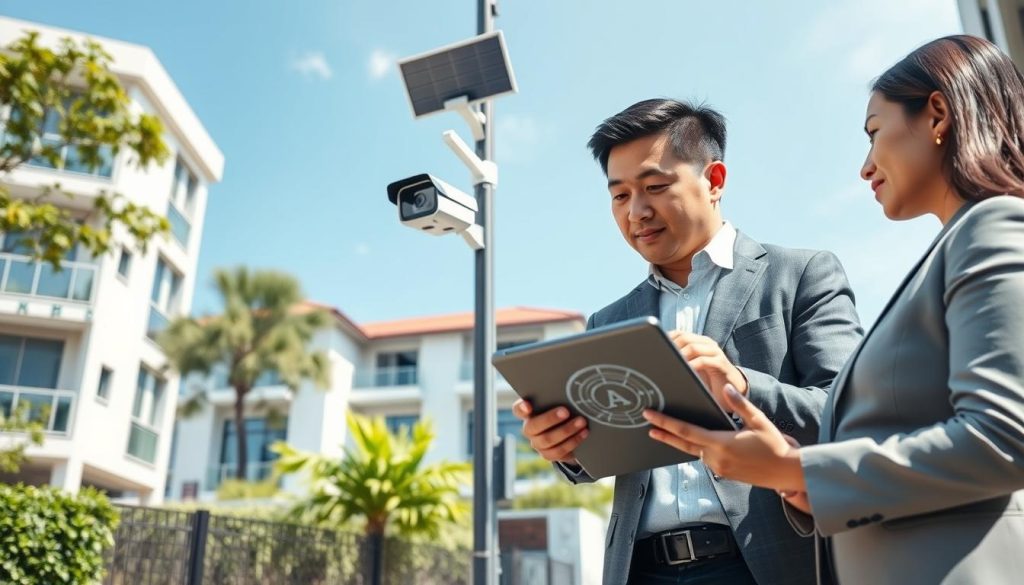
Calculate your energy requirements based on device specifications and local conditions. Higher-resolution units and those with additional features typically consume more power. Ensure your energy-harvesting system can meet these demands consistently.
Maintenance accessibility influences your location choice as well. Regular panel cleaning maintains optimal performance. Choose spots that balance sunlight exposure with practical maintenance access.
Evaluating 4G Network Strength in Your Installation Area
Cellular connectivity reliability determines your system’s communication capabilities. Test network strength at intended installation points before committing to a specific location. Weak signals cause interrupted streams and delayed alerts.
Use smartphone applications to measure actual signal strength. Walk around your property while monitoring the signal indicator. Note areas with consistent strong reception versus spots with intermittent connectivity.
Consult network coverage maps from Singapore’s major providers. These tools show general service areas but may not account for local obstructions. Combine map data with hands-on testing for accurate assessment.
Consider temporary equipment testing for critical installations. Some suppliers offer evaluation units or return policies that allow real-world testing. This approach provides definitive answers about performance in your specific environment.
Network reliability varies between providers in different locations. What works perfectly for your neighbor might struggle on your property. Test multiple network options if your device supports different SIM cards.
Beyond these core considerations, evaluate installation complexity for your chosen spots. Different mounting surfaces require specific hardware and techniques. Concrete walls, wooden fences, and metal structures each present unique challenges.
Integration possibilities matter if you have existing security systems or smart home ecosystems. Unified management through a single application simplifies daily monitoring. Check compatibility before making your final choice.
Storage solutions should align with your recording preferences and retention requirements. Local storage offers complete control without ongoing fees. Cloud backups provide off-site protection for critical footage.
Create a decision framework that balances must-have features against nice-to-have capabilities. Budget constraints often require prioritizing essential functions over advanced options. Focus on what truly matters for your protection scenario.
A comprehensive pre-purchase checklist should include: coverage area assessment, sunlight exposure analysis, network connectivity testing, feature prioritization, budget allocation, installation complexity evaluation, and future expansion considerations.
This systematic selection process ensures you choose equipment that matches your property’s characteristics. The right device delivers reliable performance while minimizing maintenance demands. Your investment provides peace of mind through tailored protection.
Professional Installation vs. DIY Setup in Singapore
The final step before enjoying wireless surveillance is determining whether to tackle installation yourself or hire experts. This decision impacts your system’s performance, reliability, and long-term maintenance requirements. Singaporean property owners have both options available.
Do-it-yourself setup appeals to technically inclined individuals. It offers cost savings and immediate control over the process. Many modern devices come with clear instructions for self-installation.
Professional services provide expertise and guaranteed results. Certified technicians ensure optimal positioning and configuration. They handle complex tasks that might challenge inexperienced users.
Each approach has distinct advantages for different scenarios. Temporary locations like construction sites often benefit from quick DIY deployment. Permanent residential installations might justify professional expertise.
Best Practices for Optimal Solar Panel Placement
Your photovoltaic panel needs direct sunlight for efficient charging. Proper placement maximizes energy collection throughout Singapore’s daylight hours. This ensures your battery remains adequately charged.
Position the solar panel facing north for optimal exposure. Singapore’s equatorial location makes this orientation most effective. Adjustable brackets help fine-tune the angle seasonally.
Avoid shaded areas throughout the entire day. Monitor how shadows from buildings or trees move across potential sites. Even partial shading significantly reduces energy production.
Ensure easy access for regular cleaning. Dust and debris accumulation lowers panel efficiency. Monthly cleaning maintains peak performance in Singapore’s urban environment.
Consider supplemental panels for challenging locations. Some areas receive limited direct sunlight due to permanent structures. Additional photovoltaic units can solve this energy shortfall.
Configuring Your Camera and Mobile App for First Use
Initial configuration transforms components into an operational system. Follow the manufacturer’s instructions carefully for best results. Most modern devices streamline this process through companion applications.
Begin with SIM card installation in the designated slot. Ensure you’re using a compatible data plan from a Singaporean provider. Proper insertion establishes cellular connectivity.
Download the official mobile application from your device’s app store. Create an account using your email address. This account becomes your central management portal.
Register your camera within the application using its unique ID. The app will guide you through network pairing and initial setup. This typically involves scanning a QR code on the device.
Configure detection parameters based on your property layout. Set motion sensitivity, detection zones, and alert preferences. Customize these settings to match your specific security needs.
Test all features before final mounting. Verify live streaming, motion alerts, and night vision functionality. Confirm the camera responds correctly to app commands.
When to Consider Hiring a Professional Installer
Certain situations clearly benefit from expert assistance. Recognizing these scenarios prevents installation problems and ensures optimal performance. Professional help often pays for itself through avoided issues.
Complex mounting situations demand technical expertise. High walls, unusual surfaces, or difficult access points challenge DIY efforts. Professionals have the right tools and experience for these tasks.
Multiple-camera systems require coordinated installation. Positioning several units for comprehensive coverage involves strategic planning. Technicians optimize placement to eliminate blind spots.
Integration with existing security infrastructure needs specialized knowledge. Connecting new wireless cameras to alarms or monitoring services requires technical understanding. Professionals ensure seamless integration.
Technical inexperience justifies hiring help. If you’re uncomfortable with tools or technology, professional installation provides peace of mind. It guarantees your system operates correctly from day one.
For reliable installation services in Singapore, consider professional security camera installation. Certified technicians ensure optimal setup and long-term reliability.
Professional installers bring experience with Singapore’s specific conditions—high humidity, heavy rainfall, and urban signal interference. Their expertise prevents common installation mistakes that compromise system performance.
DIY enthusiasts should gather necessary tools before beginning. Basic kits typically include drills, screwdrivers, mounting brackets, and waterproof sealant. Safety equipment like ladders and gloves are essential.
Test your device thoroughly before permanent installation. Operate it for 24-48 hours in its intended location. Verify consistent connectivity and reliable power harvesting.
Address Singapore’s weather conditions during installation. Use waterproof sealant around cable entry points. Ensure mounting hardware can withstand tropical storms and high winds.
Optimize antenna orientation for best signal strength. Position cellular antennas away from metal obstructions. Test different orientations to find the strongest network connection.
Different surfaces require specific mounting approaches. Brick walls need appropriate anchors and drills. Wooden structures may require additional reinforcement for heavy units.
Metal frames present unique grounding considerations. Temporary installations should still prioritize stability and weather protection. Each surface type has optimal mounting techniques.
Complete initial testing before considering installation finished. Verify all alerts reach your mobile device promptly. Test remote viewing from different network connections.
When seeking professional help, look for certified installers with relevant experience. Ask about their work with wireless surveillance systems specifically. Request references from previous clients with similar installations.
Consultations should address your specific property characteristics. Good installers assess sunlight patterns, signal strength, and coverage needs. They provide tailored recommendations rather than generic solutions.
The right installation approach depends on your skills, property, and budget. Simple single-unit setups often suit capable DIYers. Complex multi-camera systems typically benefit from professional expertise.
Your choice determines how quickly you achieve reliable protection. It also affects long-term maintenance requirements and system longevity. Consider both immediate and future implications when deciding.
Maintaining Your System for Peak Performance and Longevity
The reliability of your autonomous monitoring system depends as much on regular care as it does on initial quality and installation. A consistent maintenance routine ensures your property protection remains vigilant and effective throughout its lifespan. This proactive approach prevents minor issues from becoming major failures.
Singapore’s tropical climate presents unique challenges for any exterior equipment. High humidity, intense sunlight, and seasonal monsoon rains test system durability. Proper upkeep addresses these environmental factors directly.
Establishing a simple schedule transforms maintenance from a chore into a habit. Regular checks take only minutes but deliver months of trouble-free operation. Your investment in security deserves this ongoing attention.
Routine Checks: Panel Cleaning and Battery Health
Photovoltaic surfaces need regular cleaning to maintain optimal efficiency. Dust, pollen, and urban grime accumulate quickly in Singapore’s environment. This layer reduces sunlight conversion into usable electricity.
Clean your energy-harvesting component every three to six months. Areas with construction activity or heavy traffic may need more frequent attention. Use a soft cloth and mild detergent with lukewarm water.
Avoid abrasive materials that could scratch the protective coating. Rinse thoroughly and allow complete drying before reassembly. Check mounting brackets for stability during each cleaning session.
Monitor your rechargeable battery health through the companion mobile application. Most quality units provide charge level indicators and performance metrics. Watch for gradual declines in capacity over time.
Typical lithium-ion batteries last two to three years before replacement becomes necessary. Signs of degradation include shorter operation periods and slower charging. Plan for this eventual replacement as part of long-term ownership.
Perform visual inspections for physical damage or corrosion. Check all cable connections for tightness and weatherproof integrity. Look for cracks in housing or moisture intrusion around seals.
Managing Software Updates and Security Patches
Regular firmware updates deliver crucial improvements to your protection system. Manufacturers release enhancements that fix bugs and add new features. These updates also address emerging cybersecurity vulnerabilities.
Enable automatic updates within your device’s mobile application when available. This ensures you receive the latest protections without manual intervention. Most updates install seamlessly during periods of low activity.
Manual updates require checking the app’s settings menu periodically. Look for notification badges indicating available improvements. Always maintain a stable internet connection during the update process.
Software updates represent your first line of defense against evolving digital threats. They patch vulnerabilities that could compromise your surveillance footage and system control.
Updates often improve detection algorithms and power management. They may add compatibility with new mobile operating systems. Some even introduce entirely new functionality to older devices.
Back up your custom settings before major firmware upgrades. This precaution saves your detection zones and notification preferences. Restoration becomes straightforward if needed.
Troubleshooting Common Connectivity and Power Issues
When your device stops sending alerts or live streams becomes unavailable, start with basic diagnostics. Most problems have simple solutions that restore normal operation quickly. Systematic troubleshooting saves time and frustration.
Connectivity problems often relate to cellular network issues. Check your SIM card status through the mobile app first. Ensure your data plan remains active and has sufficient balance.
Test signal strength at the installation location using your smartphone. Weak reception may require antenna repositioning or a signal booster. Network congestion during peak hours can cause temporary interruptions.
Power-related issues typically involve energy collection or storage components. Verify your photovoltaic surface receives adequate sunlight throughout the day. Temporary shading from new vegetation or structures often causes unexpected drops.
Check all electrical connections for corrosion or looseness. Test battery capacity using the app’s diagnostic tools. A completely depleted storage unit may need several days of direct sunlight to recover.
Learn to interpret system alerts through your mobile application. Warning messages provide specific guidance about detected problems. Common notifications include:
- Low battery warnings with estimated remaining operation time
- Panel efficiency alerts suggesting cleaning is needed
- Connectivity status changes indicating network problems
- Storage capacity notifications for local recording media
Singapore’s monsoon seasons demand special preparation. Perform comprehensive checks before heavy rain periods arrive. Ensure all weatherproofing seals remain intact and functional.
After severe storms, inspect your equipment for physical damage. Look for water intrusion signs and test all functions systematically. Address any issues promptly to prevent further deterioration.
Know when to seek professional assistance versus attempting DIY repairs. Complex electrical issues or physical damage often benefit from expert attention. Simple cleaning and basic diagnostics are usually safe for owners to handle.
For temporary installations, proper storage between uses extends system lifespan. Remove batteries if storing for extended periods. Keep components in cool, dry conditions away from direct sunlight.
Your maintenance efforts directly translate to longer service life and consistent performance. A well-cared-for protection system delivers peace of mind for years beyond typical expectations. This ongoing attention represents the final, crucial element of comprehensive property security.
Top Brands and Trusted Suppliers in the Singapore Market
Your investment in property protection extends beyond the device itself to include the supplier’s reputation and after-sales service quality. Singapore’s market offers numerous choices for purchasing monitoring equipment. Making the right selection ensures long-term reliability and support.
Trusted brands have established networks across the island. They provide warranty coverage and technical assistance when needed. This local presence adds significant value to your purchase.
Recognized Brands: Hikvision, Dahua, Reolink, and Their Local Support
Several manufacturers dominate Singapore’s surveillance landscape. Each brings distinct strengths to different applications. Understanding these differences helps you select the best fit.
Hikvision represents professional-grade reliability for demanding environments. Their units feature industrial construction and advanced imaging technology. Local authorized distributors provide installation support and warranty services.
Dahua focuses on innovative features and smart integration capabilities. Their systems often include cutting-edge detection algorithms. Singapore-based technical teams assist with configuration and troubleshooting.
Reolink balances performance with accessible pricing. Their models deliver solid functionality for residential applications. Local suppliers stock genuine products with valid manufacturer warranties.
Consumer-focused brands like Eufy and SOLIOM prioritize user-friendly operation. They simplify setup through intuitive mobile applications. Singapore retailers offer these options with local customer service.
Local support networks provide crucial advantages for Singapore buyers. They handle warranty claims efficiently within regional guidelines. Technical assistance becomes accessible through phone or in-person consultations.
Replacement parts and accessories remain available through authorized channels. This ensures your system receives compatible components when needed. It extends the operational lifespan of your investment.
Brand reputation matters for long-term satisfaction. Established manufacturers invest in Singapore-specific testing and adaptation. Their devices withstand local climate conditions more effectively.
Finding Authorized Retailers and Reliable Installation Services
Choosing authorized retailers protects your investment significantly. They supply genuine products with valid manufacturer warranties. Counterfeit devices lack proper safety certifications and performance guarantees.
Verify retailer credentials before making purchases. Check for business registration with Singapore authorities. Look for industry certifications from security associations.
Customer reviews offer insights into supplier reliability. Examine feedback regarding product authenticity and after-sales support. Consistent positive experiences indicate trustworthy operations.
Local support becomes invaluable when issues arise. Authorized distributors maintain technical teams familiar with specific models. They understand common challenges in Singapore’s environment.
Installation service providers range from specialized security companies to general handymen. Each option suits different complexity levels and budgets. Professional installers bring specific expertise.
Specialized security companies understand Singapore’s building regulations and signal interference challenges. They optimize placement for both surveillance coverage and cellular connectivity.
For professional consultation and installation services, consider contacting CCTV Maintenance at +65 6013 5960. Their expertise ensures optimal system performance.
Online purchasing offers convenience but requires careful verification. Ensure the seller is an authorized distributor for your chosen brand. Check return policies and warranty registration procedures.
Brick-and-mortar retailers provide immediate product inspection opportunities. You can assess build quality before committing to purchase. They often demonstrate functionality in-store.
Warranty terms vary between brands in Singapore’s market. Typical coverage spans one to three years for different components. Understand what incidents qualify for claims.
Claim procedures differ between manufacturers. Some require direct contact with authorized service centers. Others handle claims through their retail partners.
Evaluate supplier reliability through multiple indicators. Business longevity suggests stable operations and customer satisfaction. Industry reputation among security professionals carries weight.
Product authenticity verification protects against counterfeit risks. Check holographic stickers, serial number validity, and packaging quality. Authorized retailers provide purchase receipts for warranty registration.
Your choice of supplier impacts the entire ownership experience. Reliable partners support you through installation, operation, and maintenance phases. This comprehensive support maximizes your investment’s value.
Making an Informed Decision for Smarter, Greener Security
The final choice in surveillance technology represents more than just equipment purchase—it’s an investment in sustainable peace of mind. Modern monitoring systems deliver wireless freedom while supporting Singapore’s environmental goals.
Consider your specific needs and total ownership costs. The right protection device offers reliability during disruptions and long-term savings. It aligns with both security priorities and sustainability initiatives.
For personalized advice, contact professionals like CCTV Maintenance at +65 6013 5960. They help match features to your property characteristics. This ensures optimal performance in our local climate.
Your informed decision creates security that works harmoniously with green values. Take the next step toward smarter protection today.
FAQ
What are the main advantages of a 4G solar-powered security camera?
These devices offer total installation freedom, as they don’t need wires for power or internet. They provide significant long-term savings on energy and cabling costs. Their eco-friendly operation uses renewable energy and ensures uninterrupted surveillance, even during power outages, making them a resilient choice.
How reliable is the video quality during both day and night?
Modern models feature high-resolution sensors and advanced infrared or starlight night vision. This technology delivers clear, detailed footage around the clock. For critical monitoring, look for cameras with 2K or 1080p resolution and superior low-light performance to ensure you never miss important details.
What should I consider for the solar panel and battery setup?
Assess your location’s sunlight exposure to choose a panel with adequate wattage. The rechargeable battery’s capacity must support several cloudy days. Efficient pairing of these components is crucial for maintaining continuous power and reliable surveillance without interruption.
Are these cameras suitable for Singapore’s weather?
Absolutely. Leading models from brands like Hikvision and Reolink carry IP66 or IP67 ratings. This means they are fully sealed against heavy rain, dust, and high humidity. This durability ensures they withstand local tropical conditions for year-round outdoor protection.
How does motion detection work, and can it reduce false alerts?
Systems use Passive Infrared (PIR) sensors to detect heat and movement. Many now include AI analytics to distinguish between people, vehicles, and animals. This smart detection sends you relevant alerts, minimizing false notifications from passing shadows or small creatures.
What are my options for video storage and review?
You typically have two choices. Local storage on a microSD card keeps data on-site with no monthly fee. Alternatively, cloud subscription services from the manufacturer offer secure, off-site backup and easy remote access to your recorded clips from anywhere.
What ongoing costs should I budget for after purchase?
The primary recurring cost is a data plan for the 4G SIM card. Prices vary based on your data usage. Optional cloud storage subscriptions may also apply. These are often balanced by the elimination of traditional electricity costs for the device’s operation.
Can I install a 4G solar surveillance system myself?
A> Yes, many models are designed for DIY setup. The key is optimal placement: mounting the solar panel in direct sunlight and ensuring good cellular signal strength. Following the brand’s app guide makes configuration straightforward. For complex sites, professional installers can ensure perfect setup.
How do I maintain the system for long-term performance?
Simple routine checks are essential. Periodically clean the solar panel surface of dust and debris to maximize energy capture. Monitor battery health via the app and install regular firmware updates. These steps ensure your system operates at peak efficiency and security for years.


