

What happens if you unplug a security camera? Expert Insights
Modern surveillance systems form a critical layer of protection for properties across Singapore. These devices work around the clock to monitor premises and deter criminal activity. Understanding how to manage them properly is essential for every homeowner and business operator.
Security cameras serve two vital functions. First, their visible presence acts as a powerful deterrent to would-be intruders. Second, they continuously record video evidence that can be crucial after an incident. Interrupting their operation, even briefly, creates dangerous blind spots.
This expert guide explores the immediate and long-term effects of disrupting a camera’s power. We examine the security risks, potential data loss, and impact on crime detection. For residents in Singapore, where property safety is paramount, this knowledge is non-negotiable.
While there may be valid reasons to temporarily disable monitoring, doing so without proper understanding invites trouble. Our comprehensive analysis covers legal implications, system functionality, and preventive solutions. Making informed decisions about your surveillance setup significantly enhances overall safety and peace of mind.
Key Takeaways
- Continuous camera operation is essential for effective crime deterrence and evidence collection.
- Power interruptions create immediate security gaps that criminals can exploit.
- Video monitoring systems provide crucial data for investigating incidents.
- Proper management of surveillance devices requires understanding their functionality.
- Homeowners should implement backup power solutions to maintain protection.
- Legal consequences may arise from tampering with security systems in certain contexts.
- Professional installation and maintenance prevent most common issues.
Understanding the Critical Role of Security Cameras in Modern Safety
The presence of a well-placed CCTV unit does more than just record events. It fundamentally alters the risk calculus for potential intruders. These devices are active crime prevention tools, not passive recorders.
Visible security cameras create a powerful psychological barrier. Studies consistently show properties with obvious surveillance experience far lower rates of burglary and vandalism. Criminals seek easy targets and will often avoid a monitored home.
This deterrent effect is a core component of modern safety. A robust security system performs a dual function. First, it enables real-time monitoring for immediate response. Second, it secures recorded evidence crucial for any post-incident investigation.
Today’s advanced systems integrate seamlessly into broader safety ecosystems. They connect with alarm devices, smart home controls, and mobile applications. This integration creates a responsive network for total property protection.
Technology has evolved from simple recording to intelligent analysis. Modern units feature motion detection, night vision, and remote access. Homeowners can now monitor their properties from anywhere, providing immense peace of mind.
Strategic placement maximizes coverage and effectiveness. Proper system design eliminates blind spots, ensuring comprehensive surveillance. This careful planning turns individual cameras into a cohesive shield.
The community benefit is significant. Footage from these devices often provides key evidence that assists law enforcement. Solving crime becomes more efficient, enhancing neighborhood safety for everyone.
For reliable operation, consider power solutions like the Reolink Argus 3 Pro. It maintains monitoring during outages, addressing a critical needs for continuity. Redundancy with multiple cameras and alarms adds vital layers of defense.
Ultimately, a quality security camera setup is not a luxury. It is an essential component of a comprehensive property protection strategy. It deters crime, captures data, and delivers the confidence that comes with vigilant oversight.
What Happens If You Unplug a Security Camera? The Immediate Effects
Disconnecting a surveillance device from its power source triggers an immediate chain reaction. The protective functions that homeowners rely on cease within seconds. This creates a dangerous gap in property security that requires understanding.
Different camera types respond uniquely to power loss. Their design determines how quickly they become inoperative. Knowing these differences helps property owners prepare for potential issues.
Instant Loss of Live Monitoring and Surveillance
Wired cameras using direct current power experience instant shutdown. They require constant electrical flow to maintain all operations. Once disconnected, recording, live viewing, and alert systems all stop working simultaneously.
These devices cannot store or transmit video without power. The impact is immediate and total. Your property becomes invisible to the monitoring system during this period.
Power over Ethernet models face similar instant failure. They receive both electricity and data through a single cable. Severing this connection eliminates every aspect of their functionality.
Battery-powered units offer temporary continuation. Their built-in power source allows limited operation after disconnection. However, they too will eventually fail once their charge depletes completely.
Live surveillance capabilities vanish immediately for most devices. Real-time threat assessment becomes impossible. Property owners lose their ability to respond to developing situations.
Motion detection systems and automated alerts also cease. These features depend entirely on continuous camera operation. Without power, they cannot analyze scenes or send notifications.
The technical reason is simple: cameras need constant energy for processing and transmission. Their sensors, processors, and network components all require electricity. Disconnection breaks this essential circuit.
Consider these critical losses when a device becomes unplugged:
- Recording halts completely, creating gaps in footage history
- Live viewing access disappears from mobile apps and monitors
- Automated motion detection and alert systems go silent
- Night vision and other special features become unavailable
- Integration with other security components breaks down
Even brief disconnections create immediate vulnerabilities. Criminals monitoring properties might notice inactive devices. This knowledge could encourage attempted security breaches.
The loss of live oversight represents the most critical consequence. It removes the proactive element from property protection. Reactive measures become the only option after incidents occur.
Understanding these immediate effects helps homeowners appreciate continuous operation. It highlights why maintaining power connections deserves careful attention. Proper planning prevents these dangerous security gaps.
The Direct Security Consequences of a Disconnected Camera
A surveillance camera without power becomes more than just inactive equipment—it transforms into a liability that actively undermines property protection. This creates measurable security gaps that professional burglars can identify during routine assessments. The consequences extend far beyond a simple recording interruption.
Statistical evidence reveals a clear pattern. Properties without functioning surveillance systems experience significantly higher targeting rates. Research indicates homes with visible, active security cameras are up to 300% less likely to experience break-ins.
Increased Vulnerability to Burglary and Property Crime
Visible but inactive devices send dangerous signals to potential intruders. They indicate security measures may be lax or poorly maintained. This perception makes your home appear as a softer target compared to fully monitored neighboring properties.
The psychological aspect of deterrence completely fails when cameras go offline. Active surveillance creates perceived risks of detection that discourage criminal attempts. Non-functional units cannot generate this crucial psychological barrier.
Consider these critical vulnerabilities created by camera disconnection:
- Immediate loss of recorded evidence for any criminal activity
- Reduced prosecution chances without video documentation
- Lower recovery rates for stolen property
- Compromised alarm system integration
- Extended response times from law enforcement
Security gaps from single camera failures can compromise entire protection systems. Modern setups rely on overlapping coverage areas. One disabled unit often creates blind spots that criminals can exploit to approach undetected.
Real-world examples demonstrate this impact clearly. In multiple documented incidents across Singapore, camera failures directly contributed to successful burglaries. Thieves specifically targeted properties with visible but non-functional monitoring equipment.
Response times suffer significantly when cameras disconnect. Security services and law enforcement rely on live feeds for situational awareness. Without this real-time data, their ability to assess and respond to developing situations diminishes considerably.
Temporary disconnections during critical periods create disproportionate risks. Holidays, nights, and vacant periods represent peak vulnerability windows. Even brief power interruptions during these times can have severe consequences.
The loss of evidentiary capability represents a major concern. Disconnected cameras cannot capture crucial video that documents criminal activity. This evidentiary gap makes prosecution challenging and reduces stolen property recovery chances.
These security consequences extend beyond individual properties. Neighborhood safety and community crime rates are affected when multiple homes experience monitoring failures. A single vulnerable property can create opportunities that affect entire residential areas.
For homeowners in Singapore, understanding these direct security implications is essential. Implementing reliable power solutions and addressing potential issues proactively becomes a fundamental safety need rather than optional enhancement.
Beyond the Camera: System-Wide Disturbances and Risks
The disruption of a single surveillance unit can send shockwaves through an entire networked security infrastructure. Modern protection setups are complex ecosystems where each component relies on others.
Today’s monitoring devices are integrated nodes, not standalone recorders. They communicate constantly with control centers, storage units, and other security layers.
Removing one node from this network creates immediate technical problems. Communication protocols break down, and data flows become disrupted.
Network-connected units share bandwidth and processing resources. When one camera disconnects unexpectedly, the remaining devices must compensate.
This redistribution can overload other components in the system. Performance degradation affects video quality and response times.
Intelligent security features are particularly vulnerable to these disruptions. Cross-camera tracking and automated patrol patterns depend on complete network visibility.
Network Malfunctions and Communication Breakdowns
Integrated surveillance systems operate like precision instruments. Each camera feeds data to central processors that analyze patterns and detect threats.
Unexpected disconnection creates confusion in these smart networks. The system may continue searching for the missing unit, wasting resources.
Diagnostic functions can generate false alerts when cameras go offline. Health monitoring software might report non-existent problems.
Conversely, actual issues may go undetected amid the confusion. This creates dangerous blind spots in system maintenance.
Cascading effects impact connected recording equipment directly. Digital video recorders and network video recorders rely on steady data streams.
Interrupted feeds cause recording gaps and storage anomalies. Some systems may overwrite crucial footage during these disruptions.
Monitoring stations receive incomplete or corrupted information. Security personnel cannot make informed decisions without reliable data.
Consider these systemic vulnerabilities created by camera disconnection:
- Remaining cameras may overload trying to cover expanded areas
- Automated tracking features lose target continuity
- Storage systems allocate space inefficiently
- Network bandwidth distribution becomes unbalanced
- System diagnostics report conflicting status information
Coverage gaps compromise entire surveillance strategies. Professional protection relies on overlapping views and redundant angles.
One disabled unit can create corridors of invisibility. Intruders can exploit these paths to approach undetected.
Modern security ecosystems extend beyond traditional monitoring. They integrate with smart lighting, automated alarms, and motion sensors.
These connected devices often use camera inputs to trigger responses. Missing video data reduces their functionality significantly.
Lights may not activate when they should. Alarm systems might delay notifications without visual confirmation.
Troubleshooting becomes exceptionally complex after unexpected disconnections. Technicians must distinguish between network issues and hardware failures.
Stable systems suddenly exhibit unpredictable behavior. Isolating the root cause requires extensive diagnostic work.
The systemic risks extend far beyond individual component failure. Entire security infrastructures can become compromised.
For comprehensive understanding of these effects, review our detailed analysis on security camera disruption consequences.
Property owners must recognize these interconnected consequences. A holistic approach to power management protects the entire system.
Reliable solutions address both individual components and network integrity. This dual focus maintains continuous surveillance coverage.
Singapore homeowners should consider these systemic needs when planning protection. Network resilience is as crucial as camera quality.
Legal and Insurance Implications of an Offline Camera
Singapore’s legal framework imposes clear boundaries on tampering with surveillance infrastructure, regardless of intent. The operational status of your monitoring equipment carries legal weight beyond simple property management.
Understanding these boundaries protects property owners from unexpected liabilities. Legal consequences extend far beyond immediate technical issues.
Unlawful Disabling and Potential Criminal Charges
A critical distinction exists between managing your own security cameras and interfering with others’ equipment. Disabling devices on your private home typically falls within property rights.
Tampering with surveillance in shared or public spaces constitutes illegal activity. Singapore’s Computer Misuse Act addresses unauthorized access to computer systems, including networked cctv.
Vandalism statutes may also apply to physical interference with devices. Penalties range from fines to imprisonment, depending on severity.
Unauthorized disconnection in rental properties, condominiums, or commercial buildings creates particular risks. Tenants altering landlord-installed security system components may breach lease agreements.
The legal concept of “duty of care” becomes relevant for homeowners and businesses. Property owners must maintain reasonable safety measures for visitors and residents.
A disconnected camera could represent negligence if it contributes to incidents. Courts may examine whether functional monitoring could have prevented crime or injury.
Evidence obtained from surveillance faces strict chain-of-custody requirements. Disconnection creates gaps that undermine video reliability in legal proceedings.
Documentation of power interruptions becomes crucial for maintaining evidence integrity. Courts scrutinize surveillance data continuity when assessing its admissibility.
Precedent cases demonstrate serious consequences. In one Singapore dispute, tampering with building security cameras led to criminal charges against a resident.
The individual disabled common area devices during a dispute. Prosecutors pursued charges under both vandalism and computer misuse statutes.
Building codes and insurance policies increasingly mandate functional surveillance. Certain commercial properties must maintain operational systems for regulatory compliance.
Insurance providers assess security measures when underwriting policies. Disconnected cameras might void coverage for related incidents.
Businesses experiencing breaches during camera downtime face compounded risks. Beyond property loss, they may encounter legal liability for inadequate safety measures.
Thorough documentation of maintenance protects against allegations of negligence. Records should include regular checks of camera connectivity and power solutions.
This documentation proves due diligence in maintaining security standards. It becomes valuable during insurance claims or legal disputes.
Civil liabilities represent another significant concern. Victims of crime might pursue claims if disconnected cameras contributed to the impact.
They could argue that functional monitoring would have enabled earlier detection or intervention. Such cases hinge on establishing causation between the gap and the harm.
Insurance complications extend beyond claim denials. Premiums may increase following incidents where security systems were compromised.
Some policies explicitly require maintained surveillance as a condition of coverage. Homeowners should review their policies for such clauses.
Legal consequences ultimately emphasize proactive system management. Understanding these implications helps homes and businesses address their needs comprehensively.
Proper planning prevents scenarios where criminals exploit legal technicalities. It also safeguards against insurance disputes following alarm events.
The intersection of law, insurance, and security requires careful navigation. Informed decisions protect against these multifaceted risks.
Long-Term Impact on Your Camera’s Health and Performance
Electronic components within monitoring devices experience gradual degradation when subjected to frequent on-off cycles. This cumulative stress reduces operational lifespan and compromises reliability. Understanding these effects helps property owners make informed maintenance decisions.
Repeated disconnection creates physical wear that isn’t immediately visible. Internal parts suffer microscopic damage with each power cycle. Over months or years, this damage accumulates into significant performance issues.
Wear and Tear from Frequent Power Cycling
Turning surveillance equipment on and off repeatedly stresses delicate electronics. Each cycle subjects components to thermal expansion and contraction. This process gradually weakens solder joints and electrical connections.
Specific parts are particularly vulnerable to this wear. Power supplies, capacitors, and circuit boards face the greatest strain. Their failure often requires complete unit replacement.
Modern security cameras are engineered for continuous operation. Interrupting this design pattern creates multiple problems. Components operate best at stable temperatures maintained during constant use.
Frequent cooling and heating cycles accelerate material fatigue. This leads to premature failure of critical parts. The impact on overall system reliability can be substantial.
Consider these vulnerable components and their specific risks:
- Power supplies experience voltage spikes during activation
- Capacitors degrade faster with repeated charge-discharge cycles
- Circuit board traces develop microfractures from thermal stress
- Solder joints crack after numerous expansion-contraction events
- Connection points loosen with temperature variations
Firmware and software face corruption risks during improper shutdowns. Sudden power loss interrupts data writing processes. This can corrupt configuration files and operational software.
Motorized cameras with pan-tilt-zoom capabilities suffer calibration problems. Their positioning systems rely on consistent power for accurate movement. Frequent resets cause gradual drift from intended viewing angles.
Storage media experiences reduced lifespan from unexpected disconnections. SD cards and internal memory can corrupt during write operations. This leads to lost footage and unreliable recording capabilities.
Image sensors and processors develop issues without stable operating conditions. They require consistent thermal management for optimal performance. Temperature fluctuations cause image quality degradation over time.
Preventive maintenance considerations become crucial for long-term health. Proper power management extends equipment longevity significantly. Implementing stable power solutions prevents most cycling-related damage.
Regular firmware updates maintain optimal functionality. These updates often address stability issues and improve performance. Cameras without current software become less effective at threat detection.
The consequences of neglecting long-term health are clear. Image quality deteriorates as components age prematurely. System reliability declines, creating security gaps in property protection.
Maintenance costs increase when multiple components require replacement. Complete system failure becomes more likely over time. This compromises the entire surveillance investment.
Singapore homeowners should prioritize stable power for their monitoring equipment. This simple practice preserves equipment value and maintains protection levels. Professional installation ensures proper power management from the beginning.
Long-term camera health directly affects overall security effectiveness. Reliable equipment provides consistent coverage without unexpected failures. This reliability is essential for comprehensive property protection.
Common Scenarios That Lead to Unplugged Security Cameras
Identifying common disconnection triggers represents the first step toward building resilient security systems. Most monitoring failures stem from predictable situations that property owners can anticipate. Understanding these scenarios helps develop effective prevention strategies for continuous protection.
Surveillance interruptions generally fall into two categories: accidental and intentional. Both types create dangerous security gaps that compromise property safety. Recognizing the specific causes behind each category enables targeted solutions.
Knowledge empowers homeowners to safeguard their investment in protection. It transforms reactive troubleshooting into proactive system management. This awareness is particularly valuable in Singapore’s unique urban environment.
Accidental Causes: Power Outages and Cable Dislodgement
Electrical failures represent the most frequent accidental cause of camera disconnection. Grid instability during storms can disrupt constant power to entire neighborhoods. Circuit breaker trips in older buildings often affect surveillance equipment unexpectedly.
Faulty wiring installations create persistent issues with power delivery. Overloaded circuits may cause intermittent shutdowns that stop working cycles. Power supply malfunctions within the camera units themselves also lead to unexpected failures.
Physical cable problems present another major category of accidental disconnections. Connector corrosion from Singapore’s humid climate weakens electrical contacts over time. Animal activity, particularly from rodents, can sever or damage exposed wiring.
Weather exposure accelerates cable degradation in outdoor installations. Monsoon rains and intense sunlight break down insulation materials. Accidental dislodgement during routine cleaning or maintenance frequently interrupts connections.
One security expert notes,
“The majority of service calls we receive involve simple cable issues that proper installation could have prevented.”
Network-related causes effectively disconnect modern IP cameras from monitoring systems. Router failures or switch malfunctions break the data transmission pathway. Internet service interruptions, while not physically unplugging devices, create the same functional impact.
Human factors contribute significantly to accidental surveillance interruptions. Children playing near equipment may tug on visible cables. Cleaning staff can inadvertently disconnect devices while performing their duties.
DIY home improvement projects often disrupt carefully planned camera placements. Residents moving furniture or redecorating might displace critical components. These everyday activities create unexpected security vulnerabilities.
Intentional disconnections present different challenges for property protection. Residents sometimes seek privacy by temporarily disabling indoor monitoring. Contractors during renovation projects may disconnect systems without proper notification.
Malicious actors represent the most concerning intentional threat. Intruders familiar with surveillance technology target power sources deliberately. They understand that disabling cameras eliminates crucial video evidence of their activities.
Seasonal factors specific to Singapore increase disconnection risks. Monsoon weather brings power fluctuations that strain electrical systems. Physical damage from heavy rains and winds affects outdoor camera installations.
Aging infrastructure in older residential buildings compounds reliability issues. Electrical systems not designed for modern surveillance loads struggle with constant power demands. This creates frequent interruptions that compromise recording continuity.
Poor initial installation practices set the stage for future problems. Exposed cables invite accidental damage and intentional tampering. Insecure connections loosen over time, leading to intermittent functionality.
Comprehensive understanding of these scenarios transforms how homeowners approach security. It shifts focus from reacting to failures to preventing them entirely. This proactive mindset represents the foundation of reliable property protection.
Each disconnection scenario suggests specific preventive solutions. Power issues point toward backup systems and surge protection. Cable problems highlight the importance of professional installation and regular maintenance.
Network vulnerabilities emphasize the need for redundant connectivity options. Human factors suggest better education and clear equipment labeling. Intentional threats require physical security measures for camera components.
For Singapore homes, this knowledge addresses local environmental needs. It accounts for climate challenges and urban living conditions. The resulting protection strategies work effectively within this specific context.
Understanding why devices become disconnected is indeed the first step toward prevention. It enables property owners to implement targeted measures that maintain continuous surveillance. This approach ensures that security systems fulfill their protective purpose reliably.
Proactive Measures: How to Secure Your Camera’s Power Source
Proactive power management transforms surveillance from reactive monitoring to reliable protection. This approach addresses the root causes of camera downtime before they create security vulnerabilities. Implementing robust solutions ensures continuous operation of your monitoring infrastructure.
Strategic planning eliminates the gaps that criminals actively seek to exploit. A resilient power foundation keeps your entire security system functioning during disruptions. This protection is essential for homes and businesses across Singapore.
Utilizing Uninterruptible Power Supplies (UPS) and Battery Backups
Uninterruptible Power Supply units provide immediate backup during electrical failures. These devices maintain continuous power to critical surveillance equipment. They bridge the gap until primary electricity returns or generators activate.
Proper UPS sizing requires calculating your system’s total power draw. Consider all cameras, recorders, and network equipment. Add 20-30% capacity for future expansion and optimal performance.
Runtime calculations determine how long backup power lasts. A typical home surveillance setup might need 2-4 hours of coverage. Critical commercial installations often require 8 hours or more of backup power.
Battery solutions vary by camera type and installation location. Wired models benefit from centralized UPS protection. Wireless units often have internal batteries that provide limited standalone operation.
External power banks extend wireless camera runtime significantly. These portable solutions are ideal for temporary installations or rental properties. They maintain monitoring during extended power outages.
Generator systems offer the longest backup duration for comprehensive security. Whole-house generators automatically activate during grid failures. They can power surveillance equipment for days or weeks if needed.
Power conditioning equipment protects against Singapore’s electrical fluctuations. Voltage regulators maintain steady current to sensitive camera components. Surge protectors shield against lightning strikes and power spikes.
Brownout protection prevents damage from low-voltage conditions. These common issues in older Singapore neighborhoods can disrupt camera operation. Conditioning equipment ensures consistent performance despite grid instability.
Physical security measures prevent accidental or intentional disconnection. Lockable outlet covers protect power sources from tampering. Conduit systems shield cables from weather, animals, and human interference.
Tamper-resistant connectors require special tools for disconnection. These prevent casual interference with power supplies. They’re particularly valuable for outdoor and publicly accessible installations.
Redundant power pathways create fail-safe protection systems. Dual power supplies allow automatic switching during failures. Critical surveillance points should have independent electrical circuits.
Automatic transfer switches seamlessly transition between power sources. These devices detect primary power loss within milliseconds. They activate backup systems without interrupting camera operation.
Solar power options leverage Singapore’s consistent sunlight availability. Photovoltaic panels can power outdoor cameras independently. This eliminates reliance on grid electricity for perimeter monitoring.
Hybrid systems combine solar with battery storage for 24/7 operation. They provide sustainable power solutions for remote camera locations. These systems reduce long-term electricity costs while enhancing reliability.
Proper cable management prevents accidental disconnection during maintenance. Use cable organizers and secure mounting brackets. Leave sufficient slack for temperature-related expansion and contraction.
Label all power connections clearly for easy identification. Color-coding helps technicians distinguish between different circuits. This organization prevents mistakes during repairs or upgrades.
Regular inspection schedules identify potential issues before failures occur. Check power connections monthly for signs of wear or corrosion. Test backup systems quarterly to ensure they function when needed.
Maintenance routines should include battery replacement according to manufacturer guidelines. Most UPS batteries need replacement every 3-5 years. Keeping detailed records helps track component lifespans.
Multiple camera placement provides additional redundancy against power issues. Strategic positioning at doors and windows maintains coverage if one unit fails. This layered approach ensures continuous property monitoring.
Overlapping views compensate for temporary camera downtime. When one device loses power, adjacent units continue capturing activity. This minimizes security gaps during electrical disruptions.
Proactive power management proves more cost-effective than addressing security breaches. The investment in reliable solutions prevents expensive incidents. Continuous monitoring protects property, evidence, and peace of mind.
Singapore homeowners should prioritize these measures for comprehensive protection. A secure power foundation supports all other security layers. This approach delivers the uninterrupted surveillance that modern safety demands.
Strategic Placement and Redundancy for Uninterrupted Coverage
# Analytics:
10fries,- For
First, { 10The
[Think 10.10[10
the best practice,use analysis of this
{ What Should be unique, “Strategy 10
The
Analyze
-ai
-10
” what the alt, <t. If the key
-optimize
<imageThe
<f. 10. 10. 10. – Do the word groups,text of ther. 5:
Re the the (f=Section 10. Do _10.
-2.1u.
<strong/your, "Word Count of the best for 10
E
<section 100% e 10) – Fles-
“2 10
Leveraging Technology for Control, Not Disconnection
Smart control applications provide homeowners with flexible management options that preserve system integrity. Modern surveillance equipment includes sophisticated digital interfaces for temporary adjustments. These features eliminate the need for physical intervention with power cables.
App-based management delivers precise control over monitoring functions. Homeowners can modify settings without creating security gaps. This approach maintains continuous protection while addressing privacy needs.
Using App Features for Privacy Modes and Scheduled Disabling
Privacy modes represent a significant advancement in camera technology. Brands like Tapo offer features that black out the camera view digitally. This occurs without interrupting power or recording functions.
These modes provide temporary privacy during sensitive moments. The system remains fully operational in the background. Recording continues, ensuring no security footage is lost.
Scheduled operation settings automate camera management effectively. Homeowners can program specific time periods for reduced monitoring. Family evenings or weekend gatherings can have adjusted surveillance levels.
The system maintains readiness during these scheduled periods. It automatically resumes full functionality at predetermined times. This eliminates manual intervention and potential errors.
Geofencing capabilities use smartphone location data intelligently. Cameras adjust their modes automatically when residents arrive or depart. This creates a responsive security environment.
Approaching your property triggers the system to enter Away Mode. Departing activates comprehensive monitoring. This seamless transition enhances both security and convenience.
User permission systems offer granular control over camera access. Temporary deactivation can be granted to specific users. Other residents maintain full surveillance capabilities.
This feature is ideal for households with multiple occupants. Different family members can have customized access levels. The overall security system remains intact for everyone.
Temporary motion detection suspension prevents unnecessary alerts. Known activities like children playing won’t trigger constant notifications. Recording continues uninterrupted during these periods.
The system maintains its evidentiary function without creating alert fatigue. Homeowners receive notifications only for genuine security concerns. This balance improves system usability significantly.
Modern cameras perform automatic health checks during software-based deactivation. System diagnostics continue running in the background. Firmware updates and maintenance occur without disruption.
Automatic re-enablement ensures cameras return to full operation. There’s no risk of forgetting to reactivate the system. This reliability is crucial for consistent protection.
Software control offers clear technical advantages over physical disconnection. System integrity remains uncompromised during temporary adjustments. Firmware updates and diagnostics proceed normally.
Network connectivity and power supplies stay active throughout. This preserves the overall health of surveillance equipment. Components avoid the stress of frequent power cycling.
Integration with smart home systems enables coordinated security management. Cameras work alongside lighting, alarms, and other protective devices. This creates a unified security ecosystem.
Voice commands and automation routines enhance control options. Homeowners can adjust multiple systems simultaneously. This integration delivers comprehensive property protection.
Technological solutions provide the flexibility residents need. They address privacy concerns without compromising security reliability. Modern systems offer control without creating vulnerabilities.
Remote management through mobile apps delivers convenience and security. Quick responses to emergencies are possible through instant setting changes. This prevents the negative effects of physical disconnection.
Smart features extend device lifespan through proper management. Systems operate according to actual needs rather than constant maximum output. This intelligent approach preserves equipment longevity.
Homeowners in Singapore benefit from these advanced capabilities. They maintain control over their surveillance while ensuring continuous protection. Technology delivers both flexibility and reliability.
Evaluating Your Surveillance Needs for a Resilient System
Effective property protection starts with understanding your specific surveillance gaps and vulnerabilities. A systematic assessment forms the foundation for any reliable security system. This process identifies what your property truly requires for comprehensive coverage.
Thorough evaluation prevents common installation mistakes. It ensures your investment addresses actual risks rather than perceived threats. This approach creates surveillance that withstands real-world challenges.
Every Singapore home presents unique protection needs. Layout, occupancy patterns, and local environment all influence camera placement. Customized planning delivers superior results compared to generic solutions.
Assessing Property Layout, Entry Points, and Blind Spots
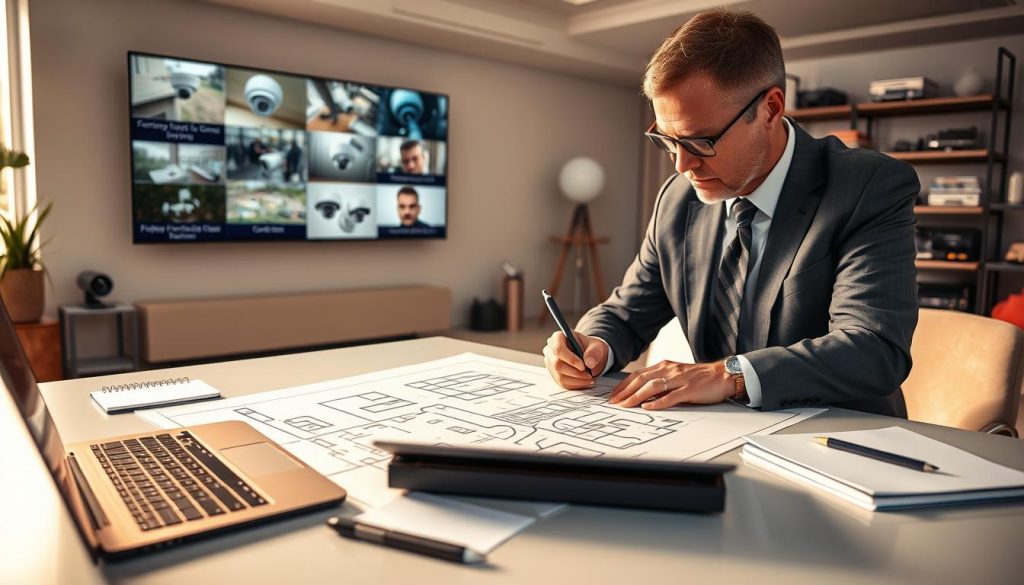
Begin with a detailed property diagram marking all structures and boundaries. Identify natural surveillance points and existing vulnerabilities. This visual reference guides all subsequent decisions about your security cameras.
Entry points demand particular attention during assessment. Doors, windows, gates, and secondary access routes represent primary intrusion paths. Each requires specific monitoring strategies based on its characteristics.
Ground floor windows in Singapore homes often need wide-angle coverage. The Reolink Duo 3 PoE offers 180-degree views that minimize blind spots. This extensive field of view captures activity across broad areas effectively.
Blind spot identification requires methodical site surveys. Walk your property at different times to observe lighting changes and shadow patterns. Note areas where visibility becomes limited during evenings or heavy rainfall.
Common blind spots include side alleys, rear courtyards, and service entrances. These areas frequently lack natural observation points. Strategic camera placement eliminates these vulnerabilities from criminal exploitation.
Consider how criminals might approach your property during assessment. Think like an intruder identifying weak points in your current setup. This perspective reveals coverage gaps that need addressing.
Lifestyle factors significantly influence surveillance requirements. Families with children may prioritize yard monitoring. Home offices often need enhanced protection for equipment and data.
Occupancy patterns determine when cameras provide maximum value. Frequently vacant properties require different approaches than constantly occupied homes. Your daily routine should inform camera placement and activation schedules.
Valuable asset locations deserve special consideration. Document storage areas, entertainment systems, and jewelry collections need targeted coverage. These spots benefit from additional monitoring layers.
Matching camera types to specific needs optimizes system performance. Different areas require different technological solutions. Entry points might need motion-activated units with excellent low-light capabilities.
Battery-powered options like the Reolink Atlas PT Ultra maintain operation during power disruptions. These devices provide crucial backup for critical surveillance points. Their wireless design simplifies installation in challenging locations.
PoE cctv systems simplify wiring through single-cable connections. They deliver both electricity and video transmission efficiently. This reliability makes them ideal for permanent installations.
Wi-Fi cameras require consistent electrical connections for optimal performance. They offer flexibility but depend on network stability. Consider these factors when planning your overall security system.
Redundancy planning protects against individual component failures. Critical areas deserve overlapping camera coverage. Multiple angles ensure continuous monitoring if one unit experiences issues.
Backup power solutions maintain operation during electrical incidents. These prevent loss of evidence during crucial moments. Reliable systems incorporate this redundancy from initial design.
Professional security providers bring valuable expertise to this assessment process. Their experience with Singapore properties helps identify local-specific risks. They understand common intrusion patterns in residential areas.
Creating practical system specifications balances ideal coverage with real constraints. Budget limitations, installation complexity, and maintenance requirements all influence final designs. The best solutions work within these practical boundaries.
Documentation maintains system integrity information for future reference. Detailed records help during troubleshooting and expansion projects. Keep diagrams, equipment lists, and configuration details organized.
This documentation should include coverage maps showing each camera’s field of view. Note detection ranges and any known limitations. Update these records whenever modifications occur.
Thorough needs assessment creates surveillance that maintains functionality despite challenges. It builds resilience into your property protection strategy. This foundation supports all other security measures effectively.
Singapore homeowners benefit from this systematic approach. It addresses local environmental factors and common security concerns. The resulting safety measures provide genuine peace of mind.
Remember that assessment isn’t a one-time activity. Regular reviews ensure your security cameras continue meeting evolving needs. As your property changes, so should your protection strategy.
Key Features to Look for in a Reliable Security Camera
The technical specifications of your monitoring devices determine their ability to withstand power disruptions and maintain continuous operation. Choosing equipment with built-in resilience prevents the dangerous gaps that compromise property protection.
Different camera designs serve distinct surveillance purposes. Bullet models excel at long-distance viewing with focused lenses. Dome units provide discreet 360-degree coverage for indoor spaces.
PTZ cameras offer live monitoring flexibility with remote control. You can pan, tilt, and zoom to follow movement precisely. Each type addresses specific security needs in residential and commercial settings.
Core imaging capabilities form the foundation of effective surveillance. High resolution delivers clear video evidence for identification purposes. Night vision extends monitoring into darkness using infrared technology.
Motion detection triggers automated alerts when activity occurs. These features work together to create responsive protection systems. They ensure your cameras capture crucial data during critical moments.
Power Options: PoE, Solar, and Long-Life Battery Capabilities
Power over Ethernet technology simplifies installation dramatically. A single cable delivers both electricity and network connectivity. This reduces connection points that could fail during electrical incidents.
PoE systems provide stable power from centralized switches. They eliminate the need for separate electrical outlets near each camera. This streamlined approach enhances overall system reliability significantly.
Solar-powered options leverage Singapore’s abundant sunlight effectively. Photovoltaic panels generate independent energy for continuous operation. These solutions maintain surveillance during grid outages and power fluctuations.
Modern solar cameras incorporate efficient energy storage systems. They collect sunlight during daytime hours. Stored power then runs the devices through night and cloudy periods.
Extended battery life technologies represent another advancement. High-capacity lithium batteries now power some models for months. Power-saving modes and efficient processors maximize operational duration.
Consider these critical power features for reliable surveillance:
- Dual-power cameras automatically switch between main electricity and backup batteries
- Low-power consumption designs extend battery life during outages
- Automatic recharge systems restore power without manual intervention
- Power status monitoring sends alerts when energy levels drop critically
- Weather-resistant solar panels withstand Singapore’s tropical climate conditions
Ruggedized construction protects against environmental challenges. IP67 or higher ratings ensure resistance to rain and dust. Vandal-proof housings prevent physical tampering attempts.
These features maintain functionality despite harsh conditions. They’re particularly valuable for outdoor installations across Singapore properties. Durable equipment withstands monsoon seasons and intense sunlight exposure.
Network resilience features maintain connectivity during disruptions. Dual-band Wi-Fi provides automatic frequency switching. Mesh network compatibility creates redundant communication pathways.
Failover connectivity options include cellular backup systems. When primary internet fails, 4G modules activate automatically. This ensures continuous video transmission to monitoring platforms.
Storage redundancy prevents data loss during equipment issues. Dual SD card slots allow simultaneous recording to multiple media. Local and cloud backup occurs concurrently for maximum protection.
Automatic backup systems transfer footage when primary storage fills. This prevents overwriting of crucial evidence. Multiple storage layers create evidentiary safeguards.
Tamper detection represents a crucial protective feature. Sensors alert users when cameras experience physical manipulation. Motion detection within the housing triggers immediate notifications.
One security expert emphasizes,
“Feature selection directly determines how well cameras withstand both accidental and intentional disconnections. The right technical specifications create inherent resilience.”
Smart integration capabilities enhance overall security effectiveness. Cameras that connect with alarm systems and smart lighting create coordinated responses. This holistic approach addresses vulnerabilities comprehensively.
Feature-rich devices provide multiple layers of protection against disconnection consequences. They maintain monitoring capabilities despite power issues. This reliability is essential for Singapore homes and businesses.
Choosing cameras with these advanced capabilities transforms your surveillance investment. It creates protection that persists through various challenges. Your property remains monitored despite electrical fluctuations or connection problems.
Thorough feature evaluation ensures your cctv system delivers consistent performance. It prevents the impact of unexpected camera downtime. This proactive selection builds genuine resilience into your security infrastructure.
When to Consult Professional Security Providers in Singapore
Specialized security providers deliver technical expertise that prevents the vulnerabilities amateur installations often create. Their knowledge transforms basic equipment into resilient protection networks. This approach addresses Singapore’s unique environmental and regulatory landscape effectively.
Professional consultation becomes essential at several key moments. System design, installation, and major upgrades all benefit from expert input. Ongoing maintenance and troubleshooting also require specialized skills for optimal results.
Local providers understand Singapore’s specific security challenges. They account for tropical weather, urban density, and building regulations. This localized knowledge ensures your protection measures work reliably year-round.
For comprehensive guidance on modern surveillance, contact ED Viston at +65 8313 4578. They offer insights into the latest CCTV solutions and special promotions. Wen Hong at +65 60135960 provides additional expert advice on advanced monitoring systems.
Benefits of Expert Installation and System Configuration
Certified technicians assess your property with professional precision. They identify vulnerabilities that DIY approaches frequently miss. This thorough evaluation prevents accidental disconnections before they occur.
Expert cable management represents a critical advantage. Professionals route wires through protected conduits and secure pathways. This minimizes exposure to damage from weather, animals, or human interference.
Proper connection techniques ensure lasting reliability. Weatherproof connectors and strain relief prevent cable dislodgement. These methods maintain continuous operation despite Singapore’s humid climate.
Professional power management solutions include properly sized UPS systems. Dedicated circuits prevent overloads that cause unexpected shutdowns. Surge protection tailored to local electrical standards safeguards sensitive components.
System integration expertise creates harmonious operation between all security elements. Cameras work seamlessly with alarm systems and motion sensors. This coordination reduces systemic failure risks during power fluctuations.
Compliance with Singapore’s building codes ensures legal operation. Professionals maintain safety regulations and industry best practices. This protects homeowners from potential liability issues.
Ongoing maintenance services proactively identify developing problems. Regular inspections catch loose connections before they fail. Preventive care maintains system integrity and prevents security gaps.
Warranty and support benefits come with professional installation. Faster response times address troubleshooting needs promptly. Repair services restore protection quickly after unexpected incidents.
Customization options match specific security requirements perfectly. Providers tailor solutions to your property’s layout and needs. This personalized approach delivers optimal protection for your unique situation.
Consider these professional advantages for reliable surveillance:
- Comprehensive property assessment identifies all vulnerability points
- Expert cable routing prevents accidental disconnection and tampering
- Proper power management maintains operation during electrical issues
- System integration ensures all components work together effectively
- Regulatory compliance protects against legal consequences
- Preventive maintenance addresses potential problems before failures occur
- Customized solutions match your specific security requirements
- Professional support provides quick resolution of technical issues
Technical expertise prevents common installation mistakes. Improper camera angles create blind spots that criminals exploit. Inadequate weatherproofing leads to moisture damage and connection failures.
Power distribution errors cause voltage drops and intermittent operation. Network configuration mistakes disrupt video transmission and remote access. These technical issues compromise overall system reliability.
Professional installers use specialized tools and testing equipment. They verify every connection before completing the installation. This quality assurance process ensures optimal performance from day one.
One security expert emphasizes,
“Professional installation represents an investment in system reliability that pays continuous dividends through uninterrupted protection. The initial cost prevents expensive security breaches later.”
Local knowledge addresses Singapore-specific considerations. Building materials, electrical standards, and climate factors all influence installation methods. Professionals adapt their techniques to these local conditions.
HDB regulations and condo management rules require specific compliance. Professional providers navigate these requirements efficiently. They obtain necessary permissions and follow approved installation procedures.
System scalability ensures your security grows with your needs. Professionals design infrastructure that accommodates future expansion. This forward-thinking approach protects your investment long-term.
Documentation and training provide ongoing value. Detailed system manuals help residents understand proper operation. Basic troubleshooting guidance empowers homeowners to address minor issues independently.
Regular system assessments identify when upgrades become necessary. As noted in our guide on optimal replacement timing, technology evolves rapidly. Professional advice ensures your system remains current and effective.
Emergency response capabilities represent another professional benefit. Providers offer 24/7 support for critical failures. This rapid assistance minimizes security gaps during unexpected incidents.
Insurance considerations often favor professionally installed systems. Many policies offer better terms for certified installations. This financial benefit complements the enhanced safety provided.
Evidence preservation receives professional attention. Proper system configuration maintains video continuity for legal purposes. This ensures recorded data remains admissible if needed for crime investigation.
The impact of professional installation extends beyond technical reliability. It provides peace of mind knowing experts have implemented your protection. This confidence is invaluable for Singapore homes and businesses.
Professional consultation ultimately represents smart risk management. It addresses potential vulnerabilities before they create security consequences. This proactive approach delivers genuine value through continuous, reliable protection.
Step-by-Step Guide to Troubleshooting an Unexpected Disconnection
Systematic troubleshooting methodology identifies the root cause of camera disconnections before security gaps widen. This approach minimizes vulnerability windows and restores protection efficiently. Following logical verification steps prevents unnecessary component replacement and maintains system integrity.
Structured diagnostics begin with the most common failure points. Power sources, physical connections, and network pathways represent primary investigation areas. Methodical isolation determines whether problems are localized or systemic.
Initial Diagnostic Steps: Power, Cables, and Network
Power verification represents your first checkpoint when cameras stop working. Begin by checking the electrical outlet with a known-working device. Examine power adapters for physical damage or overheating signs.
Voltage measurement confirms adequate power delivery to each camera. Use a multimeter to test adapter output against manufacturer specifications. Inconsistent voltage often causes intermittent operation issues.
Cable inspection techniques identify physical damage and connection problems. Examine entire cable lengths for cuts, kinks, or chew marks from animals. Connector corrosion appears as greenish deposits on metal contacts.
Environmental degradation affects outdoor installations significantly. Singapore’s humidity accelerates cable jacket breakdown. Regular inspection prevents moisture-related short circuits and connection failures.
Network diagnostic procedures verify connectivity for IP cameras. Ping tests confirm basic communication between devices and your router. Bandwidth assessments ensure network capacity supports video streaming demands.
Router configuration checks resolve many connectivity issues. Verify camera IP addresses match your network’s DHCP range. Port forwarding settings must align with manufacturer recommendations for remote access.
Camera-specific troubleshooting addresses individual unit problems. Reset procedures restore default configurations without losing critical settings. Firmware verification ensures cameras run current software versions.
Configuration validation confirms cameras operate with correct parameters. Resolution settings, frame rates, and compression levels affect performance. Incorrect configurations can mimic hardware failure symptoms.
Systematic isolation techniques pinpoint problem origins efficiently. Test cameras in different locations using known-good cables and power sources. This determines whether issues are camera-specific or location-related.
Safety precautions protect during electrical troubleshooting. Always disconnect power before examining connections. Use insulated tools when testing live circuits in security systems.
Network equipment safety requires similar caution. Static electricity can damage sensitive electronics. Ground yourself before handling routers, switches, or camera network modules.
One security technician notes,
“Documenting each troubleshooting step creates valuable reference data. Patterns emerge over time, revealing systemic weaknesses before they cause security incidents.”
Documentation practices during troubleshooting provide multiple benefits. Record test results, replacement parts, and resolution methods. This information helps identify recurring issues and preventive solutions.
Maintenance logs should include connection checks and software updates. Regular review of these records reveals developing problems. Proactive addressing prevents unexpected disconnections.
Alert systems notify homeowners immediately when cameras go offline. Modern security platforms send mobile notifications for disconnection events. This enables quick response before security gaps expand.
Consider these essential troubleshooting actions:
- Verify power sources using multimeter measurements
- Inspect all cables for physical and environmental damage
- Test network connectivity through ping and bandwidth checks
- Update camera firmware to resolve software-related issues
- Document all findings to identify patterns and solutions
Escalation to professional assistance follows specific triggers. Electrical problems beyond basic outlet issues require certified technicians. Network configuration complexities often benefit from IT expertise.
Multiple simultaneous failures suggest systemic problems. Professional assessment identifies underlying causes in infrastructure. Their diagnostic tools provide deeper insight than consumer equipment.
Persistent issues despite basic troubleshooting indicate deeper problems. Intermittent failures often stem from complex interaction between components. Professionals isolate these interactions effectively.
Efficient troubleshooting minimizes security gaps during resolution processes. Quick identification and correction restore monitoring capabilities rapidly. This maintains property protection despite temporary technical issues.
Regular maintenance prevents most disconnection problems. Check power connections and adapters monthly in Singapore’s humid climate. Use quality cables designed for outdoor environmental conditions.
Update camera software quarterly to ensure optimal functionality. Monitor network settings for changes that might affect connectivity. These practices keep security systems operating reliably.
The systematic approach transforms reactive problem-solving into proactive protection. Understanding verification steps empowers homeowners to address issues confidently. This knowledge maintains continuous surveillance for any property.
Building a Holistic Security Mindset Beyond the Camera
True property protection emerges not from isolated devices but from interconnected security ecosystems working in harmony. This approach creates multiple defensive layers that maintain coverage even when individual components experience issues. A comprehensive strategy addresses all potential entry points and vulnerability areas.
Layered security provides essential redundancy against technical failures. When one element faces problems, other measures continue providing protection. This defense-in-depth philosophy prevents single points of failure from compromising overall safety.
Integrating Cameras with Other Security Layers (Lighting, Alarms)
Automated lighting represents a powerful partner for surveillance systems. Motion-activated illumination works with cameras to enhance nighttime monitoring capabilities. Bright lights suddenly activating startle potential intruders and improve video quality.
Strategic lighting placement eliminates shadows where criminals might hide. It extends the effective range of camera detection after dark. This combination creates a formidable deterrent that addresses visual and psychological security needs.
Infrared technology allows cameras to see in complete darkness. This capability is excellent for nighttime security without visible light. You can monitor these feeds remotely on phones or computers with internet access.
Regular checks keep all system components working optimally. Keeping an eye on your entire property remains vital for comprehensive protection. Integrated systems provide multiple data streams for better situational awareness.
Alarm system integration creates responsive protection networks. These systems trigger alerts based on multiple sensor inputs, not solely camera detections. Door contacts, window sensors, and motion detectors work together with surveillance.
When an alarm activates, cameras automatically focus on the triggered zone. This coordinated response provides immediate visual verification. Security personnel can assess situations more accurately with multiple data sources.
Physical security measures complement electronic surveillance effectively. Sturdy locks, reinforced doors, and window grilles create tangible barriers. These elements work alongside monitoring systems to delay intrusion attempts.
Access control systems manage entry to sensitive areas. Keycards, biometric scanners, and coded entries restrict unauthorized movement. They create audit trails that work with video evidence for complete incident documentation.
Human elements complete the security ecosystem. Neighborhood watch programs extend monitoring beyond individual properties. Community awareness creates additional eyes on the street.
Response protocols ensure quick action when alerts occur. Designated contacts and clear procedures minimize confusion during incidents. This human layer adds judgment and adaptability that technology alone cannot provide.
Holistic planning accounts for potential camera failures through complementary measures. Backup systems and alternative monitoring methods maintain coverage. Regular assessments evaluate overall protection levels rather than individual component status.
One security expert notes,
“The most resilient properties use cameras as the eyes of a much larger nervous system. Each layer reinforces the others, creating protection that persists through various challenges.”
For enhanced system integration, contact CCTV Maintenance at +65 60135960. Their experts can help identify optimal combinations of cameras, lighting, and alarms. They provide guidance on creating cohesive protection ecosystems for Singapore homes.
True security resilience comes from integrated systems rather than reliance on any single technology. Multiple layers working together address different attack vectors. This comprehensive approach delivers peace of mind that isolated devices cannot match.
Securing Your Peace of Mind with Informed, Proactive Choices
The journey toward comprehensive property safety begins with recognizing that security is an ongoing process, not a one-time setup. Your surveillance system requires continuous attention and smart management to remain effective against evolving risks.
Proactive maintenance prevents most disconnection issues before they create dangerous gaps. Modern technological solutions offer flexible control without compromising system integrity. This balance maintains both privacy and protection for Singapore homes.
Professional consultation ensures your security cameras meet specific property needs. Reliable monitoring deters criminals and provides crucial evidence when incidents occur. This investment protects against loss and enhances community safety.
Implement these informed choices to secure lasting peace of mind. Your vigilance today creates resilient protection for tomorrow’s challenges.
FAQ
Does unplugging a camera delete my recorded footage?
No, disconnecting a surveillance camera typically does not erase saved video. Recordings stored on a Network Video Recorder (NVR), Digital Video Recorder (DVR), or secure cloud service remain intact. However, you will create a gap in your video timeline from the moment the camera loses power until it is restored and reconnects.
Can criminals tell if a security camera is unplugged?
Yes, experienced burglars often look for signs of non-functioning surveillance systems. A camera with no status lights, an inactive infrared glow at night, or a loose cable can signal that the device is offline. This directly increases your property’s risk by removing a key deterrent.
Will my alarm system still work if I unplug my cameras?
A> Most modern alarm systems operate independently, so sensors and control panels will function. However, integrated smart home security solutions from brands like Google Nest or Ring may lose critical visual verification features. This can delay alerts and hinder emergency response.
How can I temporarily disable my camera without unplugging it?
Use your system’s official mobile app or software. Reputable providers like Hikvision or Dahua offer privacy modes, scheduling functions, or temporary disabling features within their settings. This maintains power to the device while stopping recording, preventing system errors.
What is the best backup power solution for home security cameras?
For wired systems, an Uninterruptible Power Supply (UPS) is highly effective. For wireless devices, models with built-in long-life batteries or solar panel options, like certain Arlo or Reolink cameras, provide excellent resilience against power loss and ensure continuous monitoring.


