
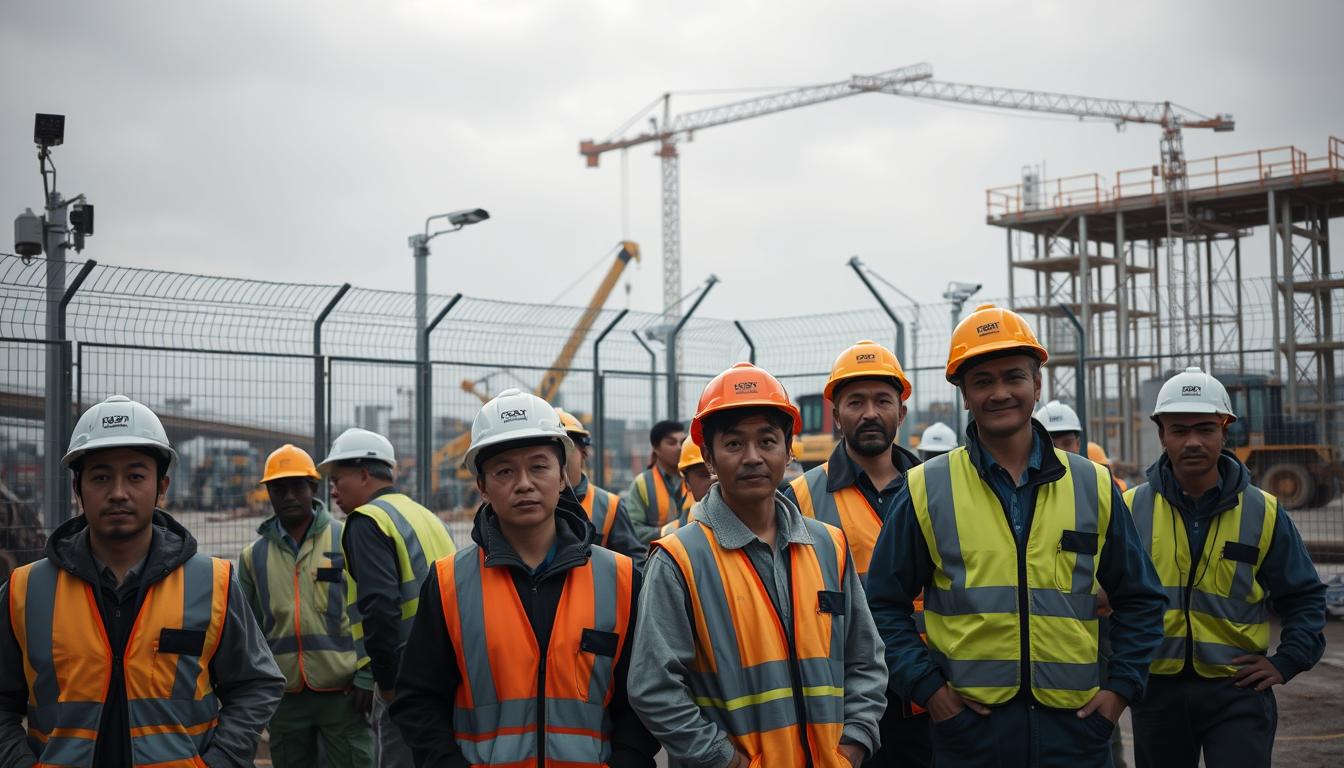
Ultimate Guide to Construction Job Site Security Measures
Ensuring safety and protection in the workplace is a top priority for industries worldwide. In Singapore, the challenges of maintaining a secure environment are particularly pressing. With theft and vandalism affecting many projects, adopting effective strategies is essential.
Modern solutions combine traditional methods with advanced technology. For example, AI surveillance and access management systems are proving to be game-changers. These tools not only deter crime but also enhance overall efficiency.
Compliance with local regulations is another critical aspect. Adhering to safety standards ensures that projects meet legal requirements while minimizing risks. This approach also helps in securing insurance coverage, which is vital for long-term success.
Key Takeaways
- Modern challenges require advanced solutions like AI surveillance.
- Access management systems significantly reduce unauthorized entry.
- Compliance with local regulations ensures legal and insurance benefits.
- Visible security measures can deter theft and vandalism effectively.
- Integrating technology with traditional methods enhances overall safety.
Why Construction Job Site Security is Essential
In urban environments, safeguarding projects is critical for smooth operations. With 92% of Singapore’s projects bordering public areas, addressing unique challenges becomes a priority. Proper measures not only protect assets but also ensure the safety of workers and the surrounding community.
Protecting Valuable Assets
Projects often involve expensive equipment and materials. Implementing a clear perimeter with proper fencing can reduce trespassing incidents by 78%. Additionally, smart netting solutions help contain debris, minimizing damage and loss.
Ensuring Worker Safety
Worker safety is a top concern. Integrated sensors monitor noise and dust levels, ensuring compliance with health standards. Emergency evacuation protocols are also in place to protect workers in case of unforeseen events.
Maintaining Public Safety
Urban projects must address environmental vulnerabilities to protect nearby communities. Regulatory requirements mandate measures like noise control and debris containment. Engaging with the community ensures transparency and fosters trust.
- Regulatory standards for public zone protection.
- Smart netting systems for debris containment.
- Integrated sensors for noise and dust monitoring.
- Emergency protocols for adjacent communities.
- Community engagement strategies for urban projects.
Key Challenges in Construction Site Security
Singapore’s tropical climate adds complexity to safeguarding operations. High humidity and frequent rain create unique obstacles that demand specialized solutions. Addressing these challenges requires a combination of durable equipment and advanced strategies.
Theft and Vandalism Risks
Urban areas are particularly vulnerable to theft and vandalism. Open access points make it easier for unauthorized individuals to enter restricted zones. Implementing weather-resistant barriers and surveillance systems can significantly reduce these risks.
Open Access Points
Unsecured entryways are a common issue in many projects. Proper fencing and access control systems are essential to minimize unauthorized access. Using durable equipment designed for Singapore’s tropical climate ensures long-term effectiveness.
Environmental Vulnerabilities
Singapore’s average humidity of 84% requires IP68-rated equipment to prevent corrosion. Monsoon-ready cameras reduce maintenance costs by 45%. Integrating flood detection sensors and UV protection for outdoor systems further enhances weather resistance.
- Corrosion prevention strategies for marine projects.
- Flood detection sensor networks for early warnings.
- Heat-resistant material storage protocols.
- UV protection for outdoor surveillance systems.
- Rainwater management integration with safeguarding measures.
5 Pillars of Effective Construction Site Security
Building a robust safety framework is essential for modern projects. By focusing on five key pillars, teams can create a secure environment that minimizes risks and maximizes efficiency. These strategies combine traditional methods with cutting-edge innovations to address today’s challenges.
Clear Perimeter Demarcation
Defining boundaries is the first step in preventing unauthorized access. Fencing and signage ensure that restricted areas are clearly marked. This simple yet effective measure reduces trespassing incidents significantly.
Access Control Systems
Controlling who enters the premises is crucial. Modern systems use keycards or biometrics to restrict access. These tools not only enhance safety but also provide detailed logs for accountability.
Lighting and Surveillance
Well-lit areas deter potential intruders. Pairing lighting with AI surveillance systems ensures 24/7 monitoring. These technologies reduce false alarms by 75%, making them highly reliable.
Asset Protection Strategies
Valuable equipment and materials need extra protection. Locking mechanisms and secure storage areas prevent theft. Integrating IoT devices allows for real-time tracking of assets.
Advanced Security Technology
Innovations like drones and autonomous robots are transforming safety measures. Drone patrols cover 40% more area than traditional methods. Predictive analytics and BIM integration further enhance planning and risk assessment.
- Predictive analytics for identifying potential risks.
- Autonomous robots for continuous monitoring.
- BIM integration for streamlined safety planning.
- Cybersecurity protocols to protect smart systems.
- Real-time dashboards for efficient management.
Best Practices for Securing Construction Sites
Proactive strategies are key to minimizing risks in dynamic project settings. By adopting a structured approach, teams can enhance safety and ensure smooth operations. Here are some proven methods to strengthen safeguarding measures.
Regular Security Audits
Conducting frequent assessments helps identify vulnerabilities early. These audits ensure that all systems are functioning optimally. Addressing issues promptly reduces the likelihood of breaches.
Employee Training Programs
Well-trained staff are the first line of defense. Programs should cover emergency protocols and proper use of equipment. Regular drills, like those based on SCDF-approved evacuation plans, can reduce response times significantly.
Collaboration with Local Authorities
Partnering with emergency services and maintaining a police liaison ensures faster response during crises. Sites with formal agreements experience 35% quicker assistance. This collaboration also aids in obtaining necessary permits and compliance with regulations.
- Joint patrol agreements enhance on-site safety.
- Traffic management plans reduce disruptions.
- Disaster response strategies protect both workers and the public.
- Noise control measures ensure community engagement and trust.
- Clear communication channels foster transparency.
Role of Technology in Construction Site Security
Technology is reshaping how we approach safety in dynamic environments. From high-definition cameras to AI-driven systems, modern tools are making it easier to monitor and protect assets effectively. These advancements not only enhance efficiency but also provide real-time insights to address potential risks promptly.
High-Definition CCTV Cameras
High-definition CCTV cameras offer crystal-clear visuals, ensuring every detail is captured. These cameras are essential for identifying unauthorized access or suspicious activities. With cloud storage integration, footage can be securely stored and accessed remotely, reducing storage costs by up to 60%.
AI-Powered Surveillance Systems
AI-powered systems take monitoring to the next level. They analyze patterns and detect anomalies, reducing false alarms by 75%. These systems also support remote access, allowing managers to oversee multiple locations from a single platform. This capability is particularly useful for multi-site management.
Remote Monitoring Solutions
Remote monitoring solutions provide flexibility and control. With mobile apps, users receive instant alerts, improving response times by 78%. These tools also incorporate two-factor authentication and cybersecurity measures to ensure data protection. Compliance with data sovereignty regulations further enhances reliability.
Integrating these technologies not only improves safety but also optimizes operations. For example, bandwidth optimization techniques ensure smooth data transmission, even in large-scale setups. By leveraging these tools, teams can focus on their core tasks while maintaining a secure environment.
For more insights on advanced monitoring tools, check out our guide on secure site solutions.
Choosing the Right Security Cameras for Your Site
Investing in the right tools can significantly enhance protection and efficiency. With a variety of options available, selecting the best cameras requires careful consideration of features, technology, and brand reliability.

Key Features to Look For
When choosing cameras, prioritize features like high resolution, night vision, and weather resistance. Advanced options include motion detection, remote access, and cloud storage. These features ensure comprehensive monitoring and easy access to footage.
Wired vs. Wireless Cameras
Wired cameras offer stable connections and are ideal for permanent setups. Wireless options provide flexibility and easier installation, especially in dynamic environments. Consider your specific needs to decide which type suits your project best.
Top Brands in Singapore
Singapore’s market is dominated by reliable brands like Hikvision, Bosch, and Wenhong. Hikvision holds a 35% market share, while Bosch integrates seamlessly with 90% of BMS platforms. Wenhong is known for its durable and cost-effective solutions.
- Compare warranties to ensure long-term reliability.
- Choose local suppliers for faster service and support.
- Ensure government project approvals for compliance.
- Opt for brands offering customization to meet unique needs.
- Analyze the total cost of ownership for budget planning.
Cost Considerations for Construction Site Security
Balancing costs and benefits is crucial when implementing safety measures. While initial investments may seem high, the long-term savings and protection they provide are invaluable. Understanding the financial implications helps in making informed decisions that ensure both safety and budget efficiency.
Initial Investment vs. Long-Term Benefits
Upfront costs for advanced systems like CCTV and access control can be significant. However, these tools reduce theft, vandalism, and operational disruptions. Over time, they lower repair and replacement expenses, making them a smart financial choice.
Budget-Friendly Security Solutions
For smaller projects, cost-effective options like motion sensors and basic fencing can provide adequate protection. Partnering with local suppliers ensures affordability without compromising quality. These solutions are ideal for managing expenses while maintaining safety standards.
Insurance and Risk Management
Proper safety measures can significantly reduce insurance premiums. Insurers often require documented protocols, such as CCTV installations, for coverage. Implementing a thorough risk assessment plan minimizes potential claims and protects against third-party liability.
- Checklists for policy requirements ensure compliance.
- Document incidents meticulously to support claims.
- Plan for business continuity to mitigate disruptions.
- Include cybersecurity measures in insurance policies.
For more insights on optimizing safety investments, explore our guide on top surveillance solutions.
Weather-Resistant Security Solutions for Singapore
Singapore’s unique climate demands specialized security solutions. High humidity and frequent rain create challenges that require durable and reliable equipment. By focusing on weather-resistant designs, teams can ensure the longevity and effectiveness of their systems.
Handling Humidity and Rain
Humidity levels in Singapore average 84%, making corrosion a significant concern. Equipment with IP68 ratings ensures protection against water damage. Polycarbonate housings, for example, last three times longer under intense sunlight compared to standard materials.
Proper ventilation systems are also crucial. They prevent moisture buildup, which can compromise sensitive components. Thermal expansion considerations ensure that materials remain stable even in fluctuating temperatures.
Durable Equipment for Tropical Climates
Equipment designed for tropical climates must withstand extreme heat and UV exposure. Solar radiation testing ensures that devices remain functional under harsh conditions. Cooling technologies, such as heat sinks and fans, help maintain optimal operating temperatures.
Failure rate comparisons show that weather-resistant systems reduce maintenance costs by up to 45%. This makes them a cost-effective choice for long-term use. By investing in durable materials, teams can minimize downtime and enhance overall safety.
- Solar radiation testing for UV resistance.
- Ventilation system designs to prevent moisture buildup.
- Thermal expansion considerations for material stability.
- Cooling technology options for heat management.
- Failure rate comparisons to identify reliable systems.
Remote Monitoring and Mobile Access Features
Modern advancements in remote monitoring are transforming how we manage safety and efficiency. With mobile access features, teams can oversee operations from anywhere, ensuring seamless control and quick responses to potential issues.
Real-Time Alerts and Notifications
One of the standout features of remote monitoring is the ability to receive real-time alerts. These notifications keep teams informed about any anomalies, enabling swift action to mitigate risks. Whether it’s unauthorized access or equipment malfunctions, immediate alerts ensure minimal downtime.
Cloud Storage for Video Data
Cloud storage has revolutionized how video data is managed. With AES-256 encryption, it meets PDPA requirements, ensuring robust data security. Retrieving footage from the cloud is six times faster than using physical drives, making it a highly efficient solution.
Configurable retention policies allow teams to store data based on their specific needs. Multi-cloud redundancy ensures that information is always accessible, even if one server fails. Access permission hierarchies provide control over who can view or manage the data, enhancing overall compliance.
Forensic analysis tools integrated into cloud systems make it easier to investigate incidents. Cost-per-GB comparisons help teams choose the most economical storage options without compromising on quality. These features make cloud storage an indispensable tool for modern operations.
Building a Secure Future for Your Construction Projects
Creating a secure and sustainable future for projects requires embracing innovation and industry trends. By adopting emerging technologies like digital twins and predictive maintenance, teams can enhance efficiency and reduce risks. These tools align with Singapore’s Smart Nation initiative, ensuring projects stay ahead in a competitive landscape.
Green solutions are another key focus. Implementing eco-friendly measures not only supports sustainability but also builds client confidence. Workforce development programs ensure teams are skilled in using advanced systems, fostering a culture of continuous improvement.
Compliance with global standards and modernizing legacy systems further strengthens operations. Building strong partnerships with technology providers and local authorities ensures seamless integration of new solutions. Together, these strategies pave the way for a secure and successful future.
FAQ
Why is securing a construction area crucial?
Protecting valuable equipment, ensuring worker safety, and maintaining public safety are key reasons to prioritize security measures on any project site.
What are the main risks faced by construction sites?
Theft, vandalism, open access points, and environmental vulnerabilities are common challenges that require robust security strategies.
What are the essential components of an effective security plan?
Clear perimeter demarcation, access control systems, proper lighting, surveillance cameras, and advanced technology form the foundation of a strong security strategy.
How can technology enhance site security?
High-definition CCTV cameras, AI-powered surveillance systems, and remote monitoring solutions provide real-time alerts and improve overall safety.
What should I consider when choosing security cameras?
Look for features like weather resistance, night vision, and cloud storage. Decide between wired and wireless options based on your site’s needs.
Are there budget-friendly security solutions?
Yes, combining basic measures like fencing with cost-effective cameras and collaboration with local authorities can help manage expenses while ensuring safety.
How can I protect my site in Singapore’s tropical climate?
Opt for weather-resistant equipment designed to handle humidity and heavy rain, ensuring durability and consistent performance.
What are the benefits of remote monitoring?
Remote access allows real-time alerts, mobile notifications, and cloud storage for video footage, enhancing control and response times.


