
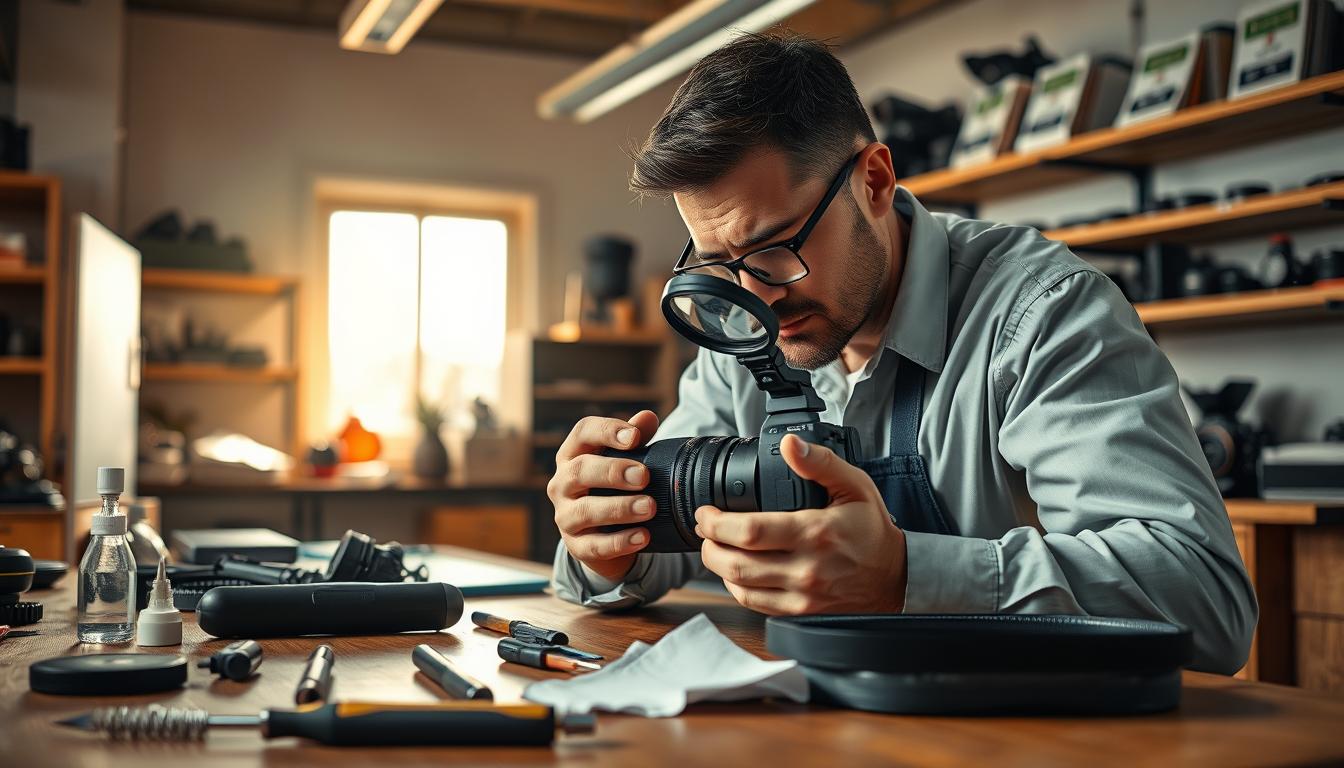
Learn How to do maintenance on camera? Effectively
Your photography equipment represents a significant investment. Camera bodies often cost thousands of dollars, with lenses sometimes exceeding that value. Proper care ensures your gear delivers outstanding results for years.
Professional photographers regularly work in challenging conditions – rain, dust, snow, and even celebratory environments. Their secret? Consistent maintenance routines that keep equipment performing reliably regardless of conditions.
You don’t need to avoid shooting in Singapore’s humid climate or sandy beaches. With the right care approach, your camera will handle these environments beautifully. Regular maintenance prevents the need to keep gear packed away, letting you capture spontaneous moments with confidence.
Well-maintained equipment continues performing even when facing unavoidable dirty conditions during sessions. The best part? Effective camera maintenance costs very little compared to equipment replacement or repair services.
Key Takeaways
- Photography equipment requires significant financial investment
- Proper maintenance extends equipment lifespan dramatically
- Professional photographers rely on maintenance for challenging conditions
- Regular care eliminates fear of shooting in various environments
- Maintenance routines are cost-effective compared to repairs
- Well-maintained gear performs reliably in unavoidable dirty conditions
- Care routines can be easily incorporated into regular photography practice
Why Learning How to Do Maintenance on Camera Is Essential
Photographic gear represents both creative tools and financial investments worth protecting. Regular attention keeps your equipment performing at its best while preventing unexpected issues.
Professional photographers understand that consistent care separates reliable gear from problematic equipment. This approach ensures your photography sessions proceed without technical interruptions.
Extending the Lifespan of Your Valuable Equipment
Quality photographic tools deserve protection from wear and environmental factors. Simple routines significantly increase how long your gear remains operational.
Dust, moisture, and temperature changes affect internal components over time. Regular cleaning prevents cumulative damage that shortens equipment lifespan.
Ensuring Consistent Image Quality and Performance
Clean lenses and sensors directly impact final image results. Dust particles or smudges create visible artifacts in photographs.
Maintained equipment delivers predictable performance across various shooting conditions. This reliability allows photographers to focus on creativity rather than technical concerns.
Preventing Costly Repairs with Proactive Care
Small issues often develop into major problems when ignored. Early detection through regular inspection saves significant repair expenses.
Professional service complements personal maintenance routines. Experts identify potential issues before they affect shooting capabilities.
Well-cared-for gear handles challenging environments with confidence. This reliability ensures you never miss important photographic opportunities.
Essential Tools for Your Camera Maintenance Kit
The right cleaning arsenal makes camera care simple and effective for any photographer. Having proper equipment ensures your gear stays in optimal condition without complicated procedures.
Professional photographers rely on specific items that handle different cleaning tasks. These tools prevent damage while keeping your equipment spotless.
Must-Have Tools from a Camera Store
A rocket blaster delivers powerful puffs of air to remove loose particles. This tool clears dust without touching delicate lens surfaces, preventing scratches.
Lens pens feature dual-ended design with soft cleaning tips and retractable brushes. They provide comprehensive lens cleaning capability in one convenient tool.
Pre-moistened wipes like Zeiss brand offer professional-grade cleaning. At approximately $10 for 200 pieces, they represent excellent value with quick-evaporating solution.
Everyday Items That Work Wonders
Microfiber cloth options serve as inexpensive essentials for any kit. Maintain separate microfiber cloth pieces for different devices to prevent cross-contamination.
New paintbrushes effectively remove dirt from camera bodies and lens barrels. Their soft bristles won’t scratch surfaces when used gently.
Retractable makeup brushes with soft bristles work excellently for cleaning. They reach into crevices where dust accumulates without causing damage.
Smart Storage for Your Tools
Ziploc bags keep your cleaning gear organized and protected. This simple solution prevents dust contamination between uses.
Maintain separate tools for different purposes within your camera gear care routine. This approach ensures no transfer of debris between equipment.
Investing in quality maintenance items costs very little compared to repair expenses. Proper tools protect your photographic investment effectively.
Step-by-Step Guide to Cleaning Your Camera Lenses
Clear glass delivers crisp images. Proper lens cleaning removes contaminants without harming delicate coatings. Follow this systematic approach for optimal results.
Step 1: Removing Loose Debris with a Rocket Blower
Begin with your rocket blower pointed at the front element. Squeeze firm puffs to dislodge dust and dirt. Never touch the glass initially.
This air-only method prevents scratches from abrasive particles. It’s the safest way to handle surface debris.
Step 2: Gently Brushing Away Remaining Dust Particles
Use a lens pen brush or clean makeup brush for stubborn specs. Employ light, sweeping motions from center to edge.
Soft bristles capture remaining particles without pressure. This step prepares the surface for deeper cleaning.
Step 3: Wiping the Glass with a Lens Pen or Microfiber Cloth
Apply the lens pen’s cleaning tip or a dedicated microfiber cloth. Use gentle circular motions without pressing hard.
This technique lifts fingerprints and smudges effectively. Always work from the center outward for complete coverage.
Step 4: Addressing Stubborn Smudges with Pre-Moistened Wipes
For persistent marks, use professional wipes with optical solution. Wipe in circles then immediately buff with dry cloth.
Avoid breathing on lenses as moisture contains acids that degrade coatings over time.
Don’t Forget the Lens and Body Caps
Clean caps before reinstalling them. Use your blower and soft brush to remove accumulated dust.
This prevents transferring contaminants onto freshly cleaned surfaces. It completes your camera lens care routine properly.
Remember to keep the mount facing downward during cleaning. This simple precaution stops dust from entering the camera body.
How to Safely Clean Your Camera Body and Exterior
A clean camera body not only looks professional but also functions more reliably in various shooting conditions. Regular exterior care prevents contaminants from entering sensitive internal components while maintaining your equipment’s aesthetic appeal.
This process typically takes less time than lens cleaning. Follow a logical sequence to ensure thorough results without risking damage to your valuable gear.
Dusting and Wiping Down the Camera Body
Begin with a soft paintbrush to remove loose particles from exterior surfaces. Gentle brushing prevents scratching while effectively clearing accumulated dust.
After dust removal, use a microfiber cloth for a thorough wipe-down. This two-step approach ensures no abrasive particles get rubbed into the camera’s finish.
For beach environments or saltwater exposure, slightly dampen your cloth with fresh water. This technique removes corrosive salt residues that could damage camera components over time.
Cleaning the Lens Mount and Electrical Contacts
The lens mount requires careful attention to maintain proper lens communication. Use the same gentle techniques employed for lens cleaning.
With the body cap removed, point the mount downward. Carefully use a rocket blower to remove dust particles from the chamber.
This preventive measure reduces particles that might eventually reach the sensor. Never insert cleaning tools deep into the mount area.
Electrical contacts benefit from occasional gentle brushing. This ensures reliable communication between your camera body and attached lenses.
Caring for LCD Screens and the Viewfinder
LCD screens demand special attention during your cleaning routine. Use appropriate materials to prevent scratching these delicate surfaces.
Dedicated microfiber cloths work best for screen cleaning. Avoid any liquid cleaners unless specifically designed for optical surfaces.
The viewfinder requires similar careful handling. Gentle blowing and brushing remove dust without risking damage to the delicate optics.
Regular exterior inspection during cleaning helps identify potential issues early. You might notice loose components or wear patterns before they become serious problems.
Maintain separate cleaning tools for camera bodies versus lenses. This practice prevents cross-contamination between different equipment surfaces.
Increase cleaning frequency when shooting in challenging environments. Sandy beaches, humid conditions, or celebratory events demand more attentive camera care.
To Clean Your Sensor or Not: Understanding the Risks
Your camera’s imaging heart requires special attention. The sensor captures light and creates your photographs. This delicate component demands careful handling.
Many photographers face the sensor cleaning dilemma. Understanding proper approaches prevents costly mistakes. Professional guidance ensures your equipment stays safe.
Identifying Dust on Your Camera’s Sensor
Spotting sensor issues requires a simple test. Photograph a plain white surface or clear sky. Review the image at small aperture settings like f/16 or f/22.
Dark spots or smudges indicate dust particles. These imperfections appear consistently across multiple photos. They become more visible against light backgrounds.
Regular checking helps catch problems early. Many photographers perform monthly inspections. This practice maintains image quality between professional cleanings.
The Professional Service Advantage for Sensor Cleaning
Expert technicians handle sensor cleaning with specialized tools. They work in controlled environments that minimize contamination risks. Professional service includes comprehensive equipment evaluation.
- Technicians use proper cleaning solutions and materials
- Dedicated clean rooms prevent new dust accumulation
- Liability coverage protects your equipment investment
- Additional camera functions receive performance checks
- Service packages often include calibration adjustments
Attempting DIY sensor cleaning risks permanent damage. The sensor surface contains delicate coatings that scratch easily. Improper techniques can introduce more contaminants.
Preventative Measures to Minimize Sensor Dust
Smart habits significantly reduce sensor contamination. These practices help maintain your equipment between professional visits.
Minimize lens changes in dusty environments. Beach locations and construction sites pose particular risks. Turn your back to wind when swapping lenses.
Use rocket blowers with the mount facing downward. This technique dislodges particles without pushing them deeper. Regular body and lens care prevents dust transfer.
Advanced camera models feature weather sealing. These protections help shield the sensor from environmental contaminants. They complement but don’t replace professional service.
Some cameras include automated cleaning systems. These mechanisms reduce dust accumulation through vibration technology. They work best when combined with careful handling practices.
Your cleaning frequency depends on usage patterns. Frequent lens changes demand more attention. Consistent care keeps your images looking their best.
Protecting Your Gear from Singapore’s Environment
Singapore’s tropical climate presents unique challenges for photographic equipment protection. High humidity levels and sudden rainfall demand specific strategies to keep your gear functioning optimally. Understanding these environmental factors helps prevent costly damage.
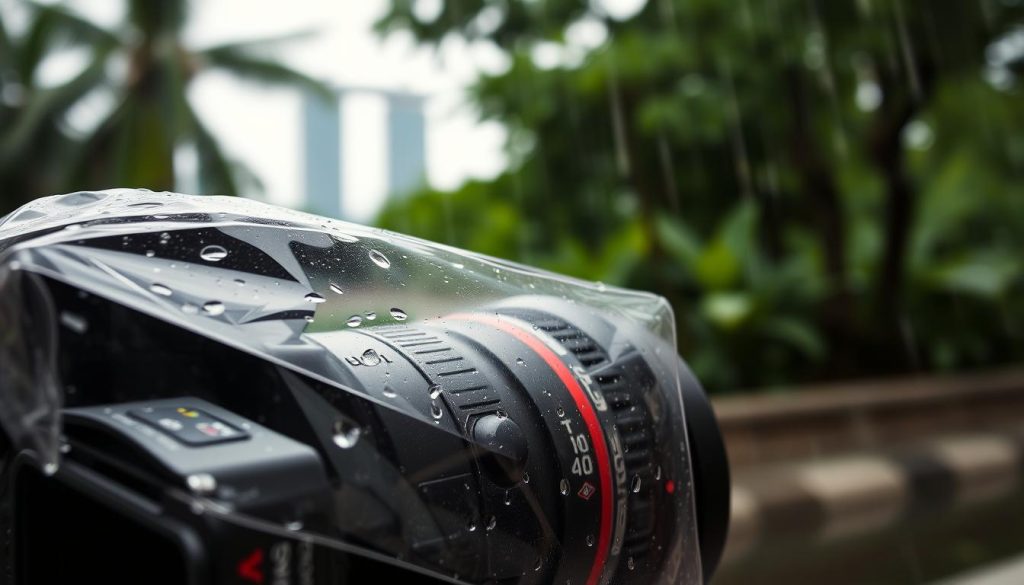
Shielding Your Camera from Humidity and Sudden Rain
Rain covers and weather jackets provide essential protection during wet conditions. These specialized accessories allow full camera operation while keeping moisture away from sensitive components. They represent smart investments for frequent outdoor photography.
Always exercise caution near water sources despite protective measures. Weather-sealed equipment offers enhanced resistance but isn’t completely waterproof. Immediate drying with microfiber cloths prevents moisture penetration after unexpected exposure.
“The best protection comes from combining quality equipment with smart handling practices in challenging conditions.”
The Role of Weather-Sealing and Protective Covers
Weather-sealed bodies and lenses provide valuable defense against environmental elements. These features include rubber gaskets and sealed buttons that resist moisture intrusion. They work best when complemented with additional protective measures.
Protective cases offer another layer of security during transportation. Hard cases with foam inserts cushion against impacts while controlling humidity levels. Soft bags with waterproof coatings handle sudden weather changes effectively.
Regular equipment use actually helps prevent moisture buildup compared to extended storage. The heat generated during operation reduces internal condensation risks. This makes frequent photography sessions beneficial in humid climates.
Post-Shoot Care After Exposure to the Elements
Thorough drying becomes crucial after shooting in rain or high humidity. Never power on equipment until completely moisture-free. This prevents electrical shorts and component damage.
Silica gel packs and dry cabinets maintain optimal storage conditions. These solutions control humidity levels that could otherwise promote mold growth. They’re particularly valuable for long-term equipment preservation.
Professional inspection provides peace of mind after significant water exposure. Technicians can identify potential issues before they cause permanent damage. This proactive approach saves money on future repairs.
Environmental factors significantly impact equipment performance. Extreme temperatures reduce battery efficiency and can affect sensor performance. Understanding these relationships helps photographers plan effective protection strategies.
Best Practices for Storing Your Camera Equipment
Proper storage preserves your photographic investment between shooting sessions. Thoughtful organization prevents environmental damage while keeping gear ready for spontaneous opportunities.
Choosing the Right Storage Environment: Cool, Dry, and Dark
Ideal conditions protect sensitive components from degradation. Consistent temperatures around 20-25°C work best for most equipment.
Humidity levels below 50% prevent mold growth and corrosion. Dark spaces shield lenses from UV damage that can affect coatings.
Avoid areas with temperature fluctuations like attics or garages. These environments cause condensation that harms electronic components.
Using Dry Cabinets and Silica Gel for Humidity Control
Singapore’s climate demands active humidity management solutions. Dry cabinets maintain precise humidity levels automatically.
Silica gel packs offer affordable protection for smaller storage areas. They absorb moisture effectively when refreshed regularly.
Both solutions prevent fungus growth on lens elements. This protection maintains optical quality over extended periods.
“Consistent storage conditions are more valuable than expensive cleaning products for long-term equipment preservation.”
Why You Should Remove Batteries for Long-Term Storage
Batteries left in devices gradually discharge over time. Complete drainage can permanently reduce battery capacity.
Removing power sources prevents potential leakage damage. Battery acid can corrode electronic contacts irreparably.
Store batteries separately in climate-controlled conditions. This practice ensures they remain ready when needed.
Never leave equipment in direct sunlight during storage. Heat buildup warps plastics and damages sensitive sensors.
Allow gear to air out after use before sealing in bags. Trapped moisture encourages mold growth on surfaces.
Protective cases organize while providing physical protection. Choose padded dividers that cushion against accidental impacts.
Regular checks ensure stored equipment remains functional. Quick inspections catch potential issues before they become serious problems.
These storage tips help photographers maintain equipment value. Proper care ensures gear performs reliably for years.
When to Seek Professional Camera Servicing
Even with excellent personal care routines, professional attention becomes essential for optimal equipment longevity. Expert technicians provide comprehensive evaluations that go beyond surface cleaning.
Recognizing the Signs Your Camera Needs Expert Help
Certain symptoms indicate when professional intervention becomes necessary. Flashing error messages often signal internal electronic issues requiring technical expertise.
Image quality problems like consistent blurring or unusual artifacts suggest internal alignment issues. Slow or unresponsive shutter speeds indicate mechanical wear that needs adjustment.
Visible physical damage always warrants professional assessment. Even minor impacts can affect internal calibration and performance.
What to Expect from a Professional Service Package
Comprehensive service packages include multiple evaluation points. Technicians check all button and dial functionality during their assessment.
Internal cleaning addresses components like sensors and mirrors that require specialized handling. Focusing system evaluation ensures precise autofocus performance.
Firmware updates enhance camera capabilities and add new features. Performance checks verify all systems operate within manufacturer specifications.
Pixel mapping services address sensor irregularities that affect image quality. These comprehensive services maintain equipment at peak performance levels.
Establishing an Annual Maintenance Schedule
Most photographers benefit from annual professional service. This regular schedule catches potential issues before they cause complete failure.
Professional users often require more frequent attention. Extensive travel or harsh weather conditions justify increased service frequency.
Complex mechanical failures demand immediate expert attention. Severe electronic issues risk further damage if improperly handled.
Establishing a relationship with a trusted service provider offers peace of mind. They understand your equipment history and usage patterns.
Regular professional care complements your personal maintenance routine. This combined approach ensures your gear performs reliably for years.
Empowering Yourself with Proactive Camera Care
Mastering equipment care transforms photography from occasional concern to confident practice. Regular attention becomes a rewarding ritual rather than a chore.
Monthly routines take little time but deliver significant benefits. Your gear stays ready for spontaneous shooting opportunities. This proactive approach prevents most common issues.
Well-maintained equipment performs reliably in diverse conditions. From studio sessions to outdoor adventures, your gear responds perfectly. This reliability builds photographer confidence during important moments.
Organized storage and consistent care protect your investment. You’ll enjoy extended equipment lifespan and reduced repair costs. These practices save money while ensuring optimal performance.
Embrace maintenance as part of your creative journey. The satisfaction of keeping gear in top condition enhances your photography experience. Your equipment will reward you with years of faithful service.
FAQ
How often should I clean my camera gear?
Clean your lenses and camera body after every shoot, especially in dusty or humid conditions. For sensors, check monthly or when you notice spots in your photos. Regular care prevents dirt buildup and maintains image quality.
Can I use household items to clean my camera?
Yes, a soft makeup brush works well for dusting, and microfiber cloths are safe for lenses and screens. Avoid paper towels or harsh chemicals, as they can scratch or damage delicate surfaces.
Is it safe to clean my camera sensor myself?
While possible with proper tools like a sensor brush, it carries risks. For most photographers, professional service is safer to avoid accidental damage to the sensitive sensor.
How should I protect my equipment from rain and humidity?
Use weather-sealed bags and protective covers during shoots. After exposure, wipe gear dry and store it in a dry cabinet with silica gel to control moisture and prevent mold.
What’s the best way to store camera equipment long-term?
Keep gear in a cool, dry, dark place. Remove batteries to prevent leakage, and use a dry cabinet or silica gel packs to combat humidity, which can harm lenses and electronics.
When should I take my camera for professional servicing?
Seek help for persistent issues like error messages, focusing problems, or after major exposure to elements. An annual check-up can also catch small issues before they become costly repairs.


