
Is it illegal to have cameras around your house? Laws
Homeowners in Singapore often install surveillance devices for protection. Modern security systems provide peace of mind against potential threats. Understanding the legal boundaries is crucial for responsible installation.
The answer depends on balancing personal security with neighbor privacy. Singapore’s laws create a framework for lawful monitoring. This guide explains those regulations clearly.
The Personal Data Protection Act (PDPA) governs recording in public and private areas. It protects individuals from unauthorized data collection. Compliance prevents legal issues and maintains community harmony.
This comprehensive resource covers HDB flats, condominiums, and landed properties. Readers will learn proper placement and notification practices. Following these guidelines ensures both safety and legal compliance.
Key Takeaways
- Singapore law permits residential surveillance with specific conditions.
- The PDPA regulates how personal data from cameras can be collected and used.
- Placement matters—avoid recording private spaces like neighbors’ homes.
- Proper signage often helps demonstrate transparent intentions.
- Different rules may apply to HDB corridors versus private gardens.
- Non-compliance can result in significant fines and legal action.
- This guide provides step-by-step instructions for lawful installation.
The Essential Role of Home Security Cameras in Modern Safety
Electronic eyes watching over a residence provide more than just recording—they offer a powerful psychological barrier against crime. These systems form the backbone of contemporary domestic protection. They deliver tangible benefits that extend far beyond simple video capture.
Understanding this role is key before navigating the legal landscape. Modern security is both visible and intelligent.
Deterrence and Crime Prevention Statistics
Visible surveillance equipment acts as a strong deterrent to potential offenders. Studies consistently show a dramatic reduction in criminal activity where monitoring is present.
Areas with monitored cameras experience up to a 50% drop in overall crime rates. This is a compelling statistic for any homeowner. For burglaries specifically, the effect is even more pronounced.
Research indicates that 60% of burglars are deterred by visible security systems. Properties with such devices report 40% fewer break-in attempts. The presence of a camera often makes criminals choose an easier target.
“The preventive value of a visible camera system cannot be overstated. It shifts risk perception entirely,” notes a security analyst report.
In Singapore, the practical value of video footage is clear. Law enforcement reports a 90% clearance rate for theft cases when video evidence is available. This high success rate underscores why these systems are so valuable.
Technological Advances in Residential Surveillance
Today’s security cameras are leaps ahead of old, grainy CCTV. Technological evolution has transformed passive recording into proactive protection. Homeowners now have access to professional-grade equipment.
Modern systems boast features like 4K high-resolution video. This clarity is crucial for identifying details. Infrared night vision ensures around-the-clock monitoring, regardless of lighting.
Artificial intelligence powers smart motion detection. These systems can distinguish between a passing cat and a person approaching your door. This reduces false alarms and focuses attention on real threats.
Cloud storage solutions offer secure, remote access to footage. You can view live feeds or review recordings from any smartphone. Integration with smart home automation creates a seamless safety network.
These advancements address core home safety needs. They allow for monitoring deliveries, deterring intruders, and checking on family. This includes ensuring the well-being of children or domestic helpers.
The footage from these advanced systems serves as crucial, court-admissible evidence. High-quality video can make or break an investigation. It provides an unbiased account of events that verbal reports cannot match.
This powerful capability must be balanced with respect for privacy. Responsible use is paramount. For guidance on this balance, learn how to legally address privacy concerns with surveillance.
The tangible benefits of modern residential surveillance are clear. They provide peace of mind through deterrence, detection, and documented proof. This foundation makes understanding the accompanying legal responsibilities essential.
Understanding Singapore’s CCTV Legal Framework
The legality of domestic CCTV installations in Singapore depends on multiple governing statutes. Different property types fall under distinct regulatory bodies. Homeowners must navigate these specific frameworks to ensure compliance.
Singapore’s approach balances security needs with privacy rights. The rules differ significantly between public housing and private residences. Understanding these distinctions prevents legal complications.
Regulations for HDB Flats and Public Housing
HDB updated its surveillance policies in 2023 to provide clearer guidelines. Residents can install corridor-facing devices with specific restrictions. These regulations aim to protect neighbor privacy while allowing security measures.
Cameras must be mounted at least 2.4 meters high on the wall. This height minimizes intrusive angles into adjacent units. The equipment should only capture your own doorway and immediate corridor space.
Pointing devices at neighbors’ doors or windows is strictly prohibited. The field of view must avoid private living spaces. This respects the reasonable expectation of privacy in residential areas.
Mandatory signage must be displayed within four meters of the recording area. Notices should clearly state that surveillance is active. This transparency requirement aligns with PDPA notification principles.
Non-compliance with HDB guidelines can lead to removal orders. Town Council approval is often required before installation. Checking current rules prevents conflicts with housing authorities.
Rules for Private Property and Landed Homes
Strata-titled properties like condominiums have additional governance layers. Management Corporations (MCSTs) control approval for shared spaces. Installing devices in common areas always requires written permission.
Condominium residents should review their by-laws thoroughly. Many MCSTs have specific clauses about surveillance equipment. Obtaining proper approval avoids disputes with management committees.
Landed property owners enjoy more flexibility on their premises. However, street-facing installations must follow Urban Redevelopment Authority guidelines. The URA restricts devices to a 45-degree angle from the property boundary.
This angle limitation prevents excessive monitoring of public streets. It balances security with reasonable public privacy expectations. Landed homeowners should survey their camera angles carefully.
The distinction between common and private areas is crucial. Common spaces include lobbies, corridors, and shared facilities. Private property encompasses your individual unit or land parcel.
The Role of the Personal Data Protection Act (PDPA)
The PDPA serves as Singapore’s primary data protection legislation. This law governs how personal data from surveillance systems is handled. Video footage containing identifiable individuals qualifies as protected data.
Homeowners become data controllers under the PDPA framework. They must comply with several key obligations. These include purpose limitation and proper notification practices.
Collection must be for a legitimate purpose clearly communicated to individuals. Security protection represents a valid reason under the act. Using footage for other purposes violates compliance standards.
“The PDPA creates a baseline of accountability for all data collection, including residential CCTV systems. Homeowners have specific responsibilities they cannot ignore,” explains a data protection consultant.
Notification is mandatory when recording areas where people expect privacy. Signage fulfills this requirement for most residential installations. The PDPA also mandates reasonable security measures for stored footage.
Violations can result in significant penalties reaching SGD 1 million. The Personal Data Protection Commission investigates complaints about improper surveillance. Following PDPA guidelines protects homeowners from legal action.
Data retention periods should be reasonable for security purposes. Regularly deleting old footage demonstrates responsible data management. Secure storage prevents unauthorized access to sensitive recordings.
Is It Illegal to Have Cameras Around Your House? The Core Answer
Residential surveillance is perfectly legal when implemented correctly. Violations occur when installations disregard established privacy boundaries. The distinction lies in compliance with Singapore’s specific regulations.
Your right to protect your property must respect others’ right to privacy. This balance forms the foundation of lawful monitoring. Understanding this principle prevents costly legal disputes.
Balancing Your Security Needs with Privacy Rights
Every homeowner has legitimate security needs. These include deterring burglars and monitoring deliveries. Your protection objectives must be reasonable and proportionate.
Neighbors, domestic helpers, and visitors possess fundamental privacy rights. These are protected under Singaporean laws. Recording should never capture private activities in adjacent properties.
The “reasonable expectation of privacy” doctrine is crucial here. It protects areas where people expect confidentiality. Bedrooms, bathrooms, and changing areas receive the highest protection.
“A homeowner’s desire for security cannot justify intruding on another person’s private life. The law draws a clear line at property boundaries,” states a Singapore legal review of surveillance cases.
Courts consistently rule against surveillance extending beyond necessary security needs. Your camera’s field of view should focus solely on your property. Angling devices away from neighbors’ windows demonstrates respect for their rights.
Common Legal Pitfalls and How to Avoid Them
Many homeowners encounter problems through simple oversights. Awareness of these pitfalls prevents legal complications. Proactive planning ensures your system remains compliant.
Accidentally recording a neighbor’s balcony or bedroom window is a frequent issue. This violates their reasonable expectation of privacy. Always conduct a thorough sightline check during installation.
Failing to display mandatory notification signs creates another risk. Signage fulfills the consent requirement under the PDPA. Place clear notices within visible range of all recording areas.
Retaining footage beyond a reasonable period often triggers investigations. Thirty days is generally considered adequate for security purposes. Implement automatic deletion protocols for older recordings.
Real-world cases illustrate the serious consequences of non-compliance:
- The 2018 Bathroom Surveillance Case: An executive installed a hidden camera in a shared bathroom. The court imposed a SGD 12,000 fine for violating intimate privacy. This precedent established strict boundaries for sensitive areas.
- Corridor Monitoring Disputes: Multiple HDB residents faced penalties for cameras capturing neighbors’ daily movements. Fines reached SGD 5,000 for persistent violations.
- Audio Recording Without Consent: Capturing conversations without permission carries additional legal risks. Video-only surveillance faces fewer restrictions than audio monitoring.
These examples show that good intentions don’t override legal boundaries. The Personal Data Protection Commission actively investigates complaints. Penalties can include substantial fines and mandatory equipment removal.
To avoid these pitfalls, conduct regular audits of your camera angles. Verify that signage remains visible and legible. Review your data retention settings every few months.
Consult your property’s specific rules before installation. HDB flats, condominiums, and landed homes have different requirements. This proactive approach prevents most legal disputes.
Remember that the law favors those who demonstrate responsible practices. Documenting your compliance efforts provides valuable evidence if questions arise. Your security system should protect your home without infringing on others’ privacy.
Navigating Privacy Laws and the Expectation of Privacy
Understanding where privacy rights begin and end is essential for lawful home surveillance. Singapore’s legal system provides specific protections for individuals within residential settings. These rules determine what you can record and how you must handle the captured information.
The Personal Data Protection Act serves as the primary framework. It establishes clear responsibilities for anyone collecting visual or audio information. Compliance ensures your security measures respect others’ fundamental rights.
Defining “Reasonable Expectation of Privacy” in Singapore
This legal concept protects areas where people anticipate confidentiality. Singaporean law recognizes several clearly defined zones. These receive the highest level of protection from surveillance.
Bedrooms and bathrooms are absolutely protected spaces. Recording these areas violates intimate privacy boundaries. Helper’s quarters also fall under this strict category.
Balconies and open windows present more complex situations. Courts often consider them semi-private depending on visibility. The 2021 Lim vs. Tan case helped clarify these boundaries.
“A resident’s balcony, while partially visible, still carries an expectation of domestic privacy that surveillance must respect,” the ruling stated.
This precedent emphasizes context-sensitive evaluation. Homeowners should assume balconies are private unless clearly exposed. Avoiding these zones in your camera’s field of view prevents legal issues.
Consent Requirements: Video vs. Audio Recording
Singapore treats visual and audio monitoring very differently. Video recording generally requires notification rather than explicit permission. Proper signage typically satisfies this requirement.
Audio recording operates under much stricter rules. The PDPA Section 20 mandates explicit consent from all recorded parties. This means everyone captured in audio must agree beforehand.
Most home surveillance systems should disable audio features. Activating them without proper consent creates significant legal risk. The Lim vs. Tan case established this principle clearly.
Domestic helpers and frequent visitors need special consideration. Employers must provide clear written notice about surveillance. This notice should explain the purpose and scope of monitoring.
Best practices include:
- Disabling microphone functions on outdoor cameras
- Providing helper employment contracts with surveillance clauses
- Posting visible notices where audio might be captured
- Obtaining written acknowledgment from regular visitors
Data Retention and Footage Management Rules
The PDPA’s data minimization principle guides retention policies. Homeowners should keep footage only as long as necessary. Thirty days represents the standard limit for residential security purposes.
Extended retention requires justification for specific investigations. Otherwise, automatic deletion protocols demonstrate responsible data management. This practice aligns with data protection best practices.
Secure storage is equally important. Encrypted cloud services or password-protected local drives prevent unauthorized access. Regular security updates protect against hacking attempts.
Sharing footage containing identifiable persons follows strict guidelines. You generally need permission from those recorded or a legal order. Law enforcement requests typically require proper documentation.
Practical compliance steps include:
- Set automatic deletion for footage older than 30 days
- Use strong encryption for all stored video files
- Create access logs showing who viewed recordings
- Develop a sharing protocol requiring dual verification
Notification signage serves as your first line of transparency. Signs should be placed at all property entrances within clear view. They must state that recording occurs and provide contact information.
Effective signs use simple language and recognizable symbols. Bilingual notices (English and Mandarin) accommodate Singapore’s diverse population. Regular maintenance ensures signage remains visible and legible.
Following these data protection rules protects both security interests and personal data rights. Responsible management of surveillance data maintains community trust while providing protection.
Step-by-Step Guide to a Compliant Home Camera Installation
This actionable guide walks you through each critical phase of deploying lawful monitoring. Following these steps ensures your security system protects your home without violating any regulations. You will achieve both effective coverage and full legal compliance.
The process involves four clear stages. Each stage addresses specific requirements for different property types. Let’s begin with the foundational assessment.
1. Assessing Your Property Type and Jurisdiction
Your first task is identifying your residential category. Singapore has distinct rules for HDB flats, condominiums, and landed homes. Each category falls under different governing bodies.
For HDB residents, check with your Town Council for the latest guidelines. The 2023 policy update allows corridor-facing devices with restrictions. You may need formal approval before mounting any equipment.
Condominium dwellers must review their Management Corporation (MCST) by-laws. Many MCSTs have specific clauses about surveillance installation. Written permission is often required for cameras in common areas.
Landed property owners enjoy more flexibility. However, street-facing setups must follow Urban Redevelopment Authority (URA) rules. The URA’s 45-degree angle rule is a key regulation to remember.
Always verify current rules with the relevant authority. This prevents conflicts and ensures your project starts on solid legal ground.
2. Planning Camera Angles and Coverage Zones
Careful planning maximizes your security coverage while respecting neighbor privacy. The goal is to monitor your own property exclusively. Avoid capturing adjacent windows, balconies, or doors.
Use a laser level or similar tool during planning. This ensures accurate alignment and prevents accidental overspill. For landed homes, adhere to the URA’s 45-degree rule from your boundary.
Position CCTV units to focus on entry points like gates and doorways. Ensure the field of view does not extend into private areas. Test sightlines from the mounting position before final installation.
Consider hiring a professional contractor for complex setups. They have the expertise to optimize placement within legal boundaries. This investment can prevent costly adjustments later.
“Precise angle planning is not just technical—it’s a legal necessity. A small adjustment can mean the difference between compliance and a privacy complaint,” advises a Singapore-based security installer.
3. Installing Mandatory Signage and Notices
Transparent notification fulfills a core PDPA obligation. Proper signage informs visitors and passersby about active recording. This step demonstrates your commitment to lawful practices.
Place signs within three to four meters of each camera. Ensure they are clearly visible from all approach angles. The recommended minimum size is 15 centimeters by 10 centimeters.
Use simple language and recognizable symbols. Bilingual notices in English and Mandarin are highly recommended. This accommodates Singapore’s diverse population.
Sign content should state that surveillance is in operation. Include a brief purpose, like “for security purposes.” Providing contact details is also a best practice.
Regularly check that signs remain legible and securely mounted. Weather or tampering can obscure them over time. Clear notification is your first defense against privacy disputes.
4. Configuring Data Storage and Access Settings
How you manage recorded footage is as important as the installation itself. The PDPA mandates responsible data handling. Configure your system with security and compliance in mind.
Set your Network Video Recorder (NVR) or cloud service to auto-delete footage after 30 days. This period is generally sufficient for residential security needs. It aligns with data minimization principles.
Enable encryption for all stored video files. This protects sensitive data from unauthorized access. Use strong, unique passwords for all devices and storage accounts.
Limit access credentials to trusted household members. Create access logs if your system supports them. This tracks who views recordings and when.
Disable audio recording features unless you have explicit consent. Audio capture carries stricter legal requirements. Video-only monitoring is simpler and safer from a compliance perspective.
Following this four-step guide gives you confidence. Your security system will be robust, effective, and fully lawful. You protect your home while upholding community trust and privacy standards.
What to Do If a Neighbor’s Camera Invades Your Privacy
Discovering a neighbor’s surveillance device pointed at your living space can feel unsettling and invasive. You possess clear rights under Singapore’s laws that protect personal privacy. This guide outlines practical steps to address the situation effectively.
Begin by calmly assessing whether the recording truly captures private areas. Sometimes angles appear intrusive but only monitor public spaces. If your bedroom, bathroom, or balcony appears in the field of view, you have legitimate needs for action.
Initiating a Respectful Direct Conversation
Start with a polite, face-to-face discussion before considering formal channels. Choose a neutral time and approach your neighbor calmly. Express your concerns without accusations to prevent defensive reactions.
Use a script like this: “I noticed your security camera might be pointing toward my balcony. I’m concerned it captures my private space. Could we check the angle together?” This collaborative approach often resolves issues quickly.
Bring visual evidence if possible. Take photos from your property showing the camera’s viewpoint. Suggest simple adjustments like tilting the device downward. Most neighbors comply when they understand the privacy intrusion.
Document this conversation with a follow-up message. A brief text or email creates a record of your request. This evidence becomes valuable if disputes escalate later.
Utilizing Formal Mediation and Dispute Resolution
If direct discussion fails, Singapore’s Community Mediation Centre offers structured help. This service resolves 78-90% of surveillance-related disputes. The process is affordable and designed for neighbor conflicts.
Filing for mediation costs approximately SGD 50 per party. A neutral mediator facilitates dialogue between both residents. They help find mutually acceptable solutions without assigning blame.
“Mediation succeeds because it focuses on practical solutions rather than legal arguments. Most people just want the camera adjusted, not a courtroom victory,” explains a CMC case officer.
Common mediation outcomes include camera repositioning or adding privacy shields. The mediator may draft a binding agreement. This formal approval of new camera angles prevents future problems.
Understanding Your Legal Recourse and Rights
When mediation doesn’t work, legal channels provide stronger enforcement. Singapore offers several official options for serious violations. These processes address significant privacy breaches.
File a complaint with the Personal Data Protection Commission (PDPC). They investigate violations of the PDPA. The commission can order camera removal or impose financial penalties.
For damages under SGD 20,000, the Small Claims Tribunal is accessible. The Community Disputes Resolution Tribunal handles ongoing neighbor conflicts. Both venues review cases without requiring expensive lawyers.
Prepare strong evidence before taking legal action. Document every communication attempt with dates. Capture photos proving the intrusive camera angles. Keep records of how the surveillance affects your daily life.
Potential legal outcomes include:
- Court orders requiring camera adjustment or removal
- Monetary compensation for privacy violations
- Formal warnings from the PDPC
- Binding agreements preventing future surveillance
Remember that audio recording without consent carries additional legal weight. If the device captures conversations, mention this specifically in complaints. This often triggers stricter scrutiny from authorities.
Your rights to domestic privacy are protected. Following these steps ensures you address intrusions properly. You can restore your personal space while maintaining community relationships.
Can Someone Legally Block or Tamper with Your Security Camera?
Property owners who discover their surveillance devices have been obstructed have specific rights and remedies. Such interference typically violates multiple Singaporean statutes. Understanding these legal protections helps homeowners respond effectively.
Most tampering incidents involve neighbors upset about perceived privacy invasions. Others result from vandalism by strangers. Regardless of motive, obstructing lawfully installed monitoring equipment carries serious consequences.
Common Physical and Digital Tampering Methods
Individuals attempting to disable surveillance use various techniques. Physical methods are immediately visible and often cause property damage. Digital approaches can be more subtle but equally disruptive.
Spray paint directly on the lens represents a frequent physical attack. This completely blocks the camera’s view until cleaned. Adhesive films or stickers applied to the housing achieve similar obstruction.
Some vandals employ laser pointers aimed at sensors. Prolonged exposure can permanently damage imaging components. Physical obstructions like boxes or boards placed in front of devices also occur.
Digital tampering includes illegal WiFi jammers that disrupt signal transmission. These devices block the connection between cameras and recording systems. Hackers might attempt unauthorized access to stored footage or live feeds.
Signal interference prevents proper recording of security events. This compromises the entire monitoring system’s effectiveness. Such actions directly threaten home protection capabilities.
“Tampering with security equipment doesn’t just damage property—it undermines the resident’s legitimate safety measures. The law recognizes this as a serious offense,” states a Singapore police advisory on residential security.
Legal Penalties for Vandalism and Interference
Singapore’s Penal Code Section 426 addresses vandalism and mischief comprehensively. Willfully damaging or obstructing surveillance devices qualifies under this statute. Courts treat these actions as intentional property damage with security implications.
Convictions can result in fines reaching SGD 2,000. imprisonment terms may extend to three years for severe cases. Aggravated circumstances involving organized tampering risk caning sentences.
The Computer Misuse Act covers digital interference with monitoring systems. Unauthorized access to security footage carries separate penalties. These include additional fines and potential imprisonment.
Victims can pursue civil claims beyond criminal penalties. Repair costs for damaged equipment are recoverable. Compensation for compromised security during repair periods may also be awarded.
Recent legal precedents demonstrate strict enforcement:
- 2022 HDB Corridor Case: A resident repeatedly sprayed a neighbor’s camera with paint. The court imposed a SGD 1,500 fine plus full repair costs. A community service order was also issued.
- Condominium Signal Jamming Incident: A homeowner used a wireless jammer against adjacent surveillance. Authorities confiscated the illegal device and levied a SGD 2,000 penalty.
- Landed Property Laser Attack: Directed laser damage to camera sensors resulted in a SGD 1,800 fine. The vandal received a stern warning about potential imprisonment for repeat offenses.
Police reports should include photographic evidence of the tampering. Documentation of repair estimates strengthens your case. Security footage showing the perpetrator provides compelling visual evidence.
While privacy disputes should resolve through dialogue or mediation, taking matters into one’s own hands through tampering leads to serious legal consequences. The system protects both security interests and property rights equally.
Homeowners facing interference should document everything before contacting authorities. This preserves crucial evidence for potential legal proceedings. Your right to protect your premises remains firmly supported by Singapore’s regulations.
Legal and Effective Alternatives to Blocking a Camera
When a neighbor’s surveillance system feels intrusive, several lawful approaches can restore your personal privacy without confrontation. This guide explores constructive modifications and collaborative strategies. These methods respect everyone’s rights while addressing legitimate security needs.
Physical barriers and open dialogue often resolve concerns better than legal disputes. Both options work within Singapore’s established regulations. They create win-win solutions for community harmony.
Using Privacy Screens and Strategic Landscaping
Modifying your own property offers the most direct control over visible areas. Approved installations block unwanted views while complying with local rules. They transform personal spaces into comfortable retreats.
HDB-approved privacy screens include frosted glass panels and aluminum trellises. These materials obscure sightlines without appearing fortress-like. They maintain airflow and natural light in your home.
Strategic landscaping provides beautiful, living barriers. Areca palms and bamboo clusters grow quickly in Singapore’s climate. Their dense foliage creates effective visual shields for ground-floor units.
All modifications require proper approval before installation. Town Council permission is mandatory for external changes. Height restrictions typically limit barriers to 1.8 meters for ground floors.
Condominium residents must check their Management Corporation bylaws. Many MCSTs have specific rules about exterior modifications. Written approval prevents future compliance issues.
“A well-planned privacy screen addresses the concern at its source—your property line. It’s a proactive solution that avoids neighbor conflict entirely,” notes a Singapore landscape architect specializing in residential solutions.
Consider these implementation steps for success:
- Sketch your proposed modification with measurements
- Submit drawings to the appropriate authority (Town Council or MCST)
- Await written approval before purchasing materials
- Hire licensed contractors for structural installations
- Maintain barriers regularly to ensure continued effectiveness
These solutions work particularly well for balconies and windows. They restore your sense of seclusion in personal spaces. For more details on restricted areas, review our guide to prohibited surveillance locations.
Collaborative Solutions for Shared Spaces
Direct communication often yields the most satisfactory outcomes for everyone involved. Approaching your neighbor respectfully opens doors to mutual understanding. Many surveillance conflicts stem from unawareness rather than malice.
Propose a joint security assessment of the shared corridor or boundary. This collaborative review identifies specific concerns. It transforms a potential dispute into a partnership.
Modern camera systems offer technical compromises. Privacy masking features digitally block portions of the video feed. Your neighbor’s system can exclude your windows while monitoring their doorway.
Agreeing on limited recording hours represents another effective compromise. Systems might activate only during nighttime or when residents are away. This reduces perceived intrusion while maintaining protection.
The Community Mediation Centre facilitates these agreements professionally. Their neutral mediators help draft binding understandings. Over 80% of surveillance-related cases reach satisfactory resolutions here.
Successful neighborly compromises often include:
- Written agreements specifying adjusted camera angles
- Scheduled reviews every six months
- Shared access to footage during security incidents
- Jointly funded privacy screens for common boundaries
These approaches demonstrate respect for everyone’s needs. They balance legitimate security concerns with personal comfort. The process itself often improves community relationships.
Remember that obtaining explicit consent for any shared agreements is crucial. Document all understandings in writing. This prevents misunderstandings about camera coverage and usage terms.
Focus on practical solutions rather than assigning blame. This mindset leads to lasting resolutions. Your home should feel like a sanctuary, not a contested space.
Preventing Security Camera Tampering and Vandalism
Physical protection of your security investment begins with thoughtful placement and durable components. A proactive approach deters would-be vandals before they attempt interference. This strategy combines smart positioning with specialized hardware designed to withstand attacks.
Your surveillance system represents both a financial commitment and a critical safety layer. Hardening it against physical threats ensures continuous operation. Follow these practical guidelines to create a resilient monitoring setup.
Optimal Physical Placement and Mounting Strategies
Strategic positioning forms your first line of defense against tampering. Elevation dramatically reduces casual access to your devices. Mount all units at least 2.8 meters above ground level whenever possible.
This height places them beyond easy reach for most individuals. It forces vandals to use tools or ladders, increasing detection risk. High mounting also provides better coverage of your property perimeter.
Angle your cameras downward between 15 and 30 degrees. This positioning makes spray-painting the lens significantly more difficult. It also optimizes the field of view for monitoring entry points effectively.
Install units in well-lit areas or add motion-activated lighting nearby. Bright illumination discourages covert tampering attempts. Potential vandals prefer shadows and darkness for their activities.
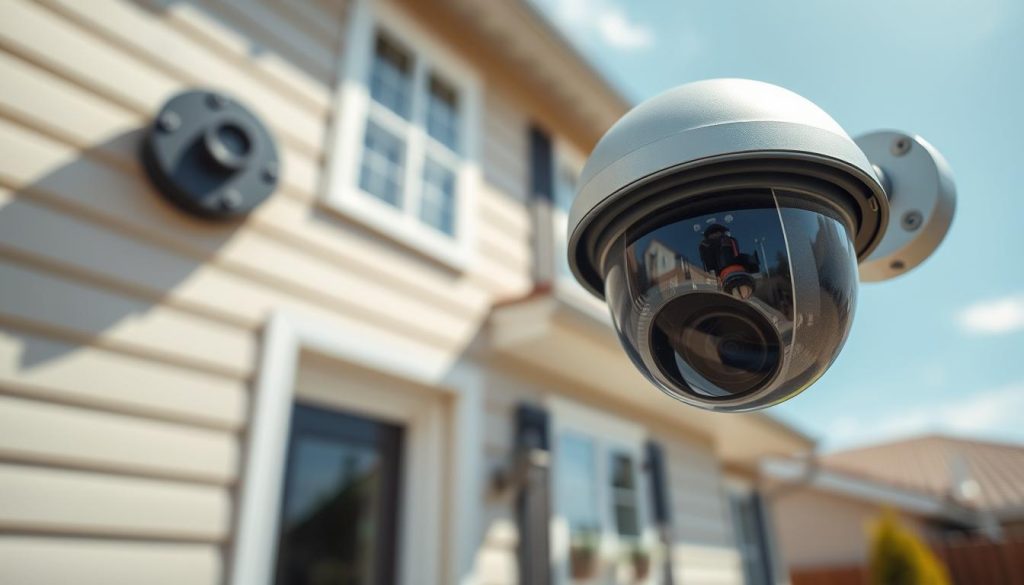
Consider the sightlines from public spaces when planning installation. Position cameras where neighbors or passersby might naturally observe them. This creates informal monitoring that supplements your electronic system.
For multi-story buildings, use mounting brackets that extend from walls. This prevents access from adjacent windows or balconies. Ensure all mounting hardware is securely anchored into structural elements.
“Elevation is the simplest yet most effective anti-tampering measure. A camera mounted high on a wall requires planning and equipment to reach, which most vandals won’t bother with,” explains a Singapore security systems installer.
Regular visual inspections catch problems early. Walk your property weekly to check each unit’s position and condition. Look for signs of attempted interference like scratched housings or loose mounts.
Choosing Tamper-Resistant Hardware and Housings
Selecting rugged equipment specifically designed for challenging environments is crucial. Vandal-proof housings withstand physical impacts and environmental stresses. They protect the sensitive electronics inside from direct attacks.
Look for dome cameras with IK10 impact resistance ratings. This certification means the housing can endure a 5-joule impact force. Such units survive strikes from hammers or other blunt objects.
Tamper-proof screws prevent unauthorized removal of your devices. These specialized fasteners require unique driver bits not found in standard toolkits. They frustrate casual attempts to dismantle or reposition your surveillance units.
Protect wiring and power sources with lockable junction boxes. Run all cables through metal conduit piping when possible. This prevents cutting or disconnection attempts that would disable your system.
Consider these hardware specifications for maximum protection:
- IK10-rated polycarbonate housings for impact resistance
- Stainless steel mounting brackets with anti-corrosion coating
- Conduit-protected cabling running through walls or ceilings
- Weatherproof connectors rated for outdoor exposure
- Lockable power supply enclosures with backup battery options
Supplementary deterrents enhance your physical security layers. Install visible “video surveillance” stickers near all entry points. These warnings make potential vandals reconsider their actions.
Some homeowners deploy dummy cameras alongside real ones. The decoy units attract attention while protecting your actual monitoring equipment. Place them in obvious locations where they’re easily seen.
Motion-activated lights or sirens connected to your system create additional barriers. These respond to movement near your cameras, startling would-be tamperers. The sudden activation often causes them to abandon their attempt.
Your system’s resilience depends on both placement and hardware quality. Investing in proper installation and protective components pays long-term dividends. You maintain uninterrupted monitoring that addresses your safety needs.
Establish a maintenance schedule that includes physical checks of all components. Test each camera’s field of view monthly to ensure no obstructions have appeared. Verify that protective housings remain securely fastened and undamaged.
These combined strategies create a surveillance system that resists interference. Your monitoring continues uninterrupted, providing the protection your household requires. Peace of mind comes from knowing your security investment is physically secure.
Securing Your System Against Hacking and Signal Jamming
– This segment>
Analyzing
2-3 . Not applicable,
Maintaining Your System: Compliance and Best Practices
Continuous system upkeep represents the final pillar of responsible residential monitoring practices. Your initial installation sets the foundation, but regular maintenance ensures ongoing compliance. This proactive approach prevents legal issues before they arise.
Think of your surveillance setup as a living system. It requires periodic checks and adjustments. These reviews keep your security effective while respecting privacy boundaries.
Establishing a maintenance routine demonstrates good stewardship. It shows authorities you take your responsibilities seriously. This diligence protects you from potential disputes with neighbors or regulators.
Regular Audits for Camera Angles and Functionality
Schedule quarterly reviews of your entire surveillance setup. These audits verify that everything operates correctly and legally. They address both technical performance and compliance requirements.
Begin with a physical inspection of each camera unit. Check that mounting brackets remain secure and properly aligned. Verify that lenses are clean and unobstructed by vegetation or debris.
Most importantly, confirm the field of view for every device. Camera angles can shift slightly over time due to weather or vibration. Ensure each unit still focuses exclusively on your property.
Use this quarterly audit checklist:
- Verify camera sightlines avoid neighboring windows and balconies
- Test recording functionality and video quality
- Check that notification signs remain visible and legible
- Confirm automatic deletion of footage older than 30 days
- Update firmware and security patches on all devices
- Review access logs for any unauthorized viewing attempts
Document each audit with dated notes and photos. This creates a valuable record of your diligent maintenance. Such documentation serves as strong evidence if questions about your system arise.
Professional reviews add an extra layer of assurance. Consider an annual inspection by certified installers like Wen Hong (+65 60135960). Experts can identify subtle issues you might overlook.
These professionals understand current guidelines and technical standards. Their assessment ensures your system meets all legal requirements. This investment prevents costly corrections later.
Staying Updated on Evolving Laws and Regulations
Singapore’s legal landscape for surveillance continues to develop. New rulings and policy updates occur regularly. Responsible homeowners stay informed about these changes.
Bookmark official websites for timely information. The Personal Data Protection Commission (PDPC) portal provides crucial updates. HDB and URA sites offer property-specific regulations.
Subscribe to email alerts from relevant authorities. This ensures you receive notifications about policy revisions. Being among the first to know helps you adapt quickly.
“The 2023 HDB policy adjustment demonstrates how surveillance rules can change. Residents who monitored official channels adapted smoothly, while others faced compliance issues,” observes a community legal advisor.
Legal changes might affect various aspects of your system. Updates could modify angle restrictions or notification requirements. Storage duration limits might also receive adjustments.
When incidents occur, proper footage management becomes critical. If recording captures a security event, preserve that specific segment. Notify authorities promptly and provide the relevant video.
Follow this protocol for incident-related recordings:
- Immediately create a backup copy of the relevant time period
- Document the date, time, and nature of the incident
- Contact police or your insurance provider as appropriate
- Share footage only through official channels
- Maintain a chain of custody record for the video evidence
Maintain organized records of all system-related documents. Keep your original installation plans and approval letters. Store communications with neighbors about camera placement.
Note any adjustments made during audits. This comprehensive file demonstrates your commitment to lawful operation. It provides clear documentation if any case or inquiry develops.
Your security needs deserve a system that works reliably within the law. Regular maintenance and legal awareness achieve this balance. This guide helps you become a proactive steward of your home protection.
Achieving Peace of Mind Through Responsible Surveillance
A comprehensive approach to residential security considers both legal frameworks and human relationships. This guide has outlined key pillars: understanding Singapore’s laws, respecting privacy rights, and maintaining proper compliance. Following these regulations transforms monitoring from a technical project into a community-oriented responsibility.
Professional installation by certified experts dramatically reduces violation risks. These specialists ensure your system meets all protection needs while honoring neighbor boundaries. Emerging technologies like AI-powered face blurring further enhance privacy safeguards.
True peace of mind comes from knowing your home and property are secure within legal boundaries. You can confidently implement security measures that protect loved ones without fear of repercussions. This balanced approach fosters both protection and community harmony throughout Singapore.
FAQ
What are the main laws governing security camera use in Singapore?
The primary regulations are the Personal Data Protection Act (PDPA) and guidelines from the Housing & Development Board (HDB) or your Town Council. The PDPA protects individuals’ personal data, which includes identifiable video footage. For public housing, HDB rules restrict where you can place devices to protect common areas and neighbor privacy.
Can I point a CCTV camera at my neighbor’s property or a public walkway?
Generally, no. Directing surveillance equipment to capture areas where others have a reasonable expectation of privacy, like a neighbor’s bedroom window or private garden, is problematic. Recording public pathways may also require compliance with PDPA guidelines, especially if individuals are identifiable. Your coverage should focus solely on your own property boundaries.
Do I need a sign if I have cameras at my landed home?
Yes, installing clear signage is a crucial best practice and often a legal requirement under the PDPA. Notices should inform people that recording is occurring. This transparency is key for compliance and helps manage expectations of privacy for visitors and delivery personnel.
Are the rules different for audio recording compared to video?
A> Yes, audio recording carries stricter requirements. Capturing private conversations without consent can violate the PDPA and other laws more severely than video alone. Many homeowners choose to disable the audio function on their devices to avoid these complex legal pitfalls and privacy disputes.
What should I do if my neighbor’s camera seems to point into my home?
A> First, approach your neighbor for a calm, direct conversation to understand their security needs and see the footage perspective. If unresolved, you can escalate the matter to your Town Council for HDB flats or seek mediation. Legal recourse is available if the installation violates your privacy rights under the PDPA.
How long can I keep recorded footage from my home surveillance system?
A> The PDPA requires that personal data, including video, not be kept longer than necessary. For most residential security needs, retaining footage for 30 days is considered sufficient. You must also ensure stored data is protected with passwords or encryption to prevent unauthorized access.
Can someone legally block or vandalize my security camera?
A> No, tampering with someone else’s property is illegal. Acts like spray-painting a lens, cutting wires, or using a laser pointer constitute vandalism or mischief, which can lead to police reports and legal penalties. If you experience interference, document the evidence and contact the authorities.
What are the penalties for not complying with CCTV regulations?
A> Non-compliance with the PDPA can result in significant financial penalties imposed by the Personal Data Protection Commission (PDPC). For HDB residents, violating Town Council guidelines may lead to directives to remove the non-compliant equipment. In severe privacy invasion cases, civil lawsuits are also possible.


