
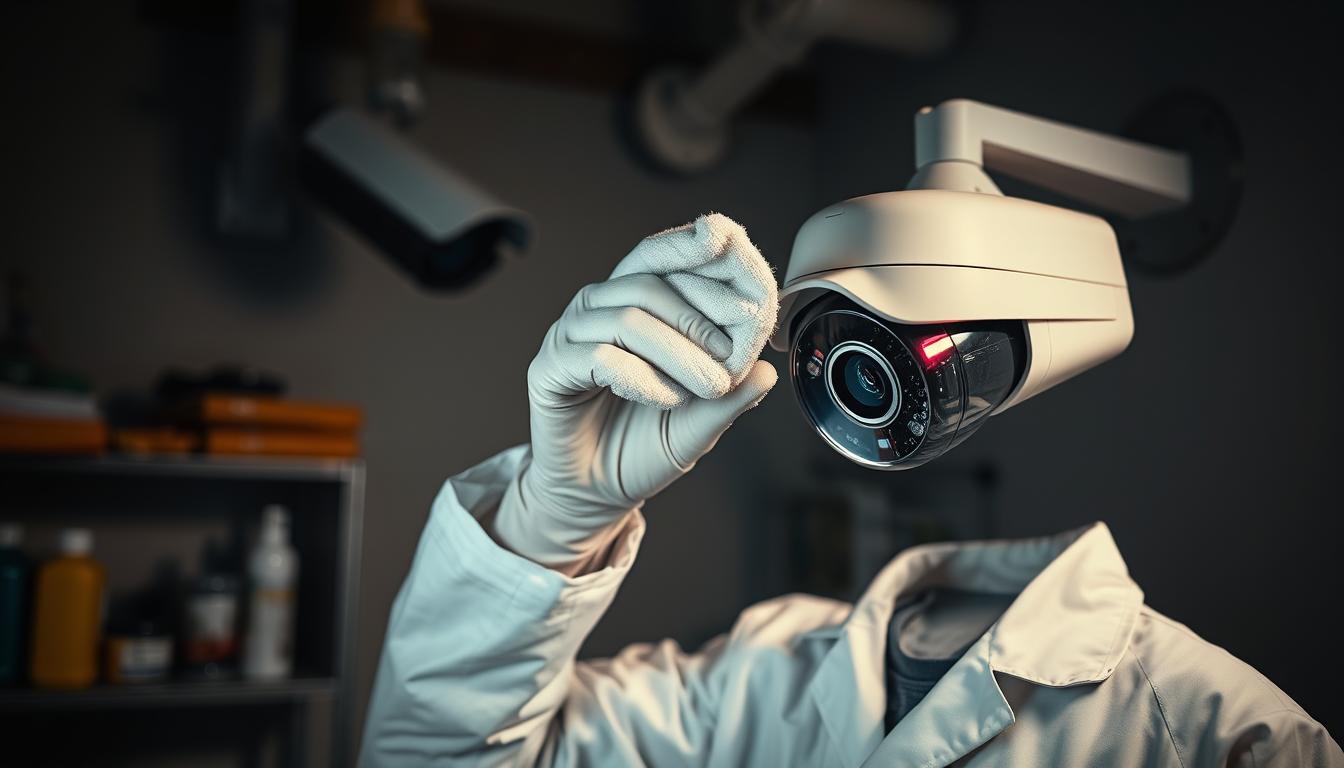
How often should you clean CCTV cameras?
Keeping CCTV cameras clean is key for your surveillance system’s best performance. Regular upkeep ensures cameras work well, giving you reliable security. Dirt and grime can block lenses, hurting video quality and security. Knowing when to clean your CCTV cameras helps them last longer and work better.
In the next parts, we’ll share the best ways to keep your CCTV cameras in great shape.
Key Takeaways
- Regular cleaning is essential for optimal surveillance performance.
- Clean cameras provide clearer images for better security analysis.
- Establish a structured approach to maintenance for longevity.
- Factors like location and dust accumulation influence cleaning frequency.
- Maintaining cleanliness enhances overall equipment reliability.
Importance of Cleaning CCTV Cameras
CCTV cameras are key for watching over places and keeping them safe. It’s important to keep them clean to work well. Dirt and dust on the lenses can make images blurry.
Clear images are needed to spot people or record events right. Cleaning them helps avoid fuzzy footage. This helps in stopping crimes and makes surveillance better.
Also, cleaning them often makes the cameras last longer. This means you won’t have to spend a lot on fixing them later.
Factors Affecting Cleaning Frequency
The need to clean CCTV cameras depends on several cleaning frequency factors. The environment around the camera is key. Areas with lots of dust or bad weather need cameras cleaned more often. The local climate can also affect how fast grime builds up, making regular cleaning essential.
How often a camera is used also matters. Cameras that record all the time get dirtier faster than those that only record when something moves. In busy places, cameras need to be cleaned often to keep images clear. But in quieter areas, they might not need cleaning as much.
Adjusting cleaning schedules based on these factors can improve surveillance system performance. Knowing these details helps in creating better maintenance plans. This ensures CCTV cameras work well in different situations.
How often should you clean CCTV cameras?
Keeping your CCTV system clear and working well is key. Regular cleaning helps your surveillance system work better and capture clear footage. Finding the right cleaning schedule is important for keeping your security cameras in top shape.
General Recommendations
For most places, cleaning your CCTV cameras every three to six months is a good rule. This schedule keeps your system running smoothly without causing too much trouble. Cleaning regularly helps keep your video and images clear, stopping dirt from messing with your cameras.
High-Traffic Areas
In busy areas, your security cameras face even more challenges. To keep them performing well, you should clean them more often. Try cleaning them every month, or at least every one to two months. This helps stop dirt from blocking your cameras’ view, keeping your surveillance sharp.
Seasonal Cleaning Considerations
Seasonal maintenance is key to keeping CCTV cameras working well. Changes in the environment, like heavy rains or snow, can harm the cameras. For example, spring and autumn bring more debris, so cameras need cleaning more often.
It’s important to watch how these changes affect your cameras. A good cleaning plan should tackle each season’s unique challenges. Regular checks and cleanings can make your CCTV cameras last longer and work better.
Signs Your CCTV Cameras Need Cleaning
Owners of CCTV cameras should watch for signs that show they need cleaning. One clear sign is when video quality gets worse, showing up as blurry or pixelated images. This can make it hard to see important details.
Another sign is physical damage or wear. Look for dirt, moisture, or any signs of wear on the cameras. These issues can lower image quality and even cause cameras to stop working if not fixed.
Spotting these signs early can stop bigger problems. By keeping up with maintenance, your cameras will work better. This helps keep the areas they watch safe.
Cleaning Techniques for CCTV Cameras
Keeping CCTV cameras working well depends on the right cleaning methods. Using the correct tools for camera care helps keep it clean and safe. It’s important to protect the camera from moisture and dirt during cleaning.
Use of Soft Cloths and Non-Abrasive Cleaners
Soft cloths and non-abrasive cleaners are key for cleaning camera lenses and housings. These cleaning methods stop scratches and keep the camera clear. Choose appropriate cleaning tools made for delicate surfaces.
Use gentle circular motions to clean. For tough dirt, a damp cloth with distilled water might help.
Avoiding Damage during Cleaning
Be careful when cleaning CCTV cameras to avoid damage. Don’t scrub hard or use sharp objects that can scratch. Make sure no water gets inside the camera.
Being careful with moisture helps keep the camera working. Regular camera care is important. It keeps the camera clean and extends its life. For more tips on CCTV maintenance, check out additional resources.
Professional Cleaning Services
For effective maintenance of CCTV systems, it’s key to hire CCTV maintenance professionals. This is true for big installations or tough environments. Experts ensure your cameras work well, keeping your surveillance tech in top condition.
Professional services offer many benefits. They use special cleaning methods to protect your surveillance system’s parts. They also check your needs and create service contracts for regular upkeep. This keeps your equipment running smoothly and lasts longer, saving you money in the long run.
In Singapore’s varied climate, getting experts is even more important. They handle humidity and pollution issues that indoor users might miss. Their help prevents big problems, keeping your surveillance going without a hitch.
As businesses look to improve security, knowing the value of professional CCTV maintenance is key. Working with CCTV maintenance professionals leads to a safer place, even in fast-changing settings. Look into options and make smart choices, including strategic service contracts for your surveillance.
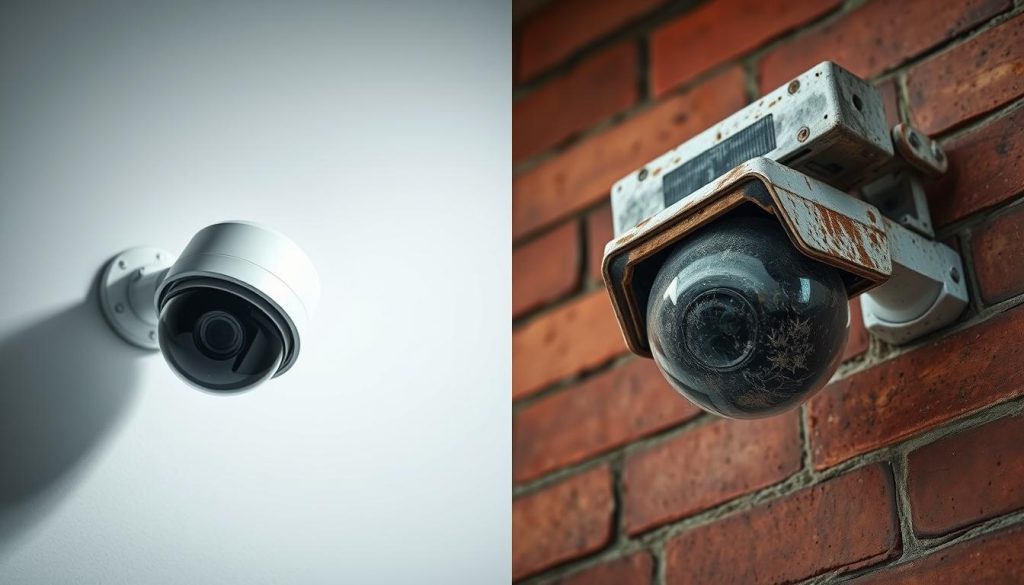
Comparing Indoor and Outdoor Camera Maintenance
Keeping CCTV cameras in good shape depends a lot on where they are. Indoor cameras have it easier because they’re in a controlled space. This means less dust and moisture, so they need cleaning less often. But, outdoor cameras face many challenges like weather and vandalism, needing more care.
Outdoor cameras deal with rain, dust, and sometimes vandalism. This can hurt their performance. It’s important to clean the lens and check for moisture regularly. Doing this monthly, after rain or storms, is a good idea.
Indoor cameras also need regular checks to work well. Dust and cobwebs can slow them down, so cleaning every few months is key. Having a cleaning plan for both indoor and outdoor cameras helps them last longer and work better.
Combining Cleaning with Regular Maintenance
Adding a cleaning schedule to your maintenance plan is key for keeping CCTV systems running well. It’s not just about cleaning the cameras. You also need to check electrical connections, camera alignment, and software updates.
This approach keeps your CCTV gear free from dirt and spots problems early. By focusing on both cleaning and upkeep, your system’s reliability and lifespan improve.
Impact of Weather Conditions on CCTV Cleaning
Weather conditions greatly affect how often CCTV cameras need cleaning. Rain, humidity, and dust can all lead to grime on camera lenses. Cameras in rainy areas might need cleaning more often because of water spots and dirt.
But, cameras in dry areas might not need cleaning as often. This is because there’s less moisture and dirt.
Knowing how weather affects CCTV cameras helps users adjust cleaning schedules. For instance, in stormy areas, moisture and debris can require more frequent cleaning. Keeping up with local weather and adjusting maintenance can help CCTV equipment last longer and work better.
Best Practices for CCTV Care
Keeping CCTV systems in top shape needs careful preventive measures. Cleaning cameras and lenses regularly improves visibility and ensures clear recordings. This routine helps remove dust, grime, or other blockages that can build up.
Adding proactive maintenance to your surveillance plan is key. Regular system checks help spot problems early. Checking cables, connections, and power sources often prevents issues that could harm security. Keeping detailed records of these checks helps extend equipment life and spot any oddities.
Simple care tips can greatly improve things. Teach staff or those handling cameras about the right care and handling. Encourage them to report any issues right away for quick action. Also, keep the areas around cameras clean and clear to ensure they work best.
Long-Term Benefits of Regular Cleaning
Regular cleaning of CCTV cameras is key to better surveillance system performance. It keeps lenses clean, which means clearer images. This is vital for accurate monitoring and strong security.
Regular maintenance also saves money in the long run. It lowers the risk of sudden repairs and equipment failures. This way, businesses can keep their security systems running smoothly without big costs.
Also, taking good care of CCTV systems makes them last longer. Well-maintained cameras are less prone to breakdowns. This leads to a more efficient and cost-effective surveillance setup, improving both safety and operational costs.
FAQ
How often should CCTV cameras be cleaned?
You should clean CCTV cameras every three to six months. But, if they’re in busy places or are very important, clean them every one to two months. This keeps them working well.
Why is cleaning CCTV cameras important?
Cleaning CCTV cameras is key to keeping them working right. Dirt can block the lens, making pictures blurry. This can mess up surveillance and make video evidence less reliable.
What factors affect how often I should clean my CCTV cameras?
How often you clean depends on the system type, where it’s located, and how it’s used. Adjusting cleaning based on these factors helps keep it running smoothly.
What signs indicate that CCTV cameras need cleaning?
Signs your cameras need cleaning include poor video quality and blurry images. Also, if a camera stops working, it’s time to clean. Check for damage or dirt regularly.
What are the recommended cleaning techniques for CCTV cameras?
Use soft cloths and gentle cleaners to avoid damage. Clean the outside carefully and make sure no water or dirt gets inside. This keeps the camera in good shape.
Should I hire professional cleaning services for CCTV maintenance?
Yes, hiring pros is a good idea for big systems or risky areas. They have the skills and can do regular checks to keep your system in top shape.
How do indoor and outdoor CCTV camera maintenance differ?
Outdoor cameras face tougher weather and need more cleaning. Indoor cameras are easier to maintain. Knowing the challenges each faces helps with the right care.
How do weather conditions impact CCTV cleaning schedules?
Weather like rain and dust can make cameras dirty faster. Outdoor cameras in wet or dusty areas need more cleaning. Cameras in dry places need less.
What are some best practices for CCTV care?
To care for CCTV systems, set up a cleaning schedule and do regular checks. Keep maintenance records. This helps avoid problems and makes your system last longer.
What long-term benefits can regular cleaning of CCTV cameras provide?
Regular cleaning keeps your CCTV system reliable and improves picture quality. It also makes your equipment last longer. This saves money and boosts security.


