
How long can CCTV record without electricity? A Guide
Continuous surveillance is vital for property security in Singapore. Even with a reliable power grid, unexpected outages can happen. These events leave homes and businesses vulnerable.
This guide provides a clear answer to a critical question for property owners. We explore what keeps cameras running when the lights go out. You will learn about the technology that enables uninterrupted monitoring.
The duration of recording depends on several factors. Battery backup capacity, camera type, and settings all play a role. Modern solutions offer various options to maintain your security.
Key Takeaways
- Uninterrupted surveillance is essential for complete property protection, even in areas with reliable power.
- Recording duration during a blackout is determined by backup system capacity and camera efficiency.
- Multiple backup solutions exist, from UPS units to dedicated battery systems for security equipment.
- Proper planning ensures critical footage is preserved and cameras remain operational through an outage.
- Both homeowners and business managers can take specific steps to prepare their systems for power loss.
- New technologies, like solar-powered cameras, are enhancing outage resistance for continuous monitoring.
Understanding the Critical Role of CCTV Security in Singapore
The strategic deployment of surveillance technology addresses unique security challenges faced by property owners across the island. Singapore’s dense urban environment and high property values make robust protection systems essential for peace of mind. Visual monitoring is no longer just an option but a fundamental necessity.
These systems serve as a powerful deterrent against criminal activity. Their visible presence alone can significantly reduce incidents of burglary, theft, and vandalism. Potential offenders often think twice when they know they are being watched.
A reported 25% increase in thefts during 2023 highlights growing risks. This trend underscores the importance of reliable, around-the-clock protection for all properties. Both residential and commercial areas require vigilant monitoring.
When incidents do occur, captured video provides invaluable evidence. This footage often becomes the decisive factor for law enforcement investigations. Insurance claims also depend heavily on clear visual data from these events.
Modern technology extends far beyond simple recording. Today’s solutions offer remote live viewing capabilities. Property owners can check their premises from anywhere at any time.
For commercial operations, comprehensive security brings multiple benefits. It enhances operational oversight and improves employee safety. Many businesses also enjoy reduced insurance premiums with proper systems in place.
The true effectiveness of any protection network is tested during vulnerabilities. Power interruptions represent one such critical weakness. A system’s ability to maintain operation without electricity determines its real-world value.
Integration with other smart features creates a layered defense strategy. This approach significantly boosts overall property protection. In Singapore’s context, such comprehensive planning delivers maximum safety.
Different types of cameras serve various needs across the city-state. From busy retail shops to quiet residential homes, constant surveillance builds stronger, safer communities. This continuous monitoring fosters greater public safety for everyone.
How CCTV Systems Work: Power Requirements and Vulnerabilities
To understand a surveillance system’s resilience, one must first examine its fundamental power architecture. Every component, from the lens to the recorder, needs a steady stream of electricity. This dependency creates specific weak points that can be exploited during a blackout.
Different types of systems have unique setups and vulnerabilities. Knowing your setup is the first step toward strengthening it against outages.
Traditional Wired Systems and Power Dependence
Older analog cctv setups represent the most power-dependent model. These systems use a Digital Video Recorder (DVR) and require two separate cables for each camera.
One cable carries the video signal. Another provides direct mains power. This creates a complicated installation with multiple failure points.
The entire operation hinges on a continuous mains supply. If the central power source is interrupted, both the DVR and all cameras stop instantly. There is no recording, and live surveillance is completely lost.
The Rise of IP and Networked Cameras
Modern IP (Internet Protocol) cameras revolutionized installation and power management. A key innovation is Power over Ethernet, or PoE.
PoE technology sends both data and power through a single network cable. This simplifies wiring and centralizes control through a PoE switch. It also makes integrating a battery backup for the network core much easier.
Industry adoption is significant. A notable 65% of IP cctv cameras utilize PoE for this streamlined connection.
Wireless connectivity offers another popular options. In Singapore, about 73% of residential IP cameras use WiFi. This provides great flexibility but introduces a new dependency: the network router must also stay powered.
Despite these advances, the core vulnerability remains. Whether analog, PoE, or wireless, the security system fails the moment the power is cut without a backup plan. Identifying this single point of failure is crucial for any property owner.
How Long Can CCTV Record Without Electricity? The Direct Answer
The core question of maintaining visual security during grid failures receives a concrete answer here. For property owners in Singapore, understanding this operational window is crucial for effective planning.
Modern surveillance systems with dedicated battery backup typically maintain operation for 24 to 48 hours during a complete blackout. This timeframe represents a general benchmark for well-prepared installations.
This duration applies specifically to cameras utilizing Uninterruptible Power Supply (UPS) units or those with substantial built-in batteries. The range serves as a practical starting point for expectations.
Actual performance can vary significantly based on multiple technical factors. Some setups may exceed this window, while others fall short. The conditional nature of this estimate requires careful consideration.
Systems lacking any backup provisions present a critical vulnerability. They cease all functions instantly when mains power fails. This creates a complete security blind spot during an outage.
Property owners must recognize an important distinction. The 24 to 48 hours benchmark primarily covers continuous recording to local storage. Remote access features often face different limitations.
Live streaming to mobile applications may stop sooner if network equipment lacks independent power support. Routers and modems require their own backup solutions to maintain full connectivity.
Extended outages beyond two days demand more robust approaches. Standby generators or solar-powered cctv options provide indefinite operational capability. These solutions address long-term needs for uninterrupted monitoring.
This clear answer moves property owners from uncertainty to informed planning. It establishes what current technology reliably achieves in Singapore’s context. Proper preparation ensures critical footage preservation through most common power disruptions.
The following section details the specific factors influencing this operational timeframe. Understanding these elements allows for optimization of any surveillance setup.
Key Factors That Determine CCTV Recording Duration During an Outage
The operational window of a surveillance system during a blackout hinges on several technical variables. The general 24 to 48 hour estimate serves as a useful benchmark. However, your actual results depend entirely on your specific setup and choices.
Understanding these elements transforms guesswork into reliable planning. Each factor interacts with others to determine total uptime. Smart adjustments can significantly extend your security coverage.
Battery Capacity and Quality
This represents the fuel tank for your security during an outage. Capacity is measured in ampere-hours (Ah) or watt-hours (Wh). A larger number directly translates to more operational time.
Not all batteries perform equally. High-quality units maintain their charge more effectively over years of use. Older or degraded batteries may fail to deliver their rated capacity when needed most.
A professional once noted,
“The difference between a premium deep-cycle battery and a standard consumer unit can mean hours of extra surveillance during a critical event.”
Regular testing and replacement schedules ensure your backup power source remains dependable. This is the foundation upon which all other factors build.
Camera Type and Its Power Consumption
Different surveillance devices have vastly different energy appetites. A fixed dome camera often uses minimal electricity. In contrast, a PTZ (Pan-Tilt-Zoom) model with active movement consumes considerably more.
Advanced features increase demand further. Powerful infrared LEDs for night vision, built-in heaters for cold environments, and enhanced audio all draw additional power. Selecting the right tool for each location optimizes your overall system efficiency.
Modern innovations offer impressive endurance. Some wireless models, like the Reolink Argus series, demonstrate what’s possible. They can capture footage for 12 hours daily and operate up to 8 days on a single charge under optimal conditions.
Recording Resolution and Frame Rate Settings
Visual quality comes with an energy cost. Higher resolution settings require more processing power. This increases the drain on your backup batteries.
A camera recording in crisp 4K resolution uses significantly more energy than one set to 1080p. Similarly, a smooth 30 frames-per-second feed demands more resources than a 15 fps stream. These choices directly impact how long your system records without mains electricity.
Strategic trade-offs offer smart solutions. You might set critical entry points to high resolution. Less vital areas could use standard settings to conserve precious backup power for longer coverage.
Number of Cameras on the Backup System
Your backup solution’s load determines its endurance. A single UPS unit might support multiple cameras, the network video recorder, and essential switches. This collective demand depletes the battery much faster than a dedicated unit powering just one or two devices.
Scalability planning is crucial. Adding a new camera to an existing backup circuit reduces runtime for all connected equipment. Professional assessments calculate the exact impact before expansion.
Environmental conditions and system age also play subtle roles. Extreme heat reduces battery efficiency. Older components may draw excess power due to wear. Regular maintenance keeps everything operating at peak performance.
Understanding these interconnected factors empowers property owners. You can make informed decisions about equipment and settings. A professional security assessment provides the most accurate prediction for your specific needs.
Battery Backup Options to Keep Your CCTV System Running
A comprehensive backup strategy transforms vulnerable surveillance into resilient security. Property owners in Singapore have several reliable options to maintain protection during grid failures. Each solution addresses different needs and outage durations.
The right choice depends on your specific requirements and budget. Understanding these systems helps you make informed decisions about your property’s protection.
Uninterruptible Power Supply (UPS) Systems
UPS units serve as the immediate response team for power disruptions. They activate within milliseconds when mains electricity fails. This instant switch keeps your security equipment operational without interruption.
These systems provide essential backup for short to medium outages. They typically support connected devices for several hours. A quality UPS also protects against voltage spikes and surges.
Professional installation ensures optimal performance. Technicians calculate the total power draw of your cameras, recorder, and network gear. They then recommend a UPS with sufficient capacity for your specific setup.
Stand-by Generators for Long-Term Outages
Automatic standby generators offer the most robust solution for extended blackouts. These systems detect power loss and start automatically. They can run for days as long as fuel remains available.
Whole-house generators protect all essential circuits, including your security network. This approach guarantees continuous monitoring through prolonged disruptions. It’s particularly valuable for businesses that cannot afford any surveillance gap.
Fuel options include diesel, natural gas, or propane. Each has different maintenance requirements and runtime characteristics. A professional assessment determines the best fit for your property’s needs.
Battery-Powered and Solar CCTV Cameras
Standalone cameras with integrated battery packs provide complete independence. Models like the Reolink Argus series operate on rechargeable battery power alone. They capture critical footage even when wired systems fail.
Solar panels create a self-sustaining security solution. They continuously recharge the camera’s battery during daylight hours. This green technology works exceptionally well in remote areas or locations without convenient wiring.
These wireless options offer flexible placement options. You can position them to cover vulnerable angles that wired cameras might miss. They serve as excellent supplementary protection for critical entry points.
Hybrid approaches combine multiple backup technologies for maximum resilience. A UPS provides immediate coverage until a standby generator activates. Battery-powered cameras add an extra layer of protection for key areas.
Selection criteria should consider your local outage patterns and security priorities. Budget constraints and property layout also influence the best solution. Professional guidance ensures your backup strategy matches your specific requirements.
Proper integration with your existing cctv systems maintains all features during transitions. This includes continuous video recording, data storage, and remote access features. The goal is seamless protection regardless of grid conditions.
These backup options elevate basic monitoring to reliable, around-the-clock security. They ensure your property remains protected through any outage scenario. This peace of mind is invaluable for both homeowners and businesses across Singapore.
Ensuring Surveillance Camera Performance During a Blackout
Maintaining camera functionality through blackouts requires careful planning and execution. The true test of any security setup occurs when mains power fails unexpectedly. Your surveillance must transition seamlessly to keep properties protected.
Performance depends on more than just backup batteries. The entire data pathway needs continuous electricity. This includes network switches, routers, and recording equipment. A holistic approach ensures complete monitoring coverage.
Automatic Failover to Backup Power
Modern cctv systems should switch to backup power without any manual intervention. This automatic transition is critical for maintaining continuous surveillance. Even brief gaps in coverage could miss important events.
Uninterruptible Power Supply (UPS) units provide this immediate response. They activate within milliseconds when grid power disappears. Properly configured systems ensure zero downtime for all connected cameras.
For commercial applications, automatic transfer switches work with standby generators. These detect outages and start the backup power source automatically. This creates a robust solution for extended outage situations.
Camera-specific behaviors during failover deserve attention. Some models conserve battery by disabling certain features. Infrared LEDs for night vision might reduce their range. Understanding these adjustments helps set proper expectations.
Maintaining Network and Remote Access
Remote monitoring functionality depends on the entire network staying powered. Your backup solution must support internet modems and routers. A dedicated UPS for network equipment is often necessary.
Without this protection, cameras might continue recording locally. However, you lose the ability to view video feeds remotely. This creates a significant blind spot for property owners away from the site.
Cellular backup for internet connections offers a smart solution. 4G/5G routers provide alternative connectivity when local broadband fails. Footage can still upload to cloud storage. Remote access remains intact through mobile applications.
Notification systems play a crucial role in security management. Configure your cctv setup to send immediate alerts when backup power activates. These notifications keep you informed about the situation. You remain aware even when off-site.
Regular testing validates your failover processes. Simulate a power loss by safely disconnecting mains electricity. Verify that all cameras stay online throughout the transition. Check that remote access continues working properly.
Documentation of test results helps identify improvement areas. It reveals which features remain active on backup power. This information guides optimization for your specific needs.
Proactive management transforms backup investments into operational reality. It ensures your surveillance performs reliably during crises. Property owners gain confidence in their security systems regardless of grid conditions.
How CCTV Footage Storage is Handled During Power Loss
The integrity of surveillance footage during electrical disruptions depends on specialized storage solutions. When grid power fails, your security system’s ability to preserve video evidence becomes paramount. Modern setups employ multiple layers of data protection.
These storage mechanisms work independently of mains electricity. They ensure continuous capture of critical events. Property owners gain peace of mind knowing evidence remains secure.
Onboard Camera Storage and SD Cards
Many contemporary IP cameras feature built-in microSD card slots. This allows direct recording to the device itself. During an outage, cameras with independent power continue saving footage locally.
Battery-powered models are particularly effective here. They maintain operation using stored energy reserves. The captured video remains on the memory card until recovery.
This approach provides a crucial fail-safe layer. Even if central recording stops, individual cameras preserve their own evidence. It’s an elegant solution for maintaining security continuity.
Network Video Recorder (NVR) with Backup Power
The central NVR serves as the primary storage hub for most systems. Keeping this component operational during blackouts is essential. Uninterruptible Power Supply (UPS) units provide this critical support.
When connected to reliable backup power, the NVR continues receiving streams from all active cameras. It saves footage to its internal hard drives without interruption. This maintains your complete surveillance archive.
A security expert emphasizes,
“Protecting the recorder with a quality UPS is non-negotiable for serious property protection. It’s the brain of your entire surveillance operation.”
Standby generators offer extended protection for commercial installations. They can power the NVR and all connected equipment for days. This ensures uninterrupted monitoring through prolonged outages.
Cloud storage presents unique considerations during power loss. Uploads typically halt when internet routers lose electricity. Local storage becomes the sole repository until connectivity restores.
Data integrity protection is another vital function. High-quality backup systems prevent file corruption during sudden power transitions. Your footage remains complete and fully viewable.
Redundant strategies deliver maximum security. Cameras record locally to SD cards as a primary fail-safe. The central NVR on backup power maintains its comprehensive archive.
Some advanced systems feature post-outage synchronization. Once power and network restore, footage from camera cards automatically transfers to the main recorder. This creates a unified, complete evidence timeline.
Proper storage configuration is equally important as power management. Video that isn’t properly saved offers no security value. A layered approach addresses this fundamental need.
Best Practices for Homeowners: A Step-by-Step Preparedness Guide
Proactive preparation transforms residential security from vulnerable to resilient during electrical outages. Homeowners in Singapore can follow a clear roadmap to protect their property. This systematic approach addresses potential weaknesses before they become problems.
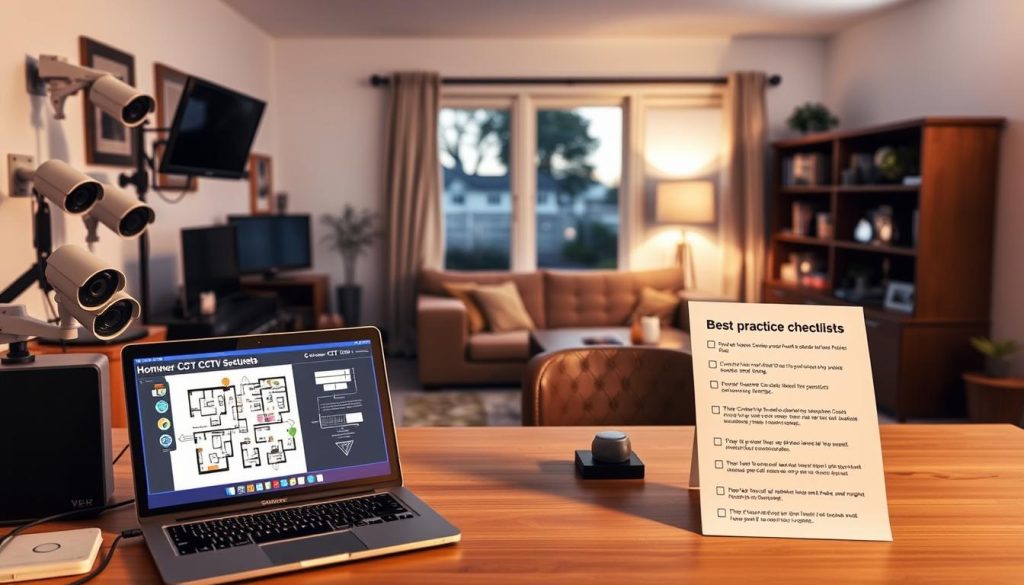
Your surveillance setup requires specific attention to maintain operation. The goal is continuous monitoring regardless of grid conditions. These practical steps build confidence in your property’s protection.
Auditing Your Current System’s Power Weaknesses
Begin by mapping your entire cctv setup on paper. Identify every component that plugs into a wall outlet. This includes all cameras, the network video recorder, routers, and modems.
Note which devices have built-in batteries. Check their installation dates and expected lifespan. Older batteries may not hold sufficient charge during an outage.
This audit reveals single points of failure in your security network. You’ll see exactly where backup power is needed most. Understanding these vulnerabilities is the first step toward fixing them.
Selecting and Installing the Right Backup Solution
Choose an appropriate strategy based on your audit findings and budget. For most homes, a sufficiently sized UPS forms the foundation. It should support the recorder and network gear at minimum.
Consider adding battery-powered cameras for critical entry points. These provide an extra layer of protection. They operate independently during complete power loss.
A security professional advises,
“Homeowners can achieve excellent protection with a tiered approach. Start with a quality UPS for core equipment, then supplement with standalone cameras for key areas.”
Weather-resistant cameras offer better durability in Singapore’s climate. They withstand humidity and rain while maintaining clear video quality. Professional installation ensures optimal placement and performance.
Implementing a Regular Maintenance Schedule
Schedule bi-annual checks for your entire security system. Test UPS batteries to verify they hold their rated capacity. Replace them according to manufacturer guidelines, typically every three to five years.
Clean camera lenses and housings every six months. This prevents dirt buildup that obscures footage. Check and reformat memory cards in cameras that use local storage.
Regular maintenance prevents unexpected failures. It extends the operational time of all components. Your systems remain ready for any situation.
Engage with reputable security providers for professional assessments. They identify technical vulnerabilities homeowners might miss. These experts recommend integrated solutions for your specific needs.
Keep simple documentation of your setup and backup plan. Include model numbers for batteries and contact information. This proves invaluable during emergencies or future upgrades.
Stay informed about new technologies that enhance resilience. More efficient cameras and solar panel kits represent smart options. They can extend your system’s operational hours significantly.
This proactive, step-by-step approach builds comprehensive protection. It transforms homeowners from vulnerable to confidently prepared. Your property remains secure through any power disruption scenario.
Best Practices for Businesses: Ensuring Uninterrupted Commercial Security
For Singapore businesses, maintaining operational continuity during electrical disruptions is a critical component of risk management. Commercial surveillance systems protect more than just property—they safeguard assets, ensure employee safety, and support liability protection. A comprehensive approach to security during outages is not optional but essential.
These systems enhance oversight and can reduce insurance costs. Investing in robust backup options is vital for areas with unstable power. A hybrid approach using multiple power sources creates true independence for your monitoring network.
Conducting a Professional Security and Power Assessment
Commercial operations require more than a basic audit. A professional security integrator evaluates your entire infrastructure. This assessment goes beyond camera placement to examine power resilience and network stability.
The professional examines all supporting equipment against prolonged outages. They identify single points of failure in your cctv systems. This thorough review addresses unique business needs that DIY approaches miss.
A security consultant explains,
“Business assessments consider operational hours, high-value areas, and compliance requirements. We map the complete data pathway from lens to storage.”
This process determines the required backup capacity for your specific operation. It accounts for all connected devices and their power consumption. The result is a customized plan for uninterrupted surveillance.
Investing in Tiered and Redundant Backup Systems
Commercial operations demand a layered approach to power protection. This strategy typically involves three key components working together. Each layer addresses different outage durations and scenarios.
First, Uninterruptible Power Supply (UPS) units protect critical security racks. They provide immediate failover during brief disruptions. These systems also guard against voltage spikes that can damage equipment.
Second, automatic standby generators take over for extended events. They can run essential loads for days with proper fuel management. This ensures continuous monitoring through prolonged grid failures.
Third, cellular or satellite backup maintains communication lines. This keeps video footage flowing to cloud storage and remote viewers. Internet connectivity remains active without local broadband.
Mission-critical coverage receives priority in this hierarchy. Cameras watching cash handling zones and key entrances get individual battery backup. This guarantees their operation even if central power fails completely.
Cloud integration provides additional protection for business data. Combining local storage with automatic cloud backup preserves evidence. This approach ensures footage survives even if on-site equipment is compromised.
Formal response protocols guide staff during actual outages. These procedures verify system switch-over to backup power. They include monitoring remaining runtime and escalation steps for prolonged events.
Service Level Agreements (SLAs) define expectations with security providers. Contracts should specify uptime requirements during power loss. Clear responsibilities for maintaining backup systems prevent gaps in protection.
The cost of comprehensive backup systems is an operational necessity. It represents smart risk management for any Singapore business. This investment protects assets, reduces liability, and ensures business continuity.
Advancements in Power Solutions: Solar and High-Efficiency Tech
Breakthroughs in solar and battery technology offer new possibilities for uninterrupted security monitoring. These innovations create more resilient systems that operate independently from the grid. Property owners gain enhanced protection through smarter power solutions.
Modern technology makes backup power more accessible for security installations. Solar-powered cameras and advanced batteries extend operational time significantly. These solutions maintain surveillance during extended outages.
Solar integration represents a game-changing approach for perimeter fencing and remote areas. Panels charge integrated batteries throughout daylight hours. This provides sustainable energy for continuous operation without traditional electricity sources.
A security engineer observes,
“Solar-powered cctv systems eliminate wiring challenges for gates and outbuildings. They deliver reliable monitoring where running mains power proves impractical.”
High-efficiency camera designs reduce overall power consumption dramatically. New sensor technology and processors require less electricity for high-quality video. Advanced low-power modes further extend battery backup duration.
Improved battery chemistry enhances performance and safety. Lithium Iron Phosphate (LiFePO4) cells outperform traditional lead-acid units. They offer longer lifespans and better operation in temperature extremes.
Smart power management software allocates energy intelligently during disruptions. Systems can automatically adjust resolution on non-critical cameras. This conserves capacity for essential footage capture.
Hybrid renewable systems combine multiple energy sources for maximum resilience. Solar panels work with small wind turbines or fuel cells. These options create truly off-grid security solutions for critical infrastructure.
These advancements enable “set-and-forget” security with reduced operational costs. Environmental impact decreases while grid independence increases. Property owners benefit from lower energy bills and cleaner power choices.
Singapore’s climate presents ideal conditions for solar technology. High solar irradiance makes panels exceptionally efficient across the island. Solar-powered cctv offers a particularly relevant solution for enhancing local security resilience.
Modern systems address diverse property needs with flexible options. From residential homes to commercial facilities, advanced power solutions ensure continuous protection. These innovations represent the future of reliable surveillance infrastructure.
Real-World Scenarios: CCTV Effectiveness During Singapore Power Outages
Actual events across the island demonstrate why backup power is non-negotiable for property protection. When grid electricity fails, surveillance systems separate the prepared from the vulnerable. These real examples show tangible security benefits.
Consider a localized power fault affecting a Singapore HDB block. Homes with battery-backed cameras continue their monitoring duties. They potentially capture suspicious activity during the darkness and confusion.
Unprotected systems go completely blind during these events. This creates dangerous windows where criminals might attempt break-ins. The contrast between prepared and unprepared properties becomes stark.
A retail store experiences a blackout due to nearby construction work. Its CCTV system, supported by a UPS and standby generator, keeps recording seamlessly. This uninterrupted footage proves crucial for multiple purposes.
It helps prevent or investigate looting and vandalism in the dark. Clear video evidence supports insurance claims and police reports. The system transforms from passive observer to active protector.
A security manager notes,
“Our store’s backup power caught a break-in attempt during a neighborhood outage. The police used the footage for immediate response and identification.”
Industrial facilities face different risks during prolonged outages. These locations often contain valuable materials and equipment. They become potential targets for organized theft.
A tiered backup system with UPS and generators ensures surveillance never stops. This continuous monitoring acts as a powerful deterrent against criminal activity. It also provides investigative tools if security breaches occur.
These scenarios underscore a critical truth. Power outages represent more than mere inconveniences. They create specific windows of vulnerability that criminals may exploit.
A functioning CCTV system during these times becomes a critical security asset. It maintains visibility when normal protections falter. This transforms the entire approach to property safety.
The demonstrated effectiveness validates investments in backup solutions. Surveillance technology evolves from fair-weather tool to all-conditions guardian. Property owners gain comprehensive protection regardless of grid status.
Learning from both reported and hypothetical incidents offers valuable insights. Singapore property owners appreciate the tangible value of outage preparedness. They understand that true security operates around the clock.
These real-world examples provide compelling evidence for action. They move theoretical discussions into practical reality. The choice between vulnerability and resilience becomes clear.
Securing Your Property Around the Clock, Power or No Power
Reliable property monitoring in Singapore demands a plan that outlasts the grid itself. True security is defined by unwavering consistency, especially during power outages. Your preparedness transforms a theoretical system into a proven guardian.
Understanding your backup options is the first step toward resilience. By evaluating factors and implementing best practices, you move from vulnerability to assurance. A well-planned system withstands the challenge of a blackout.
Investing in backup power protects your security evidence and provides peace of mind. It ensures your cameras keep watching and recording. This commitment to uninterrupted protection is fundamental for any property owner.
Take the next step: audit your current setup and consult a professional. For detailed answers, review our cctv recording duration without electricity FAQ. Build a plan that keeps your property secure—power or no power.
FAQ
What is the average recording time for security cameras during a blackout?
The average time varies widely. A basic Uninterruptible Power Supply (UPS) for a home system might offer 1-4 hours. Commercial-grade battery backup solutions or integrated camera batteries can extend this to 8-24 hours. For indefinite operation, a stand-by generator is required.
Do all surveillance cameras stop working immediately when the power goes out?
A> No, not all. Cameras without any backup power will fail instantly. However, systems with a UPS, built-in batteries, or solar CCTV panels are designed to stay online. The cctv system automatically switches to its backup power source to continue monitoring.
Can I still view my camera footage remotely during an electricity outage?
A> Yes, if your backup power solution supports it. Your cctv cameras and network equipment (like routers and NVRs) must remain powered. A UPS for both your security system and internet modem is crucial for maintaining remote access to live feeds and stored video.
What happens to my recorded footage if the NVR loses power?
A> If the Network Video Recorder (NVR) shuts down, it stops saving new video. Any footage not yet written to the main drive could be lost. Using a UPS for the NVR prevents this, allowing it to shut down properly. Some security cameras also have onboard SD card storage as a secondary backup.
Are wireless security cameras better for power outages?
A> Not necessarily. While they use Wi-Fi, most still need a power plug. True battery-powered cameras, like some Arlo or Reolink models, can operate for months on a single charge, making them resilient during power outages. Their recording duration depends on battery capacity and motion activity settings.
How can businesses ensure 24/7 surveillance coverage?
A> Businesses should invest in a tiered approach. This includes a large-capacity UPS for immediate backup, coupled with a stand-by generator for prolonged outages. A professional security assessment can identify critical cameras and design a redundant power plan to eliminate single points of failure.


