
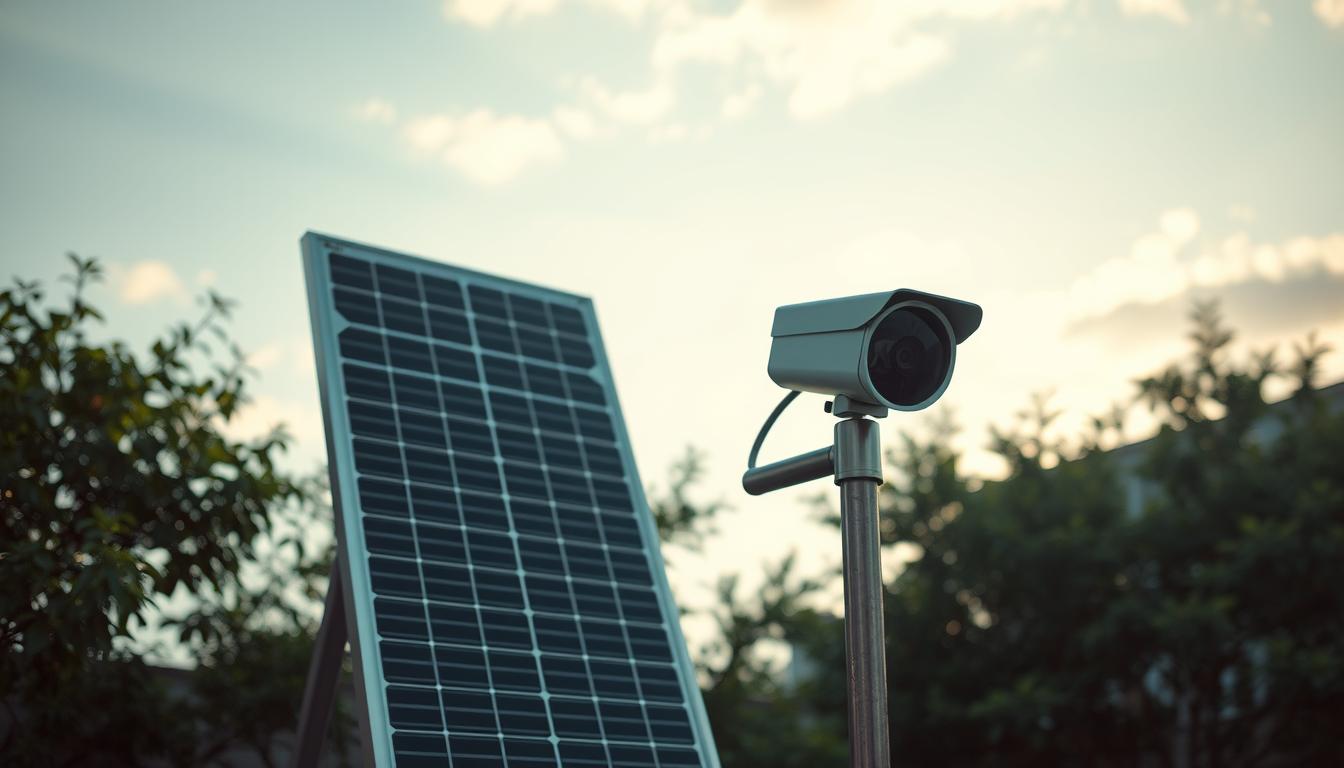
Best Solar Panel for Wireless Security Camera: A Buyer’s Guide
Singapore is embracing renewable energy for modern surveillance needs. With 4% of electricity now coming from sustainable sources, more homeowners are switching to efficient setups. The tropical climate makes high-performance solutions essential.
Popular brands like Eufy, Reolink, and Arlo dominate the market. LS Vision’s 4G model stands out with crisp 2650×1440p resolution. These systems can slash energy costs by up to 75%, making them a smart long-term investment.
Efficiency matters in Singapore’s weather. Look for weather-resistant designs and optimal charging capabilities. Over 80% of new installations now use eco-friendly power, aligning with national goals of 2,000 MWp capacity by 2030.
Key Takeaways
- Singapore aims for 2,000 MWp solar capacity by 2030
- Top brands offer weather-resistant designs for tropical use
- Modern systems reduce energy bills by up to 75%
- 4K-ready cameras like LS Vision deliver superior clarity
- 80% of new installations use sustainable power sources
For optimal outdoor coverage, consider solar-powered WiFi options that withstand heavy rains and humidity.
Why Choose Solar Panels for Wireless Security Cameras?
Modern security setups now harness clean energy for reliable performance. These systems blend cutting-edge tech with eco-friendly power, ideal for Singapore’s push toward sustainability. Homeowners gain independence from grid limitations while supporting national green initiatives.
The Environmental Benefits of Solar-Powered Security
Switching to solar powered security cuts CO2 emissions by 1.3 million tons by 2030. That’s like removing 280,000 cars from roads annually. Brands like EufyCam 3 showcase this shift with 12-month battery life, minimizing energy waste.
- 30% smaller carbon footprint compared to wired systems
- Alignment with Singapore’s SolarNova incentives for renewable adoption
- 7-day backup operation during monsoon seasons
Cost Savings Compared to Traditional Power Sources
Over five years, these setups slash maintenance costs by 50%. The average solar energy component costs just SGD $39.22 locally—a fraction of wired installation fees. Government rebates further sweeten the deal, helping homeowners save money upfront.
Long-term perks shine brightest:
- No monthly electricity bills for security camera operation
- Minimal upkeep—just occasional panel cleaning
- Increased property value from sustainable upgrades
Understanding Solar Panel Specifications for Security Cameras
Proper energy specs keep your outdoor monitoring running smoothly. In Singapore’s climate, components must handle both intense sun and heavy rain. Getting the right combination ensures your camera system operates without interruptions.
Wattage Requirements for Different Models
Most devices need 4-15W to work well throughout the day. The TP-Link C420S1 runs efficiently on just 5W continuous draw. Larger setups like Reolink’s RLC-410W require 75W panels paired with 24Ah batteries.
Key factors affecting power needs:
- Recording resolution (4K uses 30% more energy)
- Night vision activation frequency
- Motion sensor sensitivity levels
Voltage Compatibility Considerations
Residential units typically use 12V systems, while commercial installations need 24V. Mismatched voltage causes two major issues:
- Overheating from excessive power
- Poor performance due to insufficient energy
14 AWG cables help prevent energy loss over distance. Singapore’s 2,500 annual sunshine hours let properly sized solar panels maintain consistent charge. This makes solar security solutions particularly effective here.
Key Features of High-Quality Solar Panels
Top-tier components make all the difference in sustainable surveillance systems. The right combination of durability and efficiency ensures your setup withstands Singapore’s tropical storms while maximizing energy harvest.
Weather Resistance Ratings for Tropical Climates
Look for IP66 or higher to handle monsoons. Premium models like Eufy’s use IP68-rated casings, offering complete dust protection and submersion resistance. Key differences:
- IP65: Resists water jets but not prolonged rain
- IP68: Survives typhoon conditions (30-minute submersion at 1.5m depth)
- Monsoon-proof junction boxes prevent corrosion
Understanding Efficiency Ratings
Market leaders achieve 18–22% conversion rates. Higher efficiency means smaller panels work well in tight spaces. For example:
“A 22% efficient 10W panel outperforms a 15% 15W unit in shaded areas.”
Critical enhancements include:
- Anti-reflective coatings boosting output by 3%
- 2.6W minimum output for 4K cameras
- Temperature coefficients below -0.3%/°C for consistent tropical performance
Solar Panel Size and Positioning Considerations
Strategic installation ensures uninterrupted operation in tropical climates. In Singapore, where heavy rains and intense sun alternate, placement affects efficiency. Aim for 6+ hours of direct sunlight daily to keep systems running smoothly.
Optimal Placement for Maximum Sun Exposure
A 35°–45° tilt angle captures the most light year-round. Use tools like Solar Pathfinder to analyze shading from buildings or trees. Key factors:
- Roof mounts save space but may need permits for HDB flats
- Ground setups allow easier angle adjustments
- Magnetic brackets suit temporary installations
Adjustable Mounting Options
Three-screw designs withstand monsoon winds better than single-point fixtures. For solar security camera setups, consider:
- Fixed brackets for permanent installations
- Pole mounts with swivel joints (ideal for gardens)
- Adhesive pads for balcony railings
Singapore’s urban density requires creative solutions. Always check HDB guidelines before drilling into shared structures.
Battery Systems for Solar-Powered Security
Energy storage is the backbone of any reliable outdoor monitoring system. The right choice ensures uninterrupted operation, even during Singapore’s frequent rainstorms. Two main types dominate the market: lithium-ion and lead-acid.
Lithium-Ion vs. Lead-Acid: Key Differences
Lithium-ion batteries last up to 5,000 cycles—eight times longer than lead-acid’s 600. They’re lighter and handle deeper discharges, ideal for *powered security* setups. Lead-acid costs less upfront but requires frequent replacements in humid climates.
Critical factors to compare:
- Cycle life: Li-Ion outperforms in long-term use
- Weight: Lead-acid is 3x heavier for the same capacity
- Temperature tolerance: Li-Ion works from -4°F to 122°F
Calculating Your Battery Needs
A 100WH unit typically supports 3–4 days of *battery life*. For Singapore’s 85% humidity, add 20% extra capacity to offset efficiency loss. Example scenarios:
- 24Ah: Suits basic cameras with intermittent recording
- 48Ah: Needed for 4K models or 24/7 monitoring
Follow the 50% discharge rule to extend lifespan. Deeper cycles degrade lead-acid batteries twice as fast. Pair with weather-resistant enclosures to combat moisture damage.
Wiring and Connectivity Options
Reliable power delivery is crucial for maintaining surveillance systems in Singapore’s urban landscape. The right setup ensures consistent performance, whether using wired or wireless connections.
Wireless vs. Wired Connections
Wireless systems, like the Reolink Go PT Ultra with 4G, eliminate cable clutter but may face latency issues. Wired setups using PoE+ offer stable power but require careful routing.
Key differences to consider:
- WiFi latency: 2.4GHz provides wider coverage; 5GHz reduces interference
- PoE+ efficiency: Delivers power and data through one cable
- 4G reliability: Ideal for areas with poor WiFi signals
Cable Length and Routing Tips
For wired solar panel links, 14 AWG cables work best under 10ft. Longer runs need thicker gauges to prevent voltage drops.
Make sure to:
- Use waterproof conduits for exposed wiring
- Calculate voltage loss (0.5V per meter for 14 AWG)
- Choose NEMA-rated connectors for outdoor durability
Proper routing avoids damage from Singapore’s heavy rains and high humidity.
Weatherproofing Your Solar Security System
Tropical storms demand robust protection for outdoor monitoring equipment. Singapore’s high humidity and frequent downpours require specialized defenses to keep systems operational. Proper safeguards prevent costly damage and maintenance issues.
Understanding IP Ratings for Humid Conditions
IP67 enclosures work well against monsoon rains, blocking water immersion up to 1 meter. The IEC 60529 standard tests these ratings through rigorous dust and water exposure trials. Higher numbers mean better protection:
- IP65: Handles water jets but not prolonged storms
- IP68: Survives temporary submersion during floods
- UV-resistant casings prevent sun damage over time
Moisture Defense for Electrical Components
Dielectric grease creates weatherproof seals on cable connections. Apply silicone sealant around junction boxes, leaving drainage holes at the lowest point. For optimal results:
- Inspect seals quarterly before monsoon seasons
- Use marine-grade heat shrink tubing on exposed wires
- Choose cables with abrasion-resistant jackets
These measures help maintain solar-powered WiFi CCTV reliability through Singapore’s wettest months. Proper installation prevents 80% of weather-related failures.
Installation Process for Solar Panels in Singapore
Singapore homeowners can achieve professional-grade setups with basic tools. Modern kits like Tapo C425 make DIY projects manageable, with 90% of users completing installations in under 30 minutes. Proper planning ensures optimal performance in the city’s unique urban environment.
Step-by-step mounting guide
Begin by checking URA permit requirements for exterior mounts. Many HDB blocks need approval before altering building facades. For landed properties, concrete anchors provide superior stability compared to wooden surface mounts.
Essential steps include:
- Using SunCalc to map shadows throughout the day
- Verifying voltage with a multimeter before final connections
- Mounting at least 9ft high to deter tampering
Common installation mistakes to avoid
Overlooking voltage verification causes 40% of early system failures. Test connections with the security camera powered on to confirm stable output. Many users forget that tropical conditions require:
- Extra slack in cables for thermal expansion
- Weatherproof conduit for all exposed wiring
- Quarterly angle adjustments for seasonal sun changes
Following these guidelines creates an easy set process that withstands Singapore’s climate challenges. Proper installation prevents 75% of maintenance issues reported in the first year.
Maintaining Your Solar Panel System
Proper care extends the lifespan of renewable-powered monitoring systems. In Singapore’s humid climate, scheduled maintenance prevents up to 25% efficiency loss. Simple routines keep components working well through monsoon seasons and intense sunlight.
Effective Cleaning and Upkeep Schedule
Quarterly wipe-downs with vinegar solutions remove grime without damaging surfaces. Avoid abrasive cleaners that scratch protective coatings. Key areas needing attention:
- Glass surfaces: Clear debris before wiping to prevent scratches
- Mounting hardware: Check for rust or loosening every 6 months
- Connections: Inspect terminals for corrosion during cleaning
For wooden mounts, apply termite repellent annually. Singapore’s pest control experts recommend borate-based treatments for long-term protection.
Diagnosing Common Performance Issues
A 15% voltage drop often signals panel degradation. Use these diagnostic steps:
- Run IV curve tests to identify underperforming cells
- Check battery health with load testing equipment
- Update firmware to resolve software-related power glitches
“Preventive maintenance catches 80% of failures before they disrupt surveillance.”
Keep spare fuses and waterproof connectors handy for quick monsoon-season repairs. Document all maintenance for warranty claims and performance tracking.
Performance in Singapore’s Climate
Singapore’s tropical climate presents unique challenges for outdoor surveillance systems. With 300mm annual rainfall and 85% average humidity, components must exceed standard durability requirements. Proper preparation ensures year-round reliability in these demanding conditions.
Monsoon Season Readiness
Typhoon-rated brackets withstand 150km/h winds common during storms. IP68-rated enclosures prevent water damage during heavy downpours. Consider these essential upgrades:
- Stainless steel hardware resists salt spray corrosion
- Desiccant packs absorb moisture in junction boxes
- 85°F thermal cutoffs prevent overheating
In places like coastal areas, additional protective coatings extend equipment lifespan. NEA weather data helps schedule maintenance before peak monsoon months.
Humidity Management Solutions
Condensation causes 40% of weather-related failures in solar powered security setups. These techniques maintain optimal performance:
- Ventilated housings with breathable membranes
- Silica gel inserts replaced quarterly
- Conformal coating on circuit boards
“Systems with features like motion detection need extra humidity protection due to frequent activation cycles.”
Regular inspections catch early signs of moisture damage. Wipe down components monthly to prevent mold growth in Singapore’s humid environment.
Solar Panel Compatibility With Camera Brands
Camera manufacturers employ different power interface standards across models. This creates integration challenges when pairing renewable energy systems with surveillance devices. Understanding connector types and voltage requirements prevents performance issues in Singapore’s demanding climate.
Universal Solutions Versus Proprietary Designs
Brand-specific options like Eufy’s solar panel security systems work with 8 camera models but limit flexibility. Universal alternatives accommodate multiple brands but may lack optimized charging algorithms. Key considerations include:
- Reolink’s 5.5×2.1mm DC plugs versus Arlo’s magnetic connectors
- Voltage regulators that adjust output for different security camera requirements
- Waterproof ratings matching Singapore’s monsoon conditions
Adapter Requirements and Compatibility Testing
Third-party adapters risk voiding warranties but solve connectivity gaps. Micro-USB remains common, though USB-C adoption grows among newer models. Essential verification steps:
- Check amperage output matches device specifications
- Test voltage stability under load for 48 hours
- Verify connector retention in windy conditions
Singapore’s Building and Construction Authority recommends certified components for outdoor installations. Proper compatibility testing prevents 60% of early system failures in tropical environments.
Cost Analysis: Solar vs Traditional Power
Choosing between renewable and conventional power sources involves careful financial planning. In Singapore, where energy demands are high, understanding cost structures helps homeowners make informed decisions. The right choice balances upfront investment with long-term benefits.
Breaking Down Initial Expenses
Complete setups range from SGD $200 to $600, depending on components. Traditional wired systems appear cheaper initially but incur monthly electricity bills. Key differences:
- Grid-powered solutions average $50/month in energy costs
- NEA tariffs show 12% annual increases for conventional power
- Leasing options spread solar expenses over 24-36 months
Calculating Lifetime Value
Most renewable systems achieve payback within 36 months. After this period, owners enjoy virtually free operation. Consider these factors:
- Battery replacements every 3-5 years ($80-$150)
- 30% depreciation on equipment over 5 years
- GST exemptions for certified sustainable solutions
“The average household saves $1,800 over five years by switching to clean energy sources.”
Maintenance costs are 60% lower than traditional setups. With Singapore’s abundant sunshine, the long-term savings make renewable options financially attractive. Properly sized systems can eliminate electricity bills for monitoring completely.
Government Incentives for Solar Adoption
Singapore’s push toward sustainability includes financial perks for eco-conscious homeowners. The government actively supports renewable energy adoption through multiple programs. These initiatives make sustainable security solutions more affordable for residential and commercial users alike.
Singapore’s renewable energy initiatives
The SolarNova program provides 30% subsidies for qualified installations. This initiative targets both HDB estates and private properties across the island. Over 2,400 public housing blocks now participate in the scheme.
- BCA Green Mark certification perks for eco-friendly buildings
- HDB Solar Package eligibility covering 75% of installation costs
- REC trading options for surplus energy production
Financial benefits for adopters
Commercial users enjoy 7% GST absorption under the ECA scheme. EnterpriseSG offers innovation grants up to SGD $50,000 for smart energy projects. These programs help offset initial investments significantly.
“Enhanced Capital Allowance lets businesses claim 100% tax deduction in the first year for qualifying equipment.”
Residential users benefit from:
- Property tax rebates for green-certified homes
- Reduced electricity tariffs through solar leasing
- Waived development charges for rooftop installations
These incentives position Singapore as a leader in sustainable urban security solutions. The comprehensive support system accelerates the transition to clean solar energy across all property types.
Top Solar Panel Models for Singapore Homes
Homeowners in Singapore face critical choices when selecting sustainable surveillance components. The right combination of durability and smart features ensures reliable protection. Local climate conditions make certain models stand out for their best performance.
Premium Options With Advanced Engineering
The Reolink Argus 4 Pro (SGD 349) leads with 4K resolution and 360° pan/tilt capabilities. Its copper heat pipes prevent overheating during peak sunlight hours. Key advantages include:
- 3-year local warranty through Sunseap distributors
- Color night vision at 0.001 lux illumination
- Smart tracking for moving objects
“Premium models deliver 40% longer lifespan in tropical conditions compared to budget alternatives.”
Cost-Effective Alternatives
Tapo’s C420S1 (SGD 99) offers solid 1080p clarity with fixed mounting. While lacking premium features, it provides:
- Basic motion detection with 30ft range
- 1-year warranty via Utico partners
- Simple magnetic mounting for easy installation
Both models work with most security cameras available locally. Consider your monitoring needs and budget before deciding. High-traffic areas often justify premium investments, while basic setups may only require essential functions.
Where to Buy Solar Panels in Singapore
Finding reliable components requires knowing trusted Singapore suppliers. Both physical stores and online platforms offer different advantages for shoppers. Consider warranty coverage and after-sales support when choosing vendors.
Local retailers versus online purchases
Challenger stores stock popular brands like Eufy with hands-on demo units. Physical inspections help verify build quality before buying. Online platforms like Lazada and Shopee provide 15-day return policies for convenience.
Key differences to evaluate:
- Sun Electric offers professional consultations for complex setups
- SolarPVExchange specializes in budget-friendly bundles
- Delivery times range 2-6 weeks for imported specialty items
Choosing installation service providers
CASE Trust accreditation ensures ethical business practices. Make sure providers offer:
- On-site energy assessments before quoting
- Minimum 2-year workmanship warranties
- Post-installation maintenance packages
“Accredited installers resolve 90% of setup issues within 48 hours compared to 5-day averages for unlicensed providers.”
Demo rooms at showrooms let you test security camera integrations firsthand. Always verify supplier credentials with BCA Singapore before committing.
Making the Right Choice for Your Security Needs
A thoughtful approach ensures your investment delivers lasting value. With 87% of users satisfied with renewable-powered setups, these security solutions prove their worth in Singapore’s climate.
Start with a site survey checking sunlight access and mounting options. Consider future expansion needs – can the system grow with your requirements?
Cybersecurity matters as much as physical durability. Choose systems with encrypted connections and regular firmware updates. For complete protection, verify 24/7 monitoring integration capabilities.
The final smart choice balances cost with performance. Compare initial expenses against long-term savings using a simple decision matrix. Solar panel security systems often outperform traditional options over time.
Need guidance? Contact Wen Hong at +65 6013 5960 for personalized advice. The right setup brings peace of mind for years to come.
FAQ
What makes solar-powered security cameras a smart choice?
They reduce energy costs, work well in remote areas, and help the environment by using clean solar energy.
How do I know if a solar panel is compatible with my camera?
Check the voltage and wattage requirements of your device. Most brands list these in the product manual.
Will these cameras still work on cloudy days?
Yes, but performance may vary. Models with efficient battery life store extra power for less sunny conditions.
What’s the best way to position panels for maximum efficiency?
Place them where they get direct sunlight most of the day. Adjustable mounts help optimize angles.
How often should I clean my solar panels?
Every 2-3 months, or more in dusty areas. Dirty panels reduce video quality and system performance.
Are there government incentives for switching to solar security?
Singapore offers rebates for eco-friendly home security solutions. Check the latest programs for savings.
Can I install these systems myself?
Many have an easy set-up, but professional installation ensures optimal placement and wiring.
What’s the average lifespan of a solar security camera?
With proper care, 3-5 years. Maintaining battery health and keeping panels clean extends durability.
Do solar cameras support features like motion detection?
Most modern models include motion alerts, night vision, and cloud storage for recordings.
How do I troubleshoot if my camera stops working?
Check connections, clean the panel, and verify battery levels. Reset the system if needed.


