
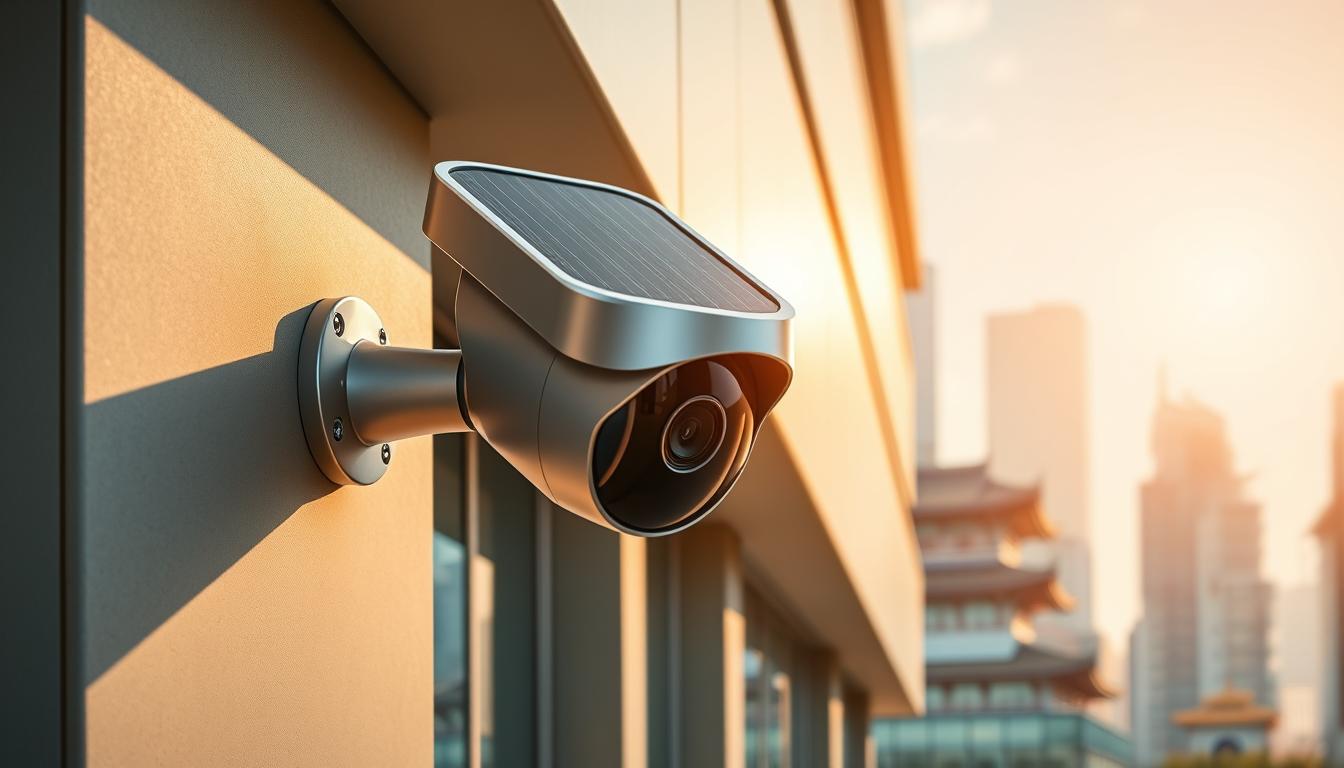
Your Essential 4g webcam solar Buyer’s Guide Today
Keeping your property safe has never been easier with solar-powered security cameras. These devices combine renewable energy with advanced monitoring, making them perfect for Singapore’s sunny climate. With over 2,500 hours of sunshine annually, solar solutions thrive here while cutting energy costs by up to 75%.
Modern options like the eufy 4G LTE Cam S330 offer dual connectivity and a robust 9,400 mAh battery. This ensures uninterrupted surveillance, even in remote areas. Whether for homes or businesses, these cameras provide real-time alerts and seamless remote access via cellular networks.
This guide helps you evaluate technical specs, climate suitability, and cost-effectiveness. Discover how solar-powered security cameras can enhance safety while supporting sustainability.
Key Takeaways
- Solar-powered cameras reduce energy costs by up to 75%.
- Singapore’s abundant sunshine makes these systems highly efficient.
- Devices like the eufy 4G LTE Cam S330 offer reliable, off-grid monitoring.
- Real-time alerts and remote access improve security responsiveness.
- Choosing the right model depends on battery life and connectivity needs.
Understanding 4G Solar Webcam Technology
Modern security solutions blend solar energy with cellular tech for reliable surveillance. These systems capture sunlight to power cameras while using LTE networks for seamless data transmission. In Singapore, where urban and remote areas need coverage, this combo ensures uninterrupted monitoring.
How Solar-Powered 4G Cameras Work
Solar panels charge high-capacity batteries during daylight, storing energy for night operation. The *eufy S330* pairs this with 4g connectivity, offering upload speeds up to 25Mbps. Unlike Wi-Fi’s 100m limit, LTE covers 400m—ideal for large properties.
The Role of Cellular Connectivity in Surveillance
LTE networks use Nano/Micro sim card slots (Singtel/StarHub/M1 compatible). Prepaid plans start at S$15/month, while postpaid options offer better data allowances. Key advantages include:
- Real-time alerts: Less than 2-second latency for instant notifications.
- 99.9% uptime in urban zones, with 3G fallback if LTE falters.
- Remote access: View footage anytime via smartphone apps.
Key Benefits of 4G Webcam Solar Systems
Security cameras powered by renewable energy offer unmatched flexibility for property protection. These systems merge sustainability with cutting-edge technology, ensuring reliability even in areas with unstable power grids. For Singapore’s urban and rural landscapes, this means 24/7 surveillance without hefty electricity bills.
Energy Independence and Sustainability
By harnessing sunlight, these cameras operate off-grid, reducing energy costs by up to 75%. The eufy S330 exemplifies this with a 9,400 mAh battery, storing enough power for nighttime operation. Unlike wired systems, they remain functional during outages—critical for uninterrupted security.
Remote Monitoring Capabilities
Advanced features like real-time alerts and two-way audio enhance responsiveness. The eufy app supports 2K resolution streaming and a 4-screen view, ideal for multitasking. Key functionalities include:
- Smart alerts: Instant notifications for person or vehicle detection.
- Cloud storage: Affordable 30-day rolling plans from S$6.90/month.
- Color night vision: Up to 33m clarity (e.g., Hikvision DS-2XS2T47G1-LDH).
Premium models add geofencing, adjusting settings based on your location. This seamless remote access ensures peace of mind, whether you’re at home or abroad.
Essential Features of Solar-Powered 4G Cameras
Durability and smart features define modern solar security cameras. These devices combine robust construction with advanced technology to withstand Singapore’s tropical weather while delivering crisp footage. Below, we break down the critical aspects that set high-performance models apart.
High-Definition Video Quality Standards
Top-tier cameras offer 2K or 1080p resolution, ensuring clear identification of faces and license plates. Night vision capabilities extend up to 33m, with color options for low-light conditions. The *eufy S330* even supports 4-screen live views for multitasking.
Advanced Motion Detection Technology
AI-powered sensors reduce false alarms by distinguishing people, vehicles, and animals. Customizable zones and real-time alerts (
Weather Resistance and Durability
Built for tropical climates, premium cameras meet rigorous standards:
- IP67 rating: Survives 100km/h winds and 100mm/hr rainfall.
- Temperature range: Operates from -20°C to 55°C.
- 304 stainless steel brackets resist corrosion in humid weather.
- Monsoon-tested: 72 hours of continuous water exposure.
NEA-certified models ensure reliability in Singapore’s harsh conditions. Whether for coastal properties or urban installations, these cameras deliver year-round performance.
4G Connectivity: What Makes It Ideal for Security Cameras
Singapore’s 99% LTE coverage makes cellular cameras a reliable choice for remote monitoring. Unlike Wi-Fi, which struggles beyond 100 meters, LTE extends up to 400 meters—perfect for large estates or rural areas. StarHub’s network alone covers 99% of populated zones, ensuring stable coverage even in less accessible locations.
Real-Time Monitoring Advantages
Cellular networks deliver alerts in under 2 seconds, critical for immediate security responses. High-gain 5dBi antennas boost weak signals, while automatic network switching (Singtel to M1) prevents downtime. IMDA’s guidelines recommend RSSI thresholds above -110dBm for seamless streaming—a standard met by most LTE cameras.
Network Reliability in Remote Locations
In rural Changi, signal strength averages -85dBm versus -70dBm in Sentosa. Premium models like *Reolink Go PT Plus* use dual-SIM failover to maintain connectivity during outages. For uninterrupted operation:
- Prioritize cameras with external antenna ports.
- Verify carrier compatibility (e.g., StarHub’s Band 3 for urban zones).
- Opt for prepaid plans with ≥5GB/month for HD streaming.
Solar Power Performance in Singapore’s Climate
Singapore’s tropical climate presents unique challenges for outdoor security systems. With intense humidity and sudden downpours, ensuring consistent energy capture requires smart design. Solar-powered cameras must balance efficiency with resilience to thrive here.
Optimizing Sunlight Capture in Tropical Conditions
High-efficiency panels with 23%+ conversion rates combat frequent cloud cover. Models like Hikvision use monocrystalline silicon, which outperforms polycrystalline in low-light conditions. Angling panels at 10–15° prevents water pooling during storms.
During December–February, when sunlight drops to 4.5 hours/day, 5W maintenance charging keeps systems active. Smart load management prioritizes motion recording over continuous streaming to conserve power.
Battery Performance During Monsoon Seasons
Northeast monsoons test battery endurance, but premium lithium-ion units like Hikvision’s maintain 7-day runtimes. Key design features include:
- Discharge rates: 0.5C batteries last 30% longer than 1C variants under heavy loads.
- Desiccant packs absorb moisture, preventing corrosion in 90% humidity.
- Thermal regulators stabilize cells between 5°C–45°C for optimal performance.
These adaptations ensure reliability even during prolonged rainfall, making solar security viable year-round.
Choosing the Right Solar Panel Configuration
Getting the most out of your security system starts with the right panel setup. The size, placement, and mounting style impact energy efficiency and overall performance. For Singapore’s urban and rural properties, optimizing these factors ensures reliable coverage year-round.
Panel Size vs Power Requirements
Smaller panels (10W) work for basic cameras, while high-end models need 20W+ for continuous operation. Monocrystalline panels perform best in low light, making them ideal for cloudy days. Key considerations include:
- Energy output: Match panel wattage to your camera’s daily consumption (e.g., 5W panels for 2,000mAh batteries).
- Space constraints: Compact 15x10cm panels fit balcony railings, while larger ones suit rooftops.
- Efficiency ratings: Look for ≥22% conversion rates to maximize Singapore’s 4.5–6 sunlight hours.
Mounting Options for Maximum Efficiency
Installation type affects both performance and security. Pole mounts need 50mm diameters with 316-grade stainless clamps for durability. The Building and Construction Authority (BCA) recommends:
- Wall mounts: Ideal for HDB flats, using tamper-proof screws to deter theft.
- Ground setups: Best for gardens, with 30cm-deep foundations to prevent movement.
- Roof installations: Require wind load calculations—especially for high-rises.
Adjustable brackets (0–90° tilt) help capture angled sunlight during December’s shorter days. For windy areas, reinforce mounts with cross-bracing to handle gusts up to 100km/h.
Battery Considerations for 24/7 Surveillance
Reliable power storage is the backbone of any solar security system. The right batteries ensure uninterrupted operation during Singapore’s frequent rain showers and cloudy days. Capacity and chemistry choices directly impact your camera’s performance and lifespan.
Capacity Requirements for Continuous Operation
For round-the-clock monitoring, choose batteries with at least 9,400 mAh capacity. This powers a 2K camera for 3 cloudy days without recharge. Key factors include:
- Discharge rate: 0.5C handles frequent motion triggers better than 1C models
- Depth of discharge: Lithium-ion maintains 80% capacity at 50% discharge
- Temperature compensation: Vital for Singapore’s 30°C+ average temperatures
Comparing Battery Technologies
Lithium-ion outperforms lead-acid in nearly every aspect:
- Lifespan: 2,000 cycles vs 500 cycles at 25°C
- Weight: 2.5kg vs 15kg for equivalent capacity
- Efficiency: 95% vs 80% energy retention
Though pricier (S$300 vs S$150), lithium-ion’s longer service life makes it cost-effective. StarHub’s battery recycling program accepts both types for proper disposal.
Video Quality and Storage Solutions
Clear footage and reliable storage form the backbone of effective surveillance systems. Whether monitoring a home or business, balancing resolution with storage efficiency ensures seamless performance and quick access to critical recordings.
Resolution Options for Different Security Needs
1080p suits general monitoring, while 2K or 4K captures finer details like license plates. Night vision capabilities extend to 33 meters, with color options enhancing low-light clarity. For high-traffic areas, consider cameras with adjustable bitrates to optimize data usage.
Local vs Cloud Storage Comparisons
Local options like 256GB microSD cards (S$45) offer one-time costs but limited write endurance (100TBW for SanDisk High Endurance). Cloud plans (from S$8.90/month) provide scalability and GDPR-compliant encryption. Key differences:
- Security: AES-256 encryption outperforms AES-128 for sensitive footage.
- Accessibility: Cloud allows remote playback; local avoids bandwidth dependence.
- Compliance: CSA guidelines recommend onshore data storage for Singaporean users.
For businesses, RAID-configured NVR systems add redundancy. Explore solar-powered 4G cameras with hybrid storage for flexible solutions.
Installation Best Practices for Solar 4G Cameras
Strategic placement ensures both surveillance effectiveness and solar performance. In Singapore’s urban landscape, this means balancing camera visibility with unobstructed sunlight access. Proper installation can boost your system’s power efficiency by up to 40% while maintaining security coverage.
Finding the Perfect Camera Position
Start by analyzing shadow patterns using tools like SunCalc. Tall buildings in districts like Orchard create shifting shadows throughout the day. For comprehensive coverage:
- Mount cameras 2.5-3m high to deter tampering
- Ensure 130° field of view covers entry points
- Test night vision range during installation
Solar Panel Orientation Tips
Panels need minimum 4 peak sun hours daily for autonomous operation. Follow these guidelines for optimal results:
- Face panels 10° magnetic declination (true north in Singapore)
- Use irradiance meters for accurate site surveys
- Consider Building-Integrated Photovoltaics (BIPV) for seamless HDB installations
NEA’s solar potential map shows western regions get 5% more sunlight—factor this into placement decisions. For landed properties, tilt panels seasonally to match the sun’s 13°-90° annual path.
Maintaining Your Solar-Powered Security System
Proper maintenance keeps your security system running smoothly for years. Regular checks prevent performance drops and ensure reliable surveillance. Focus on two key areas: hardware upkeep and software optimization.
Routine Cleaning and Inspection Procedures
Dust and tropical humidity can degrade components. Clean solar panels monthly with a microfiber cloth to maintain energy efficiency. Inspect mounts for corrosion—especially in coastal areas.
Check battery terminals quarterly for oxidation. The Cyber Security Agency (CSA) recommends documenting inspections to track wear. “Proactive care reduces failure risks by 40%,” notes a local security expert.
Software Updates and System Checks
Firmware updates patch 92% of vulnerabilities. Enable automatic over-the-air (OTA) updates for hassle-free upgrades. Premium brands like eufy guarantee 2 years of updates.
Run vulnerability scans bi-monthly using tools like OpenVAS. Backup configurations to cloud or SD cards to avoid data loss. Look for CSA’s Cyber Essentials mark when choosing technology partners.
Cost Analysis: Long-Term Value of Solar 4G Cameras
The true value of solar security systems becomes clear when analyzing their cost-effectiveness over time. While traditional cameras rely on grid power, solar models cut energy bills and offer sustainable performance. For Singaporean properties, this translates to significant savings and reduced carbon footprints.
Initial Investment vs Traditional Systems
Premium solar cameras like the eufy S330 cost S$600–S$900 upfront—20% more than wired alternatives. However, they eliminate monthly electricity costs (S$40 saved/month). With an average ROI period of 2.8 years, the break-even point arrives faster than expected.
SCAL’s green building incentives further reduce costs. Installations meeting EMA’s efficiency standards qualify for rebates up to S$1,000. Net metering programs also allow excess solar energy to offset other household expenses.
Energy Savings Over Time
Over seven years, solar cameras save S$3,360 in energy costs. Lithium-ion battery systems last 5–7 years, minimizing replacement expenses. Carbon credit eligibility adds value, with each ton of CO2 reduced earning S$15–S$20 in tradable credits.
- Maintenance: Solar panels require only bi-annual cleaning (S$30/service).
- Durability: IP67-rated housings avoid frequent repairs.
- Scalability: Add cameras without upgrading electrical infrastructure.
“Solar security systems align with Singapore’s 2030 Green Plan, offering both ecological and economic advantages.”
Top Use Cases for 4G Webcam Solar in Singapore
From private homes to industrial complexes, solar-powered surveillance adapts to diverse security demands. These systems offer reliable monitoring where traditional setups fail, particularly in Singapore’s unique urban and industrial landscapes.
Residential Property Protection
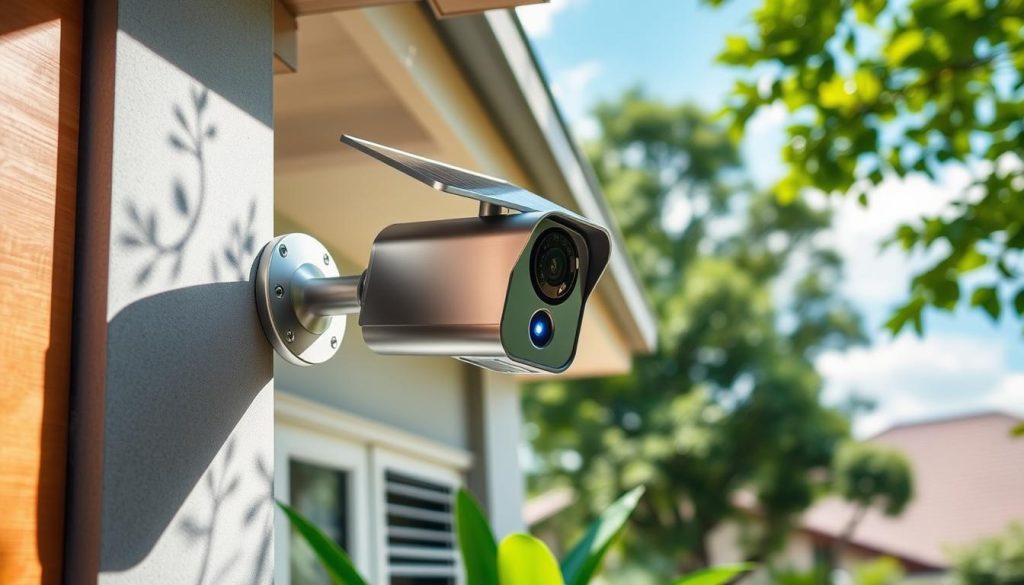
Homeowners benefit from wire-free installations that withstand tropical storms while deterring intruders. The eufy S330 detects movement within 8 meters, sending instant alerts during unauthorized access attempts.
Key residential advantages include:
- Tamper-proof designs with SCDF-compliant fire resistance
- Seamless integration with smart home ecosystems
- Color night vision for identifying visitors after dark
Commercial and Industrial Applications
Jurong Port’s container monitoring system demonstrates industrial-scale effectiveness, operating 24/7 without grid dependency. Construction sites use these cameras with access control systems to track personnel movements and equipment.
Specialized implementations feature:
- ATEX-certified units for hazardous areas
- Automatic Number Plate Recognition (ANPR) for logistics hubs
- Wind-resistant mounts tested at 120km/h speeds
“Solar-powered systems reduced our security energy costs by 68% while maintaining SCDF’s fire safety standards.”
Making an Informed Decision on Your Solar Security Camera
Choosing the best security camera requires balancing technology, cost, and local conditions. Singapore’s top-rated eufy S330 exemplifies this with its solar-powered efficiency and smart alerts. Focus on six key factors to make the right choice.
Evaluate models based on battery life, cellular reliability, and storage options. Use a simple scoring system (1–5) for each feature. Prioritize vendors with CASE Trust accreditation for assured quality.
Future-proof your investment by checking 5G compatibility. Before buying, conduct a site survey: test sunlight exposure, LTE signal strength, and mounting surfaces. This ensures optimal performance in Singapore’s unique climate.
FAQ
How does a solar-powered security camera work?
These cameras use solar panels to convert sunlight into electricity, storing it in batteries for continuous operation. The built-in 4G SIM card ensures remote access, allowing real-time monitoring without wired connections.
Can these cameras function during cloudy days?
Yes, quality solar security systems include high-capacity batteries to store enough power for several days, ensuring performance even in low sunlight conditions.
What is the advantage of 4G connectivity in surveillance cameras?
4G provides reliable network coverage in remote areas where Wi-Fi is unavailable. It enables seamless video streaming and instant alerts via motion detection.
How weather-resistant are solar-powered security cameras?
Most models feature IP65 or higher ratings, making them durable against rain, dust, and extreme temperatures for year-round protection.
Do I need a separate data plan for the SIM card?
Yes, a cellular data plan is required for 4G connectivity. Providers offer flexible options based on your storage and monitoring needs.
What video resolution can I expect from these cameras?
High-definition options range from 1080p to 4K, delivering crisp footage for accurate identification and surveillance.
How long do the batteries last on a single charge?
Depending on usage and sunlight exposure, lithium-ion batteries can last 2-5 days, while lead-acid variants offer extended backup during monsoon seasons.
Are these cameras difficult to install?
No, wireless setups simplify installation. Just mount the solar panel in direct sunlight and position the camera for optimal coverage.
Can I access footage remotely?
Yes, with mobile apps or web portals, you can view live feeds, playback recordings, and adjust settings from anywhere.
What maintenance do solar security cameras require?
Routine cleaning of solar panels and occasional software updates ensure peak performance. Most systems self-diagnose issues for hassle-free upkeep.


