
Who is responsible for CCTV? The Complete Guide
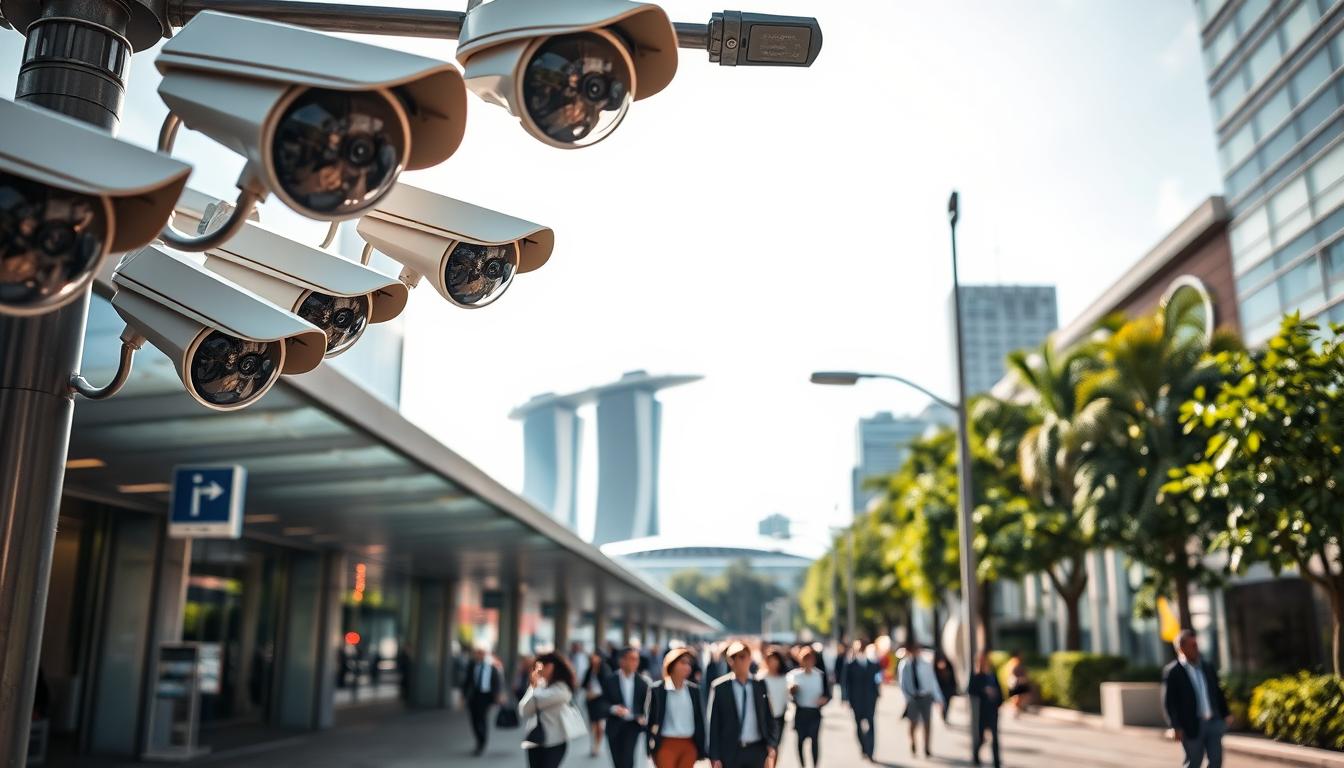
Singapore has become a city of cameras. Over 500,000 CCTV units watch public and private spaces. Their main purpose is security and crime prevention.
This guide explores the complex world of surveillance systems. We break down the legal duties for owners and operators. Understanding these rules protects both people and their privacy.
We will cover key laws like the PDPA. These regulations govern data collection and usage. Proper installation and management are crucial for compliance.
Key Takeaways
- Singapore has a very high density of surveillance cameras for security purposes.
- Legal responsibility for CCTV operation is defined by laws like the Personal Data Protection Act (PDPA).
- Different rules apply to residential versus commercial camera systems.
- Data protection and obtaining consent are critical legal requirements.
- Recent HDB rule changes allow certain installations without prior approval.
- Balancing security benefits with individual privacy is a central concern.
- This guide provides a roadmap for compliant and ethical CCTV usage.
Understanding CCTV Prevalence and Purpose in Singapore
Singapore’s landscape has transformed into a network of watchful eyes. The nation embraces technology for public safety. This creates a unique environment where security and community coexist.
Over half a million units operate across the island. They monitor both public zones and private property. This massive deployment reflects a collective commitment to safety.
The Widespread Adoption of Surveillance Systems
Retailers lead this charge with impressive numbers. Ninety-three percent of shops utilize these systems. They protect assets from theft and vandalism effectively.
Several factors drive this rapid growth. Rising safety concerns among citizens play a key role. Businesses also take proactive measures for protection.
Technological improvements make systems more accessible. Modern equipment offers better quality at lower costs. This allows more people to install cctv systems.
Community efforts also boost adoption rates. Neighborhoods often collaborate on shared security projects. These initiatives create safer shared spaces for everyone.
Primary Objectives: Security, Deterrence, and Crime Prevention
The main goals behind these cameras are clear. They serve as powerful crime deterrents first. Potential offenders think twice when being watched.
Real-time monitoring provides immediate response capabilities. Security personnel can act quickly when issues arise. This prevents situations from escalating further.
The collected video serves as valuable evidence. Law enforcement uses footage to investigate incidents. This helps bring perpetrators to justice.
Strategic placement maximizes coverage effectiveness. High-traffic areas receive constant monitoring. Entry points and vulnerable locations get special attention.
These systems contribute to broader national strategies. They support overall security planning across Singapore. This integrated approach benefits all residents.
Understanding this scope and intent is crucial. It sets the foundation for discussing legal aspects next. Proper usage balances security with privacy concerns.
Defining CCTV Camera Ownership and Its Implications
Understanding who legally owns a surveillance system forms the foundation of compliance. This distinction carries significant weight under Singapore law. Different rules apply based on where and why cameras operate.
What Legally Constitutes Ownership of a Surveillance System
Legal ownership extends beyond simply purchasing equipment. The party that installs, operates, and maintains the system bears ultimate responsibility. This creates clear obligations under Singapore’s regulatory framework.
Owners must ensure their cctv camera setup follows privacy laws. Public space monitoring requires additional compliance measures. Proper installation avoids legal complications with neighbors or authorities.
Registration or licensing isn’t typically needed for residential systems. However, all owners must respect basic privacy principles. This balance protects both security needs and individual rights.
Key Differences Between Residential and Commercial Ownership
Home installations focus primarily on personal security. Residents enjoy greater flexibility in camera placement. Their main concern involves respecting neighbors’ privacy boundaries.
Businesses face substantially stricter requirements when they use cctv. The Personal Data Protection Act (pdpa) governs commercial surveillance activities. This legislation mandates specific handling of personal data.
Commercial operators must obtain consent from recorded individuals. They must clearly communicate surveillance purposes through visible signage. Data retention policies must follow PDPA guidelines precisely.
Town Council regulations add another compliance layer. Cameras monitoring public areas often require special permits. This ensures proper oversight of surveillance in shared spaces.
Failure to meet commercial regulations carries serious consequences. Fines and reputational damage await negligent operators. Understanding these distinctions helps owners avoid legal pitfalls.
Who is Legally Responsible for CCTV Systems?
Singapore’s regulatory framework clearly defines the parties bearing legal duties for surveillance operations. Those who install and operate monitoring equipment carry significant responsibilities under local law. This accountability extends to both equipment owners and anyone controlling the system’s functions.
https://www.youtube.com/watch?v=IMc803m4MPQ
The Core Legal Obligations of CCTV Owners and Operators
Surveillance system operators must follow specific rules under Singapore’s legal framework. The Personal Data Protection Act (PDPA) sets clear standards for handling recorded information. These regulations protect individual privacy while allowing legitimate security needs.
Key obligations include obtaining consent before recording in private areas. System owners must also implement robust data protection measures. This prevents unauthorized access to sensitive footage.
Proper signage is mandatory when monitoring public or shared spaces. Notifications should explain the surveillance purpose clearly. This transparency helps maintain trust within communities.
Operators must position cameras to minimize unnecessary intrusion. They should avoid capturing private residential spaces without permission. Thoughtful placement respects everyone’s rights while maintaining security.
Navigating Landlord and Tenant Responsibilities and Rights
Rental situations require special consideration for surveillance rules. Landlords installing cameras must inform tenants about all monitoring equipment. Clear communication prevents misunderstandings and potential disputes.
Tenants maintain privacy rights within their leased spaces. Surveillance should never infringe on personal areas without agreement. Bathrooms, bedrooms, and private balconies are typically off-limits.
Common areas like building entrances or hallways may require different approaches. Open dialogue between property owners and residents helps find acceptable solutions. Written agreements provide clarity for all involved parties.
Disputes can arise when cameras capture neighboring property or public spaces. Operators should adjust angles to focus only on their legitimate security interests. This respectful approach maintains good community relations.
Non-compliance carries serious consequences under PDPA regulations. Fines and legal actions can result from improper surveillance practices. Understanding these obligations protects both security needs and personal freedoms.
Managing CCTV in Residential Areas and HDB Flats
Residential surveillance requires careful balance between security needs and community harmony. Homeowners must navigate both technical installation and social considerations when setting up their systems. This approach ensures effective protection while maintaining neighborhood relationships.
Best Practices for Community Surveillance and Engagement
Successful residential cctv management begins with open communication. Residents should discuss camera placements with neighbors before installation. This builds trust and prevents misunderstandings about surveillance purposes.
Community meetings provide excellent platforms for addressing concerns. Regular discussions help update policies based on resident feedback. Many successful HDB estates use this collaborative approach.
Visible signage plays a crucial role in ethical surveillance. Notifications should clearly explain security intentions. This transparency respects everyone’s privacy rights while maintaining safety.
“Good neighbors communicate before they surveil, creating safer communities through cooperation rather than confrontation.”
Smart technology offers balanced solutions for home security. Integrated camera systems in smart locks provide monitoring without extensive coverage. These options minimize intrusion into shared areas.
Recent Changes to HDB Regulations and Privacy Etiquette
Significant regulatory updates affect how residents install cctv systems. HDB flat owners can now place corridor-facing cameras without town council approval. This simplification streamlines the security setup process.
However, these new rules come with important responsibilities. Cameras must avoid capturing neighbors’ private spaces. Proper positioning focuses on specific security needs rather than broad monitoring.
Privacy etiquette emphasizes minimizing footage of public areas. Residents should make sure their equipment doesn’t intrude on others’ living spaces. Thoughtful placement demonstrates respect for community privacy.
These changes reflect evolving attitudes toward residential security. They balance individual protection needs with collective comfort. Proper implementation creates safer, more respectful living environments for all residents.
CCTV Compliance in Commercial and Business Spaces
Commercial surveillance operations face stricter regulatory requirements than residential setups. Business environments demand comprehensive compliance strategies to protect all stakeholders.
Singapore’s legal framework imposes specific duties on commercial entities. These obligations ensure proper handling of surveillance data while maintaining security effectiveness.
Specific Responsibilities for Business Owners and Employers
Commercial operations using cctv systems carry significant legal weight. Business owners must implement clear surveillance policies that respect privacy rights.
Transparent communication forms the foundation of ethical surveillance practices. Employers should inform all employees about camera locations and purposes.
Visible signage serves as the primary notification method for customers. These notices should explain surveillance scope and data handling procedures clearly.
Access controls protect sensitive footage from unauthorized viewing. Only designated security personnel should handle recorded material.
Meeting Data Protection and Employee Notification Requirements
The Personal Data Protection Act (PDPA) governs commercial surveillance activities. This protection act mandates specific handling of personal data collected through cameras.
Businesses must obtain implied consent through proper notification methods. Clear signage and employee handbooks typically fulfill this requirement.
Data retention policies should follow standard practices. Most commercial systems maintain footage for 31 days unless needed for investigations.
Regular staff training ensures ongoing compliance with privacy principles. Employees should understand proper data handling and access protocols.
Security audits help identify potential compliance gaps. These reviews maintain system integrity and prevent regulatory violations.
Properly managed cctv footage used for security purposes builds trust with stakeholders. It demonstrates commitment to both safety and privacy concerns.
Balancing Security with Privacy Concerns
Effective surveillance requires thoughtful consideration of both safety and individual rights. The deployment of monitoring systems must respect personal boundaries while achieving security goals. This delicate equilibrium forms the foundation of ethical camera usage in modern society.
Understanding the Personal Data Protection Act (PDPA)
Singapore’s personal data protection framework establishes clear guidelines for surveillance activities. The PDPA mandates proper handling of all recorded information. This law ensures responsible management of visual data collected through monitoring systems.
Consent remains a cornerstone principle under these regulations. System operators must inform people about recording purposes through visible signage. Transparency helps address privacy concerns while maintaining security effectiveness.
The legislation governs how organizations use collected footage. Proper storage and access controls prevent unauthorized viewing. Regular audits ensure ongoing compliance with these important standards.
Strategies for Community Engagement and Transparency
Open dialogue represents the most effective approach to addressing surveillance worries. Neighborhood meetings allow residents to express their thoughts about camera placements. These discussions often lead to mutually acceptable solutions.
Clear signage plays a crucial role in maintaining trust. Notifications should explain the purpose of monitoring and provide contact information. This openness demonstrates respect for community members’ rights.
“Successful surveillance systems balance visibility with discretion, protecting communities without invading personal spaces.”
Strategic camera positioning helps minimize privacy intrusions. Operators should make sure their equipment avoids capturing sensitive areas like restrooms or private homes. Thoughtful placement focuses on security needs rather than broad monitoring.
Technology offers innovative solutions for ethical surveillance. Modern systems can anonymize data or limit recording zones automatically. These features help protect individual privacy while maintaining security effectiveness.
Regular community feedback sessions ensure surveillance practices remain appropriate. Adjustments can be made based on resident input and changing needs. This collaborative approach builds stronger, safer neighborhoods for everyone.
Operational Duties: Maintenance and Data Management
Proper operation of monitoring equipment extends beyond initial setup to include regular maintenance routines. These ongoing tasks ensure your security investment remains effective over time. They also protect the privacy of recorded individuals.
Owners must establish clear schedules for both hardware and software care. This proactive approach prevents system failures when you need protection most. Consistent upkeep maintains camera clarity and recording reliability.
Routine System Checks and Performance Upkeep
Regular maintenance forms the backbone of reliable surveillance operations. Weekly visual inspections catch issues before they become problems. Monthly comprehensive testing verifies all components work correctly.
Essential maintenance tasks include cleaning camera lenses for clear images. Dust and weather can obscure vital details in recorded footage. Proper cleaning ensures your system captures usable evidence.
Software updates address security vulnerabilities in modern systems. They also improve functionality and add new features. Regular updates keep your equipment current with technology standards.
Performance monitoring involves checking storage capacity regularly. Full drives stop recording critical security events. Automated alerts can notify owners before space runs out.
“Consistent maintenance turns security cameras from simple recorders into reliable guardians of property and peace of mind.”
Protocols for Footage Storage, Access, and Retention
Data management requires careful planning and consistent execution. Secure storage protects sensitive information from unauthorized access. Proper protocols ensure compliance with privacy regulations.
Footage should undergo encryption during both storage and transmission. This prevents interception by unauthorized parties. It also protects the privacy of individuals captured on camera.
Access controls limit viewing privileges to authorized personnel only. Each access attempt should generate detailed logs for accountability. These records show who viewed footage and their purposes.
Retention policies typically follow the 31-day standard for most situations. This balances storage costs with investigative needs. Legal matters may require extended preservation of specific recordings.
Owners must establish clear procedures for data disposal. Secure deletion methods prevent recovery of discarded footage. This final step completes the data lifecycle responsibly.
Documentation provides evidence of proper system management. Maintenance logs show consistent equipment care. Access records demonstrate responsible data handling practices.
Following these protocols creates a comprehensive management framework. It ensures your cctv system operates effectively and ethically. This approach maximizes security benefits while minimizing privacy concerns.
The Legal Framework Governing CCTV Usage
Singapore’s surveillance landscape operates within a structured legal environment. This framework balances security needs with individual privacy protections. Understanding these regulations helps operators stay compliant and ethical.
Two main regulatory bodies oversee surveillance activities. The Personal Data Protection Commission enforces national standards. Local Town Councils manage community-specific installation rules.
An Overview of the Personal Data Protection Act (PDPA)
The PDPA forms the cornerstone of surveillance regulation. This comprehensive law governs how organizations handle personal data. It applies to all video footage containing identifiable individuals.
Key obligations under this protection act include:
- Obtaining consent through clear signage and notifications
- Limiting collection to necessary purposes only
- Implementing proper security safeguards for stored footage
- Defining reasonable retention periods for recorded material
The data protection act mandates transparency in operations. Organizations must explain why they collect footage. They must also provide access to recorded information upon request.
“The PDPA doesn’t prohibit surveillance but requires it to be conducted responsibly, with respect for individual privacy and dignity.”
Understanding Town Council and Local Installation Regulations
Local town council regulations complement national laws. These rules address specific community concerns about surveillance. They often focus on proper camera placement and public space monitoring.
Most town council requirements include:
- Approval processes for cameras facing common areas
- Guidelines for appropriate mounting locations
- Restrictions on recording private residential spaces
- Standards for notification and community communication
Proper camera placement remains crucial under local regulations. Operators must avoid capturing neighbors’ private areas. They should focus cameras on their own property boundaries.
Recent updates allow more flexibility for homeowners. However, basic privacy rights protections remain unchanged. Consultation with local authorities before installation is always recommended.
Non-compliance carries significant consequences. PDPA violations can result in substantial financial penalties. Local ordinance breaches may require equipment removal or modification.
Staying informed about regulation changes is essential. Both national and local rules evolve to address new technologies. Regular reviews ensure ongoing compliance with all legal requirements.
Synthesizing CCTV Responsibilities for a Secure Future
Navigating surveillance systems requires careful attention to both security and privacy. This guide highlights key responsibilities for owners and operators. Proper management ensures effective protection while respecting individual rights.
Regular maintenance keeps equipment functioning optimally. Proactive data handling follows legal requirements under Singapore’s law. Community engagement builds trust and enhances collective safety efforts.
Different approaches apply to residential and business environments. Always make sure your setup complies with current regulations. Future technologies may offer smarter, less intrusive options.
Stay informed about evolving best practices. Responsible cctv usage protects both property and people. This balanced approach creates safer communities for everyone.
FAQ
Who is legally responsible for a CCTV system?
The legal responsibility falls on the owner or operator of the cctv camera. This person or business is accountable for the installation, operation, data protection, and compliance with all relevant laws, including the PDPA.
What are the main rules for using CCTV in Singapore?
The primary law governing cctv usage is the Personal Data Protection Act (PDPA). Key rules include notifying individuals they are on camera, only collecting footage for a legitimate purpose, protecting the data, and not retaining video longer than necessary.
Can I install a CCTV camera that points at my neighbor’s property?
Installing a camera that captures your neighbor’s home or private areas raises significant privacy concerns and likely violates the PDPA. Your surveillance should be focused on your own property to avoid legal issues.
Do I need to put up signs if I have CCTV?
Yes. The PDPA requires clear notification. Placing signs is a best practice to inform people, like customers or visitors, that surveillance is in place. This promotes transparency and helps meet your legal obligations.
How long can I keep CCTV footage?
You should only retain cctv footage for as long as it serves the purpose for which it was collected. For most security needs, this is typically a short period, like 30 days. There is no fixed number in the law, so you must justify your retention period.
What are the rules for businesses using CCTV?
Businesses have specific duties. They must notify employees and customers about cameras, use footage only for declared purposes like security, and ensure robust data protection measures are in place to prevent unauthorized access.
Who can request to see CCTV footage of themselves?
Individuals have the right to request access to personal data about themselves, which includes cctv footage. The owner of the system must provide it, unless specific exceptions under the Personal Data Protection Act apply.
Are there different rules for HDB flats and private property?
Yes. HDB residents must follow additional town council regulations regarding installation. These often prohibit cameras from pointing at common areas or neighboring units directly, placing a stronger emphasis on community privacy.


