
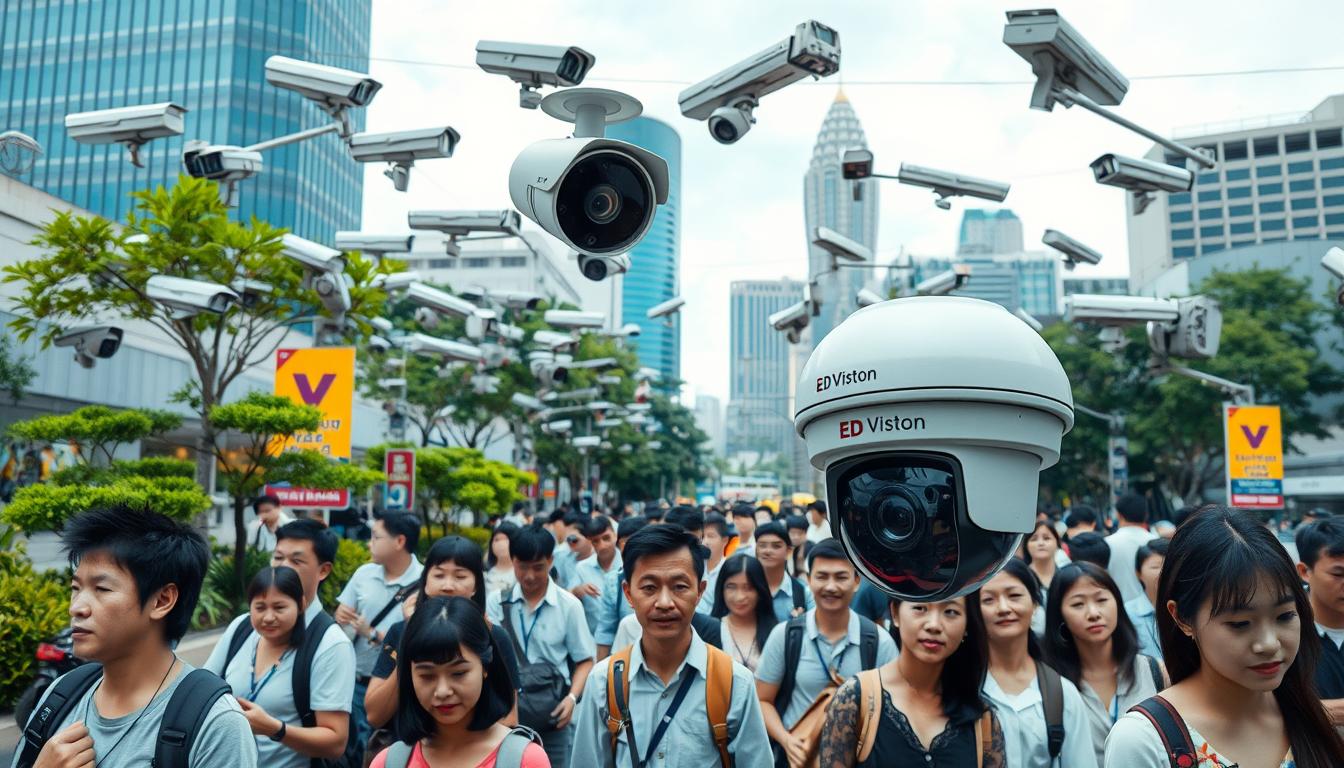
Responsibility for CCTV Cameras in Singapore Explained
Have you ever thought about who controls your privacy with CCTV cameras? In Singapore, the rise in CCTV use for security raises a key question. Who is in charge of CCTV camera ownership and management? Knowing who is responsible is vital for both owners and users, as it deals with legal duties and privacy ethics.
There are now over 500,000 CCTV cameras installed, thanks to companies like First Solution Group. This article will explain who is responsible for these cameras, the rules that apply, and how to manage surveillance well. By understanding your role in CCTV management, you can protect your safety and the privacy of your community.
If you’re interested in the latest CCTV solutions in Singapore, reach out to Wen Hong at +65 60135960.
Key Takeaways
- Over 500,000 CCTV installations in Singapore emphasize the importance of security measures.
- CCTV ownership involves understanding legal obligations and responsibilities.
- Violations of Town Council bylaws can lead to significant fines for unauthorized installations.
- Indoors, no government authorization is needed for personal CCTV installation.
- Privacy laws dictate strict compliance regarding the use of recorded footage.
- Community mechanisms exist to address privacy concerns associated with CCTV usage.
Introduction to CCTV in Singapore
CCTV camera surveillance is key to boosting security in Singapore. It’s used everywhere, from busy shops to quiet homes. This shows a big push for safety. A survey by the National Retail Federation found 93% of stores in Singapore use CCTV cameras.
These cameras help stop crime and keep an eye on things. The Center for Retail Research found CCTV can cut theft by up to 50%. This means big savings for businesses. Also, 83% of retailers say CCTV is great for fighting theft.
Setting up CCTV systems needs careful thought. Costs include more than just buying cameras. You might need to train staff and get legal advice. This is because of the Personal Data Protection Act (PDPA).
It’s important to balance safety and privacy with CCTV. Businesses must get consent from neighbors and authorities. Following these rules builds trust in security measures. Keeping systems in good shape is also key.
To find out about the latest CCTV options, call Wen Hong at +65 60135960.
Understanding CCTV Camera Ownership
Being the owner of CCTV cameras comes with many responsibilities. These rules change based on where you are. It’s key to know what makes you an owner to follow the law and act ethically.
What qualifies as ownership of CCTV cameras?
Someone owns CCTV cameras if they set them up or manage them. This means more than just putting them up. In Singapore, you need a permit to use cameras on public property. This rule helps stop misuse and keeps privacy safe.
Types of CCTV camera ownership: residential vs. commercial
There are two main types of ownership: for homes and for businesses. Homeowners usually install cameras for security and peace of mind. They might not need a license. But, they must get permission from the Town council for cameras in common areas.
Businesses face stricter rules under the Personal Data Protection Act (PDPA). They must tell people they are being watched and get their okay. This doesn’t apply in all cases, like work-related surveillance. Installing cameras in private spots, like bathrooms, can get you in big trouble.
| Ownership Type | Permissions Required | Legal Obligations |
|---|---|---|
| Residential | No license needed on private property; approval required for common areas | Must avoid unauthorized recordings; comply with town regulations |
| Commercial | Must inform individuals and obtain consent | Adhere to PDPA regulations; clear usage of footage |
Knowing the difference in CCTV camera ownership is vital. It matters whether you’re setting up cameras for safety at home or for your business. For advice on CCTV solutions and deals, call Wen Hong at +65 60135960.
Who is responsible for CCTV cameras?
Understanding CCTV camera responsibilities is key. It involves legal duties for both landlords and tenants. These duties change based on whether it’s a home or a business. Owners must know their roles to avoid legal trouble and follow privacy laws in Singapore.
Legal obligations of CCTV owners
Owners are mainly responsible for CCTV cameras. They must follow privacy laws. This means getting permission before installing cameras that might invade others’ privacy. For businesses, there are specific rules about using and accessing footage.
The Data Protection Act lets people ask for their personal info, including CCTV footage. Owners must follow these rules to avoid legal issues.
Implications for landlords and tenants
Landlords have to deal with surveillance in shared spaces with tenants. They must tell tenants about any CCTV systems. This ensures everyone knows about the surveillance.
Tenants should know their privacy rights. Both sides need to talk openly about CCTV camera duties. Using digital tools can help manage surveillance while keeping privacy and security in mind.
If you want to learn more about CCTV solutions, contact Wen Hong today at +65 60135960. They offer expert advice for your needs.
CCTV Camera Management in Residential Areas
Effective CCTV camera management in residential areas is key to better community security and privacy. Homeowners and local communities must work together for installations. This ensures everyone feels secure and knows about their privacy.
Managing community CCTV installations
Community CCTV systems help prevent crime and keep everyone safe. Homeowners need to make decisions together about these systems. Important steps include:
- Community involvement: Residents should join in on talks about camera locations and who does what.
- Transparency: Being open about why cameras are used helps ease privacy worries.
- Legal compliance: It’s important to follow local laws on privacy and data protection when using community cameras.
Putting up signs about CCTV cameras is a good idea. It tells people about the cameras and helps keep crime away.
Best practices for residential CCTV surveillance
Following best practices for CCTV in homes can make security better. Homeowners should keep these tips in mind:
- Optimal camera placement: Place cameras where they can see important spots like doors and driveways, but not private areas.
- Signage requirements: Show clear signs about where cameras are and who to contact about them.
- Data management protocols: Have a plan for how long to keep footage and make sure it’s stored safely.
- Access control: Only let certain people see footage and protect privacy by showing it only when needed.
- Community agreements: Get everyone to agree on sharing footage, like in case of a security issue.
For advice on CCTV camera management and custom solutions, call Wen Hong at +65 60135960. Find out about the latest CCTV options in your area.
CCTV Regulations for HDB Flats
It’s important for HDB residents to know the latest rules on CCTV cameras. New changes make it easier to install cameras that face corridors. This shows a growing need for personal safety while keeping privacy in mind.
Changes in HDB regulations regarding CCTV installation
Now, homeowners can put up corridor-facing CCTV cameras without needing approval first. Before, they had to get permission from the town council. Even with this change, there are rules to follow to keep neighbors’ privacy safe. Cameras should not record neighboring doors or windows.
Privacy considerations within HDBs
Talking openly with neighbors about CCTV plans helps keep a good living space. While installing cameras on doors is okay, it’s key to respect others’ privacy. Digital locks with cameras are becoming popular, letting people watch outside without breaking rules.
With many CCTV cameras installed in HDBs, following HDB rules is a must. Residents can be sure their security doesn’t harm community privacy. For more on CCTV solutions and offers, call Wen Hong at +65 60135960 today.
CCTV in Commercial Spaces
CCTV installations in commercial spaces are big responsibilities for business owners. They must install cameras and manage footage with legal and ethical care. This ensures security and protects personal data under strict laws. It’s key for all businesses to understand CCTV camera responsibility.
Responsibilities of business owners
Business owners must set up CCTV systems that follow privacy and data protection laws. Their main duties are:
- Telling employees about CCTV and its purpose.
- Setting up surveillance to protect facilities and people.
- Being open about how they manage CCTV data.
- Sharing CCTV images when asked, following data protection laws.
- Putting up signs to let people know they’re being watched.
Compliance with data protection laws
Businesses using CCTV must know the data protection laws well. They need to show:
- The CCTV’s purpose is clear and justified.
- Staff handling CCTV get regular training on privacy and data rights.
- They do Privacy Impact Assessments to find and fix data risks.
- They keep CCTV footage safe from unauthorized access.
Not following these rules can lead to serious legal problems. As security threats grow, it’s more important to follow data protection laws for CCTV.
| Responsibility | Description |
|---|---|
| CCTV Installation | Make sure all cameras are installed right and work in the right places. |
| Employee Notification | Tell staff about surveillance policies and where cameras are. |
| Data Access | Give out CCTV images when asked within a month, as data protection laws say. |
| Signage | Show clear signs to tell the public they’re being watched. |
| Ongoing Training | Keep training staff on privacy rights and following the rules. |
For the latest CCTV solutions and offers, contact Wen Hong today at +65 60135960.
Privacy Concerns and CCTV Surveillance
CCTV cameras are key to safety and security in Singapore. They are found in public and private areas. It’s important for everyone to know about privacy laws in Singapore.
Understanding privacy laws in Singapore
Privacy laws in Singapore are vital for CCTV use. They help property owners use surveillance systems right. People using CCTV must know about the Data Privacy Act of 2012.
This law protects personal data. It makes sure people know when their info is being used.
Using CCTV for safety, property monitoring, and public order is okay. Property owners need clear policies for camera use. This helps avoid legal problems.
Cameras can’t be in places where privacy is expected, like restrooms. Data must be encrypted and stored safely. There are no set rules for how long to keep footage.
People can ask for their CCTV footage. They have the right to access their data. Organizations can charge for this, but must be clear about it.
As tech changes, so will privacy laws for CCTV. Finding a balance between security and privacy is key for everyone.
For more info on CCTV solutions and offers, contact Wen Hong at +65 60135960.
Community Engagement on CCTV Usage
Talking to the community about CCTV cameras is key to building trust and openness. Homeowners should tell their neighbors about CCTV plans. This way, everyone can talk openly about how CCTV cameras work.
Studies show that CCTV can lower crime rates. Sharing this info makes people feel safer.
How to inform neighbors about CCTV installations
Being clear is important when telling neighbors about CCTV. You can hold meetings or small talks to explain the benefits. This includes keeping the community safer and helping police solve crimes.
By talking together, we can all understand the good CCTV does. It makes our neighborhoods safer for everyone.
Addressing concerns about surveillance
It’s important to talk about privacy and surveillance worries. Discussing how CCTV footage is used and how it’s kept can help. This makes people feel more secure.
Remember, CCTV cameras help keep us safe and respond quickly in emergencies. For more on CCTV, contact Wen Hong at +65 60135960.
FAQ
Who is responsible for the CCTV cameras on my property?
The person who owns the CCTV system is in charge. They must follow privacy laws and make sure the system is run right.
What are the legal obligations of CCTV camera owners in Singapore?
Owners must follow privacy laws for surveillance. They need to get permission for cameras and tell people about them in shared areas.
Are residential and commercial CCTV ownership responsibilities different?
Yes, they are. Homeowners mainly look after personal safety and face less rules. Businesses, on the other hand, must follow stricter laws and tell employees about cameras.
How can I effectively manage community CCTV installations?
Good management means being open and talking to people. It’s important to tell residents about cameras, put up signs, and set rules for how data is handled.
What changes were made to HDB regulations regarding CCTV installations?
New rules make it easier to put up CCTV cameras in corridors. But, owners must make sure cameras don’t bother neighbors.
What are the responsibilities of business owners regarding CCTV surveillance?
Business owners must follow data protection laws. They should tell employees about cameras and have clear rules for data use to stay out of trouble.
How do privacy laws in Singapore impact CCTV surveillance?
Privacy laws control how CCTV is used, mainly in public and shared spaces. Owners need to balance security with people’s rights, following guidelines to avoid legal issues.
What are the best practices for residential CCTV surveillance?
Good practices include picking the right camera spots and putting up clear signs. It’s also important to have rules for data use to build trust.
How should homeowners inform neighbors about CCTV installations?
Homeowners should talk to neighbors before installing cameras. This helps ease worries and builds a sense of security in the community.
Source Links
- https://www.firstsolution.com.sg/blog/how-to-legally-install-cctvs-in-singapore/
- https://web.securitysystem.com.sg/cctv-camera-for-hdb-flat/
- https://www.firstsolution.com.sg/cctv-surveillance-system-for-retail-businesses-in-singapore/
- https://www.cctv-camera.com.sg/articles/do-you-need-permission-to-install-cctv.html
- https://ktree.com.sg/industry/security-cctv-cameras-privacy-invasion/
- https://www.buildingsecurity.com/blog/cctv-vs-ip-cameras/
- https://www.msf.gov.sg/media-room/article/ecda-mandatory-installation-of-cctv-cameras-in-preschools-and-government-funded-early-intervention-centres
- https://xpressguards.com/are-security-guards-responsible-for-monitoring-security-cameras/
- https://www.caughtoncamera.net/news/cctv-legal-requirements-cctv-laws-explained/
- https://www.deepsecurity.com.sg/article-detail/secure-your-property-with-cctv-camera-remote-monitoring-in-singapore/61?srsltid=AfmBOoo-ybFZ2-G02pOIeGuqS-rUWwlEwf3OLtYf_hUdDzTl4uJFzsM2
- https://clearview-communications.com/insights/domestic-cctv-regulations/
- https://www.harriskyriakides.law/insights/news/cctv-surveillance-within-private-properties
- https://www.keydence.com/services/cctv-camera-security-surveillance
- https://forums.hardwarezone.com.sg/threads/is-it-legal-to-install-cctv-outside-hdb-now.7037005/
- https://www.yournewgatecompany.com/blog/the-role-of-cctv-cameras-in-safeguarding-commercial-properties
- https://clearview-communications.com/insights/commercial-cctv-legal-requirements-explained/
- https://business.inquirer.net/450868/surveillance-and-cctv-use-vs-data-privacy
- https://www.progress.com/blogs/cctv-is-a-data-compliance-issue
- https://cress-security.co.uk/how-cctv-cameras-can-deter-crime-in-your-town/
- https://foleysfive.com.au/community-cctv-pool/


