
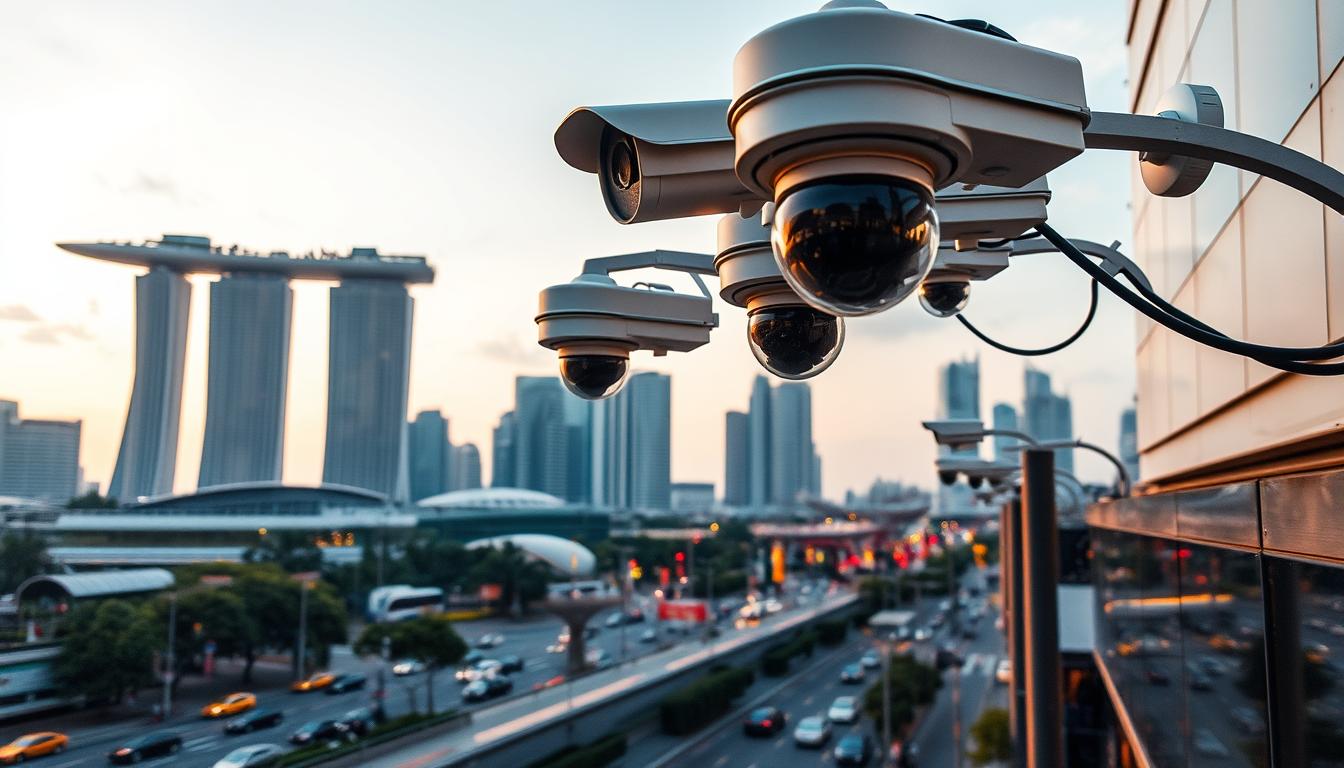
Who is responsible for CCTV?
The use of CCTV cameras in Singapore has raised important questions about who is in charge. With over 500,000 cameras in public and private places, knowing who manages them is key. This article looks into CCTV responsibility, the need to follow Singapore’s surveillance laws, and the roles of camera owners and operators.
Key Takeaways
- CCTV usage in Singapore is widespread, found in many public and private spots.
- Knowing who is responsible for CCTV is important for accountability.
- Following Singapore’s surveillance laws is essential for using CCTV ethically.
- Good CCTV management means balancing security and privacy well.
- The legal duties differ based on whether the camera is for a home or business.
Introduction to CCTV in Singapore
CCTV systems are key to keeping Singapore safe. Many people see the value in security, leading to more CCTV use. We’ll look at how common CCTV is and why more people are using them.
The prevalence of CCTV installations
In Singapore, over 500,000 cameras are installed. Retailers are at the forefront, with 93% using CCTV to protect their stores. CCTV helps prevent crime, making everyone feel safer.
Reasons for increasing CCTV usage
Several reasons explain why CCTV use is growing in Singapore:
- More people worry about their safety and property.
- New CCTV tech makes it easier and more effective.
- Communities work together to keep places safe.
- Rules now encourage using CCTV as a security tool.
These factors show a strong effort to protect citizens and businesses with Singapore security measures.
Understanding CCTV Camera Ownership
CCTV ownership in Singapore means knowing your duties and rules about surveillance. People or groups with CCTV cameras must follow privacy and public use laws. Property owners often need permits for cameras on public areas to stay legal.
What qualifies as ownership of CCTV cameras?
Who installs and looks after CCTV cameras decides ownership. Owners must keep their systems legal, focusing on privacy. This is key, as using footage might need to tell people they’re being watched. Not following commercial CCTV regulations can lead to fines.
Types of ownership: residential vs. commercial
CCTV ownership falls into two main types: residential and commercial. Homeowners can put up cameras for safety without a license. These help keep homes safe and prevent crime.
Businesses, on the other hand, have strict rules, like the Personal Data Protection Act (PDPA). They must get consent from those being recorded. It’s also important to follow town council regulations, mainly in public or shared spaces. For help with these rules, property owners can look at CCTV installation and repair guidance.
Who is responsible for CCTV?
Knowing who is in charge of CCTV systems is key to following the law. In Singapore, those who own CCTV systems have big legal duties. They must protect privacy, handle data safely, and get consent from people recorded in private areas.
Legal obligations of CCTV owners
One big *legal obligation* is following the Personal Data Protection Act (PDPA). CCTV owners must get permission before recording in private places. Breaking these rules can lead to big fines and harm to their reputation.
Implications for landlords and tenants
Landlords face challenges with CCTV systems, including *landlord-tenant CCTV issues*. It’s important to talk openly with tenants about surveillance. This helps respect privacy. Tenants should know their rights too, balancing safety and privacy.
Good communication between landlords and tenants can make living spaces better for everyone.
CCTV Camera Management in Residential Areas
Effective community CCTV management needs teamwork among residents. It ensures surveillance boosts security while keeping privacy intact. Clear talks about camera locations and uses help unite the neighborhood. This unity makes everyone safer.
Managing community CCTV installations
Residents should team up to decide on CCTV installations. This includes:
- Identifying vulnerable areas that need watching.
- Talking about the best camera spots for coverage.
- Agreeing on each camera’s purpose for openness.
- Regularly checking the system to make changes if needed.
Best practices for residential CCTV surveillance
Good residential surveillance balances function and privacy. Key points to remember are:
- Cameras should watch entrances and common spots without intruding on personal areas.
- Signs should clearly tell neighbors about surveillance.
- All cameras must follow the law and respect privacy.
- Check the system often to keep it working well and safely.
CCTV Regulations for HDB Flats
The rules for HDB CCTV in Singapore have changed. Now, residents can add security cameras to their homes. It’s important to know these rules to follow Singapore’s surveillance laws and keep our communities friendly.
Changes in HDB regulations regarding CCTV installation
Now, you can put up CCTV cameras that face corridors without asking your town council first. This change makes homes safer and encourages smart use of cameras. But, remember to place your cameras so they don’t spy on your neighbors.
Privacy considerations within HDBs
When thinking about CCTV, talking to your neighbors is key. It builds trust in your community. Using smart locks with cameras is a good idea. It keeps your home safe without invading privacy. This way, we follow the rules and keep everyone safe.
CCTV in Commercial Spaces
In commercial settings, CCTV is key. Business owners have big commercial CCTV responsibilities. They must install CCTV systems that meet security needs and follow data protection rules.
Responsibilities of business owners
Business owners must be open about CCTV use. They need to:
- Tell employees and customers why they’re being watched.
- Set rules on how CCTV footage is used and accessed.
- Teach staff about privacy and data handling.
Compliance with data protection laws
Following national laws, like the Personal Data Protection Act (PDPA), is vital. It builds trust. Businesses must protect privacy while using surveillance. They should:
- Make detailed plans for storing and using footage.
- Do regular checks to make sure they follow the law.
- Keep training employees on data protection.
Privacy Concerns and CCTV Surveillance
CCTV usage in Singapore has grown a lot in recent years. This has led to more focus on privacy laws. It’s important to know these laws for both people and companies. Using CCTV well means respecting privacy while keeping things safe.
Understanding privacy laws in Singapore
The Personal Data Protection Act (PDPA) is key in CCTV rules. It says any CCTV user must get consent for recording images or data. Owners must also be clear about why they’re recording, how they collect data, and how they store it.
When using CCTV, owners should place cameras carefully to avoid privacy issues. For example, they should not be in places like restrooms. It’s also vital to have a plan for how long data is kept and who can access it. This ensures footage is only seen by those who need it for real security reasons.
Community Engagement on CCTV Usage
It’s key to talk openly about CCTV systems in our communities. This helps make our neighborhoods safer. When people share their thoughts, it helps clear up any worries they might have.

How to inform neighbors about CCTV installations
Here are some ways to share why CCTV systems are important:
- Hold community meetings to explain why CCTV systems are needed.
- Share data that shows how CCTV helps lower crime rates.
- Start a discussion where everyone can share their thoughts and ask questions.
- Work together on neighborhood watch programs to keep everyone safe.
By focusing on community talks and keeping neighbors in the loop, we can make our homes safer and more united.
CCTV Camera Maintenance Responsibility
Owners and operators are mainly responsible for CCTV maintenance. They need to check systems regularly to keep them running well. This means setting up a schedule for inspections and updates.
Regular checks help spot problems early, reducing downtime. It’s important to keep footage safe to avoid legal issues. Operators must follow privacy laws to protect people’s rights.
Keeping camera systems in good shape involves several tasks:
- Cleaning lenses and making sure nothing blocks the view.
- Testing cameras to make sure they’re recording correctly.
- Updating software to stay safe from security threats.
By taking care of their CCTV systems, owners improve their surveillance. They also help keep the community safe and follow the law.
Legal Frameworks Surrounding CCTV Usage
In Singapore, CCTV usage is governed by strict laws. These laws are important for owners and operators to follow. They help keep surveillance practices in check. The Personal Data Protection Act (PDPA) and Town Council CCTV rules are key. They set rules for installing and using CCTV systems.
Personal Data Protection Act (PDPA)
The PDPA makes consent a must for recording personal data with CCTV. People must know and agree before their images or info are captured. It also sets limits on how long video footage can be kept.
Being open about how data is used is also a rule. Organizations must tell the public about their CCTV use. This includes why they record and who to contact for questions.
Town Council Regulations
Town Council CCTV rules mainly apply to HDB properties. Following these rules is key to keeping good relations with neighbors. It ensures privacy is respected.
These rules say where cameras can go. They also stress the need to balance surveillance with privacy. Knowing these rules helps build a peaceful community.
Roles and Responsibilities of CCTV System Owners
CCTV system owners have many duties to ensure surveillance works well. They handle everything from setting up the system to watching it and managing data. This keeps the surveillance running smoothly and follows the law.
They also check the CCTV systems often to make sure they are safe and work well. Owners need to know the laws to avoid privacy issues and protect people’s rights.
Checking and updating the systems regularly is key. It makes sure they follow the law and are fair. This builds trust in the community. Clear communication and being open helps owners keep their areas safe.
CCTV Surveillance Accountability
Keeping surveillance accountable is key in CCTV operations. It makes sure practices follow the Personal Data Protection Act (PDPA) and other laws. The process of documenting who sees CCTV footage and why is vital. This helps keep a secure space that values privacy.
Handling CCTV footage well also means doing data protection impact assessments (DPIAs). These assessments help spot risks in CCTV monitoring. They also help create strong policies for data management. This way, security gets better, and privacy stays safe.
Having a clear plan for surveillance accountability reduces risks with CCTV systems. Companies should aim for strategies that handle data ethically and review it regularly. This approach boosts security and builds trust in the community, all while following the law.
FAQ
What is the primary purpose of CCTV in Singapore?
CCTV in Singapore boosts safety and security. It deters crime and is used in public and private areas.
Who is considered the owner of a CCTV system?
Anyone who installs, manages, or runs CCTV cameras is the owner. This includes home and business owners.
Are there different regulations for residential and commercial CCTV systems?
Yes, home systems have fewer rules. But business systems must follow the Personal Data Protection Act (PDPA) to protect privacy.
What legal obligations do CCTV owners in Singapore have?
Owners must follow the PDPA. This means getting permission to record and keeping data safe.
What should landlords communicate to tenants regarding CCTV usage?
Landlords should tell tenants about CCTV use. This includes why and how it’s monitored to respect privacy.
How can residential communities effectively manage shared CCTV installations?
Communities should work together. Discussing camera locations and purposes helps everyone feel secure.
What recent changes have been made to CCTV regulations regarding HDB properties?
HDB residents can now install CCTV cameras in corridors without approval. But they must respect others’ privacy.
What responsibilities do business owners have regarding CCTV?
Business owners must follow laws on security and data protection. They should also tell employees and customers about surveillance and handle footage well.
How do privacy laws like the PDPA impact CCTV usage?
The PDPA requires consent for recording. It also sets rules for data storage and ensures CCTV use is transparent.
What practices should be followed to maintain community engagement on CCTV installations?
Talk openly with neighbors about CCTV plans. Share crime stats to build trust and show the security benefits.
Who is responsible for maintaining CCTV systems?
Owners and operators must keep CCTV systems working. This includes regular checks, ensuring they’re efficient, and protecting data.
What are the key elements of Singapore’s legal framework regarding CCTV usage?
The Personal Data Protection Act (PDPA) is key. It focuses on consent and transparency. Town Council rules also guide where cameras can go and privacy.
How can organizations ensure accountability in CCTV operations?
Keep detailed records of who accesses footage. Follow privacy laws and do data impact assessments to use surveillance wisely.


