
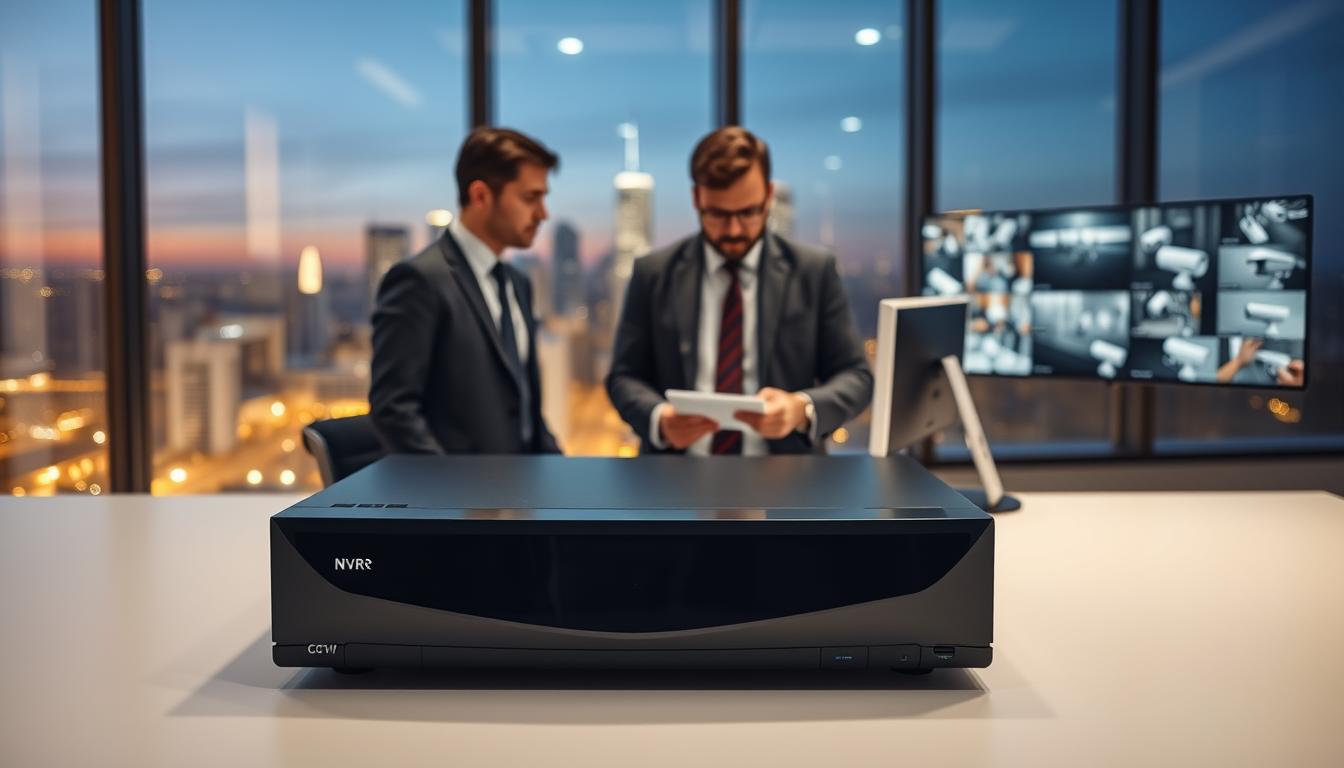
Which CCTV NVR is Best? Expert Buyer’s Guide
Choosing the right network video recorder transforms your security setup from basic monitoring to intelligent protection. Modern systems offer crystal-clear footage, smart alerts, and remote access capabilities that keep you connected to your property 24/7.
Today’s advanced NVR systems integrate AI-powered motion detection, high-resolution cameras, and flexible storage options. They provide peace of mind for both residential and commercial properties across Singapore.
This comprehensive guide examines top-performing solutions, including PoE and wireless options. We evaluate critical factors like camera resolution, storage capacity, and installation requirements to help you make an informed decision.
Our testing focuses on real-world performance, reliability, and smart features that matter most for effective surveillance. Discover which system matches your specific security needs and property requirements.
Key Takeaways
- Modern NVR systems offer intelligent features beyond basic recording
- AI-powered motion detection reduces false alerts significantly
- Remote access enables monitoring from anywhere via mobile app
- Storage capacity determines how much footage you can retain
- Camera resolution affects image clarity and detail capture
- Proper installation ensures optimal system performance
- Integration with existing security systems enhances protection
Understanding the Modern NVR Security System
Modern security solutions have evolved dramatically from traditional setups. Network video recorders represent the cutting edge of surveillance technology.
These advanced devices process digital signals from IP cameras through your network. This approach delivers superior performance compared to older analog systems.
Why NVR Has Surpassed DVR Technology
Digital video recorders dominated security for years. They connected to analog cameras through coaxial cables.
Network video recorders changed everything. They utilize IP cameras that transmit digital video over your network.
The advantages are significant:
- Higher resolution: Support for 4K and beyond captures incredible detail
- Flexible placement: Wireless options eliminate cable limitations
- Easy expansion: Add more cameras as your needs grow
- Centralized management: Control everything from one interface
IP cameras connect directly to your network. This eliminates the need for separate video cables to each camera.
The Critical Advantage of Remote Access Surveillance
Remote viewing transforms how you monitor your property. Modern systems provide live access from anywhere.
Through mobile apps or web interfaces, you can check cameras in real-time. This capability proves invaluable for both homes and businesses.
Imagine receiving instant alerts during emergencies. You can view live feeds and respond immediately, even when miles away.
Local storage eliminates monthly subscription fees. Your footage remains secure on-premises while remaining accessible remotely.
Integration with smart technology enables automated alerts and controls. This creates a responsive security environment that adapts to your life.
Network video recorder technology offers a future-proof solution. It outperforms traditional systems in every meaningful aspect of modern surveillance.
Essential Features to Evaluate in Your NVR Search
Selecting the optimal surveillance solution requires careful examination of core capabilities. Modern recorders offer advanced functionality that transforms basic monitoring into intelligent protection.
These critical components determine how effectively your setup captures, stores, and analyzes security footage. Understanding each feature ensures your investment meets both current and future requirements.
Camera Resolution and Image Quality Standards
Today’s security landscape demands exceptional clarity. 4K resolution represents the current baseline for capturing crucial details.
This ultra-high definition captures license plates and facial features with remarkable precision. Wide dynamic range balances lighting in challenging conditions.
Hybrid zoom capabilities allow detailed examination of specific areas without quality loss. These features combine to create forensic-grade evidence when needed most.
Storage Capacity and Future Expandability
Ample storage ensures continuous recording without gaps. Local solutions with at least 2TB capacity handle high-resolution footage effectively.
Expandable options reaching 16TB provide long-term retention for thorough review. This eliminates reliance on cloud subscriptions while maintaining full control over your data.
Proper capacity planning accommodates 24/7 recording needs. It also allows for future camera additions without system upgrades.
AI-Powered Motion Detection and Smart Alerts
Intelligent analysis transforms ordinary motion detection. Advanced algorithms distinguish between humans, pets, and vehicles with impressive accuracy.
This precision dramatically reduces false alarms from wind or shadows. Some systems offer facial recognition for personalized alerts about familiar visitors.
Smart video search capabilities filter events by time, object type, or specific zones. This cuts review time from hours to minutes during incident investigation.
Night Vision Capabilities: IR vs. Color
Effective surveillance continues after dark through advanced night vision. Infrared technology provides clear black-and-white imagery in complete darkness.
Color night vision represents the latest advancement in low-light recording. This technology maintains color information for better identification capabilities.
Smart IR adaptation automatically adjusts intensity to prevent overexposure. Some systems integrate supplemental lighting for optimal color reproduction at night.
Evaluating these features against your specific security needs ensures optimal performance. Whether protecting residential property or commercial assets, the right combination delivers peace of mind.
Which CCTV NVR is Best? A Detailed Product Comparison
Five standout systems demonstrate how modern technology addresses different security scenarios. Each solution offers unique advantages for specific property types and surveillance needs.
Our comparison focuses on real-world performance across residential and commercial applications. We evaluate critical factors like AI capabilities, installation flexibility, and storage options.
eufy PoE NVR Security System S4 Max: Best for Advanced AI & Large Properties
This premium network video recorder system delivers exceptional intelligence for demanding environments. Four cameras provide combined 16MP resolution for crystal-clear monitoring.
Advanced AI features include cross-camera tracking and smart video search capabilities. The system automatically follows subjects across multiple camera views without manual intervention.
Storage begins at 2TB and expands to 16TB for extended footage retention. No subscription fees make this ideal for businesses requiring continuous recording.
Large properties benefit from the sophisticated motion detection and tracking algorithms. The system identifies specific movement patterns while ignoring false triggers.
Lorex 4K+ 12MP NVR System: Best for Hybrid PoE/Wi-Fi Setup
Lorex offers remarkable flexibility with hybrid connectivity options. This system supports both wired PoE and wireless camera connections simultaneously.
Four cameras capture ultra-high 12MP resolution footage with excellent detail. Color night vision maintains identification capabilities in low-light conditions.
The nvr system includes 2TB storage expandable to 16TB for growing needs. Like other premium options, it operates without monthly subscription requirements.
Mixed environments benefit from the dual connectivity approach. Property owners can blend wired reliability with wireless convenience where needed.
UniFi Protect Custom Kit: Best for Modular, Professional-Grade Scalability
This modular solution appeals to users wanting complete control over their security infrastructure. The system requires a PoE+ switch but offers unparalleled expansion possibilities.
4K cameras combined with AI detection and auto-tracking provide professional-grade monitoring. The nvr supports expandable storage through UNVR units for massive capacity needs.
Tech-savvy users appreciate the customization options and enterprise-level features. The system grows seamlessly with additional cameras and storage components.
Businesses and large installations benefit from the scalable architecture. This approach ensures long-term viability as surveillance requirements evolve.
Reolink RLK8-1200V4: Best for Wide-Angle, Vandal-Resistant Coverage
Reolink delivers affordable protection for areas requiring tamper-proof monitoring. Four cameras offer 12MP resolution with 145-degree wide-angle views.
The vandal-resistant design withstands intentional damage attempts. This makes the system ideal for perimeter security and public area monitoring.
Color night vision ensures reliable identification around the clock. Local storage starts at 2TB and expands to 16TB without subscription fees.
Budget-conscious users get excellent value with wide-area coverage capabilities. The system provides reliable performance for challenging environments.
aosu 4K SolarCam P1 Max: Best for Wire-Free, Solar-Powered Operation
This innovative system eliminates wiring concerns completely. Four wire-free solar cameras capture 4K resolution footage while operating independently.
Solar power ensures continuous operation without electrical connections. AI behavior detection provides smart alerts while reducing false notifications.
Storage begins with 32GB and expands to 16TB for comprehensive footage retention. The system operates without monthly fees or subscription requirements.
Residential users appreciate the eco-friendly design and simple installation. Properties without existing wiring infrastructure benefit most from this approach.
Each system excels in specific scenarios based on property size and security priorities. Large businesses should consider eufy’s AI capabilities, while residential users may prefer aosu’s wireless convenience.
Hybrid environments benefit from Lorex’s flexibility, and professional installations thrive with UniFi’s scalability. Budget-friendly wide-area coverage makes Reolink an excellent value choice.
PoE vs. Wireless NVR Systems: Choosing Your Infrastructure
Your surveillance infrastructure decision impacts reliability, installation complexity, and long-term performance. Both wired and wireless solutions offer distinct advantages for different security scenarios.
Power over Ethernet delivers maximum stability through single-cable connectivity. Wireless systems provide placement freedom where cabling proves challenging.
Solar-powered options represent the latest innovation in eco-friendly monitoring. Each approach serves specific property requirements and installation constraints.
Benefits of Power over Ethernet Reliability
PoE technology revolutionized security installations by combining power and data transmission. One Ethernet cable handles both functions seamlessly.
This approach eliminates separate power adapters for each camera. Installation becomes cleaner and more organized throughout your property.
Key advantages include:
- Uninterrupted operation: Continuous power prevents downtime from battery failures
- Superior bandwidth: Wired connections maintain high-resolution video streaming
- Enhanced security: Physical connections resist wireless interference and hacking attempts
- Scalability: Additional cameras integrate easily into existing network infrastructure
Businesses and high-security installations benefit most from this reliability. Critical monitoring demands consistent performance that wireless cannot guarantee.
Considerations for Wireless and Solar-Powered Flexibility
Wireless systems eliminate cabling requirements for simplified installation. Cameras can position anywhere within network range without drilling or wiring.
This flexibility proves invaluable for rental properties or temporary installations. Homeowners appreciate the minimal disruption during setup.
Solar-powered options like the aosu system take wireless convenience further. They operate completely off-grid using renewable energy sources.
Important considerations include:
- Signal stability: Wireless networks may experience interference from other devices
- Battery maintenance: Regular charging or replacement ensures continuous operation
- Weather dependence: Solar performance varies with sunlight availability and season
- Limited bandwidth: Wireless transmission may reduce video quality during network congestion
Residential users often prefer these systems for their simplicity and adaptability. They work exceptionally well for properties without existing wiring infrastructure.
Professional installations typically choose PoE for its reliability and performance. Wireless and solar options suit residential applications where flexibility outweighs absolute reliability.
Your decision should balance installation practicality against operational requirements. Businesses need rock-solid performance, while homes often value convenience more.
Installation and Maintenance Best Practices
Proper implementation ensures your surveillance investment delivers maximum protection and longevity. Following industry-proven methods during setup prevents common issues that compromise security effectiveness.
Strategic planning before installation saves time and resources. Consider your property layout, potential blind spots, and environmental factors that might affect camera performance.
Securing Your System: Cabling and Placement Tips
Camera positioning dramatically impacts surveillance coverage. Install units at entry points, high-traffic areas, and vulnerable locations around your property.
Ensure clear sightlines without obstructions like trees or decorations. Optimal height ranges from 8-10 feet for facial recognition while preventing tampering.
Weatherproof enclosures protect outdoor units from Singapore’s tropical climate. Use conduit or cable guards to secure wiring against environmental damage and potential interference.
Surge protectors safeguard your entire network video recorder setup from power fluctuations. These devices prevent electrical damage during storms or grid instability.
Proper ventilation prevents overheating in your recording unit. Maintain at least 2-3 inches of clearance around the device for adequate airflow.
Routine Maintenance for Long-Term Performance
Regular upkeep maintains optimal image quality and system reliability. Schedule monthly checks to ensure all components function correctly.
Software updates address security vulnerabilities and improve features. Enable automatic updates when available or check manufacturer websites quarterly.
Lens cleaning removes dust, spider webs, and moisture that degrade video clarity. Use microfiber cloths and approved cleaning solutions for best results.
Test each camera’s functionality through your mobile app or monitoring interface. Verify motion detection sensitivity and alert notifications work as intended.
Storage management ensures continuous recording without interruption. Regularly review capacity settings and archive important footage when necessary.
Professional inspections every 6-12 months identify potential issues early. Technicians can recalibrate cameras and update firmware for peak performance.
Consistent maintenance extends equipment lifespan and maintains security effectiveness. These practices reduce unexpected failures and ensure reliable protection for your property.
Integrating Your NVR with a Smart Home Ecosystem
Modern surveillance solutions transform from isolated devices into connected protection networks. Smart home integration creates a unified security environment that responds intelligently to your lifestyle.
This connectivity enables automated responses and centralized management. Your cameras work seamlessly with other smart devices throughout your property.
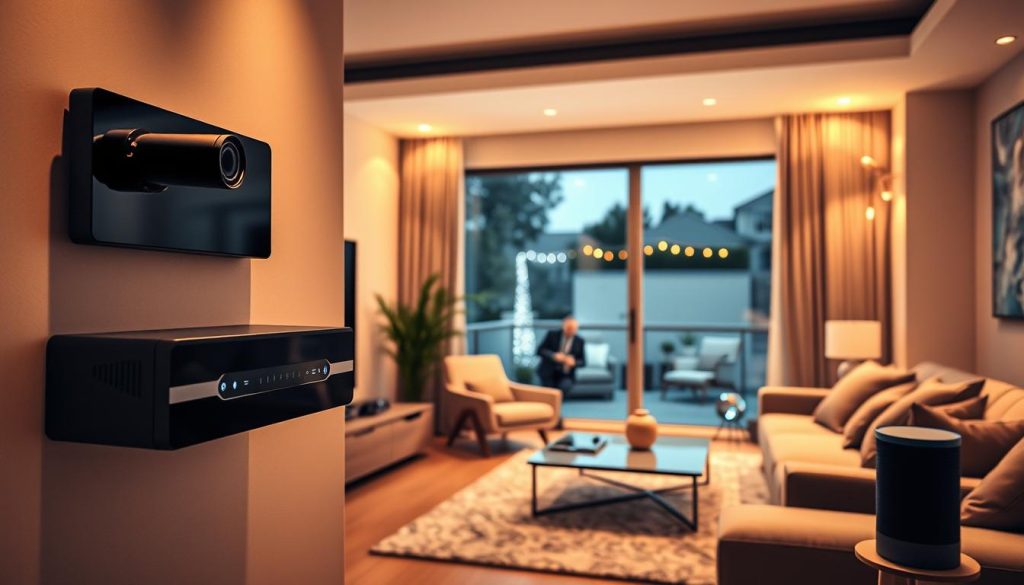
Compatibility with Home Automation Hubs and Voice Assistants
Leading network video recorder systems connect with popular smart home platforms. Google Assistant and Amazon Alexa support voice commands for camera control.
You can view live feeds on smart displays or request motion alerts through voice prompts. Samsung SmartThings integration allows comprehensive automation with other connected devices.
eufy’s nvr system works particularly well with Google Home ecosystems. aosu cameras integrate smoothly with various smart home platforms for flexible control options.
Check manufacturer specifications for supported voice assistants and automation hubs. Ensure your chosen security solution matches your existing smart home infrastructure.
Creating a Unified Security and Smart Device Strategy
A connected approach delivers significant advantages for modern homeowners. Unified control through a single app simplifies daily monitoring and management.
Real-time alerts appear alongside other smart device notifications. You receive immediate updates about security events through preferred communication channels.
Automated responses enhance protection without manual intervention. Lights can activate when motion detection triggers after dark.
Smart locks might engage automatically when cameras detect suspicious activity. These coordinated responses create a more secure living environment.
Setup requires careful planning and configuration. Begin by verifying device compatibility through manufacturer documentation.
Configure automation rules that match your security needs and daily routines. Test each integration thoroughly to ensure reliable performance.
Maintain secure connections to prevent potential vulnerabilities. Regular updates keep your integrated system protected against emerging threats.
This strategic approach future-proofs your investment. It ensures your surveillance setup remains adaptable to new technologies and changing requirements.
For more detailed cost considerations when building your integrated security solution, explore our guide on NVR vs DVR cost differences.
Cost Analysis: Understanding Value and Long-Term Investment
Smart financial planning separates temporary solutions from lasting security investments. A thorough cost examination reveals hidden expenses and long-term savings opportunities.
Modern surveillance requires balancing immediate affordability with future-proof performance. The right choice delivers maximum protection without unnecessary recurring costs.
Breaking Down Upfront Costs vs. Subscription Fees
Initial investment covers essential hardware components. This includes cameras, recording units, and storage devices.
Quality equipment ensures reliable performance for years. Premium systems like eufy and Reolink operate without monthly fees.
Cloud services often introduce ongoing subscription requirements. These can accumulate significantly over the system’s lifespan.
Local storage alternatives eliminate these recurring expenses. They maintain full control over your security footage.
Consider these cost components:
- Hardware purchase: Cameras, NVR unit, cables, and mounting accessories
- Storage media: Hard drives with adequate capacity for your recording needs
- Installation services: Professional setup ensures optimal performance
- Subscription fees: Monthly or annual charges for cloud features and storage
Evaluating the Total Cost of Ownership for Your Setup
Long-term value extends beyond the initial purchase price. Durability, maintenance, and expansion capabilities affect overall expenses.
Reliable systems require minimal ongoing attention. They continue performing effectively with basic upkeep.
Scalable solutions accommodate future growth without complete replacement. Adding cameras or storage should be straightforward.
Energy efficiency reduces operational costs over time. Solar-powered options like aosu eliminate electricity expenses entirely.
Maintenance considerations include:
- Software updates and security patches
- Component replacements and repairs
- Storage management and archival needs
- System expansion and integration requirements
Budget-friendly choices like Lorex offer excellent value without compromising features. Their discount pricing makes professional-grade security more accessible.
Prioritize systems that balance upfront affordability with long-term reliability. Your investment should provide peace of mind for years without unexpected expenses.
Making Your Final Decision: A Buyer’s Checklist
Your perfect surveillance setup matches your property’s specific demands. Consider camera resolution, storage capacity, and smart features like AI motion detection.
Think long-term. Scalability, maintenance needs, and total ownership costs matter more than just the initial price.
Match top products to your situation. Choose eufy S4 Max for advanced AI, Lorex for hybrid setups, or UniFi for professional scalability. Reolink suits vandal-prone areas, while aosu excels in solar-powered flexibility.
Check user reviews and current discounts. Ensure compatibility with any existing devices.
Selecting the right network video recorder brings enhanced security and lasting peace of mind. Make your choice confidently for 2025.
FAQ
What is the main difference between a network video recorder and a DVR?
A network video recorder (NVR) processes video data at the camera, sending it over a network, while a DVR processes analog video signals directly. NVR systems offer superior resolution, easier installation, and better remote access.
How many cameras can most home NVR systems support?
Most home and small business systems support between 4 and 16 cameras. High-end or professional-grade systems can scale to support 32 or more cameras, depending on the model and its processing power.
Can I access my NVR security system footage remotely?
Yes, virtually all modern systems offer remote viewing. You can access live feeds and recorded footage from anywhere using a smartphone app or a secure web browser login on a computer.
Do I need a subscription for cloud storage with an NVR?
No, a primary advantage of an NVR is local storage on a built-in hard drive. Many brands offer optional cloud subscriptions for backup, but they are not required for the core system to function.
What is Power over Ethernet (PoE) and why is it beneficial?
Power over Ethernet delivers both power and data to compatible cameras through a single network cable. This simplifies installation by eliminating the need for separate power outlets near each camera, enhancing reliability.
How much storage capacity do I need for my security footage?
Storage needs depend on camera resolution, frame rate, the number of cameras, and how long you want to retain footage. A 2TB hard drive is a common starting point, often providing weeks of recording for a typical 4-camera setup.
Can I mix different brands of cameras with an NVR?
Typically, no. Most proprietary NVR systems are designed to work seamlessly only with their own brand’s cameras. For mixing brands, you would need an ONVIF-compliant NVR, which supports a universal communication standard.
What does AI-powered motion detection do?
Advanced motion detection uses artificial intelligence to distinguish between important events (like a person or vehicle) and irrelevant motion (like a waving tree). This drastically reduces false alerts and sends more meaningful notifications.
Can NVR systems integrate with smart home platforms?
Many modern systems offer integration with popular platforms like Google Assistant, Amazon Alexa, and Apple HomeKit. This allows for voice control, viewing feeds on smart displays, and creating automation routines with other smart devices.


