
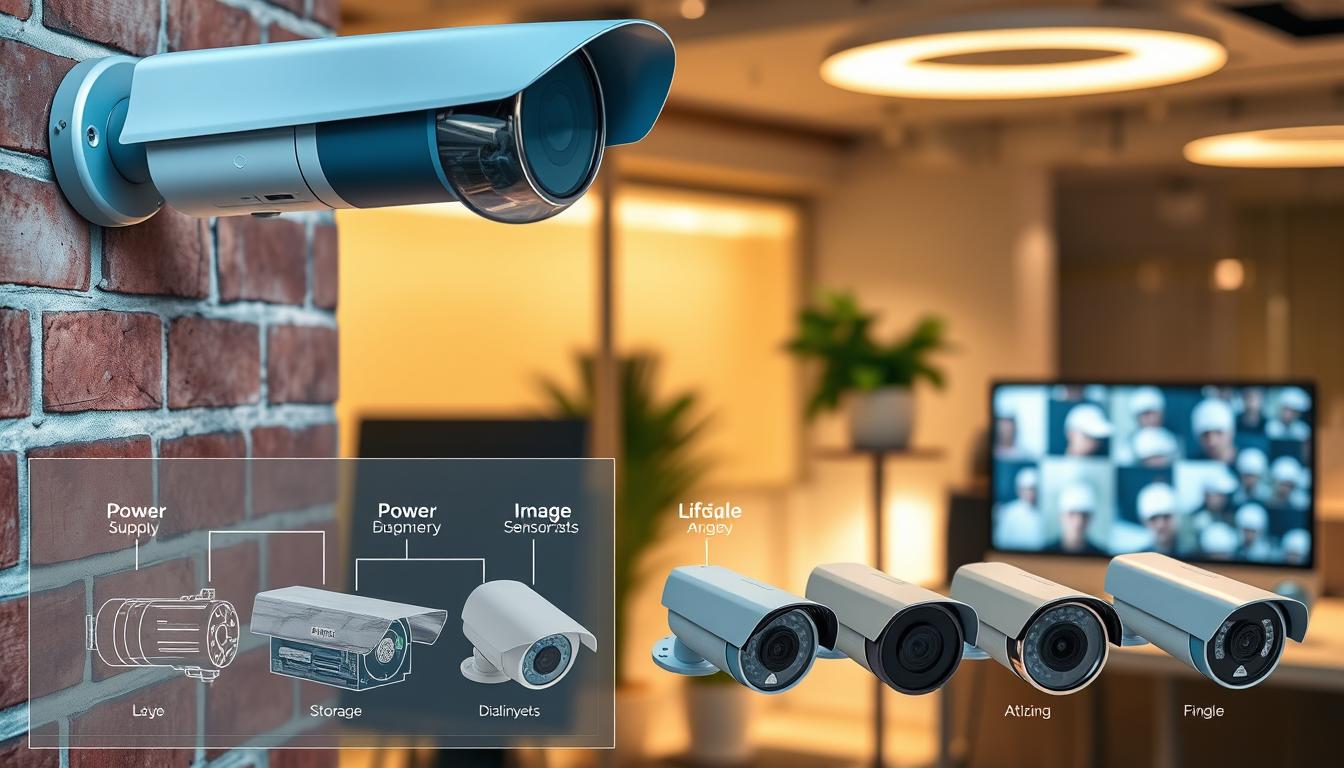
What is the lifespan of a CCTV camera? Explained
Business and property owners in Singapore rely on their surveillance systems for vital protection. Knowing how long your equipment will function is key to planning and budget.
A typical security camera lasts between three and five years. This is a general average, not a guaranteed expiration date. Many factors influence how long your specific setup will remain in good shape.
In a place like Singapore, where security needs are high, understanding this timeline is crucial. It helps you protect your assets effectively. A failing system can leave you vulnerable.
The good news is you have control. Proactive management can make cameras last much longer. Choosing quality cctv solutions and performing regular checks are essential steps.
This guide explores the signs of aging, key durability factors, and maintenance best practices. Our goal is to help you get the most from your investment. Let’s ensure your surveillance continues to work well for years.
Key Takeaways
- The average operational life for most surveillance cameras is 3 to 5 years.
- This duration is not fixed and depends heavily on equipment quality, environment, and care.
- In Singapore’s security-conscious climate, a reliable system is a non-negotiable asset.
- Strategic choices and routine maintenance can significantly extend a camera’s service life.
- Catching problems early through regular checks prevents major failures and improves security.
- Understanding when to upgrade is as important as knowing how to maintain your current setup.
- Maximizing lifespan protects your property and provides long-term peace of mind.
Understanding CCTV Camera Lifespan for Security in Singapore
Recent crime statistics reveal an urgent need for dependable monitoring equipment across the island. Theft cases jumped by over 25% in just the first half of 2023. This surge highlights why reliable surveillance matters more than ever.
Your cctv system is a long-term investment in protection. Its effectiveness hinges on operational longevity. When it works well, it delivers peace of mind.
These systems serve two critical functions. First, they act as a powerful visual deterrent. Potential offenders often avoid properties with visible cameras.
Second, they provide crucial evidence if an incident occurs. Clear footage can make all the difference in investigations. This dual role makes maintenance essential.
Modern technology adds another layer. Features like remote smartphone monitoring and facial recognition are now common. Keeping your cctv solutions updated ensures you benefit from these advances.
Neglecting your surveillance setup creates dangerous security gaps. A failed system offers no protection when you need it most.
This nullifies your entire investment. Regular checks help avoid such failures. They keep your equipment in good shape for the long term.
Understanding when to upgrade is just as important. Knowing the optimal time to replace your CCTV prevents unexpected breakdowns. It ensures continuous coverage.
Singapore’s specific security needs demand vigilance. A functional system directly impacts safety outcomes. Proper care helps your cameras last longer.
Focusing on durability leads to better protection. It transforms a simple purchase into a lasting security asset. This approach will improve security for years to come.
What is the Lifespan of a CCTV Camera?
Expectations for service duration should align with the specific equipment grade and environmental conditions. Most surveillance setups have a predictable operational window. This timeframe helps with budgeting and security planning.
Industry data shows a clear pattern for monitoring equipment longevity. The functional period depends on several key factors. Build materials and installation quality play major roles.
The 3 to 5 Year Average Benchmark
Many surveillance units operate effectively for three to five years. This range represents the typical service life for standard installations. Environmental exposure and usage patterns influence where a system falls within this span.
Basic consumer-grade models often reach the lower end of this range. They might only provide reliable service for two to three years. Component quality directly impacts this duration.
Experts frequently suggest evaluating your setup around the three-year mark. This assessment helps prevent performance degradation. Critical areas like image clarity can diminish over time.
Regular maintenance helps equipment work well throughout its expected service life. Without proper care, cameras usually experience earlier failures. Proactive management extends functional periods significantly.
Planning for potential upgrades every three years maintains optimal surveillance performance. This proactive approach prevents unexpected security gaps.
Singapore’s climate presents unique challenges for electronic devices. High humidity and temperature fluctuations test durability. These things affect how long monitoring gear remains operational.
How High-Quality Systems Can Last 7-10 Years
Investing in professional-grade components dramatically extends service life. Premium brands engineer their products for longevity. Superior materials and construction techniques make the difference.
Leading manufacturers like HikVision, Axis, and Avigilon design robust surveillance solutions. Their professional-grade equipment often delivers reliable performance for seven to ten years. Some systems continue functioning well beyond a decade with proper care.
These premium units feature weather-resistant housings and industrial-grade electronics. Enhanced thermal management protects internal components. Better sealing prevents moisture ingress, a common failure point.
The contrast between consumer and professional equipment is substantial. Higher initial investment translates to longer service life and reduced replacement frequency. This represents better long-term value for critical security applications.
Professional cctv system installations include optimized placement and wiring. Proper installation prevents many common issues that shorten equipment life. This comprehensive approach contributes to extended durability.
For a detailed exploration of these timelines, review our comprehensive lifespan guide. This resource helps with understanding cctv equipment longevity factors.
Technological advantages in premium systems include better image sensors and processing chips. These components degrade more slowly over time. The result is sustained performance throughout the extended service period.
Your choices determine where your equipment falls on the longevity spectrum. Quality selection and consistent maintenance are the primary factors. They enable surveillance systems to achieve their maximum potential service life.
Why Your Surveillance System’s Longevity Matters
Durability in security technology translates directly to reliability when it matters most. A robust monitoring setup provides consistent defense against threats over many years.
This consistency forms the backbone of effective property protection. When equipment fails prematurely, security gaps appear unexpectedly.
The Rising Need for Reliable Security in Singapore
Singapore’s urban landscape demands vigilant protection measures. Commercial and residential properties face evolving security challenges daily.
A functional cctv system acts as both deterrent and evidence collector. Its continuous operation is non-negotiable for modern safety protocols.
Statistics show property crimes remain a persistent concern. This reality makes dependable surveillance equipment essential infrastructure.
Outdated or failing gear creates dangerous illusions of safety. A non-operational camera provides zero protection during critical moments.
Such failures undermine the entire purpose of installing monitoring solutions. They represent wasted investment and increased vulnerability.
Modern security needs extend beyond basic recording capabilities. Remote access and smart alerts require systems that work well consistently.
Proactive maintenance through regular checks prevents these security lapses. It ensures your surveillance investment delivers promised protection.
Long-Term Protection for Your Property and Assets
Physical assets require uninterrupted monitoring for comprehensive security. Inventory, equipment, and property value all depend on consistent oversight.
A durable cctv setup amortizes its cost over extended service periods. This delivers superior return compared to frequent replacement cycles.
Insurance providers often mandate functional security measures. Policy compliance depends on equipment that performs reliably year after year.
Extended operational life means fewer disruptions from system upgrades. It provides stability in security management and budgeting.
Advanced features like facial recognition and motion analytics enhance protection. These technologies require cctv cameras that maintain performance standards.
Choosing quality components helps your equipment last longer. This forward-thinking approach improve security outcomes significantly.
Your overall risk management strategy ties directly to surveillance reliability. Prolonging system life actively reduces security vulnerabilities over time.
A long cctv service period ensures continuous documentation of premises activity. This historical record proves invaluable during investigations or disputes.
Key Signs Your CCTV Cameras Are Aging
Like any electronic device, monitoring equipment exhibits specific symptoms as it ages and approaches its functional limits. Recognizing these warnings is your first line of defense. It turns reactive panic into proactive maintenance.
Catching problems early through regular checks is the smartest strategy. This guide details the visual, operational, and physical clues that signal your surveillance setup needs attention.
These signs often develop slowly over years. A gradual decline is easy to miss without scheduled inspections. Paying attention to several things can prevent a total failure.
Deteriorating Image Quality and Clarity
The most obvious red flag is a drop in video quality. Your footage is the core of your security evidence. When it degrades, the entire system’s value plummets.
Look for increasingly blurry or unfocused images. This isn’t just a dirty lens; it can signal a failing image sensor. Pixelation or color distortion, especially in stable lighting, points to internal component stress.
Poor performance in low-light conditions is another major clue. If night vision becomes grainy or the infrared LEDs seem weak, identification becomes impossible. Consistent visual flaws mean your cctv can no longer fulfill its primary purpose.
Increasing System Failures and Glitches
Operational instability is a serious symptom. When your cctv system starts acting unpredictably, underlying hardware or firmware problems are likely.
Common failures include:
- Random reboots: Cameras usually shouldn’t restart on their own.
- Corrupted recordings: Gaps in footage or files that won’t play.
- Loss of connectivity: Cameras dropping off the network repeatedly.
- Software glitches: The interface freezing or controls not responding.
These issues indicate the system is struggling to perform basic functions. They create dangerous blind spots in your coverage.
Ignoring intermittent glitches is like ignoring a check engine light. It often leads to a complete and inconvenient breakdown.
Physical Wear and Environmental Damage
The harsh environment takes a visible toll. Singapore’s climate is tough on electronics. External damage directly impacts how long your cameras last.
Conduct a visual inspection. Look for cracks or fogging inside the camera housing. This often means seals have failed, allowing moisture ingress.
Check for corroded connectors and cables. Faded or non-functional infrared LEDs reduce night vision capability. Physical wear from extreme heat or persistent rain weakens the protective shell.
This external damage accelerates internal component failure. It’s a clear sign that the equipment’s resilience is compromised.
Spotting these signs empowers you to take action. Addressing minor issues keeps your setup in top shape and helps it work well for much longer. Early intervention is the key to extended, reliable service.
Factors That Determine How Long Your CCTV System Lasts
Your monitoring setup’s endurance depends on a combination of critical elements working together. These factors create a unique risk profile for every installation. Understanding them moves you from passive observation to active management.
Three primary variables control operational longevity. Component build, environmental exposure, and usage intensity each play distinct roles. Assessing your own cctv system against these criteria provides clarity.
Component Quality: The Foundation of Durability
Internal construction dictates how many years your equipment remains reliable. Premium brands like HikVision, Samsung, and Axis use superior materials. Their professional-grade components withstand continuous operation far better than budget alternatives.
High-quality image sensors and lenses maintain clarity over time. Industrial-grade electronics handle thermal stress more effectively. Robust housing materials protect against physical impacts and environmental wear.
Digital and IP-based system designs generally outlast older analog technology. They feature more advanced processing chips and better power management. This technological edge contributes directly to extended service life.
Your initial investment in quality pays dividends through reduced replacement frequency. It represents the single most important choice for understanding cctv durability. Premium components form the bedrock of a long cctv service period.
Environmental Conditions: Weather, Heat, and Humidity
Singapore’s tropical climate presents specific challenges for electronic devices. Constant heat, high humidity, and heavy rainfall test equipment resilience daily. These things affect both indoor and outdoor cameras differently.
External units face the harshest conditions. Without proper protection, moisture ingress becomes inevitable. Dust accumulation and temperature extremes accelerate component degradation.
IP (Ingress Protection) ratings indicate environmental suitability. Look for ratings like IP66 or IP67 for outdoor installations. These certifications guarantee resistance against dust and water jets.
Selecting cameras with appropriate IP ratings for their location is non-negotiable in Singapore’s climate. This simple specification check prevents countless premature failures.
Indoor placements offer some protection but still face challenges. Air-conditioned spaces create condensation risks during power outages. Poor ventilation areas may trap heat around the equipment.
Environmental factors significantly affect long-term performance. They determine whether your cameras last their full potential lifespan. Proper selection and placement mitigate these risks.
Usage Patterns: 24/7 Monitoring vs. Intermittent Use
Operational load directly impacts wear and tear on all components. A camera recording continuously experiences different stress than one activated only by motion. This usage intensity influences maintenance schedules and replacement timing.
Continuous operation tests thermal management systems constantly. Image sensors and processors generate heat during active recording. Without adequate cooling periods, this thermal cycling accelerates aging.
Intermittent use in low-traffic areas reduces mechanical wear. PTZ (Pan-Tilt-Zoom) cameras used sparingly preserve their motor systems. Fixed-lens models in climate-controlled lobbies face minimal environmental stress.
Your specific surveillance needs should guide equipment selection. High-traffic commercial entrances need rugged, always-on cctv cameras. Residential properties might opt for motion-activated models to extend component life.
Regular maintenance becomes more critical with intensive use. Several things can help your setup work well under heavy loads. Proactive care ensures continuous security coverage without unexpected gaps.
Assessing these three areas gives you control over your investment’s longevity. A premium camera in a harsh, 24/7 outdoor environment demands diligent attention. A mid-range unit in a controlled indoor space may require less frequent intervention.
This framework helps you make cctv equipment choices that align with your actual conditions. It transforms generic lifespan estimates into personalized durability assessments. Your monitoring setup will last longer when matched properly to its operating environment.
The Critical Role of Professional Installation
Premium components alone cannot guarantee extended service. Their potential requires correct implementation from day one. A professional install maximizes your investment’s value and longevity.
Technicians assess your property’s unique layout and risk profile. They identify optimal vantage points while avoiding common pitfalls. This strategic approach prevents future problems before they occur.
Ensuring Optimal Camera Placement and Protection
Location decisions impact both effectiveness and durability. Installers evaluate sun glare patterns throughout the day. They also identify potential blind spots in your coverage area.
Vandalism hotspots receive special attention during placement. Cameras get mounted at appropriate heights with secure brackets. Protective housings shield sensitive components from direct environmental exposure.
Correct mounting angles ensure stable footage capture. Proper stability prevents vibration damage from wind or traffic. These measures help your cameras last through challenging conditions.
Strategic placement considers both visibility and discretion. Highly visible units act as powerful deterrents to unauthorized activity. Discreet placements capture evidence without alerting subjects.
Professional installers select brackets rated for specific environmental conditions. They use anti-tamper screws and reinforced mounting points. This physical security makes removal difficult for potential intruders.
Proper Wiring and Connection for Long-Term Reliability
The hidden infrastructure determines overall system stability. Quality shielded cables protect against electrical interference. Secure terminations prevent signal degradation over time.
Waterproof junction boxes guard connection points from moisture. Conduit routing protects cables from physical damage and pests. Surge protection devices shield sensitive electronics from voltage spikes.
A warranty-backed installation provides peace of mind that DIY setups cannot match. Reputable providers stand behind their workmanship and component selection.
Loose connections cause many common cctv failures. Corroded terminals develop slowly in humid environments. Professional techniques prevent these issues from developing.
Proper cable management allows for future maintenance access. Labeled connections simplify troubleshooting during regular checks. Organized wiring makes the entire system easier to keep in top shape.
These practices help your surveillance equipment work well for its entire service period. They enable you to catch problems early during routine inspections. Quality installation truly helps make cctv investments last longer.
Your cctv cameras perform better when installed correctly from the beginning. The initial setup establishes patterns for long-term reliability. This foundational work supports all future security operations.
Building a Routine CCTV Maintenance Schedule
A structured maintenance routine is the most powerful tool for preserving your monitoring investment over time. It transforms reactive troubleshooting into proactive protection. This systematic approach keeps your entire cctv system in top shape.
Consistent care prevents small problems from becoming major failures. It ensures your equipment continues to work well when you need it most. Think of this schedule as essential healthcare for your security infrastructure.
Regular Visual Inspections and Physical Checks
Monthly visual checks help you catch problems early. Walk around your property and examine each unit carefully. Look for any changes since your last inspection.
Create a simple checklist for these regular checks:
- Verify all mounts and brackets remain tight and secure
- Inspect cable entry points for seal integrity and weatherproofing
- Look for corrosion on metal parts, especially connectors
- Ensure no vegetation or new obstructions block camera views
- Check housing for cracks, fogging, or physical damage
These visual assessments take just minutes but provide valuable insights. They help your cameras stay in good shape despite environmental challenges. Early detection means simpler, less expensive repairs.
Visual inspections are your first line of defense against system degradation. Catching loose cables or corroded connectors early prevents complete feed loss later.
Cleaning Lenses and Housings for Clear Footage
Dust, spider webs, and urban grime accumulate quickly in Singapore’s environment. This buildup directly impacts image quality and clarity. Regular cleaning restores optimal visual performance.
Use proper tools to avoid damaging sensitive components:
- Soft lens brushes for removing loose dust and debris
- Microfiber cloths for gentle wiping without scratches
- Recommended cleaning solutions safe for optical coatings
- Compressed air for blowing out hard-to-reach areas
Always power down equipment before cleaning. Gently remove surface contaminants first. Then apply cleaning solution to your cloth, not directly to the lens. This prevents liquid from seeping into housing seams.
A clean lens makes a dramatic difference in footage quality. It ensures your surveillance system captures identifiable details. This simple task helps your investment last longer and perform better.
Testing System Functions and Recording Capabilities
Functional verification confirms your entire setup operates correctly. Schedule these comprehensive tests quarterly. They ensure no hidden issues compromise your coverage.
Your testing protocol should include:
- Verifying all cctv cameras record to designated storage
- Checking night vision (IR) functionality after dark
- Testing motion detection zones and sensitivity settings
- Ensuring remote access via mobile apps still functions
- Reviewing playback capabilities for all camera feeds
Document any irregularities during these tests. Note cameras with weak infrared illumination or delayed motion alerts. These observations guide your maintenance priorities.
We recommend quarterly user-performed checks for basic functions. Schedule an annual professional assessment for comprehensive system health diagnosis. Technicians can identify issues invisible to untrained eyes.
This structured approach keeps your cctv equipment recording-ready at all times. It represents the most effective strategy for preventing unexpected failures. Your proactive care directly extends operational life and enhances protection.
Essential Software and Firmware Updates
A camera’s hardware can be pristine, but outdated software creates dangerous vulnerabilities in any security setup. Digital maintenance is equally important as physical care for your monitoring equipment. This aspect of system management is often overlooked by property owners.
Your cctv network functions as a specialized computer system with cameras attached. Its software governs everything from recording to remote access. Keeping this digital layer current ensures your investment continues to deliver reliable protection.
Enhancing Security and Closing Vulnerabilities
Outdated firmware exposes your entire surveillance network to cyber threats. Hackers actively search for unpatched security cameras to exploit. These devices can become entry points to your broader network.
Common risks include cameras being hijacked for botnet attacks. Unauthorized users might access live feeds or recorded footage. Such breaches completely undermine your property’s security.
Manufacturers release patches to fix these discovered weaknesses. Each update closes potential backdoors in the software. Stronger encryption protocols often get implemented through these digital upgrades.
Regular firmware updates are your first digital defense line. They transform your cameras from potential liabilities into secured assets.
Schedule these updates as part of routine checks. Treat them with the same importance as lens cleaning. This proactive approach prevents most digital problems before they occur.
Improving Performance with New Features
Updates deliver more than just security fixes. They frequently include performance enhancements that extend hardware usefulness. Optimized software can make older cctv cameras run more efficiently.
Manufacturers sometimes add new capabilities through firmware releases. Improved compression algorithms reduce storage needs without sacrificing quality. Better motion analytics can significantly reduce false alarms.
Compatibility with newer monitoring apps gets added through updates. This allows your existing system to work with modern interfaces. Such enhancements effectively give your hardware a software upgrade.
These improvements help your equipment last longer before requiring replacement. They maximize the value of your initial investment. Staying current with the latest cctv software ensures optimal performance.
Practical update management begins with knowing where to check. Most modern cctv solutions allow checking via the NVR/DVR interface. Manufacturer websites also list available updates for specific models.
Always back up your configuration settings before applying updates. This precaution saves time if any reset occurs. Test all camera feeds after installation to confirm proper operation.
Embracing regular updates will improve security and system reliability. It represents smart digital stewardship of your surveillance assets. To learn latest update practices and explore solutions deals, consult with security professionals.
Choosing the Right Camera Type for Your Needs
Your equipment’s long-term reliability starts with a smart selection at the purchase stage. Not all monitoring devices are built the same. Their design directly influences how many years of service you can expect.
Different models serve different purposes. A simple indoor unit faces different challenges than a complex outdoor one. Matching the right technology to your environment is a key durability factor.
This choice impacts your maintenance schedule and replacement budget. It helps you make cctv investments that truly last longer. Let’s explore the major categories.
Fixed-Lens Cameras vs. PTZ: A Lifespan Comparison
Fixed cameras are the workhorses of the surveillance world. They have no moving parts to wear out. This simplicity is their greatest strength for longevity.
These units usually last for many years with minimal intervention. A solid mount and a clean lens are often all they need. Their reliability makes them ideal for covering critical, unchanging areas.
PTZ (Pan-Tilt-Zoom) models offer impressive versatility. You can remotely control their direction and zoom. This functionality comes at a cost to operational life.
Internal motors and gears experience constant mechanical stress. These components are prone to wear and tear over time. More complex cameras require more frequent quality checks.
Choose fixed cameras for reliability, PTZ for flexibility. Understanding this trade-off is crucial for planning your system’s lifecycle.
If you need active monitoring of a large area, PTZ is valuable. Just budget for more attentive care. For most static views, a fixed lens provides a more durable security solution.
Indoor vs. Outdoor Models: Durability Requirements
The installation environment dictates necessary build specifications. Indoor units operate in relatively controlled climates. They don’t need heavy-duty protection from the elements.
Outdoor cameras face a much harsher reality. Singapore’s tropical weather is a constant test. Rain, heat, and humidity are major things affecting durability.
For external placement, robust housing is non-negotiable. Look for high IP (Ingress Protection) ratings like IP66 or IP67. These codes confirm resistance to dust and powerful water jets.
Vandal resistance is another key feature for exposed locations. An IK rating measures impact protection. A sunshade or built-in heater can prevent overheating or condensation.
Using an indoor model outside will guarantee a short service life. Always select equipment rated for its specific location. This ensures your cctv cameras can withstand local conditions.
Analog, IP, and Digital Systems: Technological Longevity
Technology evolves rapidly in the security industry. An old analog camera might physically power on for a decade. Its usefulness, however, can expire much sooner.
Legacy analog systems produce low-resolution footage. They lack modern features like remote access or smart analytics. Technological obsolescence makes them ineffective long before they break.
Modern IP (Internet Protocol) cameras are digital network devices. They offer high-definition video and advanced capabilities. Their network-based design supports future software upgrades and integration.
This forward compatibility extends the system‘s overall relevant life. You can often add newer cameras to an existing IP network. This scalability protects your investment.
Choosing a contemporary IP cctv system means investing in relevance. It helps your entire setup remain useful and effective for its full physical lifespan. This smart choice helps your cameras last in a practical sense.
Your selection today shapes your cctv experience for years to come. Prioritize durability features that match your specific needs. This approach builds a foundation for reliable, long-term protection.
Protecting Your System from Singapore’s Climate
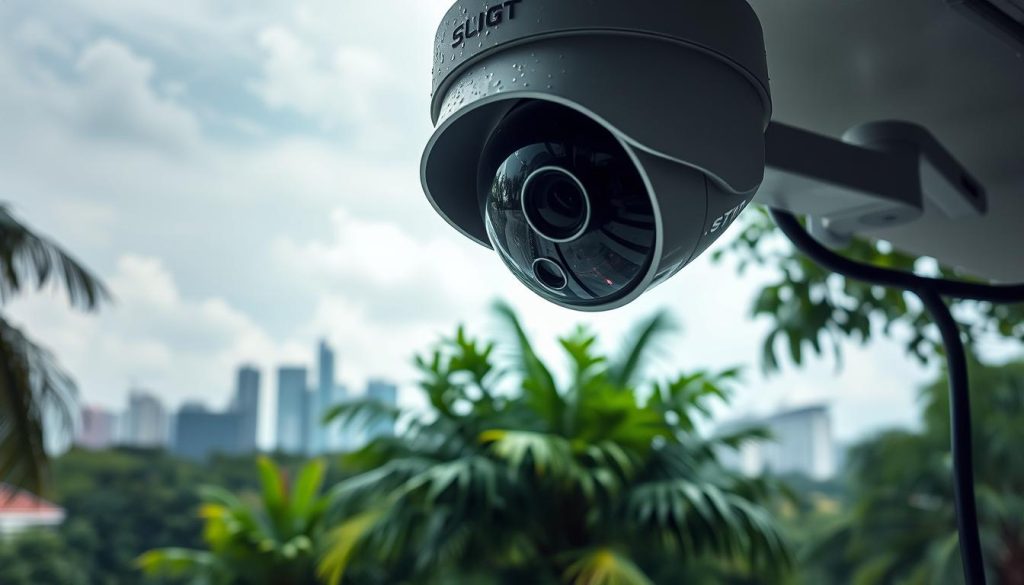
Moisture damage is the leading cause of premature failure for outdoor security installations here. Singapore’s tropical environment creates a perfect storm of high humidity and heavy rain. These weather factors constantly challenge your equipment’s seals and materials.
Without proper safeguards, your surveillance investment can degrade rapidly. Proactive measures are essential to ensure your cameras last their intended service period. This section provides targeted strategies to shield your cctv system from the elements.
Combating High Humidity and Moisture Ingress
Humidity doesn’t just coat surfaces; it invades. Warm, moist air seeps into any tiny gap in a camera housing. When temperatures shift, this moisture condenses inside the unit.
This internal condensation has devastating effects. It leads to fungal growth on lenses, creating permanent blurry spots. More critically, it causes corrosion on circuit boards and connectors, leading to erratic behavior and final failure.
Practical installation techniques form your first line of defense:
- Seal all entry points: Use waterproof gel or putty at cable entries into junction boxes.
- Ensure proper drainage: Run conduit with a slight downward slope so any water that enters drains away from the camera.
- Use desiccants: Place silica gel packets inside sealed junction boxes to absorb residual moisture.
- Select sheltered locations: Mount units under eaves or shades where possible to reduce direct rain exposure.
These steps help make cctv equipment resilient. They directly affect long-term reliability by keeping critical components dry. This is a core part of intelligent maintenance.
Think of your camera housing as a diving bell for electronics. Its integrity against moisture pressure determines how long the delicate components inside will survive.
Selecting Cameras with Appropriate IP Ratings
The Ingress Protection (IP) code is your most important specification for environmental durability. This two-digit rating tells you exactly what a device can withstand. Ignoring it guarantees a short operational life for outdoor cameras.
The first digit indicates protection against solids like dust. A ‘6’ means dust-tight. The second digit rates water resistance. For Singapore’s conditions, a minimum of ‘6’ is non-negotiable.
Here’s what the key ratings mean for your cctv cameras:
- IP66: Protected against powerful water jets. This is the recommended minimum for most outdoor placements.
- IP67: Can withstand temporary immersion in water (up to 1 meter for 30 minutes). Ideal for areas prone to flooding or very heavy exposure.
- IP68: Suitable for continuous immersion under specified conditions. Needed for specialized marine or underwater applications.
Beyond the IP rating, examine construction materials. Look for housings made from corrosion-resistant metals. High-grade aluminum or stainless-steel fittings work well in salty, humid air.
For extreme locations, consider cameras with built-in heater and blower units. These prevent internal condensation in rapidly changing temperatures. They help your system last longer in challenging spots.
Choosing climate-appropriate hardware is not a luxury. It is a fundamental requirement for achieving a reliable cctv service life in this region. Always check the datasheet for these specifications before purchase.
Optimizing Storage to Extend System Life
The recording backbone of your surveillance setup demands as much attention as the cameras themselves. Storage infrastructure represents the memory center of your entire security operation. Neglecting this component can undermine years of reliable service.
Your digital video recorder or network video recorder works continuously. It writes massive amounts of data every day. This constant activity places significant stress on hard drives and storage arrays.
Proper storage management is vital for overall system health. Overfilled drives cause crashes and corrupt recordings. They also experience excessive wear that shortens their functional period.
Managing Data Retention and Hard Drive Health
Implementing sensible data retention policies prevents drive overload. Configure your cctv system to overwrite old footage after a set period. Thirty days is common for many commercial properties in Singapore.
This approach matches legal requirements with practical needs. It avoids the strain of storing unnecessary footage indefinitely. A constantly full drive works harder and generates more heat.
Fragmented storage also increases failure risk. The drive head must move more to access scattered data. This mechanical stress accelerates wear on critical components.
A healthy storage subsystem ensures your entire surveillance network can perform its primary function—recording and retrieving footage—reliably for years.
Monitor storage health through your system’s interface. Check for warnings about drive errors or low capacity. Include this in your regular checks to catch problems early.
Look for these warning signs during maintenance:
- Unusual clicking or grinding sounds from the DVR/NVR
- Slow playback or difficulty retrieving archived footage
- System alerts about bad sectors or read/write errors
- Unexpected gaps in recorded video timelines
The Impact of Storage Solutions on Overall Performance
Surveillance-rated hard drives differ significantly from regular desktop models. Brands like WD Purple and Seagate SkyHawk are engineered for 24/7 video recording. They handle simultaneous streams and constant writing without strain.
These specialized drives feature enhanced thermal management. They withstand higher operating temperatures common in enclosed recorder boxes. Their firmware optimizes for continuous data flow rather than random access.
Standard consumer drives often fail under surveillance workloads. They’re not designed for simultaneous camera feeds writing constantly. This mismatch can cause your entire cctv setup to work well below its potential.
Consider these advanced storage strategies for better reliability:
- RAID configurations: Implement RAID 1 or RAID 5 for data redundancy. If one drive fails, your system continues recording on others.
- Cloud storage backup: Use cloud solutions to offload strain from local hardware. This provides an additional layer of evidence preservation.
- Enterprise-grade SSDs: For critical locations, solid-state drives offer faster access and better durability. They lack moving parts that can fail mechanically.
Storage choices directly affect how long your cameras remain effective. A failing drive can take crucial evidence with it during investigations. This represents a complete security breakdown when you need protection most.
Your surveillance investment deserves robust storage foundations. Quality components here help your entire setup last longer and maintain quality performance. This proactive approach prevents the most common storage-related problems in cctv cameras systems.
Ensuring Uninterrupted Power and Backup
Electrical stability forms the invisible backbone of every reliable surveillance network. When electricity fails or fluctuates, your entire monitoring operation can collapse instantly. This makes power management a critical component of long-term system health.
Singapore’s electrical grid is generally stable, but storms and infrastructure work cause occasional issues. These events can deliver fatal blows to unprotected electronics. Investing in proper power safeguards helps your equipment last longer and perform consistently.
Protecting Against Power Surges and Outages
Lightning strikes and grid fluctuations generate sudden voltage spikes. These surges travel through power lines directly into your cctv cameras and recorders. Sensitive circuitry cannot withstand this electrical assault.
The damage occurs in microseconds. Fried motherboards and burned-out components are common results. Once destroyed, this equipment requires complete replacement.
Install surge protectors at your main electrical panel. These devices divert excess voltage safely to ground. They act as a first line of defense for your entire cctv system.
More insidious than sudden spikes is “dirty power.” Voltage sags and harmonic distortions slowly degrade electronic components. This cumulative stress causes premature failures that are hard to diagnose.
A quality power conditioner filters out these irregularities. It delivers clean, stable electricity to your monitoring gear. This protection helps everything work well for its intended service period.
Implementing Uninterruptible Power Supply (UPS) Systems
An Uninterruptible Power Supply provides dual-layer protection. It conditions incoming power while offering battery backup during outages. For security applications, this is not optional equipment.
Blackouts often coincide with security incidents. Criminals may exploit darkness and disabled alarms. A UPS keeps your surveillance operational when you need it most.
Proper sizing is crucial for effectiveness. Calculate the total wattage of your NVR/DVR and all connected cameras. Add at least 20% for future expansion or efficiency losses.
Select a unit with sufficient battery runtime. Thirty to sixty minutes provides coverage for most short outages. This allows for graceful system shutdown or continuous operation.
A UPS represents a relatively small investment that safeguards your entire, much larger monitoring investment from catastrophic damage.
Include your UPS in routine maintenance schedules. Test its battery function every six months through simulated outages. Most units have a self-test button for this purpose.
Plan for battery replacement every three to five years. Batteries degrade over time, losing their capacity to hold charge. Proactive replacement prevents unexpected backup failures.
These regular checks help you catch problems early before they compromise your protection. A well-maintained UPS ensures your monitoring never experiences unexpected blackouts.
Power protection transforms electrical vulnerability into operational resilience. It completes your comprehensive approach to equipment longevity. Your entire cctv investment deserves this fundamental safeguard.
Navigating Legal and Compliance Considerations in Singapore
-8
When to Consider a CCTV System Upgrade
Determining the right moment to refresh your monitoring infrastructure requires careful evaluation of multiple factors. Your current setup might still power on, but its effectiveness could be diminishing. Knowing when to invest in new technology protects your assets better.
Several clear indicators suggest an upgrade deserves serious consideration. Age is the most obvious factor. Equipment over five years old often lacks modern capabilities.
Frequent breakdowns and repair bills also signal trouble. If fixing your cctv system costs more than half the price of a new one, replacement makes financial sense. Diminishing spare part availability for older models complicates maintenance further.
Assessing Technological Obsolescence
Technological obsolescence occurs when hardware functions but can’t meet current security standards. Your cameras might capture video, but the footage lacks necessary detail. This gap creates dangerous vulnerabilities in your protection strategy.
Legacy systems using 720p or 1080p resolution struggle with identification. Modern 4K and 8MP cameras provide forensic-level clarity. This difference can determine whether evidence is usable in investigations.
Integration limitations represent another critical issue. Older equipment often cannot connect to modern access control or alarm systems. This isolation reduces overall security effectiveness across your property.
A camera that physically works but delivers blurry, unusable footage provides false security. Technological relevance matters as much as mechanical function.
Weighing Repair Costs Against Replacement Value
Conduct a straightforward cost-benefit analysis for your surveillance equipment. Track all repair expenses and system downtime over twelve months. Compare this total to the price of a modern, equivalent cctv setup.
A practical rule applies here. If annual maintenance and outage costs approach or exceed new system pricing, replacement becomes the smarter economic choice. Continuing to repair old gear is often “throwing good money after bad.”
Spare part scarcity accelerates this decision. Manufacturers eventually discontinue support for older models. Finding replacements becomes difficult, expensive, or impossible after several years.
Newer cctv solutions also offer better energy efficiency. They reduce operational costs over their service life. This long-term saving adds to the financial argument for upgrading.
Integrating New Features like AI and High-Resolution Imaging
Modern surveillance technology delivers capabilities that were science fiction a decade ago. Artificial intelligence transforms passive recording into active threat detection. These features dramatically improve security outcomes.
AI-powered analytics distinguish between people, vehicles, and animals. They send targeted alerts instead of generic motion notifications. This reduces false alarms and focuses attention on genuine threats.
High-resolution imaging provides unprecedented detail. License plates and facial features become clearly identifiable at greater distances. Color night vision technology maintains detail in low-light conditions where traditional IR fails.
Seamless integration creates unified security ecosystems. Your cameras can work with door access systems, fire alarms, and perimeter sensors. This connectivity enables coordinated responses to incidents.
Exploring latest cctv technology reveals how much has changed. To learn latest advancements and available solutions deals, consult with security professionals. They can assess your specific needs and recommend appropriate upgrades.
Upgrading isn’t merely about getting new gadgets. It’s about ensuring your surveillance investment continues to provide adequate protection. The right refresh keeps your property secure against evolving threats.
Budgeting for Your CCTV System’s Entire Lifecycle
Viewing your security investment through a total cost of ownership lens prevents unexpected financial strain. This approach considers all expenses from day one through eventual replacement. It transforms a simple purchase into a managed asset with predictable costs.
A holistic financial model ensures your surveillance remains effective and sustainable. You avoid nasty surprises that derail protection plans. Smart planning aligns spending with actual security needs over many years.
Initial Investment vs. Long-Term Maintenance Costs
The temptation of low upfront pricing can be misleading. Cheap equipment often carries hidden long-term expenses. Frequent repairs and premature replacements add up quickly.
Unreliable gear also creates security breaches with their own costs. A failed camera during an incident has real financial consequences. Investing in quality components from the start mitigates these risks.
Allocate a portion of your annual operational budget specifically for preventive care. This includes routine maintenance contracts and essential software updates. Proactive spending is far cheaper than emergency repairs.
Energy-efficient models offer another area for savings. They reduce electricity consumption over their service life. Warranties and service-level agreements (SLAs) provide valuable financial protection.
These agreements fix costs for support and parts replacement. They help your cctv system remain within budget projections. A well-maintained setup naturally lasts longer and performs better.
Think of your surveillance budget as having two pillars: the initial capital outlay and the ongoing operational fund. Neglecting either one compromises the entire structure.
Total cost of ownership includes installation, licenses, and potential cloud fees. Don’t forget electricity and eventual component swaps. Factoring in all elements gives a true picture of your investment.
Planning for Future Upgrades and Scalability
Your security needs will evolve over time. The system you install today must accommodate tomorrow’s requirements. Choosing a scalable architecture from the start is crucial.
Modern IP-based networks allow easy addition of cameras. They also support integration of new technologies without replacing core infrastructure. This flexibility prevents costly complete overhauls later.
Build a technology refresh fund by setting aside capital annually. When an upgrade becomes necessary, the funds are available without strain. This proactive saving aligns with the equipment’s lifecycle.
Plan for a mid-lifecycle refresh, like adding units or upgrading the recorder. This approach extends the useful life of your entire surveillance investment. It keeps your protection current without a massive lump-sum expense.
Discuss solutions deals with your provider for phased implementation. Many offer favorable terms for expanding an existing installation. These arrangements can make scalability more affordable.
Your financial strategy should support a long cctv service period. It ensures your cameras continue to meet security needs as they change. A scalable, well-budgeted system delivers peace of mind for years.
Maximizing Your Security Investment for Years to Come
Achieving maximum value from monitoring equipment requires viewing it as a dynamic asset rather than static hardware. Your surveillance setup’s effectiveness grows through consistent attention and smart upgrades.
The average operational window is just a starting point. With premium components and professional installation, your cctv system can deliver reliable protection for seven to ten years or more. This extended service transforms your initial purchase into lasting value.
Establish a proactive cycle of regular inspections, lens cleaning, and software updates. These practices keep your cameras in quality condition and help them last longer. Strategic planning for eventual upgrades ensures your setup meets evolving security needs.
Your investment ultimately provides unwavering protection for property and people. Implementing these recommendations will improve security outcomes significantly. Consult with cctv solutions providers to ensure your cctv cameras continue delivering maximum protection value.
FAQ
How long do most surveillance cameras typically last?
Most modern security cameras function well for 3 to 5 years. With high-quality components from brands like Hikvision or Dahua and proper care, a system can often reach 7-10 years. Regular maintenance is key to achieving this longer operational life.
What are the main things that shorten a camera’s operational life?
A> Several factors affect longevity. Singapore’s high humidity and heat can strain outdoor units. Poor installation, power surges, and constant 24/7 recording also contribute to wear. Choosing equipment with suitable IP ratings for weatherproofing is crucial.
How can I make my CCTV system last longer?
Implement a routine schedule. This includes cleaning lenses, checking housings for damage, and testing recordings. Keep your system’s firmware updated for performance and security. Using a UPS (Uninterruptible Power Supply) protects against electrical damage.
When should I consider replacing my security cameras?
Consider an upgrade if you see consistently blurry footage, frequent system failures, or physical corrosion. If repair costs are high or your system can’t support newer features like AI analytics, investing in latest CCTV solutions is often more cost-effective.
Does professional installation really impact how long my cameras last?
A> Absolutely. Expert installers ensure proper placement away from direct weather exposure and secure, protected wiring. This prevents common issues like water ingress and connection faults, which are major reasons for premature system failure.
How does data storage affect my surveillance system’s health?
A> Constantly full or overworked hard drives in your NVR can fail, causing data loss and system strain. Managing retention settings and monitoring storage health are vital maintenance tasks to keep the entire system running smoothly for years.


