
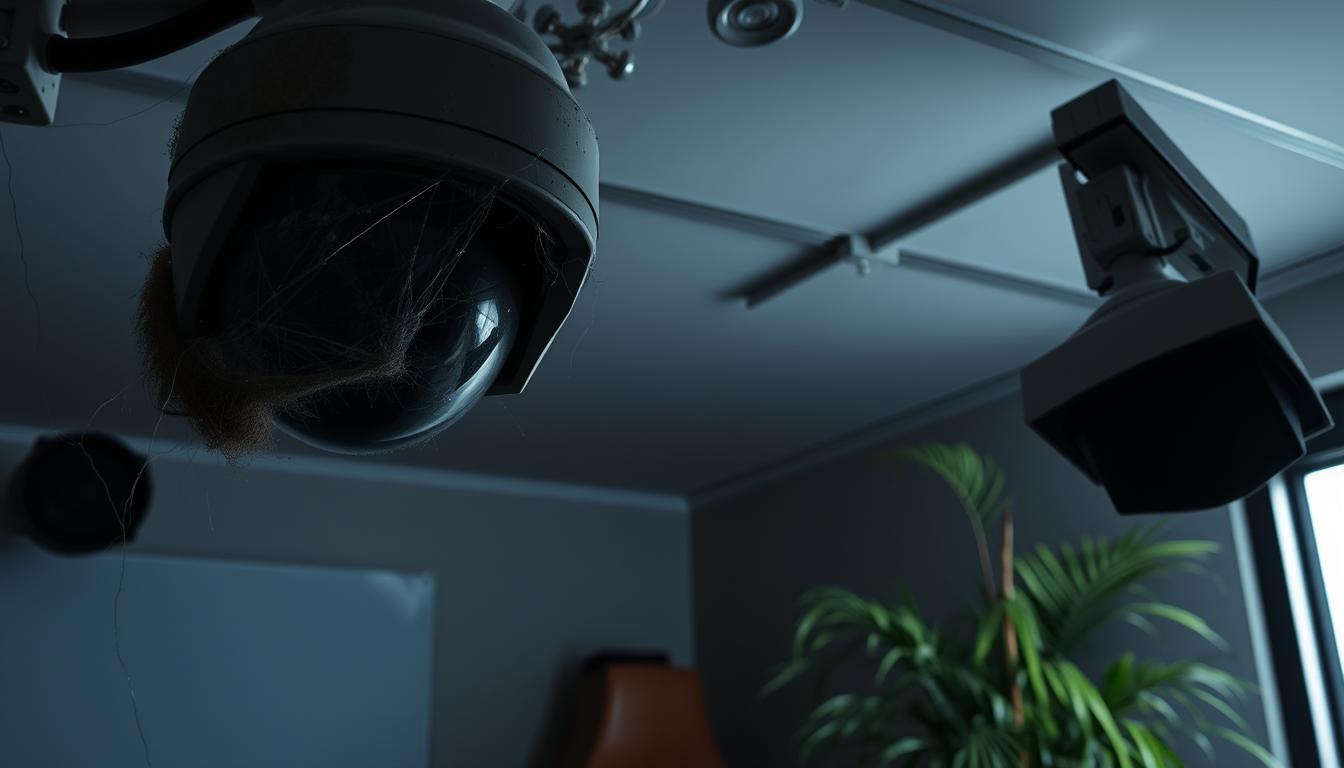
What is the common problem of CCTV camera?
It’s important to know the common problems with CCTV cameras to keep homes and businesses safe. Issues like not recording footage, distorted images, and network problems can happen. These problems can really hurt the quality of surveillance, which is key for safety.
Fixing these problems quickly is vital. Knowing what can go wrong helps users stay ahead. For more help with setting up and fixing cameras, check out CCTV Maintenance.
Key Takeaways
- CCTV systems are key for security; any problems can be a big risk.
- Common issues include video distortion and power failures.
- Fixing CCTV problems fast is key for good monitoring.
- Regular maintenance stops problems before they start.
- Knowing what can go wrong helps with fixing CCTV issues.
CCTV Camera Overview in Singapore
CCTV in Singapore is key to keeping the public safe. About 90% of public areas are watched over by cameras. This network helps prevent crimes, as theft rates have gone up.
Different types of cameras, like dome and bullet ones, meet various needs. They are used in homes and businesses. Keeping these systems working well is important for constant monitoring.
Understanding CCTV Camera Importance
The significance of CCTV in today’s urban environment is huge. In Singapore, security is a big deal for everyone. CCTV cameras help keep things safe by watching over the area.
CCTV systems are key in modern surveillance technology. They scare off bad guys and help police solve crimes. For property owners, knowing they’re watched over is a big relief.
Technology has made CCTV even better. Now, footage can be stored in the cloud, keeping it safe and easy to find. This also helps protect against cyber threats, making our security stronger.
What is the common problem of CCTV camera?
CCTV cameras are key in keeping properties safe. But, they often have problems that make them less effective. Knowing these issues helps fix them and keeps security systems working well.
Key Malfunctions Experienced by Users
Users deal with several common problems with CCTV systems, such as:
- Failure to record footage.
- Distorted video displays.
- Connectivity issues leading to loss of signal.
- Poor image quality due to incorrect settings.
These CCTV malfunctions can come from loose connections or outdated software. Fixing these problems quickly can greatly improve camera performance.
Impact of These Problems on Security
The security impact of broken CCTV cameras is huge. When they don’t work right, surveillance drops, raising the risk of security breaches. Not recording important footage can mean missing incidents or lacking evidence in investigations.
This shows why it’s vital to regularly check and maintain CCTV systems. This ensures they stay reliable and effective.
Power Supply Issues in CCTV Systems
In CCTV systems, power supply problems can really slow things down. It’s key to spot these issues early. Knowing the signs of power trouble helps fix problems fast.
Signs of Power Problems
Spotting power supply issues is vital for CCTV systems. Look out for these signs:
- LED status lights not lighting up or blinking weirdly
- Video feed looking distorted or gone
- Cameras shutting down or restarting a lot
These signs warn of bigger problems with your CCTV system.
Steps to Check Power Supply
To fix power supply issues, follow these steps:
- Check power cords for damage or wear.
- Make sure all connections are tight.
- Use a multimeter to check voltage from the power source.
- Make sure the power supply fits the CCTV system’s needs.
These steps keep your cameras working well and avoid power supply problems.
Video Feed Problems: No Signal or Distorted Footage
Video feed problems can really mess up CCTV systems. Users often see no signal or footage that’s all wrong. This makes it hard to keep an eye on things. Knowing what causes these issues helps keep surveillance systems working well.
Types of Video Feed Issues
- Complete no signal problems, leading to unusable footage.
- CCTV distortion, affecting clarity and color accuracy.
- Intermittent video loss, causing gaps in monitoring.
Common Causes of Signal Problems
Many things can cause problems with CCTV video feeds. The main reasons include:
- Damaged cables, which can disrupt signal transmission.
- Faulty connections, often leading to intermittent feed issues.
- Environmental changes, such as extreme weather conditions, affecting camera functionality.
Keeping your system in check is key. This means checking cables and updating software regularly. By fixing problems early, you can make your CCTV system more reliable.
Network Connectivity Challenges
Network connectivity is key for CCTV systems, like those that use IP. Users often face problems that can stop CCTV systems from working right. Knowing why these issues happen helps fix them.
Factors Leading to Connection Issues
Several things can make CCTV connectivity hard, including:
- Weak Wi-Fi signals: Not enough signal strength can cause cameras to drop connection.
- IP address conflicts: When many devices have the same IP, it can mess up connections.
- Poor router settings: Wrong settings can stop devices from talking to each other.
Best Practices to Ensure Connectivity
To keep CCTV systems connected well, follow these tips:
- Check your network often to find and fix problems.
- Update your hardware to keep it running smoothly.
- Make sure Wi-Fi is strong where your cameras are.
Following these steps can help avoid network problems. This ensures your surveillance system works as it should.
White Balance and Color Distortion Problems
Getting the colors right in CCTV footage is key for good surveillance and analysis. If the white balance is off, it can cause color distortion in CCTV. This makes white objects look wrong. It’s important to adjust the white balance to get true colors.
Importance of Correct White Balance
Having the right white balance is very important. It keeps colors true in different lights. Without it, the video can look wrong, making it hard to spot things. This is a big deal in places like Singapore, where the light changes a lot.
Steps to Adjust Color Settings
To fix the white balance, follow these easy steps:
- Find out what kind of light is in the area, like daylight or fluorescent.
- Go to the camera settings and find the white balance options.
- Pick the right preset for your light, or adjust it yourself if needed.
- Take some test footage to see if the colors look right.
- Make small changes to get rid of any color issues.
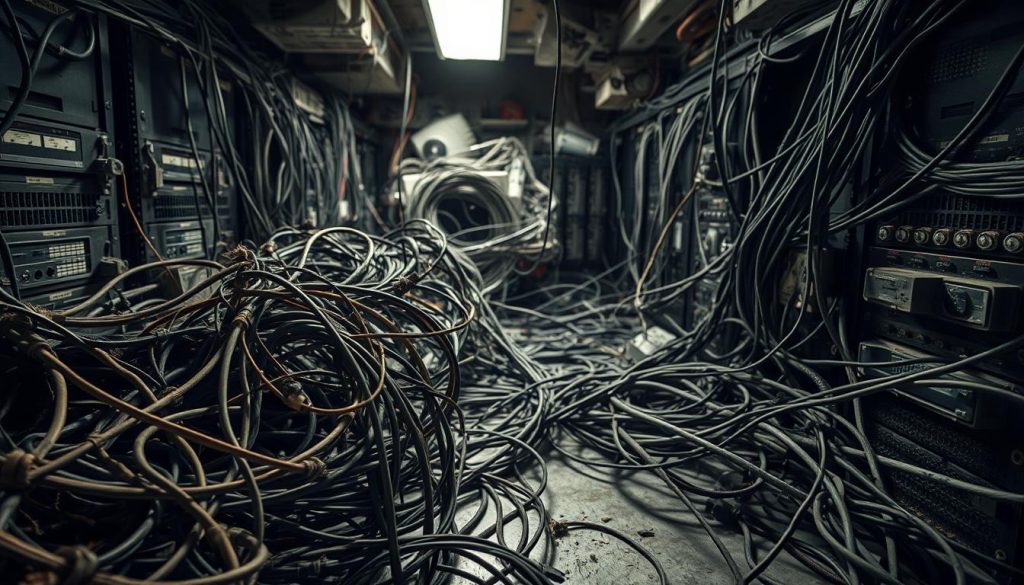
Cabling Issues Affecting CCTV Performance
Good CCTV surveillance needs strong cabling. Problems with CCTV cabling can really mess up performance. This can lead to bad security footage or missed alerts. Finding these issues early helps fix them fast and keeps the system working well.
Common Cabling Problems
Many things can cause cabling issues that affect CCTV performance:
- Frayed or damaged cables may lead to signal loss.
- Disconnected connections can interrupt data transmission.
- Improper installation affects the overall reliability of the system.
- Environmental hazards, such as moisture or physical wear, can damage cables.
How to Troubleshoot Cabling Issues
Fixing cabling problems can make your system work better:
- Do a visual check to spot any damage to cables.
- Make sure all connections are tight and replace frayed cables right away.
- Check signal strength at different points to find where the problem is.
- Think about using protective covers or conduits to keep cables safe from the environment.
Firmware Updates and Software Maintenance
Regular updates and maintenance are key to keeping CCTV systems running well. These updates help improve how systems work and fix security issues that might come up.
Why Regular Updates Are Critical
Companies often release firmware updates to fix problems and add new features. If you don’t update, your system could get hacked or work poorly. Keeping your system up to date is important for its safety and performance.
Regular checks help you see if your system needs updates. This keeps your system working at its best and ready for new security threats.
Tips for Troubleshooting Common CCTV Problems
CCTV systems often face issues that need fixing to work well. Knowing how to troubleshoot can save a lot of time and stress. Simple steps can fix problems like bad image quality or connection issues.
Basic Troubleshooting Techniques
Simple troubleshooting steps can solve many common problems. Here are some tips:
- Restart devices to refresh the system.
- Check power sources to ensure a consistent supply.
- Verify that all settings are correct and adjustments have been made as needed.
These steps can fix minor issues that seem big at first. If problems keep coming back, it’s best to get professional assistance.
When to Seek Professional Help
While basic troubleshooting can solve many issues, some need a pro. Here are examples:
- Repeated signals loss or distortion.
- Persistent video feed problems after trying basic fixes.
- Unresolved cabling or hardware issues that users can’t figure out.
For these tough cases, getting help from a pro is wise. Services like CCTV maintenance offer custom solutions. They make sure CCTV systems work well for a long time.
Regular Maintenance for CCTV Systems
Keeping your CCTV system in top shape is key. Regular checks help spot problems early. This way, you can fix them before they get worse. A set schedule for these checks keeps your system running smoothly.
Importance of Routine Checks
Regular inspections prevent system failures. They help keep your cameras and gear working right. This means no service breaks and better security for you.
Recommended Maintenance Tasks
- Inspect camera orientations to ensure correct positioning.
- Clean camera lenses to eliminate obstructions that may affect video clarity.
- Check for firmware updates to keep the system secure and efficient.
- Examine connectors and cables for any signs of wear or damage.
- Conduct system performance tests to verify all components are operational.
Identifying Environmental Factors Affecting CCTV
Environmental factors play a big role in how well CCTV systems work. Things like lighting, weather, and physical barriers can affect them. For example, too much sunlight can cause glare, making images blurry. Heavy rain or fog can also make it hard to see clearly.
To make cameras work better, it’s important to think about these factors when setting them up. Placing cameras in bright spots can help them see better at night. Also, adjusting cameras to handle different weather can make them more reliable.
By understanding and dealing with these environmental issues, users can make their CCTV systems better. This ensures they get the best surveillance possible.
Future of CCTV Technology and Common Issues
The future of CCTV technology is changing fast. It’s getting smarter with features like artificial intelligence and real-time analytics. These updates aim to make security better and operations smoother. But, they can also be tricky to set up and update.
Even with new tech, old problems like connectivity issues and equipment failures remain. Users need to know that new features might not fix all issues. For example, advanced analytics need a strong network, which can cause problems if not managed well.
In conclusion, CCTV’s future looks bright, with better surveillance on the horizon. But, it’s important to know about the challenges ahead. By staying informed and keeping systems up to date, users can enjoy the benefits of new tech. This helps create a safer environment that keeps up with technology.
FAQ
What are the most common problems with CCTV cameras?
CCTV cameras often face issues like not recording footage, showing distorted video, and connectivity problems. These can be due to equipment malfunctions, such as loose connections or wrong settings.
Why is CCTV important for security in Singapore?
CCTV is key for security in Singapore. It watches over public areas and helps prevent crime. With most public spaces under watch, it keeps everyone safe and gives property owners peace of mind.
What are signs of power supply issues in CCTV systems?
Signs of power problems include LED lights not working right or video looking bad. Check for damage on power cords and make sure connections are tight.
What steps should I take to troubleshoot power supply issues?
To fix power issues, first check power cords for damage. Make sure all connections are tight. Use a multimeter to check voltage levels. This helps keep cameras working well.
What are the common video feed problems with CCTV cameras?
Video feed problems include no signal, bad footage, or video cutting out. These can be due to damaged cables, bad connections, or changes in the environment.
How can I ensure my CCTV system maintains a strong network connection?
For a strong network, check Wi-Fi signals are strong. Avoid IP address conflicts. Do regular network checks. Update hardware and set up routers correctly for better connection.
Why is white balance important in CCTV systems?
White balance is vital because wrong settings can mess up colors. Correct settings help get accurate colors in recordings.
What cabling issues should I be aware of that affect CCTV performance?
Watch out for frayed or loose cables and wrong installation. Regular checks for damage and tight connections are key for good CCTV performance.
How often should I check for firmware updates on my CCTV system?
Check for firmware updates often. Manufacturers release them to fix bugs and add new features. Regular updates keep your system secure and working well.
What basic troubleshooting techniques can I use for CCTV issues?
Basic steps include restarting devices, checking power, and setting things right. If problems continue, get help from experts for specific solutions.
What routine maintenance tasks should I perform on my CCTV system?
Regular tasks include checking camera angles, cleaning lenses, and a maintenance plan. Do weekly, monthly, and yearly checks to keep your system reliable and effective.
How can external environments affect CCTV camera performance?
External factors like lighting, weather, and obstructions can impact CCTV performance. Adjust settings or move cameras to improve clarity and function.
What should I be aware of concerning the future of CCTV technology?
CCTV tech is getting smarter with AI and analytics. Stay updated on these advancements. But, be ready for challenges like complex installations and updates.


