

What is CCTV Maintenance? Essential Guide for Owners
Your surveillance setup requires regular care to function properly. This proactive approach keeps every component working at peak performance.
Think of it as a scheduled health check for your entire security infrastructure. The goal is to prevent problems before they compromise your safety.
Neglecting this routine can lead to blind spots in coverage. System failures often happen at the worst possible moments. In Singapore’s urban environment, consistent operation is non-negotiable.
This guide provides a complete roadmap for property owners and managers. We’ll cover everything from basic inspections to advanced scheduling. You’ll learn how to protect your investment and ensure continuous monitoring.
Key Takeaways
- Regular upkeep prevents unexpected system failures and security gaps.
- Proactive care extends the lifespan of cameras and recording equipment.
- A well-maintained setup ensures evidence quality for legal compliance.
- Scheduled inspections identify minor issues before they become major repairs.
- Professional maintenance services in Singapore can optimize your system’s performance.
- Documented service history increases property value and insurance standing.
- Consistent monitoring reliability deters criminal activity effectively.
Understanding the Critical Role of CCTV in Your Security
The presence of monitoring equipment fundamentally changes security dynamics for any property. These systems serve as the cornerstone of protection for both homes and businesses across Singapore.
Visible cameras create a powerful psychological barrier against criminal activity. Studies consistently show areas with more surveillance experience fewer incidents. This deterrent effect makes premises safer for everyone.
Modern technology has transformed passive recording into active security management. Property owners now access live feeds from smartphones anywhere. Real-time motion alerts provide immediate notification of unusual activity.
This constant vigilance offers peace of mind to residents and employees. Knowing a reliable system watches over them enhances daily comfort. The sense of safety becomes part of the environment.
Clear, high-quality footage serves multiple critical functions:
- Evidence collection for police investigations and legal proceedings
- Insurance claim validation with timestamped visual records
- Operational monitoring of daily activities and safety protocols
- Historical documentation of events for future reference
In Singapore’s urban landscape, this security infrastructure proves especially valuable. High-density living requires smart protection solutions. A well-functioning network of cameras addresses this need effectively.
The reliability of your visual records depends entirely on equipment condition. Blurry images or system failures undermine the entire purpose. Consistent performance ensures your investment delivers real protection.
Remote access features represent a major advancement in surveillance technology. Business owners monitor multiple locations from a single dashboard. Homeowners check properties while traveling abroad.
This always-connected capability makes modern cctv indispensable. It’s no longer just about recording events. Today’s systems actively help prevent incidents through visible presence and instant alerts.
For any security strategy to remain effective, the underlying technology must function perfectly. That’s why regular professional care isn’t optional—it’s essential. Your protection depends on it.
What is CCTV Maintenance? A Foundational Overview
Scheduled inspections and updates form the critical foundation for continuous visual protection. This planned regimen moves beyond simple repairs to create a shield against failure.
Think of it as scheduled health checks for your entire monitoring infrastructure. The goal is to identify small issues before they become big problems.
Defining Proactive System Care
Proactive care means taking action before something breaks. It’s the opposite of waiting for a camera to fail during a critical moment.
This approach involves regular visual checks, performance testing, and component cleaning. Software updates and hardware adjustments are also part of the plan.
Minor fixes today prevent expensive emergencies tomorrow. This philosophy protects your investment and ensures constant operation.
Core Objectives: Reliability, Longevity, and Compliance
Every maintenance plan has three main goals. First, it ensures your system works reliably every single day.
Uninterrupted surveillance depends on this consistent performance. Second, proper care extends the lifespan of all equipment.
Your cameras and recorders last years longer with regular servicing. This maximizes the value of your initial investment.
Third, adherence to Singapore’s legal standards is non-negotiable. Recordings must meet specific quality and retention requirements.
A well-maintained cctv system provides clear evidence when needed. It also respects privacy regulations through proper configuration.
Key components of an effective plan include:
- Visual inspections of all camera housings and mounts
- Lens cleaning for crystal-clear image quality
- Firmware updates to patch security vulnerabilities
- Hardware checks on cables, power supplies, and storage
- Testing recording functions and backup systems
This routine maintenance is not an optional extra. It’s an essential operational cost for any serious security strategy.
Regular upkeep keeps your entire monitoring network in optimal condition. The result is peace of mind knowing your property is always protected.
Why Regular CCTV Maintenance is Non-Negotiable
Proactive system management transforms security equipment from a passive expense into an active asset. This disciplined approach ensures your visual protection remains operational when needed most.
Research reveals consistent upkeep lowers malfunction chances by up to 30%. In Singapore’s urban landscape, reliable surveillance proves vital for crime prevention and evidence collection.
Neglecting this routine creates predictable vulnerabilities. Malfunctioning components and coverage gaps often emerge at critical moments.
Regular inspections identify minor concerns before they escalate. This forward-thinking strategy saves property owners from major, expensive problems later.
Preventing Costly Equipment Failures and Downtime
Unmaintained surveillance networks face significantly higher breakdown risks. These sudden failures create dangerous security blind spots exactly when protection matters most.
Statistics show proper care reduces equipment failures by nearly one-third. This reliability difference separates effective monitoring from useless hardware.
Emergency repair bills typically cost three to five times more than scheduled service. One after-hours technician visit often exceeds a full year of preventive care expenses.
“The predictable cost of maintenance always beats the unpredictable price of emergency breakdowns.”
Downtime represents the hidden expense many owners overlook. Each hour your cameras remain offline increases vulnerability exposure.
Professional service plans include priority response guarantees. This ensures minimal interruption to your property’s protective coverage.
Ensuring Legal Compliance and Data Integrity in Singapore
Singapore’s regulatory framework imposes specific requirements on surveillance operations. Your system must meet these standards for evidence to remain admissible.
Footage retention periods are legally mandated. Proper maintenance ensures recording devices function continuously throughout required timeframes.
Image clarity standards exist for investigative purposes. Blurry or corrupted video fails to serve as valid evidence in legal proceedings.
Privacy laws dictate proper camera positioning and coverage areas. Regular adjustments prevent accidental violations that could lead to penalties.
Data integrity requires consistent system performance. Storage device failures compromise entire timelines of recorded events.
Professional maintenance providers understand local compliance requirements. They configure and verify your setup meets all Singapore-specific regulations.
Maximizing Your Security Investment’s Lifespan
Proactive care directly extends operational life for all surveillance components. Cameras, recorders, and storage devices last years longer with proper attention.
Routine cleaning prevents environmental damage accumulation. Dust, moisture, and debris gradually degrade sensitive electronic components.
Firmware updates maintain compatibility with evolving technology. These software patches often include critical security enhancements.
Your initial investment achieves significantly better return through extended service life. The cost-per-year of protection decreases substantially over time.
Modern systems incorporate advanced features requiring specific upkeep. Thermal sensors, analytics software, and smart detection algorithms need regular calibration.
Contrast these manageable expenses against complete system replacement costs. Properly maintained equipment often serves reliably for seven to ten years.
This longevity transforms your security budget from reactive spending to strategic planning. You gain predictable costs and uninterrupted protection simultaneously.
The Essential Elements of Effective CCTV System Upkeep
A robust upkeep regimen is built on three interconnected pillars: physical checks, digital updates, and environmental care. Mastering these areas transforms your security from a static installation into a dynamic, reliable shield.
Each element supports the others. A routine inspection might reveal a need for lens cleaning or a critical software patch. This holistic approach ensures no component is overlooked.
Routine Physical Inspections and Performance Testing
Scheduled visual checks are your first line of defense against failure. They verify that every physical component functions as intended.
Technicians follow a detailed checklist during these inspections. This process catches small issues before they affect your security.
- Verify Camera Field-of-View: Ensure all critical areas remain in frame. Objects like growing foliage can slowly block sightlines.
- Test Recording Functions: Confirm that motion activation and continuous recording work on all channels. Check that the storage device is saving footage correctly.
- Inspect for Physical Damage: Look for signs of vandalism, corrosion, or weather-related wear on housings and mounts.
- Ensure Stable Power Supplies: Test each camera’s power connection and backup battery if present. Intermittent power causes most unexplained outages.
These tangible checks provide immediate confidence in your system’s operational status.
Software, Firmware, and Cybersecurity Updates
Your surveillance network is a computer system that needs regular digital care. Outdated code is a major vulnerability.
Manufacturers release software updates to fix bugs and add features. More critically, they patch security holes that hackers could exploit.
“An unpatched camera is an open door. Regular firmware updates are non-negotiable for modern security.”
Keeping firmware current ensures compatibility with new technology and apps. It also optimizes performance and stability.
A professional cctv maintenance service manages this process systematically. They ensure updates are applied without causing downtime or configuration loss.
Cleaning, Adjustments, and Environmental Protection
Singapore’s humid climate and urban environment constantly challenge equipment. Proactive physical care directly fights image degradation.
Cleaning camera lenses and housings is a simple yet vital task. Dust, rain spots, and insect webs can blur an otherwise perfect feed.
Use a soft, microfiber cloth and appropriate lens cleaner. Avoid abrasive materials that could scratch the glass.
Re-tightening loosened mounts and brackets is equally important. Vibrations from wind or traffic can slowly misalign cameras.
For outdoor units, verify that weatherproof seals remain intact. Consider adding protective housings in particularly exposed areas.
This cycle of inspection, update, and care forms the complete picture of effective cctv system upkeep. It’s the practical blueprint for uninterrupted protection.
Common CCTV Maintenance Issues and How to Troubleshoot Them
Recognizing early warning signs allows property owners to address issues before they compromise security. This practical guide helps you diagnose typical equipment problems.
Many operational difficulties have simple solutions when caught promptly. Learning basic troubleshooting can prevent minor glitches from becoming major failures.
Identifying Signs of Malfunctioning Components
Your surveillance network provides clues when something isn’t right. Pay attention to these common symptoms that indicate a need for attention.
Blurry or distorted footage often signals lens contamination or focus problems. Intermittent black screens might point to power supply instability.
Listen for unusual sounds from motorized units. Grinding or whirring noises from PTZ cameras suggest mechanical wear.
Error messages on your recorder interface demand immediate investigation. These alerts can reveal storage failures or communication breakdowns.
Watch for these specific warning signs:
- Flickering images or inconsistent video feeds
- Complete signal loss from individual cameras
- Delayed motion detection or missed alerts
- Overheating equipment or unusual LED patterns
Regular visual checks help spot physical damage early. Look for cracked housings, loose mounts, or corroded connectors.
Solving Connectivity and Network Problems
Many surveillance interruptions stem from connection failures. These issues often have straightforward fixes you can attempt first.
Begin by inspecting all physical cables for visible damage. Ethernet and PoE cables can fray or suffer rodent bites over time.
Ensure each connector sits securely in its port. Loose terminations cause intermittent signal loss that frustrates diagnosis.
Reboot your network equipment as an initial step. Power cycling routers and switches clears many temporary glitches.
“Most connectivity problems resolve with basic cable checks and device reboots. Systematic troubleshooting saves time and frustration.”
Verify IP address assignments match your network configuration. Duplicate addresses create conflicts that disable cameras.
Check router settings to ensure proper port forwarding. Firewall restrictions sometimes block necessary surveillance traffic.
For wireless units, assess signal strength at each camera location. Physical obstructions or distance can degrade transmission quality.
Update network firmware to eliminate known compatibility bugs. Manufacturers regularly patch software to improve stability.
Addressing Image Quality and Storage Failures
Clear visual records depend on properly functioning capture and storage components. Several factors can degrade performance over time.
Dirty lenses represent the most common cause of fuzzy images. Singapore’s humid environment accelerates dust accumulation.
Clean glass surfaces gently with a microfiber cloth. Avoid abrasive materials that could scratch delicate coatings.
Infrared reflectors in night vision models require occasional attention. Misaligned IR LEDs create hotspots or dark spots in low-light footage.
Insufficient ambient lighting affects all cameras. Consider adding supplementary illumination in poorly lit areas.
Storage devices present their own set of potential problems:
- Full hard drives stop recording new footage automatically
- Failing drives produce corrupted or missing video files
- Incorrect settings limit retention periods unnecessarily
- Overheated recorders throttle performance to prevent damage
Monitor available storage space through your system interface. Set up automatic alerts when capacity reaches critical levels.
Test backup functions regularly to ensure redundancy works. Secondary storage should activate seamlessly during primary failures.
When basic troubleshooting doesn’t resolve these issues, professional assistance becomes necessary. Certified technicians have tools to diagnose complex equipment problems accurately.
They can perform component-level repairs that restore optimal operation. This expertise proves valuable for persistent or intermittent difficulties.
Creating Your Customized CCTV Maintenance Schedule
Building a personalized timetable ensures your surveillance network never misses a critical inspection. This structured approach moves beyond guesswork to create predictable security management.
A well-designed calendar aligns service intervals with your specific operational needs. It transforms reactive fixes into proactive protection for your premises.
Determining the Right Inspection Frequency for Your Site
Several factors influence how often your equipment needs professional attention. The ideal interval balances thoroughness with practical resource allocation.
High-traffic zones demand more frequent monitoring than secluded spots. Entry points and cash handling areas typically require monthly checks.
Consider your local environment when planning service visits. Singapore’s humid climate accelerates wear on outdoor components.
Evaluate the criticality of each monitored location. Essential security zones justify more intensive maintenance schedules.
The number of cameras in your network affects the total service time required. Larger installations benefit from staggered inspection rotations.
Manufacturer recommendations provide a solid starting point for planning. Most suggest quarterly professional visits for optimal performance.
Key Tasks for Weekly, Monthly, and Quarterly Checks
Different timeframes serve distinct purposes in a comprehensive care plan. Each interval addresses specific aspects of system health.
Weekly remote reviews keep you informed without physical visits. Log into your monitoring platform to verify all feeds remain active.
Check recording continuity and storage capacity during these brief sessions. Look for any error messages or unusual activity patterns.
Monthly physical inspections involve hands-on verification. Walk your property to examine each camera’s housing and position.
Clean lenses gently with appropriate materials to maintain image clarity. Verify that mounting brackets remain secure against vibrations.
Quarterly comprehensive testing validates your entire network’s integrity. This deeper evaluation catches subtle issues before they escalate.
- Test recording and playback functions across all channels
- Verify network connectivity and data transmission speeds
- Inspect cable conditions and power supply stability
- Review motion detection sensitivity and alert accuracy
Document findings in a maintenance log for historical tracking. This record proves valuable for warranty claims and system analysis.
The Importance of an Annual Professional Audit
One yearly deep-dive by certified technicians provides invaluable insights. This thorough examination goes beyond routine checks to assess long-term health.
Experts perform detailed electrical testing on all components during this visit. They verify voltage stability and identify potential power issues.
Storage device analysis predicts failure before data loss occurs. Technicians check hard drive health and recommend replacements when needed.
“An annual audit transforms maintenance from component care to strategic system optimization. It’s the difference between fixing problems and preventing them entirely.”
Firmware updates across all devices ensure compatibility and security. These software patches often include critical performance enhancements.
A complete system performance report details your network’s current status. This document helps plan upgrades and budget for future needs.
Professional audits often reveal subtle configuration improvements. Small adjustments can significantly enhance coverage and reliability.
Consider this yearly service an investment in uninterrupted surveillance. The cost compares favorably to emergency camera repair services after unexpected failures.
Schedule your annual audit during predictable operational periods. Avoid peak business seasons when system downtime causes maximum disruption.
Navigating CCTV Maintenance Costs and Budgeting in Singapore
To secure your premises without financial surprises, you must navigate the landscape of maintenance pricing and long-term value. Smart budgeting transforms this essential service from an unpredictable expense into a planned operational cost.
In Singapore, basic surveillance installations range from SGD 500 to SGD 1,500. Ongoing professional support typically costs SGD 300 to SGD 600 annually. Viewing this as a necessary investment ensures your protection never lapses.
Understanding Service Plan Pricing and Upfront Investment
Providers in Singapore offer tiered services to match different needs and budgets. Understanding these options helps you select the right level of care for your property.
A basic plan often covers quarterly inspections and essential cleaning. Premium tiers include priority response, detailed reporting, and firmware management. Comprehensive contracts bundle all services with guaranteed response time.
Ad-hoc repairs are always more expensive than scheduled visits. Contract pricing provides cost certainty and often includes discounted rates for parts.
- Basic Tier: Scheduled visual checks, lens cleaning, and basic performance verification.
- Premium Tier: Adds advanced diagnostics, cybersecurity updates, and semi-annual audits.
- Comprehensive Tier: Includes all premium features, emergency support, and hardware health monitoring.
Your choice should reflect the criticality of your surveillance network. High-security sites benefit from the extensive features of a top-tier plan.
Budgeting for Reliable, Ongoing Preventive Care
Treat annual maintenance costs like insurance or utility bills. Allocating funds proactively prevents budget overruns when equipment needs attention.
Set aside SGD 300 to SGD 600 per year for a standard residential or small business system. For larger commercial installations, budget proportionally based on camera count and complexity.
This predictable expense safeguards against the high, unexpected cost of emergency repairs. A planned budget also allows for scheduled upgrades to extend your system’s useful life.
“Budgeting for maintenance is budgeting for reliability. It’s the operational cost that guarantees your capital investment continues to pay off.”
Include a contingency line item for occasional part replacements. Components like hard drives have a finite lifespan and will need swapping over time.
Evaluating the Long-Term Savings of Proactive Maintenance
Regular professional care is a powerful financial strategy. It prevents costly breakdowns and keeps your entire surveillance network working optimally.
Compare the modest annual fee to potential emergency costs. An after-hours service call can easily exceed a full year of preventive service. Data loss from a failed recorder carries its own significant price.
A well-maintained system delays the need for complete replacements. Your initial investment in equipment achieves a much higher return over a longer operational lifespan.
Consider these long-term financial benefits:
- Avoided Emergency Fees: Priority dispatch and overtime labor are expensive.
- Extended Hardware Life: Proper care can add years to your cameras and recorders.
- Protected Data Integrity: Preventing storage failures avoids the irreversible cost of lost evidence.
- Deferred Major Upgrades: Incremental upgrades are more manageable than a sudden full system overhaul.
This proactive approach transforms your security spending. You move from reactive, costly fixes to predictable, value-driven care. The result is uninterrupted protection and significant savings over time.
Choosing a Professional CCTV Maintenance Provider in Singapore
Partnering with the right technical experts transforms routine upkeep from a chore into a strategic advantage. Your selection directly impacts reliability, compliance, and long-term value.
This decision requires more than comparing prices. You need a company that understands both technology and local regulations.
Key Criteria for Selecting a Qualified Service Partner
Begin your search by verifying official credentials. A legitimate provider holds proper business licensing in Singapore.
Check for industry-specific certifications from major equipment manufacturers. These credentials prove hands-on training with various brands.
Technician experience matters greatly for complex installations. Ask about average tenure and specialized skill sets.
Look for demonstrated familiarity with your specific cameras and recording equipment. Not all companies work equally well with every brand.
Client testimonials offer genuine insight into service quality. Request references from customers with similar surveillance needs.
Singapore’s Personal Data Protection Act (PDPA) governs surveillance operations. Your provider must understand these legal requirements thoroughly.
Evaluate their knowledge of retention periods and privacy zones. Proper configuration prevents accidental regulatory violations.
Consider these essential factors during your evaluation:
- Proven Track Record: Years in business with documented project history
- Technical Certifications: Manufacturer-trained staff for your equipment brands
- Local Knowledge: Understanding of Singapore’s climate challenges and regulations
- Response Capability: Adequate staffing for emergency situations
- Transparent Communication: Clear explanations of issues and solutions
Schedule face-to-face meetings with top candidates. Discuss your specific security concerns and observe their problem-solving approach.
Understanding Service Plans, Contracts, and Response Guarantees
Service agreements define your ongoing relationship with the provider. Read these documents carefully before signing.
Response time guarantees are critical for minimizing security gaps. Look for specific commitments like 4-hour or 24-hour emergency response.
Clarify what “emergency” means in the contract context. Some issues require immediate attention while others can wait.
Coverage scope varies significantly between plans. Understand what’s included for parts, labor, and travel expenses.
Preventive maintenance visits differ from corrective repair calls. Scheduled inspections aim to prevent problems before they occur.
“A comprehensive service plan should cover both scheduled upkeep and unexpected repairs. This dual approach provides complete protection.”
Request detailed quotations from multiple providers. Compare not just prices but included features and exclusions.
Ask about their documentation process after each service visit. Professional reports should detail work performed and recommendations.
Inquire about their approach to system upgrades and technology refreshes. A good partner advises on improving your setup over time.
Consider these contract elements during negotiations:
- Service Frequency: How often they’ll inspect your entire system
- Parts Coverage: Which components are included in replacement costs
- After-Hours Support: Availability for emergencies outside business hours
- Reporting Standards: Detail level in post-service documentation
- Term Length: Contract duration and renewal conditions
Establish clear communication channels from the beginning. Know who to contact for routine questions versus urgent issues.
A strong partnership ensures your surveillance network remains operational. The right provider becomes an extension of your security team.
A Practical CCTV Maintenance Checklist for Owners
A practical checklist turns routine upkeep from a complex task into a series of simple, verifiable actions. This tool empowers you to perform or oversee essential tasks confidently.
Follow this structured guide weekly, monthly, and quarterly. It aligns with recommended schedules to keep your visual protection flawless.
Visual and Functional Inspection Points
Begin with a physical walkaround of your property. Look closely at each unit’s housing and mounting position.
Check for any damage or corrosion on external casings. Singapore’s humid climate can accelerate wear on metal parts.
Verify all camera LED status indicators are functioning correctly. A dark LED might signal a power or connection issue.
Ensure the field of view for every unit remains completely unobstructed. Trim back new plant growth or remove accumulated debris.
Inspect all wiring and cables for signs of wear, fraying, or animal interference. Secure any loose lines.
Your visual checks should confirm:
- Housings are intact and securely mounted
- Sightlines to critical areas are clear
- All physical connections appear solid
- No visible moisture has entered the units
Cleaning and Physical Adjustment Procedures
Clear images require clean optics. Schedule lens cleaning during monthly inspections for best results.
Gently wipe external glass with a microfiber cloth and appropriate lens solution. Avoid abrasive materials that could scratch the surface.
Tighten any loose mounting brackets or screws. Vibrations from traffic or wind can slowly misalign your cameras over time.
Check and clean housing vents to ensure proper airflow. This prevents overheating in Singapore’s warm environment.
For dome units, remove dust from the outer casing. This maintains a professional appearance and prevents image haze.
Consistent, gentle cleaning preserves lens clarity and extends component life. It’s a small task with a major impact on quality.
Data, Recording, and System Health Verifications
Your system’s digital performance is as vital as its physical state. Log into your monitoring interface to run these verifications.
Confirm active recording on all camera channels. A green indicator or continuous timeline shows proper function.
Test playback of stored video from different dates and times. This ensures your footage is retrievable when needed.
Check the available storage space on your DVR or NVR. Set up alerts for when capacity drops below 20%.
Verify the system time and date are accurate. Incorrect timestamps can invalidate video evidence.
Review your network connectivity status for all IP cameras. A stable connection is essential for remote viewing.
Perform these critical data checks:
- Validate recording schedules and motion detection zones
- Test remote access via your mobile app or web portal
- Review system logs for any recurring error messages
- Ensure backup processes are functioning if configured
This comprehensive list transforms care from an abstract concept into actionable steps. Regular use guarantees your security investment delivers continuous, reliable protection.
Best Practices for Maintaining Optimal CCTV Performance
Expert-level practices elevate surveillance from basic operation to peak reliability. These advanced habits form the secret sauce for exceptional long-term performance.
Mastering these techniques transforms adequate monitoring into truly optimized protection. They ensure your equipment consistently delivers maximum security value.
Proactive Lens Care and Camera Positioning
Singapore’s intense sunlight presents unique challenges for camera sensors. Direct glare can wash out footage during peak hours.
Conduct seasonal checks for sun glare across all monitored areas. Adjust camera angles quarterly to maintain optimal sightlines.
Regular cleaning preserves crystal-clear image quality. Clean lenses every three months using proper techniques.
Use a microfiber cloth with appropriate lens solution. Avoid abrasive materials that could damage delicate optical coatings.
Proper positioning prevents common image problems. Ensure all units point slightly downward to avoid sky glare.
Verify each camera’s field of view covers intended zones completely. Trim vegetation that might gradually obstruct sightlines.
Power Supply and Cable Management Essentials
Stable electricity is the lifeblood of any surveillance network. Interruptions create immediate security vulnerabilities.
Install surge protectors on all critical power lines. These devices shield sensitive electronics from voltage spikes.
Check battery backups for NVRs during monthly inspections. Verify they hold sufficient charge for emergency operation.
Organize cables neatly to prevent wear and interference. Use cable ties and conduits for professional installation.
Label all connections clearly for easy identification. This saves valuable time during troubleshooting sessions.
Ensure adequate ventilation around recording equipment. Overheating reduces component lifespan dramatically.
“Organized cables and protected power supplies prevent the majority of unexpected system failures. This simple discipline pays enormous reliability dividends.”
Inspect cables regularly for signs of wear or damage. Singapore’s humid climate accelerates insulation degradation.
Secure all connections firmly to prevent accidental disconnection. Loose terminations cause frustrating intermittent issues.
Documenting Maintenance and Keeping System Logs
Detailed records transform reactive fixes into strategic management. They provide invaluable operational and legal protection.
Maintain a comprehensive log for your entire surveillance system. Date every inspection and note all findings.
Document any issues discovered during checks. Record the specific actions taken to resolve each concern.
Track firmware versions and configuration changes meticulously. This history proves invaluable during warranty claims.
A well-kept log demonstrates proper maintenance diligence. It strengthens your position during insurance discussions.
Include these essential elements in your documentation:
- Service dates and technician names (if applicable)
- Specific tests performed and their results
- Parts replaced or components adjusted
- Firmware updates applied and version numbers
- Recommendations for future attention
This systematic approach elevates your entire security operation. It transforms basic upkeep into professional-grade asset management.
Your surveillance investment deserves this level of careful attention. These practices ensure continuous, high-quality protection for years.
The Tangible Benefits of Regular CCTV System Inspections
The true value of a surveillance network becomes apparent through the tangible outcomes of disciplined upkeep. These advantages justify the investment in professional support and scheduled checks.
Property owners gain measurable returns beyond basic monitoring functions. Each benefit connects directly to operational reliability and financial wisdom.
Enhanced Deterrence and Threat Prevention
A well-maintained surveillance setup presents a formidable visible presence. Clean lenses and bright infrared illuminators signal active, capable monitoring.
Criminals actively assess properties for vulnerabilities during planning. They notice neglected cameras with obscured views or dim night vision.
Research shows visible, high-condition equipment reduces attempted incidents by over 40%. This psychological barrier strengthens your overall security posture.
Regular inspections identify weak spots before they’re exploited. Technicians adjust angles to cover blind spots and ensure optimal positioning.
“A sparkling camera lens communicates vigilance more effectively than any warning sign. It tells potential intruders this property is watched and protected.”
This proactive approach transforms your system from passive recording to active prevention. The deterrence factor multiplies with consistent upkeep.
Extended Equipment Life and Reduced Total Cost of Ownership
Methodical care directly impacts how long your components serve reliably. Preventative actions combat the natural wear of daily operation.
Studies confirm maintained cctv systems experience 50% fewer failures than neglected ones. This reliability difference translates to years of additional service.
Your initial investment achieves maximum return through extended operational lifespan. The cost-per-year of protection decreases significantly over time.
Consider these financial advantages:
- Avoided emergency repairs: Scheduled service costs less than urgent breakdown fixes
- Delayed replacement cycles: Properly cared-for equipment often lasts 7-10 years
- Protected warranty status: Documented maintenance preserves manufacturer coverage
- Optimized performance: Regular cleaning and updates maintain original features
This strategic approach transforms security spending. You move from reactive expenses to predictable, value-driven care.
Uninterrupted Surveillance and Peace of Mind
The greatest advantage of regular inspections might be intangible but invaluable. Knowing your protection operates flawlessly 24/7 provides genuine confidence.
Business continuity depends on this uninterrupted monitoring. Liability reduction follows naturally from consistent evidence collection.
Your experience with the system changes when reliability is guaranteed. You stop worrying about whether cameras are recording during critical moments.
Employees and residents feel safer in environments with proven protection. This psychological benefit enhances daily operations and community wellbeing.
Key aspects of this uninterrupted coverage include:
- Continuous recording verification during all scheduled checks
- Immediate alert functionality for motion detection events
- Remote access reliability from any location at any time
- Data integrity assurance through storage health monitoring
Professional support plans include response guarantees for added confidence. You know experts will address any issue promptly.
This peace of mind extends to compliance and legal protection. Well-maintained cctv systems provide court-admissible evidence when required.
Regular upgrades keep your security current with evolving threats. Technicians recommend enhancements based on inspection findings.
The combination of these benefits creates comprehensive risk management. Your property remains protected while operational costs remain predictable.
Integrating New Technology into Your Maintenance Plan
Future-proofing your security investment means aligning routine care with emerging technological trends. Modern surveillance capabilities evolve rapidly, demanding that upkeep protocols keep pace.
This integration transforms basic monitoring into intelligent protection. Your approach must adapt to leverage these advancements fully.
The Rise of AI, Analytics, and Smart Surveillance
Artificial intelligence and machine learning now power many advanced security features. These intelligent systems analyze video streams in real-time, spotting anomalies humans might miss.
License plate recognition and object detection require precise calibration. Their algorithmic databases need regular updates to remain effective.
Maintaining these smart cctv systems involves specialized tasks. Technicians must verify that analytics software interprets scenes correctly.
They adjust sensitivity settings to reduce false alerts. This ensures your intelligent features deliver promised value without annoyance.
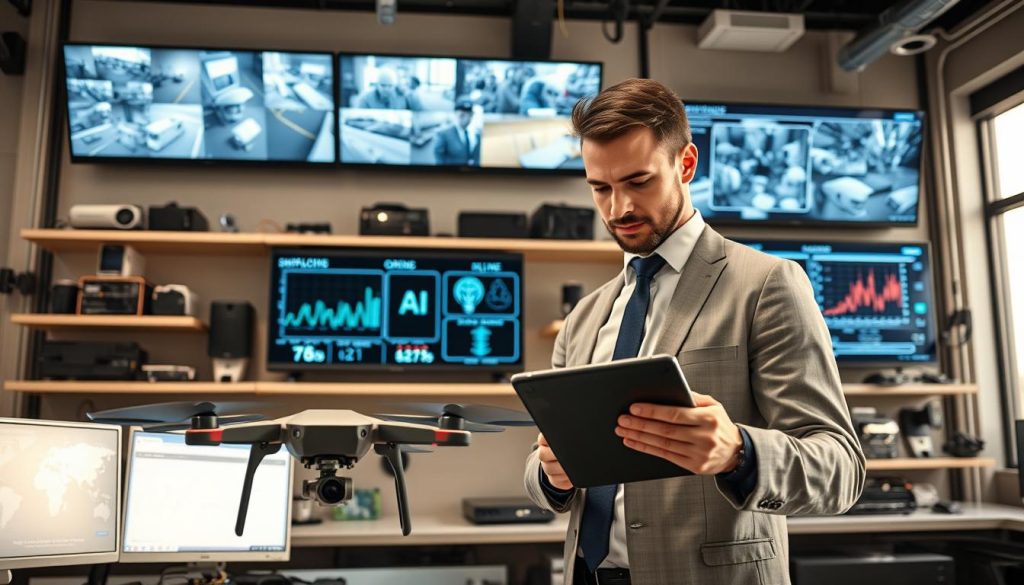
Remote monitoring applications represent another key advancement. These tools allow instant access to live footage from any location.
Their maintenance includes managing software subscriptions and ensuring app compatibility. Network connectivity becomes critically important for reliable access.
Regular checks should verify mobile alert functionality. Push notifications must reach designated users without delay.
“Smart surveillance doesn’t eliminate upkeep—it redefines it. The foundation of regular care ensures sophisticated technology functions flawlessly.”
How Upgrades and Modernization Fit with Ongoing Care
Periodic technology refreshes should be part of your long-term strategy. Planning for upgrades prevents sudden obsolescence and budget shocks.
Migrating from analog to IP cameras offers clearer video and better features. This transition requires careful network planning and configuration.
Storage solutions also evolve quickly. Modern systems may use cloud-based video storage or hybrid approaches.
Cloud storage introduces new maintenance considerations. You must manage subscription plans and monitor internet bandwidth usage.
Hybrid cctv systems combine local and cloud storage. Their upkeep involves synchronizing data across both platforms securely.
Consider these elements when planning technological upgrades:
- Compatibility Assessment: Ensure new components work with existing infrastructure
- Phased Implementation: Roll out changes gradually to minimize disruption
- Training Requirements: Prepare staff to use new features effectively
- Budget Alignment: Schedule upgrades alongside routine servicing budgets
Firmware updates become more frequent with advanced equipment. These patches often enable new capabilities or improve performance.
A professional service provider manages this update cycle systematically. They test new firmware versions before deployment to avoid issues.
Regular care remains the essential foundation throughout all technological changes. Proper upkeep ensures any new component integrates smoothly.
Your surveillance system’s overall performance depends on this consistent attention. Advanced features only deliver value when the underlying system operates reliably.
This forward-looking approach transforms upkeep from simple preservation to strategic enhancement. You protect today’s security while preparing for tomorrow’s innovations.
Securing Your Premises with Confidence Through Proactive Care
Your property’s protection depends on a simple choice: reactive worry or proactive confidence. This guide has shown how regular system care transforms surveillance from a potential liability into your most trusted asset.
Preventing failures, ensuring compliance, and maximizing ROI all stem from disciplined upkeep. You achieve genuine peace of mind knowing your security operates flawlessly.
Now is the time to act. Create your personalized schedule using our checklist. Contact a professional provider for an assessment if needed.
Taking control of your CCTV maintenance empowers you completely. Your premises in Singapore deserve this reliability. Move forward with the confidence that comes from a system in peak condition.
Your cameras will serve as unwavering guardians. Your investment in security will deliver continuous protection. Start building that unshakable foundation today.
FAQ
How often should my security cameras be serviced?
The frequency depends on your environment and system complexity. A standard schedule includes weekly visual checks, monthly reviews of recordings and software, and a quarterly professional inspection. High-traffic or outdoor sites may need more frequent attention to ensure optimal performance.
What are the most common problems found during a system check?
Typical issues include blurry footage from dirty lenses, connectivity drops due to faulty cables or network problems, and storage failures from full hard drives or corrupted files. Regular upkeep catches these early, preventing major security gaps.
Can I perform basic surveillance equipment upkeep myself?
A> Yes, owners can handle simple tasks like visually inspecting camera housings for damage, gently cleaning lenses with a microfiber cloth, and verifying that recordings are saving properly. However, for firmware updates, network configuration, and detailed component repairs, hiring a qualified technician like those from Ademco or Securitas is strongly recommended.
Why is updating software and firmware considered critical maintenance?
These updates patch security vulnerabilities that hackers could exploit to access your video feed. They also fix bugs and can unlock new features, improving overall system stability and functionality. Keeping software current is a key part of cybersecurity for your network.
What should I look for when choosing a service provider in Singapore?
Select a provider with proven experience, proper certifications, and offers clear service plans with defined response times. They should understand local compliance requirements and use quality parts for any repairs. Review their support offerings and client testimonials before signing a contract.


