
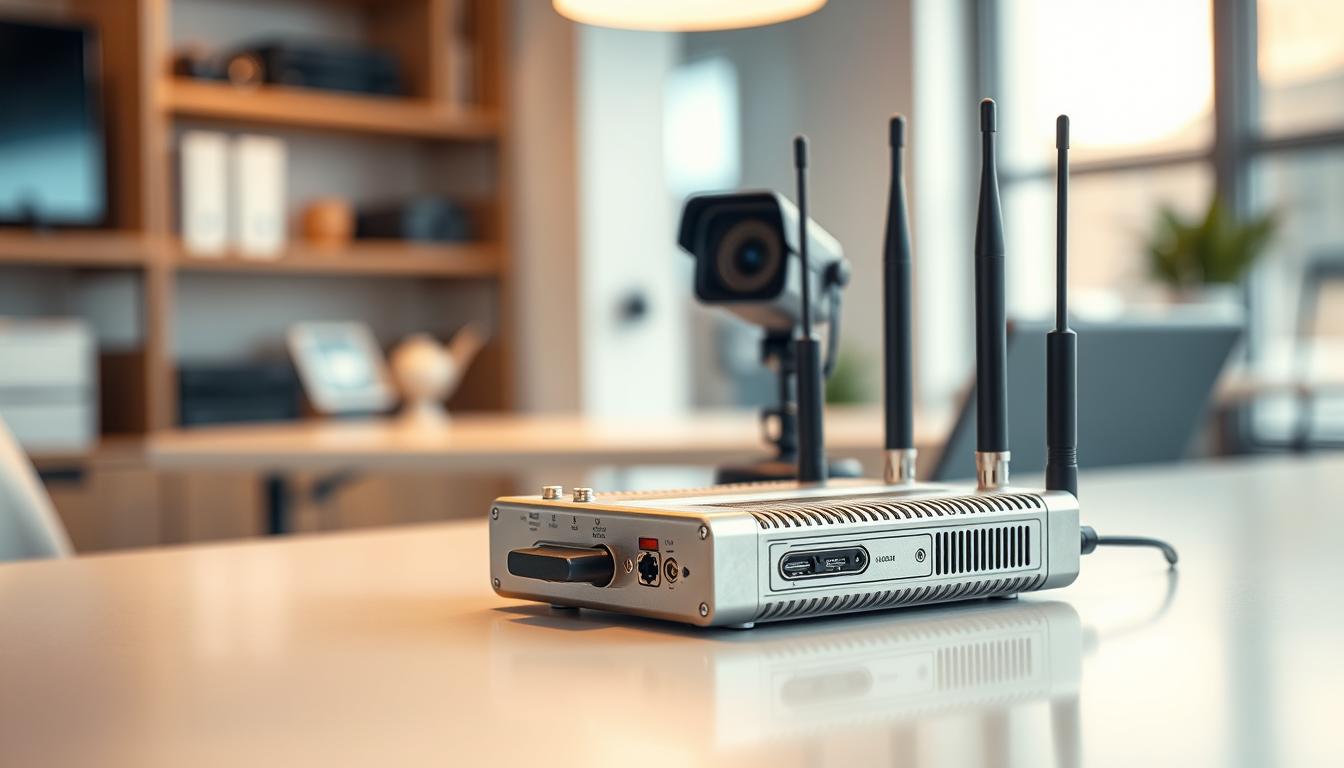
What is a camera jammer? How It Works and Its Applications
Modern security systems create new privacy challenges in today’s connected world. Many surveillance cameras monitor public and private spaces constantly. This technology raises important questions about personal boundaries.
Special tools exist to address these privacy concerns. These devices disrupt camera functionality by blocking their signals. They prevent unwanted recording and video transmission effectively.
Singapore’s extensive surveillance network makes this topic particularly relevant. Residents seek ways to maintain personal privacy in monitored environments. Understanding these protection tools helps make informed decisions.
This technology operates on specific frequencies like 2.4 GHz. It creates interference that stops cameras from working properly. The effectiveness depends on range and signal strength.
Legal considerations surround these privacy tools. Different countries have varying laws regarding their use. Singapore has specific regulations that users must understand.
Key Takeaways
- Camera jammers disrupt surveillance systems by blocking wireless signals
- These devices address growing privacy concerns in monitored environments
- They operate on specific frequencies to prevent video recording
- Legal issues vary by location, with Singapore having specific laws
- Understanding their function helps in making informed privacy decisions
- Range and effectiveness depend on the device’s technical features
- They represent the ongoing balance between security and personal protection
This article explores how these privacy tools work and their practical applications. We’ll examine different types and their impact on security systems. Legal aspects and future trends will also be discussed.
Understanding the Core Concept: What is a Camera Jammer?
Electronic privacy devices represent the technological response to pervasive monitoring systems. These specialized tools create a protective barrier against unwanted visual recording.
Privacy protection equipment operates by emitting targeted signals that interfere with surveillance technology. This disruption prevents cameras from capturing or transmitting footage effectively.
Defining the Device and Its Primary Purpose
These counter-surveillance tools serve one fundamental purpose: safeguarding personal spaces from unauthorized monitoring. They create electronic barriers that stop recording devices from functioning properly.
The primary application involves protecting sensitive areas from visual intrusion. Corporate environments use them to prevent industrial espionage. Individuals employ them to maintain privacy in personal spaces.
These systems provide immediate protection against hidden recording devices. They effectively neutralize both wireless and wired surveillance equipment through advanced signal technology.
The Fundamental Principle of Signal Disruption
Signal disruption works by overwhelming camera frequencies with stronger transmission waves. The technology uses radio frequency emissions that overpower surveillance systems.
Modern devices target multiple frequency bands simultaneously. This includes Wi-Fi, Bluetooth, and cellular transmissions used by contemporary monitoring equipment.
Effectiveness depends on several technical factors. Transmission power determines the operational range. Frequency targeting ensures precise disruption of specific surveillance systems.
Environmental conditions impact performance significantly. Physical obstacles can reduce effectiveness. Distance from the target device also affects signal blocking capability.
Advanced models utilize High Energy Radio Frequency generators for maximum impact. These systems create powerful electromagnetic interference that disrupts all recording functions.
While offering robust privacy protection, users must consider legal implications. Different jurisdictions have varying regulations regarding signal disruption technology.
How Camera Jammers Work: The Technology Explained
Modern privacy protection tools operate through sophisticated electronic disruption methods. These systems create invisible barriers against unwanted monitoring.
Advanced jamming devices emit powerful radio frequency emissions. These transmissions overwhelm surveillance equipment with targeted interference.
Emitting Interference: Radio Waves and Microwave Pulses
Privacy protection devices generate specific electromagnetic emissions. Radio waves and microwave pulses form the core disruption mechanism.
These emissions match common wireless transmission bands. Most home security systems operate on 2.4 GHz or 5.0 GHz frequencies.
High Energy Radio Frequency generators create powerful disruption fields. They effectively block signals from multiple surveillance sources simultaneously.
Directional electromagnetic pulses offer precise targeting capabilities. This technology minimizes collateral disruption to other electronic devices.
Targeting Specific Camera Frequencies for Effectiveness
Frequency calibration ensures maximum jamming effectiveness. Advanced systems can target multiple bands including 900 MHz, 2.4 GHz, and 5.0 GHz.
The signal-to-noise ratio determines disruption success. Jamming signals must overpower legitimate transmissions completely.
Environmental factors impact performance significantly. Physical obstacles and distance reduce effectiveness dramatically.
Modern jamming devices adapt to various surveillance protocols. They maintain constant interference against evolving security technology.
These systems provide reliable protection against unauthorized recording. However, users must consider local laws regarding signal disruption.
Exploring the Different Types of Camera Jammers
Privacy protection technology offers diverse solutions through specialized equipment variations. These devices come in multiple configurations to address various security environments and personal requirements.
Understanding the different categories helps users select appropriate tools for their specific situations. The main classifications focus on mobility and signal direction patterns.
Portable vs. Desktop Models: Mobility and Power
Portable privacy protection devices provide mobile security solutions. These compact units operate on battery power for complete mobility.
Their compact design allows easy concealment and transportation. Users can carry them in bags or pockets during travel.
Portable models typically offer protection ranges up to 30 meters. They’re ideal for temporary use in hotels, conference rooms, or public spaces.
Desktop jamming devices serve as stationary protection systems. These units require external power sources for continuous operation.
They deliver higher output power and broader coverage areas. Offices and homes benefit from their sustained performance capabilities.
- Portable units: Battery-powered, compact, ideal for temporary protection
- Desktop systems: Stationary, powerful, perfect for permanent installations
- Different power requirements suit various operational scenarios
- Range capabilities vary based on design and power output
Directional vs. Omni-Directional: Precision and Coverage
Directional privacy tools focus signals on specific areas. They concentrate energy toward targeted surveillance systems.
This precision approach conserves power and minimizes collateral disruption. It’s effective for protecting particular rooms or sensitive areas.
Omni-directional devices emit signals in all directions simultaneously. They provide comprehensive coverage throughout an entire space.
These systems might disperse energy toward unused monitoring equipment. This can lead to higher power consumption in some environments.
Directional models excel in focused privacy applications. Business meetings and private discussions benefit from their precision targeting.
Omni-directional units work well in large, open areas. They ensure complete coverage without needing precise positioning.
Choosing between these types depends on specific privacy needs and environment characteristics. Each offers distinct advantages for different protection scenarios.
Common and Practical Applications of Camera Jammers
Privacy protection devices serve practical purposes across various environments where confidentiality matters. These tools create secure zones where visual monitoring cannot occur.
Privacy Protection in Homes and Sensitive Locations
Residential settings benefit significantly from these protection tools. Homeowners use them to prevent unauthorized monitoring around their properties.
Apartments and private residences employ these systems against intrusive neighbors. They block signals from nearby security cameras that might overlook private areas.
Sensitive locations require advanced privacy measures. Courtrooms use jamming technology to protect witness identities and confidential proceedings.
Corporate boardrooms depend on these devices during important negotiations. They prevent industrial espionage and information theft effectively.
Medical facilities maintain patient confidentiality through controlled signal disruption. Hospital rooms and consultation areas benefit from this technology.
Hotel rooms become truly private spaces with portable protection units. Travelers can ensure their personal activities remain unrecorded.
Disrupting Unwanted Surveillance in Private Spaces
These devices create invisible shields against hidden recording equipment. They effectively neutralize wireless surveillance systems within their operational range.
Locker rooms and changing areas use this technology extensively. It protects personal dignity in vulnerable situations where privacy expectations exist.
High-stakes business meetings employ jamming devices strategically. They prevent competitors from gathering intelligence during sensitive discussions.
Activists and journalists working in hostile environments rely on this protection. It safeguards them against unauthorized monitoring and evidence collection.
Real-world applications include:
- Portable units for hotel room privacy during business trips
- Office deployment during confidential strategy sessions
- Personal use in apartments against neighbor surveillance
- Medical facilities protecting patient treatment areas
- Changing rooms in fitness centers and sports facilities
Ethical use remains paramount for these protection tools. They should only serve legitimate privacy needs rather than malicious purposes.
The growing demand reflects increasing surveillance concerns worldwide. Singapore residents particularly value these solutions given the extensive monitoring networks.
Legal compliance remains essential when deploying these systems. Users must understand local regulations before implementation.
The Legal Landscape of Camera Jammers in Singapore
Singapore maintains rigorous controls over signal disruption technology for public safety. The government regulates these devices through comprehensive telecommunications laws.
Understanding local regulations is crucial before considering any privacy protection equipment. Singapore’s approach balances individual privacy needs with broader security requirements.
Singapore’s Stance: Laws and Telecommunications Regulations
The Telecommunications Act forms the foundation of signal control regulations. This legislation prohibits unauthorized interference with wireless communications.
Public safety concerns drive these strict regulations. Emergency services and critical infrastructure rely on uninterrupted signal transmission.
Unauthorized operation of jamming equipment violates multiple statutes. The Infocomm Media Development Authority (IMDA) enforces these rules strictly.
Only government agencies receive special permissions for legitimate security operations. Private citizens cannot obtain licenses for personal signal disruption devices.
National security objectives align with these telecommunications policies. The regulations prevent potential misuse by criminal elements.
Potential Penalties and Consequences for Illegal Use
Violations carry severe penalties under Singapore law. Offenders face substantial fines and possible imprisonment.
First-time offenders may receive fines exceeding $50,000. Repeat violations can result in higher penalties and longer jail terms.
Law enforcement actively monitors unauthorized signal interference. Advanced detection systems identify illegal jamming activities quickly.
Past cases demonstrate serious consequences for violators. In 2019, an individual received a $20,000 fine for operating a portable jammer.
Legal experts recommend consulting professionals before considering any privacy tools. Understanding local laws prevents unintended violations.
These regulations protect critical communication systems used by emergency services. Hospitals, police, and transportation networks depend on clear signals.
Ethical considerations support legal compliance in signal disruption matters. Responsible citizens prioritize public safety over personal privacy concerns.
Singapore’s legal framework reflects its commitment to technological security. The laws evolve to address new surveillance and privacy challenges.
Ethical Considerations and Privacy Implications
Privacy protection technology creates complex moral questions in our monitored society. These devices offer personal security but challenge broader community safety standards.
Users must weigh individual rights against collective security needs. This balance requires careful thought about consequences.
Balancing Personal Privacy Against Public Security
Personal privacy matters deeply in today’s connected world. People deserve safe spaces free from unwanted observation.
However, public security depends on visible monitoring systems. Law enforcement relies on surveillance footage for crime prevention.
Ethical dilemmas emerge when personal protection tools disrupt community safety. Blocking legitimate monitoring creates potential risks for everyone.
Consider these real-world scenarios:
- Protecting home privacy from neighbor’s cameras: Generally acceptable
- Blocking police surveillance during criminal activity: Clearly unethical
- Shielding business meetings from corporate espionage: Context-dependent
- Disrupting emergency response communications: Always problematic
Singapore’s legal framework reflects this delicate balance. The laws prioritize public safety while acknowledging privacy needs.
The Impact on Lawful Surveillance and First Responders
Jamming devices can accidentally affect critical systems. Police and emergency services use similar frequencies for communications.
These tools might block more than just surveillance cameras. First responders could lose vital communication channels during emergencies.
Moral responsibility requires considering broader impacts. Users should think beyond immediate privacy benefits.
Key concerns include:
- Emergency response delays due to signal interference
- Obstructing criminal investigations unintentionally
- Creating blind spots in public safety monitoring
- Affecting medical alert systems and other critical devices
Singapore’s strict regulations address these very issues. The laws prevent devices that might compromise public safety systems.
Ethical use means understanding these potential consequences. Responsible users consider how their actions affect community security.
The debate continues about digital age privacy norms. Technology evolves faster than our ethical frameworks sometimes.
Always remember that personal protection shouldn’t endanger others. This principle guides both ethical and legal considerations.
Key Factors for Choosing the Right Camera Jammer
Selecting the perfect privacy protection tool requires careful evaluation of multiple technical specifications. The right choice depends on your specific environment and protection needs.
Assessing Your Specific Needs: Range and Environment
Different environments demand unique protection approaches. Consider where you’ll use the device most often.
Portable units typically cover up to 30 meters. They’re perfect for temporary situations like hotel stays or business trips.
Desktop models offer broader coverage for permanent installations. Offices and homes benefit from their extended operational range.
Environmental factors significantly impact device effectiveness. Dense walls and obstacles can reduce signal blocking capability.
Outdoor applications require weather-resistant construction. Indoor use might prioritize discreet design instead.
Important Features: Battery Life, Coverage, and Frequency Versatility
Battery performance matters greatly for mobile protection. Long-lasting power ensures continuous privacy during important meetings.
Coverage area determines how much space receives protection. Larger areas need more powerful transmission systems.
Frequency targeting capability is crucial for modern surveillance. Effective devices block multiple bands including 2.4 GHz and 5.0 GHz.
Key considerations include:
- Battery life for uninterrupted mobile operation
- Coverage area matching your space requirements
- Frequency versatility against various surveillance systems
- Durability for challenging environmental conditions
- Ease of use for quick deployment when needed
Power source selection affects mobility significantly. Battery-operated models offer complete freedom of movement.
Plug-in units provide consistent performance for fixed locations. Choose based on your typical usage patterns.
Advanced features like signal strength adjustment offer precision control. Stealth designs help maintain discreet operation.
Always research reputable brands known for reliability. Quality construction ensures consistent performance over time.
Remember to balance technical features with legal considerations. Effective protection shouldn’t violate local regulations.
Understanding the Target Frequency Ranges
Modern privacy protection depends on precise frequency targeting. These specialized tools must match specific wireless bands used by monitoring equipment.
Effective operation requires understanding common transmission ranges. Different surveillance systems utilize distinct frequency spectrums.
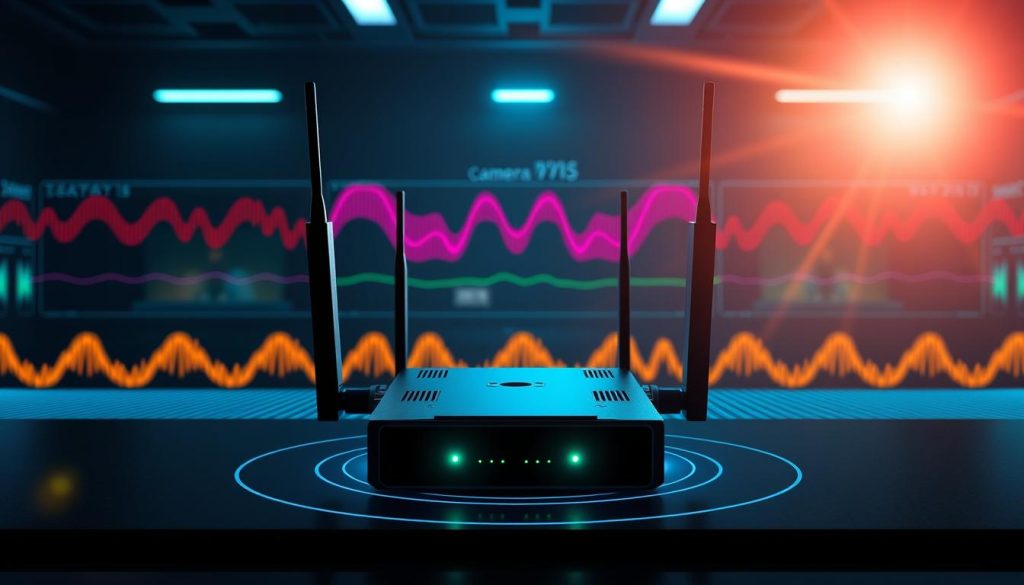
Common Bands: 2.4 GHz, 5.0 GHz, and 900 MHz
Most wireless security equipment operates within three primary ranges. The 2.4 GHz band remains popular for home surveillance systems.
This frequency supports Wi-Fi networks and many consumer-grade cameras. It offers good range penetration through walls and obstacles.
Advanced monitoring technology often uses 5.0 GHz frequencies. These provide faster data transmission with less congestion.
Enterprise security systems frequently employ this higher band. It supports high-definition video streaming effectively.
Older surveillance models typically operate on 900 MHz frequencies. These legacy systems still appear in some installations.
Understanding these bands helps select appropriate protection tools. Matching frequencies ensures optimal disruption effectiveness.
How Jammers Overpower WiFi and Wireless Camera Signals
Signal disruption works through precise frequency matching. Protection devices emit stronger signals on identical bands.
This creates overwhelming interference that blocks normal operation. The technical term is signal-to-noise ratio dominance.
Effective jamming requires output power exceeding surveillance signals. Superior transmission strength drowns out camera communications.
Modern protection tools target multiple frequencies simultaneously. This versatility handles diverse surveillance technologies.
Advanced units can adjust between 900 MHz, 2.4 GHz, and 5.0 GHz. This broad coverage ensures comprehensive privacy protection.
Potential collateral disruption requires careful consideration. Nearby Wi-Fi routers or Bluetooth devices might experience interference.
Adjustable frequency settings help minimize unintended effects. Users can fine-tune transmission targeting for specific needs.
Practical selection requires matching capabilities to target systems. Home security typically needs 2.4 GHz coverage.
Enterprise environments often require 5.0 GHz capability. Understanding these differences ensures optimal protection performance.
Frequency knowledge also helps defend against jamming attacks. Recognizing vulnerable bands allows better security planning.
Camera Jammers vs. Other Signal Jamming Devices
Signal disruption technology comes in various forms designed for specific purposes. Understanding these differences helps users select appropriate tools for their needs.
Each type serves distinct objectives in electronic countermeasures. They operate on different principles and target unique frequencies.
Contrasting Purposes: Video Surveillance vs. Cellular or GPS Blocking
Privacy protection devices focus specifically on visual monitoring systems. They target frequencies used by security cameras and recording equipment.
These tools create interference that prevents video capture and transmission. Their primary goal involves maintaining visual privacy in sensitive areas.
Cellular jammers serve completely different objectives. They block voice and data communications between mobile devices.
These systems disrupt phone signals across various network bands. People might use them in places where communication should be prevented.
GPS jammers target satellite navigation signals specifically. They prevent tracking devices from determining accurate location data.
Wi-Fi jammers create interference for internet connectivity. They block wireless networking within their operational range.
Each category addresses different privacy or security concerns. Their applications vary significantly based on intended use.
Visual privacy tools concentrate on preventing unauthorized recording. Communication jammers focus on stopping information exchange.
Navigation disrupters aim to prevent location tracking. Network jammers interfere with internet access specifically.
Understanding these distinctions prevents misuse of technology. It also helps users select the right tool for their situation.
Legal considerations differ across these categories too. Regulations vary based on what signals get disrupted.
Singapore’s laws treat all jamming devices seriously. However, visual privacy tools face particular scrutiny for affecting security systems.
Ethical questions also differ between these technologies. Blocking surveillance raises different concerns than disrupting emergency communications.
Users must consider these factors before acquiring any signal disruption device. Responsible use requires understanding both purpose and consequences.
Recognizing and Responding to a Jamming Attack
Wireless security systems face unique vulnerabilities that require specialized awareness. Understanding these threats helps maintain effective protection for your property and privacy.
Jamming attacks disrupt normal camera operation through targeted signal interference. These incidents can compromise your entire surveillance network if not addressed promptly.
Signs Your Security Camera is Being Jammed
Several clear indicators suggest possible jamming activity affecting your equipment. Recognizing these signs early prevents extended security gaps.
Common symptoms include sudden internet connection loss during recording. Black screens appearing in footage without explanation also raise concerns.
Unexpected connectivity drops differ from regular network problems. They occur suddenly and affect multiple devices simultaneously.
Interference patterns like static or distortion appear in video feeds. These visual artifacts indicate signal disruption rather than hardware failure.
Key warning signs include:
- Complete signal loss across multiple cameras
- Unexplained black screens during active monitoring
- Simultaneous connectivity issues affecting all wireless devices
- Strange interference patterns in video footage
- Abnormal system behavior during specific time periods
Immediate Steps to Take and Preventive Measures to Implement
Suspecting jamming activity requires immediate action to restore protection. First, check for physical tampering with your equipment.
Review system logs for unusual patterns or anomalies. These records often reveal timing and frequency of interference events.
Boost your wireless signal through antenna repositioning. Signal boosters can also help overcome temporary disruption.
Implement preventive measures to reduce future vulnerability risks. Strong passwords and WPA2 encryption provide basic protection.
Change default SSIDs to make targeting more difficult for attackers. Consider wired systems for critical area monitoring.
Cloud-based management offers real-time alert capabilities. These systems notify you immediately of suspicious activity.
Regular system audits help identify potential weaknesses. Frequency scans detect unusual signals in the 2.4 GHz and 5.0 GHz ranges.
Diversify your security with motion sensors and alarms. These backup systems maintain protection during camera downtime.
Spectrum analyzers help detect jamming signals effectively. These tools identify interference patterns across multiple frequencies.
Confirmed malicious jamming requires authorities notification. Provide evidence from system logs and affected footage.
While relatively rare compared to other breaches, preparedness remains essential. Robust wireless security systems demand comprehensive protection strategies.
Weighing the Pros and Cons of Using a Camera Jammer
Privacy protection devices present a complex choice between personal security and legal compliance. These tools offer powerful benefits but carry significant responsibilities.
Understanding both advantages and limitations helps make informed decisions. This analysis examines key factors affecting their practical use.
The Benefits of Enhanced Personal Privacy
These protection tools create secure zones where unauthorized monitoring cannot occur. They effectively block unwanted recording in private spaces.
Corporate environments benefit significantly from this technology. Boardrooms use them to prevent sensitive information leaks during important meetings.
Key advantages include:
- Complete privacy protection in homes and sensitive locations
- Prevention of corporate espionage and data theft
- Empowerment against intrusive surveillance systems
- Immediate response to privacy invasion attempts
- Versatile application across different environments
Personal spaces become truly secure with proper implementation. Users regain control over their private moments and activities.
These systems work against various monitoring technologies. They handle wireless and wired surveillance equipment effectively.
The Drawbacks: Legal Risks and Technical Limitations
Legal consequences represent the most serious concern for users. Singapore’s regulations prohibit unauthorized signal disruption completely.
Violations can result in substantial fines or even imprisonment. The Infocomm Media Development Authority enforces these rules strictly.
Technical limitations affect practical effectiveness. Battery life constraints reduce operational duration for portable units.
Environmental factors impact performance significantly. Physical obstacles and distance reduce signal blocking capability.
Important limitations include:
- Legal restrictions in many jurisdictions including Singapore
- Limited operational range based on device power
- Potential disruption to legitimate wireless communications
- Varied effectiveness against different surveillance systems
- Ethical concerns about blocking lawful monitoring
These tools might affect emergency response systems accidentally. Nearby Wi-Fi networks could experience unintended interference.
Device quality varies significantly between manufacturers. Lower-quality units may offer inconsistent protection.
Ethical dilemmas arise when considering broader impacts. Personal privacy shouldn’t compromise public safety systems.
Alternatives exist for locations where these devices are prohibited. Physical camera covers provide visual blocking without signal disruption.
Legal privacy measures offer protection through proper channels. Understanding local laws helps choose appropriate solutions.
The decision requires careful consideration of all factors. Balance personal needs against legal and technical realities.
The Evolving Future of Surveillance and Jamming Technology
The technological arms race between surveillance and privacy tools continues to accelerate. Advanced monitoring systems now integrate artificial intelligence and higher resolution capabilities. These innovations create new challenges for personal privacy protection.
Future jamming devices will feature more precise frequency targeting and adaptive signals. Stealthier designs will minimize detection while maintaining effectiveness. Manufacturers focus on reducing collateral disruption to legitimate communications.
Regulatory frameworks will evolve alongside these technological developments. Singapore’s laws may adapt to address emerging privacy and security concerns. Users must stay informed about legal changes affecting these tools.
Continuous innovation drives both surveillance and protection systems forward. This dynamic field requires ongoing education about new technologies and regulations. Responsible use remains essential for balancing privacy and security needs.
FAQ
How do camera jammers actually disrupt video footage?
These devices emit powerful radio frequency signals on the same bands used by wireless security systems. This creates interference that overwhelms the camera’s receiver, blocking transmission and preventing proper recording.
Are these devices legal to own or operate in Singapore?
Singapore maintains strict laws against jamming equipment. The Telecommunications Act prohibits using any device that interferes with authorized communications, including wireless camera signals. Violations carry severe penalties.
What frequency ranges do most security cameras use?
Modern surveillance systems commonly operate on the 2.4 GHz and 5.0 GHz bands. Some older models might use 900 MHz. Effective jammers must target these specific frequencies to block signals successfully.
Can jammers affect other wireless devices nearby?
Yes, these tools often disrupt WiFi networks, Bluetooth connections, and other wireless gadgets operating on similar frequencies. Their interference isn’t limited to just surveillance equipment.
What’s the typical effective range for portable jamming devices?
Range varies significantly between models. Smaller portable units might cover 10-30 feet, while powerful desktop systems can disrupt signals across 100 feet or more, depending on environmental factors.
How can I tell if my security system is experiencing jamming?
Sudden signal loss, frozen video feeds, or inconsistent recording without explanation could indicate jamming. Check for other wireless issues in the area as well.
Do jammers work against all types of surveillance cameras?
They primarily affect wireless systems. Wired cameras using physical connections remain operational during jamming attacks since they don’t rely on vulnerable radio frequency transmission.
What are the ethical concerns surrounding these devices?
While privacy protection seems beneficial, jammers can disrupt legitimate security operations, emergency communications, and public safety systems, creating serious ethical dilemmas.


