
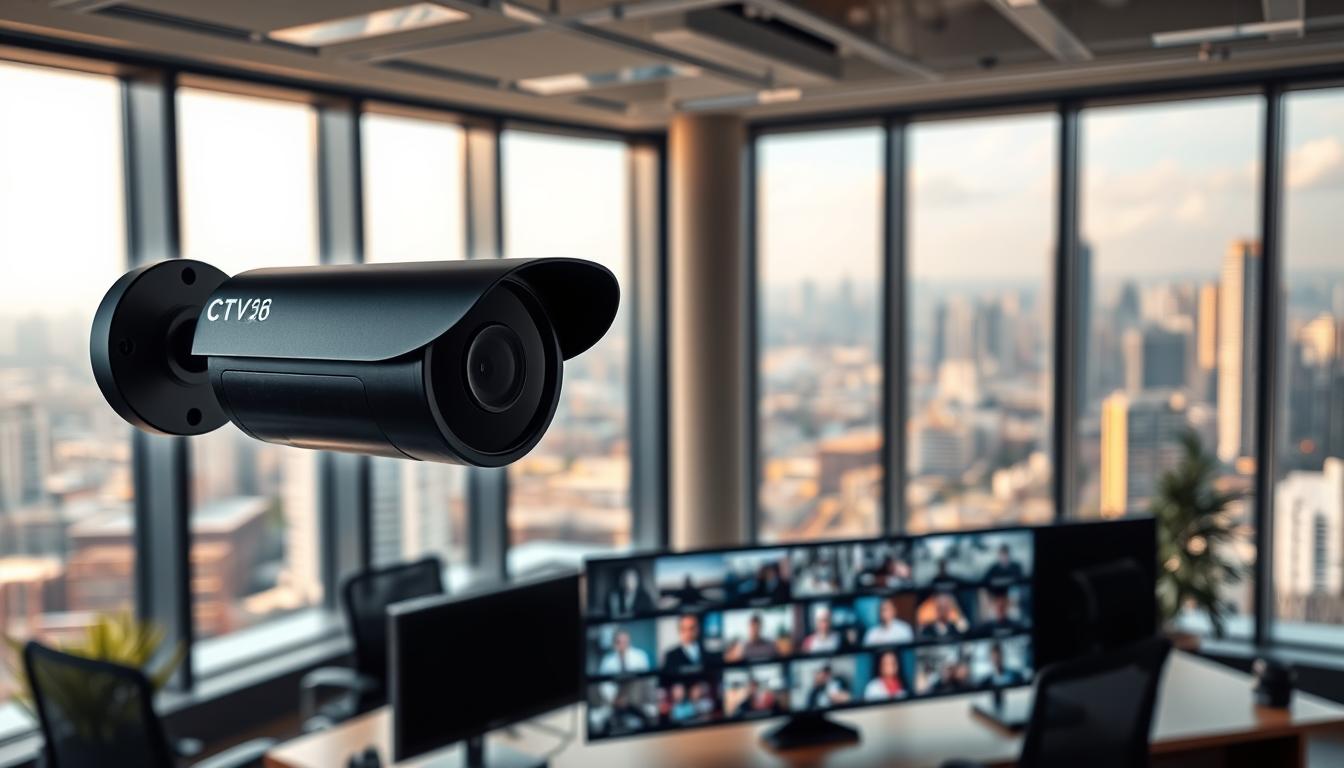
What does a CCTV service include?
Knowing what a CCTV service offers is key for keeping your place safe in Singapore. It includes many security solutions to boost your surveillance. These services put in top-notch cameras, do regular checks, and offer remote watching. This is all to fit your specific security needs.
Working with experts like Wen Hong means your property gets the best protection. They use the latest tech and know-how. Learning about CCTV services can really help keep you and your place safe.
Key Takeaways
- CCTV services provide essential security solutions for various settings.
- Installation and maintenance are key components of an effective surveillance system.
- Remote monitoring enhances security and convenience for property owners.
- Partnering with reputable service providers ensures compliance and quality.
- Regular updates to your CCTV system can maximize its effectiveness.
Understanding CCTV Services
CCTV services are key for better security at homes and businesses. They help raise awareness and quicken responses to threats. A good CCTV system keeps crime away and lets people watch over their areas.
Importance of CCTV for Security
CCTV systems bring many benefits, like better surveillance. They watch over places and make them safer. This gives people peace of mind.
They also record live footage. This evidence is useful in investigations or court cases. It shows how important CCTV is for security.
The Role of CCTV in Crime Prevention
CCTV systems are great at stopping crime. Places with cameras often have less crime. This shows how important they are.
Cameras make people think twice before committing a crime. They know they’re being watched. This makes communities safer and more secure.
Key Components of a CCTV Service
A CCTV service has many important parts that work together. These parts help create a strong security system. Knowing about these components is key to picking the right system for your needs. The main parts are security cameras, recording devices, and monitoring technologies.
Security Cameras
Security cameras are the first line of defense in surveillance. There are many types, like dome cameras, bullet cameras, and PTZ cameras. Each type has special features and benefits for different places and needs.
Modern cameras have night vision and motion detection. These features help them work well in different light conditions.
Recording Devices
Recording devices, like DVRs and NVRs, are key for saving video footage. DVRs work with analog cameras, while NVRs handle IP camera data. These devices let you save footage for later, so you can review incidents when needed.
Monitoring Technologies
Monitoring technologies let you watch camera feeds on devices like smartphones and computers. This part lets you see your property live, no matter where you are. Modern tech makes monitoring services more flexible and easier to control.
What does a CCTV service include?
CCTV services cover many important tasks for property security. They include installing, maintaining, and monitoring systems. These services are designed to fit the needs of each client.
Installation Services
Installing CCTV systems is key to keeping properties safe. Technicians check the best spots for cameras. They handle the wiring and setup, making sure everything works smoothly with the property’s systems.
Maintenance and Support
Keeping CCTV systems in good shape is essential. Experts do regular checks to find and fix problems. They also offer quick help and support to keep systems running well, helping protect properties.
Remote Monitoring Options
Remote surveillance lets users watch live feeds anytime. This boosts security awareness. It helps owners and security teams act fast in emergencies. As tech gets better, remote monitoring becomes even more important for good surveillance.
Types of CCTV Cameras
CCTV systems come in many types, each designed for different security needs. Each camera type has its own features that affect how it’s installed, used, and works. Knowing about these options helps users choose the best one for their needs.
Variations in Camera Technology
The world of CCTV technology is wide, with IP and analog cameras leading the way. These two types are different in image quality, setup ease, and needed setup. IP cameras send data over the internet, leading to better pictures and extra features like remote access.
Choosing Between IP and Analog Cameras
Choosing the right CCTV camera depends on what you need. IP cameras give better pictures but cost more and need a strong network. Analog cameras are cheaper and easier to set up. Both can boost security, but pick one that fits your goals and budget.
The Installation Process of CCTV Systems
The CCTV installation process is key to effective surveillance. It starts with a security consultation. Here, experts talk with clients to understand their security needs and goals. This first step sets the stage for the rest of the installation.
Initial Consultation
In the initial consultation, clients share their expectations and specific needs for the CCTV system. This helps identify important areas to cover. It also leads to recommendations that meet the client’s goals.
Site Assessment for Optimal Camera Placement
After the consultation, a site assessment is done. This involves checking the premises to find the best camera spots. Experts look for main entry points, busy areas, and weak spots that need watching.
Good planning here means cameras will get the right footage. It also makes it easier to add more security if needed later.
Importance of CCTV System Maintenance
CCTV maintenance is key to keeping security systems running well. Regular checks catch problems early, preventing bigger issues. It’s wise to schedule inspections every six to twelve months.
Regular Checks for Optimal Performance
Regular maintenance includes important tasks. These tasks help your CCTV system work better. They include:
- Cleaning camera lenses to remove dirt and obstructions.
- Verifying connectivity to ensure all components are functioning properly.
- Checking for software updates that may improve system capabilities.
These steps keep your system running smoothly. They help avoid failures that could harm your security. Regular checks ensure your CCTV system works its best.
Common Issues and How to Spot Them
Knowing common problems helps you stay ahead in maintenance. Some common issues are:
- Image distortions that may indicate lens or sensor problems.
- Irregularities in data recording, signaling connectivity issues.
- System alerts indicating hardware malfunctions.
Spotting these issues early helps you fix problems quickly. This keeps your CCTV system reliable. Staying alert to system performance boosts your security.
Benefits of Remote Monitoring Services
Remote monitoring services are a big step forward in security management. They let you see what’s happening in real-time, making security better and quicker. This makes a big difference in keeping places safe.
Increased Security Awareness
One key benefit is better security awareness. With live feeds and alerts, owners can keep up with what’s happening. This quick info helps keep places safer and might even stop crimes before they start.
Cost-Effectiveness Compared to On-Site Guards
Remote monitoring is also cheaper than having guards on site. It saves money, which can be used for other important things. Many places find it’s a smart way to get good security without breaking the bank.
Integrating CCTV with Other Security Systems
Connecting CCTV systems with other security measures makes properties safer. This method helps organizations work better together. It makes their surveillance and response stronger.
Having one place to control all systems is key. This lets users watch and manage everything from one spot.
The good things about this include:
- Knowing more about what’s happening thanks to all the data from different systems.
- Being able to respond faster to incidents because everyone is working together.
- Handling data better for tracking and reporting events.
With CCTV integration, businesses can keep up with new security needs. They can add new tech easily. This makes security systems work better and helps keep everyone safe.
For more on how to improve your security with integrated systems, check out CCTV integration services.
Surveillance Camera Setup Best Practices
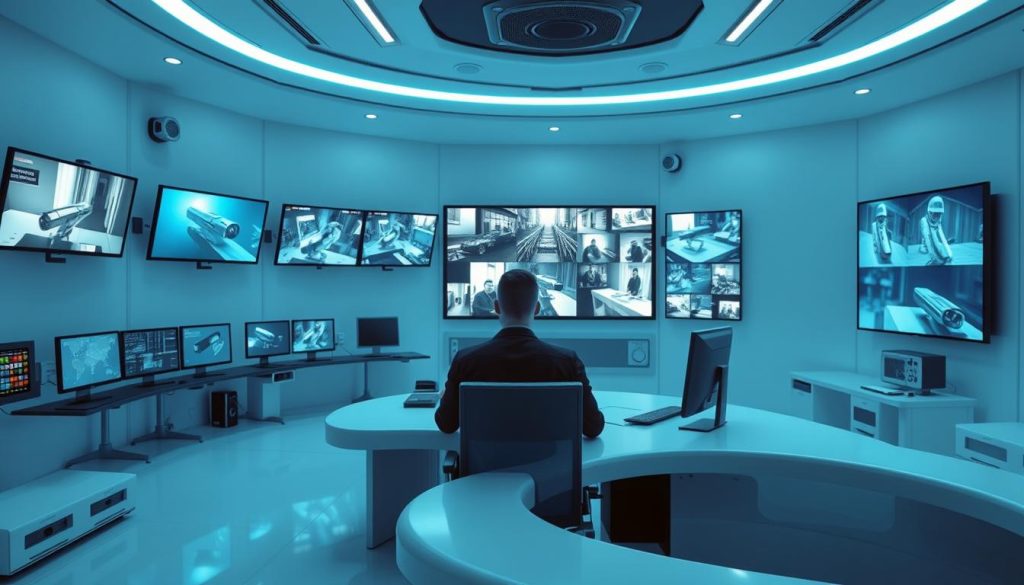
Setting up cameras right is key to better security and system function. The right placement and regular checks are important. They help cover more area and make sure footage is clear. Using the right strategies makes surveillance more effective.
Optimal Camera Placement Tips
Choosing the best spots for cameras is critical for good monitoring. Here are some tips:
- Look at main entry and exit points.
- Focus on busy areas to catch more activity.
- Find and cover blind spots for full surveillance.
- Put cameras high to avoid tampering but keep images clear.
- Make sure cameras work well at night with enough light.
Regular Adjustments for Image Quality
Regularly tweaking camera settings keeps them working well. Here’s what to do:
- Check camera angles often to keep up with changes.
- Adjust contrast and brightness to improve clarity.
- Keep lenses clean to prevent image quality issues.
- Watch for things that might block camera views.
CCTV System Troubleshooting Techniques
Understanding how to fix CCTV systems is key to keeping surveillance effective. Users might face issues like power failures, connectivity problems, or camera lens blockages. Spotting these problems quickly helps take action fast, reducing any disruption to monitoring.
Identifying Common Problems
Knowing the usual problems CCTV systems face is important. Here are some common issues:
- Power loss affecting camera functionality
- Network connectivity interruptions
- Lens obstructions caused by dirt or debris
- Inconsistent recording quality or interruptions in footage
Basic Solutions for Quick Fixes
Fixing these common problems often needs simple steps. Here are some quick fixes to get things working again without needing a pro:
- Check power supplies to ensure cameras are receiving the necessary voltage.
- Reseat connections and cables to fix any loose or disconnected wiring.
- Clean camera lenses regularly to avoid obstructions impacting image quality.
Security Camera Repair Essentials
Keeping your environment safe is key. You must decide if to fix or replace your security cameras. This choice affects how well your system works and your budget.
When to Repair vs. Replace
Deciding to fix or replace a camera depends on a few things. Think about these points:
- Age of the equipment: Newer systems might do better with a professional fix for small issues.
- Cost of repairs: If fixing costs as much as a new one, it might be smarter to get a new one.
- Technological advancements: New tech often has features older systems don’t have.
Choosing a Reliable Repair Service
Finding a good repair service for your cameras is vital. They should keep your system running well. Look for:
- Experience: Choose services known for their camera repair skills.
- Customer feedback: Good reviews show they care about quality.
- Warranty offers: A service that stands behind their work is confident in it.
CCTV System Upgrades for Enhanced Security
Regular CCTV upgrades are key to keeping security systems effective. New tech brings better camera quality, advanced analytics, and cloud storage. These updates help systems stay strong against new threats.
It’s vital to know when to update your security systems. Keeping up with new tech helps protect homes and businesses. Checking your CCTV’s current state helps find what upgrades you need.
Using the latest tech boosts security and gives better monitoring tools. Features like facial recognition and motion detection make systems more effective. So, upgrading CCTV systems regularly is essential for strong security.
FAQ
What is included in a CCTV service?
A CCTV service includes installing, maintaining, and supporting security cameras. It also offers remote monitoring options. This is for both homes and businesses. It means placing cameras in the best spots, making sure they work, and letting you see live feeds on different devices.
How does CCTV contribute to enhance security?
CCTV systems help by stopping crime and keeping an eye on things. They also help in legal cases by providing evidence. Studies show that places with CCTV have less crime, like shops and banks.
What are the primary components of a CCTV system?
A CCTV system has cameras, recording devices like DVRs and NVRs, and ways to watch live. All these parts work together to keep an area safe.
How are CCTV systems installed?
First, a security expert talks to you about what you need. Then, they check the place to find the best spots for cameras. They also make sure the wiring is right.
What is the importance of regular maintenance for CCTV systems?
Keeping CCTV systems in good shape is key. Regular checks, every six to twelve months, catch problems early. This keeps the system working well and capturing footage without breaks.
What are the benefits of remote monitoring?
Remote monitoring lets you see what’s happening in real-time. It helps you stay aware and react fast to threats. It’s also cheaper than having someone watch the place all the time.
How can CCTV integrate with other security systems?
Connecting CCTV with other security systems makes managing everything easier. It helps you watch and respond to incidents better. It also makes handling data simpler for better security.
What are the best practices for setting up surveillance cameras?
Put cameras where they can see important areas and where lots of people go. Make sure they cover all spots. Adjust camera angles and light levels to keep images clear and effective.
What are common troubleshooting techniques for CCTV systems?
Issues with CCTV systems can be power problems, connection losses, or dirty lenses. Check the power, connections, and clean the lenses to fix these problems.
When should security cameras be repaired or replaced?
Decide to fix or replace cameras based on their age, repair costs, and new tech. Fixing newer systems or small problems is usually okay. But, old cameras or expensive fixes might need to be replaced.
How can regular upgrades to CCTV systems enhance security?
Upgrading CCTV systems keeps you using the latest tech. This improves camera quality and adds new features. Staying current with tech helps keep your place safe.


