

5 Essential Components of a CCTV Camera System
Ever thought about what it takes to keep your business safe? In today’s world, knowing what are the 5 essential components of CCTV camera system is key. CCTV systems are vital for keeping places safe by stopping crime and helping solve problems. But, not all systems are the same; their success depends on the CCTV camera components they have.
To get the best surveillance, you need to know the main parts of a security camera system. These parts include cameras, recorders, monitors, storage, and cabling. With the right setup, you can lower security risks and make it hard for criminals to act. For more tips on your CCTV system, check out professional advice.
If you’re in Singapore and need custom solutions, reach out to Wen Hong today at +65 60135960. We have the latest offers and CCTV solutions for you!
Key Takeaways
- CCTV camera systems have five key parts: cameras, recorders, monitors, storage, and cabling.
- Knowing these parts can help you improve your security system.
- IP cameras are often chosen because they work well with many devices.
- Good monitoring usually needs three to five screens in smaller places.
- Choosing a strong storage solution is key for keeping CCTV data safe.
Understanding CCTV Camera Systems
CCTV, or Closed Circuit Television, is a top-notch surveillance tech for watching over specific spots. It sends video only to certain screens or recorders, not to the public. This keeps things private and safe, making CCTV a key part of today’s security.
As threats grow, getting good video surveillance is more important than ever.
Definition and Functionality
CCTV helps keep an eye on places, stopping crime and unwanted entry. It uses surveillance system components like cameras and recorders. Now, with tech advances, you can even watch footage online.
Older analog cameras are also important for many places.
Importance of CCTV in Modern Security
Adding CCTV systems boosts security at homes and businesses. They scare off intruders and let owners watch what’s happening. If trouble starts, having video evidence is key for police to solve crimes.
This evidence helps solve theft and vandalism cases. For the newest in video gear, contact Wen Hong at +65 60135960 for custom solutions.
What are the 5 essential components of CCTV camera system?
Understanding CCTV camera systems means knowing the key parts that work together. Each part has a special role in keeping property safe from threats.
Overview of Key Elements
The main parts of a security camera system are:
- Cameras: They capture video of different places.
- Monitors: Used to watch live or recorded video, helping users see what’s happening.
- Cables and Connectors: They carry video signals between parts, making sure everything connects.
- Video Recorders (DVR/NVR): They manage and store video, key for monitoring.
- Data Storage Solutions: These keep recorded video safe for later use.
These parts work together well, making a strong security plan. Keeping them in good shape helps avoid problems and keeps the system running well. For help with keeping your system in top shape, contact CCTV Maintenance.
To find out more about CCTV solutions, call Wen Hong at +65 60135960 today.
Types of CCTV Cameras
Choosing the right CCTV system means knowing the different types of cameras. These cameras meet various security needs and fall into two main categories: IP and analog cameras. Each has its own benefits and uses, so it’s important to understand them before deciding.
IP vs. Analog Cameras
IP cameras are now the top choice for surveillance because they offer high resolution and advanced features. They can send high-definition video over the internet, making it easy to monitor from far away. On the other hand, analog cameras are cheaper and work well in less critical areas. While they might save money upfront, IP systems are more flexible and scalable.
Common Camera Types and Their Uses
There are many camera types for different surveillance needs. Here’s a comparison of common cameras and their benefits:
| Camera Type | Use Case | Key Features |
|---|---|---|
| Dome Camera | Indoor and outdoor security | Discreet design, vandal-resistant |
| Bullet Camera | Long-distance viewing | High durability, weatherproof |
| PTZ Camera | Wide area coverage | Pan, tilt, and zoom capabilities, effective for large spaces |
| Infrared Camera | Low-light conditions | Detects intruders up to 250-300 meters |
| Thermal Camera | Critical infrastructure monitoring | 24/7 image quality in all lighting conditions |
| Varifocal Camera | Flexible focus environments | Exceptional focus on varying distances |
| ANPR/LPR Camera | Vehicle recognition | Reads and stores registration plates |
| Dark Fighter Camera | Low-light regions | High-quality images with low-light technology |
Choosing the right camera ensures it works well for your security needs. This is true for places like banks, casinos, and airports. For expert help, check out IP CCTV maintenance services to add the latest tech to your system.
To see the latest CCTV solutions and deals, call Wen Hong at +65 60135960 today.
Camera Selection Criteria
Choosing the right CCTV cameras is important. You need to think about several factors. Knowing what you need is the first step.
Determining Coverage Needs
First, look at the area you want to watch. Think about blind spots and what you need to see. The size of the area and where cameras should go are key.
- Area Size: Bigger areas need more cameras.
- Camera Placement: Place cameras at entrances and busy spots.
- Field of View: Choose cameras that cover the area well.
Resolution and Detailing Considerations
Resolution affects how clear the images are. Higher resolutions mean better images. This helps in identifying people and objects.
When picking cameras, think about how much you want to spend. Better cameras cost more but offer clearer images.
Here’s a quick comparison of various camera resolutions:
| Resolution | Image Quality | Use Case |
|---|---|---|
| 720p | Good | General Surveillance |
| 1080p | Very Good | Retail & Commercial Spaces |
| 4 Megapixels | Excellent | High-detail Requirements |
| 5 Megapixels | Outstanding | Critical Infrastructure |
For the best CCTV cameras, talk to a pro. They can help you choose based on your needs. For the latest CCTV solutions, call Wen Hong at +65 60135960.
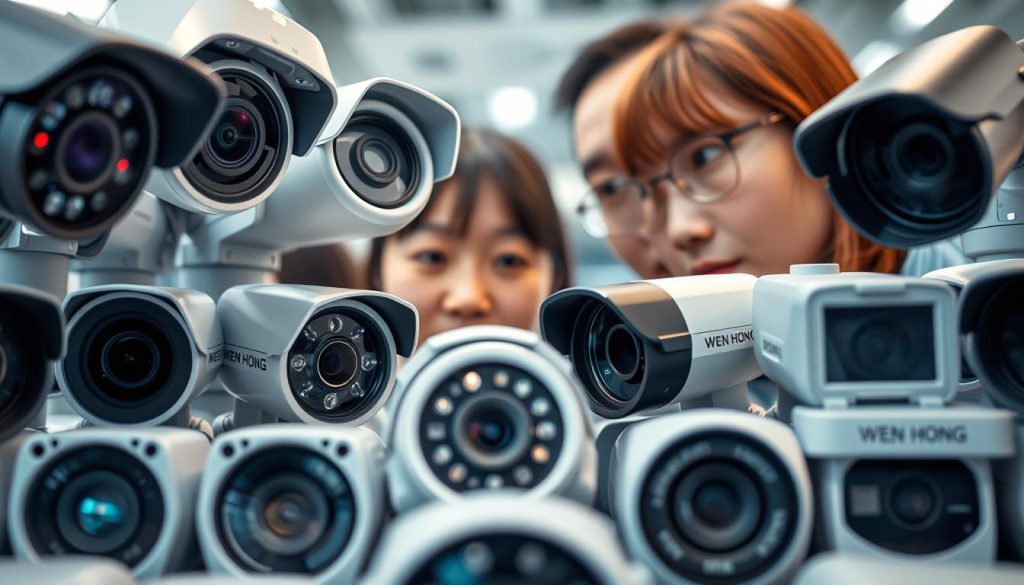
Video Recording Devices
Understanding video recording devices is key in surveillance. These systems, like Digital Video Recorders (DVR) and Network Video Recorders (NVR), shape how CCTV footage is handled. Each type has its own set of features and uses.
DVR vs. NVR Explained
DVRs and NVRs serve different needs. DVRs work with analog CCTV systems and are cost-effective for simple monitoring. They need two cables per camera. On the other hand, NVRs are for IP-based systems and offer higher resolution and advanced features like motion detection. NVRs might cost more upfront but are worth it for bigger setups.
Choosing the Right Video Recorder for Your Needs
Choosing the right video recorder depends on your needs. Consider the number of cameras, coverage areas, and desired features. Smaller setups might do well with DVRs, while bigger ones might prefer NVRs for their PoE connections.
For the best performance, get professionals to survey your site. They help find the best camera spots and set up the right recording solutions.
Keeping your video recording devices in top shape is vital. Proper installation and regular checks ensure they meet your security needs. For help with CCTV systems, including camera installation and repairs, contact professionals. If you have questions or need more info on CCTV solutions, reach out to Wen Hong at +65 60135960.
Data Storage Solutions
Effective data storage solutions are key for CCTV systems to work well. These systems record and keep footage for different times. Choosing the right storage is very important.
Storage systems do more than just hold video. They must handle data from many feeds reliably. A strong storage system keeps recording going, ensuring constant surveillance.
Importance of Robust Storage Systems
As more businesses use CCTV for security, good storage is essential. The quality and availability of footage are critical for investigations. A good storage system helps avoid data loss.
It also adds security against data breaches or system failures. This protects businesses from many threats.
Types of Storage Devices for CCTV Systems
Choosing the right storage for CCTV systems depends on your needs. This includes how many cameras you have and the video quality. Here are some common options:
- Hard Disk Drives (HDDs): They offer a lot of storage at a good price.
- Solid State Drives (SSDs): More expensive, but they’re faster and more durable.
- Cloud Storage: It’s modern and scalable. It keeps data safe from local disasters.
Choosing the right storage means looking at how long you need to keep footage. Cloud storage is popular for its flexibility. For more on CCTV storage, contact Wen Hong at +65 60135960.
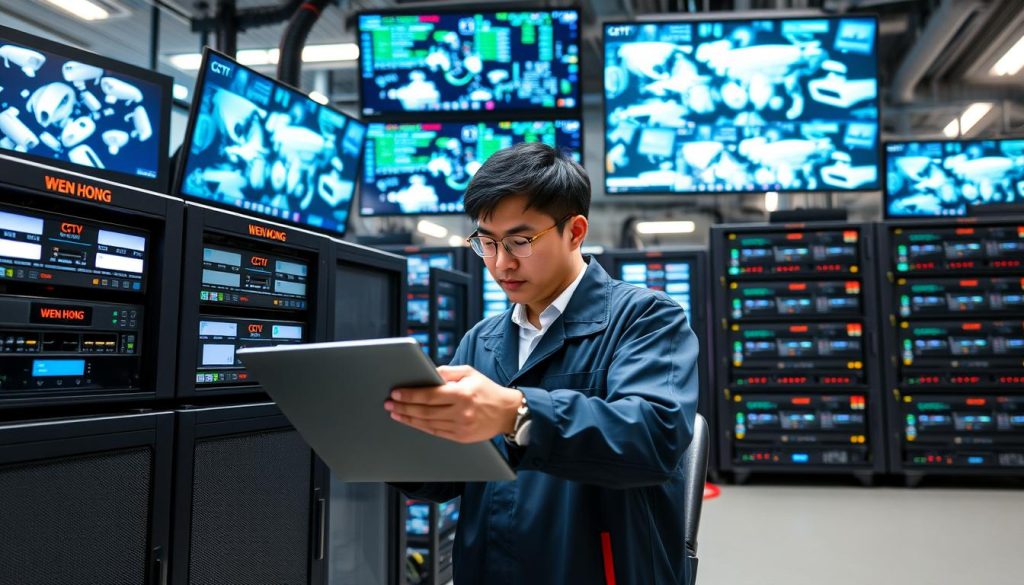
| Storage Type | Capacity | Speed | Cost | Durability |
|---|---|---|---|---|
| HDD | High | Moderate | Low | Moderate |
| SSD | Moderate | High | High | High |
| Cloud Storage | Unlimited | Variable | Variable | Very High |
Monitoring Solutions
In any effective security system, monitoring solutions are key. They let users see live and recorded footage easily. The quality of surveillance monitors matters a lot. Size and resolution are important for clear viewing.
The Role of Monitors in Surveillance
Surveillance monitors show camera feeds. High-definition video makes details clear. This helps spot security breaches early.
Places like neighborhoods, gas stations, and supermarkets use these monitors well. They help respond quickly to incidents. Users can choose from simple screens to advanced models with special settings.
Remote Viewing Capabilities
Modern security systems have remote viewing capabilities. This lets users watch CCTV footage on computers, tablets, or phones safely. It’s great for checking on properties from anywhere.
This feature makes monitoring easier and more convenient. It helps respond to incidents faster. For more on how intercoms and CCTV cameras work together, visit this link.
| Feature | Description |
|---|---|
| Resolution | Choosing monitors with high resolution ensures clear images. |
| Size | Monitors should match viewing distance and monitoring environment requirements. |
| Remote Capability | Allows viewing from anywhere, enriching real-time response. |
| Integration Options | Ability to connect with other security systems like intercoms for improved functionality. |
For the latest CCTV solutions and offers, contact Wen Hong at +65 60135960 today.
Cabling and Connectivity
Cabling is key in CCTV systems, as it carries video signals between cameras and recorders. Good cabling makes surveillance systems work better. There are many cables for CCTV, each for different needs. For example, coaxial cables are best for analog cameras, while Ethernet cables work well for IP cameras like Hikvision’s.
Choosing the right cable is important. It ensures your system works well and performs at its best.
Types of Cables Used in CCTV Systems
Many cables are used in CCTV setups. Coaxial cables are tough and last long, making them great for long-term use. Twisted pair cables cut down on signal problems but can get damaged easily.
Siamese cables are handy because they carry both data and power. This makes installations simpler. Optical fiber cables are best for long distances because they’re fast and carry lots of data. But, they cost more and are harder to set up.
Knowing the good and bad of each cable helps you choose the right one for your system.
Importance of Proper Connectivity for Performance
Good connectivity is vital for clear signals in CCTV systems. Bad connections can cause data loss, poor image quality, and system failures. These issues make your surveillance less effective.
Things like cable length, type, and power supply affect how well your system works. Using backup power, like UPS, protects your system from power problems. Also, picking the right gear and installing it correctly boosts performance and lifespan.
To find the best CCTV solutions for you, contact Wen Hong at +65 60135960 today.
FAQ
What are the essential components of a CCTV camera system?
A CCTV camera system has five key parts. These include cameras, monitors, cables, video recorders (DVR/NVR), and storage solutions. Each part is vital for good surveillance and security.
How do I choose the right type of camera for my CCTV system?
When picking a camera, think about what you need to cover, resolution, and the environment. IP cameras offer advanced features and high resolution. Analog cameras are more affordable but depend on your specific needs.
What are the differences between DVR and NVR in CCTV systems?
DVRs work with analog systems, while NVRs are for IP systems. NVRs have features like remote viewing and are better for large surveillance setups.
Why is data storage important in a CCTV camera system?
Data storage is key for keeping footage safe and accessible. Use strong storage like HDDs or SSDs. This affects how much footage you can keep, which is important for surveillance.
What types of cables are used in CCTV camera systems?
CCTV systems use coaxial cables for analog cameras and Ethernet cables for IP cameras. Choosing the right cables ensures good connection and signal quality.
Can I monitor my CCTV system remotely?
Yes, many CCTV systems let you watch live or recorded footage from anywhere. This can be on computers, tablets, or phones. It makes monitoring your system easier and more effective.
How do I ensure effective installation of my CCTV system?
For a good installation, think about camera placement and coverage. Make sure all parts work together well. Follow the manufacturer’s guidelines for the best results.
Source Links
- https://www.kentcam.com/cameye/blog/5-essential-components-of-cctv-camera-system/
- https://www.nirmmancommunication.com/blog-post33
- https://blog.eyespysupply.com/2022/09/29/5-essential-components-of-cctv-camera-systems/
- https://www.bcdvideo.com/blog/components-of-cctv-security-systems/
- https://newvisionservicesltd.com/the-basics-of-cctv-understanding-surveillance-systems/
- https://accutechcom.com/cctv-security-camera/
- https://mammothsecurity.com/blog/cctv-camera-equipment-list
- https://securitycamerabook.mystrikingly.com/blog/5-essential-components-of-a-cctv-camera-system
- https://www.firstsolution.com.sg/components-of-a-cctv-system-for-office-installation/
- https://www.caughtoncamera.net/news/different-types-of-cctv/
- https://www.cctv-camera.com.sg/articles/types-of-cctv-camera.html
- https://www.techcube.co.uk/blog/cctv-cameras-explained/
- https://www.mococonnectors.com/a-news-types-of-cctv-camera-cables-essential-components-for-security-systems
- https://kigalismartsolutions.com/7-essential-components-of-cctv-camera/
- https://www.gensecurity.com/blog/understanding-cctv-components-the-4-parts-every-system-requires
- https://www.dhs.gov/sites/default/files/publications/CCTV-Tech-HBK_0713-508.pdf
- https://www.paessler.com/it-explained/cctv
- https://www.avigilon.com/blog/cloud-security-storage
- https://security360.pk/components-of-cctv-camera/?srsltid=AfmBOoqi3YJG3RaLWCDhvDDcF0Itw7LiBPNRze1zgBaQWAzavM43tS1k
- https://www.apolloglobalacademy.com/principles-and-components-of-security-surveillance-information-communications-systems-cctv-1/
- https://planetsecurityusa.com/blogs/news/5-essential-components-of-cctv-camera-system?srsltid=AfmBOoq1re_6bBWjQQJbT2Nnr7qaq0ZH81WX5boXP_J8Zp2Xb9sqSasB
- https://www.cctvsg.net/5-types-of-security-camera-cables/


